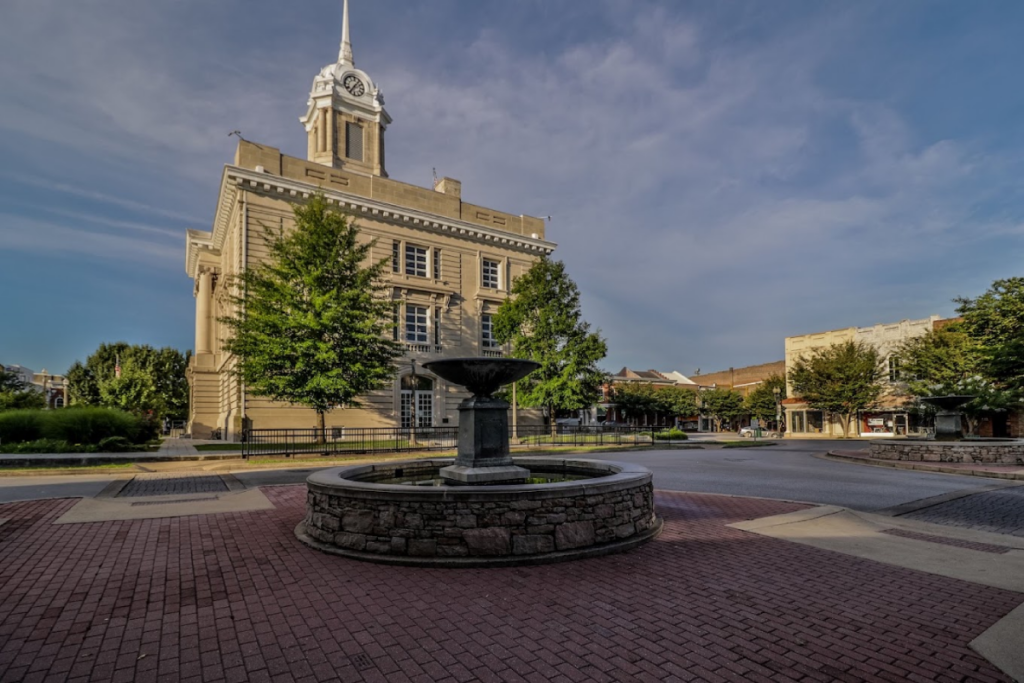
Tennessee has become one of the nation’s hottest relocation spots, and certain cities and towns are growing faster than anyone predicted. From the rolling hills of Middle Tennessee to the mountains out east and the Memphis suburbs, newcomers are choosing these communities for their affordability, lifestyle perks, and proximity to bigger cities without the big-city headaches.
If you’ve been curious about where people are actually putting down roots across the Volunteer State, these eleven places tell the whole story.
1. Spring Hill
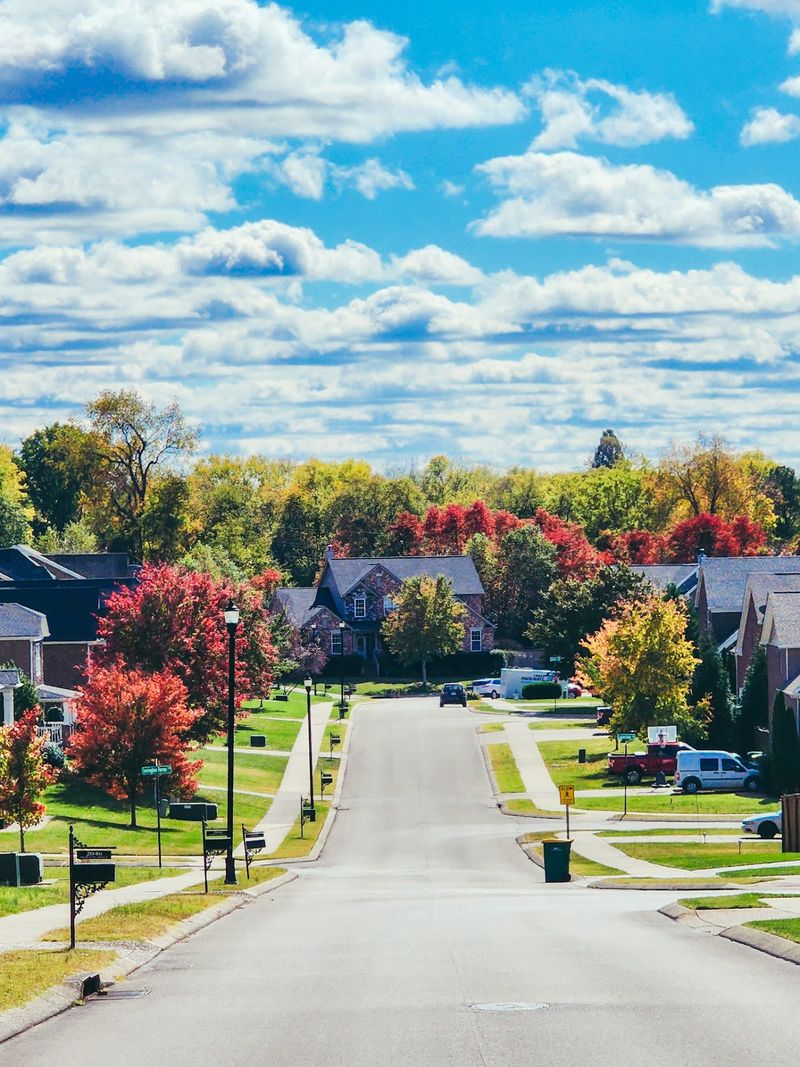
Spring Hill has exploded in popularity over the last few years, and the numbers back it up. The population has jumped about 21% since 2020, making it one of the fastest-growing communities in Middle Tennessee.
Families are flocking here for the newer neighborhoods, top-rated schools, and the fact that you can reach Franklin or Nashville in about half an hour.
What really sets Spring Hill apart is the balance it strikes between small-town charm and modern convenience. You get brand-new subdivisions with all the amenities, but you’re not stuck in endless traffic or paying downtown prices.
The school system consistently ranks high, which is a huge draw for parents who want their kids in quality classrooms without sacrificing space or affordability.
Housing options here range from townhomes to sprawling single-family properties, many built in the last decade. That means updated floor plans, energy-efficient features, and community pools or parks right around the corner.
Developers keep breaking ground on new projects, so there’s always something coming online if you’re in the market.
The location is hard to beat. You’re close enough to Nashville to catch a Predators game or hit up Broadway on a Saturday night, but far enough away that your daily routine feels calm and manageable.
Franklin’s historic downtown is just a short drive, offering boutique shopping and some of the best restaurants in the state.
Spring Hill also benefits from a growing local economy. General Motors has a major plant here, and other businesses have followed, creating jobs and boosting the tax base. That means better roads, more parks, and continued investment in infrastructure.
For families looking to settle somewhere with momentum, opportunity, and a welcoming vibe, Spring Hill checks every box.
2. Columbia
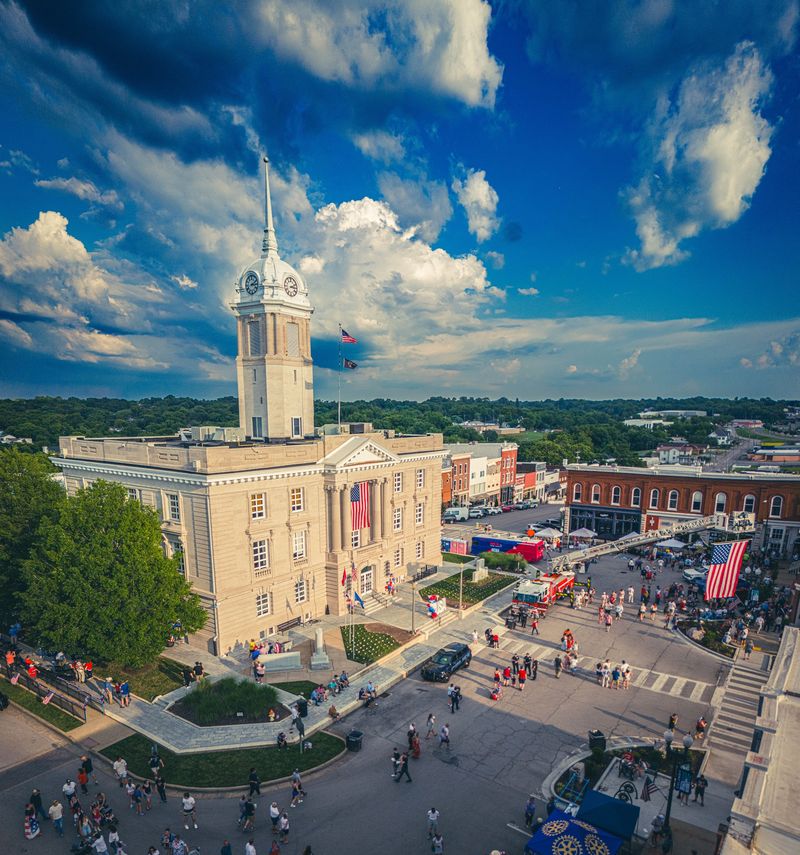
Columbia has quietly become one of Middle Tennessee’s most desirable places to live, with its population growing roughly 20% since 2020. The town offers a lively downtown filled with local shops, cafes, and historic architecture that gives it character you won’t find in cookie-cutter suburbs.
People love that it feels like a real community with deep roots, not just another sprawl of strip malls.
The historic homes here are a major selling point. Tree-lined streets showcase Victorian-era houses, charming bungalows, and renovated gems that attract buyers looking for something with personality.
You can find move-in-ready properties or fixer-uppers with tons of potential, and either way, you’re getting more square footage and yard space than you’d see closer to Nashville.
Columbia’s location is another big reason people are moving here. It’s close enough to Nashville that commuting is doable, but far enough away that you’re not dealing with the congestion, noise, or skyrocketing costs of living in the metro.
You get the best of both worlds: access to big-city jobs and entertainment, plus the peace and affordability of a smaller town.
The downtown area has really come alive in recent years. New restaurants, breweries, and boutiques have opened up, drawing locals and visitors alike.
There’s a genuine sense of community here, with farmers markets, festivals, and events that bring neighbors together. It’s the kind of place where you actually know the people you pass on the street.
Families appreciate the strong schools, safe neighborhoods, and outdoor spaces like Riverwalk Park along the Duck River. Young professionals and retirees are also finding Columbia appealing for its slower pace and lower cost of living.
With its blend of history, convenience, and small-town warmth, Columbia has earned its spot on Tennessee’s fastest-growing list.
3. Lebanon
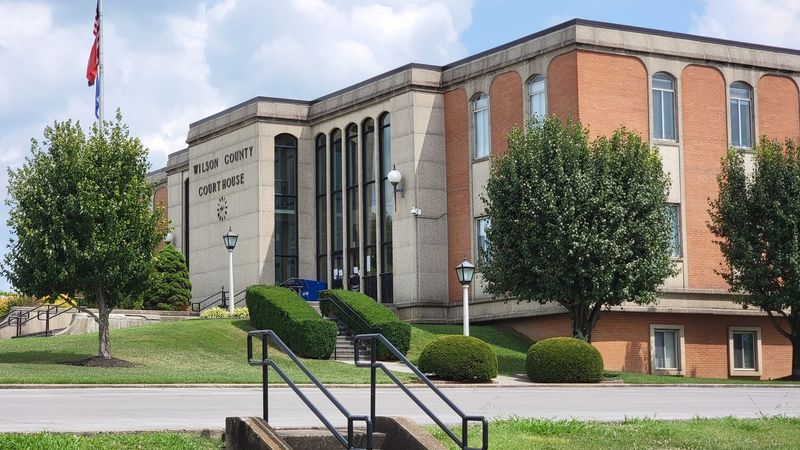
Lebanon offers something a lot of people are searching for right now: more space, a traditional town feel, and convenient access to Nashville without actually living in the metro chaos. The town square is the heart of the community, surrounded by locally owned shops, restaurants, and a courthouse that’s been standing for generations.
It’s the kind of setup that makes you feel like you’ve stepped back in time, in the best way possible.
Families and young professionals are choosing Lebanon because housing is still attainable here. You can find spacious homes on larger lots without paying the premium prices you’d see in nearby suburbs.
Neighborhoods range from established areas with mature trees to newer developments with modern layouts, so there’s something for every taste and budget.
The location is a huge advantage. Lebanon sits just east of Nashville, making it an easy commute for people who work in the city but want to come home to a quieter, more relaxed environment.
You’re close enough to enjoy everything Nashville offers, from live music to pro sports, but you’re not dealing with the traffic, noise, or expense on a daily basis.
Outdoor recreation is another draw. Lebanon is near Percy Priest Lake, which means boating, fishing, and waterfront fun are just minutes away. There are also parks, walking trails, and green spaces scattered throughout town, giving residents plenty of options for staying active and spending time outside.
The community vibe here is strong. People genuinely care about their neighbors, support local businesses, and show up for town events.
It’s not pretentious or overly polished, just authentic and welcoming. Schools are solid, crime rates are low, and the cost of living remains reasonable compared to other Middle Tennessee towns experiencing similar growth.
For anyone who wants Nashville proximity without the Nashville price tag, Lebanon delivers.
4. Cookeville

Cookeville sits in the Upper Cumberland region, about an hour east of Nashville, and it’s become a magnet for people who want affordability, outdoor adventure, and a college-town atmosphere all in one place. The population has climbed nearly 10% since 2020, and it’s easy to see why.
You get way more for your money here than in Tennessee’s bigger cities, and the quality of life is hard to beat.
Tennessee Tech University calls Cookeville home, which brings energy, culture, and job opportunities to the area. The college infuses the town with events, sports, and a younger demographic that keeps things lively.
But Cookeville isn’t just a college town. It’s also a hub for healthcare, manufacturing, and small businesses, creating a diverse economy that supports steady growth.
Nature lovers are drawn here for the waterfalls, hiking trails, and outdoor recreation that surround the area. Cummins Falls State Park, one of Tennessee’s most stunning natural attractions, is just a short drive away. You can also explore Burgess Falls, the Highland Rim, and countless trails that wind through forests and along creeks.
If you love being outside, Cookeville puts you in the middle of it all.
Housing is still affordable compared to Nashville, Knoxville, or Chattanooga. You can find everything from cozy starter homes to larger properties with acreage, and the market hasn’t gone completely wild like it has in other parts of the state.
That makes Cookeville especially appealing to first-time buyers, young families, and retirees looking to stretch their budgets.
The downtown area has charm, with local restaurants, coffee shops, and a farmers market that draws crowds on weekends. There’s a genuine sense of community here, and people take pride in keeping Cookeville welcoming and vibrant.
5. Chattanooga
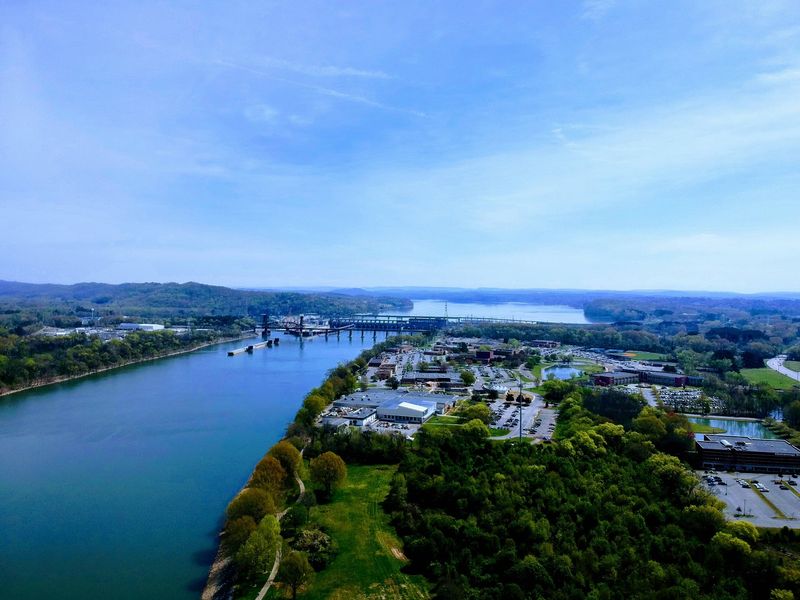
Chattanooga has been on the rise for years, and the momentum shows no signs of slowing. The city has grown nearly 7% since 2020, fueled by its unbeatable combination of mountains, riverfront recreation, a thriving downtown, and outdoor activities that rival anywhere in the Southeast.
People who move here often say they feel like they’re on vacation every weekend, and it’s not an exaggeration.
The Tennessee River runs right through the heart of the city, offering kayaking, paddleboarding, and riverside trails that make it easy to stay active. Lookout Mountain looms over the landscape, providing hiking, rock climbing, and jaw-dropping views.
Whether you’re into mountain biking, trail running, or just taking in the scenery, Chattanooga delivers year-round adventure.
Downtown Chattanooga has undergone a major transformation over the past decade. The revitalized riverfront, the pedestrian Walnut Street Bridge, and a growing food and arts scene have turned it into a destination.
New restaurants, breweries, and coffee shops pop up regularly, and there’s always something happening, from outdoor concerts to farmers markets to festivals.
The job market here is diverse and growing. Chattanooga has attracted tech companies, startups, and remote workers thanks to its high-speed internet infrastructure and lower cost of living compared to major metros.
Healthcare, manufacturing, and tourism also provide stable employment, making it easier for people to find work and build careers.
Housing options range from historic neighborhoods with character to modern developments on the outskirts. Prices have risen as demand increases, but Chattanooga is still more affordable than Nashville or Atlanta.
For anyone seeking a city that balances urban energy with natural beauty, Chattanooga is tough to top.
6. Maryville
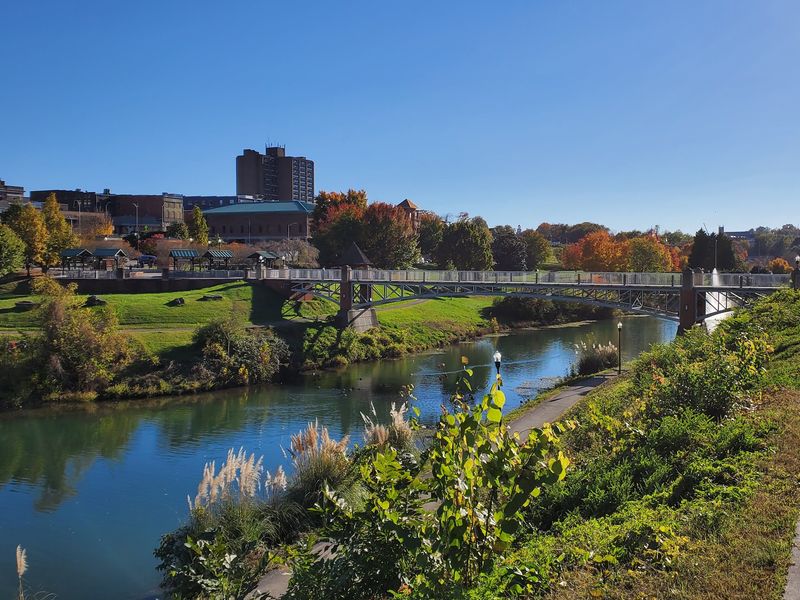
Maryville sits just south of Knoxville, tucked between the foothills of the Great Smoky Mountains and the edge of East Tennessee’s metro area. It’s become a go-to spot for people who want quieter living without giving up access to jobs, shopping, and entertainment.
The proximity to the Smokies is a huge draw, putting some of the country’s most visited national park trails within a short drive.
The small-city atmosphere here is what sets Maryville apart. It’s not a sleepy rural town, but it’s also not packed with traffic and development like Knoxville.
You get tree-lined streets, local shops, and a downtown area that still feels authentic and community-focused. People know their neighbors, support local businesses, and take pride in keeping Maryville a welcoming place.
Outdoor recreation is a major lifestyle perk. Whether you’re hiking Cades Cove, fishing in mountain streams, or just driving the scenic routes through the Smokies, you’re never far from nature.
The area also offers parks, greenways, and recreational facilities that make it easy to stay active year-round. Families with kids love the access to safe, outdoor spaces where they can explore and play.
Housing in Maryville remains more affordable than Knoxville, and you get more space for your money. Neighborhoods range from established areas with mature landscaping to newer subdivisions with modern amenities.
Whether you’re looking for a charming older home or a brand-new build, there are plenty of options without the bidding wars you’d see closer to the city.
The job market is solid, with opportunities in healthcare, education, manufacturing, and retail. Knoxville is close enough for commuters, but many people find work right in Maryville or the surrounding area.
7. Johnson City
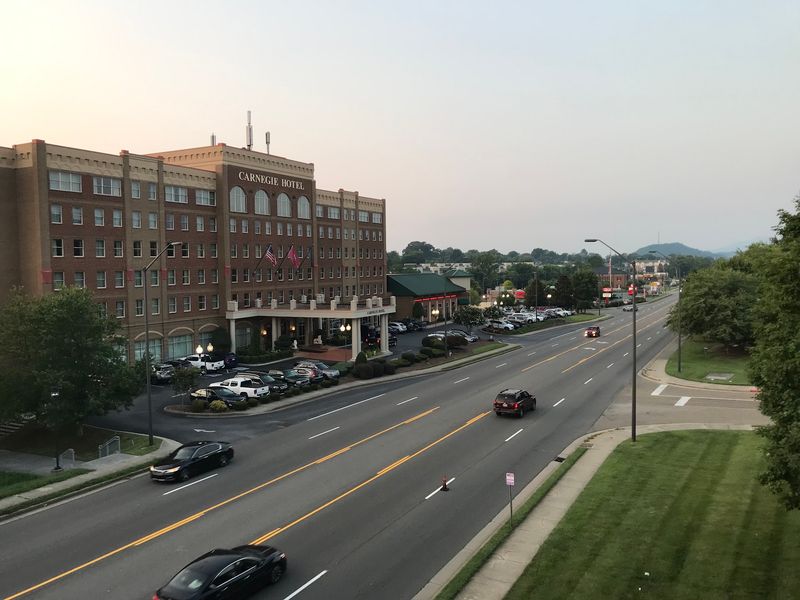
Johnson City has quietly become one of East Tennessee’s most appealing relocation destinations. Lower costs than many larger metro areas, stunning mountain scenery, a strong healthcare sector, and proximity to outdoor recreation have all contributed to its rising population.
People are discovering that they can live well here without the financial strain that comes with bigger cities.
The healthcare industry is a major economic driver. Johnson City is home to several hospitals, medical centers, and East Tennessee State University’s medical school, creating thousands of jobs and attracting professionals from across the region.
That stability has helped the city weather economic ups and downs better than many other small metros.
Mountain scenery defines the landscape. The Appalachian Mountains surround Johnson City, offering hiking, camping, and scenic drives that make outdoor enthusiasts feel right at home.
Whether you’re exploring Roan Mountain, paddling the Watauga River, or biking the Tweetsie Trail, there’s no shortage of ways to get outside and enjoy the natural beauty.
Downtown Johnson City has undergone a revitalization in recent years. New restaurants, breweries, and shops have opened, giving the area a fresh, vibrant feel.
There’s a growing arts scene, with galleries, live music venues, and community events that bring people together. It’s the kind of downtown that feels authentic and welcoming, not overdeveloped or corporate.
Housing is still affordable, especially compared to Nashville, Knoxville, or Chattanooga. You can find everything from historic homes in established neighborhoods to new construction in growing subdivisions.
The cost of living overall remains reasonable, making Johnson City attractive to young families, retirees, and anyone looking to make their paycheck go further.
Schools are solid, crime rates are low, and the community vibe is friendly and unpretentious. For people who want mountain living, job opportunities, and a lower cost of living all in one place, Johnson City is an increasingly smart choice.
8. Clarksville
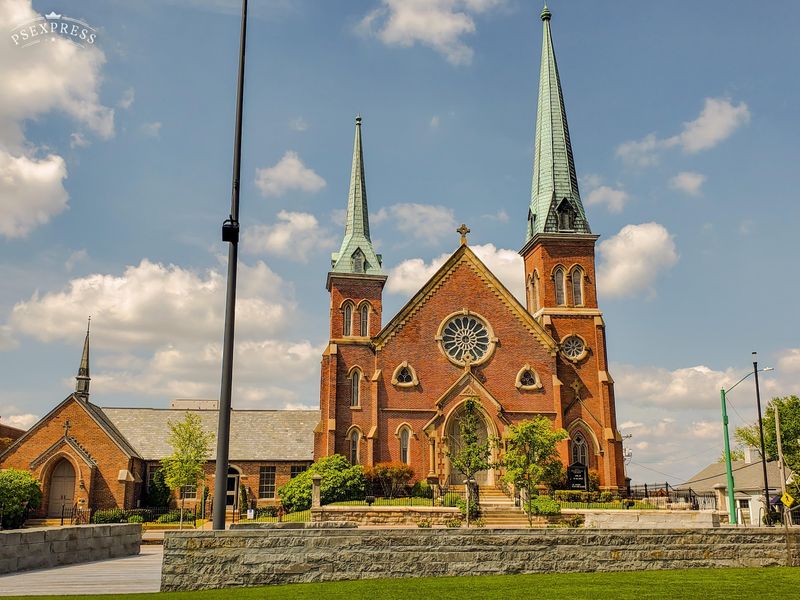
Clarksville has become one of Middle Tennessee’s major relocation destinations, thanks to Fort Campbell, a growing job market, relatively attainable housing, and proximity to Nashville. The military base brings thousands of service members and their families to the area, creating a steady stream of new residents and a strong sense of community support.
Fort Campbell is one of the largest Army installations in the country, and its presence shapes the local economy and culture. Military families appreciate the base’s resources, the supportive community, and the fact that Clarksville offers a welcoming environment for those who serve.
But Clarksville isn’t just a military town. It’s also home to manufacturing plants, distribution centers, and a growing retail and service sector that provides jobs for civilians.
Housing in Clarksville is more affordable than in Nashville or its closer suburbs, making it an attractive option for first-time buyers and young families. New subdivisions are popping up regularly, offering modern floor plans and community amenities like pools, playgrounds, and walking trails.
Established neighborhoods provide charm and character, with tree-lined streets and homes that have been around for decades.
The location is another big draw. Clarksville sits about 45 minutes northwest of Nashville, close enough for commuters but far enough to avoid the worst of the metro traffic and costs.
You can work in the city and come home to a more relaxed, affordable community. The drive is straightforward, and many people find the trade-off worth it.
Clarksville also offers parks, greenways, and outdoor spaces like Dunbar Cave State Park and the Clarksville Greenway system. Families enjoy the recreational opportunities, and the community vibe is welcoming and down-to-earth.
9. Gallatin
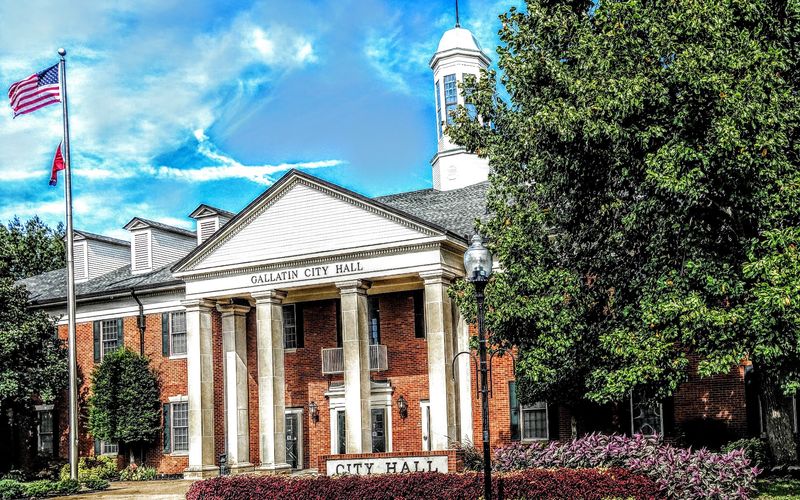
Gallatin blends old-town character with rapidly expanding neighborhoods, giving newcomers Nashville access while still offering lakes, parks, and a distinct community of its own. The historic downtown area features local shops, restaurants, and a courthouse square that feels straight out of a postcard.
But just beyond the old-town charm, new subdivisions are springing up fast, attracting families looking for space and affordability.
The location is a huge selling point. Gallatin sits just northeast of Nashville, making it an easy commute for people who work in the city but want to avoid living in the metro sprawl. You’re close enough to catch a Titans game or explore Broadway, but you’re coming home to a place that feels quieter and more grounded.
Old Hickory Lake borders Gallatin, offering waterfront recreation, fishing, and boating opportunities. Families spend weekends on the water, and the lake adds a resort-like feel to everyday life.
Parks and greenways throughout the area provide plenty of options for hiking, biking, and enjoying the outdoors without having to drive far.
Housing options range from historic homes in the downtown area to brand-new builds in growing subdivisions. Prices are still more affordable than in Nashville or nearby suburbs like Hendersonville, which makes Gallatin especially appealing to first-time buyers and young families.
Developers continue to break ground on new projects, so inventory is steady even as demand increases.
The community vibe is welcoming and family-oriented. Schools are solid, crime rates are low, and there’s a genuine sense of pride in keeping Gallatin a great place to live.
Local events, farmers markets, and festivals bring neighbors together, and people support local businesses and each other. For anyone seeking Nashville proximity, lakefront living, and a town with character, Gallatin is a standout choice.
10. Oakland
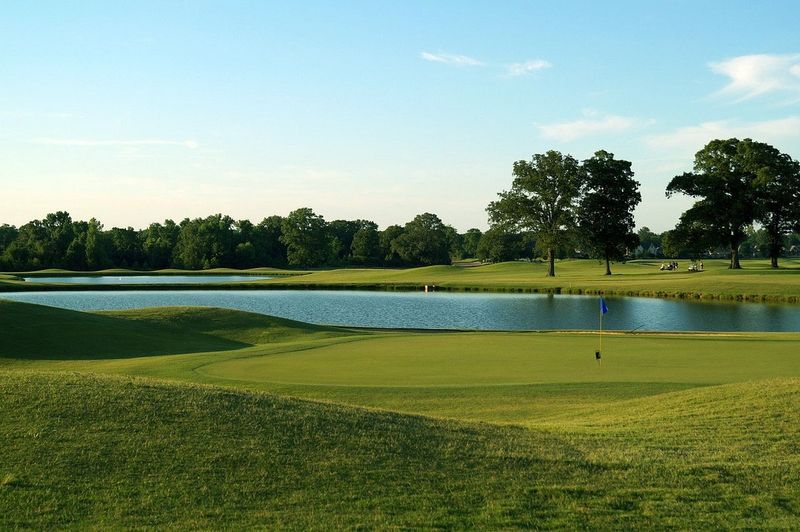
Oakland is a small West Tennessee town that’s experiencing striking growth, with its population rising more than 20% since 2020. Located east of Memphis, it offers residents more breathing room while keeping the city within reach.
People are drawn here for the space, the quieter pace, and the chance to live somewhere that doesn’t feel crowded or rushed.
The growth has been fueled largely by families looking to escape the congestion and higher costs of Memphis. Oakland provides larger lots, newer homes, and a suburban feel without the typical suburban density.
You get room for a backyard, a garden, or just some peace and quiet, all while staying close enough to Memphis for work, shopping, and entertainment.
Housing options here tend toward single-family homes on spacious lots, many built in the last decade. Neighborhoods are clean, safe, and family-friendly, with low crime rates and strong community ties.
Oakland’s location makes it convenient for commuters. Memphis is about 30 minutes away, so you can access the city’s job market, restaurants, and cultural attractions without living in the middle of it all. That balance is a major draw for people who want urban access but prefer a more laid-back lifestyle at home.
The town itself is still relatively small, which means you won’t find a bustling downtown or endless entertainment options. But that’s part of the appeal.
Oakland is quiet, safe, and unpretentious. It’s a place where neighbors know each other, kids play outside, and life feels a little slower and more manageable.
For anyone seeking affordable housing, good schools, and a small-town vibe near Memphis, Oakland is proving to be an increasingly popular choice. The rapid growth shows no signs of slowing, and more people are discovering what makes this little West Tennessee town so appealing.
11. Arlington
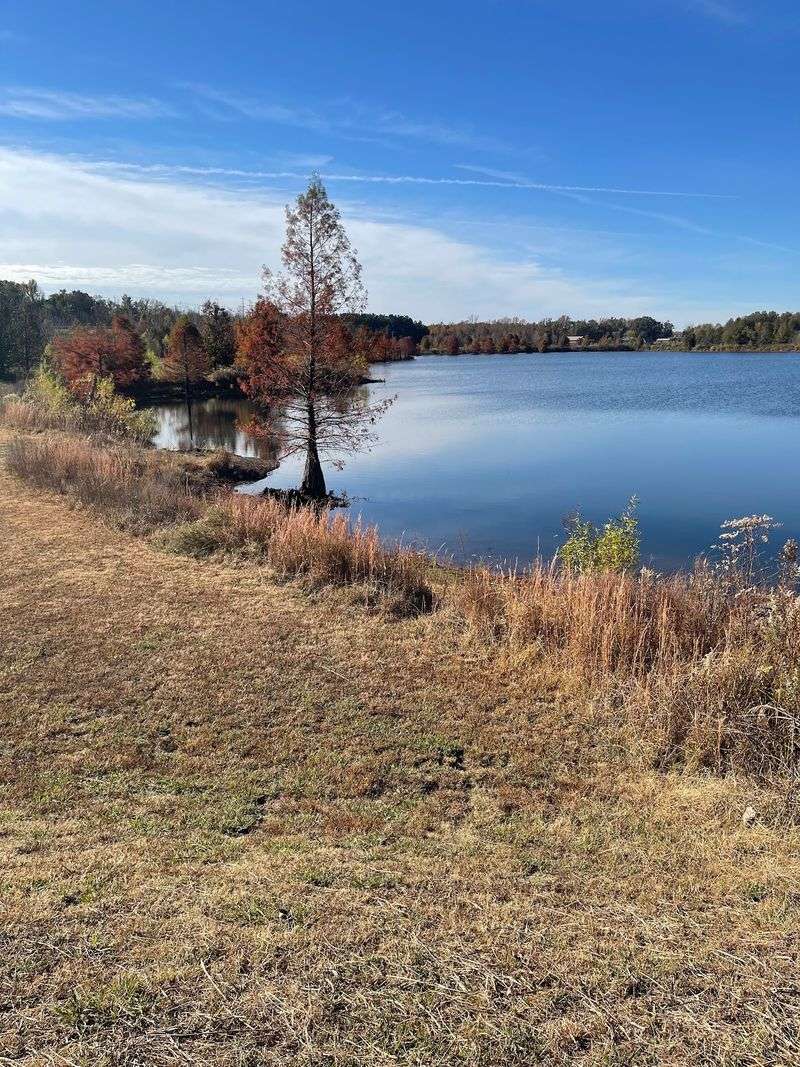
Arlington is another Memphis-area alternative that’s attracting people looking for a smaller-town setting, suburban conveniences, and room to spread out. The population has grown about 6% since 2020, driven by families and professionals who want to be near Memphis without dealing with the city’s traffic, crime, or higher costs.
The town offers a true suburban feel with tree-lined streets, well-maintained neighborhoods, and plenty of green space. Parks, playgrounds, and walking trails are scattered throughout the area, making it easy for families to stay active and spend time outdoors.
The community vibe is friendly and welcoming, with neighbors who look out for each other and take pride in their town.
Housing in Arlington ranges from established neighborhoods with mature landscaping to newer developments with modern amenities. Prices are more affordable than in Memphis or its closer suburbs, and you get more square footage and yard space for your money.
That makes Arlington especially appealing to first-time buyers and growing families who need extra room.
The location is convenient for commuters. Arlington sits just east of Memphis, putting the city’s job market, shopping, and entertainment within easy reach.
You can work in Memphis and come home to a quieter, safer community where life feels more relaxed and manageable. The trade-off is worth it for many people who value space and peace over urban proximity.
Schools in Arlington are strong, which is a major draw for parents. The town’s commitment to education, safety, and quality of life has helped it stand out in the Memphis metro area.
Crime rates are low, and the community is tight-knit, with local events and activities that bring people together.