Pawhuska is a small Osage County town with a surprisingly big story, and one of its best chapters costs nothing more than whatever you choose to drop in a donation box. Tucked inside a modest building is a museum where ballet shoes from a world-famous Osage dancer share space with a 1947 television that once got one channel for two hours a day.
A stone marker out front points to a piece of national history that started right here in 1909. Keep reading to learn what is inside, who will love it, when it is open, and why an hour here often turns into much longer.
1. A Free Doorway Into Osage County
Some of the best museums in Oklahoma never charge a cent at the door, and this one proudly belongs on that list.
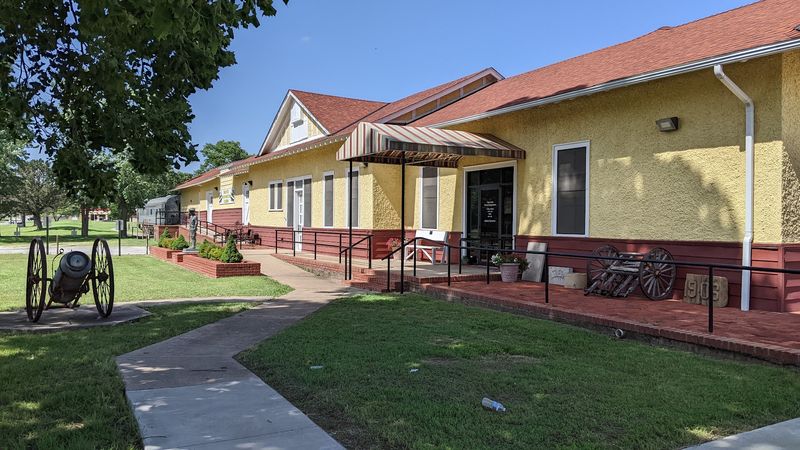
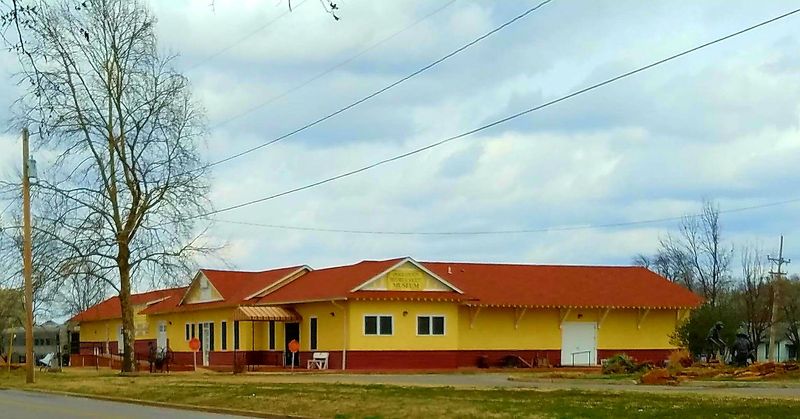
The Osage County Historical Society operates a heritage museum at 700 Lynn Ave, Pawhuska, OK 74056, in the United States. Pawhuska serves as the county seat area for Osage County, which makes it a natural home for the region’s stories.
Admission works on a donation basis. Donation boxes sit on display, and guests give what feels right to them.
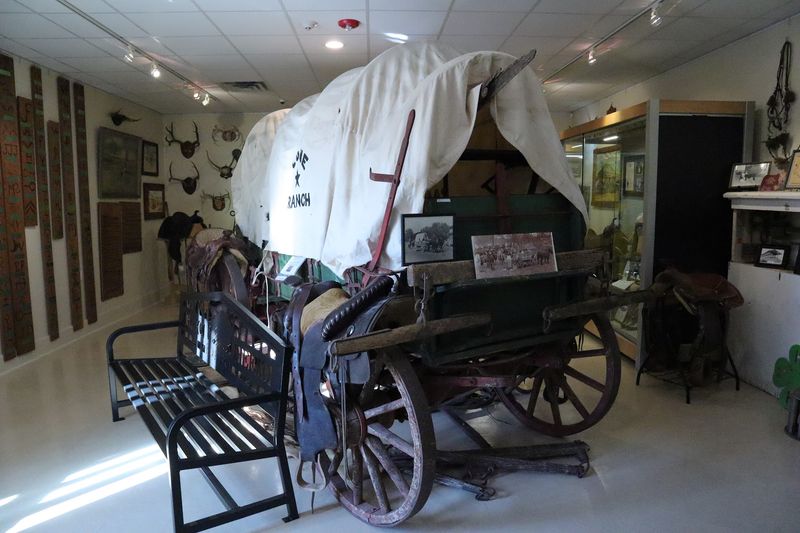
Inside, the museum is described as compact, yet it holds exhibits covering the county’s heritage and culture across many generations. The collection blends Osage Nation history with the story of the settlers, ranchers, and townsfolk who built the community around them.
For families on a budget, the math is simple. A day trip from Tulsa or Oklahoma City can include real history without a ticket line or a big bill.
Small in footprint and generous in content, the building rewards anyone curious enough to open the door, and the next sections show exactly why that door is worth opening.
2. The Scout Story Carved in Stone
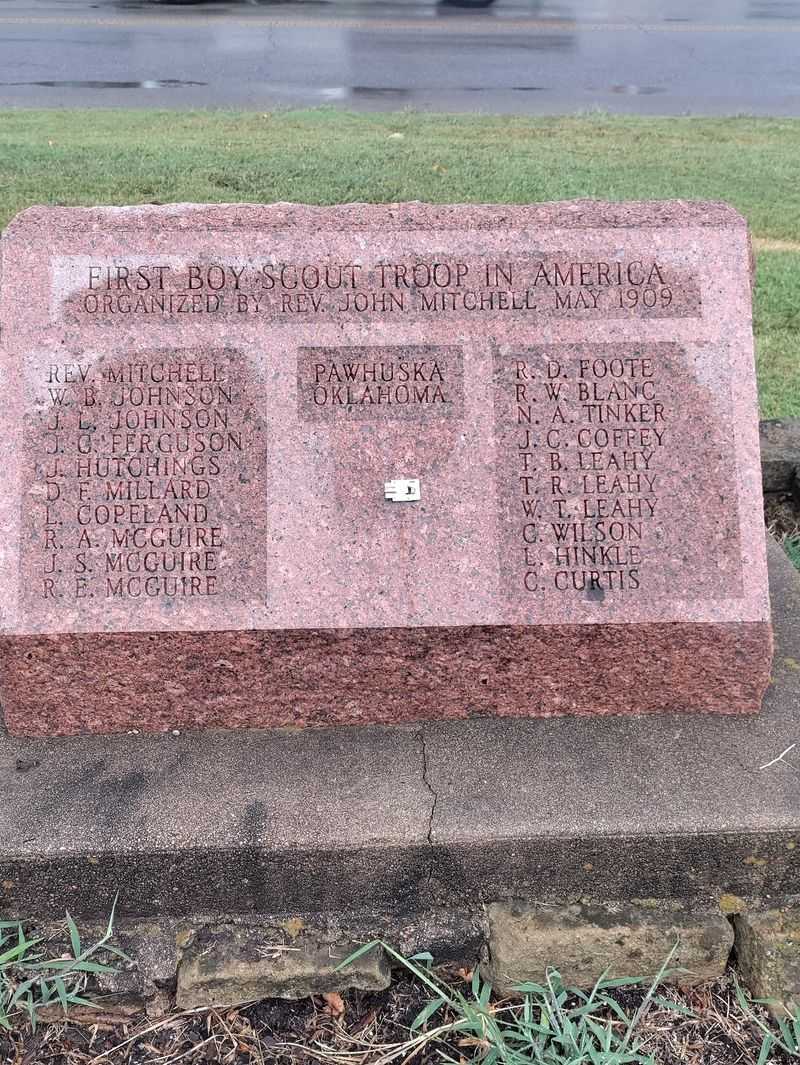
Before you even reach the entrance, a piece of American youth history is waiting outside.
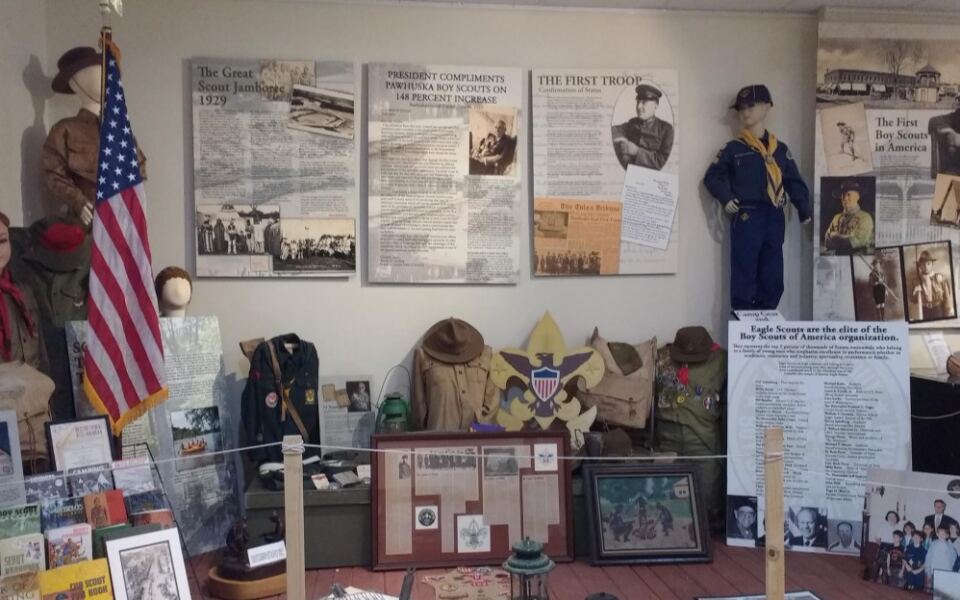
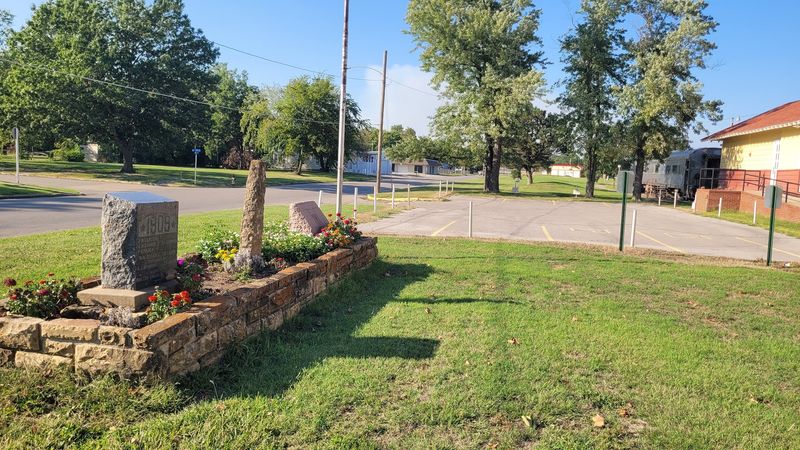
A stone monument out front honors the first Boy Scout troop in America, established in Pawhuska in 1909. Plenty of people arrive with no idea about this claim and leave talking about it.
The monument makes a great first stop for families with kids in Scouting. It turns a quick photo into a conversation about how far back the movement goes in this small Oklahoma town.
Inside, the Scout story continues as part of the larger timeline. The exhibits stretch from that early troop to much more recent events in Pawhuska, with plenty in between.
That range is part of the charm. A single visit can jump from a 1909 milestone to modern town news in a matter of steps.
For Oklahomans who love proving their state has deep roots, this is a ready-made bragging point. It is the kind of fact worth tucking away for the next trivia night.
Consider the stone a preview, because the real treasure hunt starts once you head indoors.
3. Four Centuries of Osage Heritage
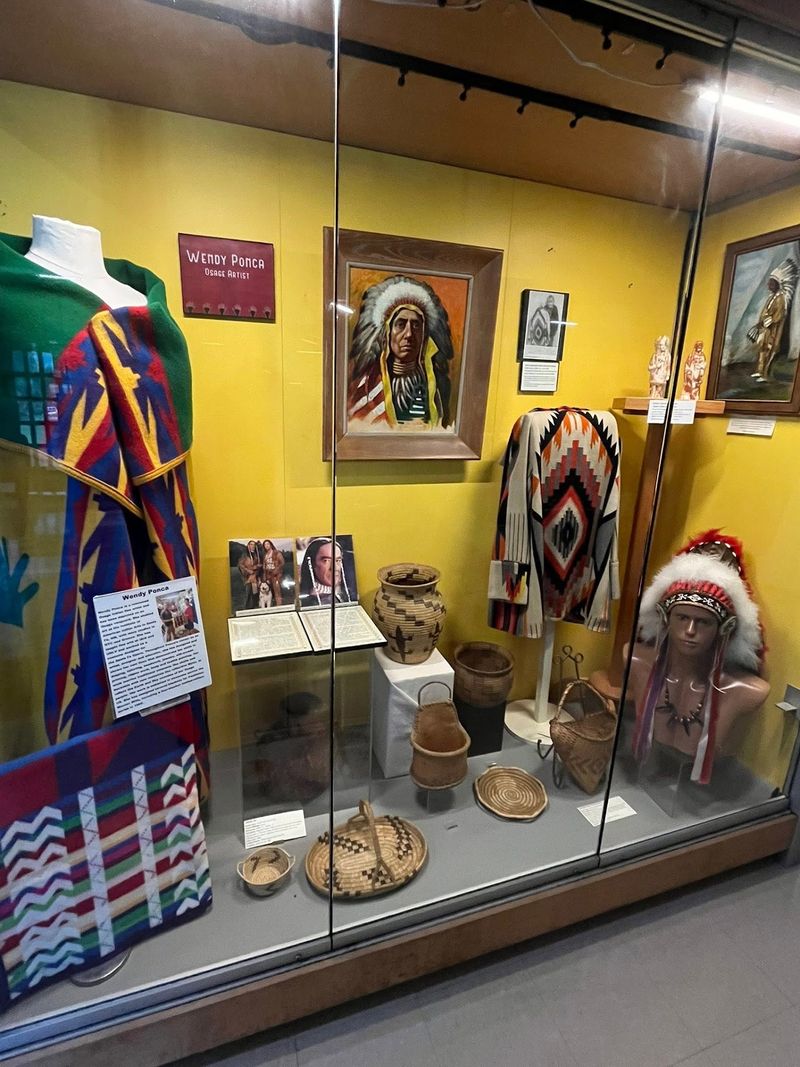
Osage history sits at the heart of this collection, and it reaches back a long way.
Artifacts on display span roughly 400 years, tracing the story of Osage County and the Osage people who shaped it. Native artifacts appear throughout the rooms alongside photographs and documents.
The museum gives attention to both the Osage people and the white settlers who arrived later. That balanced approach helps guests understand how the community took shape over time.
One small detail leaves a lasting impression. Handwritten notes identify some Osage members in historic photos, giving names to faces of people proud of their community in Osage County.
Those names matter. They turn a wall of old pictures into a record of real families with real stories.
For anyone already drawn to Native American museums, this stop fits right in with a broader Osage Country day. It offers a local, personal angle that larger institutions sometimes miss.
Come with questions, because the people behind the front desk tend to have answers, and that brings us to the museum’s secret weapon.
4. Ballet Shoes From a Legend
Few small-town museums can say they hold ballet shoes tied to an international star.
Among the collection are ballet shoes belonging to Maria Tallchief, the celebrated ballerina with Osage heritage. Her name carries enormous weight in Oklahoma, and seeing her shoes in Pawhuska connects that fame to her home region.
The display is a reminder that Osage County history is not only about land and settlement. It also includes artists who reached the biggest stages in the world.
Young dancers in the family will likely want to linger here. It is a chance to talk about how someone from Osage roots rose to the top of an art form.
The shoes are part of a wider theme of famous Pawhuska residents featured in the exhibits. The museum takes pride in the people who carried the area’s name far beyond county lines.
A pair of slippers may not look like much at first glance. Their story, though, is the kind that tends to stick with you on the drive home.
5. One Channel, Two Hours a Day
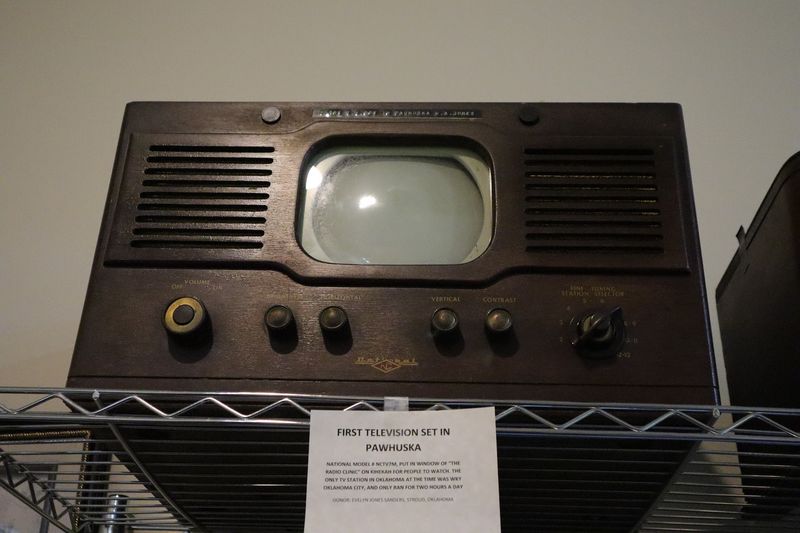
Tell a modern kid that television once offered a single channel, and expect a look of pure disbelief.
The museum backs up that claim with an early television made by National around 1947. Back then, it reportedly picked up one channel broadcasting for just two hours per day.
That detail makes the set a perfect conversation starter for families. Streaming generations get a quick lesson in how much entertainment has changed in under a century.
The TV fits into a broader collection of antiques. Everyday objects from past decades show how people in Osage County lived, worked, and relaxed.
These household pieces make history feel personal rather than distant. Grandparents may recognize items from their own childhood and share stories on the spot.
It is a fun way to bridge generations during a family outing. A simple box with a small screen can spark more discussion than any tablet in the car.
And if a silent screen seems quiet, the museum has a musical treat waiting nearby.
6. A Victrola Still Spinning the 1920s
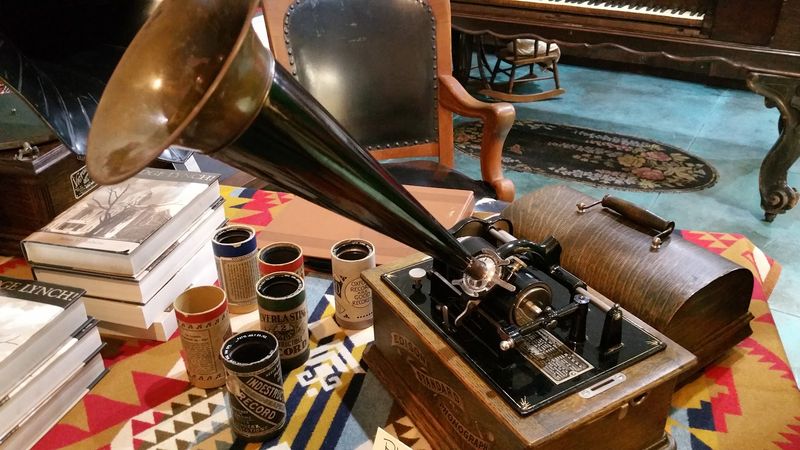
Here is a museum moment that goes beyond reading a placard.
Staff members have been known to place old 78 rpm records from the 1920s on a vintage Victrola. The selections have included music and even an old advertisement from that era.
The 1920s were a defining decade in Osage County history, so hearing recordings from those years adds real context. It turns a display piece into a working time machine.
Demonstrations like this depend on who is working that day, so they are not guaranteed. Asking politely can never hurt, though.
Kids raised on wireless earbuds tend to find the hand-cranked technology fascinating. It is a hands-on style of learning that many families seek out on weekend trips.
The Victrola also shows the personal attention that sets this place apart. Few larger museums would pull out a century-old record for a small group of guests.
That down-home spirit deserves its own spotlight, so keep reading to meet the people who make it happen.
7. Curators Who Love a Good Question
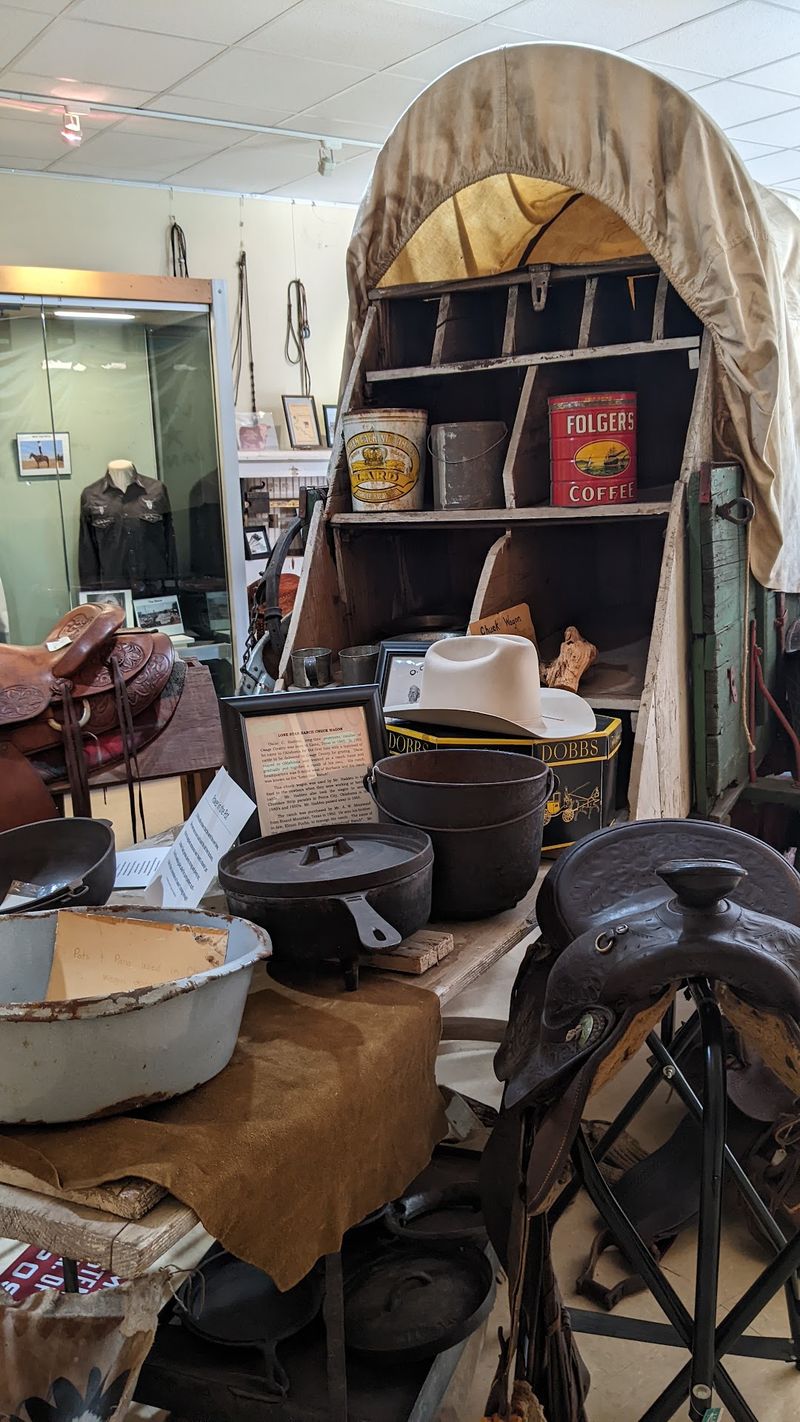
Exhibits tell part of the story here, and the people at the desk tell the rest.
Friendly staff come up again and again as a highlight of the museum. The curators and docents are described as informed, helpful, and happy to share local history.
Many guests leave with far more knowledge than signs alone could provide. A quick question can turn into a detailed explanation of a family, an event, or an object.
The front desk welcome sets a warm tone from the start. Staff tend to be accommodating even when guests arrive close to closing time.
This kind of personal connection is a big part of what makes small museums worthwhile. It feels less like a formal institution and more like a conversation with a neighbor who knows everything about town.
Families with curious kids will appreciate that patience. Young minds get real answers instead of a shrug.
So go ahead and ask about anything that catches your eye. Somebody here probably knows the story behind it, including one tale with a rather memorable name.
8. The Curious Case of Mr. Stink
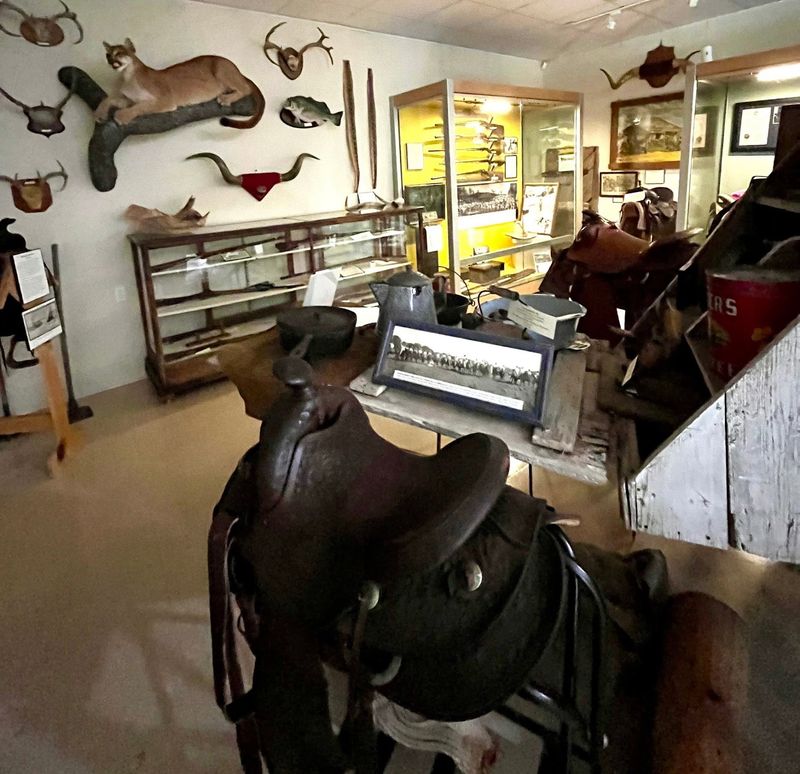
Every good small-town museum has at least one oddball story, and this one has Mr. Stink.
His tale ranks among the favorites for people who pass through. The name alone is enough to make kids lean in and ask what happened.
The details are best discovered in person, ideally with a staff member filling in the backstory. Part of the fun is hearing it told by someone who knows the town.
Stories like this reveal another side of the collection. Alongside serious history, there is plenty of random information and unexpected artifacts that keep things lively.
That mix keeps the museum from feeling like a lecture. One minute covers centuries of Osage heritage, and the next brings a quirky local legend.
It also explains why so many people say they find something new each time they go. With so much packed into each room, a second trip rarely repeats the first.
Consider this your teaser. Ask about Mr. Stink when you arrive, then keep exploring to see what other surprises the shelves are hiding.
9. Books, Blankets, and Coins to Take Home
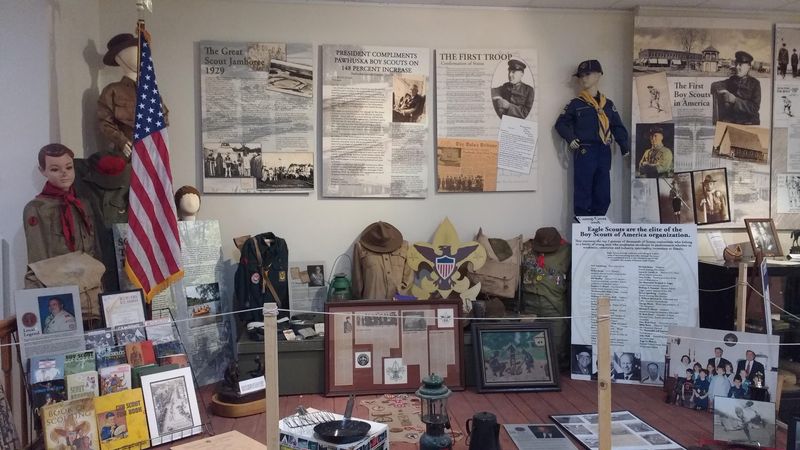
Souvenir hunters, the gift shop here is modest but useful.
The biggest strength is the book selection. Titles on local and regional history are available for purchase, making it easy to keep learning after the trip.
Beyond books, the shop has a limited range of gift ideas. Throw blankets are sold here, which make a practical keepsake.
Coins are also available, and buying them helps support the museum. Checking each one closely before purchase is a sensible step, since condition can vary.
Purchases and donations both help keep the doors open. For a free museum, that support matters a great deal.
Families who read the book about the Osage murders before visiting may want to pick up related titles here. A book bought on site tends to carry extra meaning.
Leave a little room in the budget for this stop. It is a simple way to say thanks for an afternoon of free history, and the next section explains how long that afternoon might stretch.
10. Why a Quick Stop Rarely Stays Quick
Plan for a few minutes, and the clock will probably have other ideas.
Plenty of guests expect a short look and end up staying an hour or more. The rooms are packed with historical artifacts, antiques, and photographs, which makes it easy to lose track of time.
Arriving close to closing is a common regret. Some people simply run out of time before seeing everything.
An hour is a fair minimum for a first trip. Families with history fans or curious kids may want to budget extra.
The museum also works well as a break during a longer drive. Road trippers passing through Osage County have stopped to stretch their legs and walked out pleasantly surprised.
Its appeal reaches a wide audience. Native American history fans, Scouting families, movie buffs, and anyone who simply likes museums will find something here.
Small museums can feel like a box to check. This one tends to turn into the highlight of the day, which makes the practical details in the next section worth noting.
11. Hours, Parking, and Practical Notes
Timing matters here, since the museum keeps a weekday-friendly schedule.
Hours run Tuesday through Saturday from 10 AM to 4 PM. The museum is closed on Sunday and Monday, so weekend trippers should aim for Saturday.
Hours may change, so calling or checking the museum’s website before driving is a smart move. A quick check can save a disappointing trip.
Parking is easy, with plenty of spaces available. Clean, stocked restrooms for men and women are on site.
Admission remains free, with donations welcome. Bringing a few dollars in cash is a kind way to support the collection.
Pawhuska makes an easy day trip from Tulsa, and many families pair the museum with a walk downtown. Nearby sites like the courthouse and historic schoolhouse round out a heritage-focused outing.
Arriving earlier in the day leaves room to explore without watching the clock. With a 4 PM close, a late lunch can easily cut the visit short.
With logistics handled, all that is left is deciding whether this museum belongs on your list.
12. A Small Museum With a Long Memory
Some places earn their reputation quietly, and this museum is one of them.
It holds a 4.7-star standing from 125 ratings, a strong sign that people leave satisfied. The combination of free entry, deep local history, and genuinely kind staff explains why.
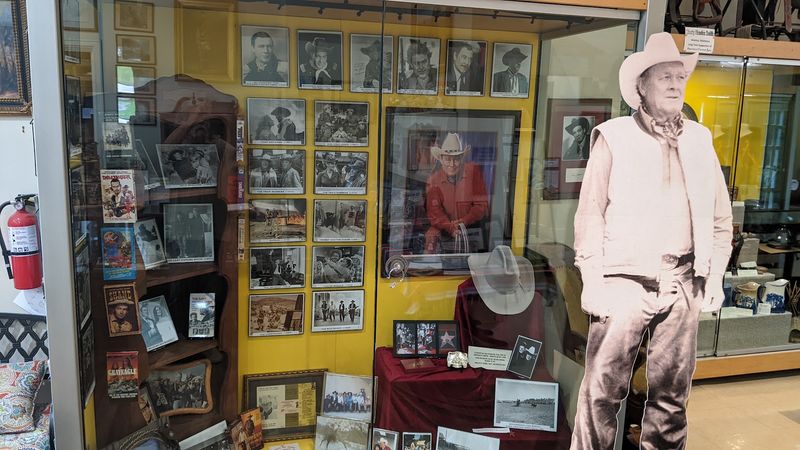
Inside one modest building sit 400 years of Osage County heritage. There are Maria Tallchief’s ballet shoes, a 1947 television, a working Victrola, and photos from a major Hollywood film.
Outside stands a monument to the first Boy Scout troop in America. That is a lot of story for a stop that costs only what you choose to give.
For Oklahoma families looking to prove their state is far more than prairie, this museum makes a convincing case. It is affordable, personal, and packed with things to talk about on the ride home.
Read the book, bring your questions, and leave time to wander. Pawhuska has plenty to share, and this museum is one of the best places to start listening.
Share this story