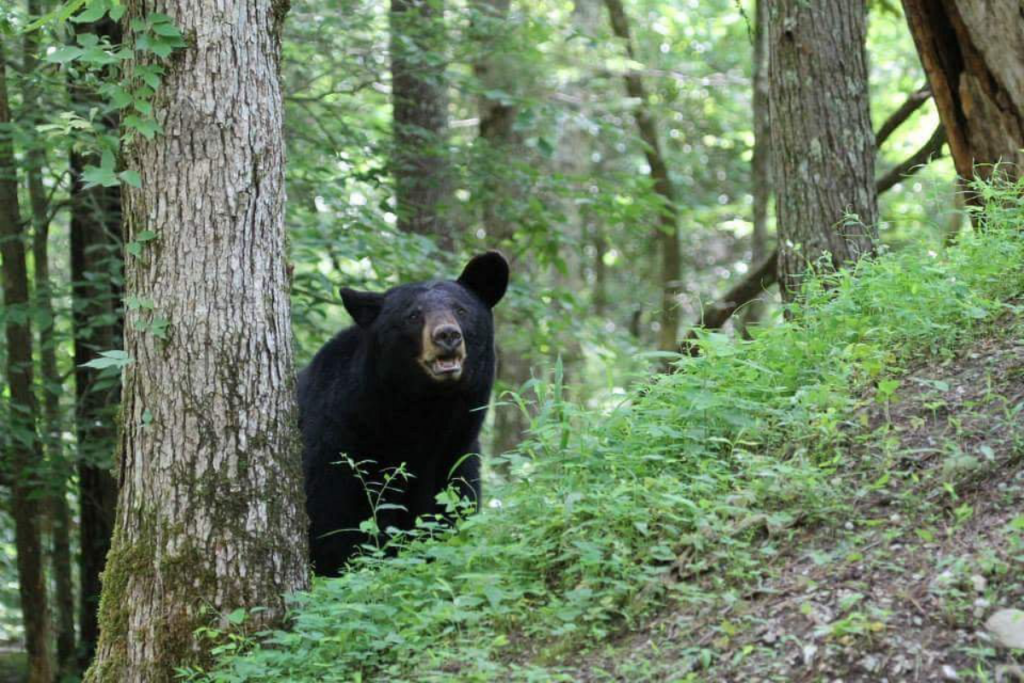
Black bears are showing up in places you might not expect across Tennessee. From quiet suburban neighborhoods near Nashville to popular tourist spots in the Smokies, these furry visitors have been making headlines throughout 2026.
While most encounters have been harmless, they serve as important reminders that wildlife is adapting to changing landscapes and sometimes that means bears wandering into backyards, farms, and even restaurant parking lots.
1. Kingston Springs
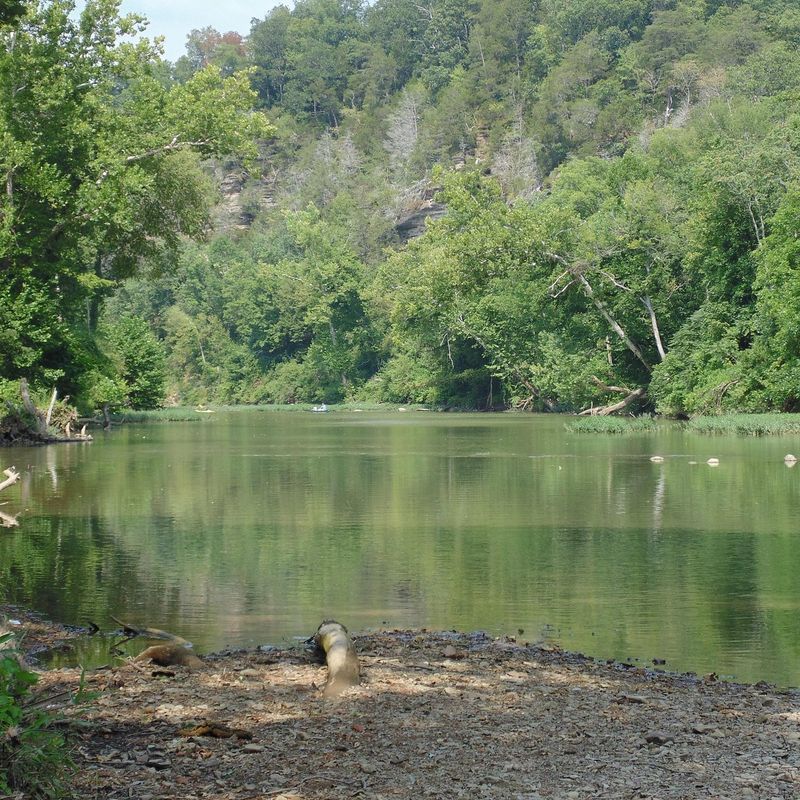
Residents in this Cheatham County town got quite the surprise in June when a black bear decided to explore their community. Multiple neighbors captured photos and videos of the animal casually strolling through yards, crossing streets, and even climbing onto residential porches and decks.
The bear seemed curious rather than aggressive, checking out various properties before moving along.
Wildlife officials weren’t entirely shocked by the sighting. Kingston Springs sits close enough to wooded corridors that connect to larger habitat areas, making it a natural pathway for bears seeking new territory or food sources.
Young male bears, in particular, are known for wandering far from where they were born as they search for their own space.
Local authorities reminded homeowners to secure trash cans, remove bird feeders, and avoid leaving pet food outside. Bears have incredible noses and can smell food from miles away, so even small attractants can draw them into neighborhoods.
Most bears will move through an area quickly if they don’t find easy meals.
The sightings sparked plenty of conversation on community social media pages. Some residents expressed concern about safety, especially for children and pets, while others were simply amazed to see such a large wild animal so close to home.
Officials emphasized that black bears are generally shy and avoid humans when possible. No aggressive encounters were reported during the Kingston Springs visits. The bear eventually wandered back toward more natural habitat, likely following the same route it used to arrive.
Tennessee Wildlife Resources Agency encourages anyone who spots a bear to keep distance, never approach or feed it, and report the sighting so patterns can be tracked.
2. Pegram
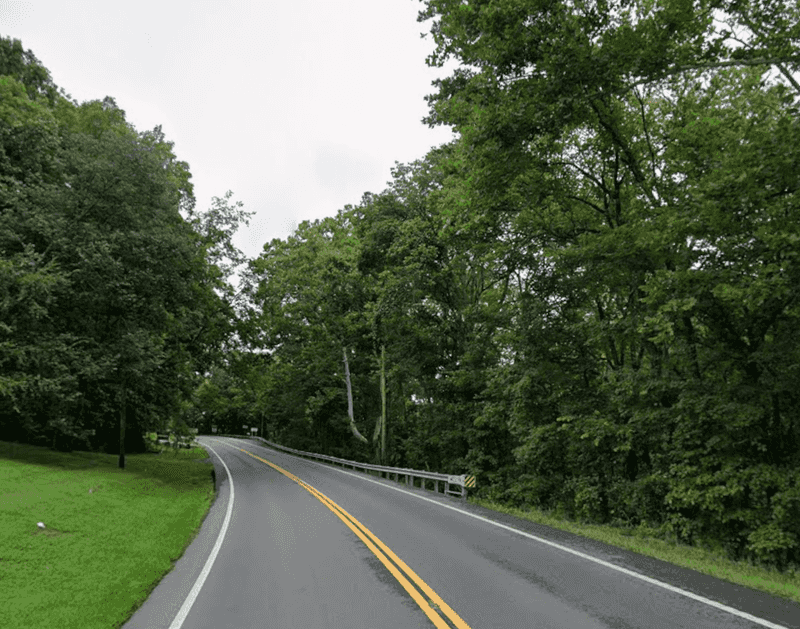
Just down the road from Kingston Springs, Pegram experienced its own bear activity during the same June timeframe. This neighboring Cheatham County community reported at least one confirmed sighting, suggesting the same bear or possibly multiple animals were moving through the area.
The proximity and timing indicate these towns were part of a broader movement pattern.
Pegram’s location along the Harpeth River provides natural travel routes for wildlife. Bears often follow waterways and wooded corridors, which offer cover and access to food.
The river valley creates an ideal pathway for animals moving between larger forested regions, explaining why both Pegram and Kingston Springs saw activity around the same time.
Community members shared their observations online, comparing notes about when and where the bear was spotted. This kind of information sharing helps both residents and wildlife managers understand animal movements.
Knowing a bear is in the area allows people to take precautions and avoid surprise encounters.
Local pet owners were particularly vigilant during this period. Dogs left outside or walked during dawn and dusk hours could potentially encounter a bear, leading to dangerous situations for both animals.
Experts recommend keeping dogs leashed and close, especially during times when bears are most active.
The Pegram sighting reinforced an important reality for Middle Tennessee communities. As bear populations remain stable or grow in surrounding areas, and as development continues to expand, these kinds of encounters will likely become more common.
Education and preparation are key to peaceful coexistence with these impressive animals that are simply trying to survive in a changing landscape.
3. Charlotte
Sometimes bears have a sense of humor, or at least that’s what folks in Charlotte thought when a black bear appeared near Otts BBQ in July. The restaurant, known for its delicious smoked meats, joked on social media that their smoker’s irresistible aroma might have attracted their unexpected four-legged customer.
Whether the bear was actually drawn by the scent of slow-cooked barbecue or simply passing through remains a mystery.
Charlotte sits in Dickson County, an area that has seen increasing bear activity in recent years. The town’s mix of rural and developed areas creates opportunities for wildlife encounters, especially as bears expand their range across Middle Tennessee.
This particular visitor caused quite a stir among locals and customers alike.
Restaurant staff and patrons kept a safe distance while the bear explored the area. Photos circulated quickly through the community, with many people expressing both excitement and concern.
Business owners in the area were reminded to secure dumpsters and outdoor trash, as commercial food waste can be especially attractive to hungry bears.
The lighthearted response from Otts BBQ helped ease tensions while still acknowledging the serious nature of having a wild predator nearby. Humor aside, bears near commercial areas pose real challenges. They can become habituated to human food sources, leading to repeated visits and potentially dangerous situations.
Wildlife officers responded to ensure the bear moved along safely. No one was injured, and the animal eventually left the area without incident.
The Charlotte sighting serves as a reminder that bears don’t distinguish between residential and commercial zones when they’re searching for food, making proper waste management crucial for all property types in bear country.
4. White House
Police in White House took the unusual step of issuing public warnings in June after multiple bear sightings throughout the community. This Sumner County city, located north of Nashville, isn’t typically associated with bear country, making the repeated appearances particularly noteworthy.
Law enforcement wanted residents informed and prepared rather than caught off guard.
The warnings included practical safety tips. Officers advised people to make noise when outside during early morning or evening hours, never approach or attempt to feed bears, and immediately bring pets indoors if a bear is spotted nearby.
These simple precautions can prevent most negative encounters.
Parents were understandably concerned about children playing outside. Schools and daycares in the area remained alert, keeping kids closer to buildings during outdoor activities.
While black bears rarely show aggression toward humans, their size and strength mean even a defensive reaction could cause serious injury.
Several residents reported seeing bears near wooded edges of neighborhoods, suggesting the animals were using tree lines as travel routes. This behavior is typical for bears trying to move through developed areas while maintaining some cover.
Unfortunately, suburban sprawl often forces wildlife into closer contact with people than either party would prefer.
The White House sightings highlighted how quickly bear news spreads in communities unaccustomed to such visitors. Social media lit up with shared photos, speculation, and advice.
Some information was helpful, while other posts spread unnecessary fear or dangerous suggestions like confronting the animals. Official guidance from police and wildlife agencies provided much-needed clarity during an uncertain time for many families in this growing community.
5. Bethpage
A black bear made its presence impossible to ignore in Bethpage when it demolished bee colonies at a local farm. The destruction wasn’t random vandalism but rather a bear doing what bears do best: finding high-calorie food sources.
Beehives represent a jackpot for hungry bears, offering both protein-rich larvae and energy-dense honey.
For the farm owner, the damage was devastating. Bee colonies take time, money, and effort to establish and maintain.
Beyond the immediate loss of bees and equipment, the destruction impacts honey production and pollination services the farm may have provided. Insurance rarely covers wildlife damage, leaving farmers to absorb the financial hit.
This incident illustrates one of the biggest challenges of living alongside bears. While most people can coexist peacefully by securing trash and removing attractants, farmers face unique difficulties.
Livestock, beehives, and crops all represent potential bear food, and protecting these assets requires significant investment in electric fencing or other deterrents.
Tennessee Wildlife Resources Agency offers guidance on bear-proofing farms and may assist with solutions in some cases. Electric fencing around beehives has proven highly effective when properly installed and maintained.
The initial cost can be substantial, but it’s often less than repeated losses to bear raids.
The Bethpage incident gained attention beyond the immediate community because it represented tangible economic impact. Unlike a bear simply walking through a neighborhood, this was property damage with real costs.
It sparked conversations about compensation programs for wildlife damage and the responsibilities of both landowners and wildlife agencies in managing growing bear populations across Tennessee.
6. Cross Plains
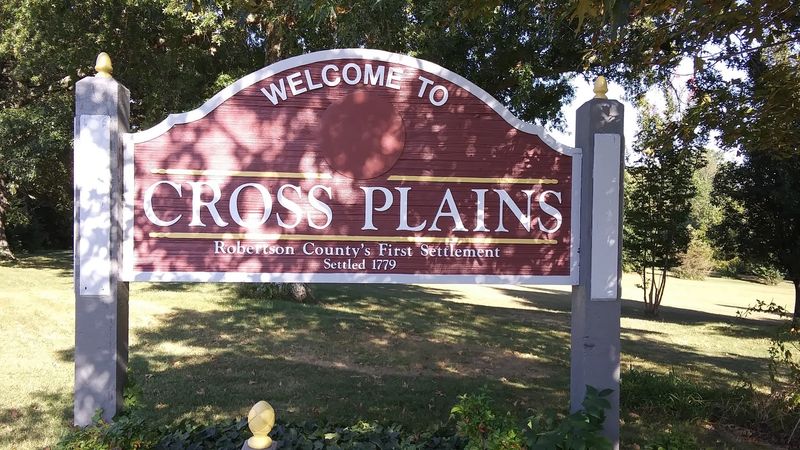
Cross Plains joined the list of Sumner County communities reporting black bears during a concentrated period of sightings in mid-June. This rural area northeast of Nashville experienced what appeared to be part of a larger pattern, with multiple towns in the region seeing bear activity within days of each other.
The clustering suggests bears were actively moving through the area.
Geography plays a significant role in these movement patterns. Cross Plains sits in an area with remaining agricultural land, woodlots, and creek corridors that provide natural pathways for wildlife.
As young bears disperse from established territories, they often follow these landscape features, leading them through or near human communities.
Residents in Cross Plains tend to be more accustomed to wildlife than their suburban counterparts, but black bears still represent something special and somewhat concerning. Farmers worried about livestock and crops, while homeowners with chickens or gardens took extra precautions.
The rural character of the area means people often have more space, but it also means more potential attractants.
The timing of the sightings, coinciding with reports from White House and other nearby towns, helped wildlife officials understand bear movement in the region. Tracking these patterns allows for better public education and resource allocation.
When multiple communities report activity simultaneously, it often indicates corridor use rather than resident bears.
Cross Plains residents largely responded with cautious interest rather than panic. Many people in rural Tennessee understand that wildlife encounters are part of country living. Still, the presence of bears represents a shift from the deer, raccoons, and other animals they’re used to seeing, requiring new awareness and preparation for this larger, more powerful species.
7. Whites Creek

Ratinsley, licensed under CC BY-SA 3.0. Via Wikimedia Commons.
Whites Creek raised eyebrows across Middle Tennessee when a black bear was reported in this community located surprisingly close to downtown Nashville. The sighting demonstrated just how adaptable and mobile these animals can be, navigating through increasingly developed landscapes to reach areas that seem unlikely for large wildlife.
Located in northern Davidson County, Whites Creek maintains some rural character despite ongoing development pressure from nearby Nashville. The area includes wooded sections, creeks, and greenways that could serve as wildlife corridors.
Even so, most residents never expected to see a black bear in their neighborhood.
The proximity to a major urban center made this sighting particularly significant. It challenged assumptions about where bears will and won’t go, proving that no community is necessarily too developed or too close to the city to experience wildlife encounters.
This reality requires urban and suburban residents to adopt some of the same awareness traditionally expected only in rural areas.
Social media response was intense, with the story being shared widely across Nashville and beyond. Some people expressed excitement about wildlife persisting so close to the city, while others worried about safety implications.
The variety of reactions reflected different perspectives on urban wildlife and how to balance conservation with human safety concerns.
Wildlife officials used the Whites Creek sighting as an educational opportunity. They emphasized that seeing a bear doesn’t mean the area is now bear habitat, but rather that bears are capable of moving through almost any landscape.
The key to preventing problems is ensuring these traveling bears don’t find food rewards that might encourage them to stick around or return.
8. Gatlinburg
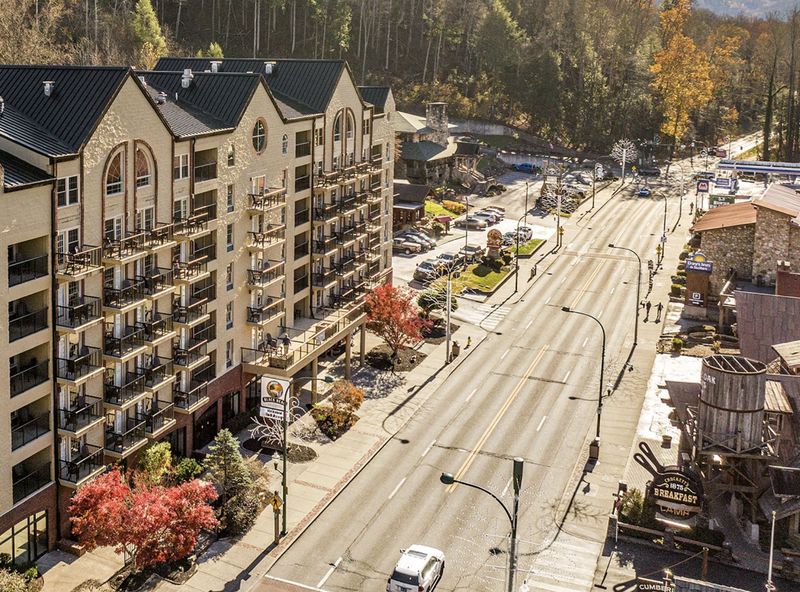
Unlike the other communities on this list, Gatlinburg encounters with black bears are far from unusual. This iconic Smoky Mountain town sits directly adjacent to Great Smoky Mountains National Park, home to one of the densest black bear populations in the country.
What makes 2026 noteworthy isn’t that bears appeared, but rather the ongoing challenge of managing human-bear interactions in a heavily visited tourist destination.
Thousands of visitors flock to Gatlinburg specifically hoping to see bears, often without understanding proper wildlife etiquette. This creates dangerous situations where people approach too closely for photos, attempt to feed bears, or inadvertently attract them with improperly stored food.
Each year brings new incidents and renewed calls for better education and enforcement.
Local businesses and residents have learned to coexist with regular bear presence. Trash management is taken seriously, with bear-proof containers required in many areas.
Restaurants, hotels, and shops all play roles in minimizing attractants that draw bears into town rather than keeping them in natural areas.
The Gatlinburg experience offers lessons for communities across Tennessee now seeing their first bear encounters. What starts as an occasional visitor can become a regular presence if food sources are available.
Prevention is far easier than dealing with habituated bears that have learned to associate humans with easy meals.
Park rangers and wildlife officers work year-round to educate visitors and respond to bear-related calls. Despite these efforts, problems persist because of the sheer volume of people unfamiliar with bear country protocols.
As other Tennessee towns see increasing bear activity, they can learn from both Gatlinburg’s successes and ongoing challenges in managing the delicate balance between tourism, development, and wildlife conservation in areas where bears and people inevitably cross paths.