San Antonio packs more personality into one city than most states manage across their entire borders. Between Spanish colonial history, vibrant Mexican culture, natural wonders, and some seriously good food, there’s never a dull moment here. Whether you’re a first-time visitor or a local looking to rediscover your own backyard, these 14 experiences capture what makes this Texas city so special.
1. San Antonio River Walk
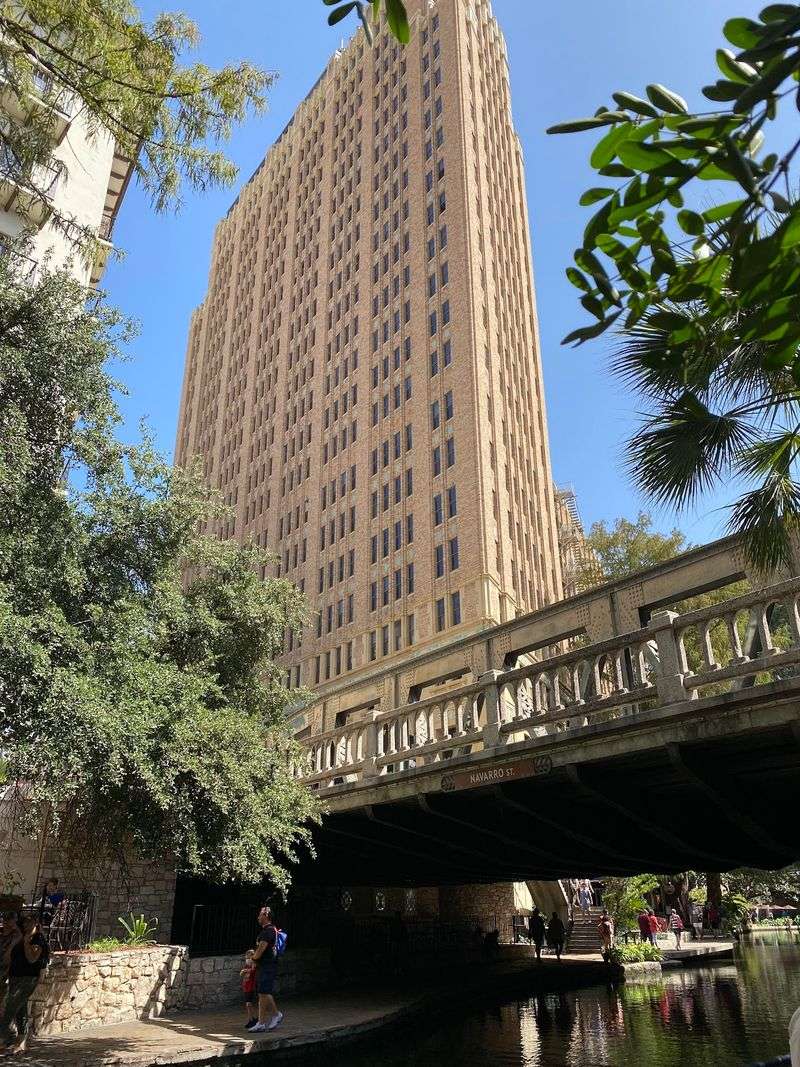
Winding through downtown like a hidden garden tucked below street level, this waterway transforms the city into something unexpected. Cypress trees drape over the water while stone pathways lead past restaurants, shops, and quiet spots perfect for people-watching. Tour boats glide by carrying visitors who wave at diners enjoying tacos and margaritas just feet from the water’s edge.
The River Walk stretches for miles, but the most action happens in the downtown stretch where mariachi music drifts from patios and the smell of fresh tortillas fills the air. You’ll find everything from casual Tex-Mex joints to upscale steakhouses, all with that coveted riverside seating. Early mornings offer a peaceful side of the River Walk before crowds arrive, when joggers and dog walkers claim the paths.
Different sections have distinct personalities worth exploring. Museum Reach features modern art installations and connects to the Pearl District, while Mission Reach takes you south through a more natural landscape toward the historic missions. The original downtown section gets packed during events like Fiesta, but that energy is part of the experience.
Pro tip: skip the main downtown drag during peak lunch and dinner hours if you want elbow room. Instead, explore the quieter northern sections or visit after 9 PM when the crowds thin but the ambiance remains magical. String lights reflect off the water, creating that postcard-perfect San Antonio moment everyone talks about.
Comfortable walking shoes are essential since you’ll want to wander much farther than planned once you start discovering hidden staircases and tucked-away courtyards along the route.
2. The Alamo
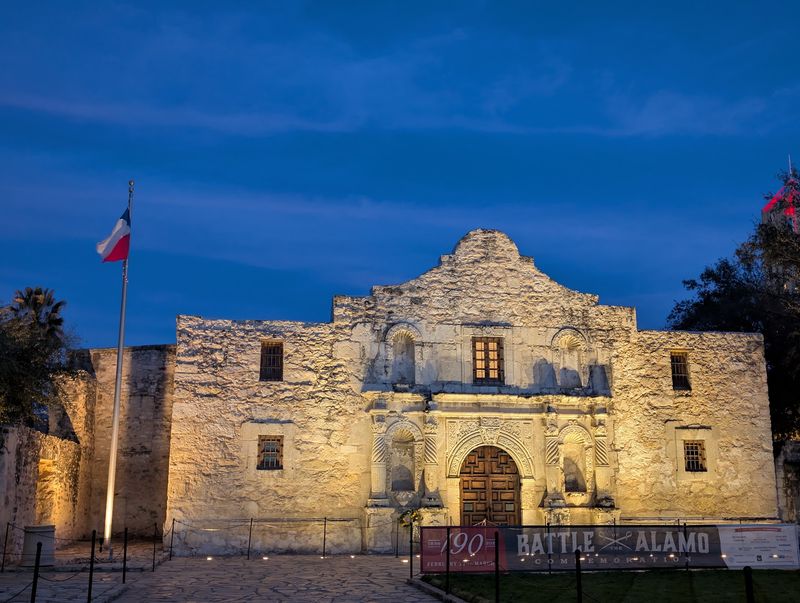
Standing in front of this small limestone chapel, most visitors are surprised by how compact it feels compared to its massive place in Texas history. The 1836 battle here lasted just 13 days but became the rallying cry for Texas independence. Walking through the quiet mission grounds today, it’s hard to imagine the chaos and courage that defined those final hours when 189 defenders faced thousands of Mexican troops.
The Alamo serves as Texas’s most visited historic site, drawing millions who want to connect with this pivotal moment. Inside the chapel, thick walls keep the space cool and hushed, almost reverent. Exhibits showcase artifacts from the battle, personal items belonging to famous defenders like Davy Crockett and Jim Bowie, and context about the complex political situation that led to the conflict.
The surrounding grounds include the Long Barrack Museum, where additional exhibits explore daily life at the mission before it became a battleground. Gardens offer shaded benches perfect for processing what you’ve learned. Rangers and volunteers answer questions, helping separate legend from documented history, which matters since mythology has heavily shaped the Alamo’s story over generations.
Admission is free, though timed entry tickets are now required to manage crowds. Visit early morning or late afternoon for the best experience with fewer tour groups. The gift shop sells everything from coonskin caps to serious historical texts.
Remember that this is considered sacred ground by many Texans, so respectful behavior is expected. Photography is allowed outside but restricted inside the chapel itself, preserving the solemn atmosphere that honors those who died here.
3. Natural Bridge Caverns
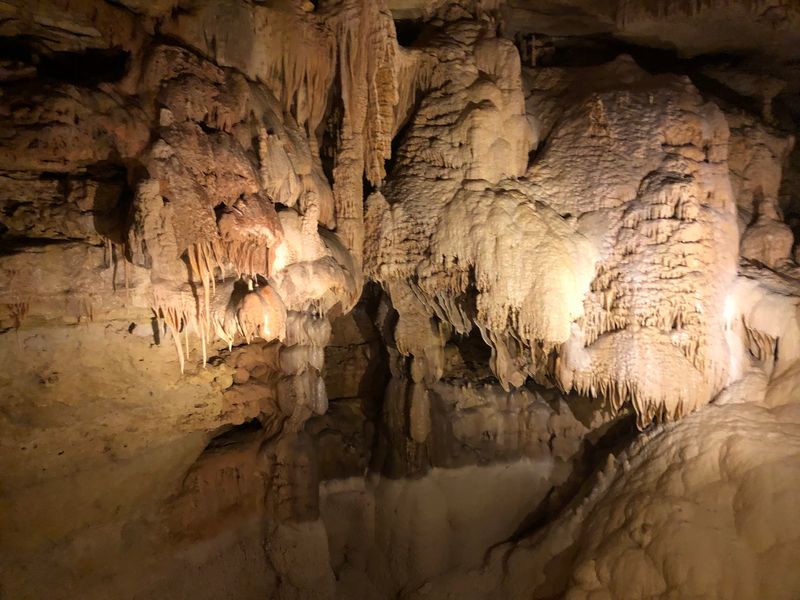
Descending 180 feet below the Texas Hill Country reveals a completely different world of dripping limestone, towering formations, and chambers so vast they swallow light. Natural Bridge Caverns earned its name from the 60-foot natural limestone bridge spanning the entrance, but the real magic happens deep underground where geology has spent millions of years creating artwork no human could match.
The Discovery Tour covers about three-quarters of a mile through the largest commercial caverns in Texas. Guides point out formations with names like King’s Throne and Pluto’s Anteroom while explaining how water, minerals, and time collaborated on this subterranean masterpiece. Temperatures stay around 70 degrees year-round, making it a perfect escape from brutal Texas summers.
The paths are paved and well-lit, though you’ll climb plenty of stairs, so reasonable fitness helps.
For adventure seekers, the Hidden Passages tour ventures into undeveloped sections where you’ll crawl, climb, and squeeze through tight spaces with only headlamps lighting the way. It’s muddy, challenging, and absolutely thrilling. Above ground, additional attractions include a maze, zip lines, and a ropes course, transforming the site into a full-day destination rather than just a quick cave stop.
The caverns sit about 30 minutes north of downtown San Antonio near New Braunfels. Tickets sell out during peak season, so booking ahead saves disappointment. Wear closed-toe shoes with good grip since surfaces can be slick.
The gift shop stocks the usual souvenirs plus actual cave formations and minerals for rock collectors. Photography is allowed, though capturing the scale and beauty proves tricky without professional equipment.
4. Pearl District
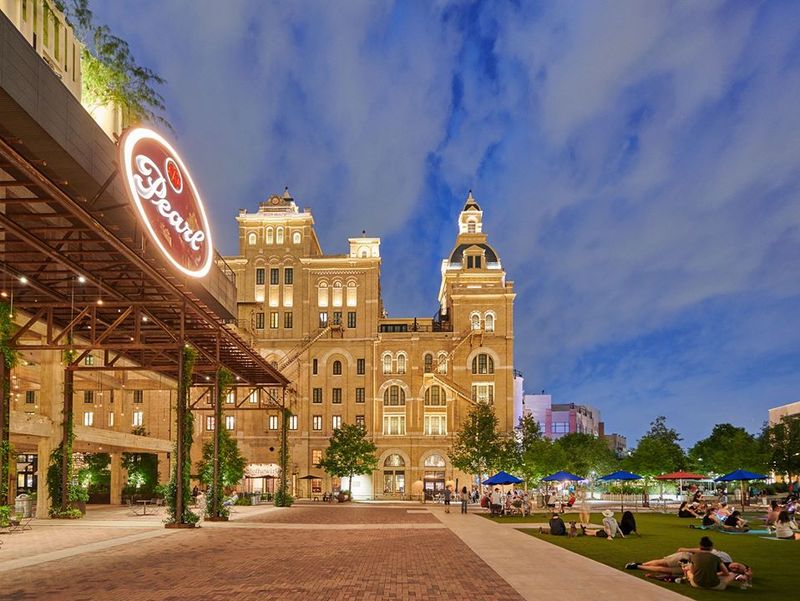
Where an old Pearl Brewery once stood, a vibrant neighborhood now thrives with restaurants, shops, and weekend energy that feels more Portland than traditional Texas. This 22-acre campus along the river proves San Antonio can do hip and modern without losing its soul. Exposed brick, industrial beams, and factory windows got preserved during renovation, creating spaces that honor history while embracing contemporary style.
The Saturday farmers market draws crowds hunting for local produce, artisan bread, grass-fed beef, and handmade everything. Live music floats through the air while kids run between stalls and dogs sniff around for dropped samples. Even if you’re not buying groceries, the market vibe makes it worth visiting.
Culinary Institute of America students practice their craft here, and their restaurant offers impressive meals at student-friendly prices.
Dining options range from casual to fancy, with standouts including Cured (charcuterie and craft cocktails), Southerleigh (elevated pub fare), and La Gloria (street-style Mexican). The Hotel Emma occupies the original brewery building, its lobby featuring soaring ceilings and a bar built into the old brewmaster’s office. Even if you’re not staying overnight, grab a drink in that spectacular space.
Boutiques sell everything from Texas-made goods to high-end fashion, while a bookstore encourages lingering with comfy chairs and regular author events. The river walk extension connects Pearl to downtown, making it accessible by boat or on foot through a pleasant tree-lined path. Weekends get crowded, but that’s when the district shows its best personality.
Free parking exists but fills quickly, so arrive early or use rideshare to avoid frustration.
5. Japanese Tea Garden
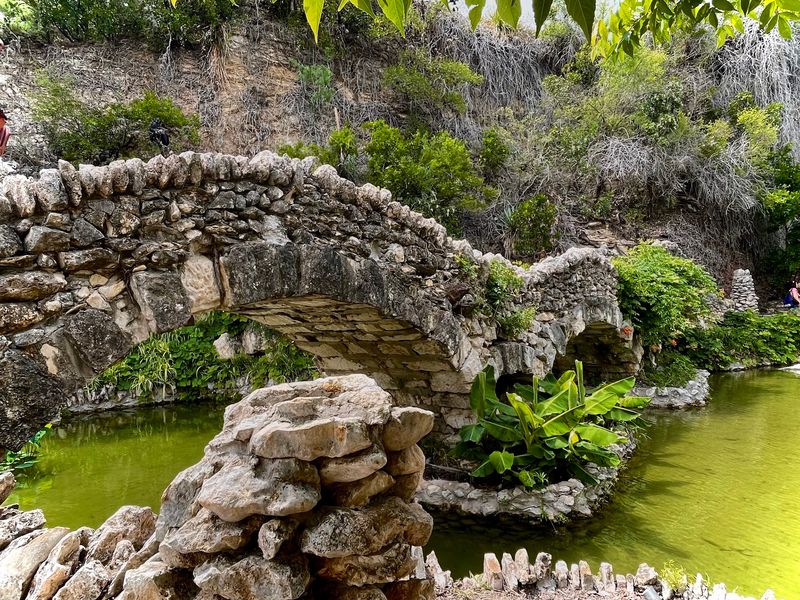
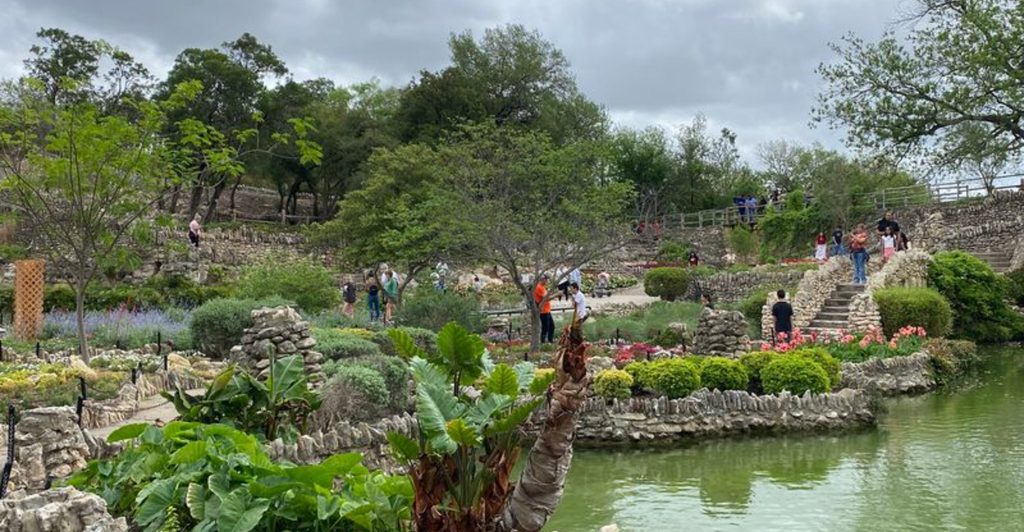
Tucked inside Brackenridge Park, this tranquil oasis began life in 1917 as an abandoned limestone quarry before a Japanese-American family transformed it into something magical. Stone pathways wind past koi ponds where fat orange fish surface hopefully when visitors approach. Water trickles over rocks, bamboo sways gently, and the city noise fades away even though you’re just minutes from downtown traffic.
The garden’s history carries complexity worth understanding. The Jingu family maintained it beautifully until World War II, when anti-Japanese sentiment forced them out and the city renamed it the Chinese Tea Garden. Decades later, San Antonio restored both the garden and its proper name, acknowledging this painful chapter.
Today it stands as a peaceful place honoring Japanese design principles and the family who created it.
A 60-foot waterfall cascades down the old quarry walls, creating a focal point visible from multiple vantage points throughout the garden. The original stone pavilion still stands, now housing a small café serving refreshments. Bridges arch over ponds, offering perfect spots for photos or quiet contemplation.
Native Texas plants mix with traditional Japanese species, creating a unique hybrid landscape that works surprisingly well.
Admission is free, making this an accessible retreat for locals and visitors alike. Early morning visits offer the best light for photography and the most peaceful atmosphere before crowds arrive. The garden connects to other Brackenridge Park attractions like the zoo and the Witte Museum, so you can easily combine multiple stops.
Bring bread crumbs for the koi if you want to feel instantly popular, though official fish food is available for purchase to ensure proper nutrition.
6. San Antonio Missions National Historical Park
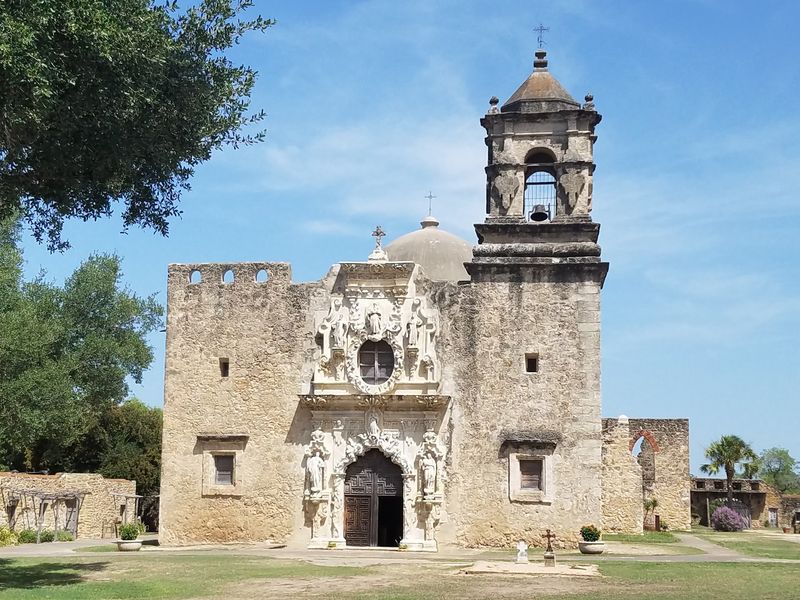
Four Spanish colonial missions spread along the San Antonio River tell stories of faith, cultural collision, and survival that shaped Texas centuries before the Alamo became famous. Unlike their more famous neighbor downtown, these missions still function as active Catholic parishes while welcoming visitors to explore their historic grounds. Stone churches, thick defensive walls, and restored living quarters offer tangible connections to the 1700s when Spanish priests and Native American converts built these communities together.
Mission San José earns its nickname as the Queen of the Missions with its elaborate Rose Window and the largest, most complete compound. Rangers offer regular tours explaining how the mission system worked, both its ambitious goals and its devastating impact on indigenous populations. Climbing the church tower rewards you with views across the grounds that help visualize daily life when hundreds of people lived, worked, and worshiped here.
The missions trail connects all four sites via an eight-mile bike path following the river, making it possible to visit them all in one ambitious day. Each mission has its own character: Concepción maintains original frescoes, San Juan features a working acequia (irrigation ditch), and Espada operates a centuries-old aqueduct still channeling water. Pack water and snacks since amenities are limited between sites.
UNESCO designated this a World Heritage Site, recognizing its global significance. Admission is free, though donations support preservation work. Mass still happens weekly at each mission, creating living history rather than static museums.
The grounds stay open until dark, and sunset visits offer beautiful light and cooler temperatures. Respectful clothing is appropriate since these remain sacred spaces for parishioners who worship here regularly, maintaining traditions stretching back over 300 years.
7. Market Square (El Mercado)
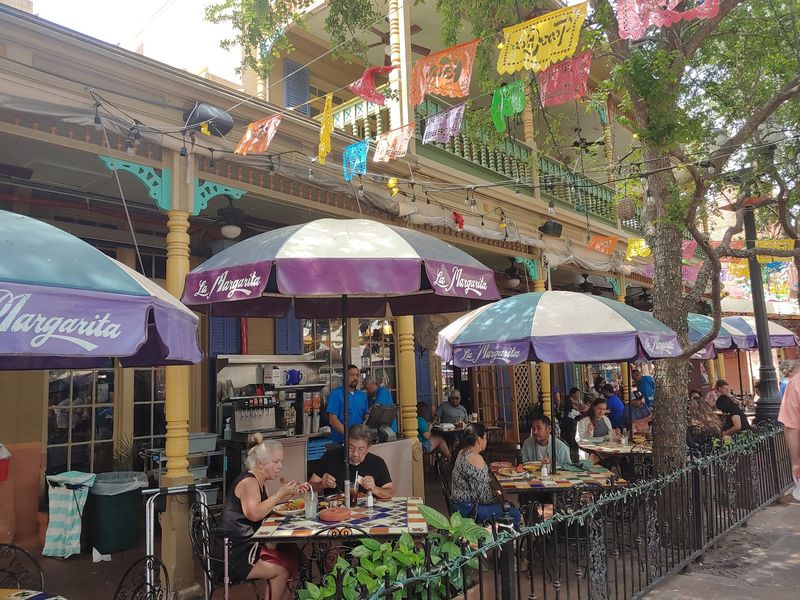
Stepping into Market Square feels like crossing the border without actually leaving San Antonio. This three-block outdoor plaza claims to be the largest Mexican market in the United States, and walking through its maze of stalls and shops makes that claim believable. Colorful papel picado banners flutter overhead while mariachi music competes with vendor calls and the sizzle of meat hitting hot griddles.
Over 100 shops sell everything from quality handcrafted goods to tourist trinkets. You’ll find hand-tooled leather belts, embroidered dresses, Talavera pottery, silver jewelry, and those slightly kitschy sombreros that make great photo props even if you’d never wear one seriously. Prices are negotiable at many stalls, so polite haggling is expected and part of the cultural experience.
Quality varies significantly, so examine items carefully before buying.
The food scene here deserves its own visit separate from shopping. Mi Tierra anchors one corner, operating 24/7 as a San Antonio institution covered in its own section of this list. But smaller spots throughout the market serve excellent street tacos, fresh fruit cups dusted with chili powder, and aguas frescas in flavors like horchata and tamarindo.
The smells alone, a mix of grilling meat, fresh tortillas, and sweet pan dulce, justify the trip.
Market Square hosts festivals throughout the year, with Cinco de Mayo and Diez y Seis bringing especially big crowds and entertainment. Regular weekends feature live mariachi performances, folkloric dancers, and enough energy to make you forget you’re still in Texas. Parking can be tricky, with paid lots surrounding the area.
Visit during the day for the full market experience, though evenings offer a more relaxed vibe with fewer crowds and pleasant temperatures.
8. San Antonio Zoo
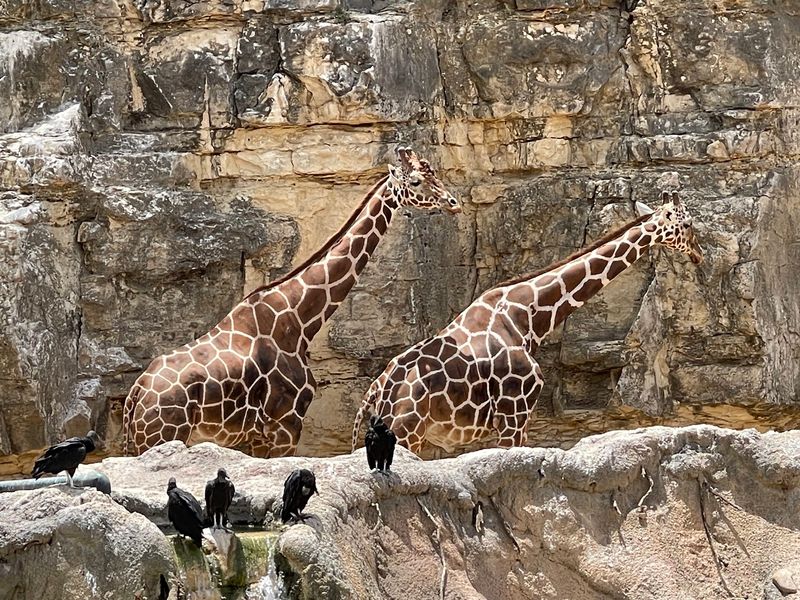
Spreading across 56 acres in Brackenridge Park, this zoo houses over 3,500 animals representing 750 species, making it one of the largest collections in North America. Unlike older zoos that feel like prisons, recent renovations focus on naturalistic habitats where animals have space to behave like they would in the wild. African Plains lets zebras, giraffes, and ostriches roam together.
Amazonia recreates a rainforest complete with free-flying birds and humid air that fogs up your phone camera.
The zoo’s butterfly exhibit is a standout, with hundreds of colorful wings fluttering around as you walk through their enclosed garden. Butterflies land on visitors regularly, creating Instagram-worthy moments and delighting kids. The aquarium section features local Texas fish alongside tropical species, and touching tanks let brave visitors feel stingrays gliding past.
Feeding opportunities throughout the day let you hand lettuce to giraffes or watch keepers train sea lions.
Summer in San Antonio means brutal heat, so the zoo installed misters, shade structures, and splash pads to keep visitors comfortable. Early morning visits offer the best animal activity since many creatures retreat to shaded areas once temperatures climb. The zoo participates in serious conservation work, breeding endangered species and supporting wildlife protection globally, so your admission contributes to meaningful efforts beyond entertainment.
Food options inside range from basic snacks to sit-down restaurants, though prices reflect captive-audience economics. Bringing your own food is allowed in designated picnic areas. Stroller and wagon rentals are available since the hilly terrain and distances between exhibits tire out little legs quickly.
Special events like Zoo Boo (Halloween) and Jungle Bells (Christmas) transform the zoo with themed decorations and activities, though tickets cost extra and sell out fast for these popular seasonal experiences.
9. Tower of the Americas
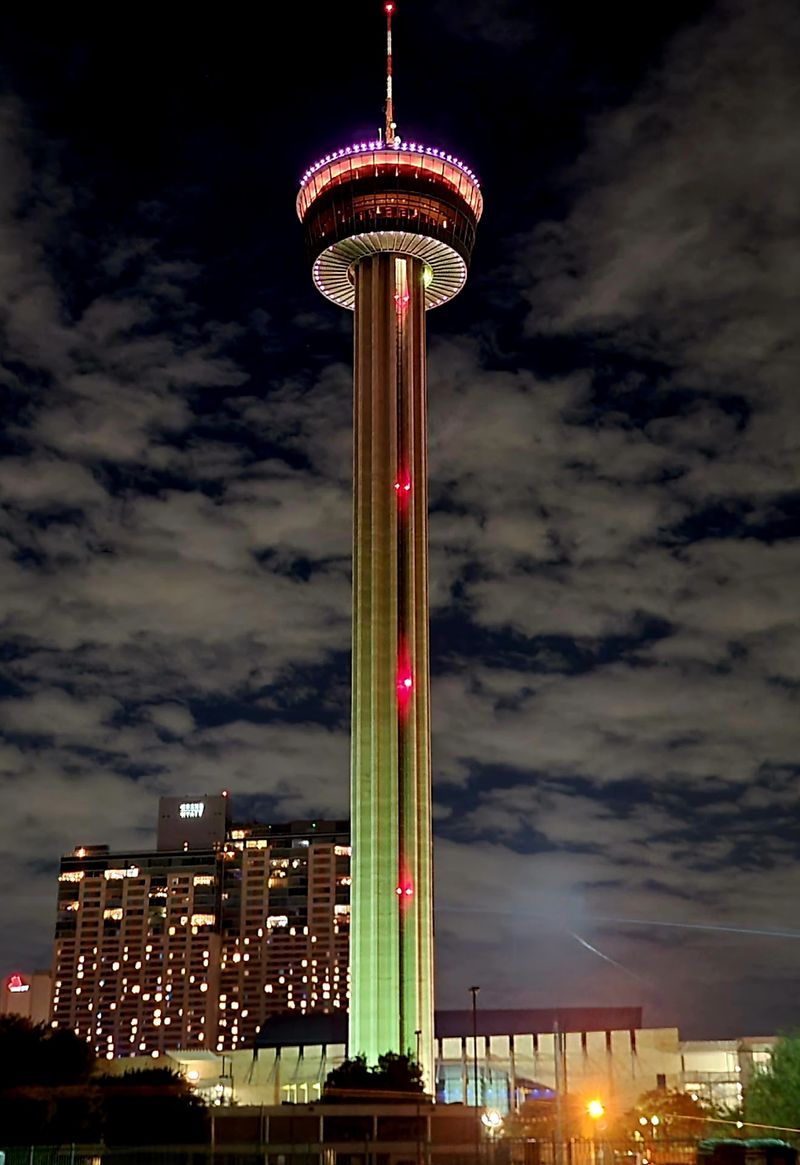
Rising 750 feet above downtown, this Space Age tower built for the 1968 World’s Fair still serves as San Antonio’s most recognizable landmark. The observation deck offers 360-degree views stretching for miles across the city, Hill Country, and on clear days, all the way to distant horizons. Spotting landmarks like the Alamo, River Walk, and various missions from this height provides helpful geography lessons about how the city fits together.
A rotating restaurant completes a full revolution every hour, letting diners enjoy constantly changing views without leaving their seats. The food is surprisingly decent for a tourist attraction, focusing on Texas cuisine with steaks, seafood, and Tex-Mex options. Prices reflect the location, but the experience justifies the splurge for special occasions.
Lunch costs less than dinner and offers the same views, making it a smarter choice for budget-conscious visitors.
The 4D theater ride at the base provides a fun supplement to the observation deck, taking viewers on a simulated flight over Texas landmarks. It’s cheesy in the best way, with seats that move and wind effects that make kids squeal. The ride is included with observation deck admission, so you might as well experience it.
Interactive exhibits in the lobby explain the tower’s construction and San Antonio’s history.
Sunset timing creates the most dramatic views, with the city transitioning from daylight to twinkling lights. The tower stays open late, so you can watch this transformation happen. Lines form during peak tourist seasons, especially spring break and summer weekends.
Buying tickets online saves time and sometimes money through package deals. The tower sits in HemisFair Park, which hosts festivals and events throughout the year, adding bonus entertainment to your visit if timing works out favorably.
10. San Antonio Botanical Garden
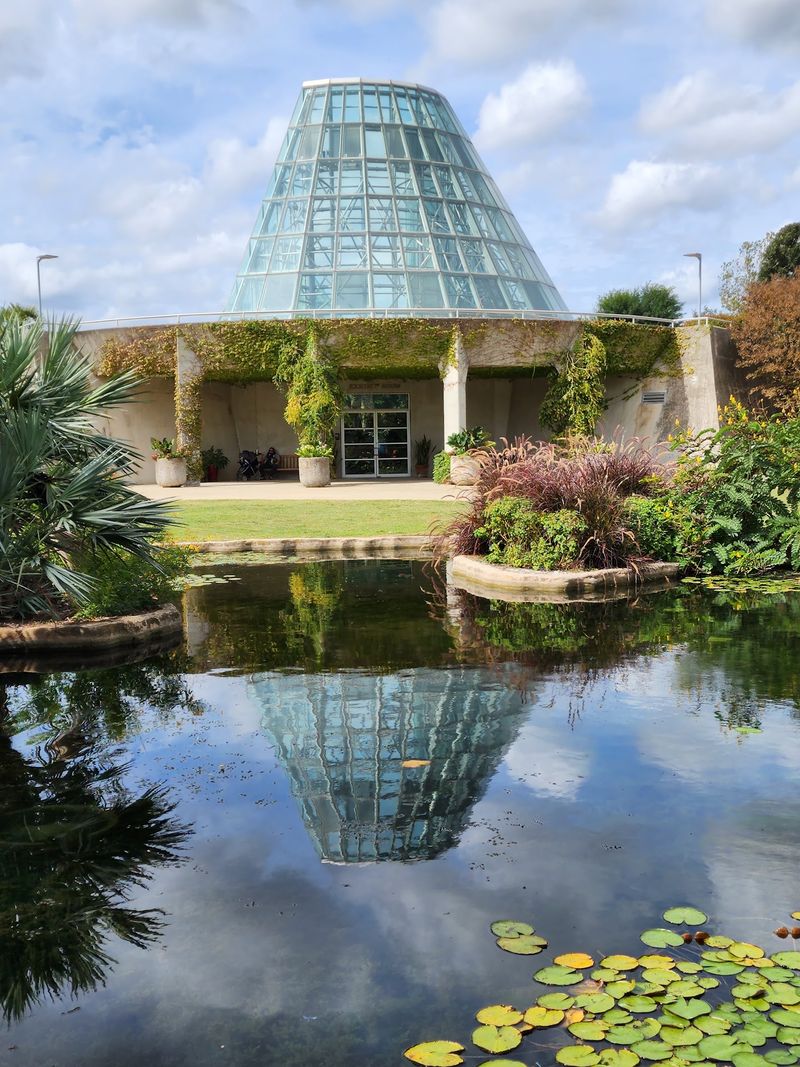
Thirty-eight acres of themed gardens showcase plants from around the world alongside Texas natives that thrive in this challenging climate. Walking through the different sections feels like traveling between continents: a formal rose garden gives way to a Texas native trail, which leads to a Japanese garden, then into a conservatory housing desert plants that look alien and beautiful. It’s educational without feeling like homework, pretty without being precious.
The conservatory is the crown jewel, with separate climate-controlled rooms recreating desert and tropical environments under glass. Cacti reach toward the ceiling in bizarre shapes while orchids bloom in impossible colors nearby. The temperature and humidity shift dramatically as you move between rooms, demonstrating just how different these plant communities are.
Benches throughout encourage lingering, and you’ll want to since new details reveal themselves the longer you look.
Seasonal displays keep the gardens interesting for repeat visitors. Spring brings masses of blooms, summer focuses on heat-tolerant species, fall showcases grasses and late-season flowers, and winter highlights evergreens and structure. The children’s garden includes a tree house, garden railroad, and interactive exhibits that teach kids about plants through play.
Special events like outdoor concerts, plant sales, and photography workshops happen regularly, adding extra value beyond casual strolling.
Paths are mostly paved and accessible, though some areas involve stairs or uneven terrain. Wear comfortable shoes and bring water since you’ll walk more than expected once you start exploring. The garden cafe serves light meals and snacks, with outdoor seating overlooking one of the prettier sections.
Membership pays for itself quickly if you’re local and visit regularly. Photography is encouraged, with countless Instagram-worthy spots throughout. Morning light is best, and weekday visits offer more solitude than weekends when families and wedding photographers claim prime locations.
11. Mi Tierra Café y Panadería
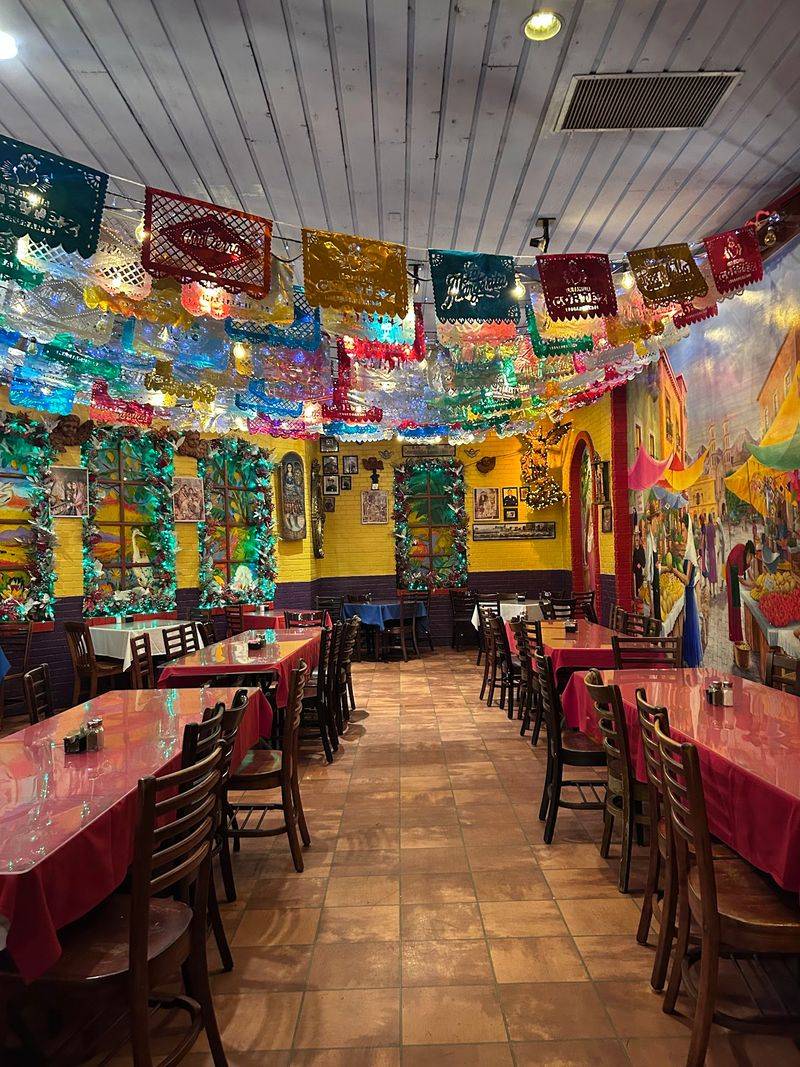
Walking into this 24-hour restaurant feels like stumbling into a permanent fiesta where Christmas decorations never come down and mariachi bands roam between tables at all hours. Every inch of wall and ceiling space is covered with colorful papel picado, piñatas, lights, and folk art creating sensory overload in the best possible way. It’s been feeding San Antonio since 1941, earning its status as a cultural institution that tourists and locals both genuinely love.
The bakery counter near the entrance displays hundreds of Mexican pastries, from simple conchas to elaborate decorated cakes. Taking a number and pointing at what looks good is the standard ordering method, and it’s nearly impossible to choose just one or two items. The smell of fresh bread and cinnamon hits you immediately, making willpower irrelevant.
Grab a tray and tongs, then embrace your inner kid at a candy store.
The restaurant serves breakfast all day, which is fortunate since their breakfast tacos, migas, and chilaquiles rank among San Antonio’s best. Lunch and dinner menus feature Tex-Mex standards done well, with generous portions that often provide leftovers. The mole is rich and complex, enchiladas come swimming in sauce, and margaritas are strong enough to make the decorations spin.
Service can be slow when they’re slammed, but the atmosphere makes waiting less annoying than it would be elsewhere.
Being open around the clock makes Mi Tierra perfect for odd-hour cravings or post-party meals. The crowd at 3 AM is an entertaining mix of shift workers, bar refugees, and tourists who just discovered this place exists at night. Expect to wait for tables during peak times, especially weekend mornings and after major events.
The attached market sells Mexican groceries, spices, and souvenirs. Cash and cards are both accepted, and prices are reasonable considering the portions and experience you’re getting.
12. The Witte Museum
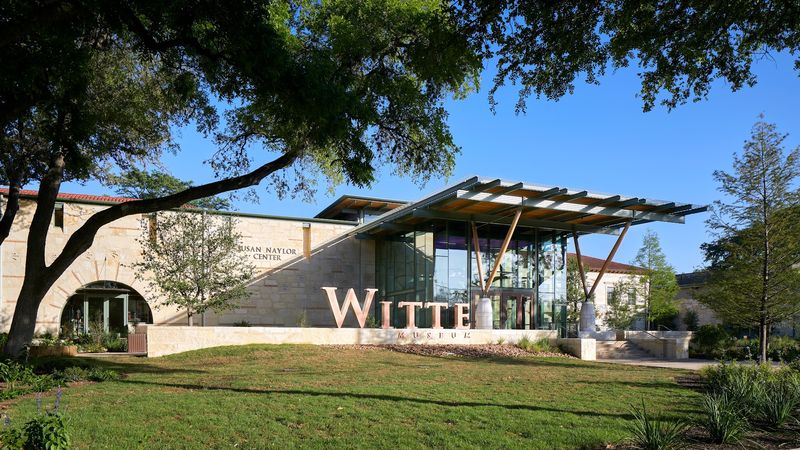
Focusing on Texas history, natural science, and culture, this museum manages to make learning genuinely fun rather than feeling like an obligation. Exhibits cover everything from dinosaur fossils and ancient Texas peoples to modern South Texas ecology and San Antonio’s multicultural heritage. The collection includes over 80,000 objects, though only a fraction are displayed at any given time, with rotating exhibits keeping things fresh for repeat visitors.
The Texas Wild exhibit recreates different ecosystems found across the state, from coastal marshes to Hill Country caves. Kids love the interactive elements, like crawling through a limestone cavern or standing inside a simulated tornado. The dinosaur hall features fossils found in Texas, including a massive pterosaur with a wingspan that seems impossible.
Seeing these ancient creatures that once flew over what’s now your backyard makes prehistory feel suddenly relevant and local.
The museum sits along the San Antonio River in Brackenridge Park, with outdoor spaces including historic homes that have been moved to the site and restored. Walking through these century-old structures provides tangible connections to how Texans lived in different eras. The grounds also feature nature trails connecting to the larger park, making it easy to combine museum time with outdoor exploration.
Special exhibitions bring in traveling shows that complement the permanent collection, covering topics from international art to specific historical moments. The museum store sells quality educational toys, books, and Texas-made products rather than cheap trinkets. Cafe hours are limited, so check before counting on food being available.
Admission prices are reasonable, with free entry on Tuesday afternoons. The museum hosts regular family programs, lectures, and events that deepen engagement with the material. Parking is free but can fill up during peak times, especially when multiple park attractions are busy simultaneously.
13. San Fernando Cathedral
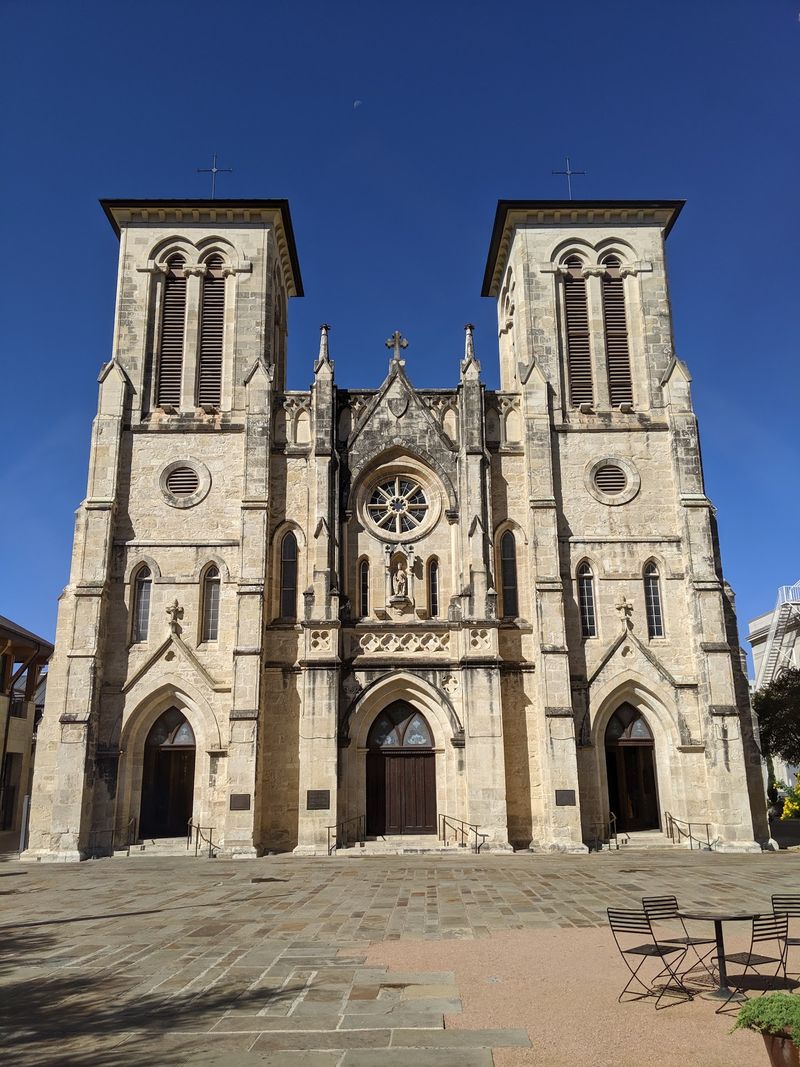
Standing as the oldest continuously functioning religious community in Texas, this cathedral has witnessed San Antonio’s entire history since its construction began in 1738. The building itself represents layers of time, with the original church forming the sanctuary while later additions expanded it into the Gothic Revival structure visible today. Walking inside reveals thick walls, soaring ceilings, and an atmosphere heavy with history and faith.
The cathedral gained fame beyond religious circles thanks to its nightly light show projected onto the exterior walls. San Fernando: A Journey tells San Antonio’s 300-year story through stunning visuals and music, transforming the building’s facade into a canvas. The 24-minute show runs Tuesday through Sunday nights, drawing crowds to the plaza outside.
Arriving early secures better viewing positions since the free show attracts both tourists and locals regularly.
Inside, the altar and decorative elements showcase Spanish colonial religious art. Markers indicate where Jim Bowie married and where General Santa Anna raised the blood-red flag signaling no mercy before the Battle of the Alamo. The church’s marble tomb reportedly holds remains of Alamo defenders, though this claim remains historically debated.
Regardless of the controversy, the cathedral’s connection to pivotal Texas moments is undeniable.
Mass is celebrated daily, with Sunday services drawing large congregations. Visitors are welcome during non-service hours, but respectful behavior and modest dress are expected since this remains an active place of worship for San Antonio’s Catholic community. The cathedral sits on Main Plaza in the heart of downtown, making it easily accessible and perfect for combining with other nearby attractions.
Free admission allows everyone to experience this historic site, though donations support ongoing preservation and community programs. The surrounding plaza hosts festivals, markets, and events throughout the year, adding cultural context to the cathedral’s enduring presence in San Antonio’s civic life.
14. Government Canyon State Natural Area
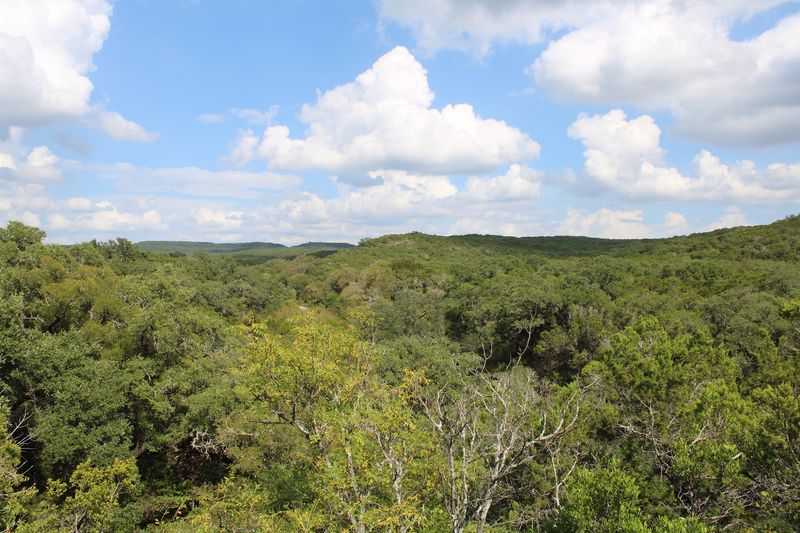
Just 20 minutes from downtown San Antonio’s urban energy, this 12,000-acre preserve protects rugged Hill Country wilderness where deer outnumber people and cell service becomes a distant memory. Over 40 miles of trails wind through limestone hills, juniper forests, and grasslands that look much like they did centuries ago. It’s the kind of place where you can hike for hours seeing only wildlife and fellow trail enthusiasts escaping city life.
The park’s namesake canyon stretches for miles, with trails following its length past seasonal waterfalls and permanent springs. Dinosaur tracks preserved in limestone creek beds provide unexpected thrills, these 110-million-year-old footprints reminding you that this landscape has stories spanning unimaginable time. Rangers lead periodic hikes to the track sites, sharing knowledge about the creatures that made them and the geological processes that preserved them.
Trail difficulty ranges from easy nature walks to challenging backcountry routes requiring serious fitness and navigation skills. The Sendero Balcones trail system connects multiple loops, letting you customize distance and difficulty. Spring wildflowers transform the hills into colorful displays, while fall brings comfortable temperatures perfect for longer hikes.
Summer heat makes early morning starts essential, and carrying plenty of water is non-negotiable year-round.
The park limits daily visitors to protect the fragile ecosystem, so reservations are required and often fill up weeks ahead during peak seasons. This restriction means you’ll never encounter Disneyland-level crowds, preserving the wilderness experience. Primitive camping is available for backpackers wanting overnight adventures.
The entrance gate closes at specific times, and rangers strictly enforce departure deadlines, so plan accordingly. Bring everything you need since no food, drinks, or supplies are available inside. Mountain biking is prohibited to minimize environmental impact, keeping this a hiker’s paradise where the only sounds are boots on trail and wind through the trees.
Share this story