Texas holds some seriously cool spots where kids can climb, create, splash, and explore without realizing they’re soaking up science, art, and history lessons along the way. These aren’t your typical quiet museums with ropes and “don’t touch” signs. From interactive water tables to giant climbing structures and pretend grocery stores, these places turn learning into pure play.
Whether you’re planning a rainy day adventure or looking for a new weekend destination, these 12 children’s museums across Texas deliver hands-on fun that keeps kids engaged for hours.
1. Chambers County Children’s Museum (Mont Belvieu)
Tucked away in Mont Belvieu, this gem proves you don’t need a massive building to create magical experiences. Kids walk through the doors and immediately gravitate toward the pint-sized grocery store, complete with shopping carts and pretend food that looks real enough to make them hungry.
The museum focuses on imaginative play that mirrors real-world experiences. There’s a mini veterinary clinic where future animal doctors can care for stuffed patients, plus a construction zone with hard hats and foam blocks for building whatever their minds dream up. Parents appreciate how the exhibits encourage problem-solving without feeling like schoolwork.
What makes this spot special is its community vibe. Local families treat it like their second living room, and the staff knows many visitors by name. The museum regularly rotates smaller exhibits to keep things fresh, so repeat visits never feel stale.
Art lovers get their fix at the creativity station, where painting smocks hang ready for messy masterpieces. The sensory play areas cater to younger toddlers who need gentler stimulation, while older kids challenge themselves at the STEM stations scattered throughout.
Birthday parties here are legendarily stress-free for parents. The staff handles setup and cleanup while kids burn energy in a safe, enclosed environment. Summer camps fill up fast because parents know their children will return home exhausted and happy.
Mont Belvieu isn’t exactly a tourist hotspot, which means this museum rarely feels overcrowded even on rainy Saturdays. Families from nearby Baytown and Houston make the drive specifically for the relaxed atmosphere and well-maintained exhibits that punch above their weight class.
2. Children’s Museum Houston (Houston)
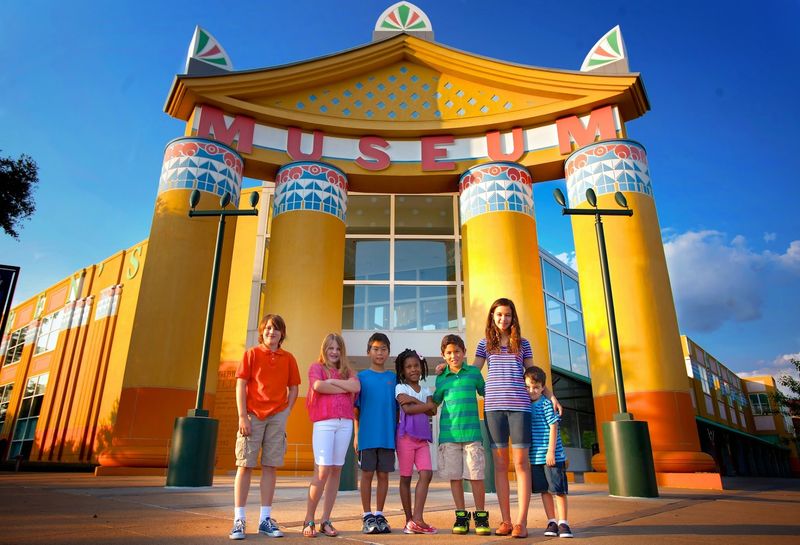
Houston’s flagship children’s museum spans 90,000 square feet of pure discovery, making it one of the largest in the country. The sheer scale means you could visit monthly for a year and still find something new hiding around a corner.
Powerhouse exhibits like Kidtropolis let children run their own mini-city, complete with a bank, grocery store, and construction site. They earn paychecks, manage budgets, and learn economics without a single worksheet in sight. Meanwhile, the FlowWorks water play area becomes an engineering playground where kids manipulate currents and build dams.
The museum doesn’t shy away from sophisticated concepts. Cyberchase encourages mathematical thinking through games that feel like pure entertainment. Matter Factory introduces chemistry and physics using bubbles, light, and other phenomena that make science feel like magic.
Parents love the Tot*Spot, a dedicated zone for babies and toddlers with age-appropriate sensory experiences. Older siblings can roam freely while the littlest ones explore safely, making it genuinely functional for families with mixed ages.
Special programming runs constantly. Weekend workshops might feature robotics, art projects, or cultural celebrations. The museum partners with local organizations to ensure exhibits reflect Houston’s incredible diversity, with Spanish-language programming and multicultural themes woven throughout.
Parking can be tricky during peak times, but the Museum District location means you’re steps from other attractions if you want to make a full day of it. Membership pays for itself after three visits, and members get early access to new exhibits before the crowds descend.
The outdoor area provides crucial breathing room when indoor energy gets too intense. Kids can climb, slide, and recharge before heading back inside for another round of exploration.
3. Temple Children’s Museum (Temple)
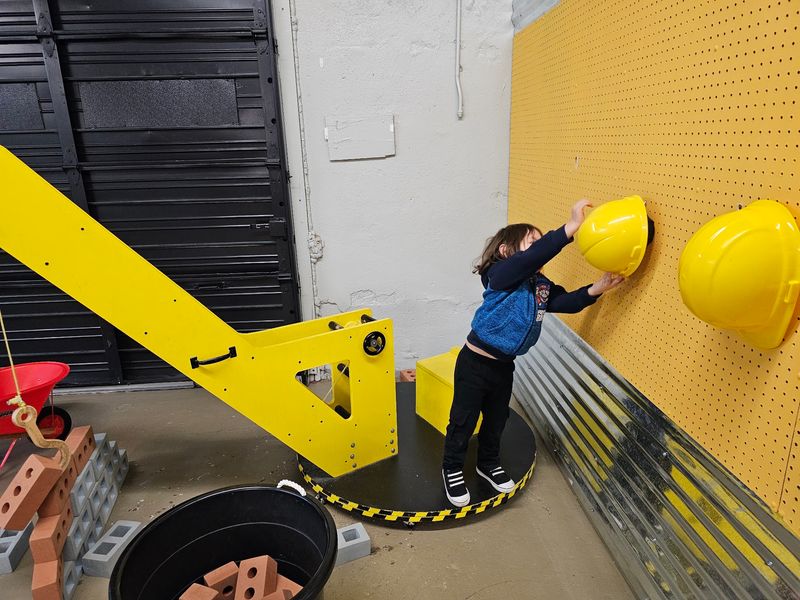
Central Texas families treasure this museum as their go-to destination when cabin fever strikes. Temple’s version focuses on classic hands-on learning without overwhelming visitors with too many choices or overstimulation.
The layout encourages natural flow from one activity to the next. A working farm exhibit teaches kids where food comes from, complete with pretend chickens and a miniature barn. The adjacent market lets them “sell” their harvest, connecting agriculture to commerce in ways textbooks never could.
Medical-themed play areas make sense given Temple’s strong healthcare community. Kids don scrubs and examine X-rays, transforming doctor visits from scary to familiar. Parents report reduced anxiety about real medical appointments after their children role-play here.
The museum excels at seasonal programming that ties into Texas traditions. During rodeo season, Western-themed activities pop up. Bluebonnet season brings nature exploration stations.
This responsiveness to the local calendar makes each visit feel timely and relevant.
Story time sessions happen weekly, with local librarians and teachers volunteering to read. These gatherings build community while promoting literacy in a relaxed setting where wiggly kids can move around without judgment.
Space is limited compared to big-city museums, but that creates an intimate atmosphere where staff can genuinely interact with each family. They remember returning visitors and offer personalized suggestions based on kids’ interests and developmental stages.
Temple’s location between Austin and Waco makes it a perfect midpoint stop for families traveling Interstate 35. Many treat it as a planned break during longer road trips, letting kids burn energy before strapping back into car seats. The admission price won’t break the bank, and the attached park provides outdoor options when weather cooperates.
4. Galveston Children’s Museum (Galveston)
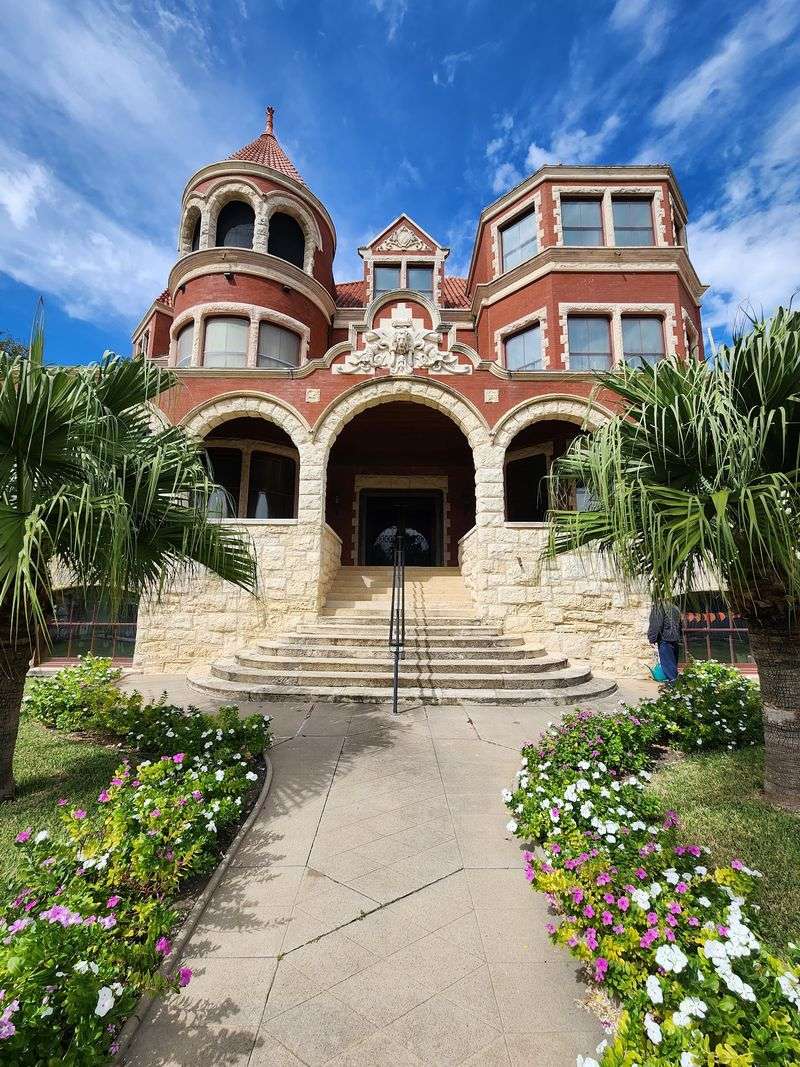
Island life influences every corner of this museum, where maritime themes blend seamlessly with traditional children’s learning spaces. The location itself, just blocks from the beach, means families often combine museum visits with sand castle building for the ultimate Galveston day.
Nautical exhibits dominate in the best possible way. Kids can climb aboard a ship replica, learning about navigation and ocean ecosystems while pretending to be pirates or marine biologists. The tide pool touch tank brings Gulf Coast creatures up close, with staff members sharing facts about the animals kids are gently poking.
A working weather station teaches about hurricanes and tropical storms, topics that matter deeply to island residents. Children learn preparedness alongside meteorology, making education practical and potentially lifesaving. Parents appreciate this reality-based approach that respects kids’ intelligence.
The museum occupies a historic building that adds character you won’t find in newer constructions. High ceilings and original architectural details create an atmosphere that feels special, like stepping into Galveston’s past while engaging with modern educational philosophy.
Art studios here emphasize beach-inspired creativity. Shell mosaics, sand paintings, and ocean-themed crafts let kids take home tangible memories. The supplies are always well-stocked, and the mess stays contained in designated areas that are easy to clean.
Summer crowds can be intense since Galveston draws tourists from across Texas and beyond. Savvy locals visit during weekday mornings or the shoulder seasons of spring and fall when the museum feels more spacious and relaxed.
Partnerships with local environmental groups bring in guest educators who lead special programs about sea turtle conservation and beach ecology. These sessions book up quickly but offer incredible value for families wanting deeper educational experiences beyond self-guided exploration.
5. Northeast Texas Children’s Museum (Commerce)
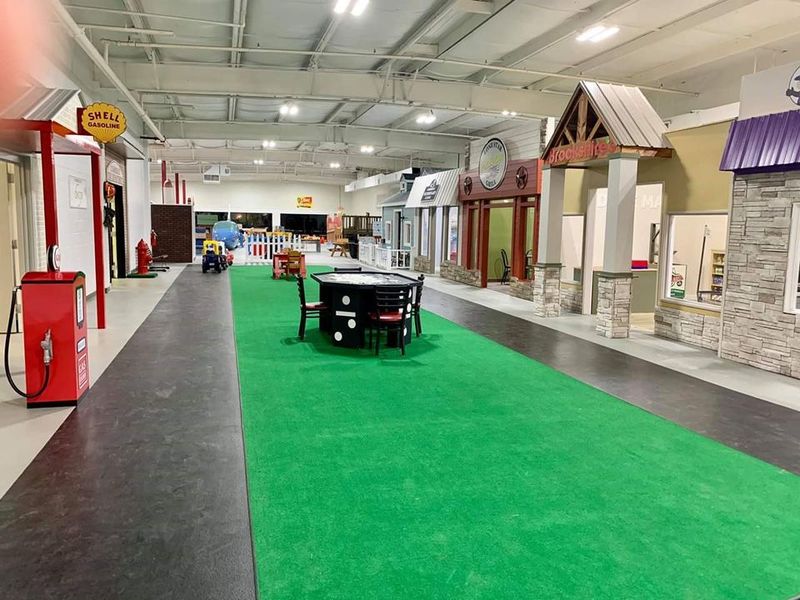
Commerce might surprise you with its commitment to childhood education. This museum serves rural communities across Northeast Texas, filling a crucial gap for families who can’t easily access big-city attractions.
Agriculture takes center stage here, reflecting the region’s farming heritage. Kids learn about cotton, cattle, and crops through interactive displays that honor the work real Texas farmers do daily. There’s zero condescension, just genuine respect for agricultural life presented in kid-friendly formats.
The museum collaborates closely with Texas A&M University-Commerce, bringing college students in as volunteers and enriching exhibits with academic expertise. Education majors gain practical experience while children benefit from enthusiastic, well-trained guides who make learning dynamic.
Small-town charm defines the experience. During holiday seasons, the museum transforms into a festive wonderland with decorations and themed activities. Halloween brings costume parades, and Christmas features visits from Santa in a setting far more intimate than mall photo ops.
Reading nooks scattered throughout encourage literacy in cozy spaces designed for quiet time. After running around more active exhibits, kids can decompress with books that match their reading levels and interests. Parents enjoy these built-in calm zones that prevent complete overstimulation.
The outdoor play area connects to the building, providing easy transitions between indoor and outdoor fun. Playground equipment meets modern safety standards while maintaining the kind of challenge kids actually want, not the dumbed-down versions that bore them.
Admission costs less than a movie ticket, making this museum accessible to families across income levels. The staff radiates warmth and patience, treating every child like they matter. For communities often overlooked by larger cultural institutions, this museum represents genuine investment in rural childhood development and family enrichment.
6. Thinkery (Austin)
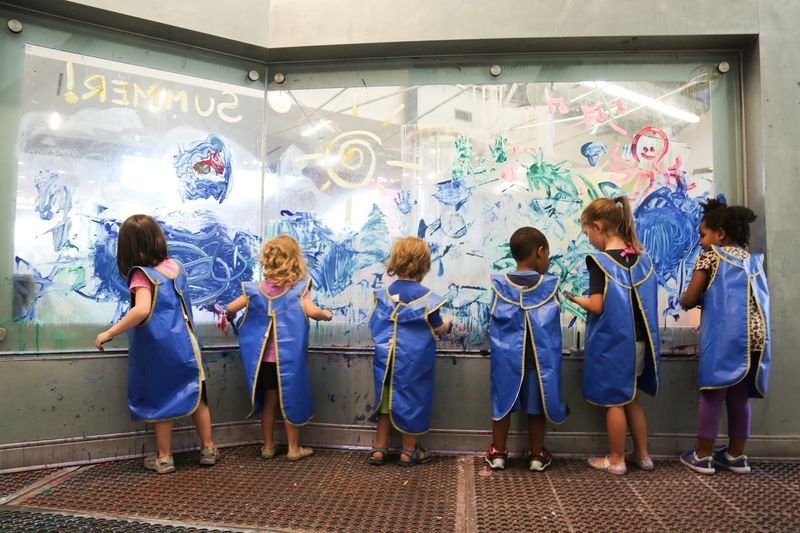
Austin’s reputation for innovation extends to its children’s museum, where cutting-edge exhibits push boundaries while remaining accessible to young minds. The name itself signals a philosophy focused on critical thinking rather than passive observation.
Technology integration here feels natural, not forced. Kids code robots, experiment with circuits, and explore digital art without screens dominating the experience. The balance between tech and tactile play reflects Austin’s own blend of high-tech industry and outdoor culture.
The Light Lab mesmerizes with color, shadow, and optical illusions that teach physics principles through pure wonder. Children manipulate light beams, create shadow puppets, and explore how eyes perceive reality. Parents find themselves just as captivated, testing theories alongside their kids.
Outdoor spaces at Thinkery rival the indoor offerings. An enormous treehouse, water features, and nature exploration areas take advantage of Austin’s generally cooperative weather. The museum understands that Texas kids need room to move and fresh air to truly thrive.
Programming leans heavily into STEAM education, with weekend workshops covering everything from engineering challenges to botanical art. Local artists and scientists lead sessions, exposing children to potential mentors and career paths they might not otherwise encounter.
The museum’s commitment to accessibility means sensory-friendly hours for children with autism, reduced-price memberships for low-income families, and exhibits designed for various ability levels. This inclusivity creates a genuinely welcoming environment where all families feel comfortable.
Food options inside are healthier than typical museum fare, with local vendors providing snacks that don’t trigger sugar crashes. The cafe area offers adult coffee strong enough to power parents through hours of child-led exploration.
Located near other Mueller neighborhood attractions, Thinkery fits easily into larger Austin adventures. Families can grab lunch at nearby restaurants or explore the lake, making it part of a full day rather than a standalone destination.
7. McKenna Children’s Museum (New Braunfels)
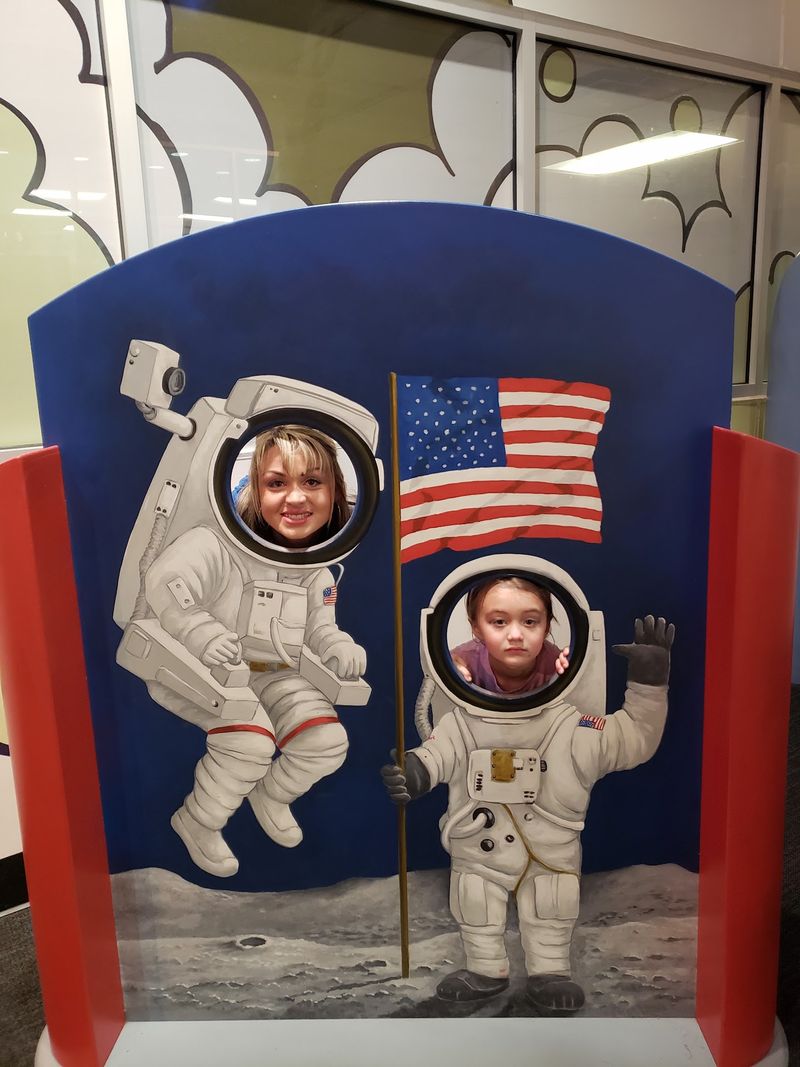
New Braunfels brings its German heritage and Hill Country charm into this delightful museum where culture and play intersect beautifully. The building itself sits in a historic downtown area, making the museum part of a larger experience exploring this tourist-friendly town.
German influences appear throughout exhibits, from a miniature Wurstfest celebration to displays about local history and immigrant experiences. Kids learn about their region’s unique cultural blend while engaging in universal childhood play patterns that transcend any single heritage.
The Comal River and Guadalupe River inspire water-themed exhibits that teach about Texas ecology and water conservation. Given New Braunfels’ identity as a river recreation destination, these displays connect museum learning to experiences families have tubing and swimming just outside.
A grocery store exhibit features local brands and Texas products, grounding pretend play in real community context. Kids recognize logos from their own kitchen cabinets, making the connection between play and daily life more concrete and meaningful.
Music and movement areas encourage creative expression with instruments, dress-up clothes, and a small stage. Regular performances by local children’s entertainers bring professional arts exposure to kids who might not otherwise attend formal shows.
The museum’s size feels just right for toddlers through early elementary ages. It’s large enough to provide variety but small enough that parents can supervise without losing sight of wandering children. This Goldilocks sizing reduces stress for caregivers significantly.
New Braunfels’ tourist economy means the museum sees visitors from across Texas and beyond during peak seasons. Locals know to visit during school hours or off-season months for a more relaxed experience. The staff handles crowds professionally, maintaining order without dampening enthusiasm.
Combination tickets with other New Braunfels attractions sometimes appear during promotional periods. Savvy families watch for these deals to maximize vacation budgets while hitting multiple destinations.
8. Fort Bend Children’s Discovery Center (Sugar Land)
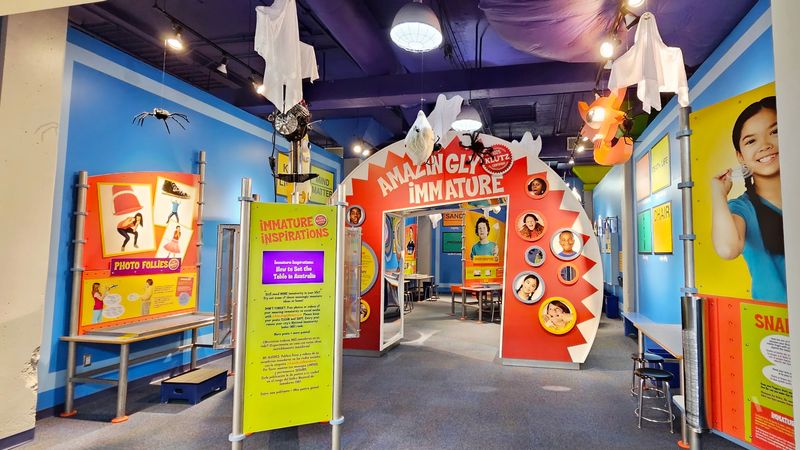
Sugar Land’s affluent suburbs support this polished facility where attention to detail and educational rigor create an elevated museum experience. The building gleams with that new-construction shine, and exhibits reflect significant investment in quality materials and thoughtful design.
Cultural diversity defines Fort Bend County, and the museum mirrors this beautifully. Exhibits celebrate the area’s incredible mix of Asian, Hispanic, African American, and Anglo cultures without feeling like a forced diversity checklist. Kids see their own backgrounds reflected while learning about neighbors’ traditions.
The Tot Town area caters specifically to children under four with age-appropriate challenges and softer play equipment. This dedicated space means older siblings can explore more advanced exhibits while babies safely investigate their own zone, solving the eternal parental juggling act.
Science exhibits here rival those in much larger museums. A human body display lets kids crawl through a giant digestive system, making anatomy memorable and slightly gross in the way children love. Physics experiments with pulleys, ramps, and momentum teach concepts that will resurface in future school years.
Art studios provide high-quality supplies rather than dried-out markers and sad construction paper. Children create with proper paints, interesting materials, and enough space to really spread out. The museum clearly values creative expression as much as STEM learning.
Birthday party packages include private rooms and dedicated staff, making celebrations easy for parents who want to outsource the chaos. The cost reflects Sugar Land’s general price point but includes everything needed for a memorable event.
Partnerships with Fort Bend ISD bring school groups through regularly, and the museum designs exhibits with curriculum standards in mind. Teachers appreciate how field trips here actually reinforce classroom learning rather than just providing glorified recess.
Parking is plentiful and free, a blessing in an area where many attractions charge premium rates. The surrounding shopping and dining options mean families can easily extend their outing beyond museum walls.
9. The DoSeum (San Antonio)
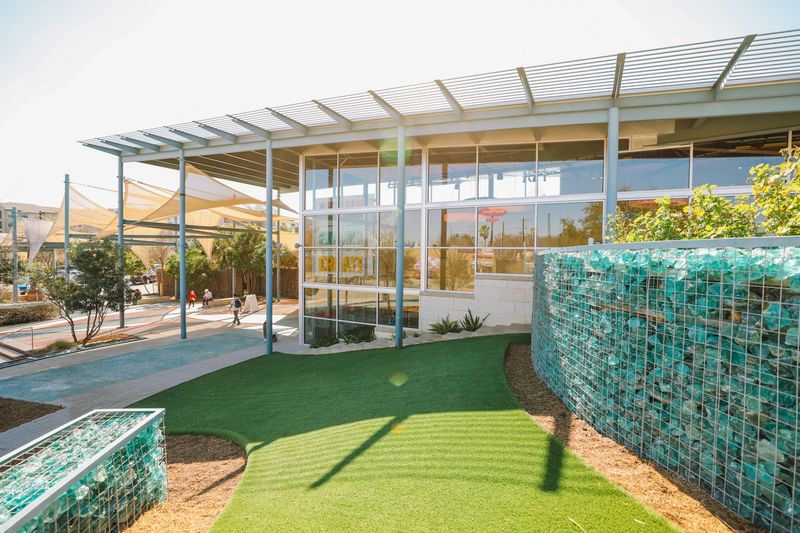
San Antonio’s premier children’s museum occupies a stunning facility in the historic Broadway corridor, where 5.5 acres provide indoor and outdoor exploration opportunities. The architecture alone impresses, with soaring spaces and natural light creating an environment that feels expansive and inspiring.
Innovation drives every exhibit. Spy Academy turns espionage into a learning opportunity, with code-breaking, disguises, and mission challenges that teach logic and problem-solving. Kids emerge feeling like secret agents who just happen to have practiced math skills.
The Little Town area reimagines community play with a farmer’s market, construction site, and other real-world scenarios. San Antonio’s unique character influences the details, from Tex-Mex restaurants in the pretend food court to exhibits about the city’s military heritage.
Outdoor spaces here are legendary. A two-story treehouse, water play areas, and a spy obstacle course keep kids active and engaged regardless of San Antonio’s heat. The museum invested heavily in shade structures, making summer visits more tolerable than you’d expect.
STEAM education gets creative interpretation through maker spaces and tinkering labs. Kids build with real tools under supervision, learning carpentry basics and engineering principles through projects they design themselves. The museum trusts children with appropriate challenges rather than dumbing down activities.
Special events bring the community together around cultural celebrations, scientific phenomena like eclipses, and seasonal themes. These programs often sell out, so advance planning helps families secure spots.
The museum’s commitment to bilingual education reflects San Antonio’s demographics. Signage and programming in both English and Spanish ensure all families feel welcomed and can fully participate regardless of their primary language.
Food trucks rotate through the parking lot, providing meal options beyond typical museum snacks. This partnership with local vendors supports small businesses while giving families better lunch choices. The outdoor seating areas encourage picnicking, and the relaxed atmosphere means kids can eat quickly and return to playing without formal dining constraints.
10. Texas Children’s Museum (Rio Vista)
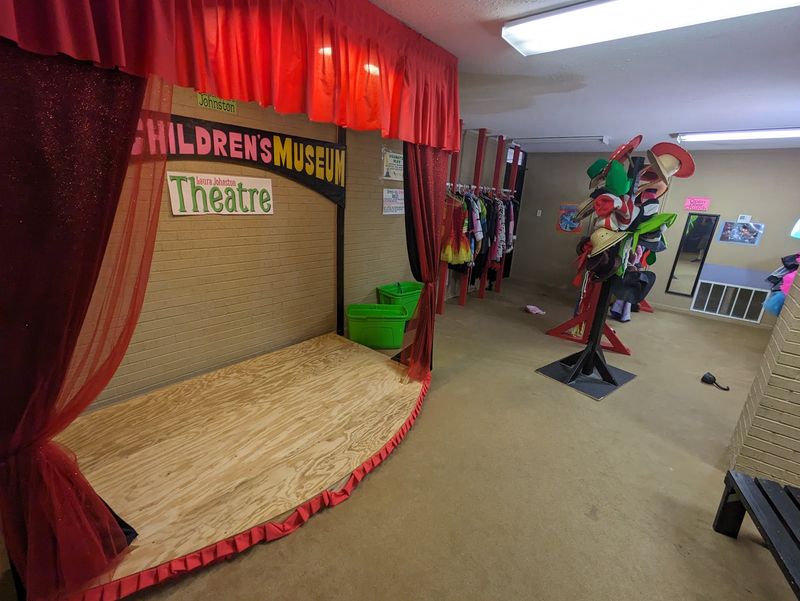
Rio Vista might be Texas’ tiniest museum town, but size doesn’t limit impact. This grassroots operation serves rural Johnson County families who would otherwise drive an hour or more to reach similar facilities.
Community involvement built this museum from scratch. Local volunteers constructed exhibits, painted murals, and donated materials to create something special for their children. That homegrown energy radiates through every corner, making visits feel personal and meaningful.
Ranch life and rural culture shape the exhibits in authentic ways. Kids learn about cattle ranching, rodeo traditions, and small-town Texas life through displays created by people who actually live these experiences. There’s no filtered big-city interpretation, just real stories told by real Texans.
The museum doubles as a community center where families gather for events beyond regular hours. Holiday celebrations, story times, and craft workshops strengthen neighborhood bonds while providing enrichment activities. In small towns, institutions like this become essential social infrastructure.
Scale works in the museum’s favor. Young children never feel overwhelmed, and parents can relax knowing their kids can’t wander too far. The intimate setting encourages interaction between families, with regulars greeting newcomers and sharing favorite exhibits.
Operating hours can be limited since the museum relies on volunteers rather than paid staff. Calling ahead or checking social media ensures you won’t arrive to locked doors. This flexibility reflects rural realities where community needs sometimes shift schedules.
The museum survives on donations and small admission fees, operating on a shoestring budget that would astound big-city counterparts. Every dollar goes directly into maintaining exhibits and supplies, with zero waste on bureaucratic overhead.
For families living in the Fort Worth exurbs or exploring rural Texas, this museum represents a worthwhile detour. It won’t fill an entire day, but the authentic character and community spirit create memories that slick commercial attractions can’t match. Supporting small-town institutions like this helps preserve the fabric of rural Texas.
11. Beaumont Children’s Museum (Beaumont)
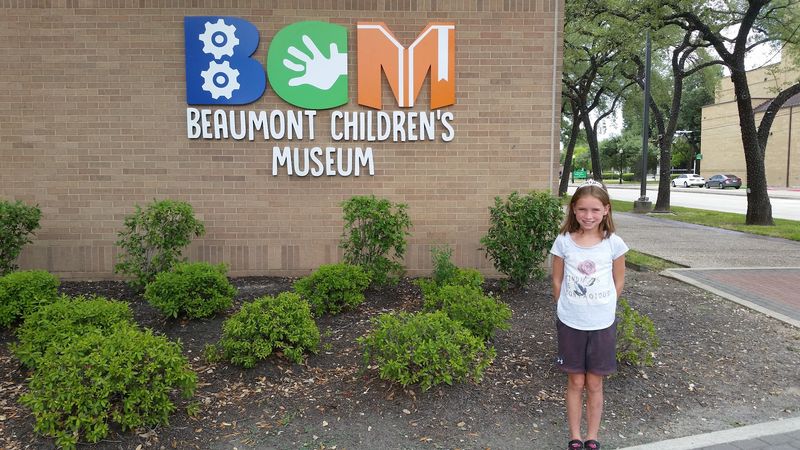
Southeast Texas gets quality children’s programming at this Beaumont institution where petroleum heritage meets modern educational philosophy. The region’s oil and gas history influences exhibits without turning the museum into an industry commercial.
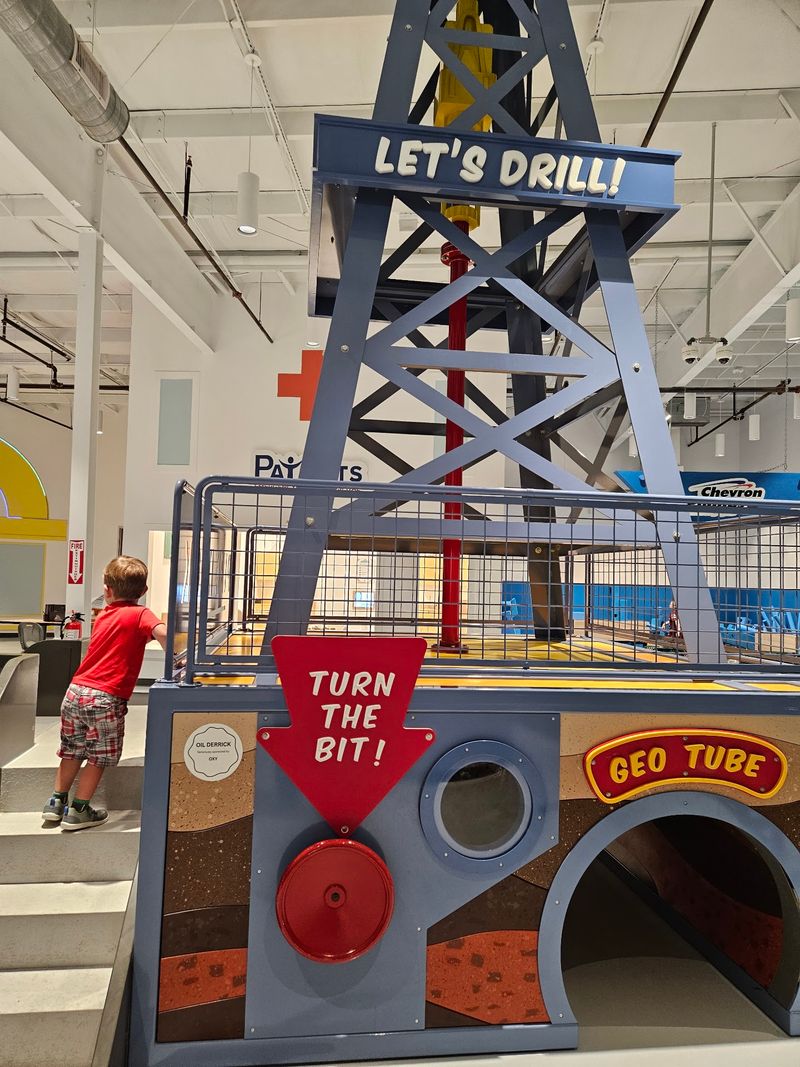
Energy exploration displays teach kids how fossil fuels form and get extracted, with interactive drilling simulations that satisfy the construction-loving crowd. The museum balances this with renewable energy exhibits, presenting multiple perspectives on Texas’ energy future.
Wetlands ecology exhibits reflect the coastal prairie environment surrounding Beaumont. Kids learn about alligators, migratory birds, and the unique ecosystem where freshwater meets saltwater. Touch tanks and preserved specimens bring abstract concepts into tactile reality.
The museum partners with Lamar University, bringing education students in for practicum hours and enriching programs with academic expertise. These partnerships ensure exhibits stay current with educational research and best practices.
Beaumont’s diversity shows up in cultural programming that celebrates the area’s Cajun influences, African American heritage, and immigrant communities. Food-themed exhibits explore regional cuisine, teaching kids about culture through the universal language of eating.
Summer camps here provide working parents with reliable childcare that actually educates. Weekly themes rotate through science, art, and local history, keeping kids engaged throughout the long Texas summer. Spots fill early as word spreads about the quality programming.
The museum’s location near other Beaumont attractions makes it easy to build a full day of activities. Families often combine museum visits with trips to the botanical gardens or downtown restaurants, supporting multiple local businesses in one outing.
Admission prices reflect the economic realities of Southeast Texas, staying affordable for families across income levels. The museum occasionally offers free admission days sponsored by local businesses, ensuring cost never completely blocks access. This commitment to community service over profit maximization makes the museum a true public good.
12. The Woodlands Children’s Museum (The Woodlands)
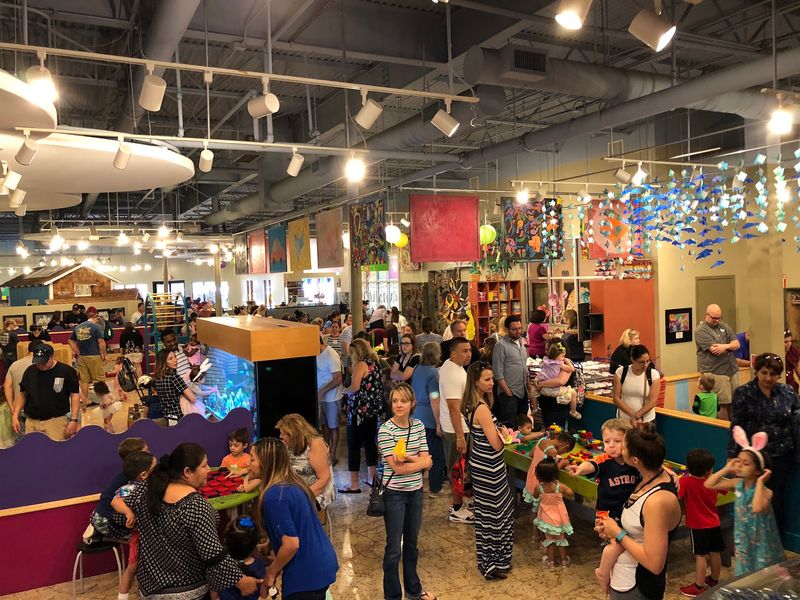
Master-planned community living extends to this museum where The Woodlands’ trademark attention to detail and family focus create an exceptional children’s destination. The facility blends seamlessly into the piney woods aesthetic that defines this Houston suburb.
Nature integration distinguishes this museum from urban counterparts. Forest-themed exhibits teach ecology and environmental science using the actual East Texas ecosystem visible through large windows. Kids learn about local wildlife, tree species, and conservation while remaining connected to the landscape outside.
The museum emphasizes STEM education in ways that appeal to The Woodlands’ highly educated population. Robotics workshops, coding classes, and engineering challenges prepare kids for technology-focused futures while maintaining the play-based approach that makes learning stick.
Art programs here showcase professional quality, with visiting artists leading workshops and permanent galleries displaying children’s work like a real museum. This validation of kids’ creativity builds confidence and encourages continued artistic exploration.
The Woodlands’ corporate community supports the museum through sponsorships and partnerships. Local businesses fund exhibits, provide volunteers, and create internship opportunities for older youth interested in education or museum careers.
Birthday parties and private events generate significant revenue, allowing the museum to maintain high standards and continuously update exhibits. The event spaces are genuinely nice, not just functional, reflecting The Woodlands’ expectations for quality venues.
Membership benefits extend beyond museum walls, with reciprocal agreements at other institutions nationwide. For families who travel, this perk adds significant value and encourages exploring children’s museums wherever they go.
The surrounding Woodlands Township offers extensive dining and shopping, making the museum part of larger family outings. Parents can grab coffee at nearby cafes while kids burn energy, then transition to lunch and errands without excessive driving.
Parking is plentiful and well-maintained, with covered options protecting cars from Texas sun and sudden storms. These small conveniences add up to a stress-free experience that keeps families returning regularly throughout childhood.
Share this story