Texas knows how to do food right, and nowhere is that more obvious than at the state’s legendary buffets. Whether you’re craving Mediterranean spreads, endless sushi rolls, or classic American comfort food, these spots serve up variety that’ll make your head spin in the best way possible. Walking into any of these places means saying goodbye to portion control and hello to trying a little bit of everything, then going back for seconds, thirds, and maybe even fourths.
1. Dimassi’s Mediterranean Buffet (San Antonio)
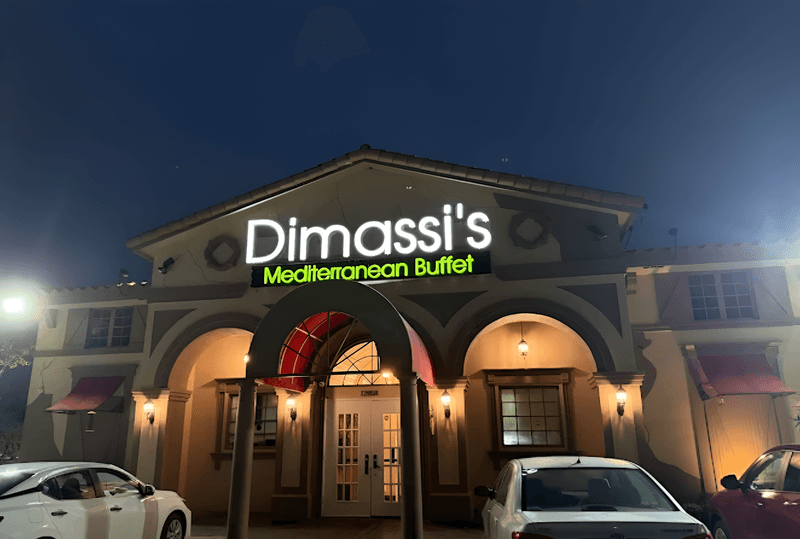
Picture walking into a space where the smell of garlic, cumin, and fresh-baked pita wraps around you like a warm hug. That’s exactly what happens at this San Antonio favorite that’s been winning over locals for years. The hot bar stretches longer than you’d expect, packed with rotating meats, rice dishes, and vegetable sides that change just enough to keep regulars coming back.
What sets this place apart is how they handle traditional Mediterranean cooking at buffet scale without losing flavor. The chicken kabobs stay juicy, the grape leaves don’t taste like they’ve been sitting under heat lamps all day, and the hummus actually has that creamy texture you’d make at home if you had the patience. Families pack the tables during weekend lunch rushes, and you’ll see everyone from college students to grandparents piling their plates high.
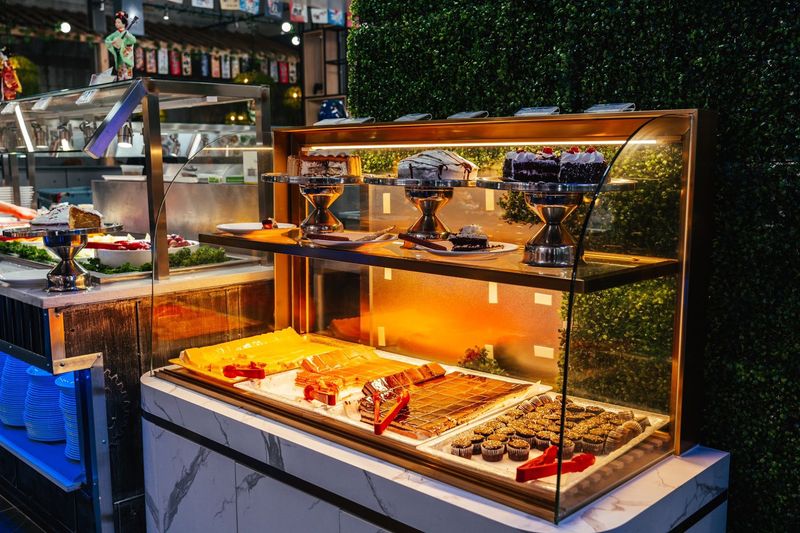
Don’t skip the bakery section tucked near the end of the line. Fresh baklava, knafeh, and other sweets sit waiting, and they’re not the sad, soggy versions you sometimes find at buffets. The phyllo stays crispy, the syrup doesn’t drown everything, and the pistachio topping actually tastes like pistachios.
Pricing stays reasonable enough that you can bring the whole crew without breaking the bank. The lunch spread runs cheaper than dinner, but both offer the same variety. Just know that prime dinner hours on Friday and Saturday get crowded, so plan accordingly if you hate waiting for a table.
Vegetarians and meat-eaters both walk away happy here, which isn’t always easy to pull off. The falafel holds its own against any sit-down restaurant version, and there’s always at least three different protein options on the grill. Smart move?
Start with smaller portions of everything so you can actually try the whole spread before you’re too full to move.
2. Umi Sushi & Seafood Buffet (Houston)
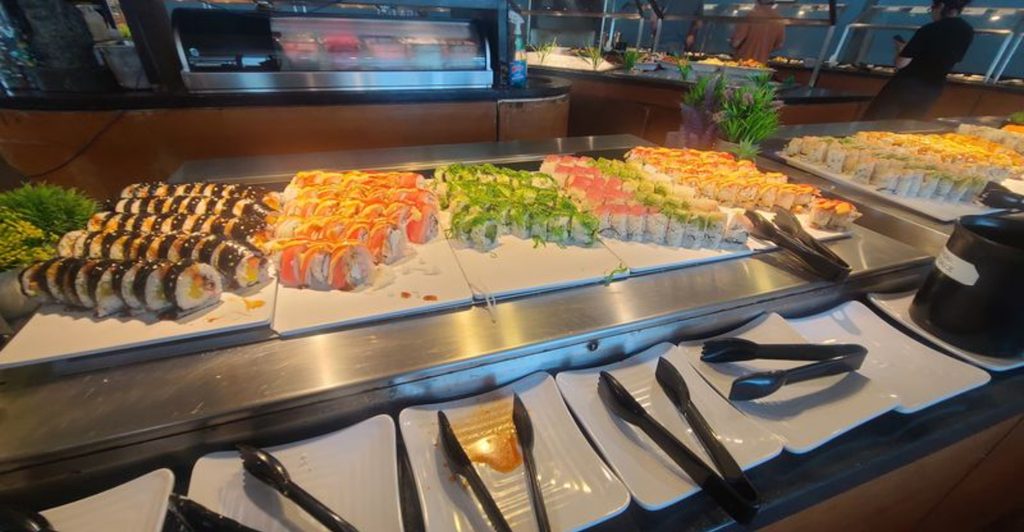
Houston’s sushi scene runs deep, but this spot manages to stand out by offering quantity without completely sacrificing quality. Fresh fish arrives daily, and the sushi chefs work behind the counter rolling new batches constantly during peak hours. You won’t find omakase-level perfection here, but for an all-you-can-eat setup, the rice-to-fish ratio stays balanced and the rolls don’t fall apart when you pick them up.
Beyond the sushi bar, the hot food section surprises people who walk in expecting only raw fish. Tempura vegetables and shrimp come out crispy instead of soggy, the teriyaki chicken glazes properly, and the miso soup actually has decent depth. Weekday lunch brings in the office crowd looking for quick variety, while weekend dinners turn into family affairs with multiple generations sharing tables.
The seafood selection rotates based on what’s available, which means some visits feature more crab legs than others. Smart diners check what’s freshly stocked before loading up their first plate. The oysters on the half shell sit on ice near the entrance, and while they’re not gulf-fresh, they’re passable for buffet standards.
Dessert doesn’t get as much attention as the savory stuff, but the mochi ice cream flavors rotate and the fruit selection stays fresh. Kids gravitate toward the chicken teriyaki and fried rice, which gives parents freedom to explore the more adventurous options without complaints. The space itself feels cleaner than your average buffet, with staff clearing plates quickly and wiping down stations between rushes.
Pricing sits higher than some Houston buffets, but the seafood quality justifies the extra few dollars. Dinner costs more than lunch, though the selection expands after 5 PM. If you’re serious about getting your money’s worth, pace yourself and focus on the pricier proteins first.
3. East Buffet (Austin)
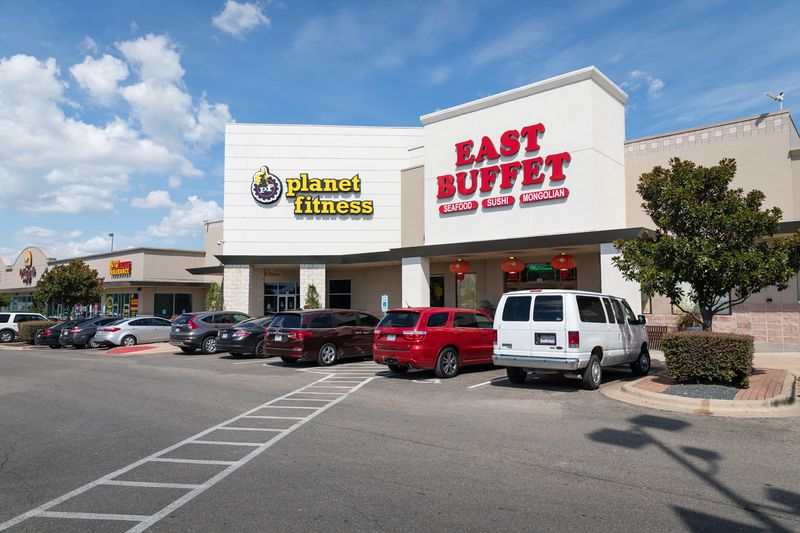
Austin’s food scene gets plenty of hype for its tacos and barbecue, but sometimes you just want variety without choosing from a menu. This North Austin staple delivers exactly that with rows of steam trays holding everything from General Tso’s chicken to sushi rolls to pizza for the kids who refuse to try anything new. The space runs bigger than it looks from the outside, with enough seating that even weekend crowds usually find tables without much wait.
What works here is the constant turnover during busy periods. Trays don’t sit half-empty getting crusty because the kitchen keeps refilling popular items every fifteen minutes or so. The crab rangoon comes out hot enough to burn your tongue if you’re not careful, and the lo mein doesn’t clump into a solid mass like at some places.
Nothing tastes gourmet, but that’s not really the point of a buffet anyway.
The sushi section sits separate from the hot food, which helps keep temperatures where they should be. Rice stays at room temp, fish stays cold, and the wasabi actually has some kick to it. Rolls lean toward the Americanized side with lots of cream cheese and tempura flakes, but again, you’re here for volume and variety, not authenticity.
Families make up most of the crowd, especially during Sunday lunch when kids eat cheaper. The Mongolian grill station lets you build custom stir-fry bowls, though it gets backed up during peak hours. Dessert options include soft-serve ice cream, fruit, and some Chinese pastries that range from pretty good to why-did-I-try-that.
Price-wise, lunch runs significantly cheaper than dinner without much difference in selection. The staff keeps drinks refilled and dirty plates cleared faster than most buffets, which matters when you’re making multiple trips. Just avoid showing up right when they open if you want the full spread, as some items take time to come out.
4. King Buffet (Plano)
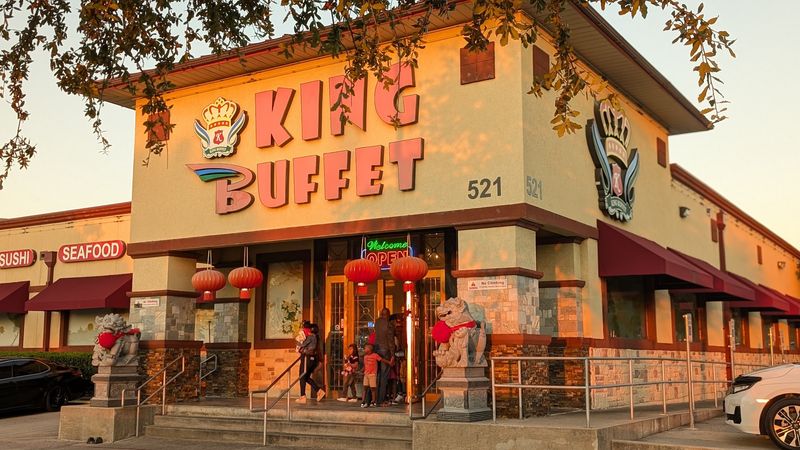
Plano’s dining scene caters to pretty much every taste, and this buffet fits right into that diversity by offering something for literally everyone at the table. Walk in and you’ll find Chinese standards alongside American comfort food, sushi, a salad bar, and even a small Mongolian grill section. The layout makes sense, with similar foods grouped together instead of randomly scattered like some buffets do.
Quality stays consistent across most stations, which is harder to maintain than you’d think when you’re cooking dozens of different dishes. The bourbon chicken hits that sweet-savory balance people expect, the fried rice doesn’t taste like it’s been sitting since yesterday, and the egg rolls stay crispy on the outside. Nothing will blow your mind, but nothing tastes actively bad either, which puts it ahead of plenty of competition.
The sushi bar won’t impress anyone who regularly hits up proper Japanese restaurants, but for buffet sushi it does the job. California rolls, spicy tuna, and various specialty rolls rotate throughout service, and the fish doesn’t smell fishy, which is always a good sign. The ginger actually tastes pickled instead of just sitting in sweet liquid, and the soy sauce dispensers work without making a mess.
Lunch pricing makes this an easy choice for office groups or anyone working from home who needs a midday break. Dinner costs jump up but the selection expands, particularly on weekends when they add more seafood options. The dessert section includes soft-serve with toppings, fresh fruit that’s actually fresh, and some hit-or-miss pastries.
Families with picky eaters appreciate the variety since even the most stubborn kids can find something familiar. The staff keeps the place cleaner than average, and tables get cleared quickly enough that you’re not sitting next to stacks of dirty plates. Weekend evenings get packed, so either arrive early or be prepared to wait a bit for seating.
5. Lin’s Seafood And Sushi Buffet (San Antonio)
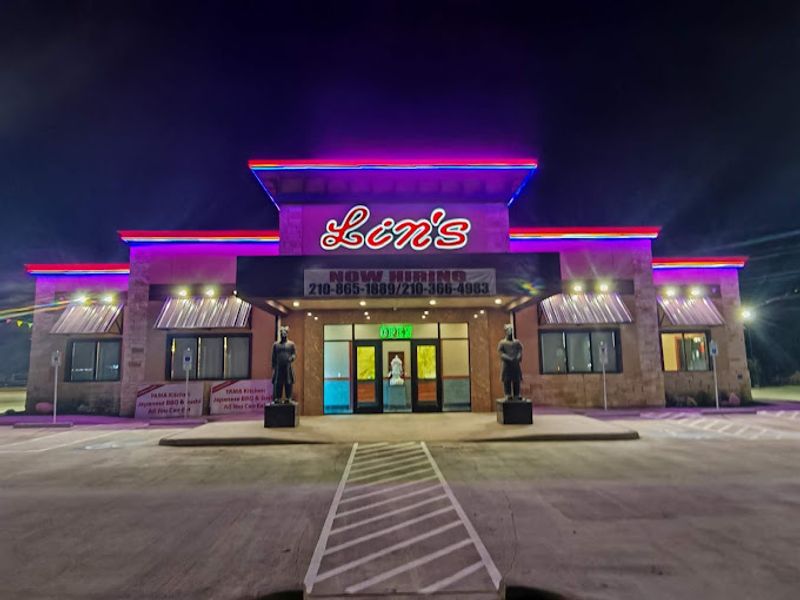
San Antonio doesn’t sit on the coast, but that doesn’t stop this buffet from bringing in enough seafood to make you forget you’re hours from the Gulf. The crab leg section alone draws crowds, with snow crab and sometimes king crab depending on market prices and availability. Staff refreshes the ice regularly so everything stays properly chilled, and they don’t skimp on portions like some places that ration out the expensive stuff.
Beyond the crab, you’ll find peel-and-eat shrimp, crawfish when in season, mussels, and various fish preparations both fried and grilled. The cocktail sauce has actual horseradish bite, and the melted butter for the crab stays hot without burning. Sushi rolls fill another section with the usual suspects plus some creative house specialties that change weekly.
Hot food options balance out the seafood focus with Chinese classics, hibachi-grilled items, and American sides. The fried catfish comes out golden and flaky, the hush puppies taste like someone’s grandmother made them, and the coleslaw provides that necessary crunch between heavier items. Weekends bring bigger crowds since that’s when most people have time for a long, leisurely meal.
Pricing reflects the seafood focus, running higher than your average Chinese buffet but lower than ordering seafood at a regular restaurant. Lunch offers better value if you’re budget-conscious, though dinner adds more premium items. Kids under a certain height eat free or cheap depending on the day, which helps family budgets stretch further.
The space itself feels more upscale than typical buffet joints, with better lighting and actual decor instead of just functional dining room vibes. Tables get cleared constantly, and the staff stays attentive about drink refills without hovering. Smart strategy?
Hit the expensive proteins first when you’re hungriest, then circle back to the hot food and sushi once you’ve gotten your money’s worth on crab and shrimp.
6. Asian Star Buffet (Fort Worth)
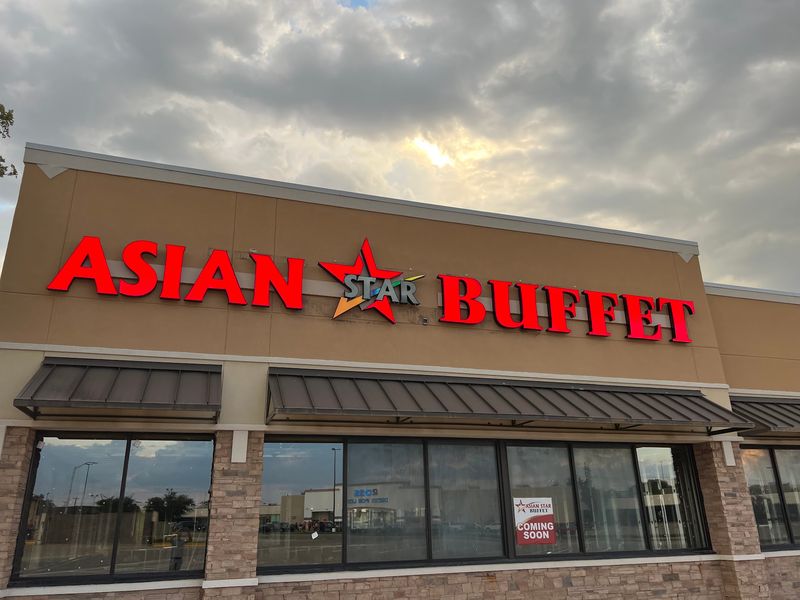
Fort Worth’s Stockyards get all the tourist attention, but locals know the real food action happens in spots scattered across the city. This buffet sits in a strip mall that you’d drive past without noticing if you weren’t looking for it, but inside you’ll find one of the more extensive Asian buffet spreads in the area. The selection covers Chinese regional dishes, Japanese sushi and hibachi, some Thai curry options, and American classics for the less adventurous.
What impresses here is how they handle spice levels across different dishes. The Szechuan options actually bring heat instead of just being labeled spicy without any kick. The Mongolian grill lets you customize your stir-fry with various proteins, vegetables, and sauce combinations, though the line can get long during peak lunch and dinner rushes when everyone wants their custom bowl.
The sushi section stays well-stocked even during slower periods, with chefs rolling fresh batches throughout service. Rice doesn’t get hard and crusty, fish portions stay reasonable, and the variety goes beyond just California rolls and spicy tuna. You’ll find some more creative specialty rolls that change periodically, plus standard nigiri and sashimi options for purists.
Dessert gets more attention than at some competing buffets, with a soft-serve station, fresh fruit, Chinese pastries, and even some Western options like brownies and cookies. The fruit actually tastes ripe instead of being cut too early, and the soft-serve machine works reliably, which matters more than you’d think.
Lunch pricing makes this a popular spot for nearby office workers, while dinner brings in families and larger groups. The space runs clean, staff stays friendly without being pushy, and turnover keeps food fresh during busy periods. Weekend dinners get crowded enough that arriving before 6 PM or after 8 PM helps avoid the biggest rushes.
The value proposition works well since you can sample cuisine styles that would cost significantly more ordering from individual restaurants.
7. Buffet Palace (Austin)
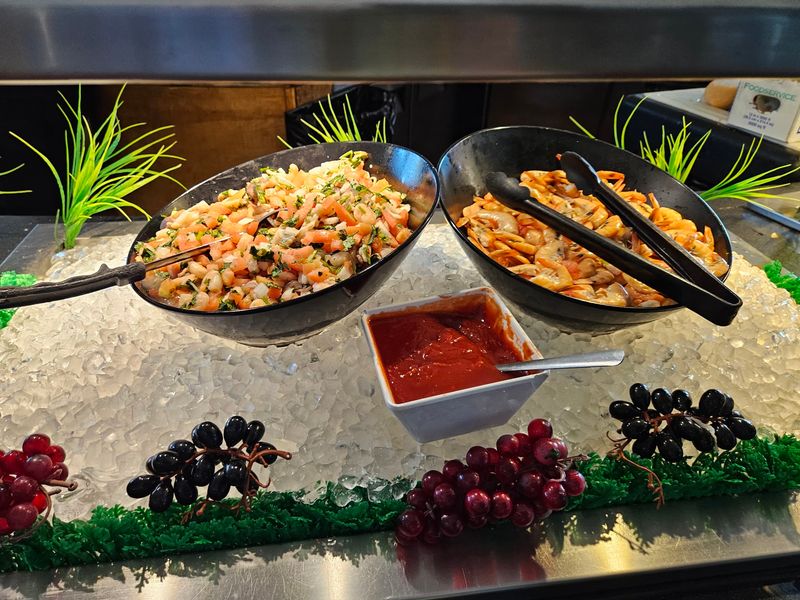
South Austin’s food scene trends toward tacos and barbecue, but sometimes you want options that don’t require choosing just one cuisine. This buffet answers that need with stations covering Chinese, Japanese, American, and even some Italian dishes all under one roof. The layout flows logically, with cold items near the entrance and hot food stations arranged by cuisine type rather than randomly mixed together.
The Chinese section holds the standards you’d expect plus some less common regional dishes that rotate weekly. Kung pao chicken brings actual peanuts and dried chilies, the sweet and sour pork balances flavors instead of drowning in syrupy sauce, and the vegetables stay crisp instead of mushy. The fried rice gets made fresh in small batches so it doesn’t sit getting hard and dry.
Sushi quality sits somewhere in the middle for Austin buffets, not amazing but definitely edible and fresh enough. Rolls lean toward the cream cheese and tempura flake heavy side, but the fish doesn’t smell off and the rice holds together properly. The salad bar offers more than just iceberg lettuce and ranch dressing, with mixed greens, various toppings, and several dressing options.
What surprises people is the pizza and pasta section that seems random until you realize it keeps kids happy while parents explore more adventurous options. The pizza actually tastes decent for buffet standards, and the pasta doesn’t turn into a gummy mess. Dessert includes soft-serve, fruit, puddings, and some Chinese sweet options that range from interesting to acquired taste.
Pricing runs middle-of-the-road for Austin buffets, with lunch significantly cheaper than dinner. The dinner spread adds more seafood and premium proteins, so the price jump makes sense if you plan to load up on shrimp and crab. Staff keeps the place reasonably clean and clears plates without making you feel rushed.
Weekend crowds pack the place, especially Sunday afternoons when families come in after church or other activities.
8. Grand Buffet (San Antonio)
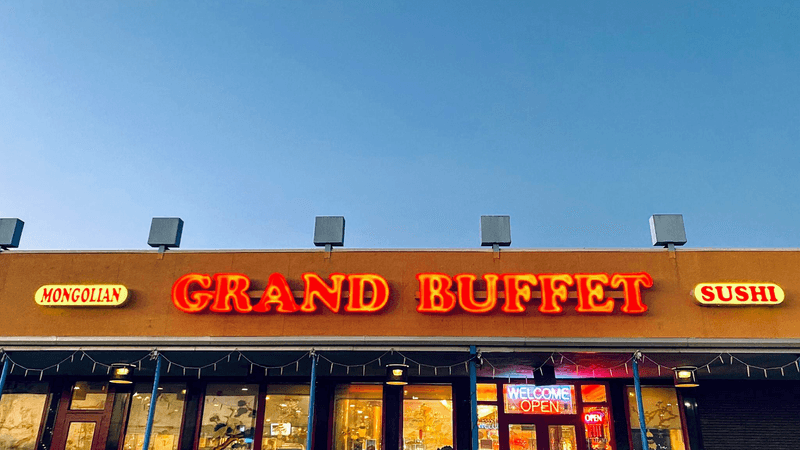
San Antonio has no shortage of buffet options, but this spot has built a loyal following by keeping food fresh and rotating items frequently enough that regular visitors don’t get bored. The space runs larger than average, which helps during busy periods when other buffets feel cramped and chaotic. Multiple stations spread across the dining area mean you’re not fighting crowds just to get to the crab legs or sushi.
The seafood selection stands out as a major draw, with various preparations of shrimp, fish, mussels, and crab depending on availability and season. Everything sits on proper ice, temperatures stay where they should, and the turnover during peak hours ensures nothing gets old and fishy-smelling. The cocktail sauce and drawn butter stations stay stocked and clean, which sounds basic but isn’t always guaranteed at buffets.
Chinese food stations cover the expected territory with fried rice, lo mein, various chicken dishes, and vegetable stir-fries. The Mongolian grill offers custom bowls if you want something specific, though wait times vary depending on how many people are in line. Sushi rolls rotate throughout service with fresh batches replacing depleted trays rather than just topping off what’s already sitting out.
American comfort food gets its own section with fried chicken, mashed potatoes, mac and cheese, and other familiar favorites that appeal to less adventurous eaters or kids who refuse to try anything new. The fried chicken stays crispy instead of soggy, and the mashed potatoes taste like actual potatoes instead of instant flakes reconstituted with water.
Dessert offerings include the usual soft-serve setup plus fresh fruit, puddings, and various Asian pastries. The fruit selection stays fresh and properly ripe, which makes it a good palate cleanser between savory rounds. Pricing sits average for San Antonio buffets, with lunch running cheaper but offering slightly less selection.
Dinner brings out more premium items and costs accordingly. The staff works hard to keep up during rushes, clearing plates and refilling stations efficiently.
9. Grand China Buffet (El Paso)
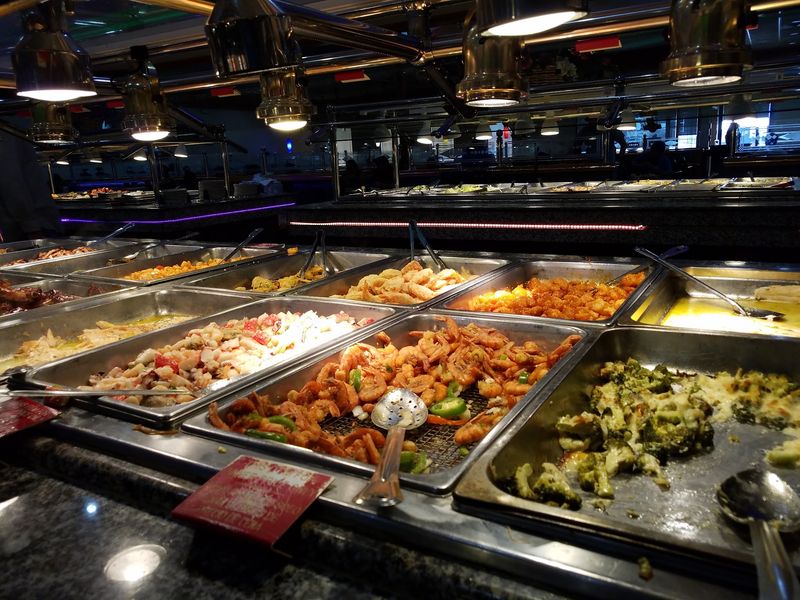
El Paso’s proximity to Mexico means Tex-Mex dominates the food conversation, but this buffet proves there’s room for other cuisines too. The spread covers Chinese regional dishes, sushi, some American options, and even a small Mongolian grill section for custom stir-fry bowls. The layout makes sense with similar items grouped together instead of forcing you to walk the entire buffet to find what you want.
What works here is the attention to keeping food at proper temperatures and replacing depleted items quickly during busy periods. The General Tso’s chicken doesn’t sit getting hard and crusty, the egg rolls come out hot instead of lukewarm, and the fried rice stays fluffy instead of clumping into a solid mass. Nothing tastes gourmet, but consistency matters more than perfection at buffet prices.
The sushi bar offers standard rolls plus some house specialties that rotate weekly. Rice stays at room temperature instead of cold-from-the-fridge hard, and the fish doesn’t smell off or look dried out. Wasabi and ginger stay properly stocked, and the soy sauce dispensers actually work without making a mess all over the table.
Families make up most of the crowd, which means the American section with pizza, chicken nuggets, and fries stays well-stocked for picky kids. The salad bar provides fresh vegetables and multiple dressing options for anyone trying to balance out all the fried food. Dessert includes soft-serve ice cream with toppings, fresh fruit, and some Chinese pastries that range from interesting to why-did-I-eat-that.
Pricing runs lower than many El Paso restaurants, making this a popular spot for large groups or families on a budget. Lunch costs less than dinner without huge differences in selection, though dinner adds a few more seafood options. The space stays cleaner than average for buffets, with staff clearing plates regularly and wiping down stations between rushes.
Weekend evenings get packed, so timing your visit before or after the main dinner rush helps avoid waits and ensures better food turnover.
10. China Harbor (Austin)
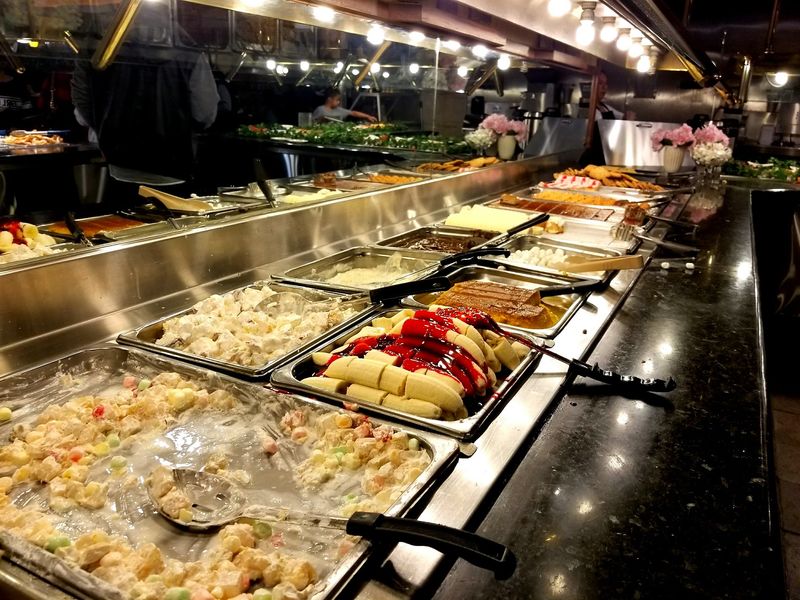
Austin’s north side holds plenty of chain restaurants and shopping centers, but tucked among them you’ll find this buffet that’s been serving the area for years. The selection leans heavily Chinese with some Japanese sushi thrown in and minimal American options beyond a small salad bar. If you’re looking for pizza and chicken nuggets, this isn’t your spot, but if you want actual Chinese food variety, the spread delivers.
The dim sum section sets this place apart from competitors that stick to standard buffet Chinese. Steamed dumplings, buns, and other small plates rotate throughout service, giving you options beyond just fried and saucy dishes. The shrimp dumplings hold together properly, the char siu bao stays fluffy, and the turnover keeps everything fresh instead of sitting under heat lamps getting tough.
Beyond dim sum, you’ll find the expected lineup of orange chicken, beef and broccoli, sweet and sour pork, and various fried rice and noodle dishes. What makes the difference is seasoning that doesn’t taste like everything came from the same sauce base. The Szechuan dishes bring actual heat, the Cantonese options stay lighter, and the vegetables don’t all taste like they were cooked the same way.
The sushi section runs smaller than at some competitors but stays fresh with regular refills during busy periods. Rolls stick to classics rather than crazy specialty combinations, which works fine when you’re already dealing with a massive Chinese food selection. The salad bar provides a lighter option between heavier plates, with fresh greens and vegetables that don’t look wilted.
Dessert keeps it simple with fresh fruit, some Chinese pastries, and soft-serve ice cream. The fruit selection changes seasonally and actually tastes ripe instead of being cut too early. Pricing sits middle-range for Austin buffets, with lunch offering better value if you’re watching your budget.
Dinner adds some seafood options and costs more accordingly. The space feels more authentically Chinese restaurant than generic buffet, and the staff stays attentive without hovering.
11. Nara Sushi-All You Can Eat (Houston)
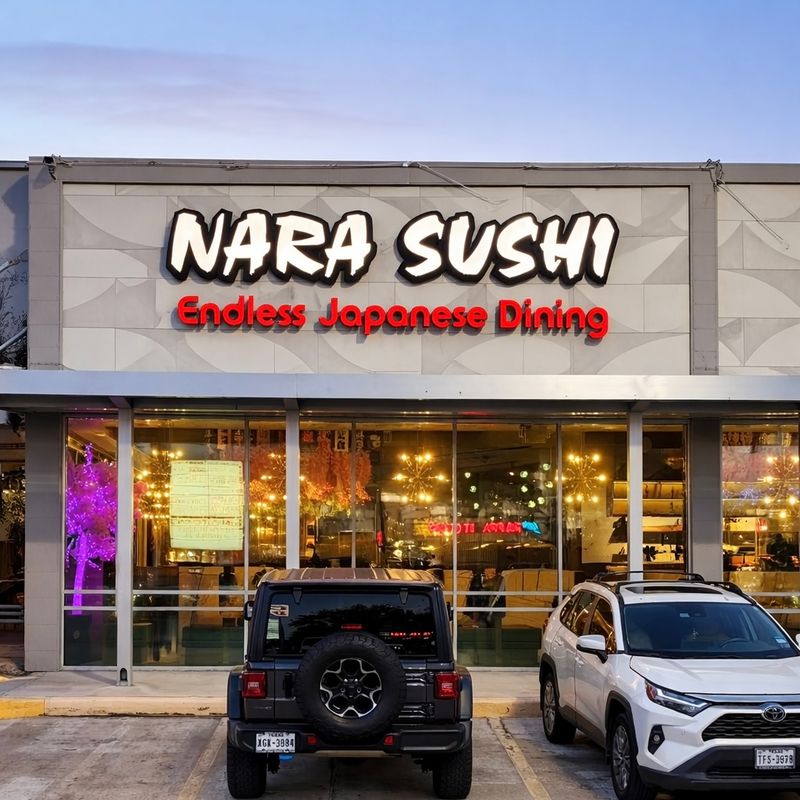
Houston’s sushi scene runs competitive, but this all-you-can-eat spot takes a different approach than typical buffets. Instead of rows of pre-made rolls sitting under lights, you order from a menu and chefs prepare everything fresh to order. The catch?
You pay one price and can keep ordering as much as you want within the time limit, which usually runs around two hours.
This setup means everything arrives at your table freshly made instead of sitting on a buffet line getting warm and dried out. Rice stays properly seasoned and at the right temperature, fish portions come generous without being wasteful, and rolls hold together when you pick them up with chopsticks. The menu covers standard rolls plus specialty combinations, nigiri, sashimi, and various Japanese appetizers.
What works about the ordering system is you can try things you might not order at regular prices without worrying about wasting money if you don’t like something. Don’t care for the spicy tuna? Order something else.
The salmon teriyaki not your thing? Try the hamachi. The variety lets you explore without the commitment of paying full menu prices for each experiment.
Beyond sushi, the menu includes tempura, gyoza, edamame, miso soup, and other Japanese standards. The tempura comes out crispy instead of greasy, the gyoza gets properly pan-fried with crispy bottoms, and the edamame arrives hot and well-salted. Dessert options stay limited but include mochi ice cream in various flavors and some fresh fruit.
Pricing runs higher than traditional buffets but lower than ordering equivalent amounts at a regular sushi restaurant. Lunch costs less than dinner with a slightly smaller menu, though both offer plenty of variety. The staff explains the ordering system clearly and keeps track of what you’ve ordered to prevent waste, since there’s usually a charge for excessive leftover food.
The space feels more like a sit-down restaurant than a buffet, with better ambiance and less cafeteria vibes. Groups and couples both frequent the place, and the two-hour limit keeps things moving without making you feel rushed if you pace yourself properly.
12. Golden Corral (Dallas)
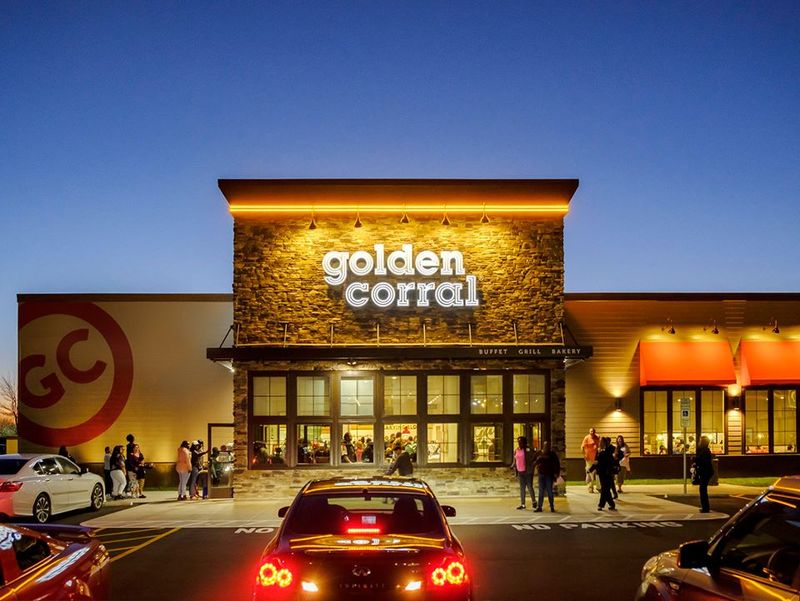
Chain restaurants get a bad reputation sometimes, but this national buffet brand delivers consistency that matters when you’re feeding a group with wildly different preferences. The Dallas location holds the same extensive spread you’ll find at other Golden Corrals across the country, which means you know exactly what you’re getting before you walk in. That predictability has value when you’re dealing with picky eaters or just want familiar comfort food.
The carving station runs throughout dinner service with rotating meats like pot roast, ham, and turkey that get sliced fresh as you wait. The vegetables actually taste like vegetables instead of mushy cafeteria sides, and the mashed potatoes come real instead of instant. Fried chicken stays crispy, the mac and cheese brings that comfort food nostalgia, and the rolls come out warm enough to melt butter.
Beyond the hot food, you’ll find a massive salad bar with fresh vegetables, multiple dressing options, and various toppings that let you build an actual meal instead of just a sad pile of iceberg lettuce. The soup station rotates daily with different options, and the chili brings enough spice to wake up your taste buds without destroying them.
What really sets Golden Corral apart is the dessert bar that runs longer than some entire buffets. Soft-serve ice cream with multiple topping options, fresh-baked cookies, brownies, cakes, pies, and various puddings give you almost too many choices. The chocolate fountain adds a fun element that kids especially love, though adults aren’t above dipping strawberries and marshmallows either.
Pricing stays competitive with other Dallas buffets, and they run various promotions throughout the week that can save money if you time your visit right. Seniors and military get discounts, and kids eat cheaper depending on age. The space runs large enough to handle crowds without feeling packed, and staff works hard to keep stations stocked and tables cleared.
Weekend dinners bring the biggest crowds since that’s when families have time for a long meal. Weekday lunches offer better value and smaller crowds if you have flexibility in timing.
Share this story