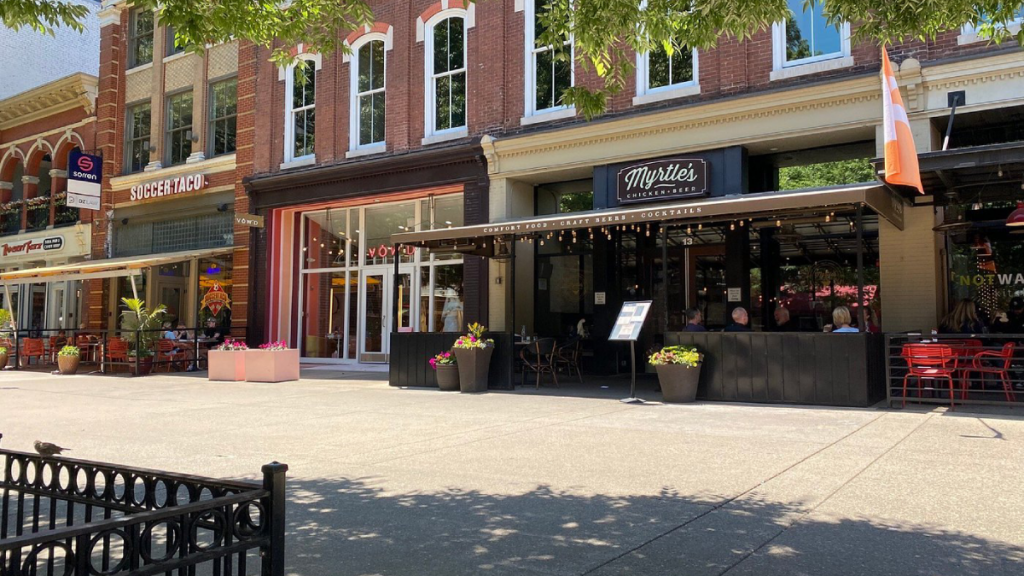
Tennessee has played a starring role in Hollywood for decades, quietly doubling as everything from Brooklyn ballparks to Mississippi riverbanks. The state’s cities, churches, and countryside have provided backdrops for countless memorable films, yet many fans don’t realize these locations are real places you can actually explore.
Whether you’re a movie buff planning a road trip or just curious about the stories behind your favorite scenes, these ten Tennessee landmarks offer a chance to step inside cinematic history without needing a time machine or a Hollywood studio pass.
1. Engel Stadium – Chattanooga
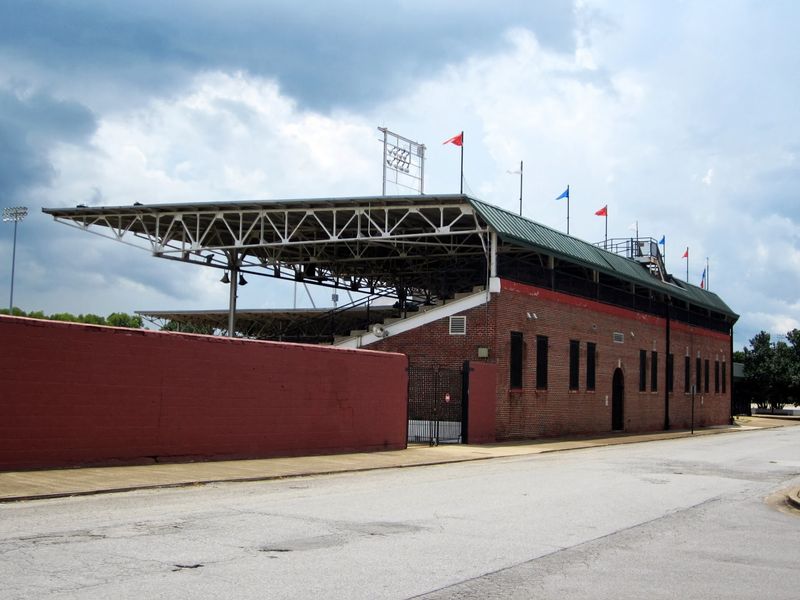
Walking into Engel Stadium feels like stepping through a portal to baseball’s golden age. Built in 1930, this Chattanooga landmark spent decades hosting minor league games before Hollywood discovered its authentic period charm.
When filmmakers needed historically accurate ballparks for the Jackie Robinson biopic 42, they turned to Engel Stadium for multiple scenes. The stadium’s vintage architecture and layout made it the perfect stand-in for several different parks from the 1940s, including Brooklyn’s legendary Ebbets Field, which was demolished in 1960.
The transformation required careful attention to detail. Production crews added period-appropriate signage, dressed extras in 1940s attire, and filmed sequences that captured the tension and triumph of Robinson breaking baseball’s color barrier.
Watching the movie today, it’s hard to believe you’re not seeing the actual stadiums where history unfolded.
After years of disuse following the film shoot, Engel Stadium has seen renewed interest and preservation efforts. The ballpark underwent restoration work to stabilize the structure and celebrate its dual legacy as both a sports venue and a Hollywood location.
Visitors can tour the stadium and imagine both the crack of vintage bats and the Hollywood cameras that once filled the stands. The facility occasionally hosts events, giving fans a chance to experience the same field Chadwick Boseman walked across while portraying one of America’s greatest athletes.
Standing in the grandstands overlooking that green expanse, you’re touching two different kinds of history. One tells the story of courage and change in American sports. The other reminds us how Tennessee’s authentic architecture continues drawing filmmakers seeking something no soundstage can replicate.
2. Arcade Restaurant – Memphis
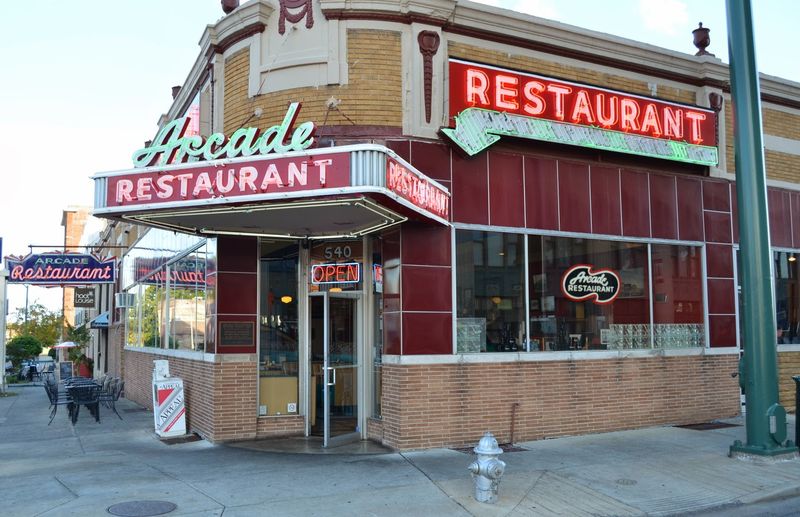
Some restaurants serve food. The Arcade Restaurant serves food and Hollywood magic in equal measure.
Operating since 1919, this Memphis institution holds the title of the city’s oldest cafe, but its real claim to fame might be its extensive film resume.
The Arcade’s vintage dining room, with its classic booths and timeless atmosphere, has appeared in more movies than many working actors. The Client put it on the map for film scouts, but that was just the beginning of its cinematic journey.
Mystery Train used the restaurant’s authentic Memphis vibe to ground its interweaving stories. Great Balls of Fire! captured its 1950s energy perfectly. Walk the Line filmed scenes there during the Johnny Cash biopic, and 21 Grams added it to a much darker narrative.
What makes the Arcade so camera-ready? Partly it’s the genuine article factor that no set designer can fully recreate. The neon signs, the worn countertops, the way light filters through the front windows all tell decades of real stories.
Between film shoots, the Arcade functions as a beloved local breakfast and lunch spot. Regulars slide into the same booths where movie stars sat between takes. The menu hasn’t chased trends, sticking instead with classic diner fare done right.
Elvis Presley was a regular customer back in the day, adding another layer to the restaurant’s cultural significance. Today’s visitors might spot their sweet potato pancakes in a film or their corner booth in a crucial scene.
Eating at the Arcade means joining a tradition that bridges everyday Memphis life and Hollywood storytelling. Your coffee cup might occupy the same spot where a prop master placed one for a pivotal conversation in a major motion picture.
3. College Grove United Methodist Church – College Grove
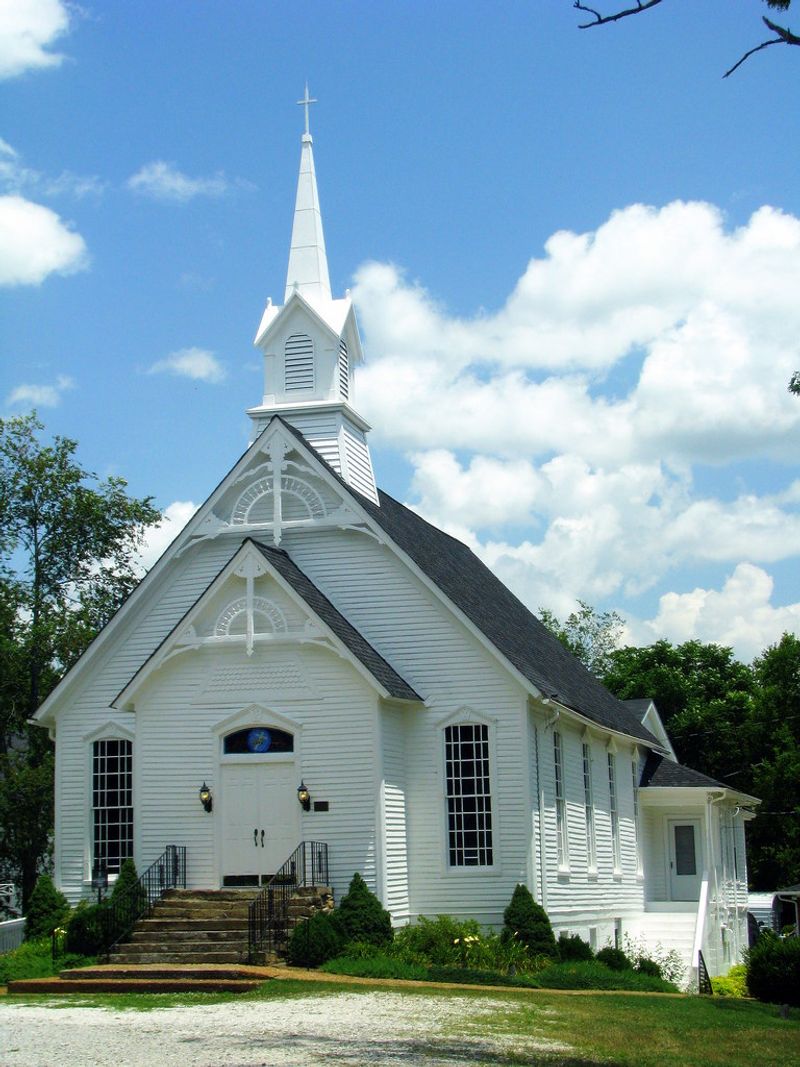
Sometimes the most powerful movie moments happen in the quietest places. College Grove United Methodist Church earned its spot in film history through a single, emotionally devastating scene near the end of The Green Mile.
The funeral sequence filmed at this small country church captures the heartbreak central to the story’s conclusion. Director Frank Darabont chose the location for its authentic rural Tennessee character, the kind of simple, dignified setting that grounds supernatural storytelling in recognizable human grief.
Unlike sprawling studio sets or famous urban landmarks, this church represents the accessible side of movie location hunting. There’s no admission fee, no tour guide, no gift shop. Just a functioning house of worship in a tiny Middle Tennessee community that happened to provide the perfect backdrop for one of the 1990s’ most memorable films.
The church itself predates the movie by many decades, serving College Grove’s residents through generations of weddings, baptisms, and yes, real funerals. That lived-in authenticity comes through on screen, adding weight to fictional events by filming them in a space where genuine emotion has echoed for years.
Fans making the pilgrimage to College Grove find the church largely unchanged from its appearance in the film. The surrounding countryside still rolls away in gentle hills and farmland.
Visiting requires respect, of course, since this remains an active church serving a real congregation. But during appropriate times, movie buffs can stand in the same spot where Tom Hanks’ character said goodbye, where the film’s magical realism gave way to the universal experience of loss.
It’s a reminder that Tennessee’s contribution to cinema isn’t always about elaborate sets or major cities. Sometimes it’s about finding a place so real, so rooted in community, that fiction filmed there feels more true than fantasy.
4. Hiwassee River & Charleston – Charleston
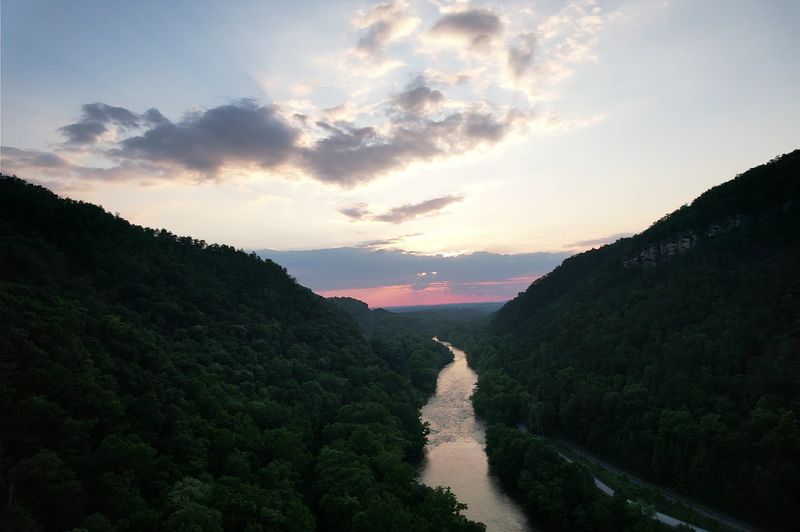
Before Nashville became Music City USA on film, before Memphis showed up in countless movies, Charleston and the Hiwassee River made Tennessee history as the setting for the state’s first major motion picture shot entirely within its borders.
Wild River, directed by Elia Kazan in 1960, tells the story of a Tennessee Valley Authority agent facing resistance from a stubborn matriarch refusing to leave her land before a dam floods the valley. The film’s themes of progress versus tradition, government power versus individual rights, still resonate today.
Kazan chose to film along the actual Hiwassee River and in Charleston specifically because he wanted the landscape itself to become a character. The river’s curves, the quality of light filtering through trees, the texture of the land all contributed to the story’s emotional weight.
Montgomery Clift and Lee Remick starred, bringing Hollywood glamour to rural Tennessee. Local residents served as extras, their faces adding authentic regional character that no casting call in Los Angeles could have provided.
More than six decades later, visitors can still explore much of the same scenery moviegoers saw in theaters. The Hiwassee River continues its ancient path through the landscape.
Charleston retains its small-town character, though obviously updated from its 1960 appearance. The area offers outdoor recreation alongside film history. Kayakers and rafters enjoy the same river that flowed through Wild River’s frames.
Hikers explore trails overlooking water that’s been photographed by both nature enthusiasts and Hollywood cinematographers.
Finding the exact filming locations requires some detective work and local knowledge, as the production didn’t leave permanent markers. But that’s part of the adventure for dedicated film fans willing to explore Charleston’s back roads and riverbanks.
Wild River itself deserves rediscovery, both as an early example of location shooting and as a thoughtful examination of change in the American South.
5. Market Square – Knoxville
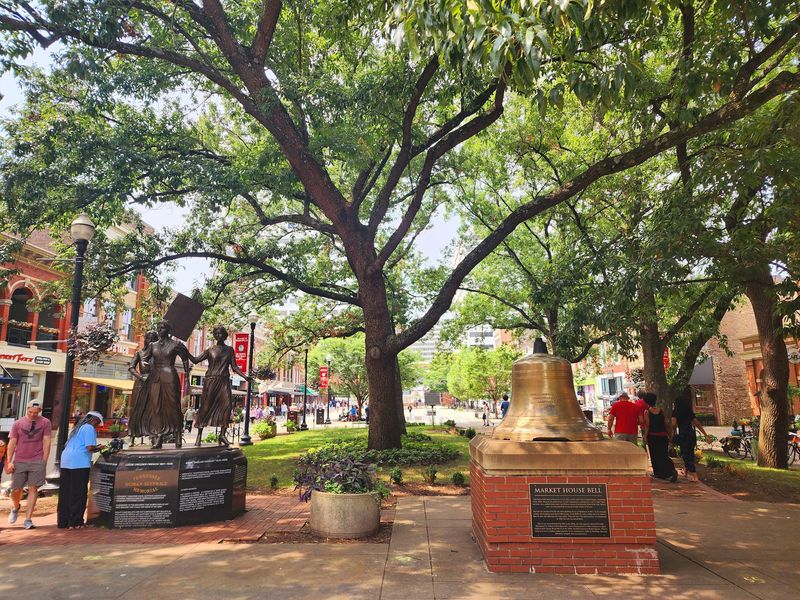
Burt Reynolds returned to his Southern roots for The Last Movie Star, and Knoxville rolled out the red carpet. Market Square served as one of the film’s most recognizable backdrops, its mix of historic architecture and modern energy capturing the movie’s themes of past glory meeting present reality.
The 2017 film follows an aging movie star reluctantly traveling to Nashville (though filmed in Knoxville) for a film festival tribute. Reynolds’ performance carries autobiographical weight, making the Tennessee locations feel less like random choices and more like deliberate returns to authentic American places far from Hollywood’s manufactured glamour.
Market Square’s scenes show the plaza’s pedestrian-friendly layout, its surrounding buildings, and the casual atmosphere that defines modern Knoxville. Filmmakers also used Gay Street, Neyland Stadium, and the ornate Tennessee Theatre, giving the movie a distinctly Knoxville flavor despite its Nashville setting in the script.
For locals, watching The Last Movie Star means playing “spot that location” throughout the runtime. Out-of-town visitors get a cinematic introduction to Knoxville’s walkable downtown and its blend of preservation and progress.
Market Square itself has evolved considerably over the decades, transforming from a traditional farmer’s market into a vibrant public space surrounded by restaurants, shops, and entertainment venues. The area hosts festivals, concerts, and community gatherings year-round.
Reynolds’ presence in Knoxville during filming created local buzz, with residents sharing sightings and stories. His passing not long after the film’s release added poignancy to what became one of his final performances.
Visiting Market Square today means experiencing the same energy captured on film. Grab coffee at an outdoor cafe, browse the weekend farmer’s market if your timing’s right, or simply sit on a bench and people-watch in a space that’s been serving Knoxville since the 1850s.
The Last Movie Star never became a blockbuster, but it gave Knoxville a beautiful showcase and film fans another reason to explore East Tennessee beyond the Smoky Mountains.
6. Wartburg
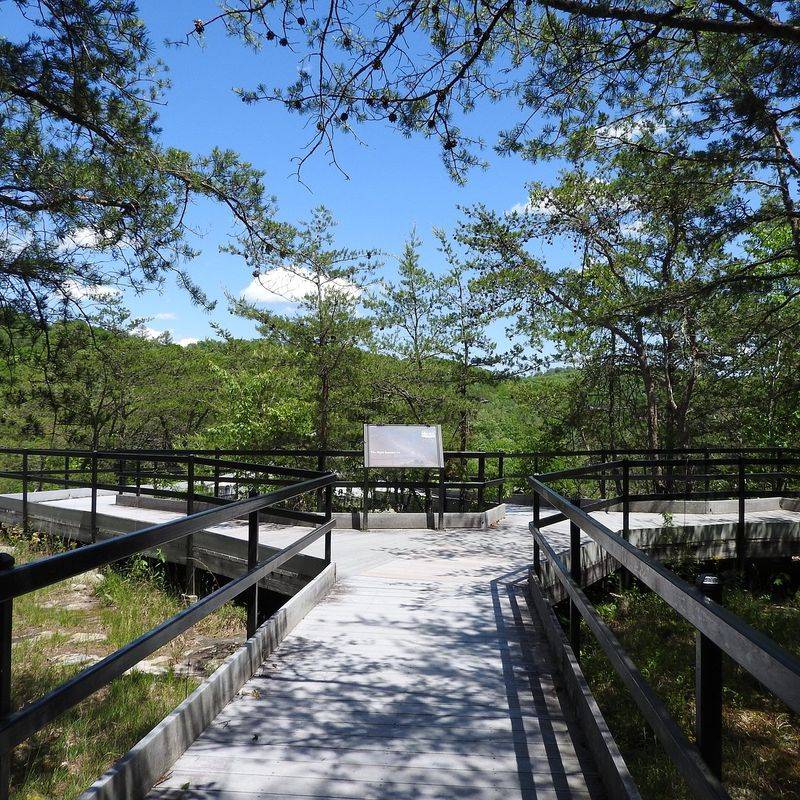
Coal country came to Tennessee when October Sky needed West Virginia landscapes without the West Virginia price tag. Wartburg and its surrounding countryside transformed into the film’s fictional Coalwood, where Homer Hickam’s rocket dreams took flight against his father’s wishes.
The 1999 film, based on Hickam’s memoir Rocket Boys, required locations that could convincingly portray 1950s Appalachian mining communities. Wartburg’s geography and architecture fit the bill, offering the right blend of small-town atmosphere and rural backdrop.
Particularly memorable for fans are the rocket-launching scenes filmed at a slate dump area near town. Those sequences, showing the boys’ experimental rockets soaring (and sometimes exploding) above the Tennessee hills, form the movie’s emotional and visual centerpiece.
Jake Gyllenhaal, Chris Cooper, and Laura Dern brought star power to Morgan County, with production crews and cast members becoming temporary Wartburg residents during filming. Local businesses fed the crew, and area residents served as extras, creating the community feel essential to the story.
The slate dump location remains accessible to determined fans, though it’s not marked with signs or tourist infrastructure. Visiting requires a bit of exploring and perhaps asking locals for directions, adding an adventure element to the pilgrimage.
Wartburg itself hasn’t capitalized heavily on its October Sky connection, maintaining its low-key character rather than transforming into a movie tourism destination. That restraint actually enhances the experience for visitors seeking authentic locations over commercialized attractions.
The film’s themes of following dreams despite obstacles, of education opening doors, of finding your path when it differs from family expectations, all resonate beyond the specific story. Standing where those rockets launched, you’re reminded that Tennessee countryside witnessed both real scientific curiosity and its Hollywood recreation.
October Sky remains a beloved film for its optimism and heart. Wartburg gave it the grounded, real-world setting that made those rockets’ symbolic flight toward possibility feel earned rather than manufactured.
7. The Peabody Memphis – Memphis
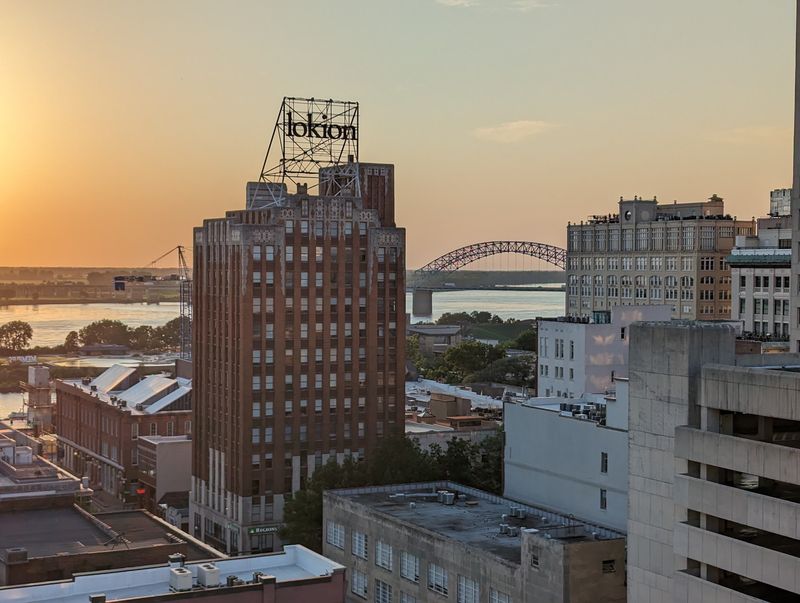
Luxury hotels appear in countless films, but few enjoy the specific character and recognition of The Peabody Memphis. When The Firm needed a glamorous Memphis setting for key scenes, this historic hotel delivered both visual splendor and authentic local flavor.
The 1993 legal thriller, based on John Grisham’s bestseller and starring Tom Cruise, used the Peabody for multiple sequences. The rooftop party scene showcases the hotel’s elegant event spaces and downtown Memphis views.
Later scenes involving Cruise’s character utilize other parts of the property, weaving the hotel into the story’s Memphis setting.
What makes the Peabody special beyond its Firm fame? Start with the famous Peabody Ducks, a tradition since the 1930s. Twice daily, mallard ducks march along a red carpet from the lobby fountain to the elevator, accompanied by their own Duckmaster and delighted crowds of spectators.
The hotel’s Grand Lobby, with its ornate fountain and period details, transports visitors to an era of more formal elegance. Staying overnight means experiencing the same luxury Tom Cruise’s character enjoyed on screen, minus the legal thriller danger and paranoia.
Beyond Hollywood appearances, the Peabody holds genuine historical significance in Memphis. The property has hosted presidents, celebrities, and generations of special occasions.
Its restaurants and bars maintain high standards, making it a destination for locals celebrating milestones, not just tourists chasing movie locations.
Film fans visiting can request rooms or enjoy meals in spaces that appeared in The Firm. The rooftop, though reconfigured since filming, still offers impressive city views.
Combining a Peabody visit with other Memphis Firm locations, like Mud Island, creates a full movie-themed itinerary. But the hotel stands perfectly well on its own merits, offering refined Southern hospitality that would impress even without its supporting role in a Tom Cruise thriller.
8. Round Hill Cemetery – Lewisburg
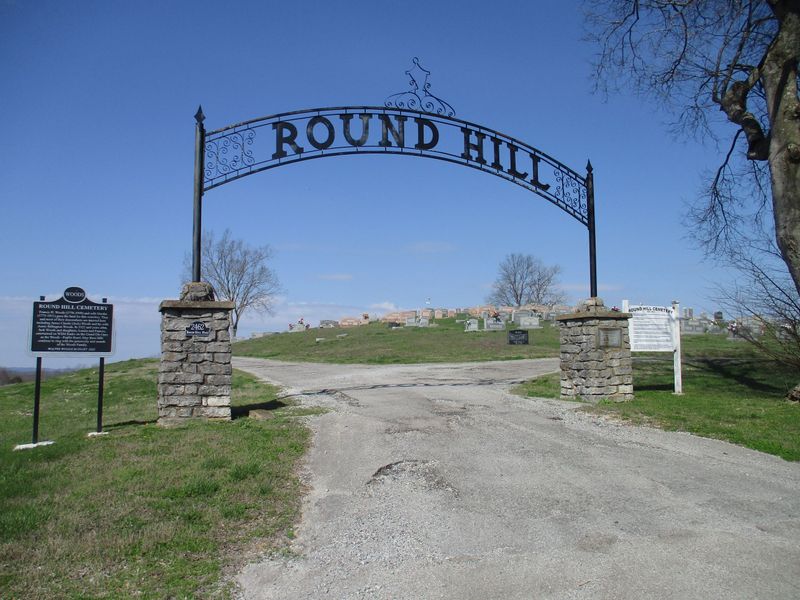
Cemeteries don’t usually top tourist destination lists, but Round Hill Cemetery near Lewisburg holds special meaning for Green Mile fans seeking the film’s Tennessee locations. This rural burial ground provided another crucial setting for the movie’s emotional final act.
Frank Darabont’s adaptation of Stephen King’s serialized novel required multiple Tennessee locations to bring the story’s 1930s Louisiana setting to life. Round Hill Cemetery, with its peaceful countryside surroundings and timeless character, fit perfectly into the film’s visual language.
The cemetery scenes contribute to The Green Mile’s meditation on mortality, justice, and the weight of impossible knowledge. Filming in an actual cemetery rather than a constructed set adds gravity that viewers feel even if they can’t articulate why the location works so effectively.
Unlike the College Grove church, also featured in The Green Mile, Round Hill Cemetery sits in more remote countryside. The surrounding landscape remains largely agricultural, rolling away in the same gentle patterns visible in the film.
Time moves slowly here, which paradoxically makes it perfect for a movie about characters haunted by the past.
Visiting requires the same respectful approach as any cemetery. This remains a place where real families have buried loved ones for generations.
Movie interest doesn’t override the location’s primary purpose as a final resting place deserving dignity and quiet.
The Green Mile’s Tennessee filming locations, taken together, demonstrate how the state’s varied landscapes and authentic settings can convincingly portray other regions. Louisiana’s Depression-era past came alive through Middle Tennessee’s countryside, prisons, and small towns.
For fans making the journey to Round Hill Cemetery, the experience offers contemplation beyond movie trivia. Standing where Tom Hanks stood, surrounded by Tennessee quiet, you’re connected to both the film’s fictional narrative and the real stories of lives commemorated in stone around you.
It’s a gentle reminder that the best filming locations bring their own history and meaning, enriching stories rather than simply serving as blank backdrops.
9. Centennial Park & The Parthenon – Nashville
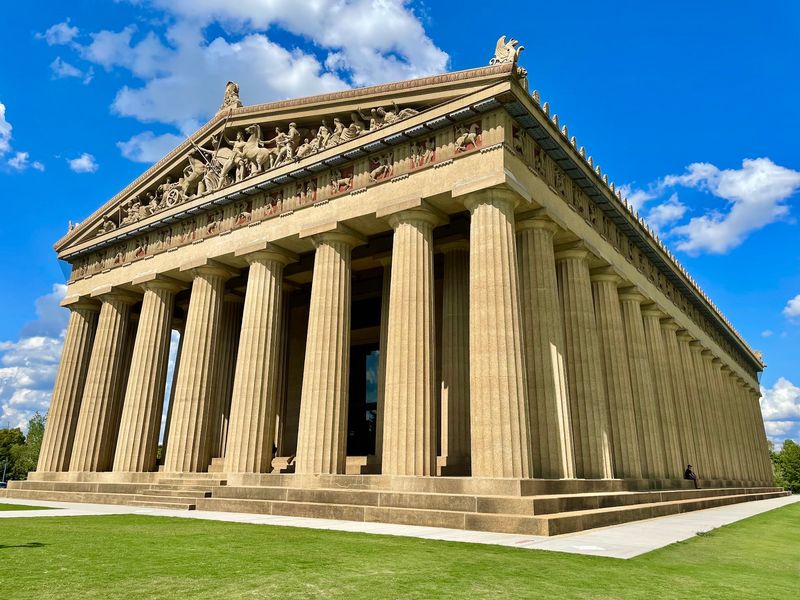
Robert Altman’s Nashville didn’t just use the city as a backdrop. The 1975 film made Nashville itself a central character, weaving the city’s music scene, politics, and cultural moment into a sprawling ensemble piece that remains one of American cinema’s most ambitious achievements.
Centennial Park and its full-scale Parthenon replica appear among the film’s many Nashville locations. The Parthenon, built for Tennessee’s 1897 Centennial Exposition and later reconstructed in permanent materials, provides one of the city’s most distinctive and photogenic landmarks.
Altman’s film captures Nashville during a fascinating transition period, before it became the polished tourism and entertainment destination we know today. Watching Nashville now offers a time capsule of the city’s 1970s character, its neighborhoods, its venues, its energy.
The Parthenon itself deserves attention beyond its movie appearance. Housing an art museum and featuring a 42-foot statue of Athena, it’s simultaneously a quirky roadside attraction and a serious cultural institution.
Centennial Park surrounding the Parthenon serves Nashville residents as a beloved green space. Joggers circle the paths, families picnic on the lawns, and the park hosts events throughout the year.
It’s a functioning community resource that happened to appear in a landmark film.
Altman’s Nashville influenced countless filmmakers with its overlapping dialogue, large cast, and willingness to let plot meander in favor of character and atmosphere. The film’s critical reputation has only grown over decades, making its locations pilgrimage sites for serious cinema fans.
Visiting Centennial Park today means experiencing a location that’s both changed and remained remarkably consistent since 1975. The Parthenon still commands attention.
The park still offers respite from urban energy. And Nashville still pulses with the musical ambition Altman captured, even if the industry’s scale has exploded beyond anything the film depicted.
10. Mud Island River Park – Memphis
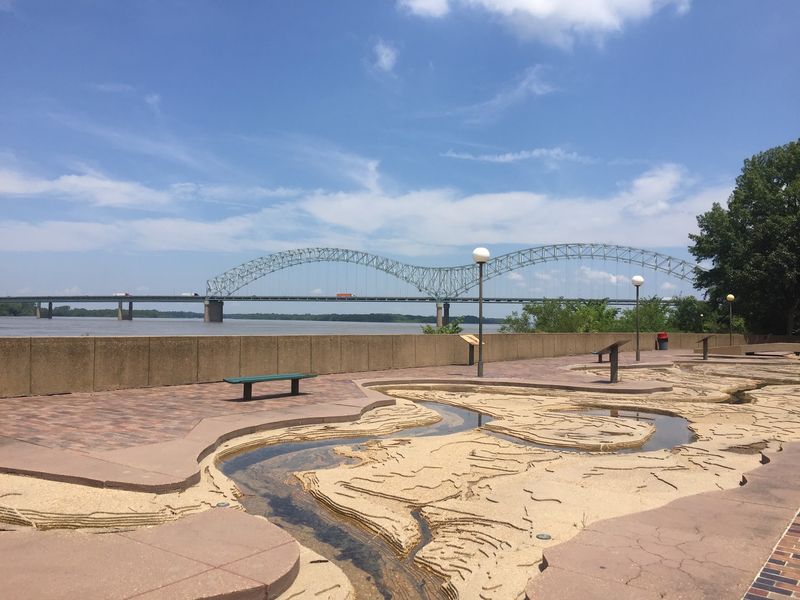
Chase sequences need dramatic settings, and The Firm’s climactic pursuit found the perfect stage at Mud Island River Park. Tom Cruise’s desperate race through this Memphis landmark gave audiences one of the film’s most memorable action sequences while showcasing a unique public space.
Mud Island’s River Walk, a scale model of the Mississippi River flowing 2,000 feet through the park, appears prominently in the chase. The pedestrian bridge connecting the island to downtown Memphis also features in the sequence, along with surrounding riverfront areas that filmmakers used to maximum effect.
What makes Mud Island special beyond its Firm fame? The River Walk itself represents an ambitious educational project, letting visitors literally walk the length of the Mississippi from Minnesota to the Gulf of Mexico, with cities and tributaries marked along the route.
The island also houses the Mississippi River Museum, offering exhibits on river history, ecology, and culture. A amphitheater hosts concerts during warmer months.
The monorail connecting Mud Island to downtown adds a touch of futuristic transportation to the historic river setting.
Watching The Firm, then visiting Mud Island, creates an interesting dialogue between Hollywood’s dramatic use of space and the location’s everyday reality. What served as a backdrop for fictional legal thriller danger is actually a peaceful park where families spend afternoons learning about river geography.
The Memphis sections of The Firm, including both Mud Island and the Peabody Hotel, gave the city significant screen time in a major studio production. Local pride in seeing familiar places in a Tom Cruise vehicle remains strong decades later.
Visiting Mud Island today means walking the same paths Cruise ran across during filming. The Mississippi flows past with the same power and presence it brought to the movie’s tense final act. Downtown Memphis rises across the water, providing the urban backdrop that made the location work for Hollywood purposes.
It’s a reminder that Tennessee’s diverse landscapes and distinctive public spaces continue attracting filmmakers seeking something authentic, something that can’t be built on a soundstage or generated with computers.