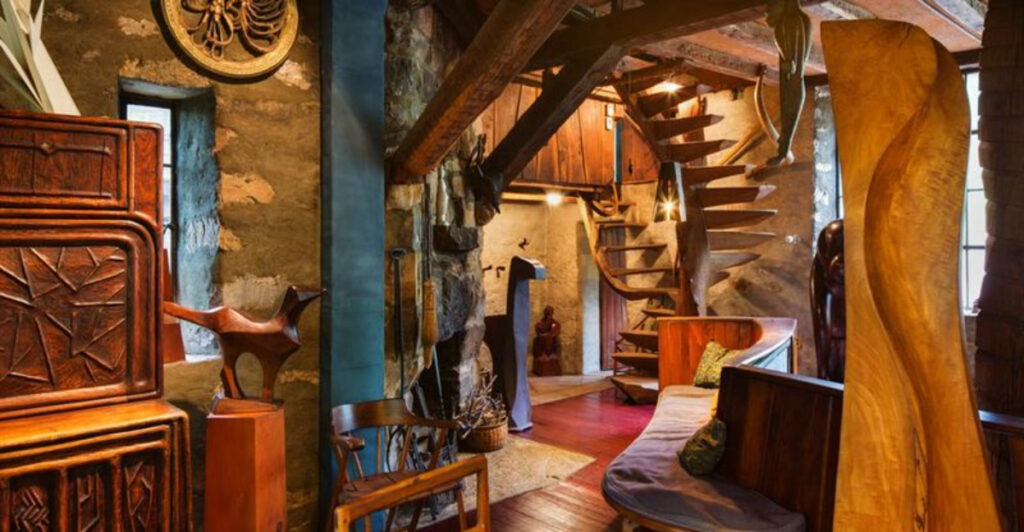
Tucked along Horse Shoe Trail in Malvern, the Wharton Esherick Museum is not a regular museum with quiet white walls. It was once the home and studio of artist Wharton Esherick, a woodworker who shaped furniture, stairs, doors, and even rooms by hand. Visitors come here to see how one creative person turned daily life into art.
The space is small, but every corner has a story, making it one of Pennsylvania’s most surprising hidden gems. The unusual design of the building itself is part of the experience, with handcrafted details appearing throughout the interior and exterior. Rather than simply displaying finished works behind glass, the museum gives visitors a glimpse into the environment where Esherick lived and worked. That intimate setting makes the visit feel personal and immersive, especially for anyone interested in craftsmanship, architecture, or the creative process.
1. A Home That Feels Like a Living Sculpture
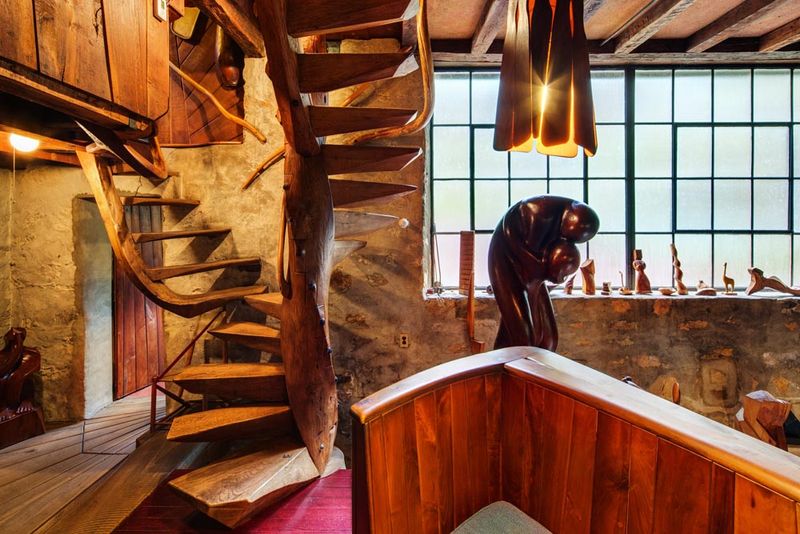
Some houses hold art on the walls, but Wharton Esherick’s former home feels like the artwork itself.
Built and changed over many years, the studio at 1520 Horse Shoe Trail shows how Esherick used his living space as a giant experiment in shape, wood, and imagination.
Visitors notice right away that straight lines are not the main rule here.
Doorways, stairs, beams, and furniture curve and twist in ways that feel playful, almost like the building grew out of the hillside.
The home includes Arts and Crafts, Expressionist, and organic ideas, but you do not need to know those terms to enjoy it.
Practical tip: look slowly.
The museum has a small footprint, yet there is detail at every glance.
A quick look misses the best parts, like carved edges, built-in shelves, and smart little spaces designed for real daily life.
2. Hand Carved Details Around Every Corner
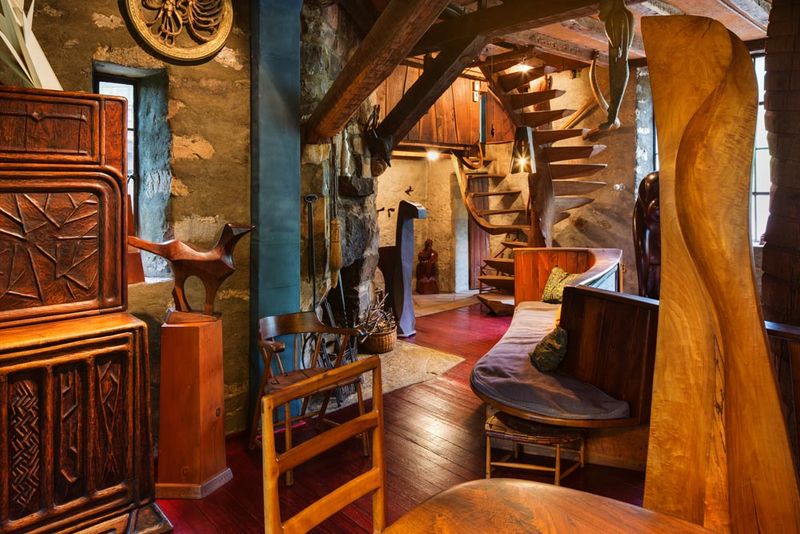
One visitor said creativity seems to ooze from every wall and corner, and that is a fair way to describe this place.
Esherick did not stop at making chairs or tables.
He carved, shaped, and rethought almost every surface around him.
Inside the museum, you may see more than 300 pieces of furniture, sculpture, and woodwork connected to his life and work.
A staircase is not just a staircase here.
A cabinet is not just storage.
Each piece has personality, movement, and a reason for being where it is.
If you enjoy woodworking, bring your full attention.
If you know nothing about woodworking, you can still enjoy the surprise of seeing ordinary things made extraordinary.
Notice how function and beauty work together.
Esherick seemed to ask, why should a useful object be boring when it can also make people smile?
3. Small Tours Make the Visit Feel Personal
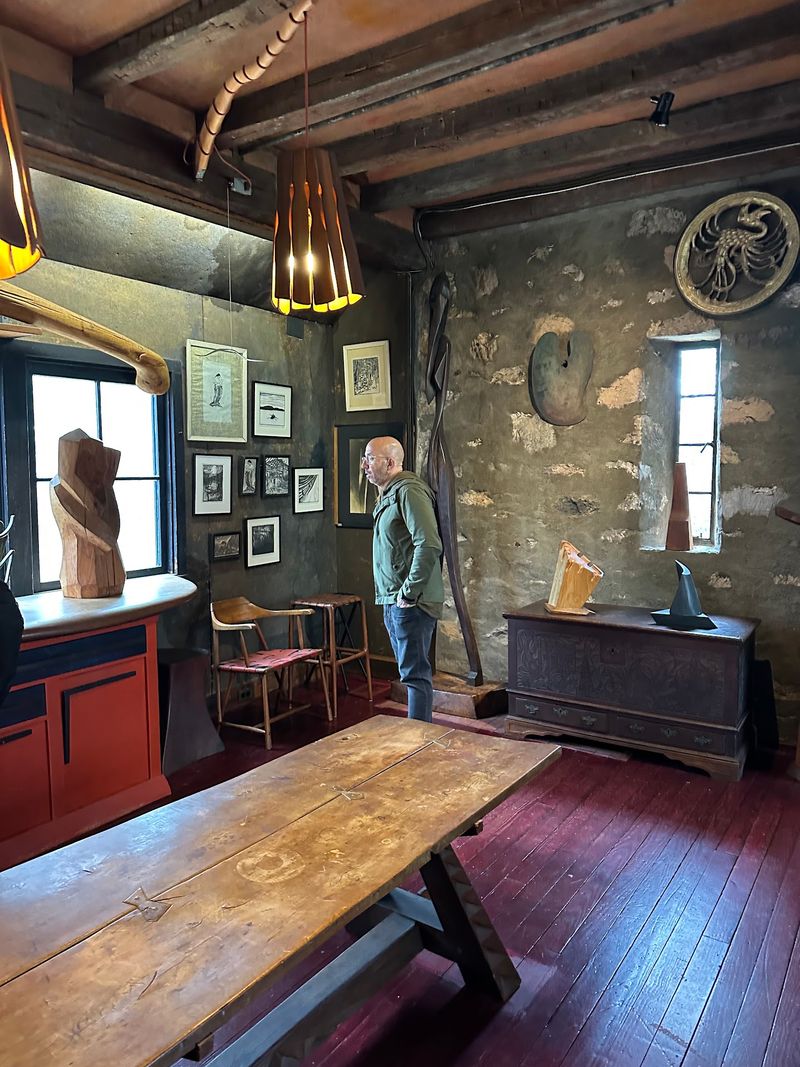
Only a handful of people enter on each tour, which makes the visit feel closer to being invited into someone’s private world.
Many guests mention the small group size because it gives everyone room to see, listen, and ask questions without feeling rushed.
Tours are guided by docents who know the house, the artist, and the history behind the work.
Reviews often praise guides for being patient, friendly, and full of stories.
That matters here because the building is packed with details that are easy to miss without someone pointing them out.
Plan ahead before you go.
Visitors usually need advance tickets, and walk-ins may not get a spot.
Tours often last about 75 to 90 minutes, so wear comfortable shoes and arrive ready to listen.
If a date is full, the waitlist may still be worth trying.
4. Wharton Esherick’s Creative Life Still Fills the Rooms
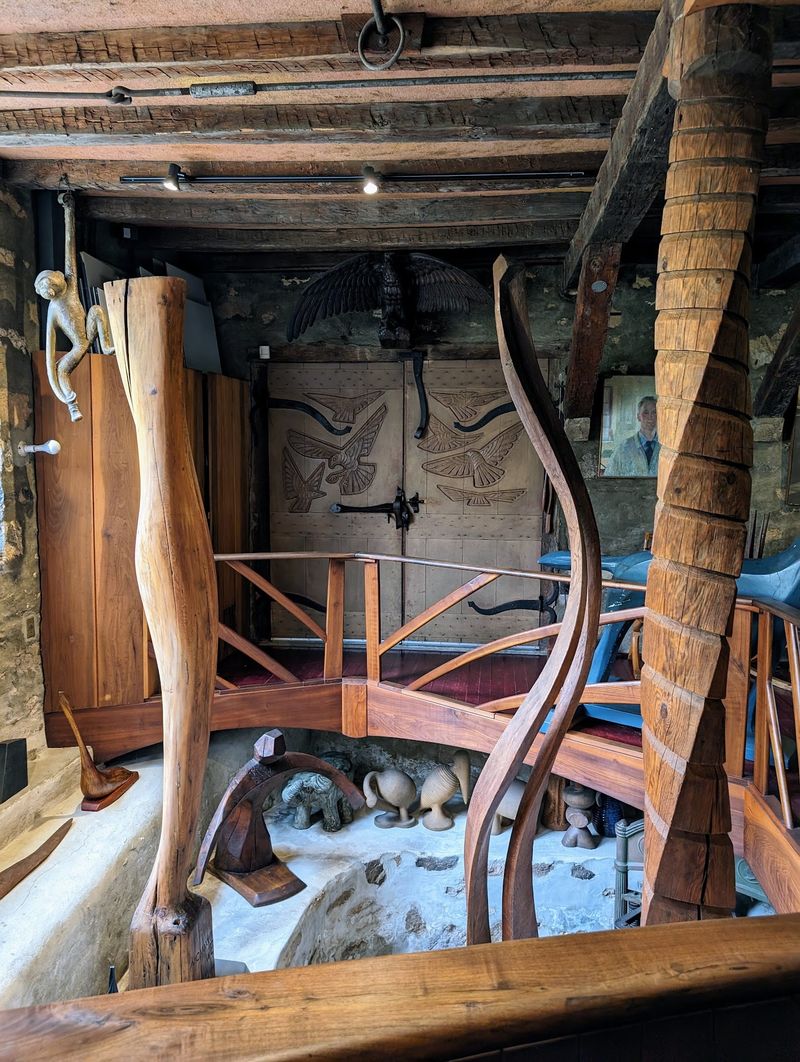
A visit here is also a quiet meeting with Wharton Esherick, the man behind the wood.
He was an artist, sculptor, furniture maker, and free thinker who did not seem interested in copying anyone else’s rules.
His studio began in 1926 and grew over about 40 years.
That long timeline helps explain why the place feels so personal.
It was not built all at once by a distant designer.
It changed as Esherick’s ideas changed, almost like a diary written in wood, stone, and shape.
The museum is especially rewarding for adults, artists, carpenters, architects, and older kids who like design.
Still, many visitors who say they are not artists leave impressed.
To get the most from the tour, listen for how Esherick solved problems.
His work shows that creativity can be practical, not just pretty or strange.
5. Furniture That Belongs to the Building
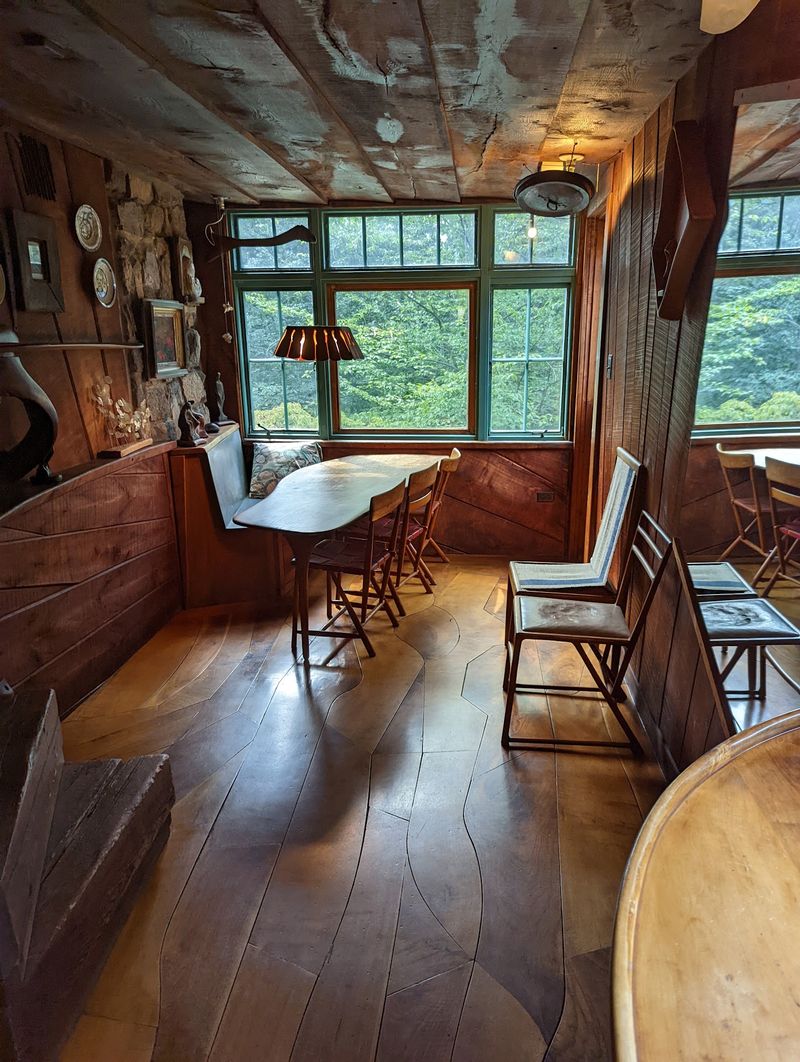
In many museums, furniture sits behind a rope like a guest from another time.
At the Wharton Esherick Museum, the furniture feels rooted in the rooms, as if the house and the pieces were made to speak to each other.
Chairs, tables, shelves, and cabinets are not treated as separate decorations.
They fit into corners, follow odd angles, and help shape how people move through the space.
This gives the museum an intimate feeling, more like stepping into an artist’s daily routine than walking through a formal gallery.
Pay attention to how Esherick used space.
The rooms are cozy, so every object has to earn its place.
That is a useful lesson for anyone decorating a home today.
Good design is not always about buying more.
Sometimes it is about making one thoughtful piece do its job beautifully.
6. A Hidden Gem Near Philadelphia Worth Planning For
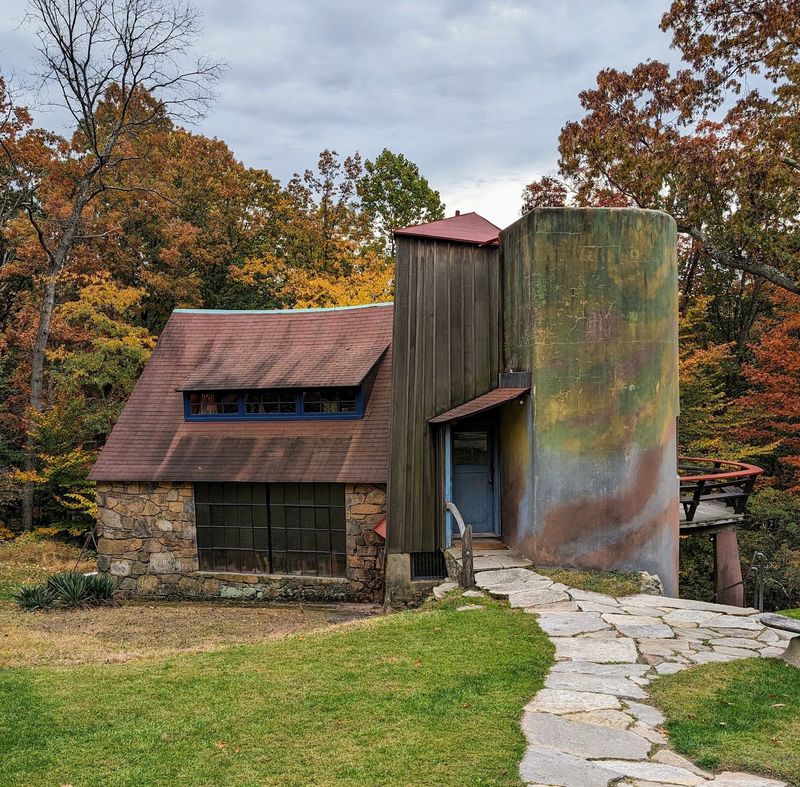
Not far from Philadelphia, this museum surprises people who have driven past the sign for years without stopping.
Its address in Malvern places it in a quiet setting, which suits the peaceful, thoughtful mood of the tour.
The museum has a strong 4.8-star rating from hundreds of reviews, and visitors often call it a hidden gem.
That praise makes sense.
It is small, unusual, and deeply connected to one person’s vision.
You are not trying to cover huge galleries or long hallways.
Instead, you are slowing down inside a handmade world.
Before visiting, check the official website or call the museum for current ticket times and tour details.
The phone number listed for the museum is 610-644-5822.
Since reservations are important, booking early is smart, especially for weekends or special events.
Easy parking helps, but timed entry still matters.
7. What to Know Before Climbing the Stairs
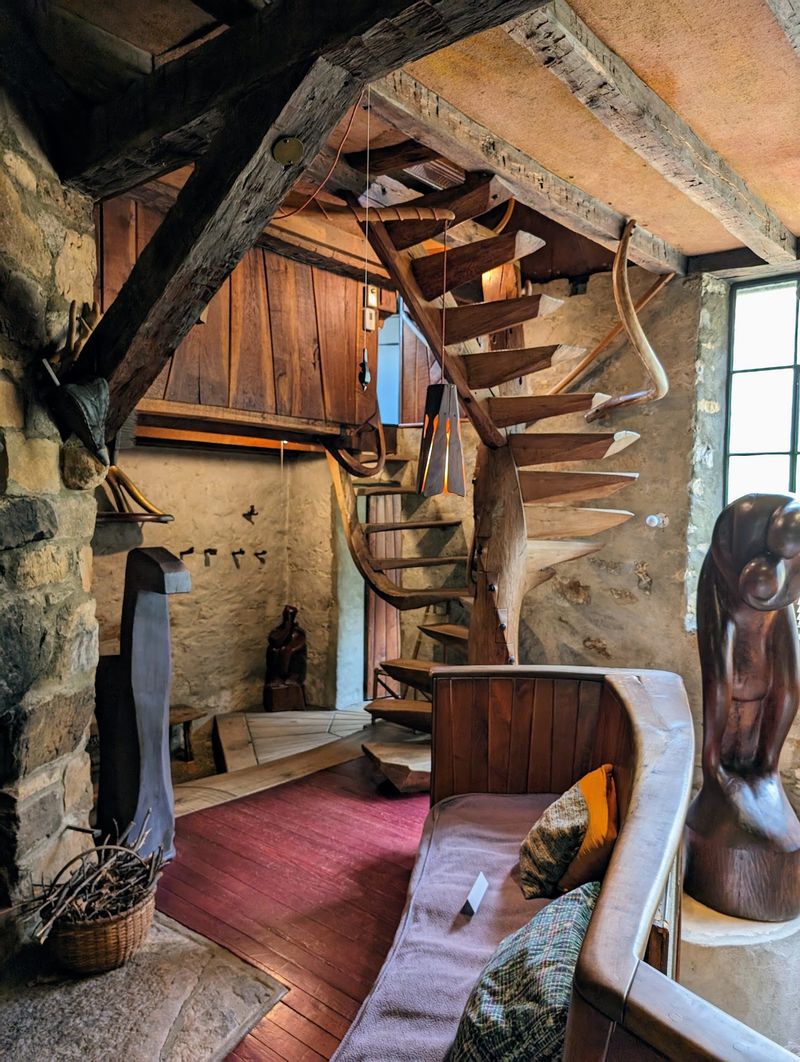
Those narrow stairs are part of the magic, but they are also something to think about before you visit.
Several guests note that the tour can be challenging for people with mobility limits because parts of the house include tight spaces and stairs.
The museum has kept the property as intact as possible, which protects Esherick’s original work.
That choice helps visitors experience the home honestly, but it also means the building does not feel like a modern, fully open public space.
Some visitors may need to stay on the main floor, which can still be worthwhile.
If you or someone in your group has access needs, contact the museum before buying tickets.
Ask what parts of the tour are reachable and what support is available.
A little planning can prevent stress and help everyone focus on the carved rooms, smart design, and unusual beauty.
Share this story