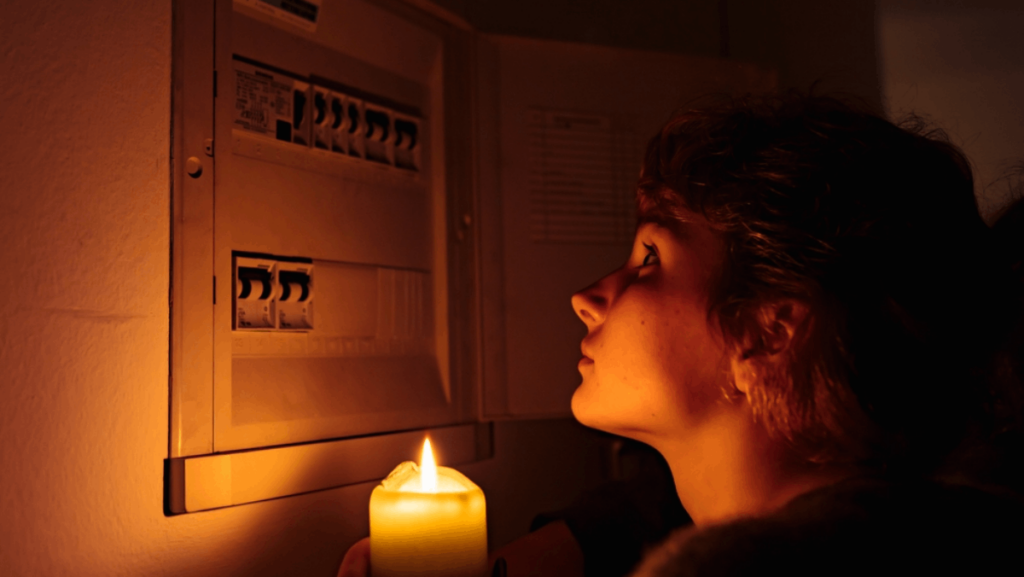
Power outages can strike without warning, leaving homes dark and families scrambling for answers. Recent reports across Tennessee show that many residents are dealing with unexpected electricity loss, making it crucial to know how to respond quickly and safely. Whether the outage lasts minutes or hours, being prepared can protect your family, your home, and your belongings from harm.
Here are seven essential tips to help you navigate power outages with confidence and stay safe until the lights come back on.
1. Check outage updates and alerts
When the lights go out, your first move should be finding out what’s happening. Utility companies and local emergency services often post real-time updates on their websites and social media pages, letting you know if your neighborhood is on the repair list. Checking these sources helps you understand whether the problem affects just your home or a larger area.
Knowing the estimated restoration time can help you plan your next steps. If the outage is expected to last only an hour, you might just wait it out. But if crews estimate several hours, you’ll want to take extra precautions.
Staying informed reduces stress and helps you make smarter decisions during an outage.
2. Avoid downed power lines
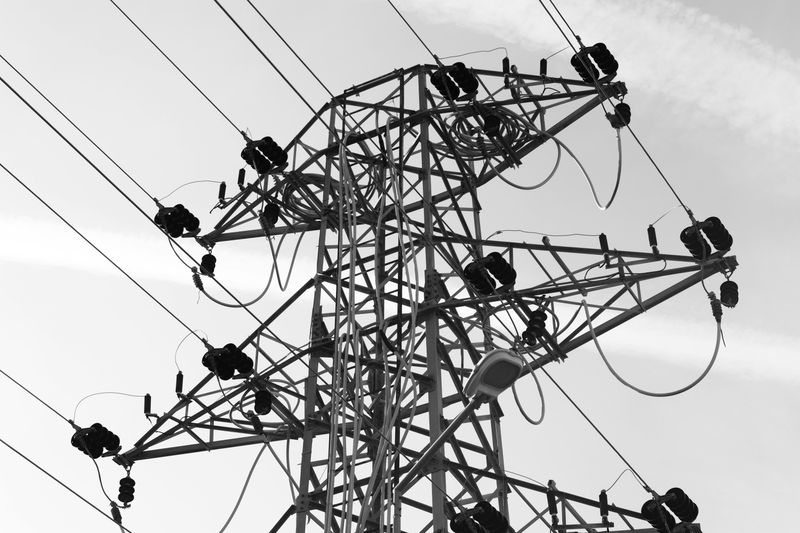
Fallen power lines are extremely dangerous, even if they don’t appear to be sparking or moving. Electricity can still flow through them, and touching or stepping near one could be fatal. Always assume a downed line is live and stay at least 30 feet away from it.
If you spot a fallen line, call 911 or your local utility company right away. Never try to move it yourself or drive over it, even if it looks harmless. Water, metal fences, and wet ground near the line can also conduct electricity, putting you at risk.
Teach children and pets to stay clear of any wires on the ground. During storms or high winds, power lines can snap and land in yards, driveways, or streets. Being cautious and reporting hazards quickly protects everyone in your community from serious injury or worse.
3. Use flashlights instead of candles
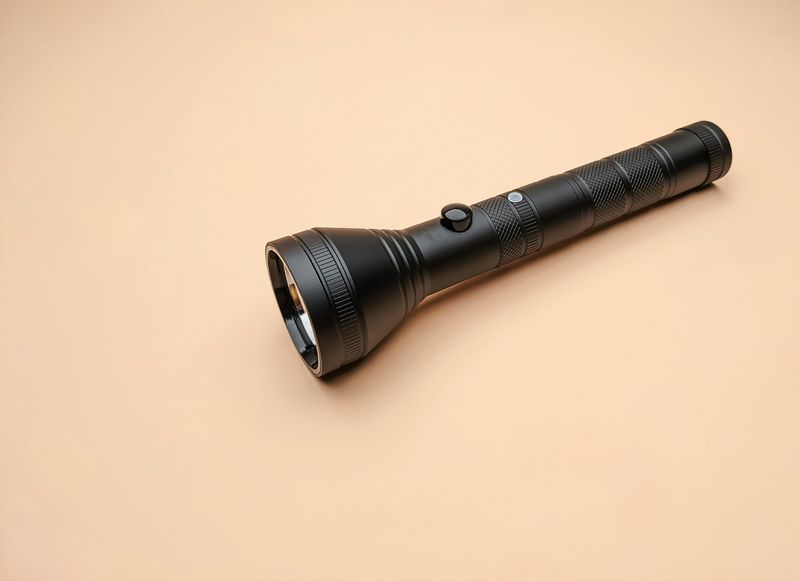
Candles might seem like a cozy solution when the power goes out, but they pose a serious fire hazard, especially if left unattended or placed near curtains and papers. Flashlights are a much safer choice because they provide steady light without an open flame. Battery-powered or rechargeable LED flashlights are affordable, easy to use, and last for hours.
Keep several flashlights in different rooms so everyone in your household can grab one quickly. It’s also smart to store extra batteries in a cool, dry place. Headlamps are another great option because they leave your hands free for cooking, reading, or helping kids.
If you don’t have flashlights, consider using battery-powered lanterns or even your smartphone’s flashlight feature in a pinch. Avoiding candles reduces the risk of accidental fires and keeps your home safer during an outage.
4. Keep refrigerators and freezers closed

Opening your fridge or freezer during an outage lets cold air escape, causing food to spoil faster. A closed refrigerator can keep food safe for about four hours, while a full freezer can maintain its temperature for up to 48 hours. Resist the urge to peek inside unless absolutely necessary.
If you know an outage is coming, turn your freezer to its coldest setting ahead of time. You can also place ice packs or bags of ice inside to help keep things cold longer. Group frozen items together so they stay colder as a block.
Once power returns, check the temperature inside your fridge and freezer. If the fridge stayed below 40 degrees Fahrenheit, your food is likely still safe. Throw away anything that smells strange, looks discolored, or has been above safe temperatures for too long.
5. Unplug sensitive electronics
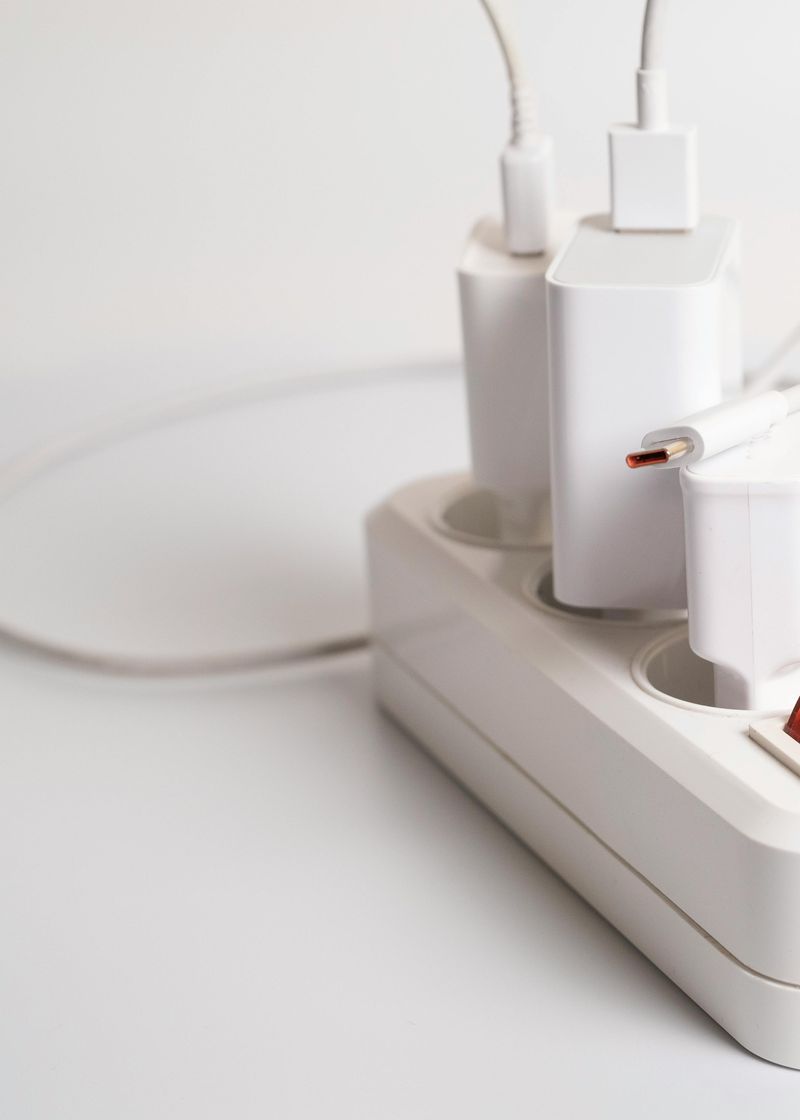
Power surges often happen when electricity is restored after an outage, sending a sudden spike of voltage through your home’s wiring. This surge can damage or destroy expensive electronics like computers, televisions, gaming consoles, and kitchen appliances. Unplugging these devices protects them from costly repairs or replacements.
You don’t need to unplug everything, but focus on your most valuable or sensitive equipment. If you have surge protectors, they offer some defense, but unplugging is the safest option during extended outages. Leave one light switched on so you’ll know when power returns.
Once electricity is back, wait a few minutes before plugging devices back in. This gives your home’s electrical system time to stabilize. Taking these simple steps can save you hundreds of dollars and the frustration of replacing damaged electronics.
6. Have an emergency kit ready
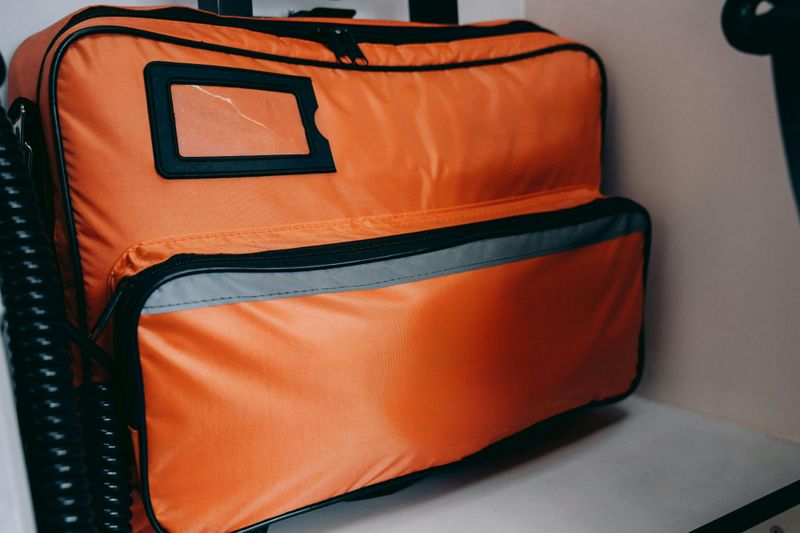
An emergency kit is your lifeline during a power outage or any unexpected disaster. Stock it with bottled water, non-perishable snacks like granola bars and canned goods, a manual can opener, flashlights, batteries, and a first aid kit. Don’t forget prescription medications, phone chargers (including portable battery packs), and copies of important documents.
Keep your kit in an easy-to-reach spot so you can grab it quickly when the lights go out. Check it every six months to replace expired food, dead batteries, or outdated medications. Add items specific to your family’s needs, such as baby formula, pet food, or extra blankets.
A well-prepared kit gives you peace of mind and ensures you won’t be caught off guard. When an outage strikes, you’ll have everything you need to stay comfortable and safe until power is restored.
7. Check on neighbors who may need help

Power outages can be especially tough on older adults, people with medical equipment that requires electricity, and families with very young children. A quick knock on the door or a phone call can make a huge difference in someone’s safety and comfort. Offer to share supplies, help move a neighbor to a cooler or warmer location, or just provide reassurance.
Some people rely on oxygen machines, refrigerated medications, or other life-sustaining devices that won’t work without power. Checking in lets you identify anyone who might need emergency assistance or a ride to a shelter. Even a friendly conversation can ease anxiety during stressful times.