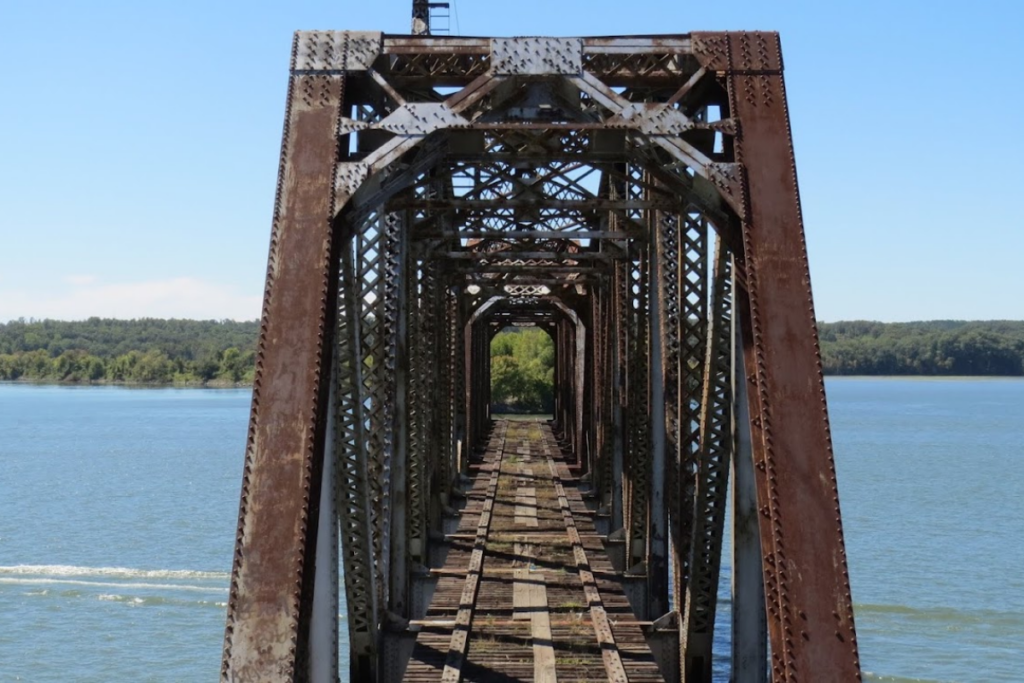
Tennessee holds secrets in its hills and valleys that most people drive right past without noticing. Scattered across the state are buildings, towns, and structures frozen in time, left behind as if their occupants simply walked away mid-sentence.
These forgotten places tell stories of boom and bust, of changing economies and shifting populations, and they offer a haunting glimpse into lives that were once lived fully. If you’re curious about history with an eerie twist, these ten abandoned spots will make you wonder what really happened when everyone disappeared.
1. Elkmont Ghost Town
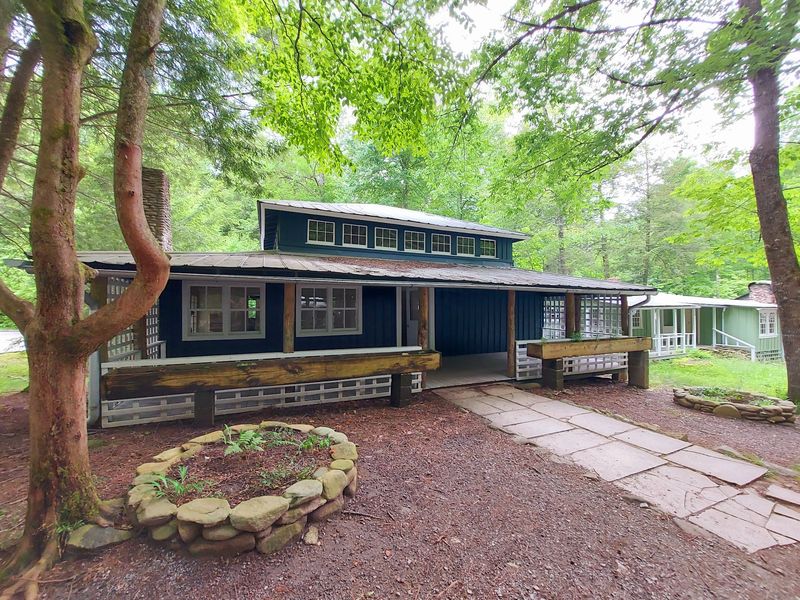
Deep in the Great Smoky Mountains National Park sits a collection of old vacation homes that once buzzed with laughter and summer fun. Elkmont started as a logging town in the early 1900s, then transformed into a resort community where wealthy families built getaway cabins.
When the national park was established, residents were given lifetime leases, but eventually everyone had to leave.
Walking through Elkmont today feels like stepping onto a movie set where filming just wrapped. The cabins stand silent among the trees, their porches sagging and windows dark. Paint peels from wooden walls, and vines creep up foundations as nature slowly reclaims what was once hers.
The Wonderland Hotel, which once hosted guests seeking mountain air and relaxation, now sits empty and crumbling. Its grand structure hints at better days, but time and weather have taken their toll.
You can still see the layout of the grounds where people once gathered for meals and entertainment.
What makes Elkmont particularly eerie is how intact everything remains. Personal items occasionally surface, and the structures show clear signs of the lives lived within them.
It’s not hard to imagine families unpacking their cars, kids running between cabins, and evening gatherings on those now-rotting porches.
The National Park Service has been working to preserve some buildings while letting others return to nature. This creates an interesting contrast between restoration efforts and deliberate decay.
Some cabins have been stabilized, while others lean precariously, waiting for gravity to finish what abandonment started.
Visiting requires a short hike, but the journey is worth it for history buffs and photography enthusiasts. The site is accessible year-round, though spring and fall offer the most dramatic lighting through the forest canopy.
Just remember this is protected parkland, so look but don’t touch or take anything.
2. Tennessee State Prison
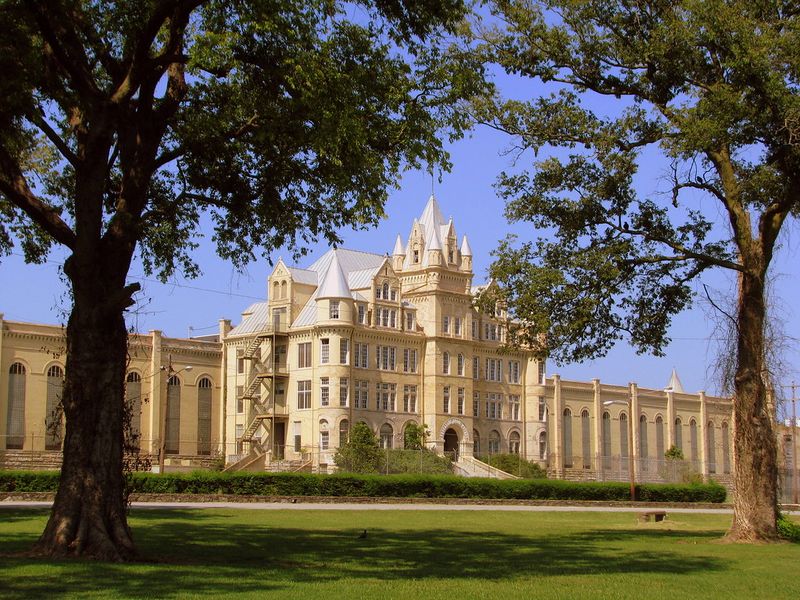
For nearly 150 years, this massive complex in Nashville housed some of Tennessee’s most notorious criminals. Opening in 1898, the prison operated until 1992, when overcrowding and outdated facilities finally forced its closure.
The architecture alone is striking, with castle-like towers that make it look more like a medieval fortress than a 20th-century correctional facility.
The prison gained fame beyond Tennessee thanks to Hollywood. Movies like “The Green Mile” and “The Last Castle” filmed here, and musicians including Johnny Cash performed for inmates within these walls.
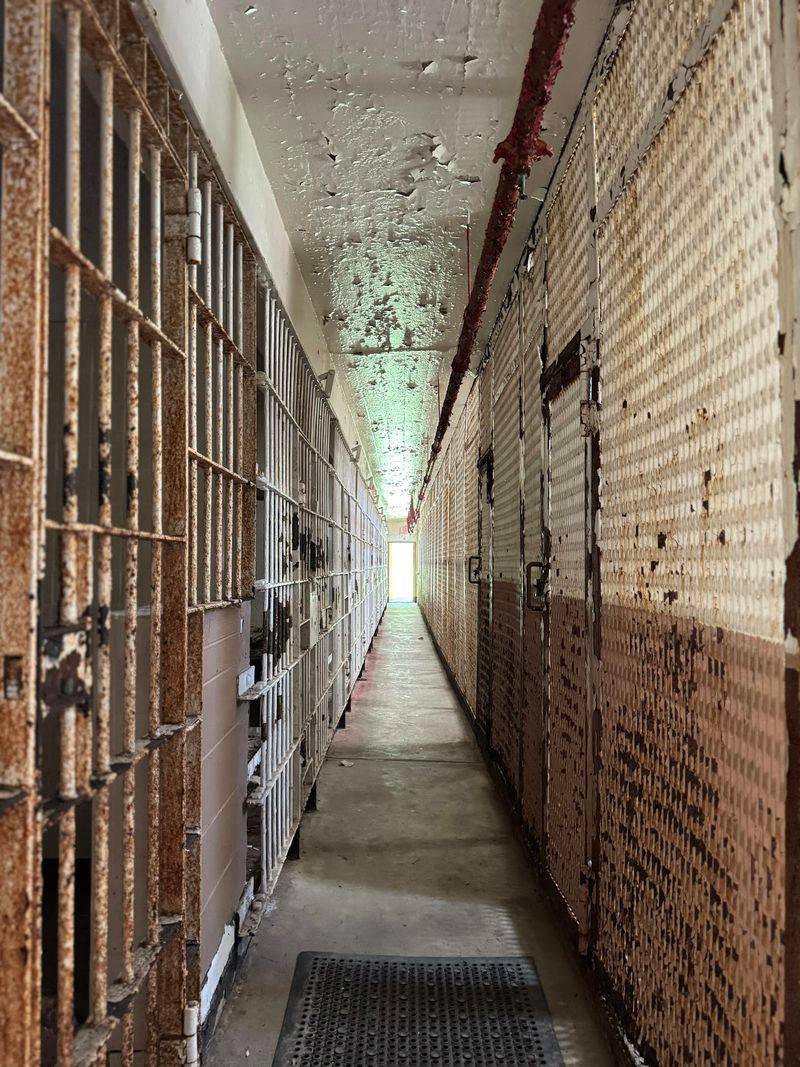
Inside, the decay is both fascinating and unsettling. Cell blocks stretch endlessly, their barred doors hanging open or rusted shut.
Personal effects sometimes still litter the floors, and graffiti from various eras covers the walls. The execution chamber remains, a stark reminder of the prison’s darkest purpose.
What’s remarkable is how suddenly it seems to have been left. In some areas, paperwork still sits on desks, and equipment remains where it was last used.
Guards and inmates alike simply moved on, leaving behind the infrastructure of incarceration. The cafeteria, infirmary, and administrative offices all stand empty, waiting.
Tours are occasionally offered, giving brave visitors a chance to explore under controlled conditions. The experience is genuinely unnerving, even in daylight.
Long hallways echo with footsteps, and the weight of history presses down in every room. Knowing the suffering and violence that occurred here makes the silence even more profound.
Urban explorers are drawn to the site, though unauthorized entry is illegal and dangerous. Structural instability and contamination make it risky.
Still, the prison’s imposing presence continues to fascinate, a monument to a different era of justice and punishment.
3. Brushy Mountain State Penitentiary
Tucked into the Appalachian foothills near Petros, Brushy Mountain earned a reputation as one of Tennessee’s toughest prisons. It opened in 1896 specifically to house the state’s most dangerous criminals, and its remote location made escape nearly impossible.
The surrounding mountains provided natural barriers, and the harsh conditions inside matched the unforgiving landscape.
James Earl Ray, who assassinated Dr. Martin Luther King Jr., was perhaps the prison’s most infamous inmate. His 1977 escape attempt, though ultimately unsuccessful, brought national attention to this isolated facility.
The prison operated until 2009, when modern standards finally deemed it obsolete.
Today, Brushy Mountain operates as a tourist attraction and distillery, but the original cell blocks remain largely untouched. Walking through them feels like traveling back in time. The cramped cells, primitive plumbing, and oppressive atmosphere give visitors a real sense of what incarceration meant here.
The coal mine that prisoners worked is particularly haunting. Inmates were forced into dangerous underground labor, and many died in accidents or from black lung disease.
The mine entrance still yawns open, a dark reminder of the exploitation that occurred. Tools and equipment rust in place, abandoned when the last shift ended.
Unlike some abandoned prisons, you can legally explore parts of Brushy Mountain on guided tours. The experience includes the cell blocks, death row, and even the location where Ray escaped.
Guides share stories that bring the stark reality of prison life into sharp focus.
The contrast between the beautiful mountain setting and the brutal history creates cognitive dissonance. How could such ugliness exist in such a pretty place? Yet that juxtaposition is part of what makes Brushy Mountain so compelling. Nature’s beauty couldn’t soften the hardship these walls contained.
4. Old South Pittsburg Hospital
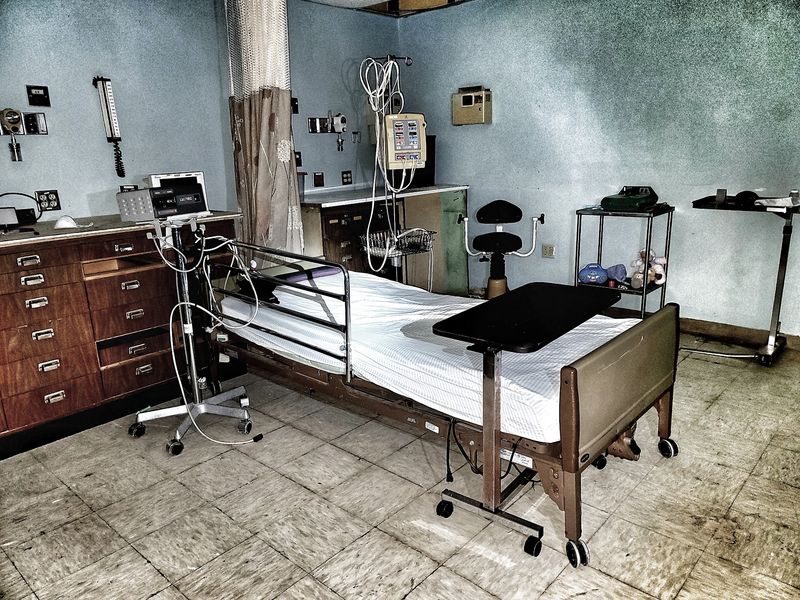
Built in 1959, this hospital served the small community of South Pittsburg for decades before closing in 1998. What makes it particularly unsettling is how suddenly operations ceased.
Equipment was left in place, records scattered, and rooms abandoned mid-use. It’s as if everyone simply vanished during a normal workday.
The hospital has since gained a reputation as one of Tennessee’s most haunted locations. Paranormal investigators flock here, claiming to capture evidence of ghostly activity.
Whether you believe in that or not, there’s no denying the creepy atmosphere that permeates every floor.
Medical equipment still fills many rooms. Gurneys sit in hallways, surgical lights hang from ceilings, and patient charts litter the floors. The nursery is particularly eerie, with cribs and baby monitoring equipment frozen in time. It’s easy to imagine the cries of newborns that once echoed through these halls.
The basement is where things get really unsettling. Dark corridors lead to the morgue and boiler room, areas that were already creepy when the hospital functioned.
Now, in complete abandonment, they’re downright terrifying. Water damage and decay have created an environment straight out of a horror movie.
What’s fascinating is how intact everything remains despite years of abandonment. Vandalism has been relatively minimal, perhaps because of the location’s reputation.
Many items are exactly where staff left them, creating a time capsule of 1990s medical practice. Old pharmaceutical bottles, medical textbooks, and even personal effects of staff remain scattered throughout.
The hospital is private property, and the owners do allow paranormal investigations and tours by appointment. If you’re brave enough to visit, you’ll find one of the most authentic abandoned hospital experiences in the Southeast.
Just don’t go alone, and definitely don’t go at night unless you’re okay with being thoroughly spooked.
5. Knoxville College
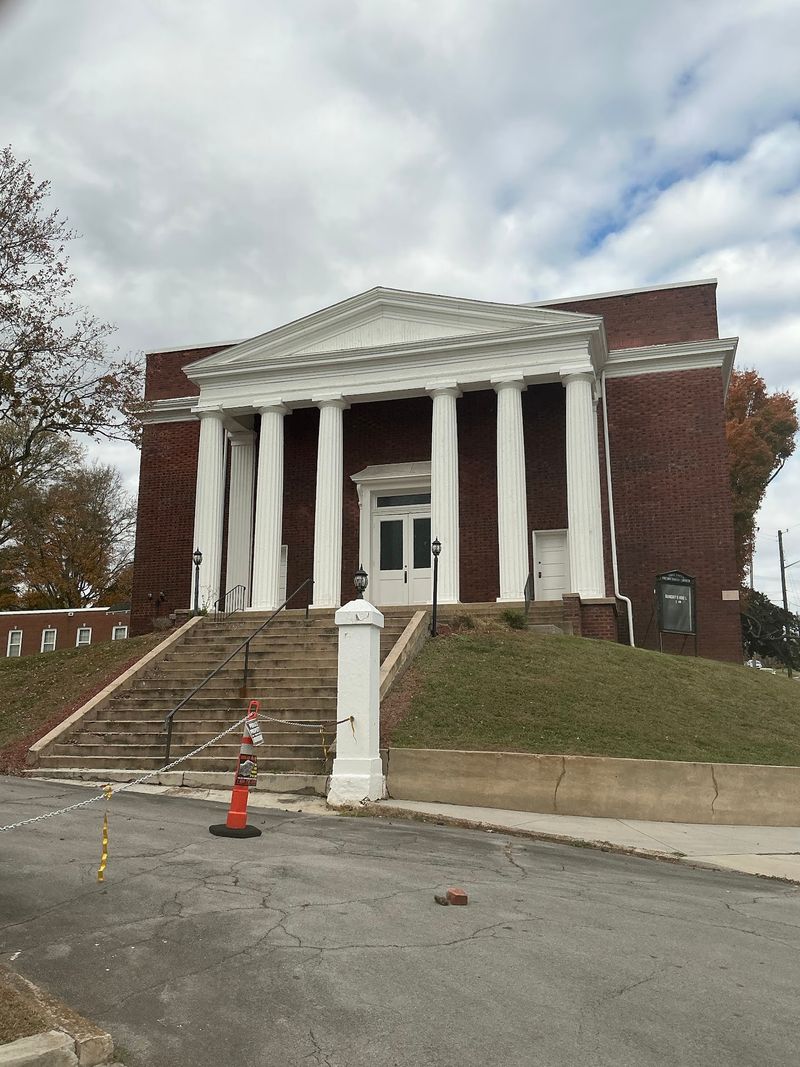
Founded in 1875 to educate formerly enslaved people and their descendants, Knoxville College played a crucial role in African American education for over a century. The campus once thrived with students pursuing degrees and building futures.
But financial struggles led to the loss of accreditation in 1997, and by 2015, the college closed entirely.
The campus sprawls across multiple acres, with beautiful historic buildings that now sit empty and deteriorating. Academic halls where generations learned still stand, their classrooms frozen as if waiting for students to return. Desks remain in rows, chalkboards bear faint traces of final lessons, and textbooks gather dust on shelves.
What’s particularly poignant is the evidence of sudden departure. The library contains thousands of books still on shelves, and administrative offices hold records and files.
Athletic facilities show signs of their last games, with equipment left behind. The campus feels like everyone planned to return on Monday but never did.
The dormitories are especially haunting. Personal items occasionally surface, suggesting students left quickly or couldn’t retrieve everything.
Common areas where friendships formed and study groups met now echo with emptiness. Bulletin boards still display faded announcements from years ago, advertising events that never happened.
Preservation efforts have been complicated by the college’s financial situation and ownership disputes. Some buildings have been stabilized, while others continue to crumble.
The historic significance of the campus makes its abandonment particularly tragic, as it represents an important chapter in Tennessee’s educational history.
The site is technically closed to the public, but its visibility from surrounding streets means many people photograph it from a distance. The beautiful architecture contrasts sharply with the decay, creating powerful images of lost potential.
Occasional discussions about revitalization surface, but nothing concrete has materialized, leaving the campus in limbo between past glory and uncertain future.
6. Lost Cove
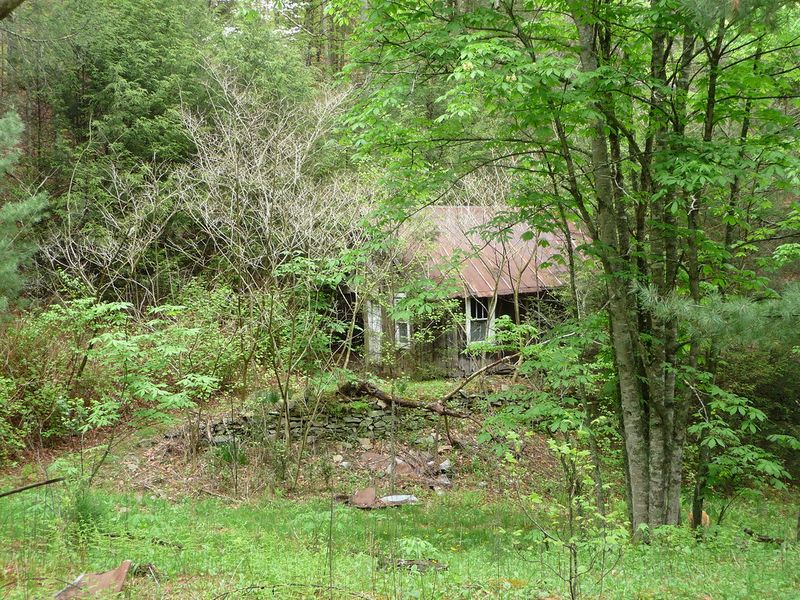
Hidden deep in Unicoi County’s rugged terrain, Lost Cove was once a thriving mountain community. Settlers established the village in the 1800s, drawn by fertile land and plentiful water.
At its peak, the settlement included homes, a school, a church, and a post office. Then everyone left, and the forest began taking it all back.
Reaching Lost Cove requires a challenging hike through dense wilderness. The isolation that once protected residents from outside troubles eventually became a liability.
When roads improved elsewhere and modern conveniences became available in more accessible areas, families gradually relocated. By the mid-1900s, the last residents had departed.
Today, stone chimneys rise like monuments among the trees, marking where homes once stood. Foundations outline the footprints of buildings, and old stone walls show where property lines once mattered.
The cemetery remains the most intact feature, with weathered headstones marking the graves of people who lived, loved, and died in this remote valley.
Nature has been remarkably thorough in reclaiming Lost Cove. Trees grow through what were once living rooms, and saplings sprout from old hearths.
The school building’s foundation can still be traced, and hikers occasionally find artifacts like bottles, tools, or pottery fragments. Each discovery offers a glimpse into daily life in this forgotten place.
What makes Lost Cove particularly mysterious is how completely it was abandoned. Unlike some ghost towns where structures remain standing, here almost everything has returned to earth.
Only the most durable materials, stone and brick, resist the forest’s patient reclamation. It’s a powerful reminder of how temporary human settlements really are.
The hike to Lost Cove is not for casual explorers. The trail is poorly marked and crosses rough terrain. But for those willing to make the effort, the reward is experiencing a place where human ambition met natural reality and nature ultimately won.
7. Dunlap Coke Ovens
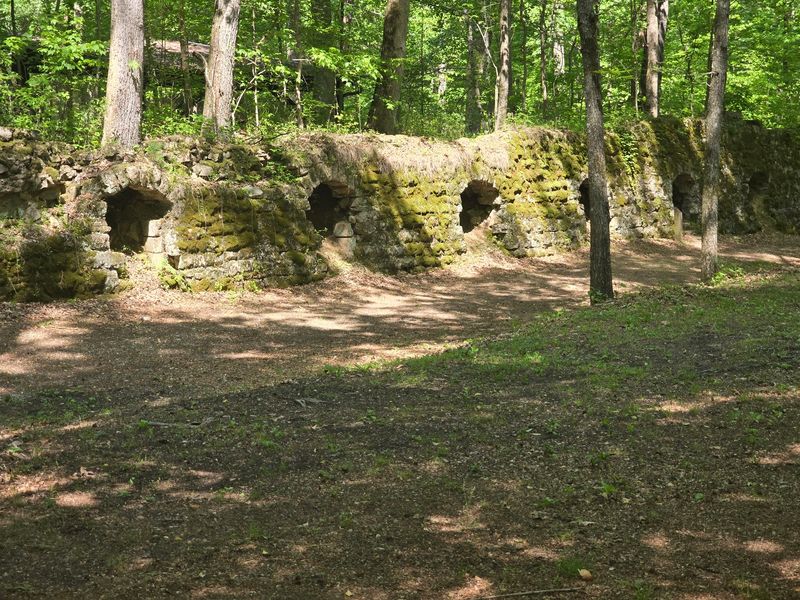
Standing in a neat row like giant beehives, these 268 coke ovens represent Tennessee’s industrial past. Built in 1902, they converted coal into coke, a fuel essential for iron production.
The operation employed hundreds and helped Dunlap thrive as an industrial center. When demand declined and better methods emerged, the ovens went cold for the last time in 1927.
The ovens themselves are architectural marvels. Each stands about 12 feet tall and 10 feet in diameter, constructed from brick and stone.
They were loaded with coal, sealed, and heated to drive off impurities, leaving pure coke behind. The process was hot, dangerous work that required skill and endurance from the laborers who tended them.
Walking among the ovens today feels like exploring an alien landscape. The uniform structures stretch into the distance, their arched openings like empty eyes staring back at visitors.
Vegetation grows from cracks in the masonry, and weather has softened the edges, but the ovens remain remarkably intact for structures nearly 100 years old.
What’s striking is the sudden abandonment. When operations ceased, equipment was left in place and workers moved on to other jobs.
The ovens simply stopped producing, and nobody bothered to dismantle them. They were too remote and too specialized to repurpose, so they’ve stood empty ever since.
The site is now a state historic area, meaning visitors can legally explore. Interpretive signs explain the coking process and the ovens’ role in regional development.
It’s one of the best-preserved examples of 19th-century industrial architecture in the South, offering a tangible connection to Tennessee’s coal and iron heritage.
Photography enthusiasts love the ovens for their geometric patterns and textural details. The way light plays through the openings creates dramatic shadows and highlights. Each season brings different moods, from snow-dusted winter scenes to summer’s lush green backdrop.
The ovens stand as monuments to an industrial age that burned bright and then went cold.
8. Standard-Coosa-Thatcher Mills
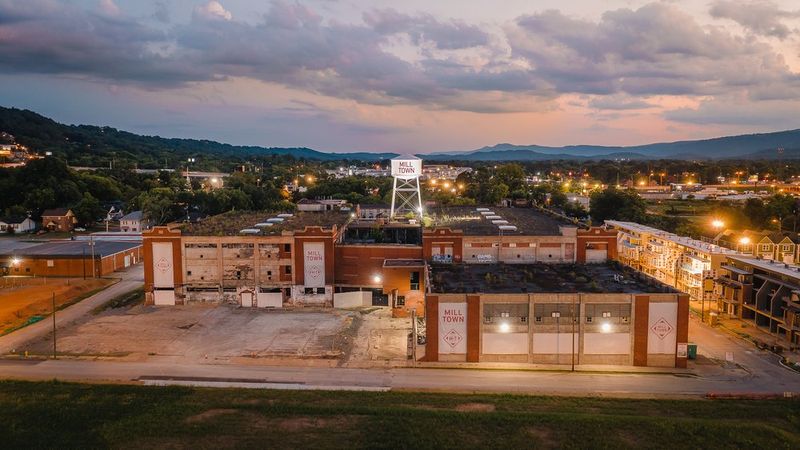
This massive textile mill complex once dominated Chattanooga’s industrial landscape. Operating from 1899 until 1980, it employed thousands of workers who produced fabric for everything from clothing to industrial applications.
The mill represented the economic backbone of several neighborhoods, with entire families often working there across generations.
The buildings are enormous, sprawling structures that speak to the scale of industrial textile production. Multiple stories of brick construction house what were once rows of looms and spinning machines.
The architecture reflects utilitarian purpose, with large windows designed to maximize natural light for workers performing detailed tasks.
When the mill closed, much of the equipment was removed, but the infrastructure remains. Loading docks still bear the marks of countless shipments. Administrative offices contain desks, filing cabinets, and paperwork from the final days of operation. The scale of the operation becomes clear when walking through the vast production floors.
What’s particularly interesting is the evidence of workers’ lives. Break rooms, locker areas, and even a company store remain intact.
Graffiti from various eras shows how the space has been used and misused since closure. Some areas have been repurposed or partially renovated, while others sit completely abandoned.
The mill’s location in Chattanooga means it’s more accessible than many abandoned sites, but that also means it’s been heavily explored and photographed. Urban explorers have documented every corner, capturing the decay in exhaustive detail.
The property has changed hands multiple times, with various redevelopment plans proposed but never fully realized.
Safety is a major concern here. The buildings are structurally compromised in many areas, with collapsing floors and unstable walls.
Asbestos and other hazardous materials remain from the industrial era. Despite these dangers, the site continues to attract photographers and history enthusiasts drawn by the dramatic visuals and historical significance of Tennessee’s textile industry.
9. Old Danville Grain Elevator
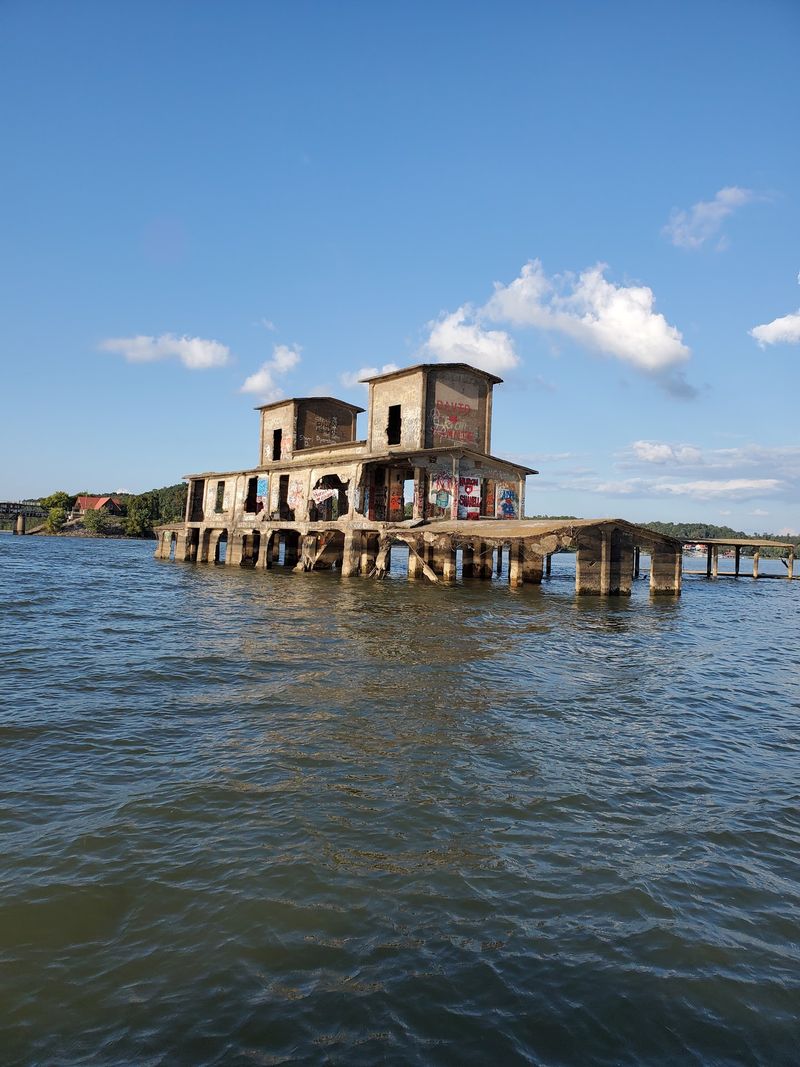
Rising from the flat farmland like a wooden giant, this grain elevator served Stewart’s agricultural community for decades. Built in the early 1900s, it stored grain harvested from surrounding farms and facilitated shipping to larger markets.
The elevator was the economic hub where farmers brought their crops and collected payment for their labor.
Grain elevators are inherently dramatic structures, and this one is no exception. The tall vertical design, necessary for gravity-based grain handling, creates an imposing silhouette against Tennessee skies.
Wooden construction, typical of the era, has weathered to a silvery gray that photographers find irresistible.
Inside, the mechanics of grain handling remain visible. Conveyor systems, storage bins, and loading chutes show how grain moved through the facility.
The smell of decades-old grain dust still lingers in some areas. Sunlight streams through gaps in the weathered boards, creating dramatic lighting that highlights the structure’s age.
The elevator’s abandonment reflects broader changes in agriculture. As farms consolidated and modern facilities with greater capacity were built elsewhere, small-town elevators became obsolete.
This one simply stopped operating when it was no longer economically viable. The last load of grain was processed, and the doors were closed.
What makes this site particularly poignant is its isolation. Unlike urban abandoned buildings surrounded by activity, this elevator stands alone in rural quietness. The only sounds are wind whistling through the structure and birds nesting in the rafters. It’s a lonely monument to a way of life that’s largely disappeared.
The structure is privately owned and technically off-limits, but its visibility from the road means many people photograph it from a distance. Its precarious condition makes entering dangerous anyway.
Time and weather continue their slow work of dismantling what farmers and builders once erected. Eventually, like so many agricultural structures, it will likely collapse and return to the earth it once served.
10. Hales Bar Dam
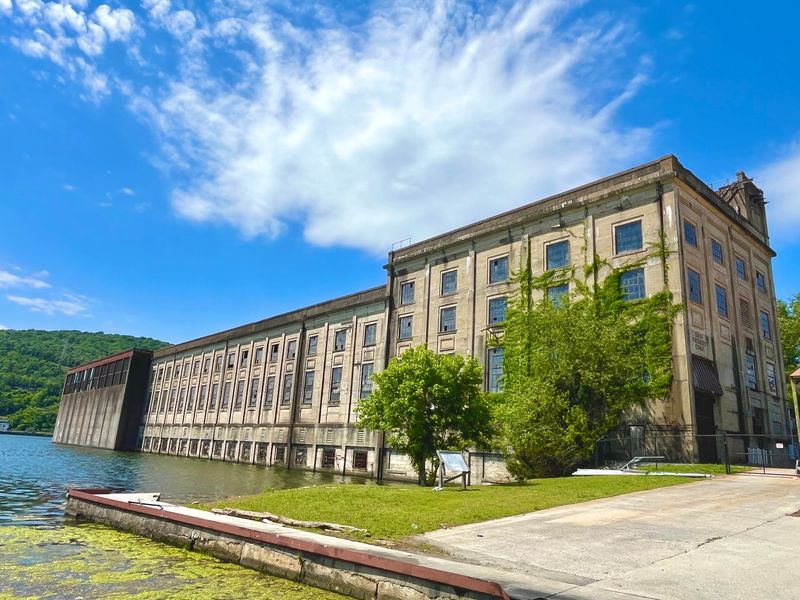
Spanning the Tennessee River near Guild, Hales Bar Dam was an engineering marvel when completed in 1913. It was the first major dam built to harness the river’s power for electricity generation and navigation improvement.
For decades, it provided power to the region and helped establish the Tennessee Valley’s reputation for hydroelectric development.
Construction problems plagued the dam from the beginning. Built on porous limestone, water constantly leaked through the foundation. Engineers spent years trying to seal the leaks, but the geological issues proved insurmountable.
Despite these problems, the dam operated until 1968, when the Tennessee Valley Authority completed Nickajack Dam downstream.
What remains today is a concrete ghost. The powerhouse still stands, its massive generators removed but the infrastructure intact.
Control rooms contain rusting panels and gauges that once monitored water flow and power generation. The scale of the operation becomes clear when exploring these industrial spaces.
The most dramatic feature is the dam itself, partially visible above the water. Some sections were demolished when Nickajack Dam was built, but enough remains to show the structure’s original scope.
The combination of engineered concrete and natural river creates a striking visual contrast.
Access to Hales Bar requires a boat, as it’s located on a remote stretch of river. This isolation has helped preserve the site from vandalism, though natural decay proceeds steadily.
The powerhouse’s roof has partially collapsed, and vegetation grows from cracks in the concrete. Nature is slowly dismantling what engineers built with such hope and ambition.
For industrial archaeology enthusiasts, Hales Bar represents a fascinating case study in engineering ambition meeting geological reality. The dam worked despite its flaws, but never as intended.
Its abandonment in favor of a better-located replacement tells the story of technological progress and the Tennessee Valley Authority’s massive infrastructure development. Today it stands as a monument to both human achievement and the natural forces that ultimately defeated it.