Colorado can still surprise people who have spent a lifetime exploring it. Beyond the familiar ski towns, national park overlooks, and well-traveled mountain highways are landscapes and historic places that somehow remain outside many residents’ weekend routines.
One detour might reveal ancient cliff dwellings, another towering canyon walls, rolling prairie, surreal sand dunes, or a forgotten piece of the state’s past. Some require a deliberate journey, while others have been sitting remarkably close to the usual route all along. These 14 Colorado places are reminders that knowing a state well does not mean you have run out of discoveries.
1. Great Sand Dunes National Park
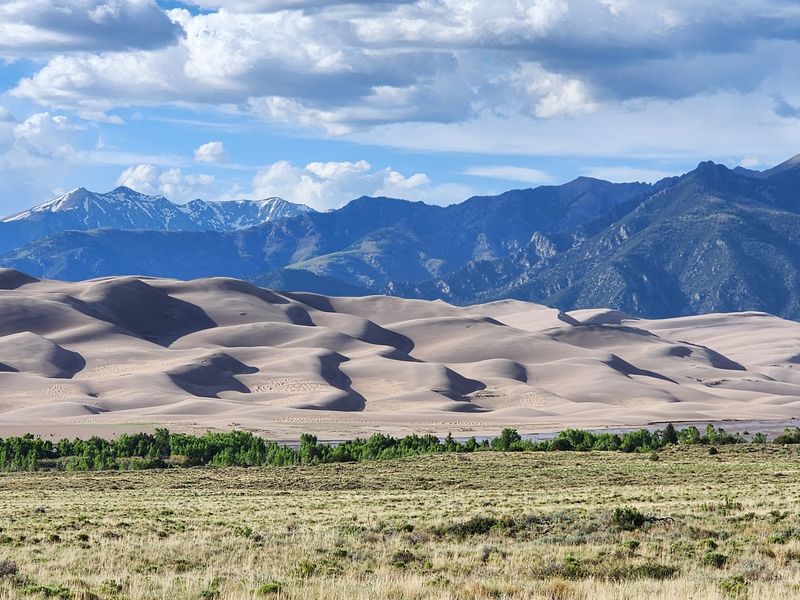
Colorado can surprise even longtime residents, and this park proves it in a hurry. One minute the landscape looks like high desert, and the next you are staring at huge folds of sand backed by sharp mountains that seem almost too dramatic to share the same frame.
Walking here is harder than many first-timers expect, so an early start helps a lot. Cooler morning sand is easier on tired feet, and the softer light also makes the dunes look more detailed and alive in photos.
Medano Creek, when flowing, adds a playful side to the visit. Families splash at the edge, kids dig in wet sand, and adults suddenly remember that a national park does not always need a long, serious hike to be memorable.
Anyone hoping to climb high should pack more water than seems necessary and expect slow progress. Sand shifts under every step, wind can erase footprints in minutes, and the downhill return goes much faster than the climb, which can be both funny and humbling.
Beyond the main dune field, the park has forests, wetlands, and quieter corners that many visitors skip. That mix matters because it turns the area from a one-scene stop into a full day destination with very different views packed close together.
After sunset, the place changes again. Dark skies make stargazing a major draw, and the silence out on the sand can be just as striking as the view, especially once the crowds thin and the mountains fade into shadow.
Simple shoes, sun protection, and realistic expectations go a long way here. Great Sand Dunes is not polished or easy, and that is exactly why it sticks in memory long after the sand is finally gone from the car.
2. Dinosaur National Monument
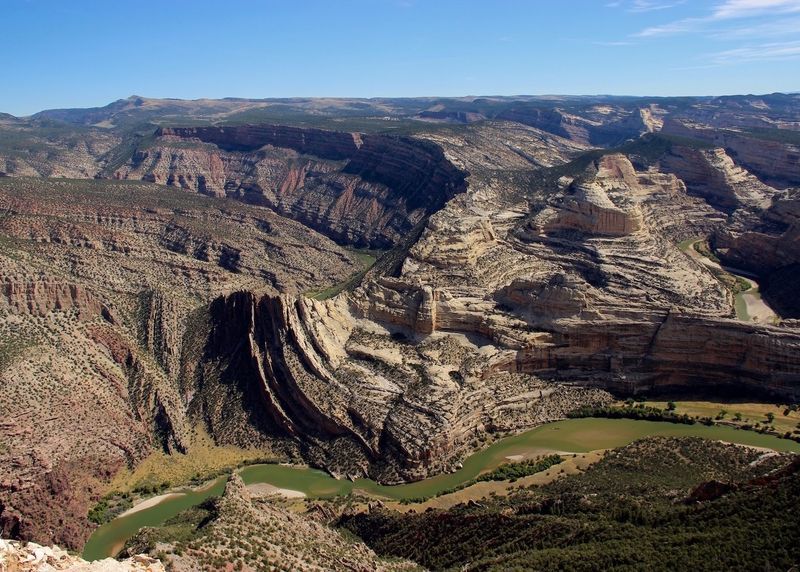
Plenty of travelers know the name, but far fewer explore the Colorado side with real patience. That is a mistake, because the monument spreads across a huge sweep of canyons, rock, river country, and open desert that looks powerful without trying too hard.
Scenic drives are a big part of the experience here. Instead of rushing toward one famous stop, it makes more sense to treat the roads and overlooks as the main event, especially when the land opens into deep cuts and wide views.
The fossil quarry most people picture is across the border in Utah, but Colorado holds its own with striking landscapes and a stronger sense of remoteness. Petroglyphs add another layer, reminding visitors that this region carries human stories reaching far beyond modern maps and road trips.
Light changes everything in this terrain. Morning can bring cool color and crisp shadows, while later hours make the rock glow warmer and the canyon walls look even more severe.
Because distances are long, planning matters more than at many parks. Fuel up early, carry snacks and water, and download directions before leaving town, since wide-open country can turn a casual outing into a longer adventure without much warning.
River lovers can also find rafting and boating opportunities in the broader monument area, depending on timing and conditions. Even without getting on the water, standing above the canyons gives a clear sense of how rivers shaped the monument over a very long time.
Visitors who like polished visitor hubs may find this place quieter and rougher around the edges. That is part of its appeal, because Dinosaur National Monument rewards curiosity, patience, and a willingness to enjoy a corner of Colorado that still knows how to keep some distance.
3. Mesa Verde National Park
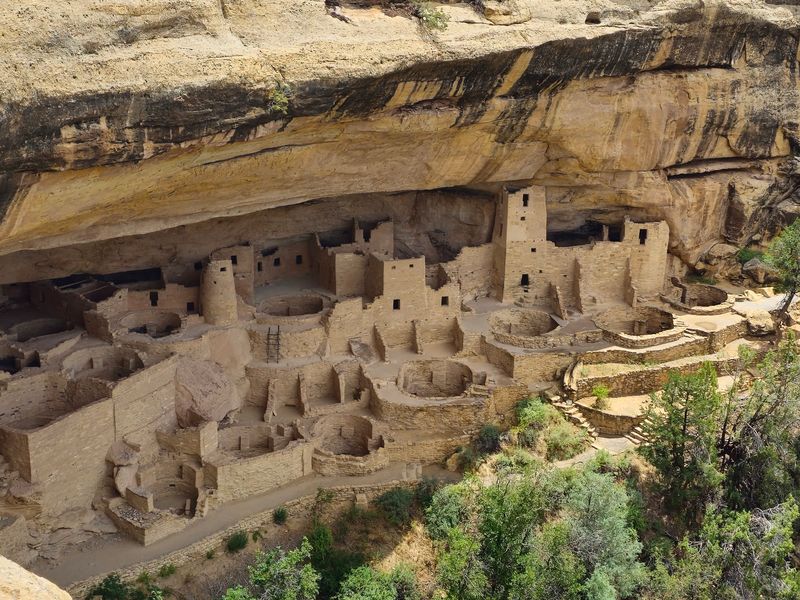
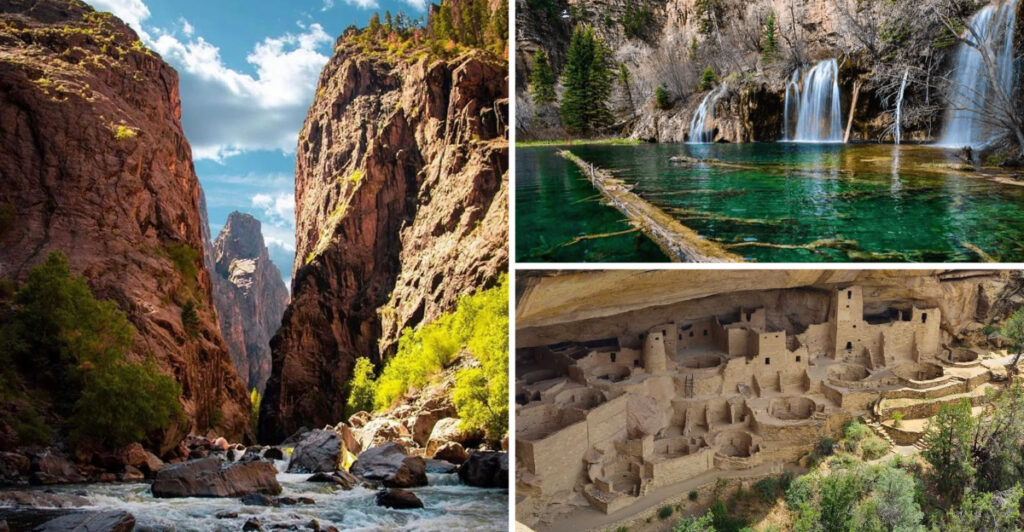
History sits right out in the open at Mesa Verde, though it never feels simple or small. The cliff dwellings and mesa-top sites turn a regular park visit into a close look at how people built communities in a demanding landscape centuries ago.
Even the drive through the park helps set the tone. Roads climb to broad overlooks, canyons cut into the land below, and the high-desert scenery makes it easier to understand why water, shelter, and smart building choices mattered so much here.
Many visitors focus on the famous cliff dwellings first, and for good reason. Seeing stone rooms fitted into sheltered alcoves is the kind of image that stays sharp in memory, especially when viewed from an overlook that shows how carefully the sites were placed.
It helps to slow down and read the signs instead of treating the park like a scenic photo loop. Mesa Verde makes more sense when the visit includes both the structures and the broader story of Ancestral Pueblo life, movement, and adaptation across generations.
Sun, wind, and dry air can sneak up fast, so water and sturdy shoes are useful even on a day centered on viewpoints. Some roads and stops take longer than expected, and the size of the park can surprise anyone who assumes the main sites are all close together.
The quieter moments often come between the headline attractions. Looking across the mesas, noticing the shapes of the alcoves, and imagining daily life in this terrain gives the place a weight that no quick snapshot can capture.
Mesa Verde is one of those stops that asks for respect more than rush. Visitors leave with beautiful views, but the stronger impression usually comes from recognizing that the land still holds visible traces of lives, skills, and decisions made long before modern Colorado existed.
4. Maroon Bells
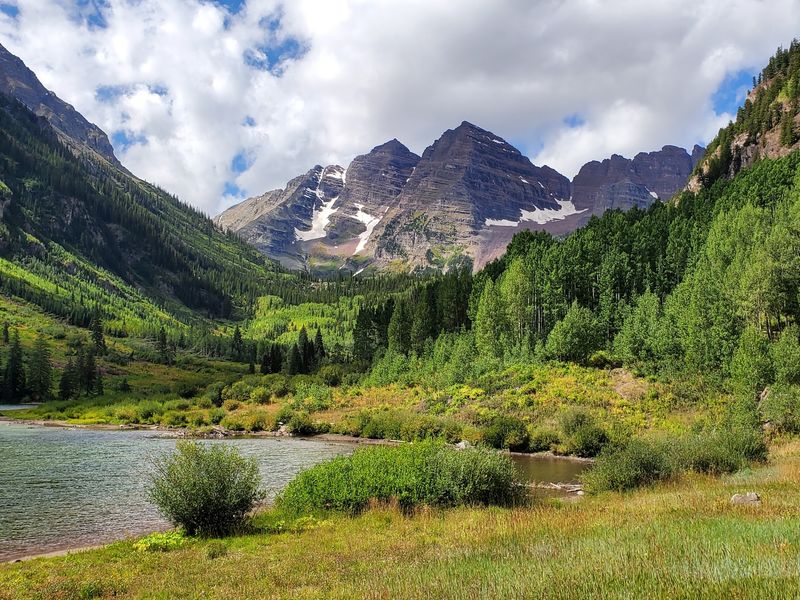
Few Colorado views get photographed more, yet many residents still put off seeing the Maroon Bells in person. That delay is easy to regret once the twin peaks rise above the lake, sharp and clean, with slopes and water arranged like a postcard that somehow forgot to exaggerate.
Early arrival makes a major difference here. Calm morning light improves reflections on Maroon Lake, parking and shuttle logistics are usually easier, and the area feels less crowded before the busiest photo seekers settle into every obvious angle.
Autumn gets the most attention because golden aspens bring extra color to an already dramatic setting. Still, the appeal is not limited to one season, since the valley, trails, and changing light give the place a strong visual punch nearly all year.
Short walks offer satisfying views, but hikers can keep going deeper into the surrounding landscape. That matters because the Bells are not only a look-and-leave stop, and the nearby trails reveal meadows, forests, streams, and wider perspectives beyond the famous lakeshore scene.
Weather in the high country can shift quickly, so layers, water, and a flexible attitude are smart. A bright morning can turn cool or stormy fast, and visitors who come prepared usually enjoy the day more than those dressed for town instead of mountain conditions.
Even with the crowds, the place still earns its reputation. The peaks have a distinct shape, the lake frames them perfectly, and the aspen groves soften the entire view just enough to keep the setting from looking harsh or distant.
For longtime Coloradans who think famous places are always overrated, this is a strong test case. Maroon Bells is popular because the scenery is unusually complete, with mountains, water, forest, and seasonal color working together in a way that is hard to dismiss once seen firsthand.
5. Black Canyon of the Gunnison National Park
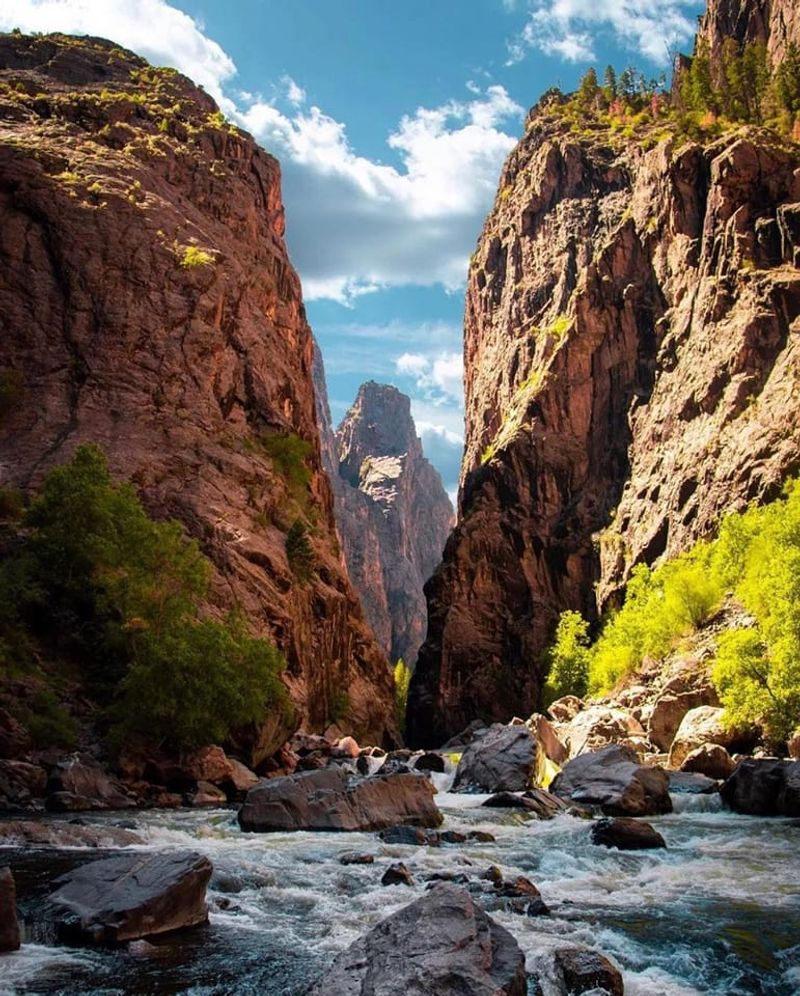
Black Canyon does not waste time easing visitors into the view. One glance over the rim is enough to understand why this park leaves people quiet, because the walls drop fast, the gorge narrows sharply, and the Gunnison River looks small and distant at the bottom.
The scale here can be tricky to read at first. Photographs often flatten the canyon, but standing at an overlook shows how steep and severe the rock really is, especially where sunlight catches one wall while the opposite side stays dark.
Several viewpoints make it easy to compare different angles without committing to a long hike. That is helpful for visitors traveling with mixed energy levels, since some people want rim walks and others are happy simply moving from overlook to overlook.
Short trails add more texture to the visit. Even a brief walk away from the busiest pullouts can make the canyon feel larger and wilder, and the silence along the rim sharpens the sense that this is one of Colorado’s more intense landscapes.
Because the park is often overshadowed by flashier names, planning can stay pleasantly simple compared with busier destinations. Still, sun exposure is strong, guardrails are not everywhere, and the steep terrain means extra care is smarter than overconfidence.
The South Rim is the easier choice for many visitors, but whichever side fits the itinerary, the point is the same. Black Canyon stands apart from the state’s gentler alpine postcard scenes by leaning hard into depth, shadow, and raw stone.
Anyone who thinks Colorado is only about snowy peaks and aspen leaves should make room for this park. The canyon delivers a darker, sharper side of the state, and that contrast is exactly why it belongs on a list of places people can miss for years without realizing what they skipped.
6. Hanging Lake
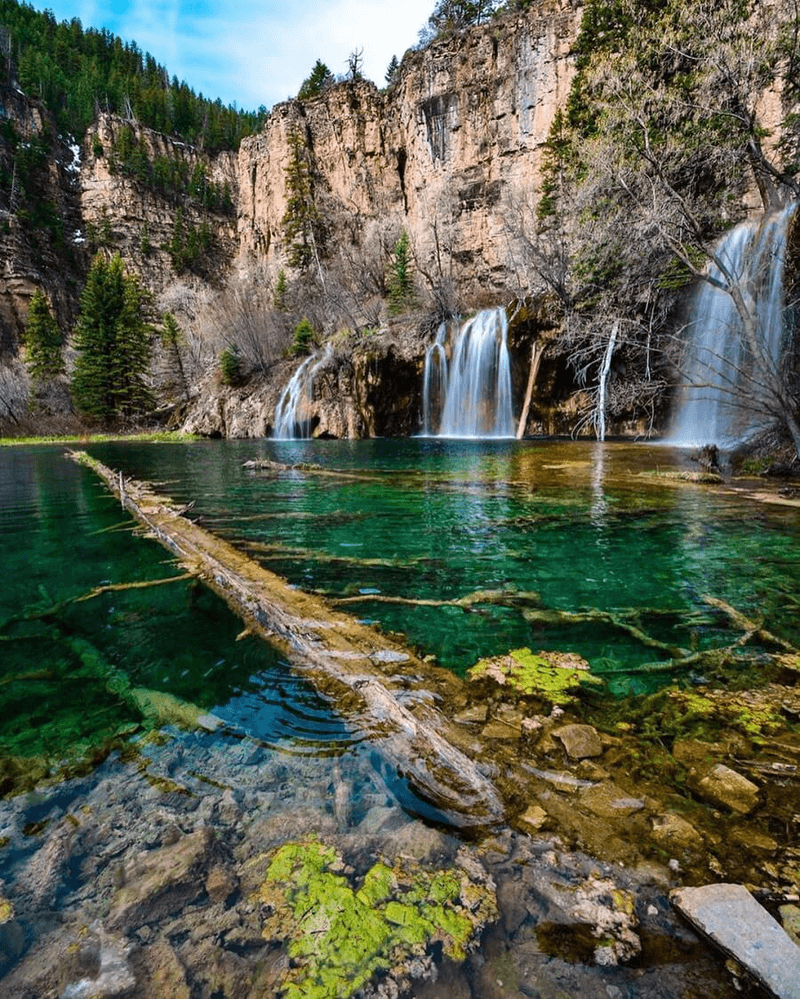
Up above the traffic in Glenwood Canyon, Hanging Lake delivers a scene that seems almost secret until the boardwalk comes into view. The water has that bright turquoise color people usually expect only after heavy photo editing, and the surrounding greenery makes the basin look unusually rich for the canyon setting.
Getting there takes effort, even though the hike is not especially long. The trail climbs steeply, so pacing matters more than speed, and plenty of visitors end up grateful for every shady stretch and every excuse to pause for water.
Because the lake is fragile, rules and permits are part of the experience. That may sound less spontaneous, but controlled access helps protect a place that could easily be worn down by too many feet, too much noise, and too little care.
Once at the top, most people notice how compact the area is. Instead of a huge viewpoint with room to spread out, the setting feels close, sheltered, and delicate, which is exactly why staying on marked paths matters so much.
The nearby waterfall section adds another layer to the stop. Mist cools the air, moss and plants soften the rocks, and the contrast with the interstate far below becomes almost comical, as if two completely different landscapes were stacked on top of each other.
Good shoes, patient pacing, and respect for the rules and reservation system will improve the day. Visitors who expect a casual stroll can be caught off guard, while those who treat it like a short but serious climb tend to enjoy the destination more.
Hanging Lake earns its strong reputation through contrast. It is steep but accessible, small but striking, and close to a major highway while still managing to look tucked away from the modern rush that passes through the canyon below.
7. Paint Mines Interpretive Park
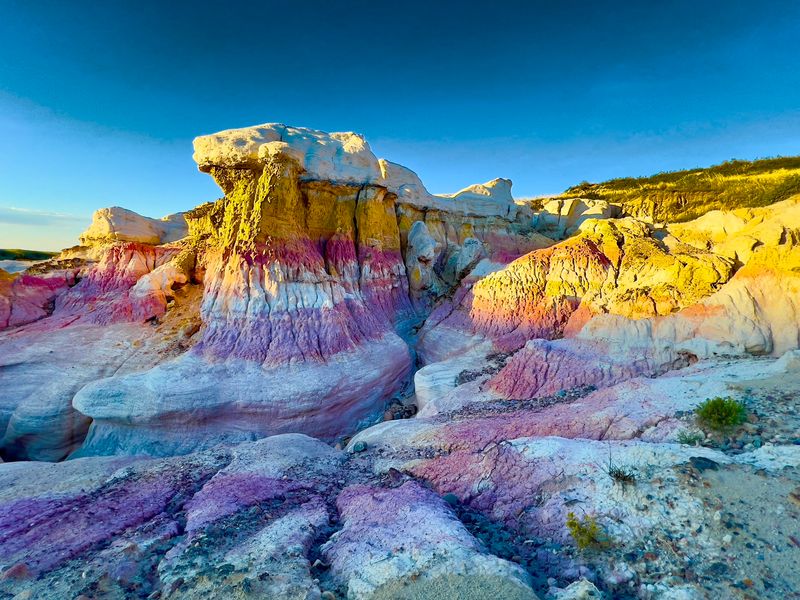
Eastern Colorado can fool people who expect only flat grassland and long highway miles. Paint Mines Interpretive Park breaks that assumption with bursts of pink, orange, yellow, and white clay that twist through the prairie in oddly sculpted shapes.
The first impression is often surprise. Colors usually linked with desert parks in other states show up here in quiet El Paso County, and the hoodoos and weathered formations give the trails a dreamlike look without needing huge elevation or dramatic mountain backdrops.
Walking the park is fairly approachable, which makes it appealing for mixed groups. Instead of one punishing climb, visitors get a network of paths that reveal new angles gradually, with the most colorful sections appearing after a bit of patient wandering.
Morning and evening light can make the clay bands stand out more clearly than harsh midday sun. Anyone hoping for photos should keep that in mind, since the soft light helps the shapes and colors read better without flattening the details.
There is also more here than unusual scenery. The site carries cultural importance, and that broader context makes respectful travel especially important, from staying on trails to avoiding the urge to scramble onto fragile formations for a better picture.
Because the landscape looks delicate, it is worth treating every step with care. Erosion is already doing enough work on its own, and visitors do not need to speed up the process by cutting corners or ignoring posted guidance.
Paint Mines stands out because it challenges the usual Colorado travel script. No alpine lake, no giant ski slopes, no headline fourteener, just a quietly remarkable patch of land where color, weather, and time teamed up to create one of the state’s strangest and most memorable walks.
8. Cache La Poudre River
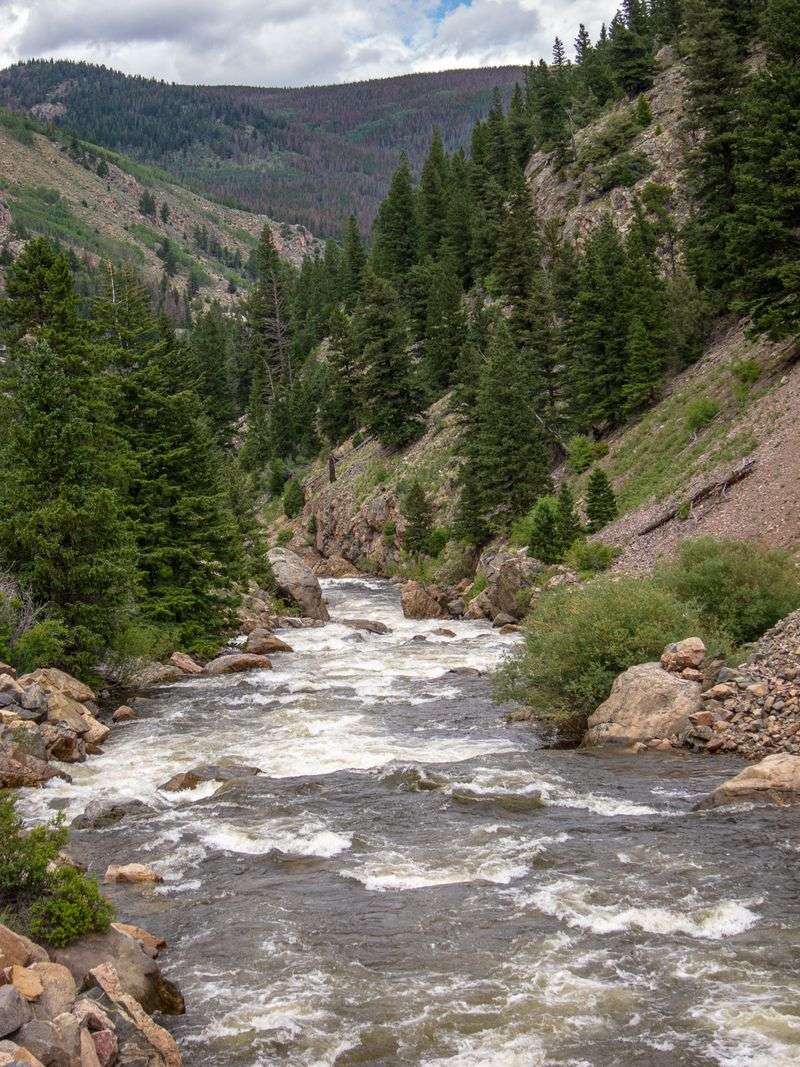
Not every unforgettable Colorado outing requires a national park entrance sign. The Cache La Poudre River corridor, stretching from the high country toward Fort Collins, delivers a full menu of scenery and outdoor options without demanding a complicated plan.
Some visitors come for the drive first. The road follows the canyon through rock walls, forested bends, and river pullouts that make it easy to stop, stretch, and watch the water for a while before moving on.
Others treat the Poudre as an activity day from start to finish. Rafting brings the loud, splashy version of the river, while fishing, hiking, and quieter riverside picnics offer a slower pace that still gives plenty of contact with the canyon.
That flexibility is one reason the area stands out. Families, road trippers, and locals with only half a day can all shape the experience differently, which is not true of every scenic destination in a state where logistics sometimes take over the fun.
Conditions change with season and recent weather, so checking river flow and road updates before heading out is smart. Spring and early summer may bring stronger water, while late season can shift attention toward fishing holes, trails, and long scenic pauses.
The route also works well for people who do not need one giant headline attraction. Instead of building toward a single overlook, the day unfolds in pieces, with water, canyon walls, trailheads, and roadside views trading turns as the main draw.
For Colorado residents who have somehow skipped the Poudre, that is easy to fix. Pack lunch, take the canyon road seriously, and leave extra time for the stops that were not on the original plan, because the river often does its best work between the obvious landmarks.
9. Crested Butte
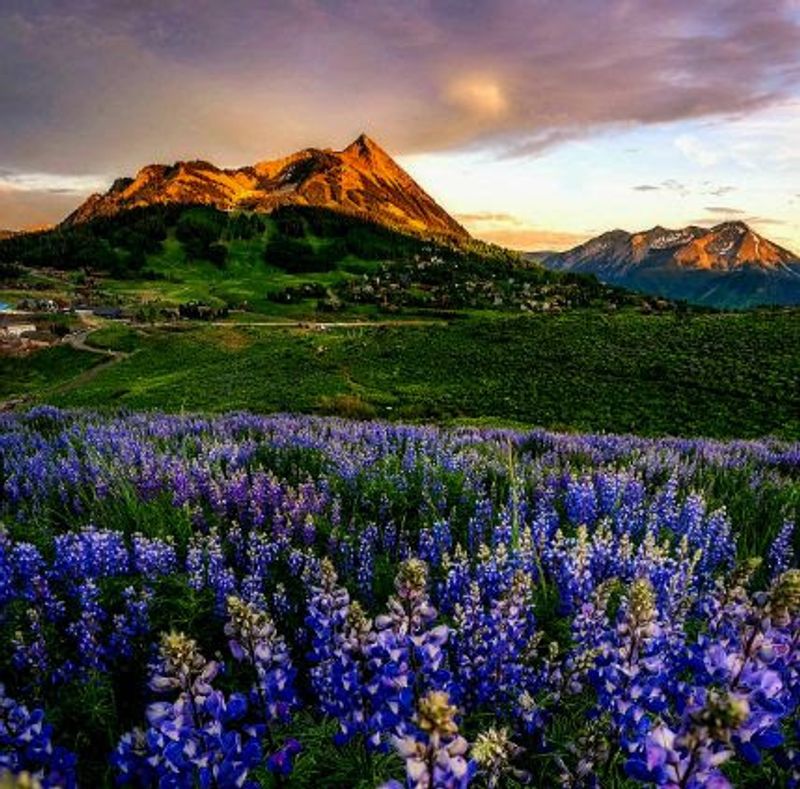
Crested Butte has the sort of mountain-town look that seems almost designed for postcards, yet it never depends on looks alone. Bright historic buildings, a tucked-away setting, and strong access to trails give the place personality before the outdoor part of the day even begins.
Summer is when many people fall hardest for it. Wildflowers spill across nearby slopes, trailheads pull hikers and mountain bikers out in every direction, and the town itself stays lively enough to feel fun without tipping into nonstop bustle.
The scenery around Crested Butte works differently from Colorado’s biggest resort zones. It feels more tucked in, more connected to everyday trail use, and more willing to let the mountains share space with a downtown that still has visual character of its own.
Then winter flips the script. Snow turns the same landscape crisp and quiet, skiing takes over, and the whole area leans into a colder version of its charm without losing the town-scale feel that makes it easier to navigate than larger destinations.
Travelers should give themselves time beyond a quick main street walk. The real strength of Crested Butte comes from pairing town time with outdoor time, whether that means a short hike, a scenic drive, or simply lingering long enough to notice the mountain backdrop shift through the day.
Because it sits farther from the Front Range than some better-known stops, the town can remain oddly absent from longtime residents’ routines. That distance is part of why a visit lands so well, since getting there still feels like reaching a distinct corner of the state.
Crested Butte does not need to shout for attention. It wins people over through color, access, and setting, offering the rare combination of a memorable town and memorable landscape without making either one play second place.
10. Sand Creek Massacre National Historic Site
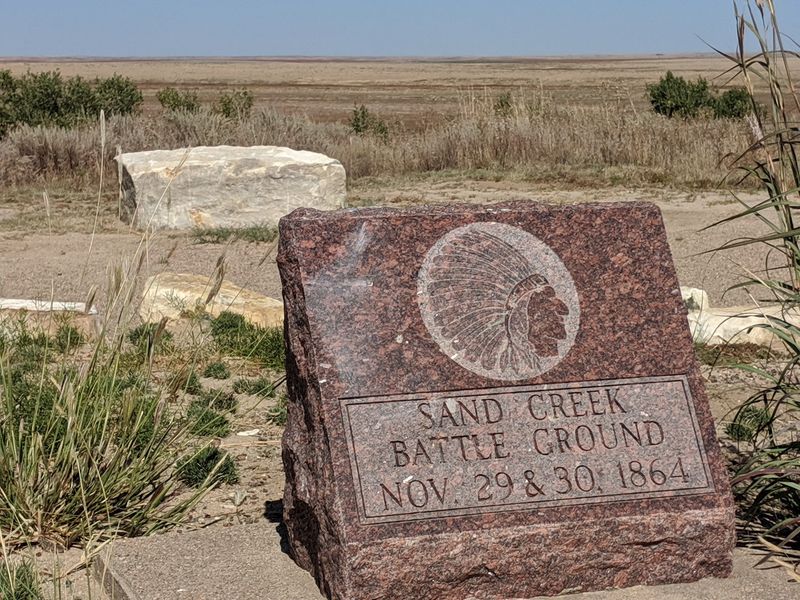
Some places should not be visited in a rushed or casual mood, and Sand Creek Massacre National Historic Site is one of them. The prairie may appear quiet at first glance, but the history tied to this land is painful, serious, and essential to face clearly.
In 1864, U.S. troops attacked a village of Cheyenne and Arapaho people here. Any visit should begin with that fact and with the understanding that this is a place for remembrance, learning, and reflection rather than entertainment.
The landscape itself plays a large role in the experience. Broad grassland, open sky, and the relative stillness of the site can make the history feel even heavier, because there is so little distraction from the story being interpreted.
Reading exhibits slowly matters here. Context helps visitors understand not only what happened, but also why the event remains a central and painful part of Colorado and American history, especially for Cheyenne and Arapaho communities.
It is wise to approach the visit with care in both tone and behavior. Quiet conversation, patience, and attention to posted information fit the setting much better than the usual travel habit of racing through stops for a quick photo and faster departure.
Families with older children can find the site meaningful if adults frame the visit thoughtfully. The history is difficult, but avoiding it does not make it less important, and a careful visit can open useful conversations about memory, injustice, and public history.
Colorado has many spectacular landscapes, yet not every important destination is built around scenic thrill. Sand Creek stands apart because it asks visitors to listen, learn, and sit with the truth of what happened on this ground, which is a different kind of travel value and an important one.
11. Garden of the Gods
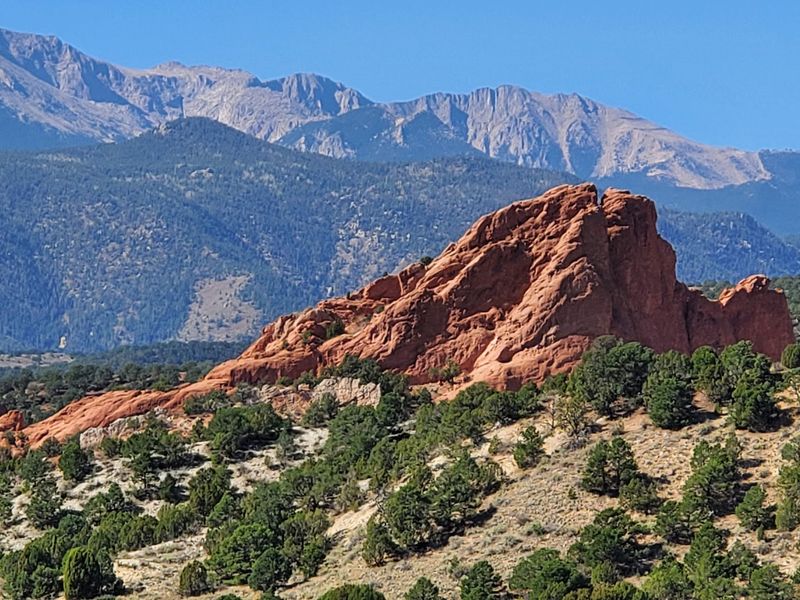
Red rock spires rising with Pikes Peak in the distance make Garden of the Gods one of those places that can convert skepticism fast. Even people who assume it will be crowded and overhyped often end up impressed by how dramatic the formations look against the sky.
The park works well because it is easy to explore from several angles. Short walks, longer trails, roadside pullouts, and famous features like Balanced Rock let visitors build a quick stop or a fuller morning without much confusion.
That flexibility is especially useful in Colorado Springs, where travel days can be packed. A family with limited time can still see a lot, while hikers wanting more movement can link trails and watch the sandstone towers shift shape from one section to the next.
Early or late light tends to bring out richer color in the rocks. Midday can still be beautiful, but softer hours often make the red stone glow more deeply and improve the contrast between the formations, the sky, and the mountain backdrop.
Because the park is so accessible, it is smart to arrive with a little patience. Popular spots may draw crowds, yet a short walk away from the busiest pullouts often opens up more breathing room and a better sense of the larger landscape.
Footwear matters more than some visitors expect. Even easy trails can involve uneven surfaces, and the area is more enjoyable when people are dressed for walking instead of treating the park like a quick roadside photo prop.
Garden of the Gods remains famous for a reason. The shapes are unusual, the setting is strong, and the mix of access and natural drama makes it one of the easiest places in Colorado to recommend without adding a long list of conditions or excuses.
12. Royal Gorge Bridge and Park
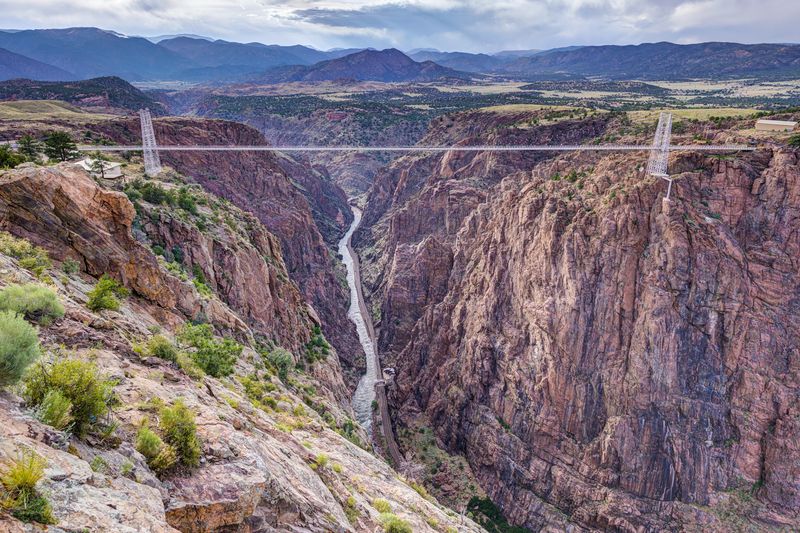
Walking across a bridge high above the Arkansas River is one of the quickest ways to reset anyone’s sense of scale. Royal Gorge delivers that kind of jolt right away, with a canyon so deep and open below that even confident visitors may slow their steps.
The bridge itself is the star, of course. Its height, narrow profile, and position over the gorge turn a basic walk into a memorable event, especially when wind picks up and reminds everyone that the canyon is doing most of the drama naturally.
Still, the surrounding park adds more than a single crossing. Overlooks broaden the view, and the attractions help visitors appreciate both the shape of the gorge and the engineering required to stretch a bridge across it in the first place.
Travelers who are uneasy with heights should know that the place can test nerves. Going slowly helps, and there is no need to rush the crossing when half the fun comes from stopping to look downriver, upriver, and straight into the gap below.
Weather can change the experience a lot. Bright days show off the canyon walls best, but wind, heat, or afternoon storms can affect comfort, so checking conditions before arrival is more useful than treating the visit like a completely predictable park stroll.
Families often appreciate that the site mixes scenery with a dose of excitement. It gives the outing a different energy from overlook-only destinations, which can be a welcome change for kids or adults who like their landscapes served with a bit more adrenaline.
Royal Gorge Bridge and Park has a showy side, no question about it. Yet the spectacle works because the land itself is strong enough to support it, with the bridge acting as a front-row seat to one of the state’s most striking canyon views.
13. Bishop Castle
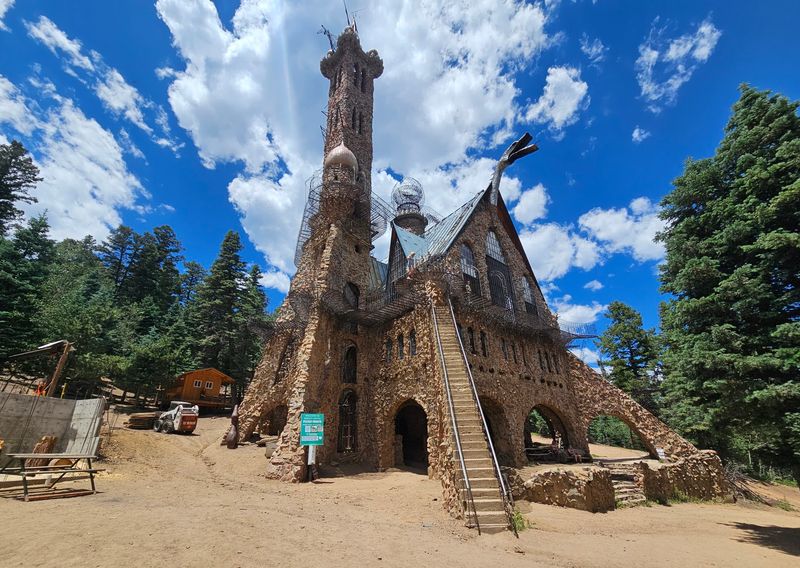
Every state has a few places that sound made up until they appear in front of you, and Bishop Castle is firmly in that category. Rising from the forest near Rye, it looks like part fairy-tale fortress, part roadside fever dream, and entirely unlike a standard Colorado stop.
What grabs people first is the sheer oddness of the structure. Stone towers, narrow stairways, metalwork, and elevated walkways pile up into a handmade maze that seems to keep growing more interesting the longer you stand there trying to take it all in.
The story behind the castle adds to the appeal, since it was built largely by one man over decades. That alone changes how visitors look at the place, turning every wall and stair into proof of persistence, eccentricity, and a very unusual personal vision.
Exploring requires basic caution. Heights, uneven surfaces, and quirky design choices are part of the visit, so sturdy shoes and a calm pace are better than charging upward just because the structure invites curiosity from every direction.
The surrounding forest makes the experience even stranger in a good way. One moment the drive feels like a regular mountain route, and the next a towering handmade castle appears where many people would least expect it.
Bishop Castle also offers a break from polished travel routines. There is no need to compare it with carefully branded attractions, because its entire character comes from being personal, surprising, and slightly unruly in ways most destinations would never dare.
For Colorado residents who think they have seen every major roadside curiosity, this stop can still catch them off guard. Bishop Castle is bold, weird, and memorable, which is often more fun than another pretty overlook that disappears from memory by the next morning.
14. Rifle Falls State Park
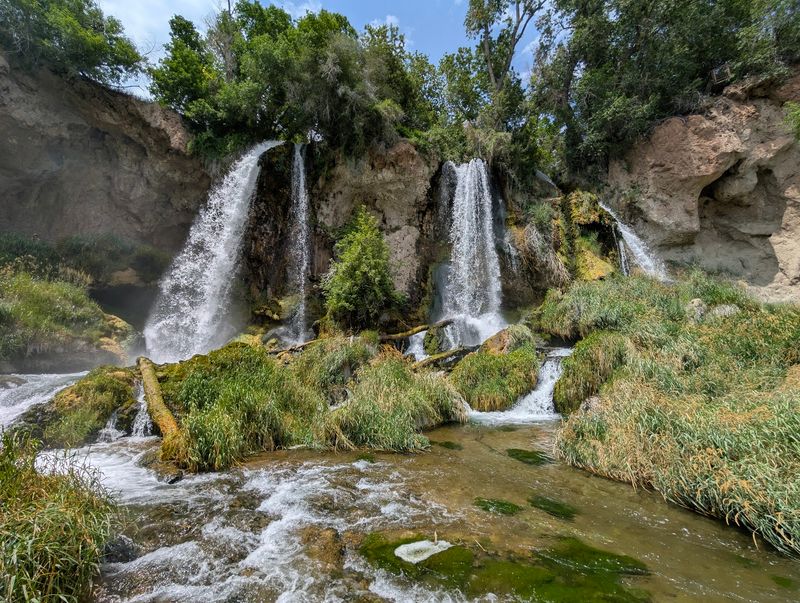
Triple waterfalls are not the first thing many people picture when they think of western Colorado, which is exactly why Rifle Falls stands out. Water drops over a limestone cliff into a surprisingly green pocket where spray, shade, and thick vegetation shift the mood completely.
The park is compact, and that is part of its strength. Visitors can see a lot without committing to an all-day outing, making it an easy add-on for road trips or a satisfying stop for anyone who wants scenery without a huge time investment.
Short trails lead around the falls and toward small caves, giving the area a playful edge that families often appreciate. Instead of one fixed viewpoint, the park encourages a bit of wandering, with changing angles, sound, and mist shaping the experience at each turn.
The lushness here catches many people by surprise. In a region better known for drier terrain, Rifle Falls creates a cooler micro-world where moss, plants, and constant water make the setting feel denser and more shaded than the broader landscape outside the park.
That moisture also means paths can be slick, so good shoes are a smart move. Visitors hoping to explore cave areas or get closer to the spray should take their time rather than treating the short distances as an excuse to stop paying attention.
Photographers tend to appreciate the layered scene. The three streams, the pale limestone, and the bright green surroundings create strong contrast, especially when the light is soft and the water catches just enough brightness without washing out the details.
Rifle Falls is a reminder that Colorado’s best surprises are not always giant in scale. Sometimes a smaller park with a cool pocket of water, stone, and greenery can shake up expectations more effectively than another long drive toward a famous name.