Tennessee is home to natural wonders you won’t find anywhere else in the country. From underground waterfalls to glowing firefly displays, the state’s diverse landscapes offer experiences that are truly one-of-a-kind.
Whether you’re exploring ancient mountains or earthquake-formed lakes, these nine natural treasures showcase why Tennessee is unlike any other place on Earth.
1. The Firefly Light Show in the Great Smoky Mountains
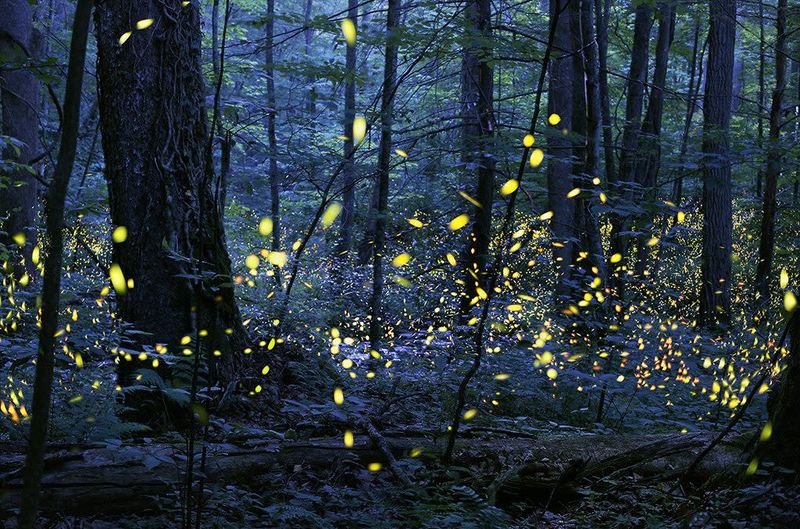
Picture thousands of fireflies flashing together like tiny synchronized dancers in the night. Every late spring and early summer, the Great Smoky Mountains host one of nature’s most magical performances.
Synchronous fireflies are incredibly rare—only found in a handful of spots worldwide. These special insects coordinate their glowing patterns, creating waves of light that ripple through the forest. Scientists believe they do this to attract mates, but for visitors, it feels like pure enchantment.
The National Park Service holds a lottery each year for viewing passes because the show is so popular. If you win, you’ll witness something most people never see in their lifetime.
2. One of the Tallest Waterfalls East of the Mississippi
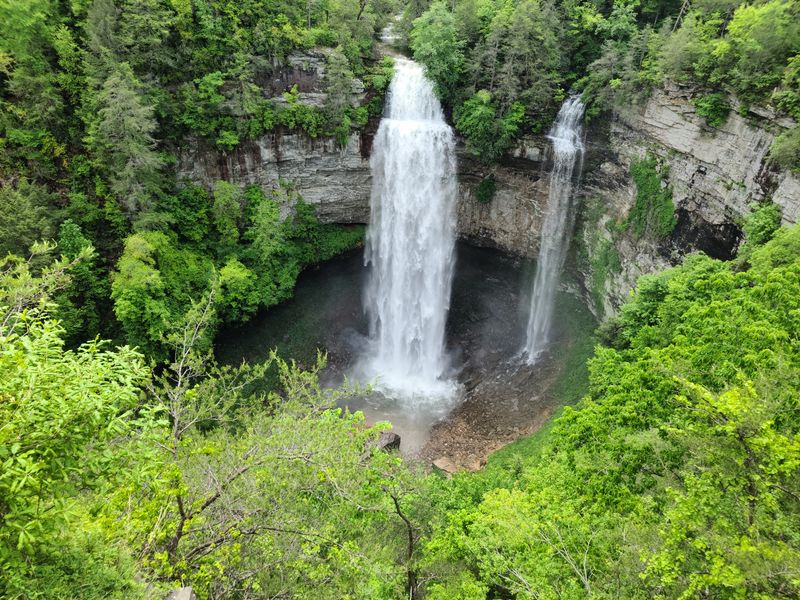
Fall Creek Falls crashes down 256 feet into a misty gorge, earning its spot as one of the eastern United States’ most impressive waterfalls. The roar of water echoing off ancient rock walls creates a soundtrack you’ll remember forever.
Located in Fall Creek Falls State Park, this natural wonder towers over most eastern waterfalls. A scenic overlook lets you safely admire the cascade from above, while trails wind down to the base for adventurous hikers. The surrounding park offers swimming holes, caves, and additional waterfalls to explore.
3. Underground Waterfalls at Ruby Falls
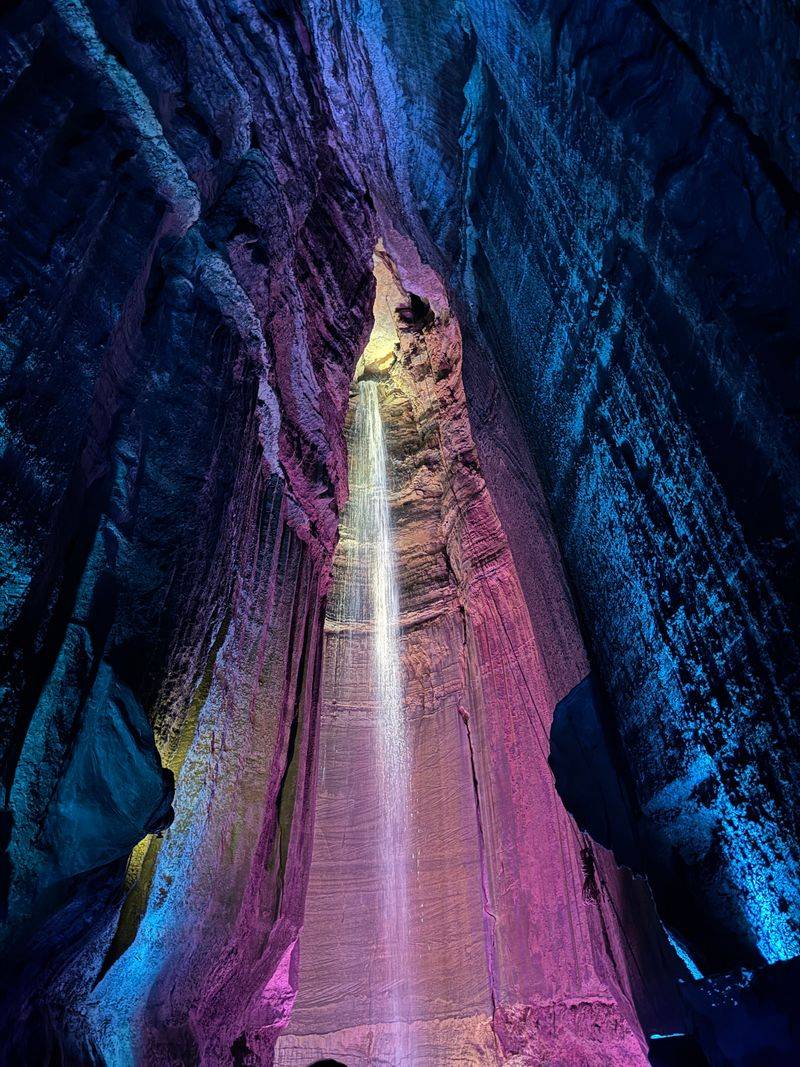
Deep inside Lookout Mountain lies a secret that took millions of years to create. Ruby Falls plunges 145 feet underground, making it the tallest underground waterfall you can visit in America.
Discovered in 1928 by cave explorer Leo Lambert, this subterranean wonder was named after his wife, Ruby. Guided tours lead visitors through narrow passageways decorated with stalactites and stalagmites before revealing the falls in a dramatic light show. The cavern’s constant 60-degree temperature makes it a perfect year-round adventure.
4. The World’s Most Biodiverse National Park
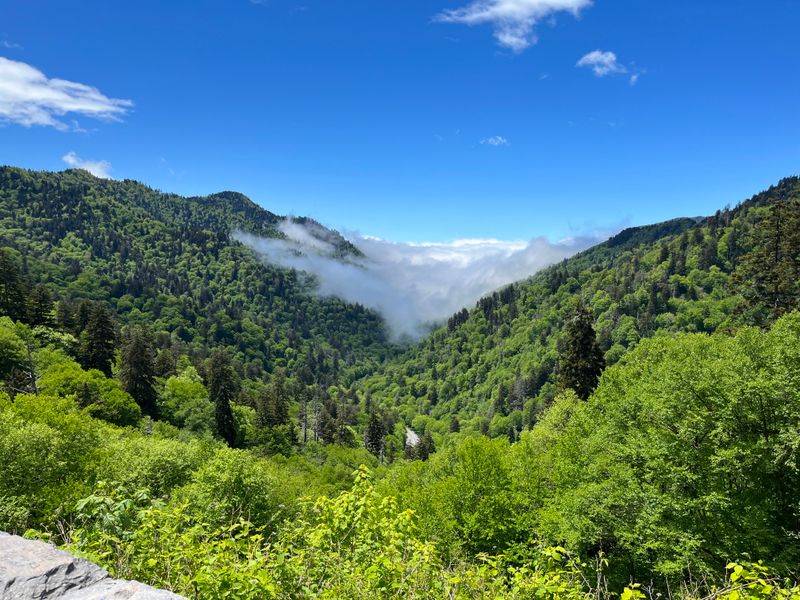
Great Smoky Mountains National Park isn’t just beautiful—it’s bursting with more life than any other national park in North America. Over 19,000 documented species call these mountains home, and scientists estimate thousands more remain undiscovered.
Why so much diversity? The park’s wide elevation range creates multiple climate zones stacked on top of each other. Ancient forests that survived the last ice age still thrive here, sheltering salamanders, wildflowers, and trees found nowhere else on Earth.
You might spot elk grazing in Cades Cove, hear wild turkeys calling at dawn, or discover a rare orchid blooming beside the trail. Every visit reveals something new in this living laboratory of biodiversity.
5. Reelfoot Lake’s Earthquake-Born Landscape
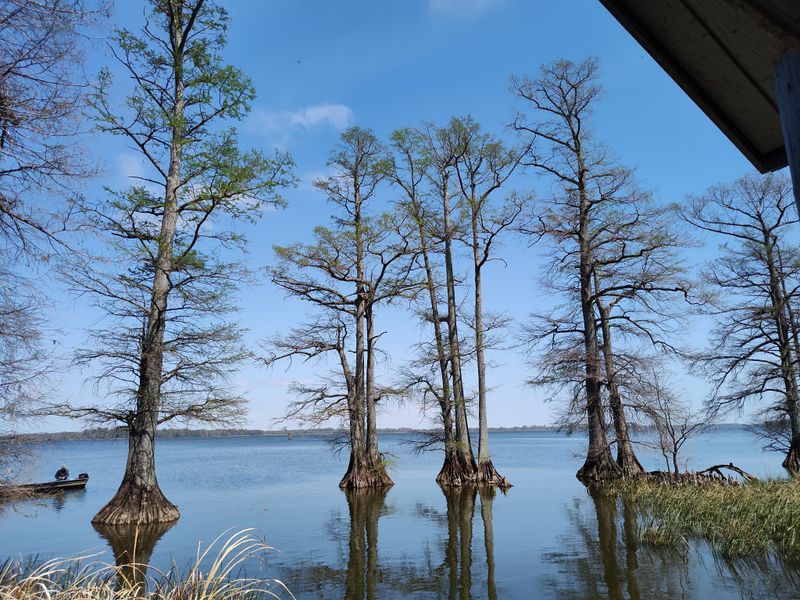
Born from disaster, Reelfoot Lake tells a story unlike any other body of water in Tennessee. The massive New Madrid earthquakes of 1811-1812 literally shook the ground so hard that the Mississippi River temporarily flowed backward, creating this shallow lake.
Today, ghostly bald cypress trees rise from the water, their knobby knees poking above the surface like wooden sculptures. Sunken forests create an eerie, beautiful landscape that photographers and nature lovers find irresistible. The lake serves as a crucial stopover for migrating birds, including thousands of bald eagles each winter.
6. The Cumberland Plateau’s Dramatic Gorges and Cliffs
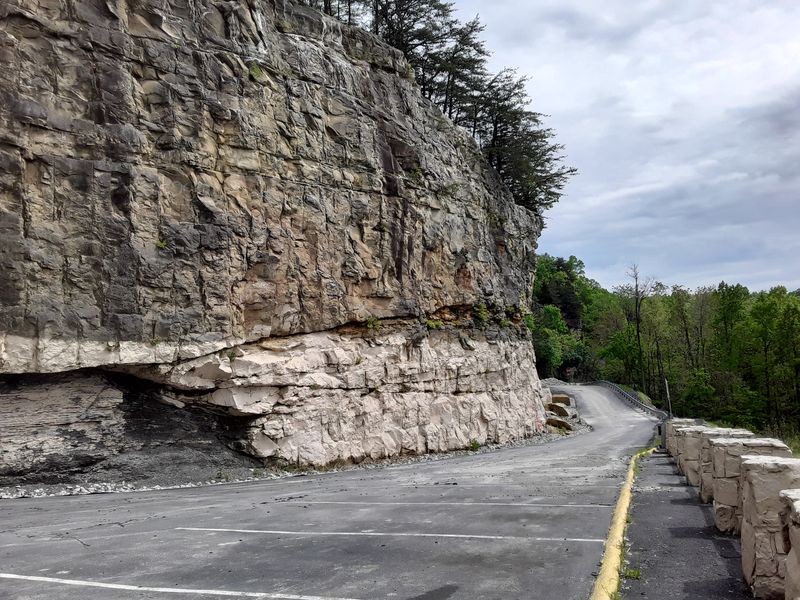
Rising abruptly from surrounding valleys, the Cumberland Plateau creates some of Tennessee’s most dramatic scenery. This elevated tableland, carved by rivers over millions of year,s features deep gorges, natural stone arches, and cliffs that seem to drop into infinity.
Hikers exploring places like Big South Fork or Savage Gulf discover landscapes that feel transported from the American West. Sandstone bluffs glow golden at sunset, while hidden waterfalls tumble into moss-covered grottos. Rock climbers tackle challenging routes on towering cliff faces.
The plateau’s unique geology supports rare plants and creates microclimates where cool mountain air meets warmer lowlands. It’s Tennessee’s own elevated wilderness, offering adventures you’d never expect in the Southeast.
7. Year-Round Wildflower Blooms in the Smokies
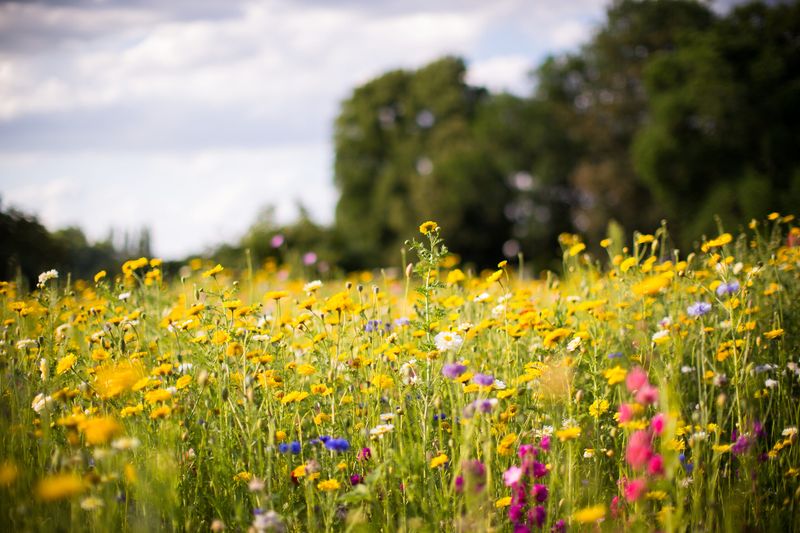
Most places get one wildflower season, but the Smoky Mountains keep blooming from March through October. Elevation changes of nearly 7,000 feet create a natural calendar where spring arrives at different times depending on altitude.
When trilliums and violets fade in the valleys, mountain laurel and rhododendron take over at higher elevations. By midsummer, fields of flame azalea paint hillsides orange and red. The park boasts over 1,500 flowering plant species, earning its nickname as the Wildflower National Park.
Spring wildflower pilgrimages have become a tradition for botanists and casual hikers alike. Each weekend brings different blooms, making every hike a new discovery.
8. Ice Formations on Frozen Waterfalls
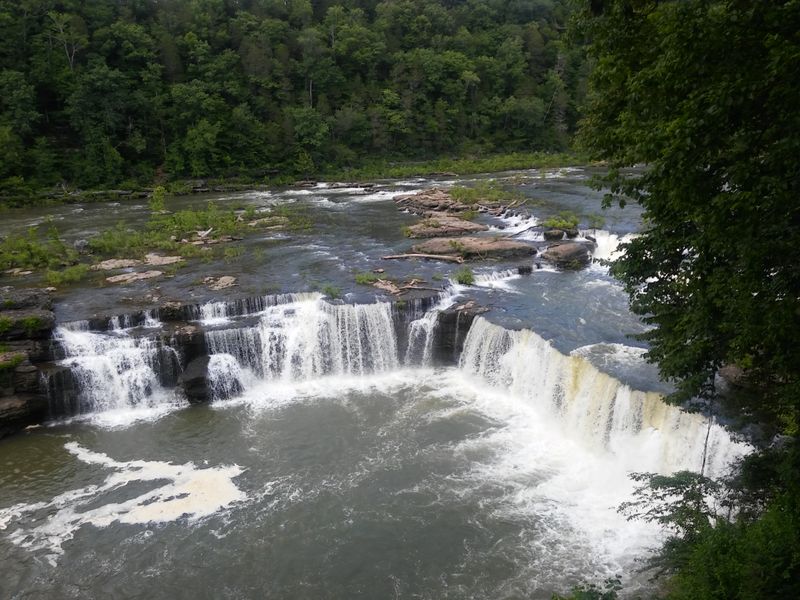
When winter’s coldest days grip Tennessee, something magical happens to the state’s waterfalls. Cascades that normally thunder with liquid power transform into massive sculptures of blue-white ice.
Fall Creek Falls, Rock Island, and other popular spots become winter wonderlands during rare deep freezes. Icicles grow into thick columns, and mist freezes mid-air, coating surrounding rocks and trees in crystal armor.
These formations don’t happen every year, making them even more special when they do. Timing a visit perfectly means watching sunrise light up towers of ice that may melt within days.
9. Black Bears Roaming Free in the Wild
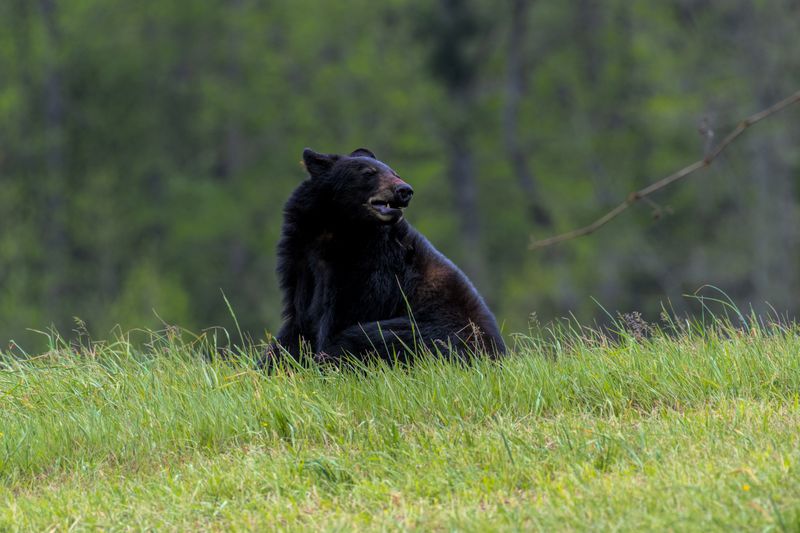
Tennessee offers some of the best black bear viewing opportunities in the eastern United States, with roughly 1,500 bears living in the Smoky Mountains alone. Unlike western grizzlies, these black bears have adapted to living near humans while maintaining their wild nature.
Early morning and evening hours in Cades Cove often reward patient visitors with bear sightings. You might see a mother teaching cubs to forage, or a lone bear munching on berries completely unbothered by your presence—from a safe distance, of course. Rangers emphasize keeping at least 150 feet away and never feeding wildlife.