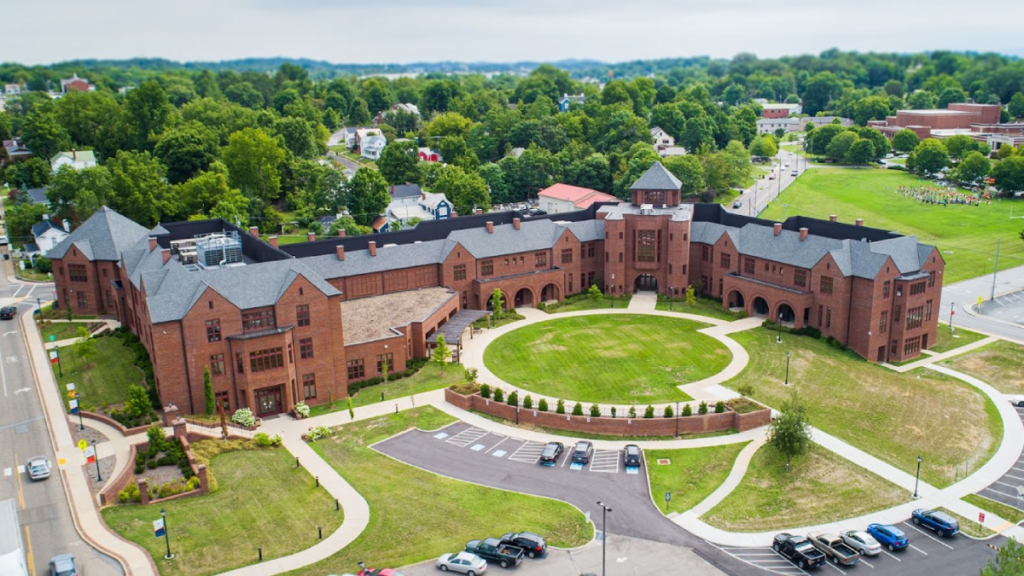
Tennessee holds stories that stretch back centuries, wrapped up in brick buildings, old battlefields, and town squares that have watched history unfold. From the Mississippi River to the Smoky Mountains, cities across the state guard tales of presidents, pioneers, soldiers, and everyday people who shaped America.
Walking through these places feels like flipping through a living history book, where every corner has something fascinating to share. Here are twelve Tennessee cities where the past comes alive in the most captivating ways.
1. Memphis
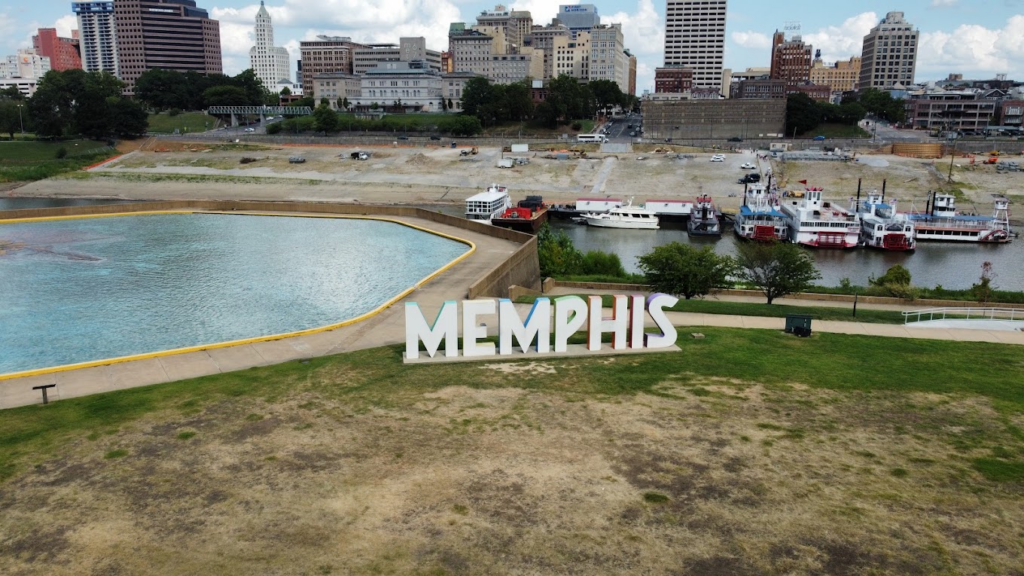
Memphis sits on the bluffs overlooking the Mississippi River, and its history runs as deep as the water below. This city witnessed the cotton trade boom, the Civil War, and the birth of rock and roll.
Graceland, Sun Studio, and the National Civil Rights Museum stand as monuments to moments that changed music and America forever. Beale Street hums with the ghosts of blues legends who once played in its smoky clubs. W.C. Handy made this street famous in the early 1900s, and the music never stopped.
Today, you can walk the same sidewalks where B.B.King and countless others shaped American sound.
The Lorraine Motel, now the Civil Rights Museum, preserves the site where Dr. Martin Luther King Jr. was assassinated in 1968. Standing there connects you to a pivotal chapter in the fight for justice.
The exhibits inside tell stories of courage, struggle, and progress that still resonate.
Victorian Village showcases stunning 19th-century mansions that survived when much of the city was demolished for urban renewal. The Mallory-Neely and Woodruff-Fontaine houses let you peek into how wealthy Memphians lived during the Gilded Age.
Original furnishings and detailed architecture make history feel touchable.
Memphis also played a crucial role during the Civil War as a strategic port and supply hub. Fort Pillow and other nearby sites remind visitors of the battles fought along the river.
The city’s layered past, from Native American settlements to modern civil rights history, makes it one of Tennessee’s richest historical destinations.
2. Jackson
Jackson grew up alongside the railroad, and trains still define much of its character. Casey Jones Village honors the legendary engineer who died trying to save his passengers in 1900.
The museum displays his actual locomotive and tells the story of railroad life in vivid detail.
Downtown Jackson features blocks of historic buildings that date back to the late 1800s. The old Carnegie Library, built in 1903, stands as a beautiful example of Classical Revival architecture.
Walking these streets feels like stepping into a postcard from another era.
The city played a significant role during the Civil War, changing hands multiple times between Union and Confederate forces. Battles raged nearby, and several historic markers point out where soldiers camped and fought.
The stories of occupation and resistance shaped Jackson’s identity for generations.
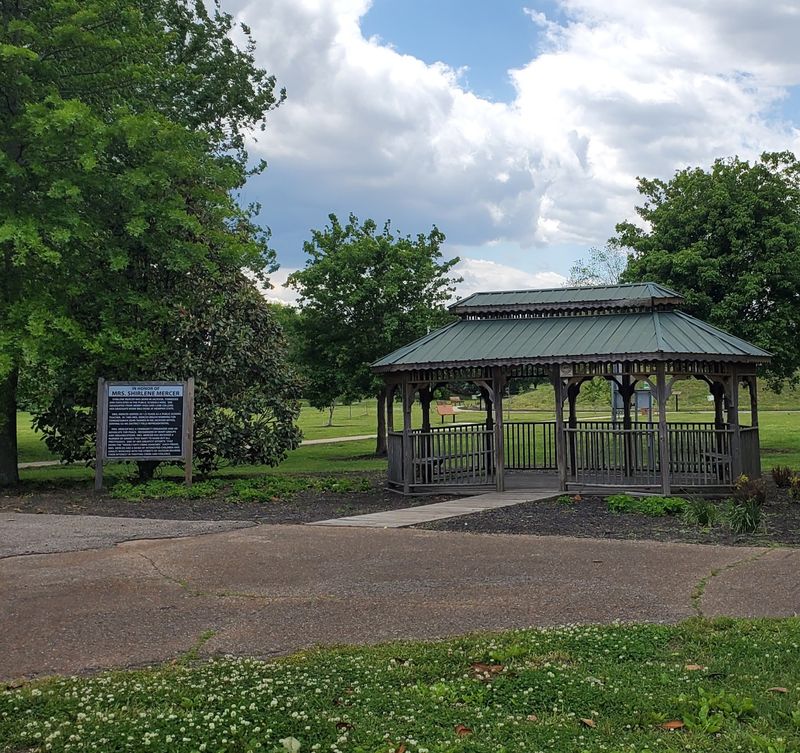
Electro Chalybeate Well Park might sound unusual, but it represents a quirky piece of local history. In the 1880s, people believed the mineral water here had healing powers, drawing visitors from across the region.
The gazebo and spring still stand, reminding folks of when Jackson tried to become a health resort destination.
Lane College, founded in 1882 by the Colored Methodist Episcopal Church, contributed greatly to African American education in West Tennessee. Its historic campus buildings tell stories of perseverance and achievement during difficult times.
The institution remains a vital part of Jackson’s community and heritage today, continuing its mission of providing quality education and preserving important cultural history.
3. Brownsville
Brownsville might be small, but its connection to major historical figures gives it outsized importance. Mindful Slate, the childhood home of Tina Turner, draws music fans who want to see where the Queen of Rock and Roll spent her early years.
The modest building speaks to humble beginnings before stardom.
The Haywood County Museum occupies the old post office building and packs impressive collections into its rooms. Civil War artifacts, Native American relics, and exhibits about local agriculture paint a complete picture of rural West Tennessee life.
Volunteers share stories passed down through generations.
College Hill Center preserves the campus of a women’s college that operated from 1851 to 1925. The Greek Revival buildings stand gracefully on a hill, reminding visitors of when higher education for women was rare and revolutionary.
Walking the grounds feels peaceful and reflective.
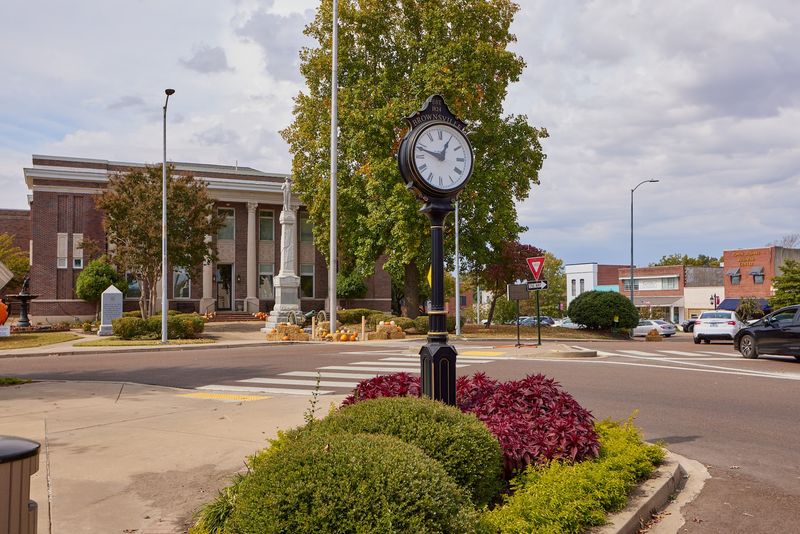
Brownsville’s town square maintains its 19th-century charm with original storefronts and a classic courthouse at its center. Local businesses still operate in buildings that have served the community for over a century.
The square hosts festivals and gatherings much like it did generations ago.
Dunbar Cave State Park lies just outside town, where Native Americans created petroglyphs thousands of years ago. Later, the cave became a venue for big band concerts in the 1930s and 40s, attracting famous performers.
The combination of ancient art and swing-era history makes this spot uniquely layered and absolutely worth exploring for anyone interested in Tennessee’s diverse past.
4. Clarksville
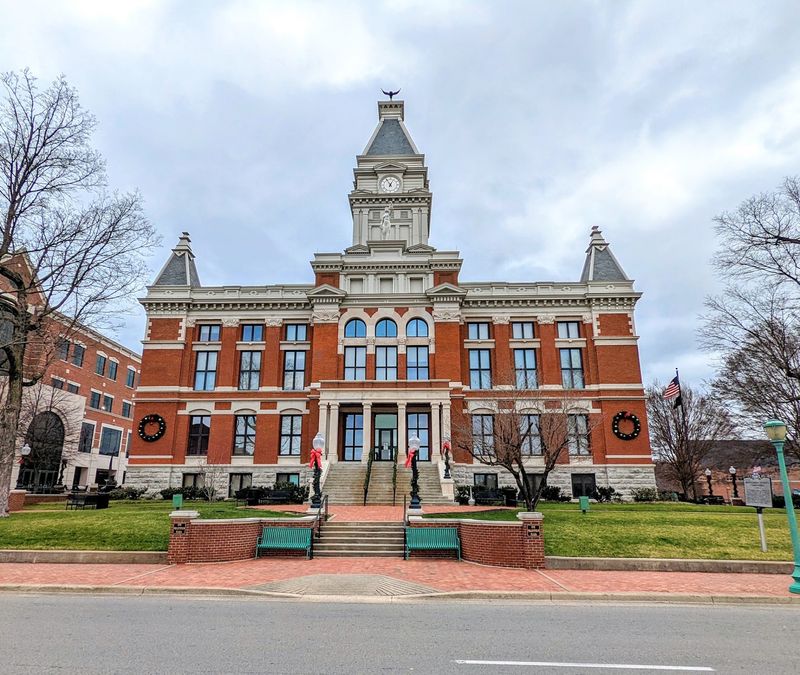
Clarksville stands where the Red River meets the Cumberland, a strategic spot that made it important long before the 101st Airborne moved to nearby Fort Campbell. The city’s history stretches back to 1784, making it one of Tennessee’s oldest incorporated cities.
Early settlers built log cabins that eventually gave way to elegant antebellum homes.
Fort Defiance towers above the rivers on high bluffs, offering stunning views and serious history lessons. Confederate soldiers built these earthwork fortifications in 1861 to defend against Union gunboats.
You can still walk the trenches and imagine what those young men faced during the Civil War’s bitter conflicts.
The Customs House Museum occupies a building constructed in 1898 as a federal post office and customs house. Its Romanesque Revival architecture impresses immediately, with stone arches and detailed craftsmanship.
Inside, exhibits cover everything from local history to fine art, making it a cultural hub for the region.
Smith-Trahern Mansion represents the wealth and style of Clarksville’s tobacco-trading elite in the 1850s. The Italianate villa sits surrounded by gardens and features original furnishings that survived the Civil War.
Guided tours reveal stories of the families who lived there and the enslaved people who worked the property.
Downtown Clarksville preserves dozens of historic commercial buildings along Main Street and Public Square. Many date to the late 1800s and early 1900s when tobacco money flowed freely.
Today, restaurants and shops occupy these spaces, keeping the downtown alive while respecting its architectural heritage and continuing to serve as the heart of community life.
5. Nashville
Nashville earned its nickname “Music City” through decades of country legends, but its history goes way beyond honky-tonks. The city served as a major river port and railroad hub, growing wealthy from trade and industry.
Greek Revival buildings downtown reflect the prosperity and ambition of 19th-century Nashville.
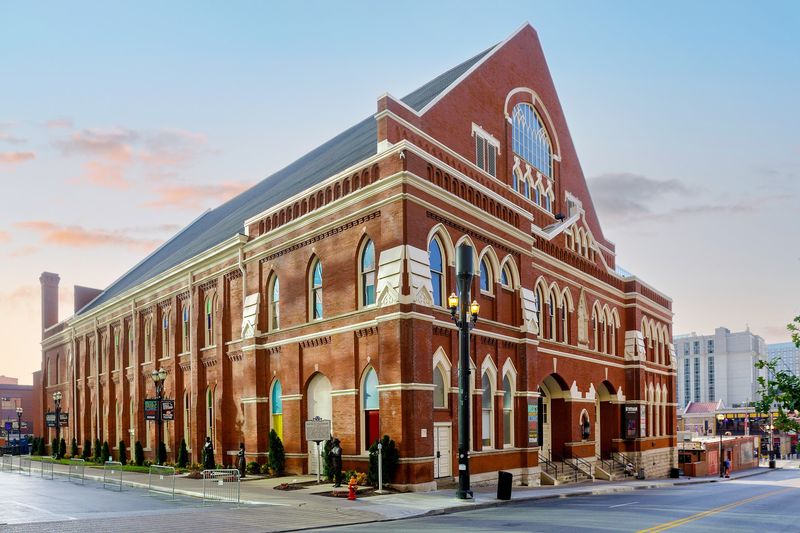
The Ryman Auditorium started life in 1892 as a gospel tabernacle before becoming home to the Grand Ole Opry. Its wooden pews and incredible acoustics hosted everyone from Hank Williams to Johnny Cash.
Standing on that stage or sitting in the audience connects you directly to country music’s most important moments.
The Tennessee State Capitol, completed in 1859, sits high on a hill overlooking downtown. Architect William Strickland designed this Greek Revival masterpiece and is actually buried in its walls.
President James K. Polk and his wife are also entombed on the grounds, making it both a working government building and a monument.
Fort Nashborough reconstructs the original 1780 settlement that became Nashville. The log fort shows how pioneers lived along the Cumberland River, facing constant threats from weather, disease, and conflict. It’s a stark reminder of how tough life was for Tennessee’s earliest European settlers.
The Hermitage, Andrew Jackson’s plantation home, sits just outside the city and tells complicated stories about the seventh president. The mansion, gardens, and grounds are beautifully preserved, but so are the slave cabins and burial ground.
Tours tackle the difficult history honestly, showing both Jackson’s influence and the enslaved people whose labor built his wealth and legacy.
6. Franklin
Franklin’s downtown looks almost too perfect, like a movie set of an ideal Southern town. But the history here runs deep and sometimes dark, especially from the Battle of Franklin in 1864.
That single afternoon produced some of the Civil War’s bloodiest fighting, with thousands of casualties in just five hours.
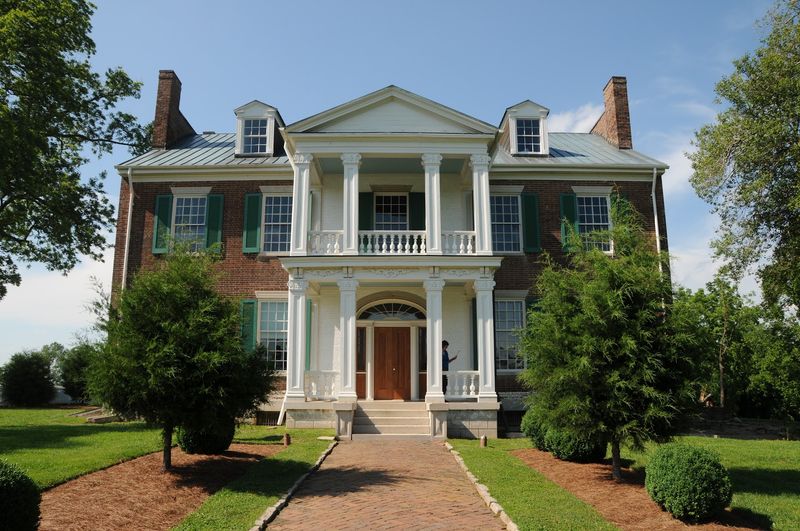
Carter House stands in the middle of what was the battlefield, its walls still pocked with bullet holes. The Carter family huddled in their basement while soldiers fought literally in their yard.
Today, the house serves as a museum where you can see the damage and hear stories of unimaginable chaos.
Carnton Plantation served as a field hospital after the battle, with blood staining the floors as surgeons worked through the night. Four Confederate generals lay in state on the back porch, and nearly 1,500 soldiers are buried in the adjacent cemetery.
Walking these grounds brings the human cost of war into sharp focus.
Beyond the Civil War, Franklin preserves beautiful antebellum and Victorian architecture throughout its downtown. The 1859 Williamson County Courthouse anchors the square, surrounded by shops in buildings that housed businesses for over a century.
The town successfully balanced preservation with growth, keeping its character intact.
Lotz House Museum offers a different perspective on the battle, focusing on a German immigrant family’s experience. The house took heavy damage during the fighting, and the family’s story represents thousands of civilians caught in war’s path.
Their craftsmanship and resilience shine through in the restored building and its fascinating collection of period furniture and musical instruments.
7. Columbia
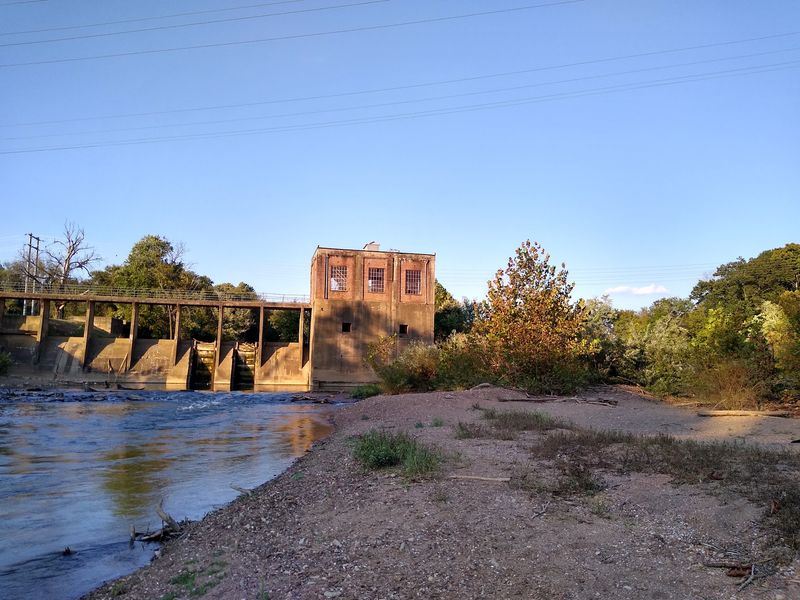
Columbia calls itself the “Mule Capital of the World,” which might sound funny until you learn how important mules were to Southern agriculture. The annual Mule Day celebration has happened since 1840, making it one of Tennessee’s oldest continuous festivals.
But Columbia’s historical significance goes far beyond livestock.
James K. Polk grew up here before becoming the 11th president, and his ancestral home still stands downtown. The Federal-style house displays original furnishings and personal items from the Polk family. Guides explain how this modest home in Middle Tennessee produced a president who expanded America’s territory dramatically.
Athenaeum Rectory represents Columbia’s commitment to education in the 1800s. This Moorish Revival building served as the rectory for a girls’ school that operated before the Civil War.
The unique architecture, with its Gothic and Moorish elements, makes it unlike anything else in Tennessee.
The town played a significant role in African American history as well. Several historic churches and neighborhoods tell stories of freed slaves building communities after the Civil War.
The Ninth Street Historic District preserves buildings that housed Black-owned businesses and institutions during segregation.
Downtown Columbia maintains blocks of 19th-century commercial buildings, many constructed after a fire destroyed much of the town in 1860. The quick rebuilding shows the determination of Columbia’s citizens.
Today, antique shops and local businesses keep these historic structures active and relevant, continuing their commercial purpose while honoring their past and preserving architectural details that make the downtown district special.
8. Murfreesboro
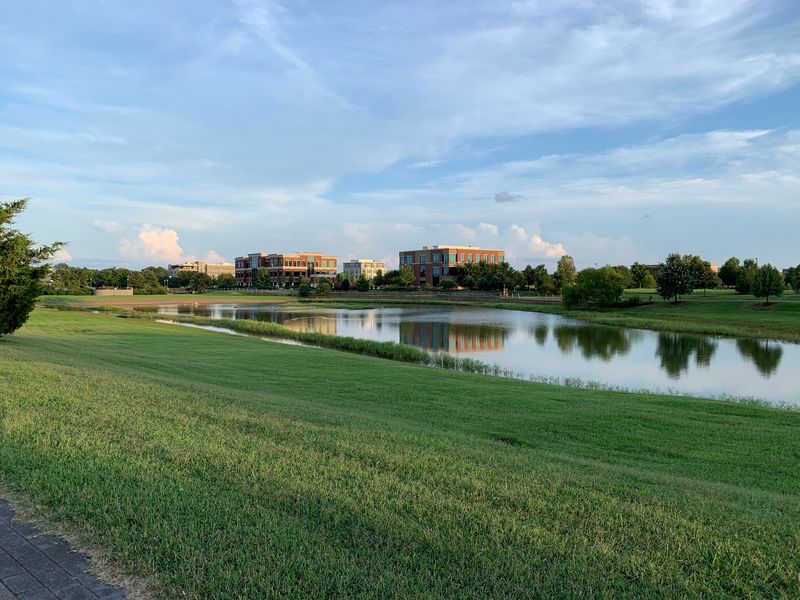
Murfreesboro briefly served as Tennessee’s capital from 1818 to 1826, leaving behind impressive government buildings for such a young state. The old courthouse still stands downtown, a reminder of when this was Tennessee’s political center.
That status brought wealth and importance that shaped the city’s early development.
Stones River National Battlefield preserves the site of one of the Civil War’s most significant Western Theater battles. Nearly 25,000 men were killed, wounded, or went missing during the brutal winter fight of 1862-63.
Walking the fields and visiting the national cemetery helps visitors understand the scale of sacrifice.
Oaklands Mansion shows how wealthy Middle Tennesseans lived before the war changed everything. The Italianate house started as a simple brick home and grew over decades into an elegant estate.
During the Civil War, both Confederate and Union officers used it as headquarters at different times.
Cannonsburgh Village recreates a pioneer settlement with over 20 historic buildings moved from around the county. A working gristmill, one-room schoolhouse, and log cabins show daily life in the 1800s.
Costumed interpreters demonstrate crafts and skills that modern people have mostly forgotten.
Bradley Academy Museum tells the important story of African American education in Rutherford County. The school operated from 1806 to 1955, educating both enslaved and free Black children before the Civil War, then continuing through segregation.
The building now houses exhibits about the students, teachers, and families who valued education despite facing enormous obstacles and discrimination throughout generations of struggle and achievement.
9. Chattanooga
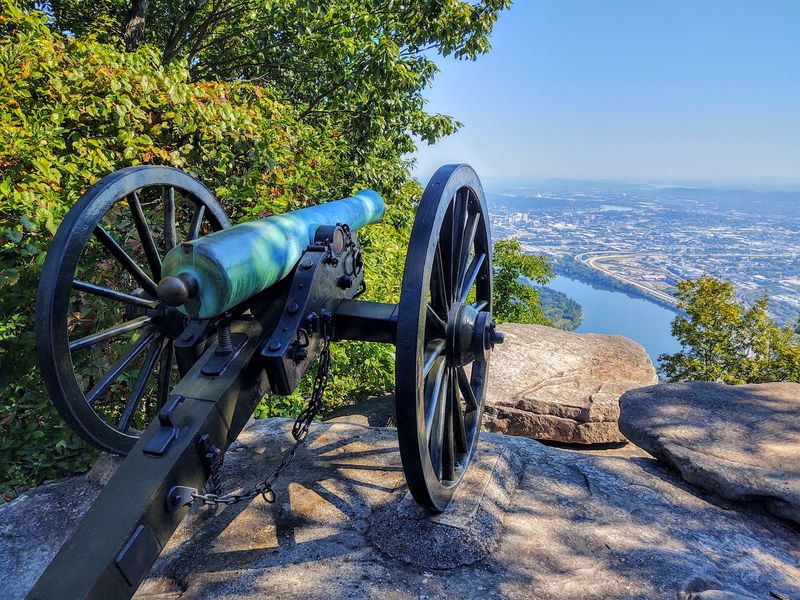
Chattanooga sits in a natural bowl surrounded by mountains, which made it a strategic prize during the Civil War. The battles fought here in 1863 were crucial to the Union’s eventual victory.
Lookout Mountain, Signal Mountain, and Missionary Ridge all saw fierce fighting that you can still explore today.
Point Park on Lookout Mountain offers incredible views and serious history lessons. The “Battle Above the Clouds” happened here when Union forces scaled the steep slopes in fog. Walking the trails and reading the markers brings that November day back to life.
Chattanooga National Cemetery holds thousands of Union soldiers, many unknown, in neat rows on a hillside. The cemetery was established right after the war ended, making it one of the first national cemeteries.
The sheer number of graves drives home the human cost of those mountain battles.
The Walnut Street Bridge, built in 1891, was one of the first non-military bridges across the Tennessee River. Today it’s a pedestrian bridge connecting downtown to the North Shore, but it represents Chattanooga’s industrial growth after the war.
The city rebuilt itself as a manufacturing center, earning the nickname “Dynamo of Dixie.”
The Hunter Museum of American Art occupies a 1904 Classical Revival mansion on a bluff above the river. The building itself tells stories of Chattanooga’s wealthy families who made fortunes in textiles and iron.
Modern additions respect the historic structure while expanding gallery space, creating a perfect blend of old and new that reflects the city’s evolution over more than a century.
10. Knoxville
Knoxville served as Tennessee’s first capital from 1796 to 1812, giving it deep political roots. The city sits where the Holston and French Broad rivers form the Tennessee River, making it a natural gathering place for centuries.
Cherokee villages stood here long before European settlers arrived in the 1780s.
Blount Mansion, built in 1792, was home to William Blount, territorial governor and signer of the Constitution. This modest frame house was actually quite impressive for frontier Tennessee. Today it’s a museum where you can see how territorial leaders lived and worked to create a new state.
James White Fort recreates the original 1786 settlement that became Knoxville. The log buildings show how dangerous and difficult frontier life was, with constant threats from both nature and conflict.
Costumed interpreters demonstrate daily tasks and explain the fort’s role in Tennessee’s early history.
The East Tennessee History Center downtown houses extensive exhibits about the region’s complex past. Knoxville remained strongly Unionist during the Civil War, unlike much of Tennessee, creating bitter divisions.
The museum doesn’t shy away from difficult topics like slavery, occupation, and the violence that tore communities apart.
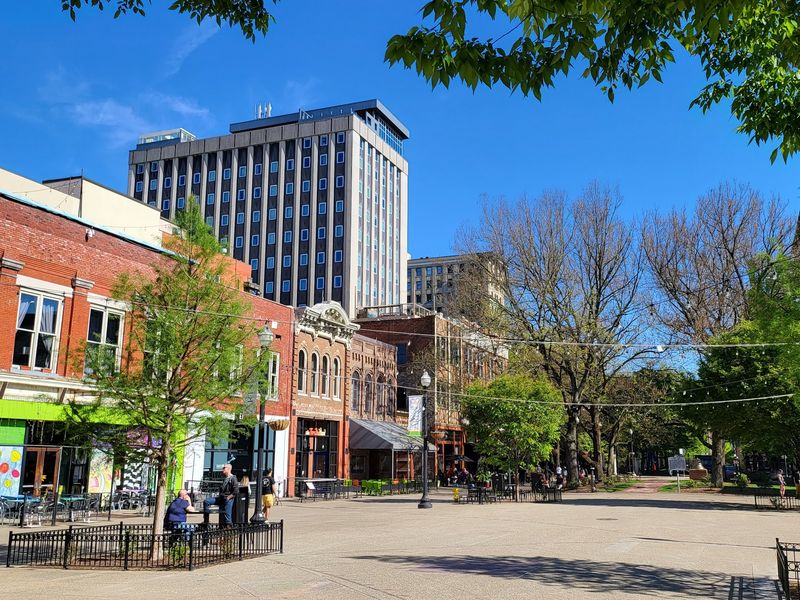
Market Square has served as Knoxville’s commercial heart since the 1850s. The buildings surrounding it date mostly from the late 1800s and early 1900s, surviving urban renewal that demolished much of downtown.
Today it’s a lively gathering spot where locals and visitors enjoy restaurants and events in a setting that honors the city’s mercantile heritage and continues its tradition as a community gathering place.
11. Greeneville
Greeneville holds the distinction of being Andrew Johnson’s hometown, and his presence shaped the town’s identity completely. The 17th president started as a tailor here before entering politics and eventually becoming president after Lincoln’s assassination.
His tailor shop, home, and grave are all preserved as a National Historic Site.
Johnson’s story fascinates because he never attended school and his wife taught him to write. He literally worked his way from poverty to the presidency, making him a true self-made man.
The tailor shop shows where he spent his days making clothes while teaching himself law and politics.
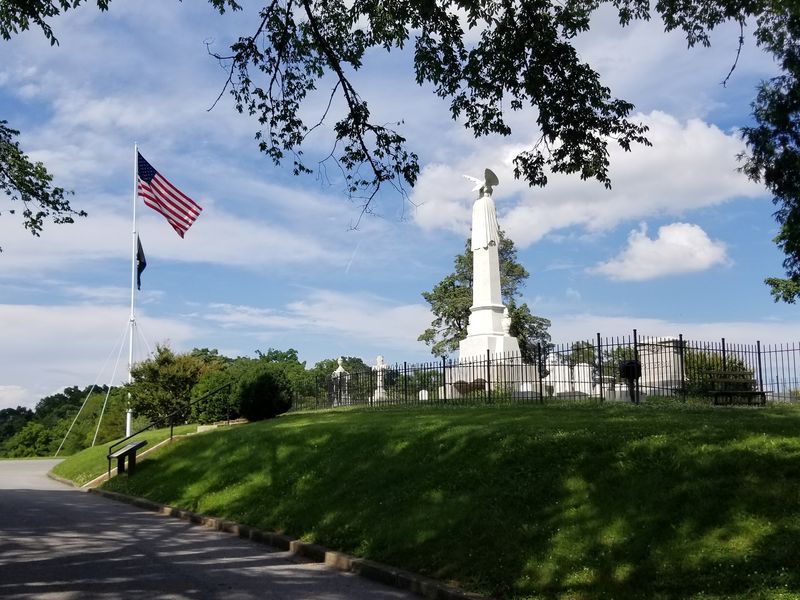
The Andrew Johnson National Cemetery sits on a hill overlooking the town, with the president’s grave marked by a tall monument topped with an eagle. Standing there offers views across the valley and reflection on Johnson’s complicated legacy.
His presidency was turbulent, marked by impeachment and Reconstruction battles.
Greeneville’s downtown retains many buildings from the 1800s, when it was an important commercial center for East Tennessee. The Greene County Courthouse, built in 1915, anchors the square with its Classical Revival architecture.
Shops and businesses still operate in historic storefronts that have served the community for generations.
Dickson-Williams Mansion represents the wealth some Greeneville families achieved through land and commerce. Built in 1821, the Federal-style house features period furnishings and tells stories of the Williams family who lived there for decades.
The mansion survived the Civil War despite Greeneville changing hands multiple times, preserving an important piece of the town’s antebellum heritage.
12. Jonesborough
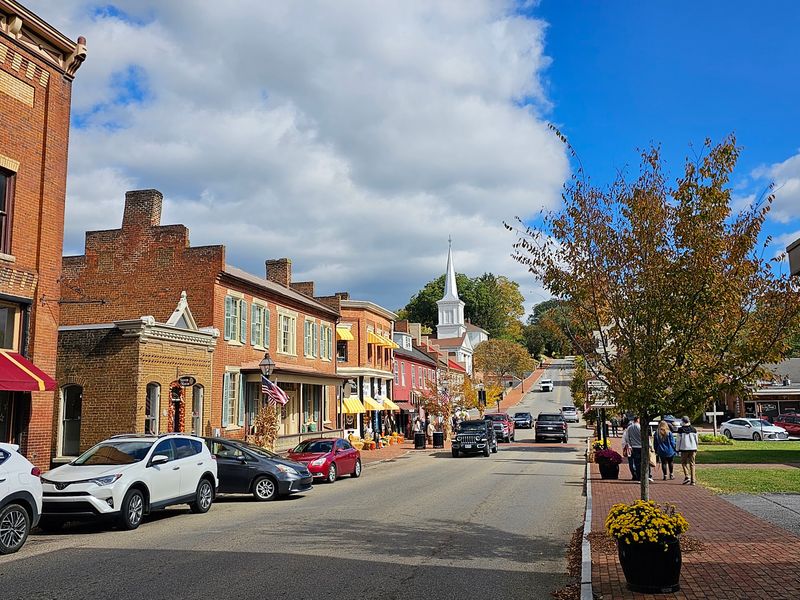
Jonesborough earned bragging rights as Tennessee’s oldest town, established in 1779 even before Tennessee became a state. Walking down Main Street feels like time travel, with buildings dating back to the late 1700s lining both sides.
The town takes preservation seriously, protecting its architectural heritage with strict guidelines.
The Chester Inn, built around 1797, hosted three presidents: Andrew Jackson, James K. Polk, and Andrew Johnson. This simple brick building served as a stagecoach stop when Jonesborough was a major road junction. Today it houses the visitor center and storytelling museum, fitting for the town that launched the National Storytelling Festival.
The Washington County Courthouse has stood on the same spot since 1779, though the current building dates to 1913. Court sessions here shaped early Tennessee law and politics.
The building’s classical design and prominent location show how important county government was to rural communities.
Jonesborough played a surprising role in early Tennessee independence movements. In 1784, frustrated settlers briefly created the State of Franklin, an independent state that existed for four years.
Though Franklin ultimately failed, it showed the frontier spirit and independent streak that still defines East Tennessee.
The town’s connection to storytelling started in 1973 when the National Storytelling Festival began here. Now thousands of visitors come each October to hear traditional tales and modern stories.
This cultural tradition fits perfectly with Jonesborough’s historic character, as oral history has always been important in Appalachian culture, preserving memories and lessons across generations through spoken word rather than written text.
Share this story