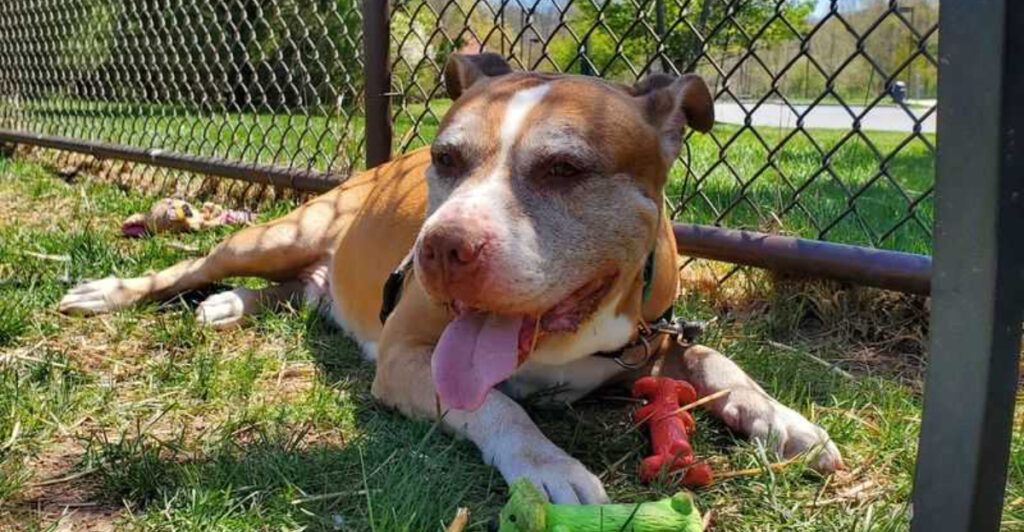
A dog trots into the meet-and-greet room, investigates three chairs, accepts a treat, and then settles beside the person who may take him home. Across the hall, a cat watches from a perch before deciding whether today is the day she trusts a new hand.
These small moments happen every day at SAVE, A Friend to Homeless Animals, an independent nonprofit shelter in Skillman that has served the greater Princeton area since 1941.
What began with one trailblazing veterinarian on a Princeton farm has grown into the region’s largest companion-animal shelter, with room for approximately 75 cats and 25 dogs.
Yet its purpose remains remarkably unchanged. SAVE rescues homeless animals, provides medical treatment and rehabilitation, and gives each one time to become ready for a permanent family.
More than eight decades after its founding, the organization still runs on the same stubbornly hopeful idea that no animal’s story should end simply because it lost its home.
SAVE Has Been Protecting Homeless Pets Since 1941
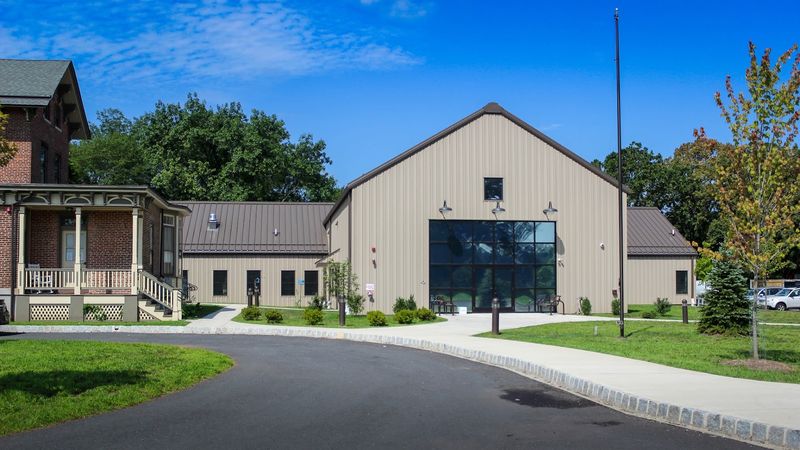
Long before pet adoption became a big community topic, SAVE was already doing the quiet, steady work of helping homeless animals in New Jersey. That kind of staying power says a lot about the shelter’s place in local life.
Since 1941, the organization has built a reputation around care, patience, and second chances for cats and dogs that need a safe place. For readers, the most meaningful part is simple: a shelter that lasts this long usually earns trust one animal at a time.
History like that also gives people confidence when they want to adopt, volunteer, or donate. A longtime shelter often learns what works, from easing scared pets into new routines to helping families understand the responsibility that comes with bringing home an animal.
There is also something comforting about a mission that has stayed relevant across generations. Grandparents, parents, and kids can all connect to the same idea: that every pet deserves food, safety, kindness, and the chance to be loved again.
Pioneering Veterinarian Cornelia Jaynes Started a Lasting Legacy
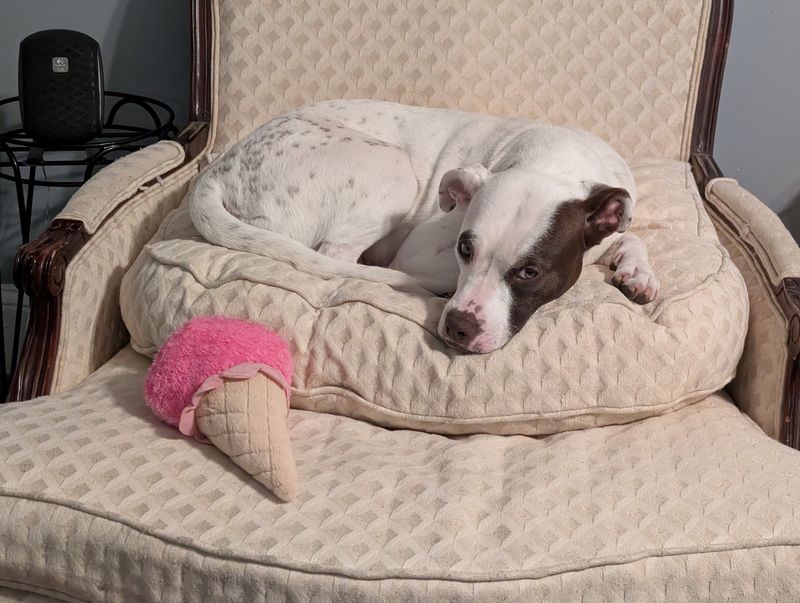
Every great community institution usually starts with one person who refuses to look away, and Cornelia Jaynes fits that picture beautifully. Her role in the shelter’s early story gives SAVE a strong sense of purpose that still feels personal.
As a veterinarian, she brought more than compassion to the mission. She likely understood that homeless pets need both medical help and human understanding, a combination that can turn fear into trust and make recovery possible.
That legacy matters because shelters are not only about finding homes. They are also about building standards of care, treating animals with dignity, and showing a community that rescue work should be thoughtful, skilled, and steady.
Readers can take something useful from that history today. When choosing a shelter to support, it helps to look for roots, leadership, and a clear mission.
A founder with vision often shapes an organization for decades, and that kind of influence can still be felt in everyday routines, adoption choices, and the way animals are welcomed.
A Modern Skillman Shelter Gives Cats and Dogs Room to Heal
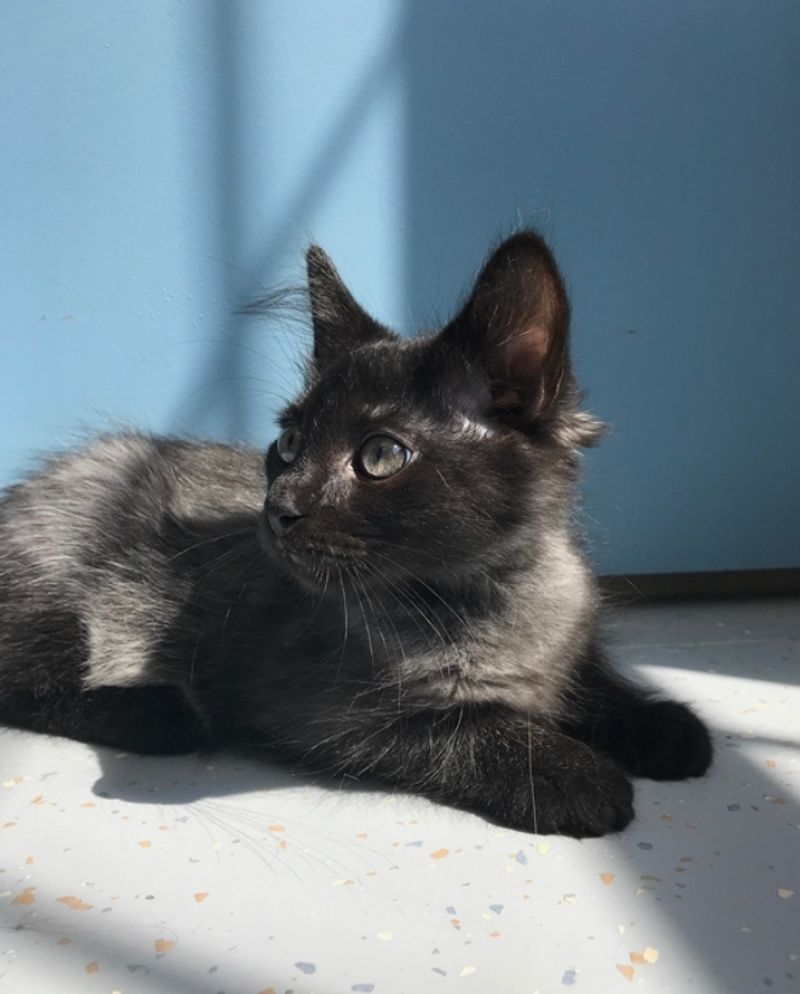
A shelter building can change the whole mood for an animal, especially one arriving scared, tired, or confused. Clean rooms, quiet corners, and smart layouts may seem ordinary to people, but to pets they can feel like a giant exhale.
A modern facility in Skillman suggests more than fresh paint or newer floors. It points to practical design choices that help cats and dogs rest, eat, recover, and slowly adjust while staff learns about their behavior and needs.
Space matters in ways many visitors do not notice at first. Separate areas can reduce stress, limit noise, and give animals a better shot at showing their real personalities instead of reacting only to the chaos around them.
That is helpful for adopters too. When pets have room to settle, people can better see whether a dog is playful or mellow, or whether a cat prefers attention or extra time.
Good shelter spaces support healing, but they also make better matches possible, which can lead to happier homes and fewer returns later on.
Rescue and Veterinary Care Prepare Every Animal for a Fresh Start
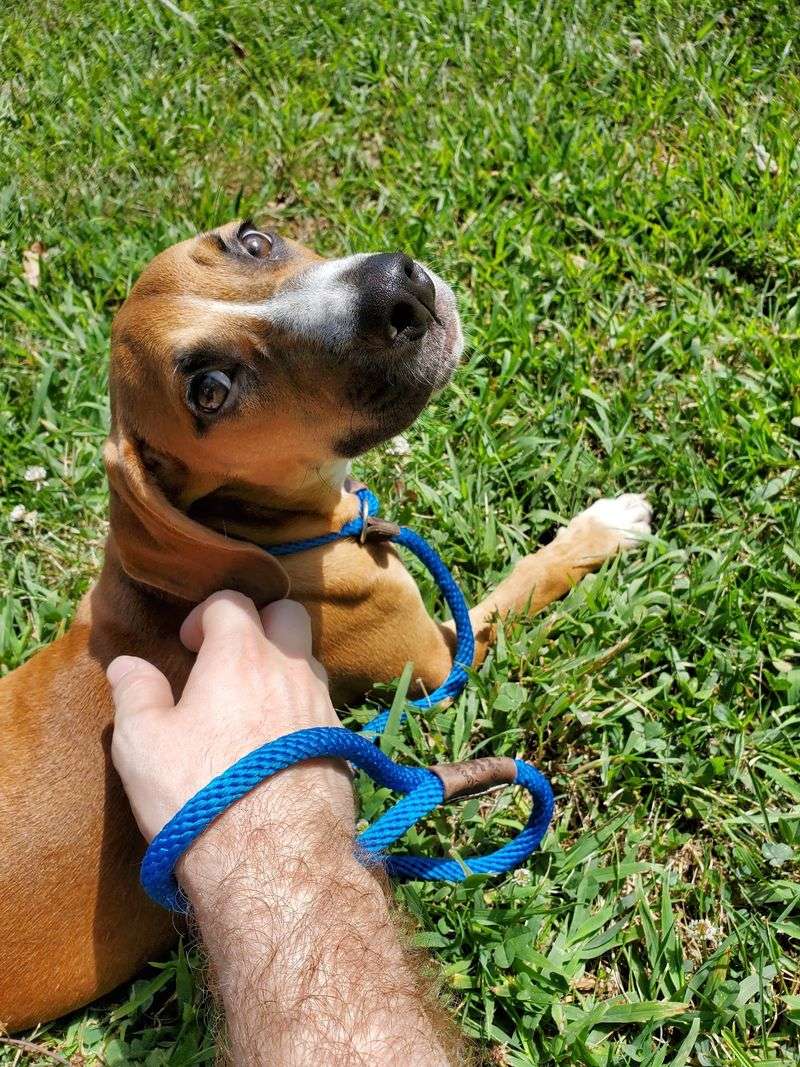
Second chances usually begin with small steps, like a full meal, a clean blanket, and a careful health check. Before any pet is ready for a new home, rescue work and veterinary care help create a safer starting line.
That process can include basic exams, watching for signs of stress, and treating issues that might make an animal uncomfortable or hard to place. It also gives staff time to notice habits, energy levels, and triggers that future adopters should understand.
Good care is not only medical. It can mean helping a shy cat get used to gentle touch or giving a bouncy dog structure and routine.
Those early days often shape how quickly a pet relaxes and begins trusting people again.
For families, this preparation is a major plus. A shelter that pays attention before adoption can share clearer guidance about each animal’s needs.
That makes the first weeks at home less confusing and more successful. Fresh starts are exciting, but they work best when hope is backed by patience, honest evaluation, and everyday care that meets pets where they are.
Thoughtful Adoption Matches Help Pets Find the Right Families
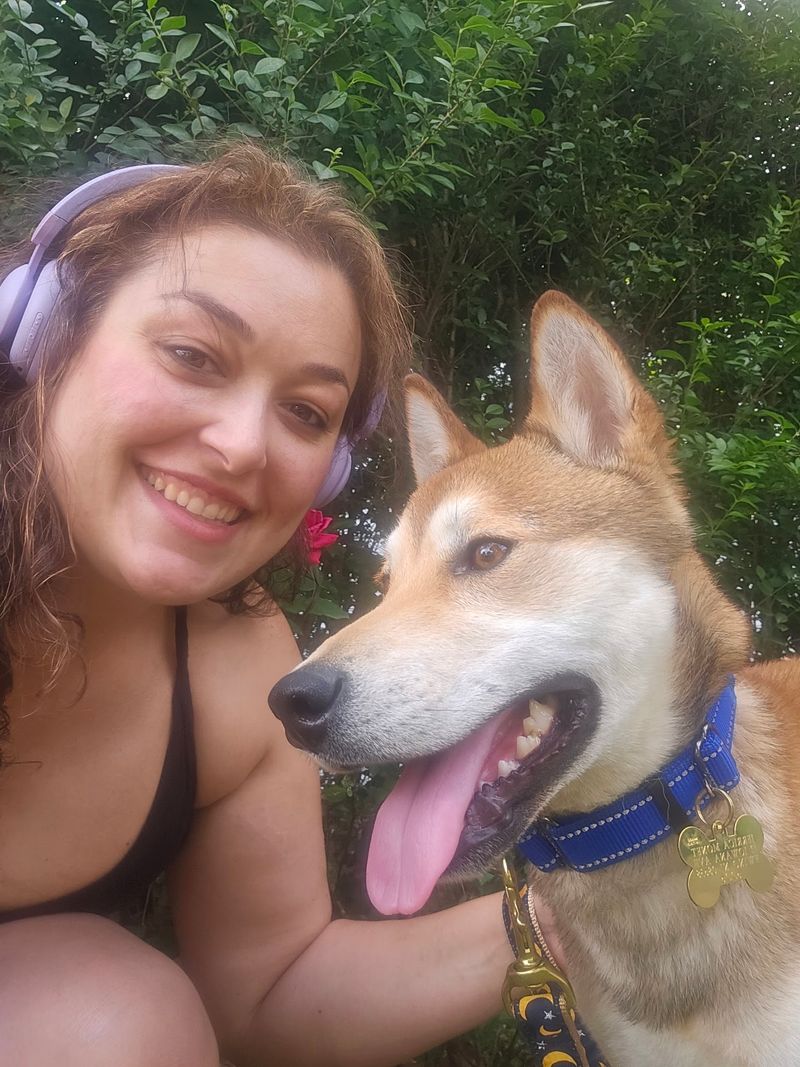
Picking a pet is exciting, but the best adoptions are usually less like shopping and more like matchmaking. A thoughtful shelter looks beyond cute faces and helps families think about daily routines, space, patience, and personality fit.
That approach protects both people and animals. An energetic dog may need long walks and training time, while a reserved cat may do better in a calmer home.
Honest conversations upfront can prevent stress later and make the adjustment smoother for everyone.
Good matching also respects the pet’s side of the story. Some animals bounce into any room as if they own it.
Others need slower introductions, quieter households, or adopters who understand that trust can take time to build.
Readers can use that idea anywhere they adopt. Ask practical questions, listen carefully, and be realistic about your schedule and budget.
The goal is not simply taking a pet home fast. The goal is building a lasting bond that works on ordinary weekdays, noisy weekends, and all the little moments in between.
That is where successful adoptions truly shine.
Volunteers, Fosters, and Donors Keep the Lifesaving Mission Going
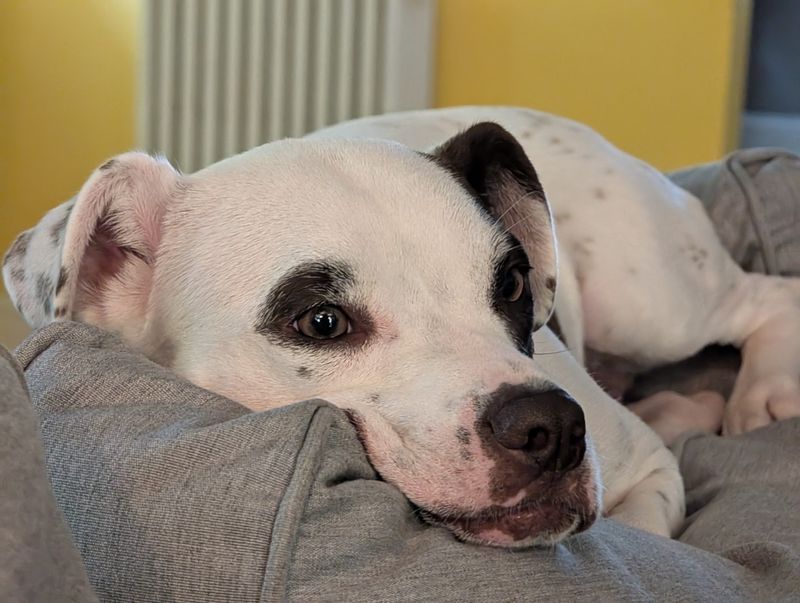
No shelter runs on heart alone, and that is where the community steps in. Volunteers, foster families, and donors each handle a different piece of the mission, turning kindness into real help that animals can actually feel.
Volunteers often bring energy and extra hands for daily tasks, from exercise and social time to cleaning and basic support. Foster homes can give pets a quieter place to decompress, which may be especially useful for young, shy, or recovering animals.
Donors keep essential work moving too. Food, medical care, supplies, and building upkeep all cost money, and steady support helps shelters plan better instead of constantly scrambling to cover immediate needs.
There is a nice lesson here for readers who want to help but are unsure where to start. Not everyone can adopt, and not everyone can give the same amount of time or money.
That is okay. A few hours, a bag of supplies, a short foster stay, or a donation during a busy season can all make a difference.
Lifesaving work often looks like teamwork, not one grand gesture.