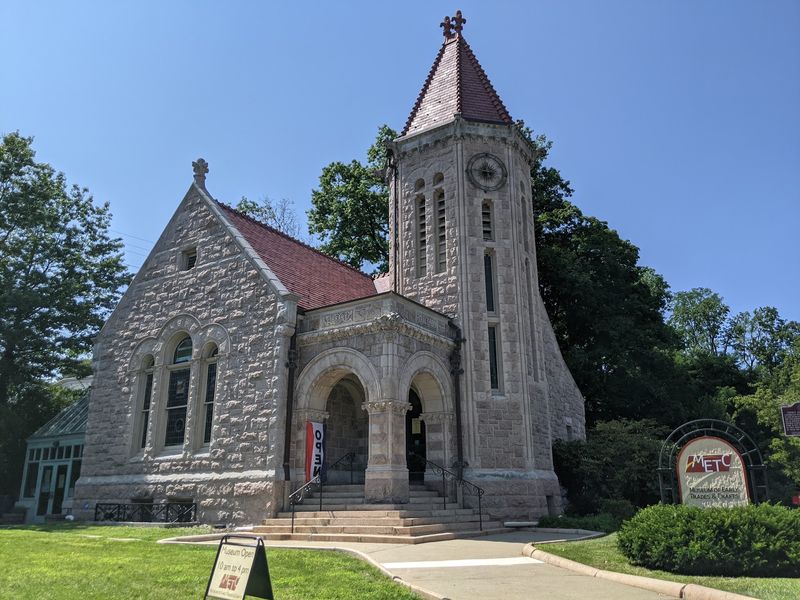
A stone tower rises above downtown Madison, its clock watching over Main Street while massive arches frame an entrance marked with two wonderfully democratic words: “Free to All.”
From the sidewalk, the building could pass for a miniature fortress, an old European guild hall, or the setting for a particularly bookish fairy tale. It was, in fact, built as a public library.
Today, those storybook rooms hold a different kind of story. The Museum of Early Trades and Crafts fills the former James Library with the tools, objects, and hard-earned skills that shaped everyday life before factories took over.
Wooden planes, blacksmithing equipment, shoemaking tools, textiles, pottery, and household goods reveal just how much labor once went into an ordinary chair, barrel, boot, or farm implement. The setting makes the experience even better.
Here, New Jersey’s working history unfolds beneath stained glass, stone vaults, carved woodwork, and ceilings grand enough to make a humble hammer look almost royal.
The Museum of Early Trades and Crafts Brings New Jersey History to Downtown Madison
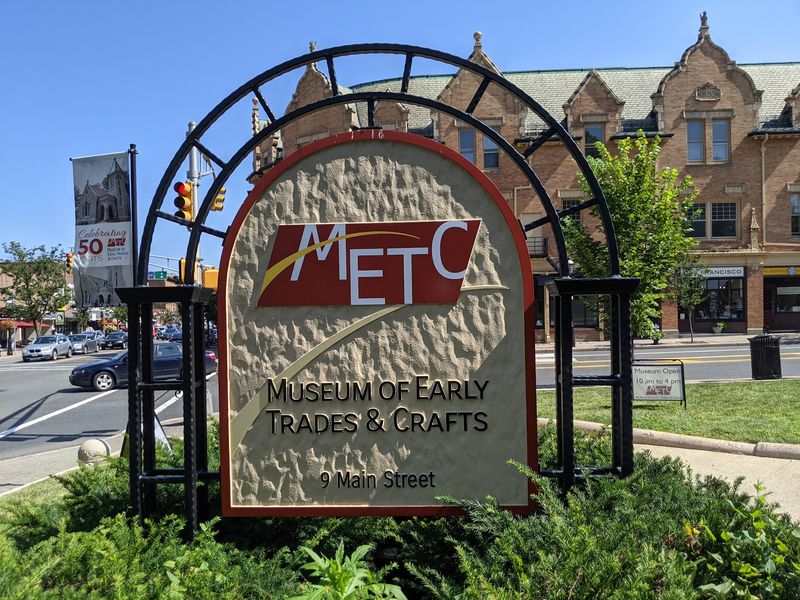
Walking through downtown Madison feels more interesting when one building helps explain the whole neighborhood.
Rather than serving up history as a dry timeline, the museum links local streets, homes, and businesses to handmade objects that show how people in New Jersey once lived and worked.
That local focus gives the museum its spark. Visitors are not just looking at old things behind glass.
They are seeing clues about trade, skill, and community life, which makes Madison feel less like a pretty stop on a map and more like a living chapter.
If you are planning a visit, give yourself time to notice the town outside too. Grab a snack nearby, look at the storefronts, and imagine wagons, workshops, and busy makers filling the area.
The museum works best when you connect the exhibits to the place around them.
By the time you leave, downtown Madison can feel stitched together in a new way. The museum does more than preserve artifacts.
It shows how everyday labor built a town, and why local history still belongs in the middle of life.
A Former Public Library Gives the Museum Its Castle-Like Home
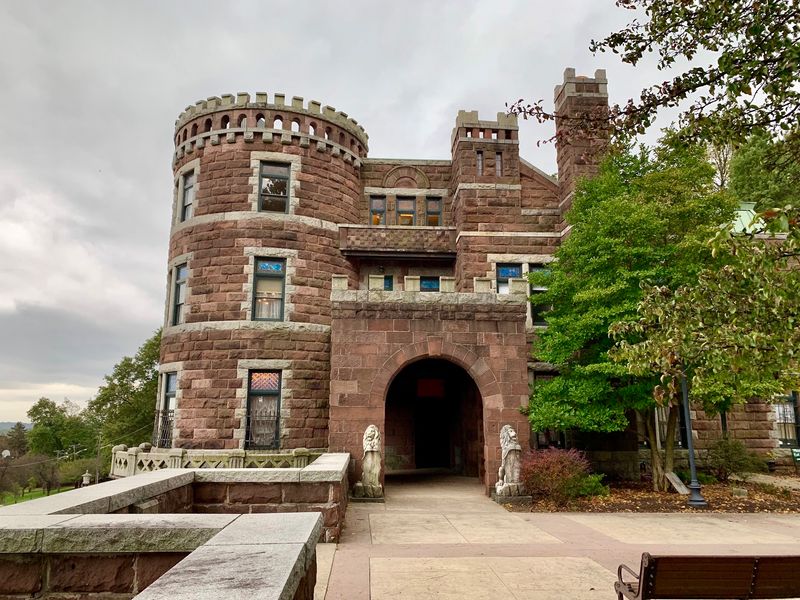
First impressions matter, and this museum gets a memorable one before you even reach the door. Housed in a former public library, the building brings its own story to the visit.
You are not entering a plain box. You are stepping into architecture with personality and age.
Old library spaces often carry a calm, thoughtful mood, and that feeling fits a history museum perfectly. Rooms meant for reading now encourage close looking instead.
That switch is part of the fun because knowledge still fills the space only through objects, textures, and design.
The castle-like look also helps younger visitors feel curious right away. A building with unusual shapes and details can turn a regular museum trip into something closer to an adventure.
Even adults tend to slow down, glance upward, and notice features they might ignore elsewhere.
Try pausing outside before heading in. Notice the stone, the windows, and the way the structure stands apart from nearby buildings.
Knowing it once served readers adds another layer, reminding you that Madison has long valued learning, memory, and public spaces with character.
Stone Arches and Stained Glass Make the Interior Feel Enchanted
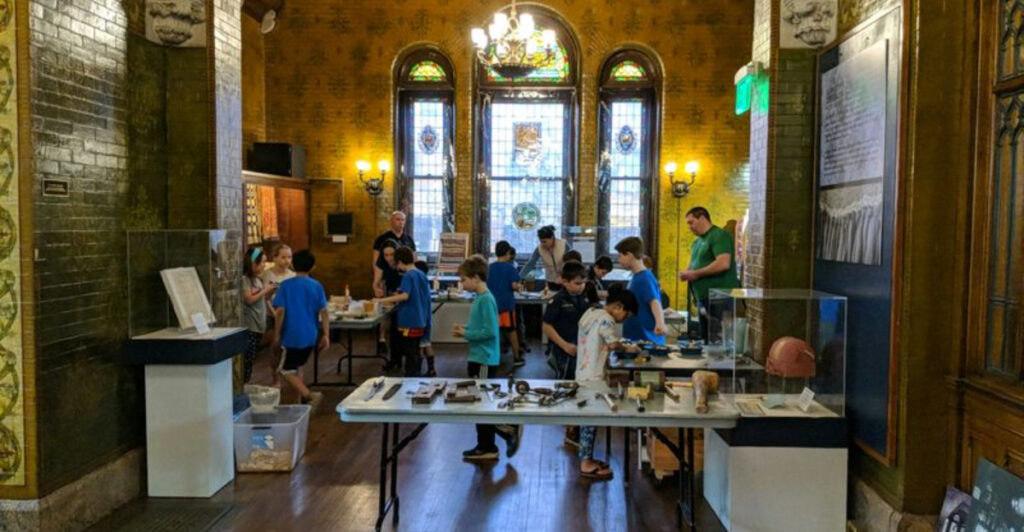
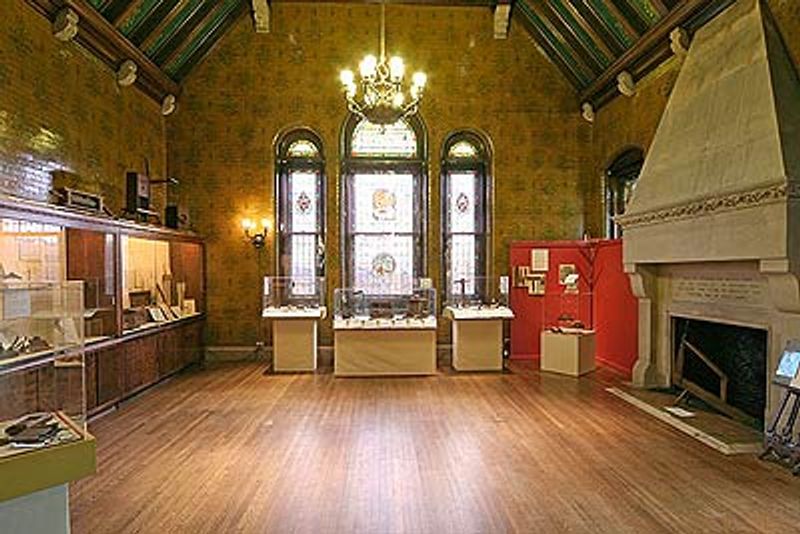
Some museum interiors feel formal and stiff. Here, the stone arches and stained glass add a mood that is warmer, stranger, and more memorable.
The result is a space that can spark curiosity before you even read a label or study a single object closely.
Light filtering through colored glass has a way of slowing people down. Instead of rushing from case to case, visitors often look around, take in the details, and settle into the room.
That calmer pace makes handmade history easier to enjoy and remember.
The architecture also teaches a quiet lesson. Craftsmanship is not only something displayed in the museum collection.
It is built into the setting itself, from shaped stone to decorative windows. When a building shows skilled work on every side, the exhibits feel even more believable.
If you visit with kids, invite them to play detective and spot shapes, colors, and patterns overhead. That simple challenge keeps them engaged while showing that beauty and usefulness often lived together in older buildings.
Few classroom lessons can match that kind of real-world noticing in person.
Thousands of Tools and Handmade Objects Celebrate Early Craftspeople
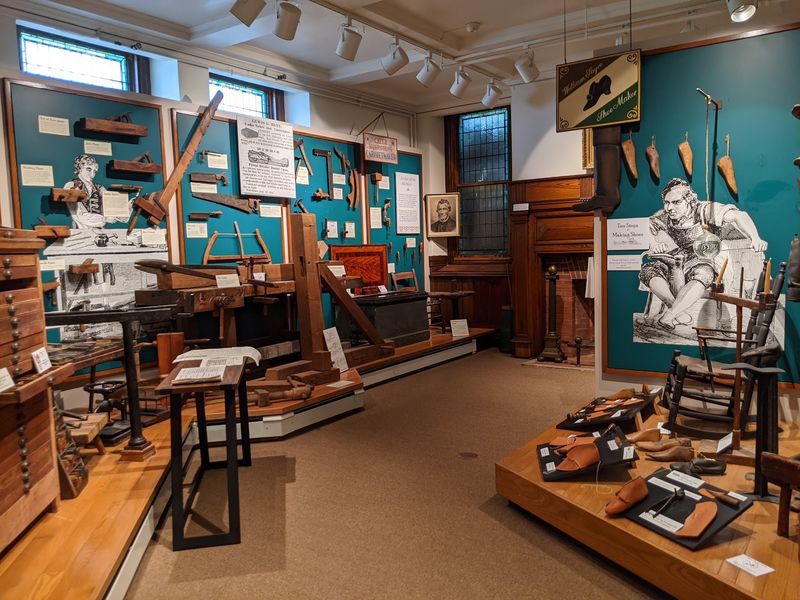
There is something satisfying about seeing a large collection of everyday tools gathered in one place. Hammers, needles, molds, and household pieces may look ordinary at first.
Then the bigger picture appears, and you realize how much skill stood behind tasks people once had to do by hand.
Thousands of objects can help visitors understand early crafts better than one famous treasure ever could. Repetition matters.
When you see many versions of the same kind of item, you start noticing small differences in size, wear, decoration, and purpose.
That is where the museum becomes especially useful for curious kids and adults alike. It turns abstract words like craft, labor, and trade into visible evidence.
You can point to an object, imagine the hands that used it, and connect it to real daily needs.
Look closely at wear marks, repairs, and simple design choices. Those little signs often tell the best stories because they hint at repeated use, thrift, and problem-solving.
Handmade history is not only about beauty. It is also about effort, patience, and making things last for generations.
Blacksmiths Cobblers and Cabinetmakers Reveal How Everyday Goods Were Made
Picture a missing shoe, a broken chair, or a wagon part that suddenly fails. Long before big chain stores made replacements easy, skilled workers had to solve those problems fast.
The museum helps visitors see blacksmiths, cobblers, and cabinetmakers as essential neighbors, not distant historical characters.
Each trade reveals a different kind of intelligence. A blacksmith understood heat and force.
A cobbler knew fit, leather, and repair. A cabinetmaker balanced strength with appearance, making useful furniture that also had style.
Together their work shaped homes, travel, comfort, and local business.
For families, this section can be a great way to connect old jobs to modern life. Ask which worker you would need first after a rough winter storm or a busy move.
Suddenly history feels practical because these crafts supported the rhythm of everyday survival.
You do not need technical knowledge to enjoy it. Just notice how every craft answered a common need, and how much training sat behind simple goods.
A sturdy boot or solid table could mean safety, savings, and pride for the people using it each day.
Hands-On Activities and Craft Demonstrations Bring Old Traditions Back to Life
Museums really click when visitors can do more than look. Hands-on activities and craft demonstrations give people a chance to test ideas, watch techniques, and understand old traditions through action.
That kind of learning sticks longer because it involves eyes, ears, and sometimes busy fingers.
A live demonstration can turn a confusing tool into something clear within seconds. Once you see motion, pressure, and sequence, the object starts making sense.
Kids often light up during these moments but adults do too, especially when a process looks harder than expected.
There is also a nice lesson hidden in the fun. Making things by hand takes patience, practice, and attention, which can be refreshing in a fast digital world.
Watching traditional skills unfold reminds visitors that speed is not always the same thing as quality.
If you get the chance to join an activity, go for it, even if you feel awkward at first. Trying a simple task builds respect for the people who once made daily life work.
That hands-on spark can stay with you long after the visit ends home.