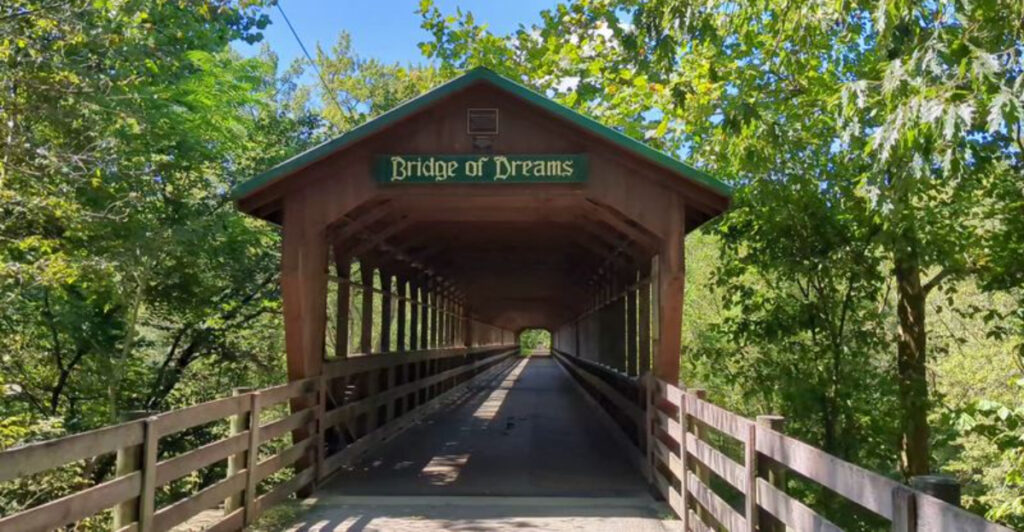
Bridge of Dreams in Brinkhaven, Ohio is more than a pretty place to take a walk. It blends river views, railroad history, and everyday local life in one simple stop.
A trip across this long covered bridge can help visitors picture how travel changed over time. That is what makes one walk here feel special, memorable, and full of story.
1. First Glimpse of a Giant Bridge
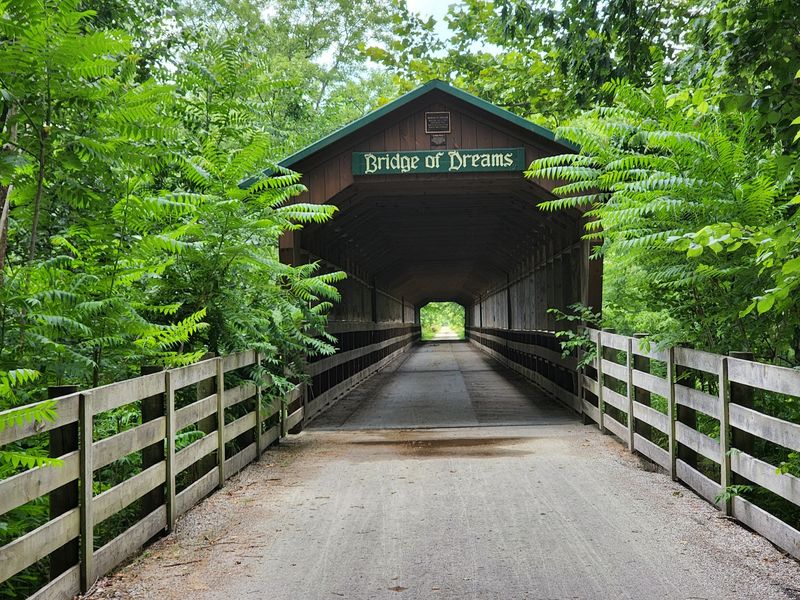
The first few steps feel a little like entering a storybook. Wood beams rise overhead, sunlight slips through the sides, and the long path ahead makes the bridge seem even bigger than expected.
Instead of rushing through, slow down and notice how the shape and sound change once you are inside.
Bridge of Dreams in Brinkhaven is not a short roadside stop. At about 370 feet long, it gives you time to look, listen, and imagine the many people who have crossed here.
That extra length is a big reason one walk feels memorable instead of ordinary.
If you visit with kids, ask them what they think traveled across it long ago. That simple game turns a nice walk into a fun history moment.
By the time you reach the other side, the bridge already feels like more than a bridge to many visitors on their very first trip there.
2. Built on an Old Railroad Trestle
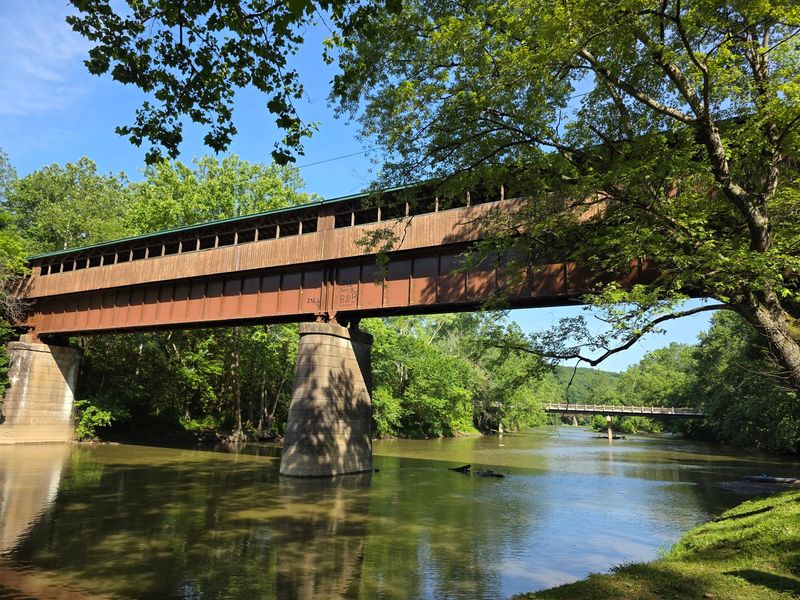
Long before it became a beloved walking spot, the structure below served a very different job. Bridge of Dreams was built over an old railroad trestle from the former Pennsylvania Railroad line, and that fact gives the whole place extra character.
You are not only crossing a river here, you are crossing layers of local transportation history too.
That railroad past helps explain why the bridge feels so strong and stretched out. When the rail line became part of the Mohican Valley trail, the old support found a fresh purpose instead of being lost.
That kind of reuse is one of the smartest parts of historic preservation.
A nearby history kiosk can help fill in details, so take a minute to read it. Knowing the story before your walk makes every board and beam more meaningful.
Suddenly, the bridge stops being scenery and starts acting like a living history lesson.
3. One of Ohio’s Longest Covered Bridges
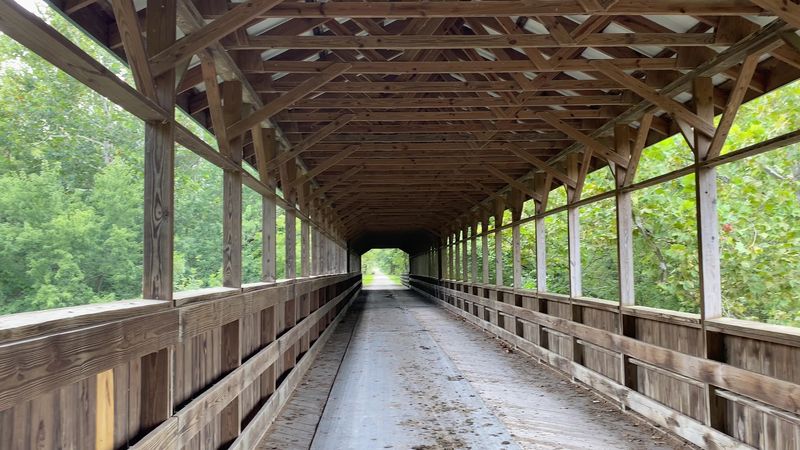
Records and rankings can sound dry on paper, but standing here makes them exciting. Bridge of Dreams is often described as one of Ohio’s longest covered bridges and among the longest in the country, which explains why visitors keep talking about its size.
Numbers finally feel real when your own footsteps have to cover the full distance.
The bridge measures about 370 feet, and that length changes the whole experience. You do not just snap one photo and leave.
You move through a space that keeps unfolding, with repeating beams and river views that make the walk feel bigger than a normal bridge crossing.
For families, it helps to point out the far end and guess how long it will take to get there. Kids usually love that little challenge.
A simple walk becomes more interactive, and the history feels easier to remember because the bridge is truly massive today.
4. A River View Beneath the Roof
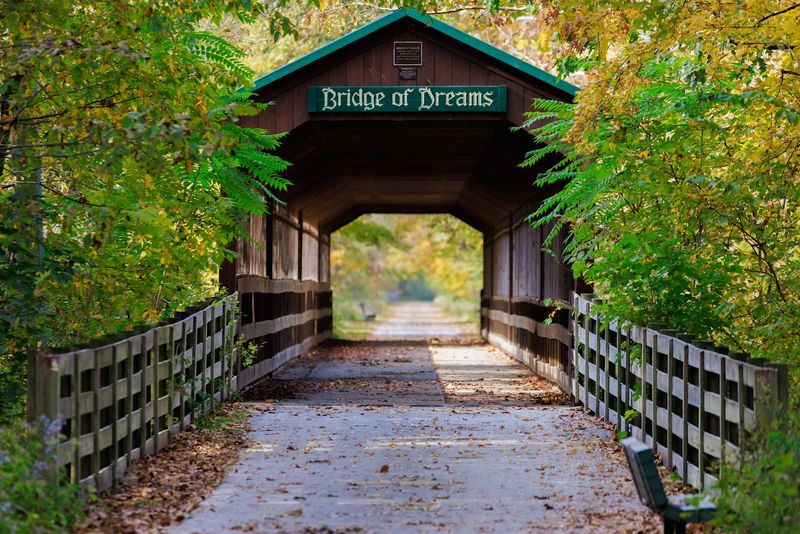
Half the magic sits above the river, and the other half comes from the views around it. As you walk through the covered span, small openings along the sides frame the Mohican River and the trees beyond.
Those peeks of water keep the bridge from feeling closed in, even though the roof and walls wrap around you.
Many visitors mention how peaceful the area feels, and the river is a big reason why. On a quiet day, the sound below softens the walk and makes it easier to imagine older travel times, when places like this connected communities in a slower world.
The setting does a lot of storytelling without using any words.
If you want the experience, pause midway instead of hurrying across. Look out both sides and notice how the light changes inside the frame.
That stop can turn a photo into a memory that feels thoughtful.
5. Shared by Walkers, Bikers, and Buggies
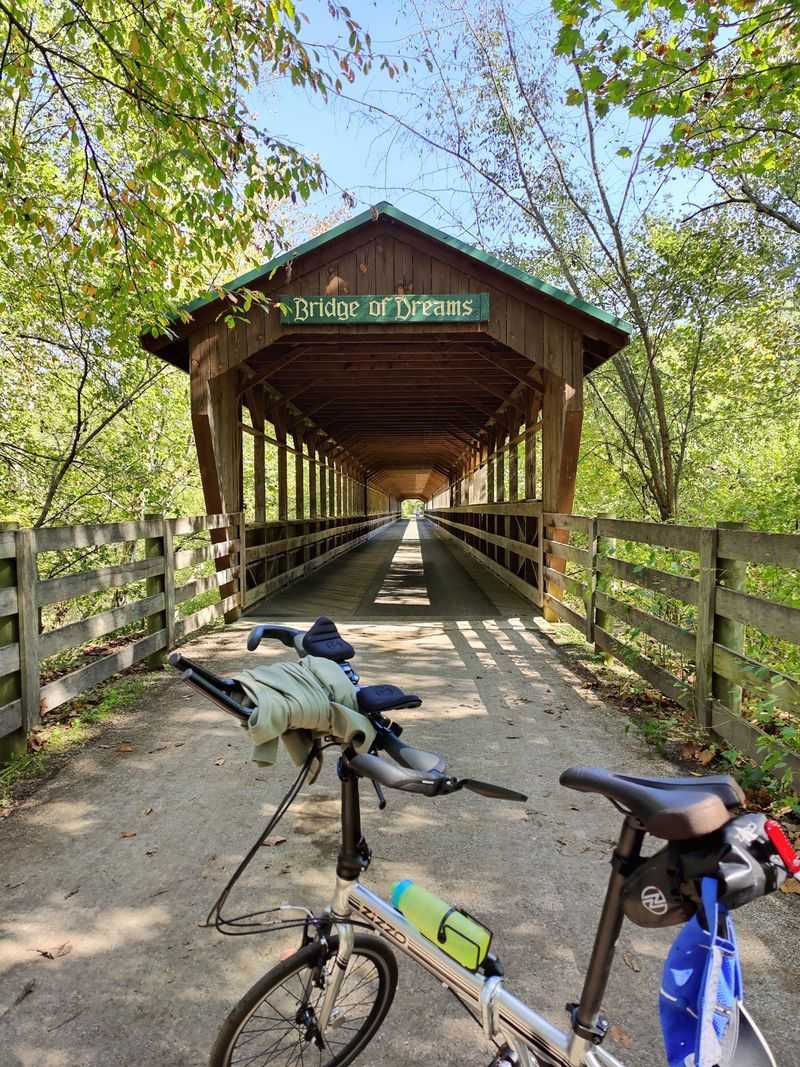
No two trips across Bridge of Dreams look exactly the same. One day you may meet cyclists rolling by, and another day you might watch an Amish horse and buggy clip across the boards.
That mix of travelers gives the bridge a real working-life feeling, not just a museum feeling.
Reviews often mention walkers, bikers, horseback riders, and buggies sharing the space. Seeing different kinds of travel in one place helps history feel less distant, because older ways of getting around are still part of daily life here.
Few attractions can show past and present side by side so naturally.
Good manners make the visit better for everyone. Stay aware, step aside when needed, and yield to horses so nobody feels crowded.
One practical tip matters too: watch where you step, since horses and buggies still use the bridge often. A little attention keeps the walk pleasant and safe today.
6. Trail Access Makes the Visit Easy
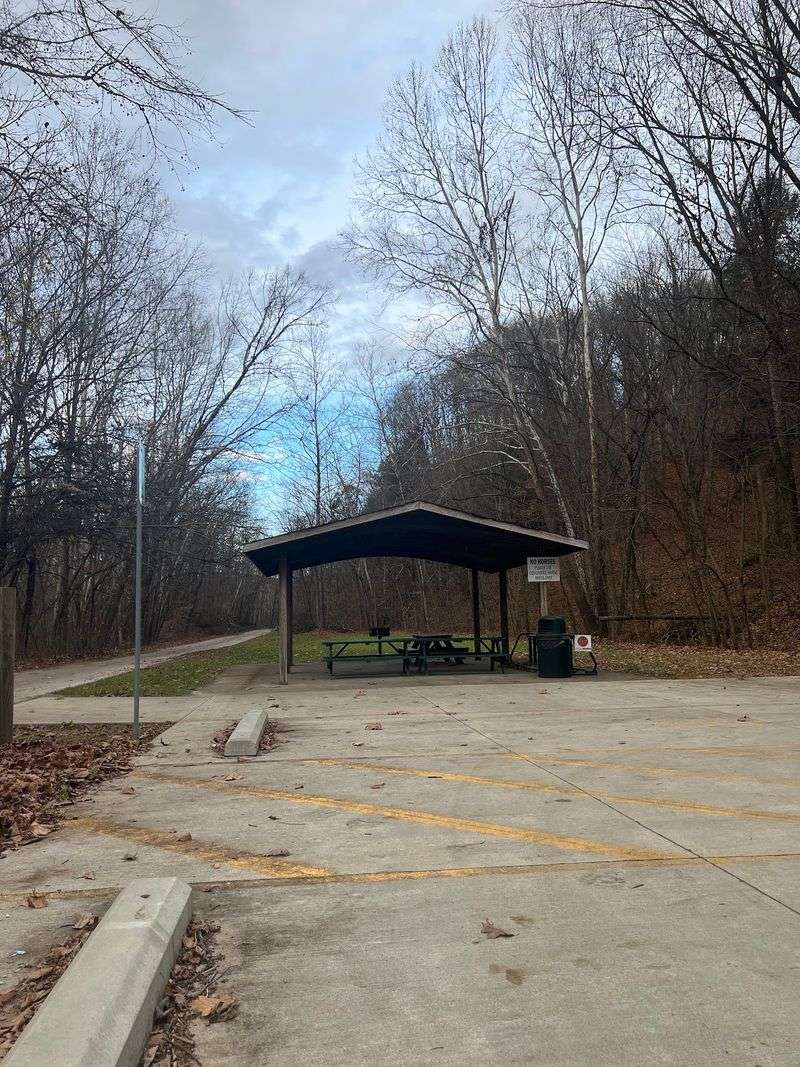
Some historic places ask a lot from visitors, but this one feels welcoming right away. Bridge of Dreams has paved parking nearby, easy trail access, and a paved path that works well for walkers, bikes, and many families.
That convenience matters because it lets more people enjoy the site without a difficult start.
The bridge is part of the Kokosing Gap Trail system, so you can make the visit as short or as long as you want. Some people stop for a quick crossing, while others turn it into a longer ride or walk through the countryside.
Either choice works, which is part of the appeal.
If you are planning your first visit, arriving earlier in the day can give you a quieter experience. Comfortable shoes, water, and a little extra time are smart ideas.
When a historic spot is this easy to reach, it becomes much easier to return again.
7. Picnic Tables Turn a Stop into a Stay
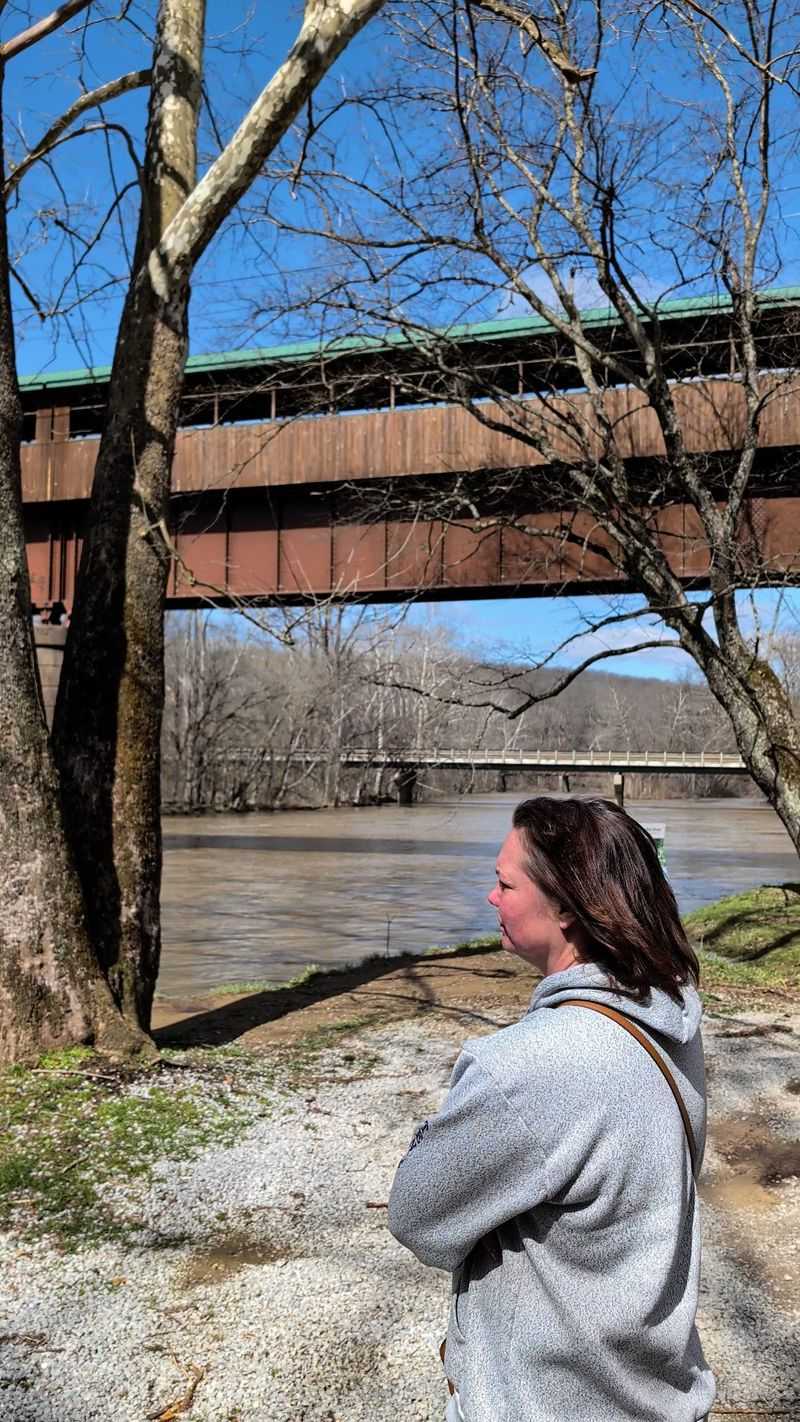
A lot of people come for the bridge and end up staying for lunch. Near the site, you can find picnic tables, benches, and a shelter area that make the visit feel more relaxed.
Instead of treating it like a quick stop, families can settle in and enjoy the river setting a bit longer.
That small comfort changes the whole rhythm of the trip. After walking across the bridge, sitting down gives you time to talk about what you saw, check out the views, or simply rest before heading back.
Places that invite people to linger often become the places they remember best.
Pack simple snacks, bring a trash bag, and plan for a short break even if you do not think you need one. There is also a porta potty nearby, which many visitors appreciate.
A few useful basics can turn a bridge stop into an easy half-day outing.
8. Fall Colors Make the Past Feel Closer
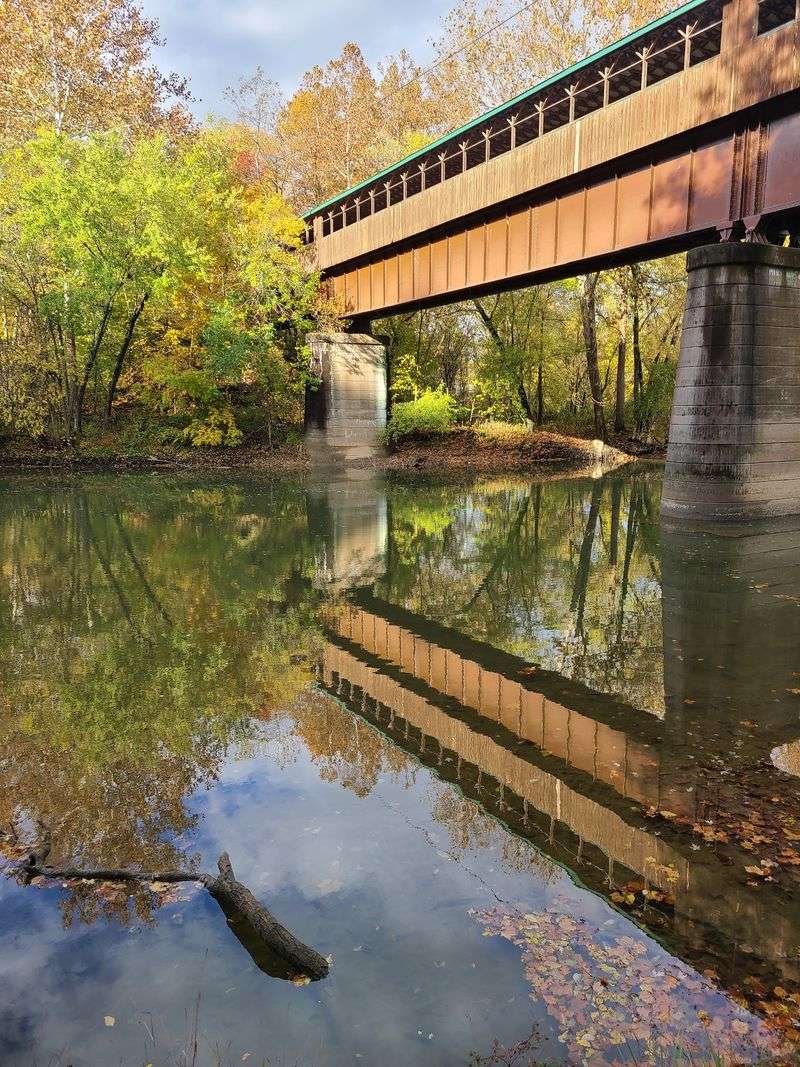
When autumn arrives, the bridge seems made for slow walks and camera stops. Warm leaves around the Mohican River, dark wood overhead, and soft light through the sides give the whole place a rich, old-time look.
Even people who usually rush through attractions tend to slow down here.
Fall works especially well for a history-themed visit because the season adds mood without needing extra effort. You can picture buggy travel, old rail days, and quiet country life more easily when the landscape feels crisp and colorful.
That is probably why so many visitors talk about the beauty of the area.
Try going on a weekday morning if you want photos with fewer people in view. Bring a light jacket, since river air can feel cooler than expected.
A simple walk during peak color season can make the Bridge of Dreams feel almost like a scene from another century altogether today.
9. Small Details That Help You Enjoy the Walk
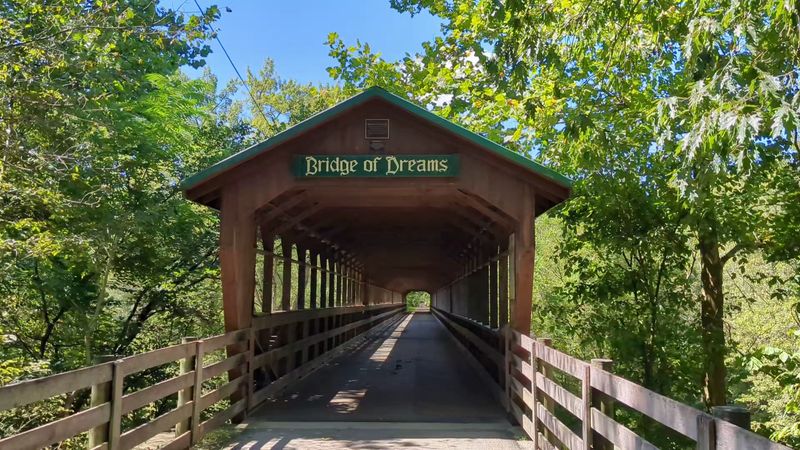
Little details often decide whether a visit feels smooth or frustrating. At Bridge of Dreams, those details are easy to appreciate: posted hours, nearby parking, a guest book, and simple amenities that help people focus on the experience.
The bridge is open from 6 AM to 11 PM each day, which gives you plenty of flexibility.
Because the site is popular, a little planning goes a long way. Checking the weather, choosing comfortable walking shoes, and deciding whether you want a quick stop or a trail outing can make the day easier.
If you enjoy history, give yourself time to read signs instead of only taking photos.
One tip stands out from visitor comments: sign the guest book inside the bridge if it is available. That small act helps you feel part of the bridge’s story.
History comes alive best when you do more than look, and join the moment.