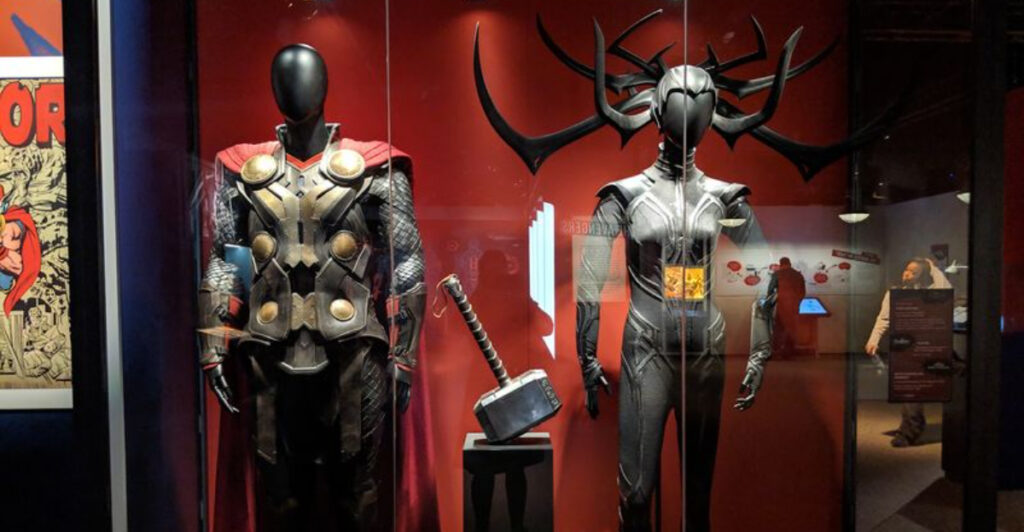
The Franklin Institute in Philadelphia is the kind of place families talk about long after the car ride home. Kids can run experiments, climb through a giant heart, watch the stars, and test how their bodies move. Parents like it because learning feels fun instead of forced, with plenty of interactive exhibits that encourage kids to touch, explore, ask questions, and discover how things work for themselves. With three floors of exhibits and a strong 4.6-star rating, this science museum keeps giving families new reasons to come back.
From hands-on science demonstrations to fascinating displays about space, the human body, and technology, there’s enough variety to keep visitors of different ages entertained. Whether it’s a first visit or a return trip, there always seems to be something new to discover, making it an easy choice for a fun, educational, and memorable day out.
1. A Giant Heart Kids Never Forget
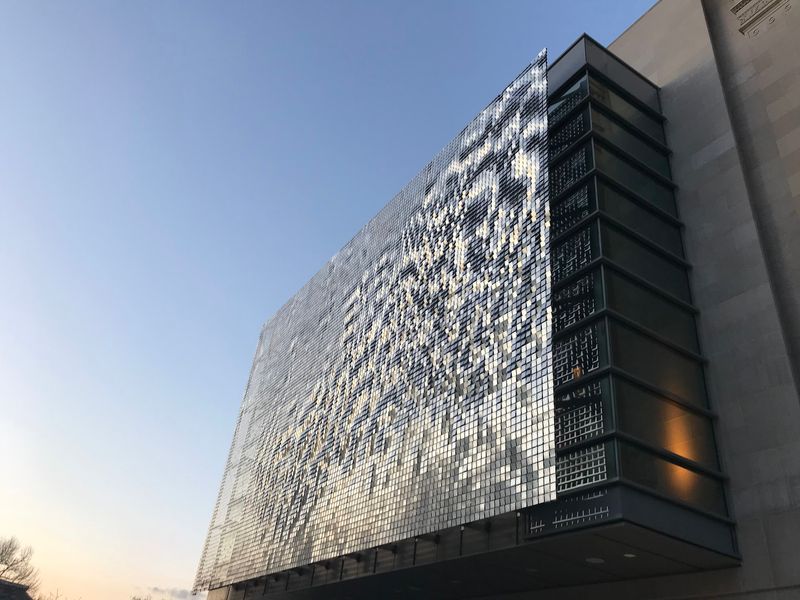
Few museum memories stick like stepping inside a heart big enough to walk through.
The Giant Heart in Body Odyssey has been a favorite at The Franklin Institute for generations, and many parents remember it from their own school trips.
Children can follow the path of blood, hear heartbeat sounds, and see how the body works from the inside.
It turns a tricky science lesson into something they can feel, see, and move through.
For families, this exhibit is a smart first stop because it grabs attention fast.
Younger kids enjoy the adventure of climbing through it, while older kids can connect it to health class.
Bring a little patience, since it can get busy, but the shared smiles are usually worth the wait.
It is also a great photo spot, but keep moving so other families can enjoy the experience too.
2. SportsZone Turns Energy Into Learning
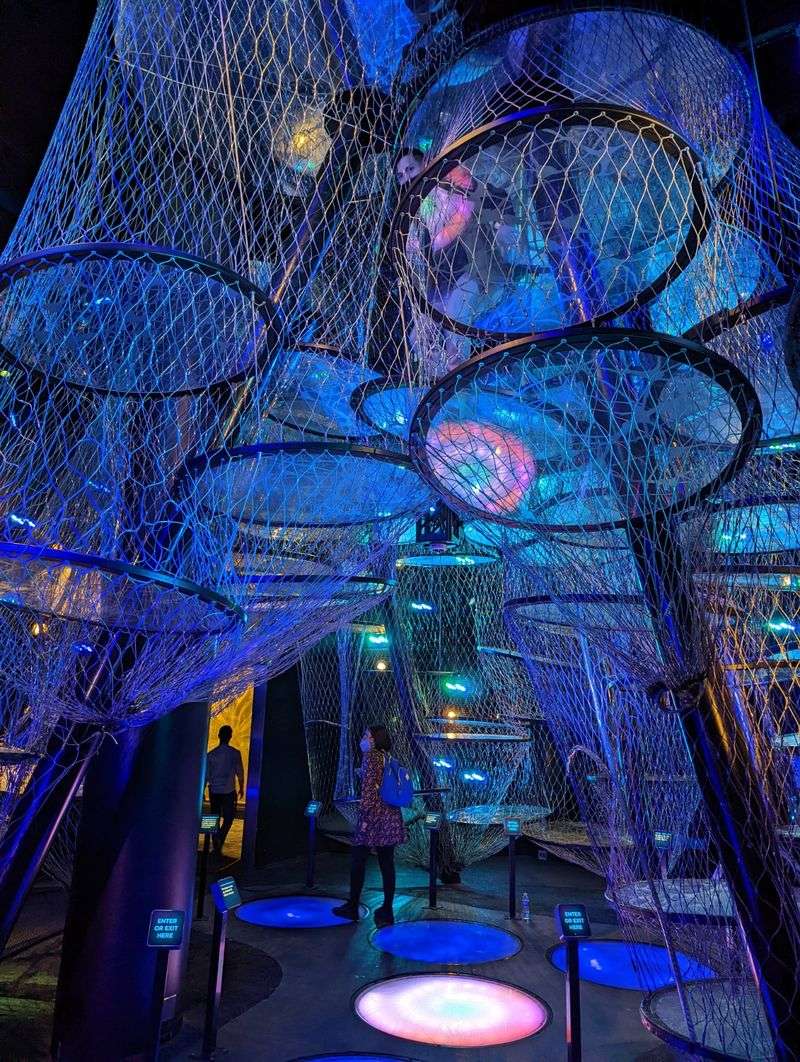
Got a child who cannot stand still for more than five minutes?
SportsZone may become your family’s favorite corner of The Franklin Institute.
It uses running, jumping, balance, and reaction games to explain how bodies move.
Kids can compare speed, test reflexes, and learn why athletes train certain muscles.
The best part is that the lessons are built into play, so nobody feels like they are sitting through a lecture.
Because this area is popular, try visiting early in the day or during lunch hours when lines may be shorter.
It is especially helpful for families with mixed ages, since a preschooler and a teen can both find something fun.
Comfortable shoes are a good idea here.
Parents may even end up racing, laughing, and learning a little about their own coordination along the way.
3. The Planetarium Adds Wonder To The Day
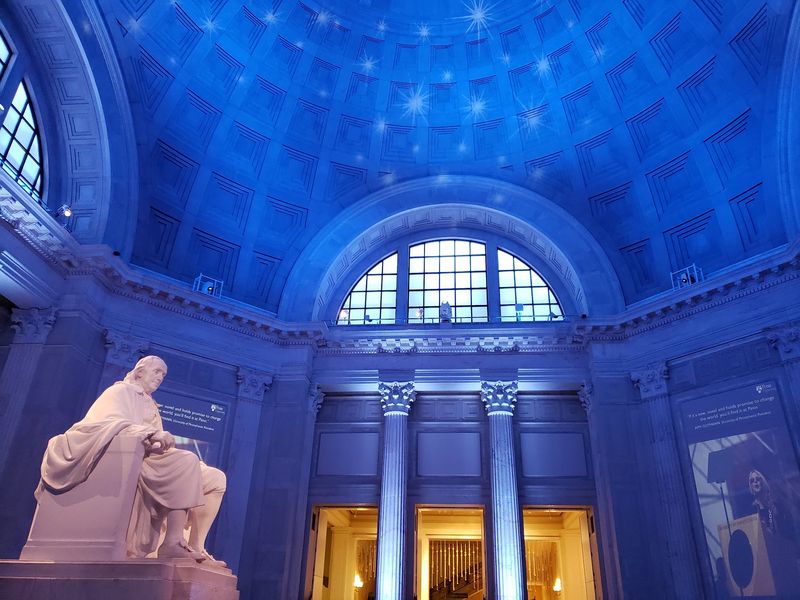
A quiet dome full of stars can feel magical after the busy buzz of exhibit halls.
The Fels Planetarium gives families a chance to sit down, look up, and think about space in a big way.
Shows often explain planets, stars, galaxies, and other sky topics with bright visuals that are easier to understand than textbook pictures.
Many visitors say the planetarium is one of the best add-ons at the museum.
Check showtimes before you go, because seats and times can fill quickly on weekends and school trip days.
Arriving at least 15 minutes early is a wise move.
The planetarium may cost extra depending on the ticket, so review your options before buying.
For kids who love rockets or dream about being astronauts, this stop can turn a regular museum visit into a memory they keep bringing up later.
4. Space Command Sparks Big Questions
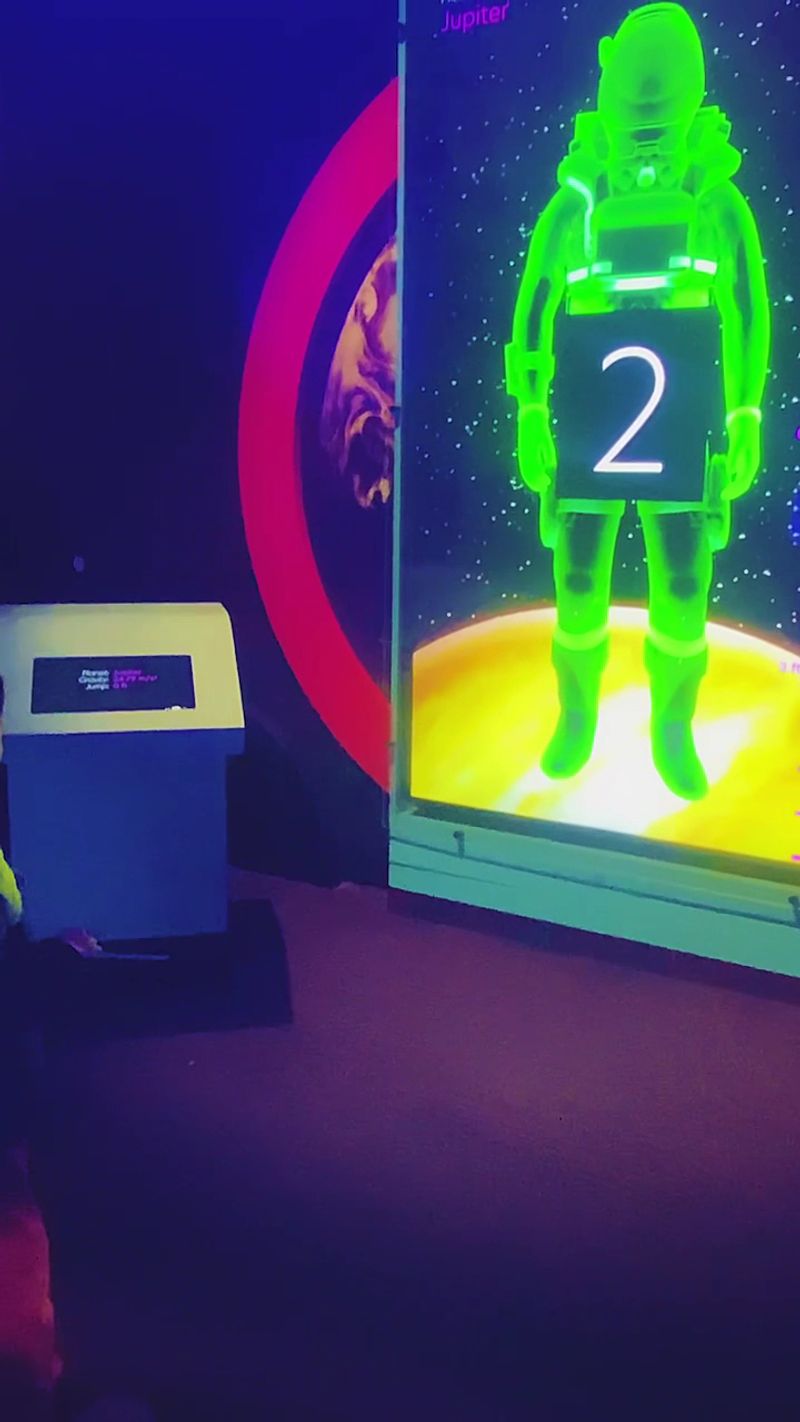
One small touch can make outer space feel close.
In Space Command, visitors may get to explore space tools, learn about gravity, and even see objects connected to the wider universe.
This area is great for curious kids who ask questions like how rockets fly or what planets are made of.
Instead of only reading signs, families can use hands-on stations to connect space ideas with real science.
Parents can make the visit even better by asking simple questions along the way.
Try asking, what would you pack for a trip to Mars, or why do astronauts need special suits?
Those little talks help children slow down and think.
If your family is short on time, choose one or two stations and enjoy them fully.
Space Command rewards careful looking as much as quick exploring.
5. The Baldwin Locomotive Brings History To Life
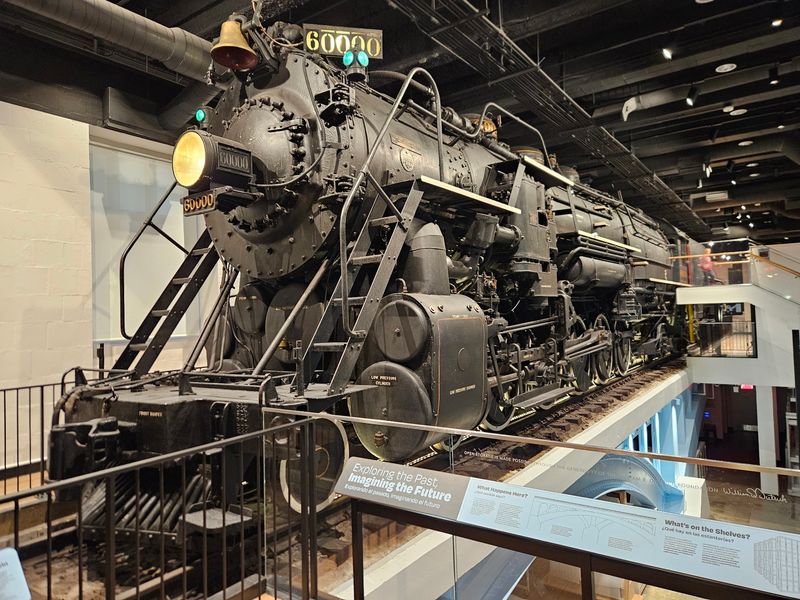
A giant train inside a museum always gets attention.
The Baldwin 60000 locomotive is one of The Franklin Institute’s classic sights, and it gives families a close look at the power of old engineering.
Children who love wheels, engines, and machines often stop in their tracks when they see its size.
Adults may enjoy the history too, since the locomotive connects Philadelphia’s industrial past with the story of transportation.
Use this exhibit as a chance to talk about how people traveled and moved goods before modern trucks and planes became common.
Point out the wheels, metal parts, and scale, then ask kids how they think such a heavy machine worked.
It is a calmer stop compared with the busiest interactive areas, which can help families reset.
For grandparents visiting with children, the train often creates a nice bridge between old memories and new curiosity.
6. Sir Isaac’s Loft Makes Physics Playful
Physics sounds serious until a child starts pulling ropes, moving levers, and making objects roll.
Sir Isaac’s Loft is where simple machines and motion become easy to see with your own hands.
Families can explore ideas like force, balance, gravity, and momentum without needing hard words first.
The exhibit works well because kids can try something, watch what happens, and try again.
If your child likes building, tinkering, or asking why things move, plan extra time here.
Some stations may have lines, so encourage kids to watch others while waiting.
Watching can be part of the lesson too.
Parents do not need to know every answer.
Saying, let’s test it, keeps the mood fun and curious.
Sir Isaac’s Loft is a good reminder that science is not only facts on a page.
It is also trial, error, surprise, and laughter.
7. Changing Exhibits Give Families A Fresh Reason To Return
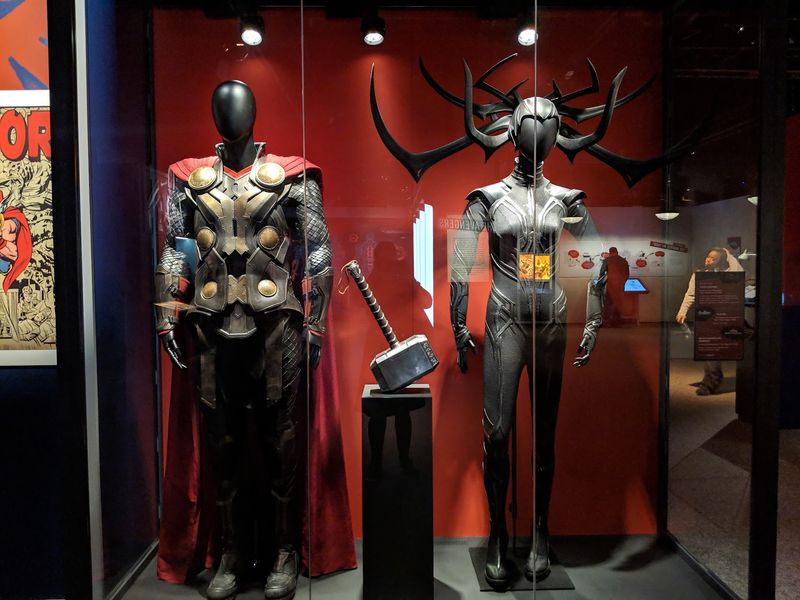
Repeat visitors often notice something different before they even reach their favorite exhibit.
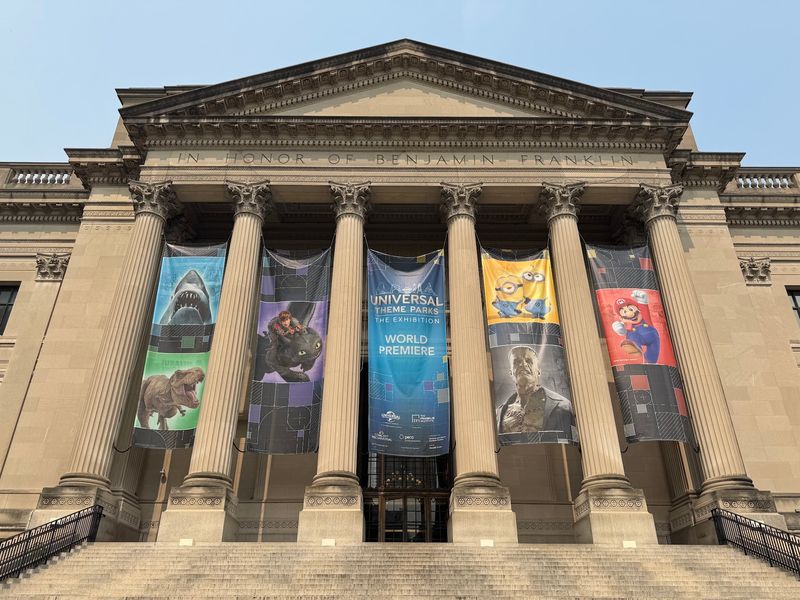
The Franklin Institute regularly hosts special exhibitions, which helps the museum feel fresh for families who have already been there.
Recent visitor reviews mention themed experiences such as Universal Theme Parks: The Exhibition, along with past pop culture and science displays.
These limited-time exhibits can add excitement, especially for kids who already know the main galleries.
Before planning your trip, check the museum website to see what is included with general admission and what costs extra.
That step can prevent surprises at the ticket counter.
If a special exhibit is your main reason for visiting, confirm dates and ticket rules ahead of time.
Families traveling from other parts of Pennsylvania may want to build the whole day around it, then use remaining time for classic stops like the Giant Heart, Space Command, and SportsZone.
8. A Full-Day Visit Feels Easy To Fill
Three hours can disappear quickly inside The Franklin Institute.
Many families arrive thinking they will make a short stop, then realize there are several floors of exhibits, shows, activities, and displays to explore.
The museum is open from 9:30 AM to 5 PM most days, which makes it easy to plan a full visit.
Families with younger kids may want to pick must-see areas first, then add more if everyone still has energy.
Lunch is also part of the planning.
Visitors often mention the cafeteria as a helpful break, especially when kids need food before more exploring.
Pack your schedule with breathing room instead of rushing from room to room.
If you are visiting from another Pennsylvania town, aim to arrive near opening.
Crowds, school groups, and popular exhibits can slow the pace, but a flexible plan keeps the day pleasant.
9. Planning Tips Make The Trip Smoother

A little planning can save a lot of hallway stress.
The Franklin Institute is located at 222 N 20th St in Philadelphia, and families should check tickets, parking, showtimes, and special exhibit costs before arriving.
Weekdays can still be busy because of school trips, while weekends may bring larger family crowds.
Calling ahead or checking the website can help you choose a better time, especially if you have toddlers or children who get overwhelmed.
Buy planetarium tickets early if that show matters to your group.
If you are a member and using museum parking, remember to ask about validation rules before leaving the building.
Comfortable shoes, a charged phone, and a simple list of top exhibits can make the day easier.
Most of all, leave room for surprises.
Sometimes the station your child loves most is not the one you expected.