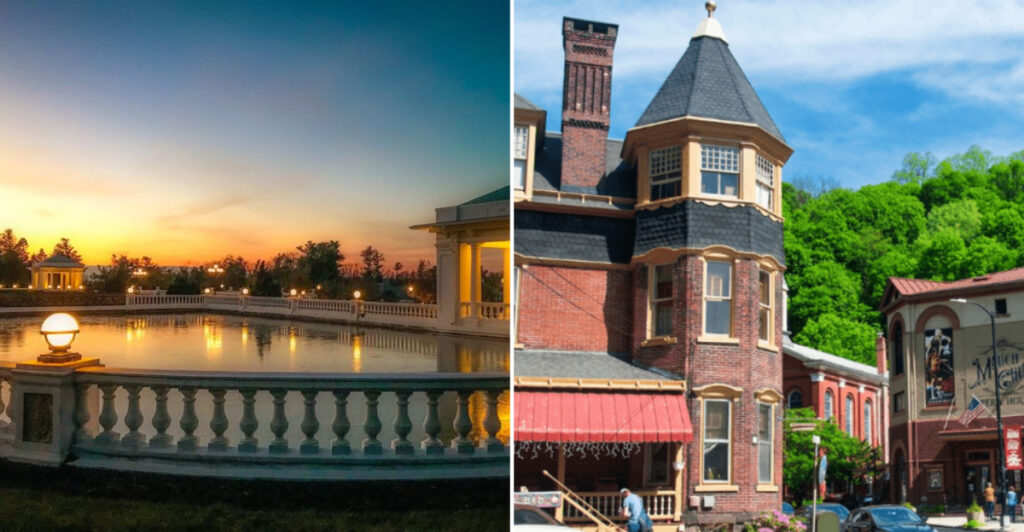
Pennsylvania has the kind of scenery that can make a simple road trip feel like a scene from a movie, with misty mountains, old stone buildings, grand halls, quiet beaches, and towns that seem ready for a film crew to arrive at any moment. Across the state, places shaped by history, nature, industry, art, and local stories give visitors a chance to imagine mystery films, adventure stories, period dramas, and family classics without ever leaving the Commonwealth.
Many of these locations are also easy to enjoy in real life, whether you like hiking, taking photos, learning about the past, or just standing somewhere beautiful and saying, this looks unreal. From waterfalls and castles to a famous modern house over a stream, these Pennsylvania spots prove that the state is full of scenes worth remembering.
1. Ricketts Glen State Park
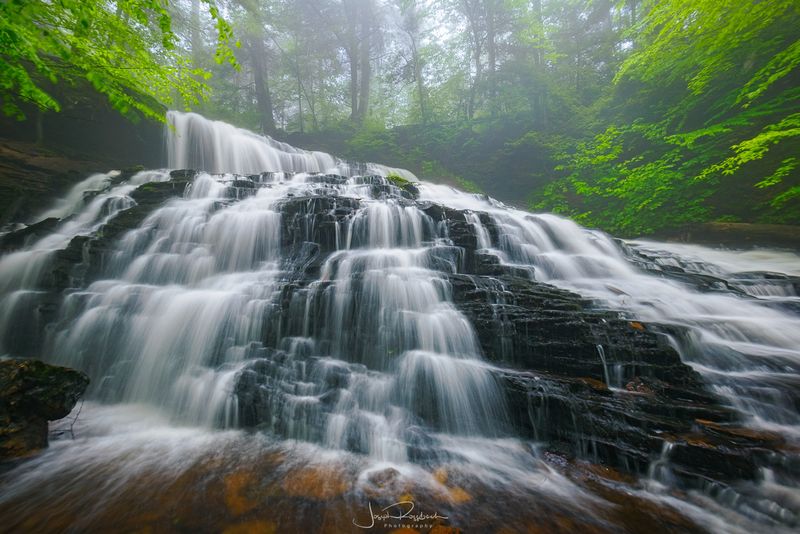
A curtain of water tumbling through deep woods can make even a quiet hike feel like the opening scene of an adventure film.
At Ricketts Glen State Park, the famous Falls Trail leads visitors past more than twenty named waterfalls, each with its own shape, sound, and mood.
The park sits in northeastern Pennsylvania and feels wild in the best way.
Tall trees, stone steps, ferny slopes, and rushing streams create a setting that could fit a fantasy quest, a survival story, or a peaceful nature documentary.
Ganoga Falls is the star, dropping about 94 feet in a powerful sheet.
Photographers love the park because light changes quickly, especially after rain or during fall color, when the gorge seems to glow.
Good shoes matter here because rocks can be wet and slick.
The full Falls Trail is challenging, so families or casual walkers should check trail maps first and choose a shorter route if needed.
Spring brings strong water flow, summer offers shade, and autumn adds bright reds and golds.
Winter can look magical, but icy trails may close or require special gear.
Bring water, snacks, and patience, since the best views often ask for careful steps.
Staying on marked paths protects both visitors and the fragile plants along the gorge.
For a movie-set feeling, arrive early when mist hangs low and crowds are smaller.
The sound of falling water fills the air, and suddenly Pennsylvania feels far bigger, older, and more dramatic than most people expect.
2. Jim Thorpe Historic District
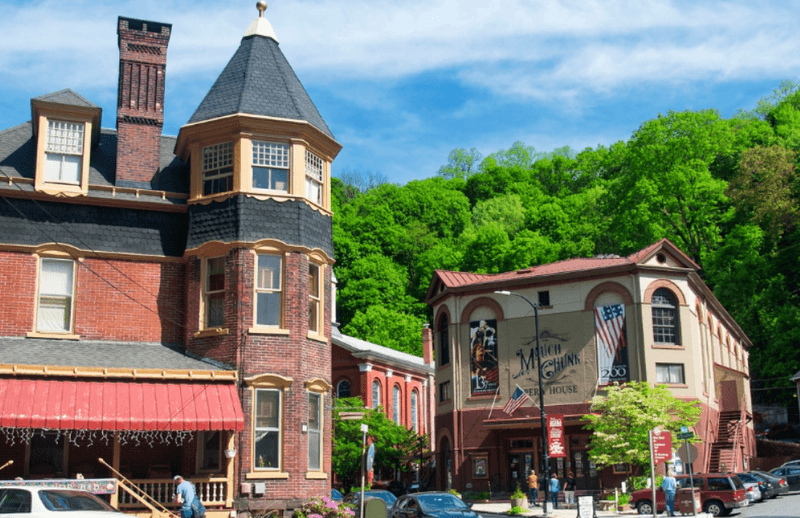
Some towns seem built for a camera pan, and Jim Thorpe is one of Pennsylvania’s most eye-catching examples.
Tucked between steep hills in the Pocono Mountains, its streets curve past Victorian buildings, old churches, iron balconies, and a handsome train station.
The town has a look that works for many kinds of stories.
It could be a romantic small-town film, a railroad mystery, a holiday special, or a period drama about coal country wealth and change.
Once known as Mauch Chunk, the town grew rich during the coal and railroad eras.
Today, visitors can still feel that history while walking past preserved homes, shops, museums, and the Asa Packer Mansion.
The surrounding mountains make every street feel framed.
In autumn, bright leaves turn the whole town into a ready-made backdrop, while winter snow adds a cozy storybook look.
A ride on the Lehigh Gorge Scenic Railway adds even more movie magic.
The train follows the river through wooded hills, giving passengers views that feel both peaceful and grand.
Parking can be busy on weekends, especially during fall festivals.
Arriving early helps, and comfortable shoes are useful because the streets can be hilly.
Visitors who enjoy photos should explore side streets, not just the main shopping area.
Small porches, stone walls, and mountain views hide around many corners.
Jim Thorpe Historic District proves that a place does not need studio lights to feel dramatic.
Its mix of history, scenery, and old-fashioned charm makes it one of Pennsylvania’s most film-ready towns.
3. Centralia
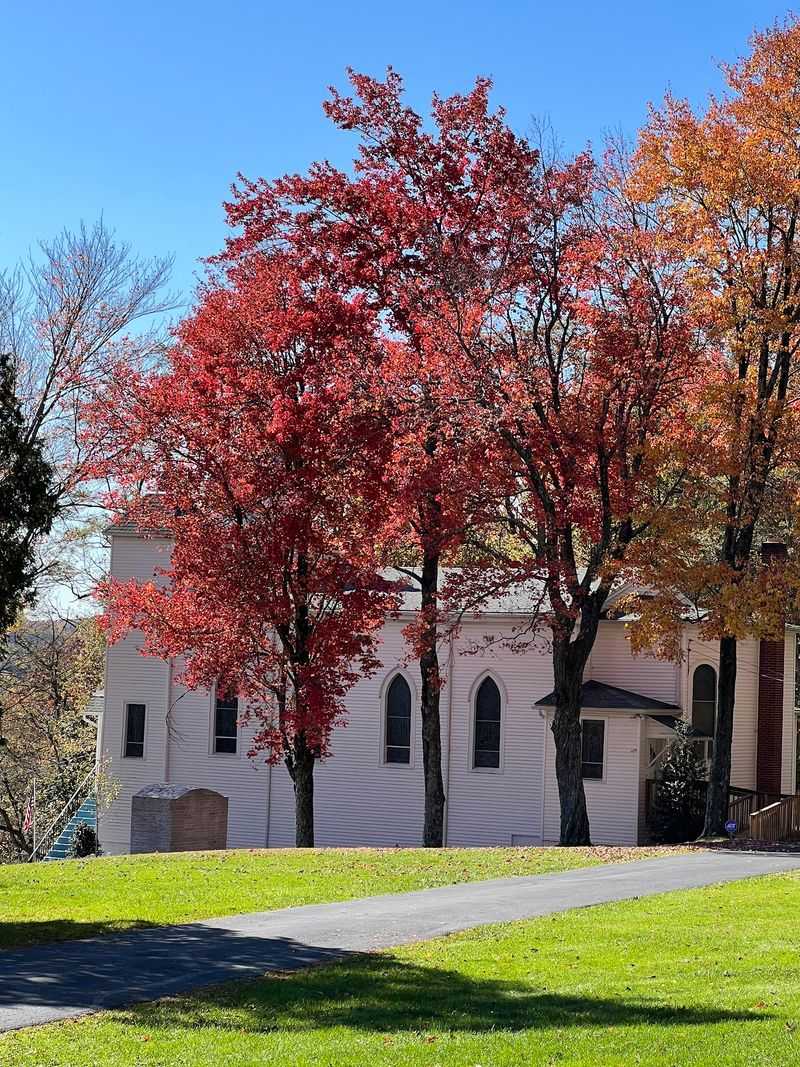
Few places in Pennsylvania feel as strange and unsettling as Centralia.
What was once a normal coal town became famous because of an underground mine fire that has burned for decades beneath the area.
The story sounds like something written for a thriller.
Streets disappeared, homes were removed, and only a small number of residents remained as smoke, sinkholes, and safety concerns changed the town forever.
Centralia can feel like a movie set for a post-apocalyptic drama, but it is also a real place with a serious history.
Visitors should remember that people lived here, worked here, and lost a community they cared about.
The former Graffiti Highway once drew many curious travelers, but it was covered for safety and trespassing reasons.
Today, anyone visiting should obey signs, stay on public roads, and avoid dangerous areas.
The landscape is quiet, with empty lots, broken street grids, and woods slowly taking over.
That silence is part of what makes it so memorable, but it should be treated with respect.
Centralia is best understood before you go.
Reading about coal mining, the 1962 fire, and the town’s relocation helps visitors see more than just an eerie scene.
Nearby communities also tell important coal region stories, so pairing a stop with local museums or historic sites can add helpful context.
Bring a map, because there are not many tourist services in the immediate area.
The strongest impression comes from knowing that the most dramatic part is hidden underground.
Centralia reminds visitors that Pennsylvania’s movie-like places are not always pretty, and some carry real weight.
4. Mercer Museum
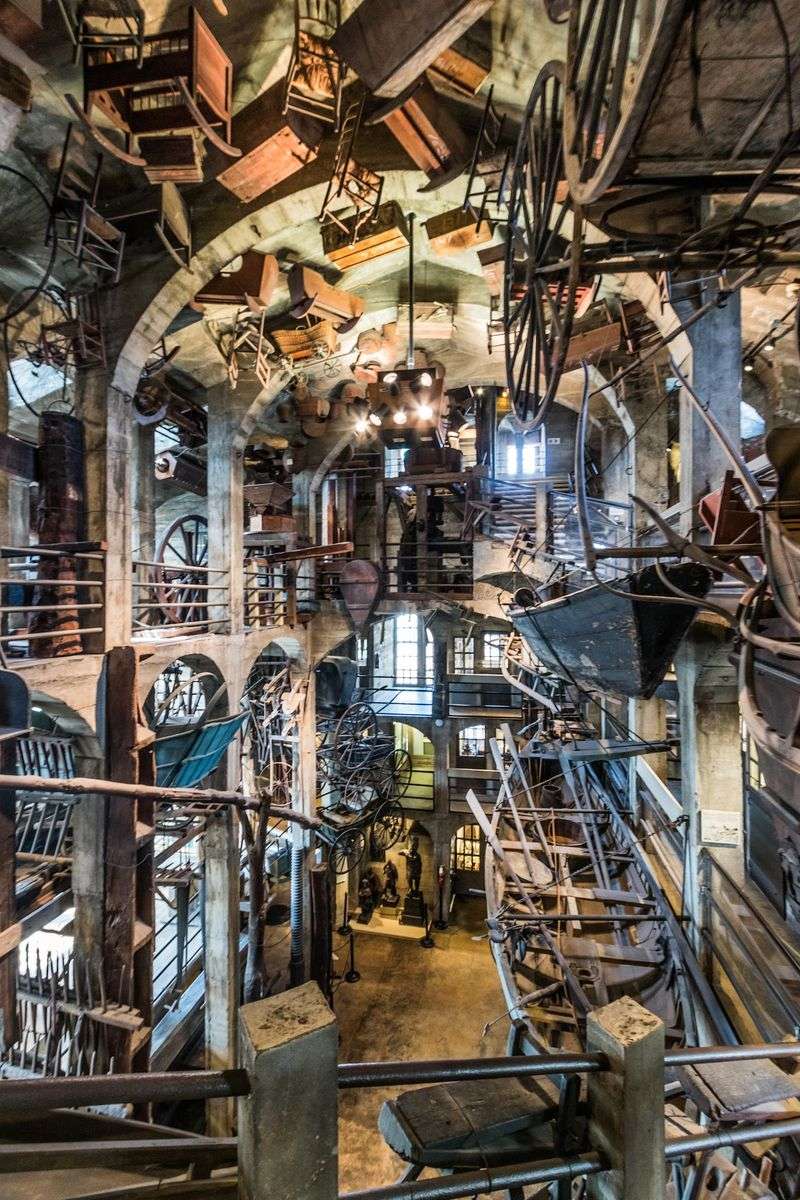
Imagine a castle filled from floor to ceiling with tools, wagons, clocks, boats, and everyday objects from long ago.
That is the wonderfully odd feeling visitors get at the Mercer Museum in Doylestown.
The building itself looks like it belongs in a mystery film.
Made of poured concrete, it rises with towers, narrow windows, stairways, and shadowy galleries that feel more like a fortress than a normal museum.
Henry Chapman Mercer built the museum in the early 1900s to save objects from pre-industrial American life.
He believed common tools and handmade items told important stories about work, skill, and daily survival.
Inside, the displays are dramatic because many objects hang overhead or fill tall open spaces.
A whale boat, stagecoach, fire equipment, and farming tools seem to float through the building like props in a giant historical scene.
Families can turn a visit into a treasure hunt.
Instead of trying to see everything at once, pick a few themes, such as transportation, printing, cooking, or farming, and look for details.
The museum works well on rainy days because the interior has so much to explore.
It also pairs nicely with Fonthill Castle nearby, another Mercer creation with a storybook look.
Photography lovers should watch for stair railings, archways, and stacked displays.
The building has unusual angles that make simple pictures feel dramatic.
What makes the Mercer Museum special is its mix of learning and surprise.
It shows that ordinary objects can become fascinating when placed in the right setting, and in Pennsylvania, even a museum can feel ready for a fantasy adventure.
5. Pine Creek Gorge
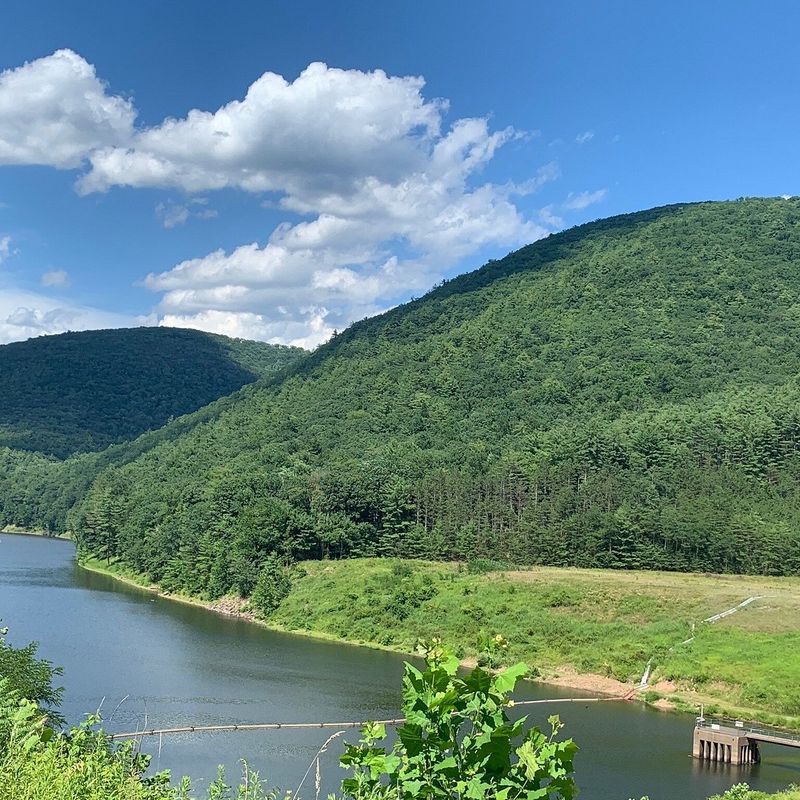
A wide valley opening beneath your feet has a way of making conversation stop for a moment.
Pine Creek Gorge, often called the Pennsylvania Grand Canyon, gives visitors that big-screen feeling with steep forested walls and a winding creek far below.
The gorge stretches through north-central Pennsylvania and is especially striking from Leonard Harrison State Park and Colton Point State Park.
These overlooks sit on opposite sides, offering different views of the same dramatic landscape.
In a movie, this could be the place where explorers first see the land ahead.
The long green ridges, misty mornings, and deep shadows create a sense of scale that feels much larger than expected.
Fall is a favorite season because the hills turn orange, red, and gold.
Spring brings fresh green leaves, while summer is ideal for biking or walking sections of the Pine Creek Rail Trail.
The rail trail follows the creek through the gorge and is easier than climbing steep paths.
Bikers should plan ahead because distances can add up, and cell service may be limited in spots.
Wildlife sightings are part of the fun.
Deer, birds, and sometimes bald eagles can appear, so binoculars are a smart item to pack.
Weather can change quickly at overlooks, especially in cooler months.
A light jacket, sturdy shoes, and extra water make the visit more comfortable.
Pine Creek Gorge is not flashy, and that is part of its power.
Its beauty feels steady, quiet, and huge, like the opening shot of a film about wilderness, friendship, or a long journey through Pennsylvania’s mountain country.
6. Hotel Hershey
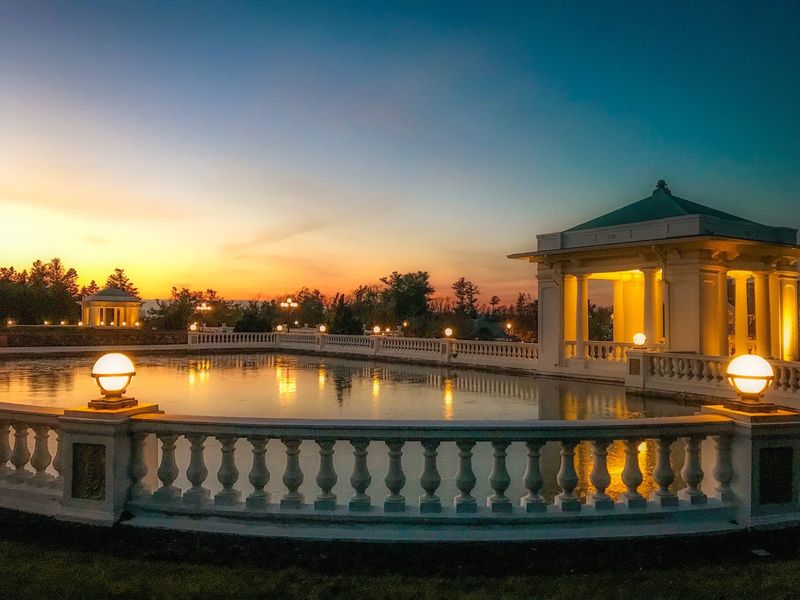
Chocolate town has a grand hotel that looks ready for a classic film about elegance, gardens, and a weekend escape.
The Hotel Hershey sits high above Hershey and brings a touch of old-world style to central Pennsylvania.
Opened in 1933 by Milton S.
Hershey, the hotel was built during the Great Depression to create jobs and give the community something lasting.
Its Mediterranean-inspired design includes arches, tiled details, terraces, and sweeping views.
The setting could easily work for a romantic movie or a family story with a polished backdrop.
Formal gardens, fountains, and long corridors make ordinary moments feel a little more special.
Visitors do not have to stay overnight to enjoy the atmosphere.
Dining, spa visits, seasonal events, and walks around the grounds can offer a taste of the experience.
The nearby Hershey attractions add a playful contrast.
One minute you can be admiring elegant architecture, and the next you are surrounded by roller coasters, candy shops, and the smell of chocolate.
For the best photos, look for garden paths, the front entrance, and terrace views at golden hour.
Soft evening light makes the building feel warm and almost painted.
Reservations are smart for meals or spa services, especially around holidays and summer weekends.
Comfortable but neat clothing fits the setting if you plan to dine inside.
What makes The Hotel Hershey feel cinematic is its sense of occasion.
It turns a visit into a scene, whether you are sipping cocoa, walking through flowers, or imagining the camera pulling back to show the hills of Pennsylvania beyond.
7. Hawk Mountain Sanctuary
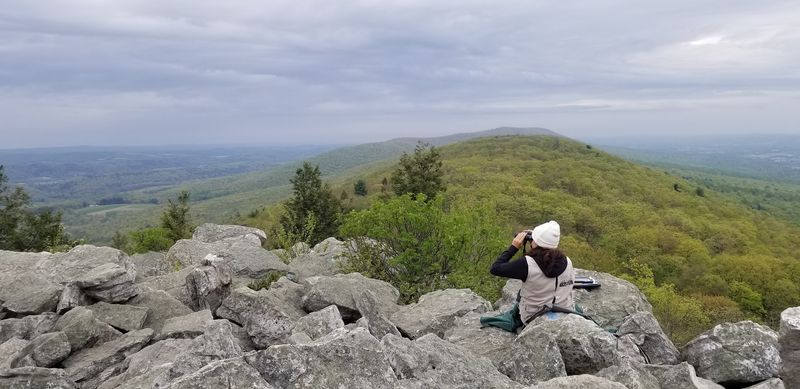
Look up at the right moment, and the sky above Hawk Mountain Sanctuary seems to come alive.
This protected area in eastern Pennsylvania is famous for raptor watching, especially during fall migration.
The sanctuary began in the 1930s as a safe place for birds of prey.
Today, it is known around the world as a conservation success story and a beautiful place to watch hawks, eagles, falcons, and vultures ride the wind.
As a movie setting, it has the feel of a quiet adventure.
Rocky overlooks, wide valleys, and circling birds create scenes that could fit a nature film, a coming-of-age story, or a peaceful mountain drama.
The trails range from easier walks to rockier climbs.
Visitors should check trail difficulty before heading out, because some lookout paths require careful footing.
Autumn is the most exciting season for bird counts.
Staff and volunteers often help visitors identify different species, which makes the experience better for beginners.
Bring binoculars if you have them, but do not worry if you are new to birding.
Watching shapes move across the sky can be enjoyable even before you know every name.
Weather matters on the mountain.
Layers, water, sunscreen, and shoes with good grip are useful, since overlooks can be windy and trails may be uneven.
Quiet patience is part of the visit.
Sometimes the drama is a sudden eagle passing close, and sometimes it is the slow beauty of clouds moving over the ridge.
Hawk Mountain Sanctuary shows a different side of Pennsylvania’s film-ready places.
Instead of built sets or famous landmarks, it offers sky, stone, and the thrilling feeling of waiting for wings to appear.
8. Ephrata Cloister
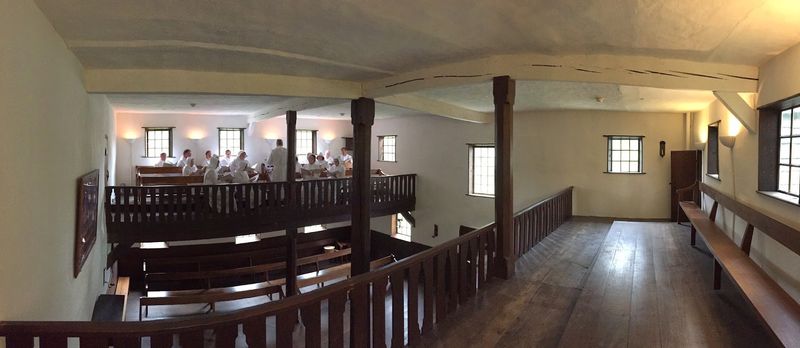
Quiet wooden buildings and steep roofs give Ephrata Cloister a calm, almost time-travel feeling.
Located in Lancaster County, this historic site preserves the story of a religious community that lived simply in the 1700s.
The people who lived here followed a strict and unusual way of life, with long hours of prayer, work, music, and printing.
Their buildings were plain, but the shapes and shadows make the site look striking on camera.
A period film could use this place with very little change.
Weathered wood, narrow rooms, white walls, and peaceful lawns create a setting that feels far removed from modern noise.
The community was also known for beautiful calligraphy, printed works, and special music.
That creative side adds depth to a place that might first seem only quiet and simple.
Guided tours are helpful because the story is not always easy to understand from the buildings alone.
A guide can explain daily life, sleeping habits, beliefs, and the role of the printing press.
Visitors should move slowly here.
Small details, such as door latches, wooden benches, and handmade construction, help the past feel real.
The site is a good stop for families studying colonial Pennsylvania or anyone interested in faith communities and early American life.
Since some interiors can be dim, give your eyes time to adjust.
Spring and fall are especially pleasant for walking the grounds.
The simple buildings look beautiful against fresh grass or colorful leaves.
Ephrata Cloister earns its movie-set feeling through stillness.
It does not shout for attention, but its careful lines, strange history, and quiet spaces make visitors feel as if they have stepped into a thoughtful historical drama.
9. Fallingwater
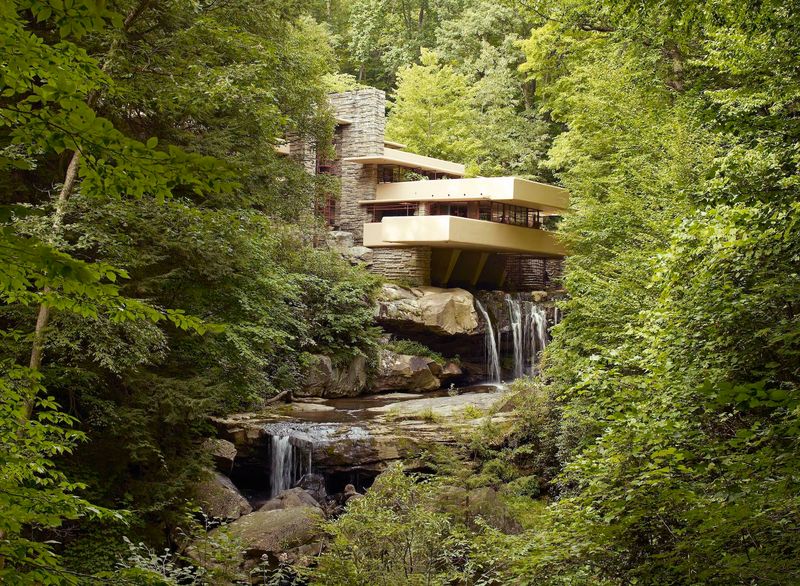
A house built over a waterfall sounds like something a filmmaker would invent, yet Fallingwater is real.
Hidden in the woods of southwestern Pennsylvania, it is one of architect Frank Lloyd Wright’s most famous works.
The home was designed in the 1930s for the Kaufmann family, who owned a Pittsburgh department store.
Instead of placing the house beside the stream, Wright placed it directly above the falling water.
That bold choice gives Fallingwater its unforgettable movie quality.
Stone walls, concrete terraces, forest light, and the constant sound of water make the house feel both natural and futuristic.
It could appear in a mystery, an art film, or a story about a creative family retreat.
Every angle seems planned, from the wide balconies to the way windows pull the woods into the rooms.
Tours are required for most visits, and tickets should be reserved ahead of time.
The site is popular, especially during warm months and fall color season.
Good walking shoes help because the grounds include paths, steps, and uneven areas.
Visitors should also allow extra time to see viewpoints outside the house.
Photography rules may vary by tour, so check before going.
Even if indoor photos are limited, the classic outside view of the house over the falls is worth the trip.
Learning a little about Wright before visiting makes the experience richer.
His ideas about blending buildings with nature are easy to see here.
Fallingwater stands out because it does not simply sit in a pretty place.
It becomes part of the place, turning rock, water, trees, and architecture into one of Pennsylvania’s most unforgettable scenes.
10. Pennsylvania State Capitol
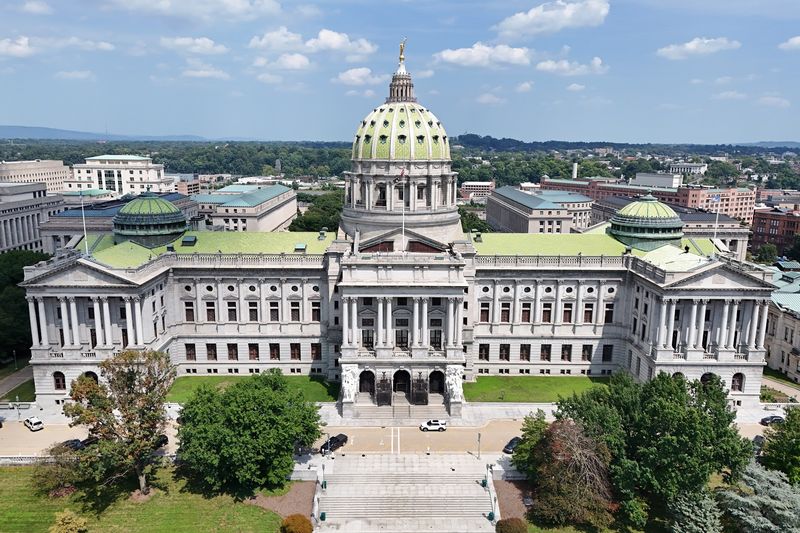
Grand staircases, glowing murals, and a huge dome make the Pennsylvania State Capitol feel more like a palace than an office building.
In Harrisburg, this working seat of government is also one of the state’s most dramatic interiors.
President Theodore Roosevelt reportedly praised the building at its 1906 dedication, and it is easy to see why.
The design includes marble, bronze, stained glass, painted ceilings, and rich decoration in nearly every direction.
A political drama or historical film could use the Capitol with little effort.
The rotunda, chambers, and corridors have the kind of scale that makes conversations feel important.
Visitors can take guided tours to learn about the building’s art, architecture, and government role.
Tours are a smart choice because guides point out details many people would miss on their own.
The main dome was inspired by St. Peter’s Basilica in Rome, which explains its grand look.
Standing beneath it, visitors often tilt their heads back and pause without meaning to.
Security procedures are part of the visit, so bring only what you need and allow time to enter.
Since it is an active government building, some areas may be unavailable during official business.
Art lovers should look closely at the murals and floor tiles.
Many images tell stories about Pennsylvania’s industries, people, and history.
The outside is also worth a slow walk, especially from the front steps and nearby grounds.
The building photographs beautifully in morning or late afternoon light.
The Pennsylvania State Capitol proves that civic spaces can be inspiring.
Its movie-set power comes from beauty with purpose, reminding visitors that history, law, art, and public life all share the same stage.
11. Presque Isle State Park
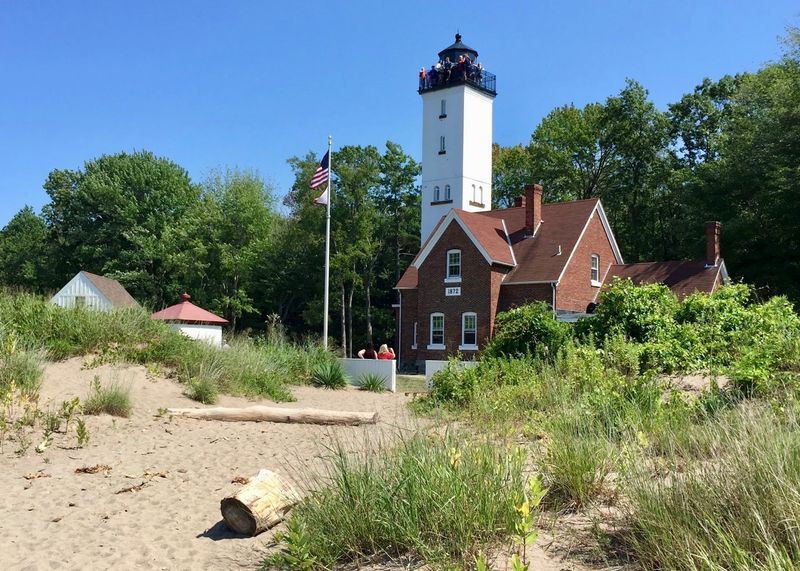
Not every Pennsylvania movie scene needs mountains or old buildings.
Presque Isle State Park in Erie offers sandy beaches, open water, lighthouses, trails, and sunsets that can look almost ocean-like.
The park sits on a curved peninsula reaching into Lake Erie.
Because water surrounds much of it, the landscape changes from calm bays to wave-washed beaches within a short drive or bike ride.
As a film setting, it could play the part of a summer romance, a quiet family vacation, or a lakeside mystery.
Foggy mornings and glowing sunsets add different moods throughout the day.
Beach 11 is popular for swimming because it often has calmer water, while other beaches are loved for walking and watching waves.
Always check swimming conditions and lifeguard information before entering the lake.
Biking is one of the best ways to explore the park.
The paved multipurpose trail gives visitors a relaxed route past woods, marshes, beaches, and bay views.
Birdwatchers also find plenty to enjoy here, especially during migration seasons.
Presque Isle is an important stop for many species, so binoculars can turn a casual walk into a small discovery trip.
The lighthouses add classic visual charm.
They make strong photo subjects, especially when paired with beach grass, clouds, or late-day color.
Summer weekends can be crowded, so early arrival helps with parking and quieter beach time.
In cooler months, the park feels peaceful and wide open.
Presque Isle State Park gives Pennsylvania a coastal personality many visitors do not expect.
With sand underfoot and Lake Erie stretching to the horizon, it feels like a movie location where the next scene could begin with gulls, waves, and golden light.
12. Kinzua Bridge State Park
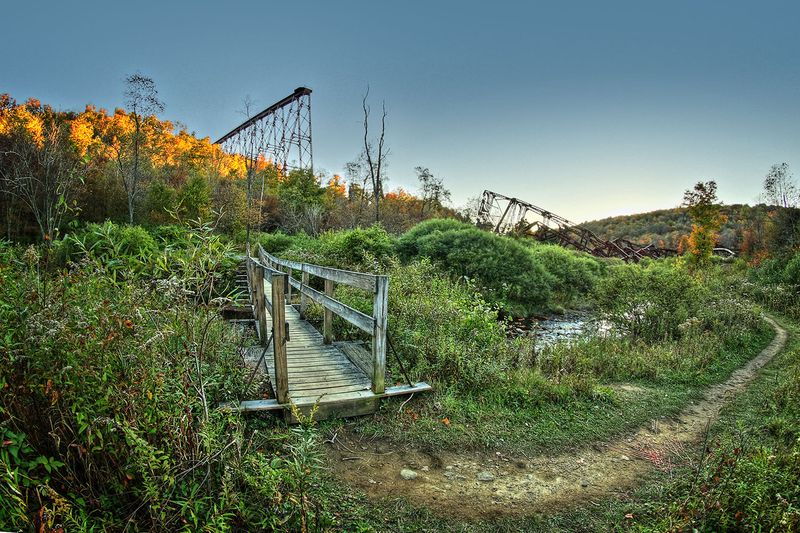
A broken railroad bridge high above a forest valley sounds like a ready-made scene from an adventure movie.
Kinzua Bridge State Park in northwestern Pennsylvania offers exactly that, along with a story of engineering, weather, and change.
The original Kinzua Viaduct was once one of the tallest and longest railroad bridges in the world.
Built in the 1880s and later rebuilt with steel, it carried trains across a deep valley for many years.
In 2003, a tornado tore through the area and knocked down much of the bridge.
Instead of removing the wreckage, the park preserved the remains and turned part of the standing structure into a skywalk.
Walking out onto the skywalk feels dramatic but safe when conditions are good.
A glass floor section lets visitors look down into the valley, which can be thrilling for anyone who likes heights.
The twisted steel below adds a powerful visual element.
It looks like a disaster-film set, but it also teaches a real lesson about nature’s strength.
The visitor center explains the bridge’s history with exhibits and helpful displays.
Spending time there before walking out makes the view more meaningful.
Bring a jacket because wind can be strong on the overlook.
In winter or storms, conditions may affect access, so checking park updates is wise.
Photographers should try wide shots that include both the skywalk and the fallen towers.
Fall color makes the valley especially striking.
Kinzua Bridge State Park feels cinematic because it combines beauty with drama.
The scene is not just about what still stands, but also about what fell, and how Pennsylvania turned a wreck into a place of wonder.
13. Nemacolin Castle
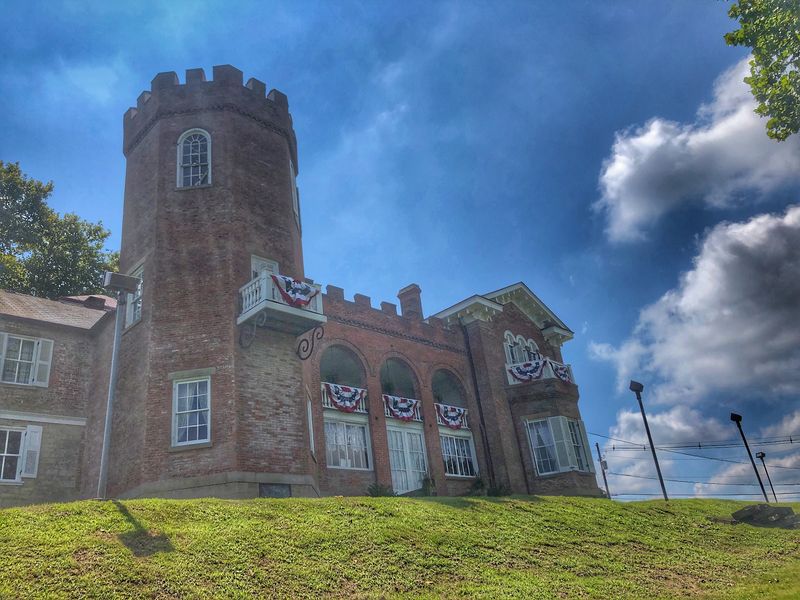
Perched above the Monongahela River in Brownsville, Nemacolin Castle has the kind of name and look that instantly suggest secrets.
Its towers, stonework, and layered history make it feel ready for a gothic mystery.
The building is also known as Bowman Castle, connected to the Bowman family and the area’s early development.
Over time, additions gave it a castle-like shape that stands out from typical historic homes.
A filmmaker could use it for a ghost story, a period piece, or a tale about an old family estate.
The rooms, stairways, and exterior details all carry a mood that is slightly elegant and slightly spooky.
Guided tours help visitors understand how the house changed across generations.
Without the stories, it would be easy to notice only the unusual shape and miss the people behind it.
The castle’s location adds to its atmosphere.
Brownsville has deep ties to river travel, industry, and westward movement, so the site connects with larger Pennsylvania history.
Check tour hours before going, since historic homes often have seasonal schedules or special event dates.
Some tours may include stories of hauntings, which can be fun for visitors who enjoy local legends.
Older buildings may have stairs, narrow spaces, or uneven floors.
Comfortable shoes and a little patience make the visit easier.
Outside, take time to view the structure from different angles.
Turrets, rooflines, and stone textures can change the whole feeling of a photo.
Nemacolin Castle earns its place on this list because it feels both personal and theatrical.
It is not a giant royal palace, but its history, shape, and riverside setting give Pennsylvania a wonderfully moody final scene.