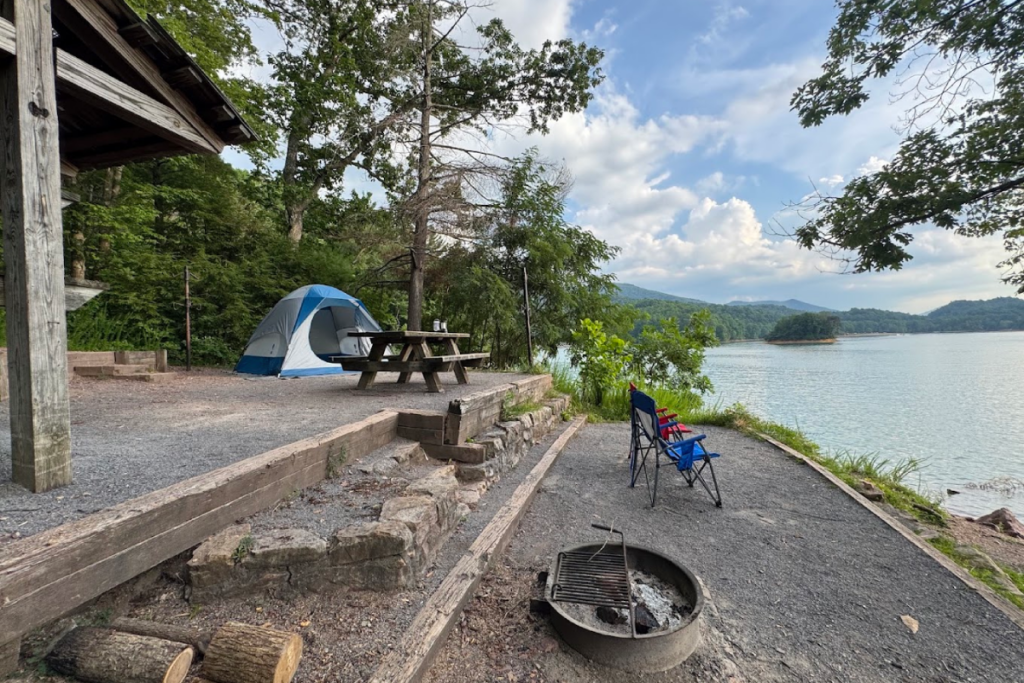
Tennessee is home to some of the most stunning waterfront camping spots in the South. From the misty shores of Reelfoot Lake to the crystal-clear waters of Watauga Lake, these campgrounds let you pitch your tent or park your RV just steps from the water.
Whether you crave sunrise fishing, peaceful paddling, or simply falling asleep to the sound of lapping waves, these 13 spots deliver unforgettable mornings with a view.
1. Reelfoot Lake State Park, Tiptonville
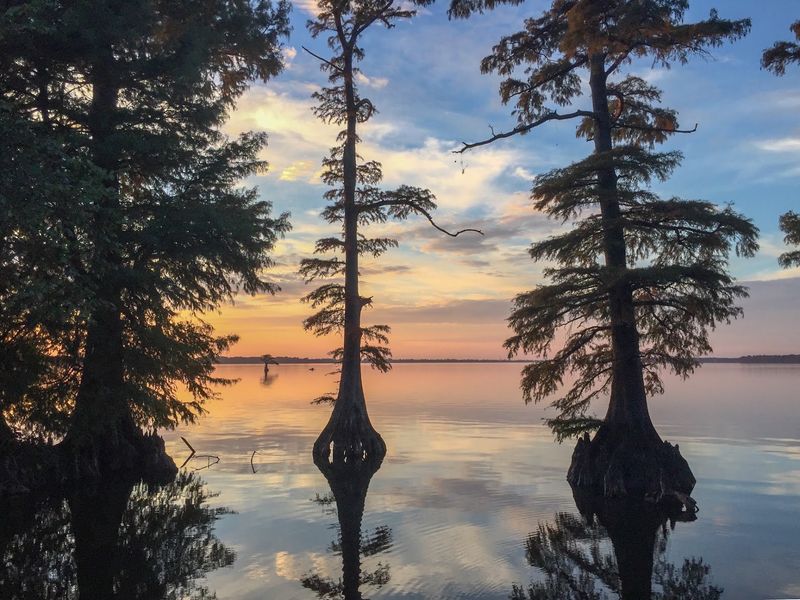
Reelfoot Lake holds a unique place in Tennessee geography. Formed by a series of earthquakes in the early 1800s, this shallow natural lake sprawls across nearly 15,000 acres in the northwest corner of the state.
Bald cypress trees rise from the water, draped in Spanish moss, creating an almost otherworldly landscape that feels more Louisiana bayou than Tennessee valley.
The campground sits right along the water, giving you front-row seats to some of the best birdwatching in the region. Eagles nest here in winter, and herons stalk the shallows year-round.
Mornings bring a thick mist that rolls across the lake, muffling sound and softening the light in a way that photographers dream about.
Fishing is king at Reelfoot. Crappie, bluegill, and catfish thrive in these shallow waters, and you can launch a boat or kayak right from camp.
The lake stays calm most mornings, perfect for a quiet paddle among the cypress knees. Wildlife sightings are common, from turtles sunning on logs to the occasional river otter slipping through the reeds.
Campsites range from basic tent pads to full-hookup RV spots, many with direct lake views. The park also offers cabins if you want a roof over your head but still crave that waterfront experience.
Facilities are well-maintained, with clean bathhouses and a camp store stocked with essentials.
Evening brings a different kind of magic. As the sun sets behind the cypresses, the lake turns gold, then purple, then black.
Frogs start their chorus, and if you’re lucky, you might hear the haunting call of a barred owl echoing across the water. It’s the kind of place that slows you down and reminds you why camping near water always feels like coming home.
2. Paris Landing State Park, Buchanan
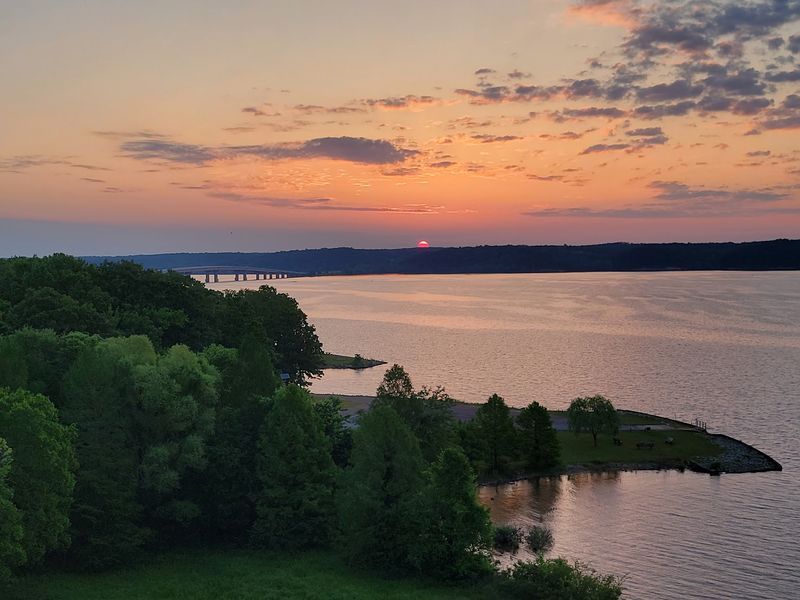
Kentucky Lake stretches for miles along the western edge of Tennessee, and Paris Landing sits on one of its prettiest stretches. This state park campground offers over 40 sites, many with direct views of the water.
The lake here is wide and calm, perfect for boating, skiing, or just floating on a hot summer afternoon.
Wake up to the sound of waves lapping against the rocky shore. Sunrise over Kentucky Lake comes early in summer, painting the sky in shades of pink and orange that reflect off the glassy surface.
Fishermen are usually the first ones up, heading out in search of bass, crappie, and catfish that make this lake famous among anglers.
The campground itself feels spacious and well-planned. Sites are spread out enough to give you privacy, and most have electric and water hookups.
A few premium spots sit right on the bluff overlooking the lake, where you can watch boats cruise by while you sip your morning coffee. The park maintains excellent facilities, including modern restrooms, a swimming pool, and a full-service marina.
Hiking trails wind through the woods behind the campground, offering shade and wildlife viewing opportunities. Deer are common visitors, and you might spot wild turkeys scratching through the underbrush.
The trails connect to picnic areas and scenic overlooks where you can pause and take in the expanse of water below.
Evenings at Paris Landing are made for campfires and star-gazing. The lake breeze keeps mosquitoes at bay, and the open sky above the water shows off constellations you might miss in more wooded areas.
It’s a family-friendly spot that balances recreation with relaxation, giving you plenty to do without feeling crowded or rushed.
3. Bruton Branch Recreation Area, Savannah
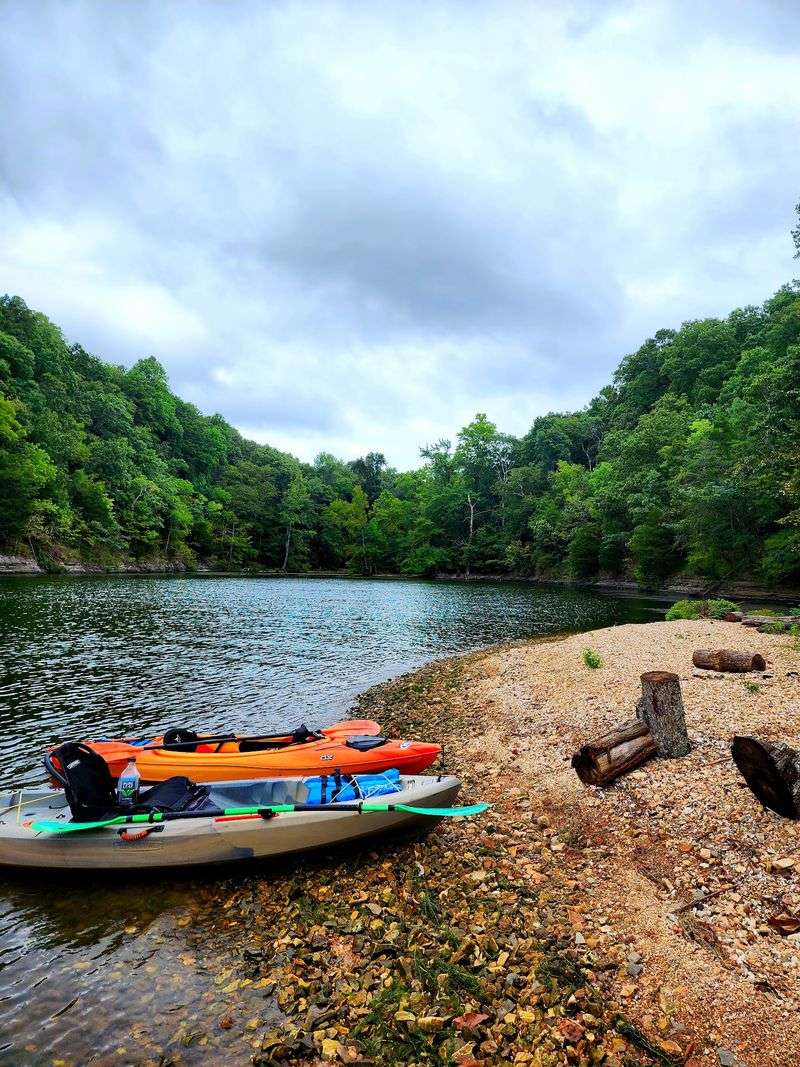
While the main campground at Pickwick Lake undergoes renovations, Bruton Branch steps up as the go-to camping option in the area. This smaller recreation area sits along a quiet cove of Pickwick Lake, offering a more intimate waterfront experience than its larger neighbor.
The setting feels tucked away, surrounded by hardwood forest that provides plenty of shade even on the hottest days.
Pickwick Lake is known for its clarity and depth. Unlike some Tennessee lakes that run murky, Pickwick’s water stays relatively clear, making it popular with swimmers and snorkelers.
The shoreline at Bruton Branch features a mix of rocky points and sandy patches where you can wade in or launch a kayak without hassle.
Campsites here are basic but well-maintained. You’ll find picnic tables, fire rings, and access to vault toilets.
Most sites sit within a short walk of the water, and a few lucky spots offer direct lake views through the trees. It’s a quieter alternative to busier campgrounds, attracting folks who prefer solitude over amenities.
Fishing at Pickwick is legendary. Smallmouth bass, catfish, and crappie all call these waters home, and tournament anglers travel from across the Southeast to compete here.
Even if you’re not a serious fisherman, tossing a line in the early morning can be a peaceful way to start the day. The lake stays relatively calm before the afternoon boat traffic picks up.
Wildlife thrives in the surrounding forest. Listen for woodpeckers drumming on dead snags and watch for herons stalking the shallows.
At night, the stars come out in full force, unobstructed by city lights. Bruton Branch might not have all the bells and whistles of a developed park, but what it lacks in amenities it makes up for in natural beauty and tranquility.
4. Mousetail Landing State Park Spring Creek Campground, Linden
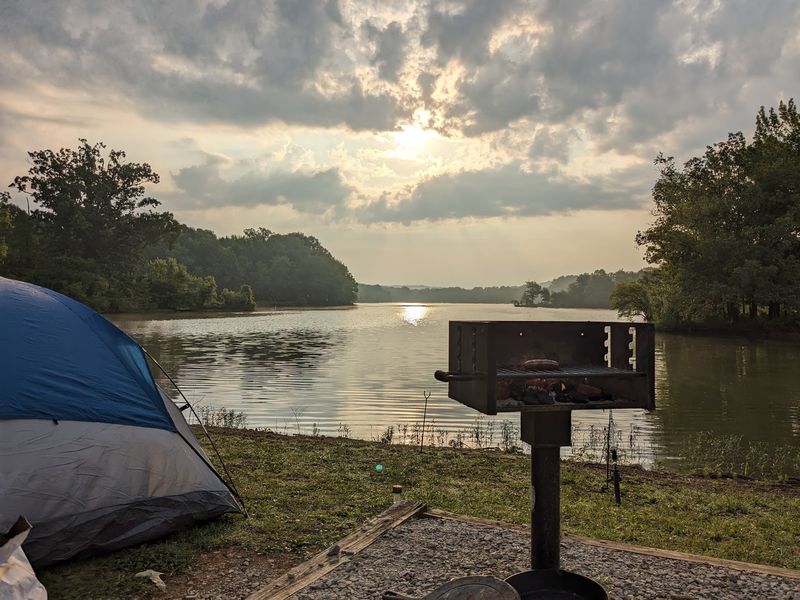
Spring Creek Campground takes you back to basics. These primitive sites sit directly along the Tennessee River, offering an experience that feels more like wilderness camping than state park convenience.
There are no hookups, no showers, and no frills. Just you, your tent, and the sound of the river rolling by a few feet from where you sleep.
The Tennessee River here flows wide and steady. Barges occasionally pass in the distance, their engines a low rumble that somehow adds to rather than detracts from the peaceful atmosphere.
The riverbank is mostly wooded, with sycamores and willows leaning out over the water, their roots exposed by erosion and seasonal flooding.
Camping here requires a bit more preparation than a typical state park. You’ll need to bring all your own water and be comfortable with vault toilets.
The reward is solitude and a genuine connection to the river. Mornings bring mist rising off the water, and if you’re quiet, you might see deer coming down to drink at dawn.
Fishing from the bank is popular, with catfish and bass being the main targets. The current here is gentle enough for kayaking, and you can paddle upstream or down, exploring quiet backwaters and side channels.
Birdwatchers appreciate the variety of species that frequent the river corridor, from kingfishers diving for minnows to ospreys circling overhead.
Nights at Spring Creek are genuinely dark. Without electricity or nearby development, the stars shine bright and the Milky Way stretches across the sky.
The river provides a constant soundtrack, sometimes a whisper, sometimes a murmur, always there. It’s the kind of camping that reminds you why people seek out wild places, where the only schedule is the sun and the only requirement is paying attention.
5. Natchez Trace State Park, Wildersville
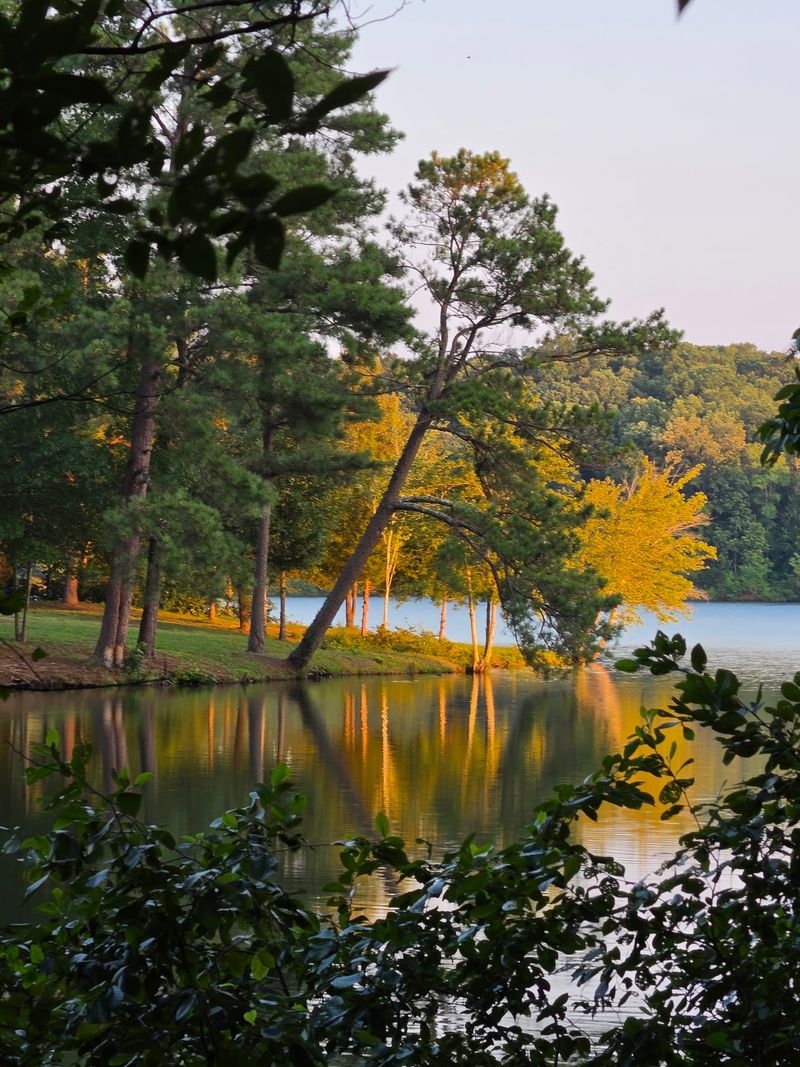
Natchez Trace State Park sprawls across nearly 50,000 acres in West Tennessee, making it one of the largest state parks in the system. Within this massive forest, several lakes offer waterfront camping opportunities.
Pin Oak Lodge Lake and Cub Lake both have sites right by the water, where you can cast a line from your campsite or watch the sunrise paint the surface gold.
The lakes here aren’t massive, but what they lack in size they make up for in scenery. Surrounded by dense hardwood forest, they feel secluded and peaceful.
Early morning fog often settles over the water, creating a mystical atmosphere that burns off slowly as the day warms. Ducks and geese frequent the shores, and you might spot a beaver working on its lodge at dusk.
Campsites vary from primitive tent spots to full-hookup RV sites. The lakefront locations book up quickly, especially during spring and fall when the weather is perfect and the fishing is hot.
Bass, bream, and catfish all inhabit these lakes, and fishing from the bank or a small boat can be productive. The park enforces electric-motor-only rules, keeping the lakes quiet and calm.
Beyond fishing and swimming, the park offers miles of hiking and horseback riding trails. The forest here is classic West Tennessee bottomland hardwood, with towering oaks, hickories, and sweet gums.
In spring, wildflowers carpet the forest floor, and in fall, the color show rivals anything in the Smokies.
Facilities at Natchez Trace are well-developed. Clean bathhouses, a camp store, and a restaurant near the lodge provide convenience without sacrificing the camping experience.
Evenings around the campfire, with the lake reflecting the last light of day, feel both timeless and deeply restorative. It’s a place where you can unplug completely or just slow down enough to remember what matters.
6. Lock A Campground, Ashland City
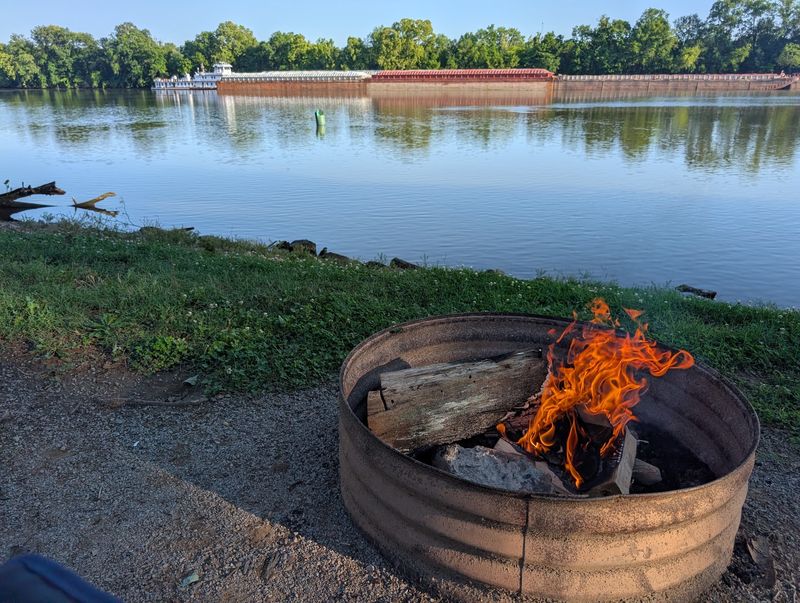
Just 30 minutes from downtown Nashville, Lock A Campground sits along the Cumberland River at Cheatham Lake. This U.S. Army Corps of Engineers facility offers convenient access to water recreation without the long drive to more remote parks. The campground hugs a bend in the river, giving many sites direct water views and easy access to boat ramps.
Cheatham Lake is a popular destination for boaters and water skiers. The river here widens into a broad impoundment, creating calm conditions perfect for all kinds of water sports.
Weekends can get busy with boat traffic, but weekdays and early mornings remain relatively peaceful. Fishing is excellent, with catfish, bass, and sauger all present in good numbers.
Campsites at Lock A are mostly paved pads with full hookups, designed with RVs in mind though tent campers are welcome. The sites closest to the water offer unobstructed views of the river, where you can watch barges navigate the lock system just upstream.
The lock operations are fascinating to observe, with massive gates opening and closing to raise or lower boats between river levels.
The campground itself is clean and well-maintained. Bathhouses are modern, and the grounds are mowed and tidy. A playground keeps kids entertained, and several picnic areas with grills are scattered throughout.
The proximity to Nashville makes this a great base camp for exploring the city while still enjoying waterfront camping.
Mornings here start with the sound of the river and the calls of gulls circling overhead. The Cumberland flows steady and strong, its current visible even in the lake section.
Sunrises reflect off the water in brilliant colors, and the air smells fresh and clean. It’s proof that you don’t need to venture deep into the wilderness to find a quality waterfront camping experience.
7. Seven Points Campground, Mt. Juliet
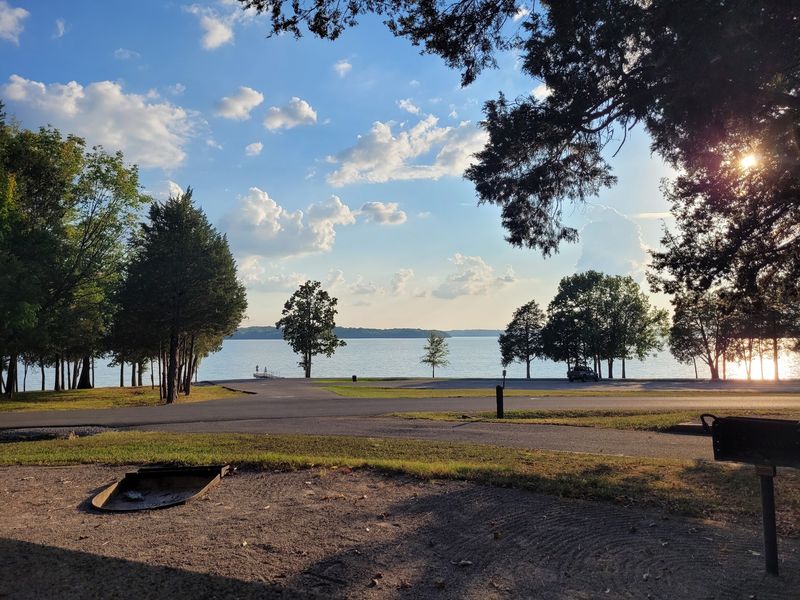
Percy Priest Lake serves as Nashville’s playground, and Seven Points Campground is one of its premier waterfront camping destinations. Located just east of the city, this Corps of Engineers campground offers over 60 sites, many with direct lake access.
The setting combines convenience with natural beauty, making it popular with locals and visitors alike.
The lake here is broad and inviting. Percy Priest covers over 14,000 acres when full, providing plenty of room for boating, skiing, and fishing.
Seven Points sits on a wooded peninsula that juts into the lake, giving the campground water on three sides. Several sites sit right on the shore, where you can moor your boat at your campsite and step directly from land to water.
Facilities are modern and well-kept. Paved sites accommodate large RVs, and each spot includes a picnic table and fire ring.
The bathhouses are clean, and the campground hosts offer friendly service and local knowledge. A boat ramp provides easy launching, and a swimming beach gives kids a safe place to splash around.
Fishing at Percy Priest is productive year-round. Largemouth bass, crappie, and striped bass all thrive here, and the lake hosts numerous fishing tournaments.
Even casual anglers can expect action, especially in spring when the fish move shallow to spawn.
Despite being close to a major city, Seven Points maintains a peaceful atmosphere. Trees buffer the campground from road noise, and the lake breeze keeps the air fresh.
Evenings bring spectacular sunsets over the water, and the lights of Nashville glow on the horizon after dark. It’s an ideal spot for campers who want waterfront access without sacrificing proximity to urban amenities and attractions.
8. Floating Mill Park, Silver Point
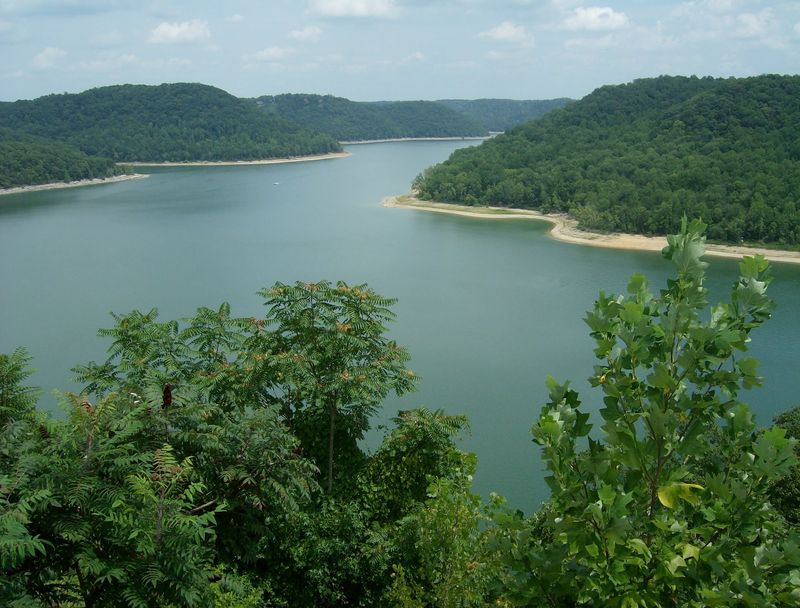
Center Hill Lake winds through the hills of Middle Tennessee, its deep, clear water filling valleys carved by the Caney Fork River. Floating Mill Park sits on one of the lake’s most scenic stretches, offering both developed RV sites and primitive lakefront tent spots.
The tent sites are the real draw, positioned right on the water where you can fall asleep to gentle waves and wake to mist rising off the lake.
The lake here is stunning. Limestone bluffs rise from the opposite shore, and the water stays remarkably clear even after rains. It’s a favorite with scuba divers who explore submerged rock formations and old homesteads flooded when the dam was built.
For campers, the clarity makes swimming especially appealing, and the gradual shoreline is perfect for wading.
Lakefront tent sites are first-come, first-served, so arriving early improves your chances of snagging one. These spots are primitive, with no hookups or amenities beyond a fire ring and access to vault toilets.
The trade-off is privacy and an unbeatable location. You’re camping literally feet from the water, with nothing between you and the lake but a narrow strip of grass.
Kayaking and paddleboarding are popular activities. The lake’s many coves and inlets invite exploration, and the calm morning water is ideal for beginners.
Fishing is good for bass, walleye, and muskie, with the rocky points and drop-offs holding fish year-round. Anglers often launch at dawn, seeking that early bite before boat traffic picks up.
Evenings at Floating Mill feel magical. The hills surrounding the lake catch the last light, glowing gold and orange as the sun drops.
Stars emerge bright and clear, reflected in the still water. It’s rustic camping at its best, where simplicity enhances rather than diminishes the experience.
9. Defeated Creek Campground, Defeated
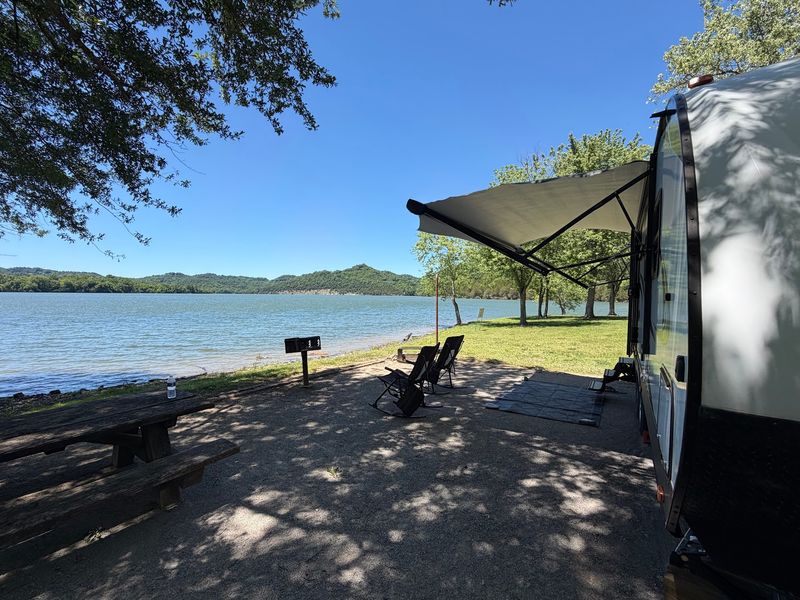
Defeated Creek Campground takes its unusual name from a nearby stream, but there’s nothing defeated about this excellent waterfront camping destination. Located on Cordell Hull Lake along the Cumberland River, the campground offers over 150 sites spread across a wooded peninsula.
Many sites provide direct lake views, and several sit close enough to the water that you can hear waves lapping at the shore.
Cordell Hull Lake is a long, narrow impoundment that follows the old river channel. The water here is typically calm and clean, ideal for swimming and paddling.
The campground includes a swimming beach that’s popular with families, and a boat ramp provides easy access for anglers and recreational boaters. The lake is known for excellent crappie fishing, especially in spring when the fish move into the shallows.
Campsites range from basic tent pads to full-hookup RV spots. The waterfront sites book quickly, especially during summer and holiday weekends.
Trees provide good shade throughout most of the campground, and the sites are spaced well enough to offer reasonable privacy. Facilities include modern bathhouses, playgrounds, and a camp store stocked with firewood and basic supplies.
The surrounding area offers plenty to explore. Hiking trails wind through the forest, and several historic sites related to the Civil War are within a short drive.
The lake itself invites exploration, with numerous coves and backwaters to investigate by boat or kayak. Wildlife is abundant, with deer, turkeys, and a variety of waterfowl common sights.
Mornings at Defeated Creek are peaceful and beautiful. Fog often settles over the lake at dawn, creating ethereal scenes as the sun breaks through.
Coffee tastes better with a water view, and the quiet hours before other campers wake are perfect for reflection or a solitary paddle. It’s a well-run campground that balances amenities with natural beauty, making it a favorite among Tennessee campers.
10. Obey River Campground, Monroe
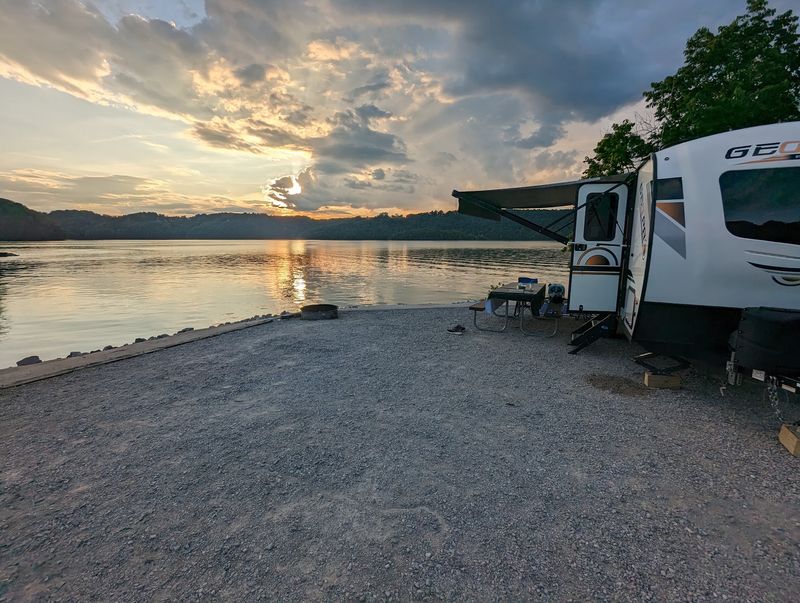
Dale Hollow Lake is legendary for its crystal-clear water and massive smallmouth bass. Obey River Campground sits right on the lake’s shores, offering over 130 sites that cater primarily to RVs but welcome tent campers as well.
The campground occupies a prime location where the Obey River arm meets the main lake, providing both river and lake access from the same spot.
The water here is famously clear. Dale Hollow regularly ranks among the cleanest lakes in the nation, with visibility often exceeding 20 feet.
This clarity makes it a paradise for swimmers, snorkelers, and scuba divers. The rocky shoreline drops off quickly in places, creating deep pools that stay cool even in summer.
Cliff jumping is popular at several spots around the lake, though always exercise caution.
Campsites at Obey River are well-developed, with paved pads, full hookups, and picnic tables. Many sites offer lake views through the trees, and a few premium spots sit right on the water.
The campground includes multiple boat ramps, a marina, and a swimming beach. Facilities are excellent, with clean bathhouses and a camp host who keeps everything running smoothly.
Fishing is a major draw. Dale Hollow holds the world record for smallmouth bass, and anglers from across the country visit hoping to catch a trophy.
Walleye, muskie, and trout also inhabit these waters. Early mornings bring fishermen out in force, their boats cutting through glassy water as they seek productive points and ledges.
The scenery around Dale Hollow is rugged and beautiful. Forested hills rise from the water, and the shoreline is largely undeveloped, giving the lake a wild feel despite its popularity.
Evenings bring stunning sunsets that reflect off the clear water in brilliant colors. It’s a campground that attracts repeat visitors, people who return year after year because they know they’ve found something special.
11. Indian Boundary Campground, Vonore
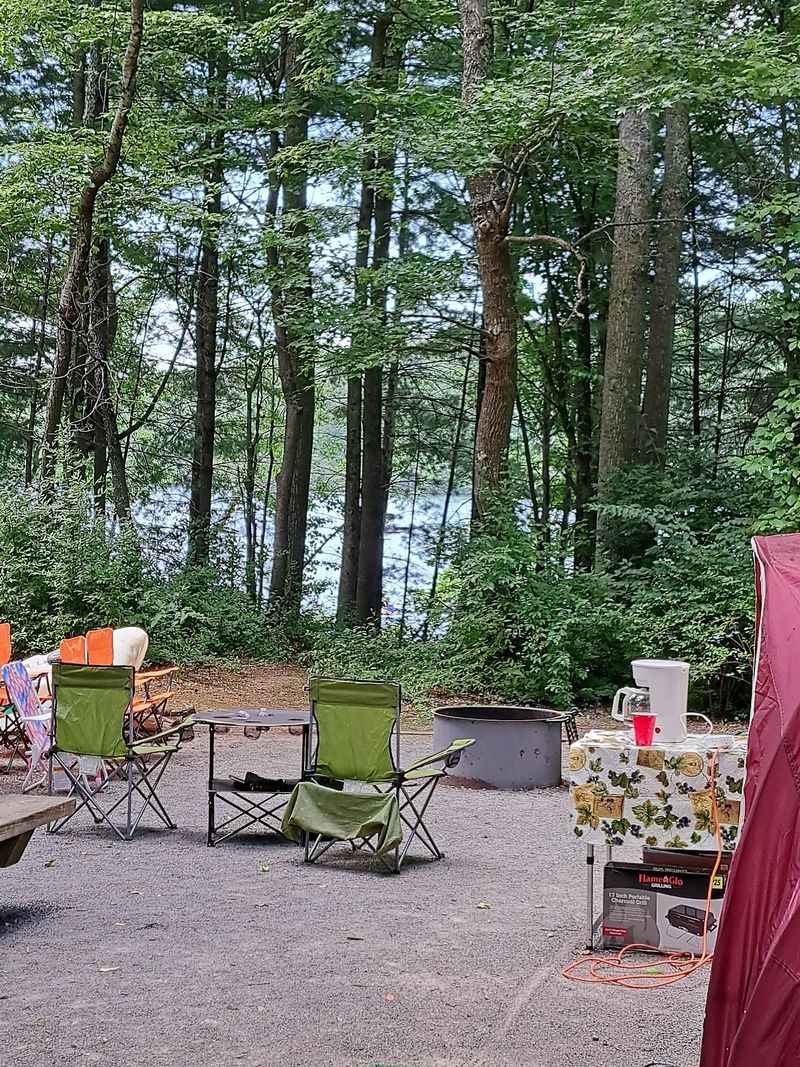
Tucked into the Cherokee National Forest, Indian Boundary Lake offers a different kind of waterfront camping experience. This small mountain lake sits at a higher elevation than most Tennessee campgrounds, surrounded by peaks that rise over 3,000 feet.
The campground wraps around a portion of the lakeshore, offering sites that range from lakefront to tucked back in the rhododendron thickets.
The lake itself is only 96 acres, making it feel intimate and peaceful. No gas motors are allowed, keeping the water quiet and calm. Kayaks, canoes, and electric trolling motors are the order of the day.
The water is cool and clear, fed by mountain streams that tumble down from the surrounding ridges. A swimming beach provides a designated area for splashing around, though the water stays chilly even in summer.
Campsites here are classic national forest style. Most are fairly basic, with gravel pads, picnic tables, and fire rings.
Vault toilets serve the campground, and potable water is available from spigots scattered throughout. The lakefront sites are the most coveted, offering direct water access and views across the lake to the mountains beyond.
Reservations are recommended, especially for weekends and fall color season.
Hiking trails radiate from the campground into the surrounding forest. The Indian Boundary Loop Trail circles the lake, an easy walk that takes about an hour.
Longer trails climb into the mountains, offering views and access to remote streams where native brook trout still swim. The forest here is lush and diverse, with towering hemlocks, oaks, and poplars creating a cathedral-like canopy.
Nights at Indian Boundary are cool and quiet. The elevation keeps temperatures moderate even in summer, and you’ll want a blanket most nights.
Stars shine bright above the dark forest, and the only sounds are wind in the trees and the occasional hoot of an owl. It’s mountain camping at its finest, where the lake adds an extra element of beauty to an already spectacular setting.
12. Cardens Bluff Campground, Hampton
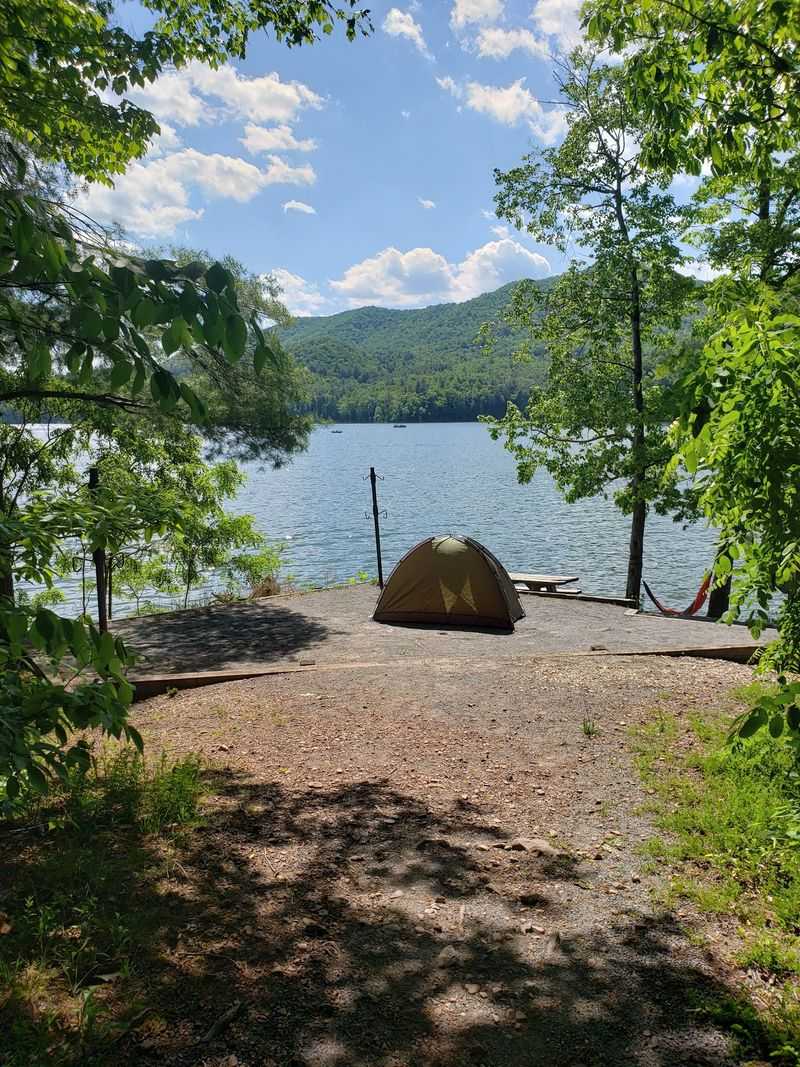
Watauga Lake is one of East Tennessee’s most beautiful bodies of water, and Cardens Bluff Campground occupies one of its most dramatic locations. The campground sits on a peninsula that juts into the lake, surrounded by water on three sides.
Mountains rise from the opposite shore, creating a panoramic view that rivals anything in the region. Sites on the point offer 180-degree water views that are simply stunning.
The lake here is deep and cold, fed by mountain streams and the Watauga River. The water stays remarkably clear, showing off shades of blue and green that change with the light and weather.
Swimming is popular, though the temperature takes some getting used to. Boating and fishing are excellent, with smallmouth bass, walleye, and trout all present in good numbers.
Campsites at Cardens Bluff are well-spaced and thoughtfully designed. Paved pads accommodate RVs, and several tent-only sites sit in more secluded spots.
The peninsula sites are the stars of the show, perched high on the bluff with commanding views of the lake and mountains. Trees provide some shade, but the emphasis here is definitely on the view rather than forest seclusion.
The surrounding area offers plenty of outdoor recreation. The Appalachian Trail crosses nearby, and several hiking trails lead into the Cherokee National Forest.
Water sports are popular, with jet skis, pontoon boats, and sailboats all sharing the lake. The marina rents boats and sells supplies, making it easy to get out on the water even if you didn’t bring your own craft.
Sunsets at Cardens Bluff are legendary. The western-facing sites watch the sun drop behind the mountains, painting the sky and water in shades of orange, pink, and purple.
As darkness falls, the stars emerge in stunning numbers, undimmed by city lights. It’s the kind of place that makes you want to extend your stay, where every morning brings new beauty and every evening ends with gratitude.
13. Little Oak Campground, Bristol
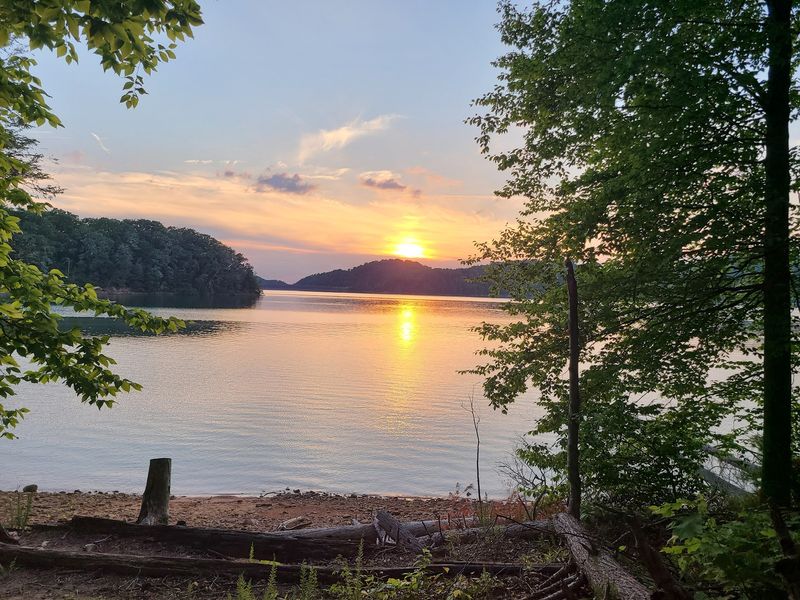
South Holston Lake stretches along the Tennessee-Virginia border, its clear waters backed by mountain scenery that feels more like New England than the South. Little Oak Campground hugs the shoreline, offering numerous sites with direct lake access.
The campground is large and well-developed, but the natural setting keeps it feeling more wild than manicured.
The lake is famous for its clarity and its trophy trout fishery. South Holston releases cold water from the bottom of the dam, creating downstream conditions that support one of the best brown trout fisheries in the country.
The lake itself holds smallmouth bass, walleye, and lake trout, attracting anglers year-round. The clear water makes sight-fishing possible, and you can often see fish cruising the shallows from shore.
Campsites at Little Oak range from lakefront to wooded interior spots. The waterfront sites are understandably popular, offering the ability to tie up your boat right at your campsite.
Paved pads and full hookups accommodate large RVs, while tent campers can choose from several more primitive areas. Facilities include modern bathhouses, a boat ramp, and a small beach area for swimming.
The surrounding mountains provide a stunning backdrop. Forested ridges rise from the lake, and the water reflects their green slopes in mirror-like stillness on calm mornings.
The area is quieter and less developed than some Tennessee lakes, giving it a more remote feel despite excellent facilities. Wildlife is common, with deer, wild turkeys, and black bears all present in the surrounding forest.
Mornings at Little Oak are cool and fresh, even in summer. The mountain air carries the scent of pine and water, and mist often rises from the lake at dawn.
It’s a place that rewards early risers with beauty and solitude. Whether you’re fishing, paddling, or just sitting with coffee and watching the light change, South Holston delivers a waterfront camping experience that’s hard to beat.
Share this story