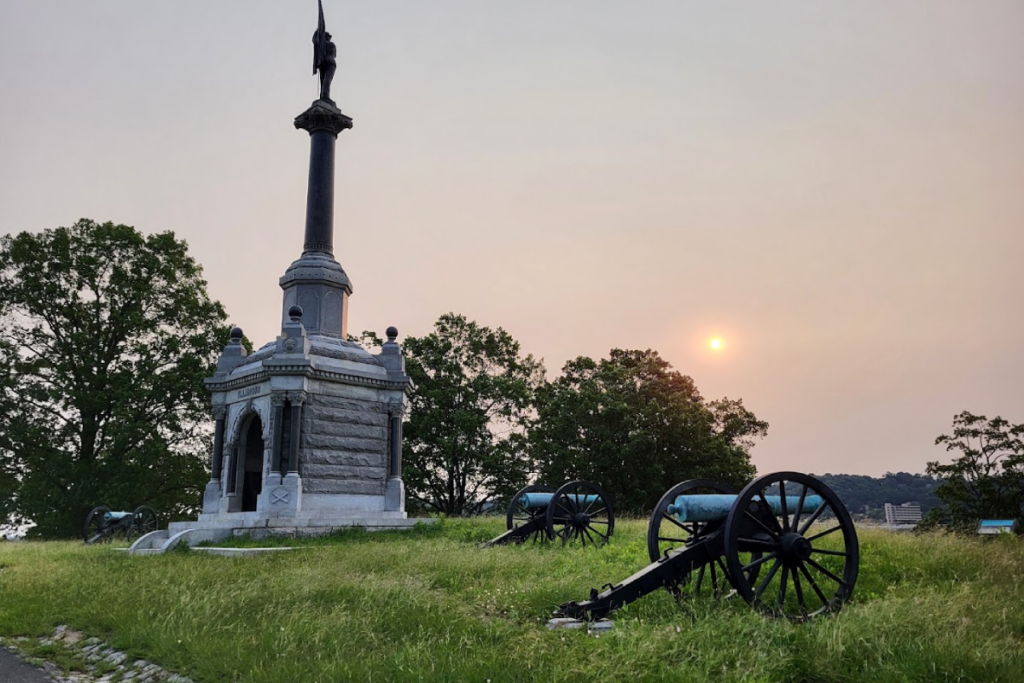
Chattanooga is packed with incredible things to see and do without spending a single dollar. From scenic river walks to historic landmarks and outdoor art installations, this city knows how to show visitors and locals alike a fantastic time on any budget.
Whether you’re exploring mountain trails, crossing iconic bridges, or soaking up Civil War history, these twelve free experiences prove that the best adventures don’t always come with a price tag.
1. Walk Across the Walnut Street Bridge
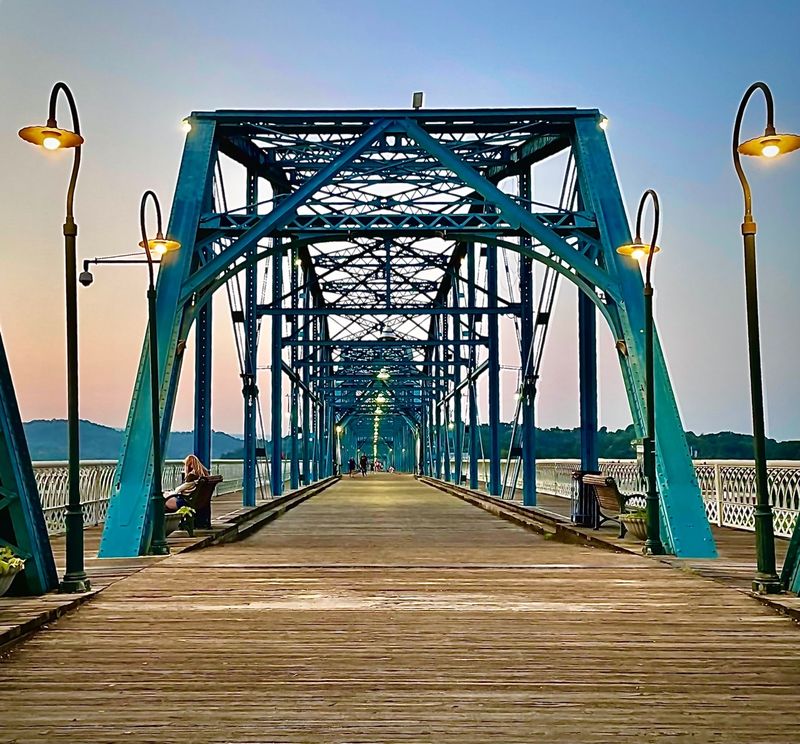
Stretching 2,376 feet across the Tennessee River, this former railway bridge turned pedestrian walkway is one of Chattanooga’s most recognizable landmarks. Built in 1890, it served vehicles and trains for decades before being converted into a public footpath in 1993.
Today, it’s one of the longest pedestrian bridges in the world, and crossing it costs absolutely nothing.
The views from the middle are spectacular. You’ll see the river flowing below, boats passing by, and mountains framing the horizon in every direction.
Locals use this bridge daily for exercise, walking dogs, or just getting from one side of town to the other. Tourists stop constantly to snap photos and take in the scenery.
The wooden planks beneath your feet have a satisfying rhythm as you walk, and there’s usually a cool breeze coming off the river.
The bridge connects downtown to the North Shore, making it a practical route as well as a beautiful one. Street performers sometimes set up near the entrances, adding music to your stroll.
Bring your camera, wear comfortable shoes, and plan to spend at least twenty minutes crossing and enjoying the experience. Early morning visits are quieter if you prefer solitude, while evenings bring more energy and activity.
Either way, this iconic crossing delivers unforgettable views without asking for your wallet.
2. Relax Along the River at Coolidge Park
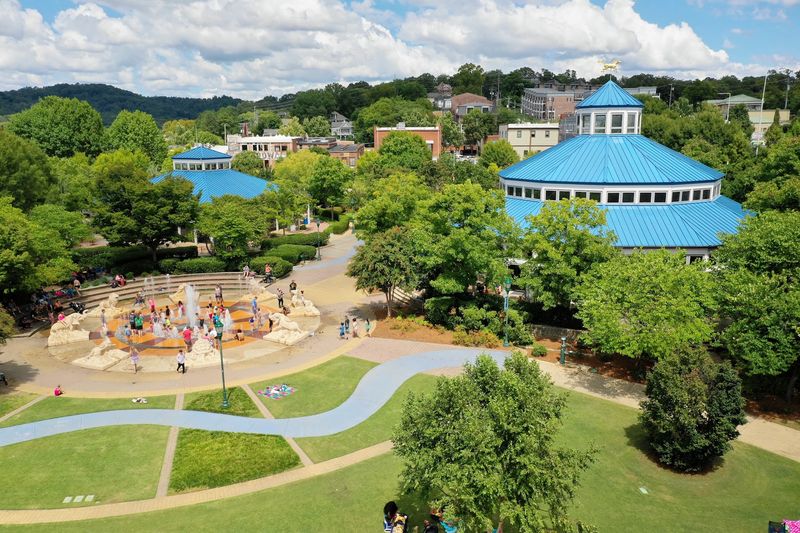
Right on the North Shore sits this 11-acre gem that combines natural beauty with fun attractions, all accessible for free. The park’s centerpiece is a beautifully restored 1890s carousel, though riding it does cost a small fee.
Just being in the park, soaking up the atmosphere, and enjoying the riverfront setting costs nothing at all.
Wide open lawns invite picnics, frisbee games, or simply lying back and watching clouds drift by. Kids run wild on the playground while parents relax on nearby benches.
The interactive fountain is a massive hit during summer months when children splash and cool off in the jets of water.
Walking paths wind through the park, perfect for leisurely strolls or morning jogs. The river is right there, close enough to hear the water and feel the breeze. Ducks and geese often waddle around looking for snacks, adding to the park’s laid-back charm.
Public art installations dot the landscape, including sculptures and creative benches that double as photo opportunities. The park also hosts free concerts and community events throughout the year, though you’ll want to check schedules for those.
Even on regular days, there’s always something happening.
Pack a lunch, bring a blanket, and plan to spend a few hours here. The combination of river views, green space, and city energy creates a unique vibe.
Parking nearby is usually available, and the Walnut Street Bridge connects directly to the park, making access easy from downtown. This spot proves that relaxation doesn’t require a resort.
3. Explore the Tennessee Riverwalk
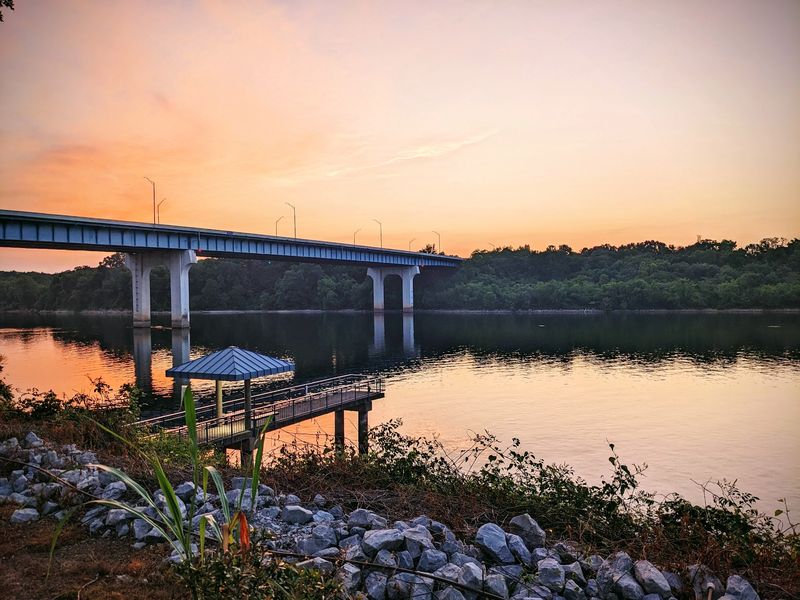
This 13-mile paved pathway follows the Tennessee River through the heart of Chattanooga, offering one of the best free outdoor experiences in the entire city. Whether you walk, run, bike, or rollerblade, the Riverwalk provides a smooth, scenic route that connects multiple parks, neighborhoods, and attractions along the way.
Starting near downtown, the trail winds past Coolidge Park, Renaissance Park, and eventually out to areas with quieter, more natural settings. You’ll pass under historic bridges, alongside marinas filled with boats, and through sections where trees create shady tunnels overhead.
Wildlife sightings are common, especially herons, turtles, and various fish species visible in the clear water.
Benches and rest areas appear regularly, giving you chances to pause and take in the river views. Informational signs along the route share tidbits about local history, ecology, and landmarks.
The path is well-maintained and accessible, making it suitable for strollers, wheelchairs, and people of all fitness levels.
Locals treat the Riverwalk like an outdoor gym, using it for daily exercise and fresh air. Visitors appreciate how it connects so many of Chattanooga’s highlights without requiring a car. You can easily spend half a day exploring different sections, or just tackle a mile or two if time is limited.
Bring water, sunscreen, and good walking shoes. Early mornings offer cooler temperatures and fewer crowds, while evenings provide gorgeous light for photos.
The entire experience is completely free, giving you miles of riverfront beauty to enjoy at your own pace.
4. Wander Through Renaissance Park
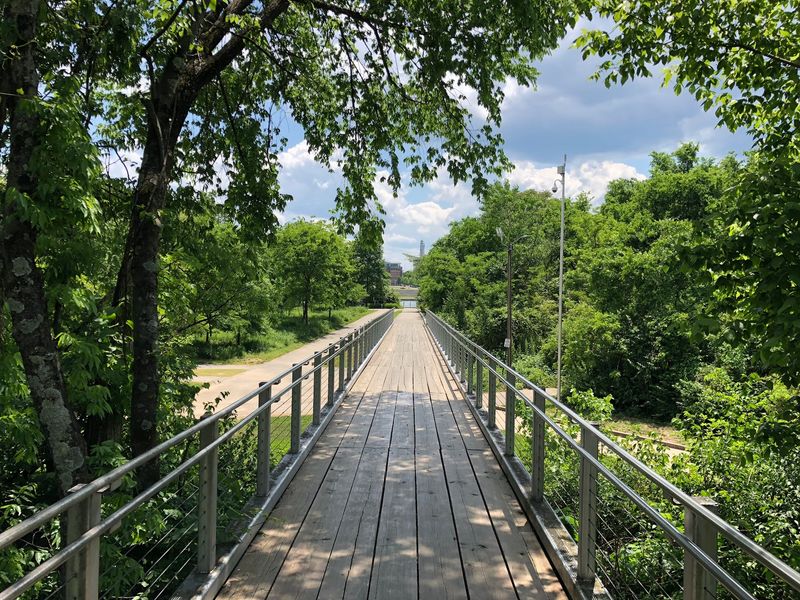
Tucked along the riverfront between downtown and the North Shore, this 23-acre park showcases native plants, natural landscaping, and thoughtful design that makes it feel like an urban oasis. Unlike manicured city parks, Renaissance Park embraces a wilder aesthetic with meadows, wetlands, and groves that attract butterflies, birds, and other wildlife.
Winding trails lead you through different ecological zones, each with its own character and plant life. Interpretive signs explain the native species and the importance of natural habitats in urban settings.
The park serves as an outdoor classroom, teaching visitors about Tennessee ecosystems without any entrance fee.
River access is a major draw here. You can walk right down to the water’s edge, watch kayakers paddle by, or just sit on the bank and listen to the current.
The views across the river toward Lookout Mountain are stunning, especially during golden hour when the light hits just right.
Families use this park for nature walks and educational outings. Photographers love the variety of textures and colors, from wildflowers in spring to golden grasses in fall.
The peaceful atmosphere makes it ideal for reading, sketching, or simply unplugging from the noise of daily life.
The park connects to the Riverwalk, so you can easily incorporate it into a longer walking route. Parking is available nearby, and the space never feels crowded even on nice weekends.
Bring binoculars if you’re into birdwatching, as the diverse habitats attract an impressive variety of species throughout the year.
5. See Cherokee History at The Passage at Ross’s Landing
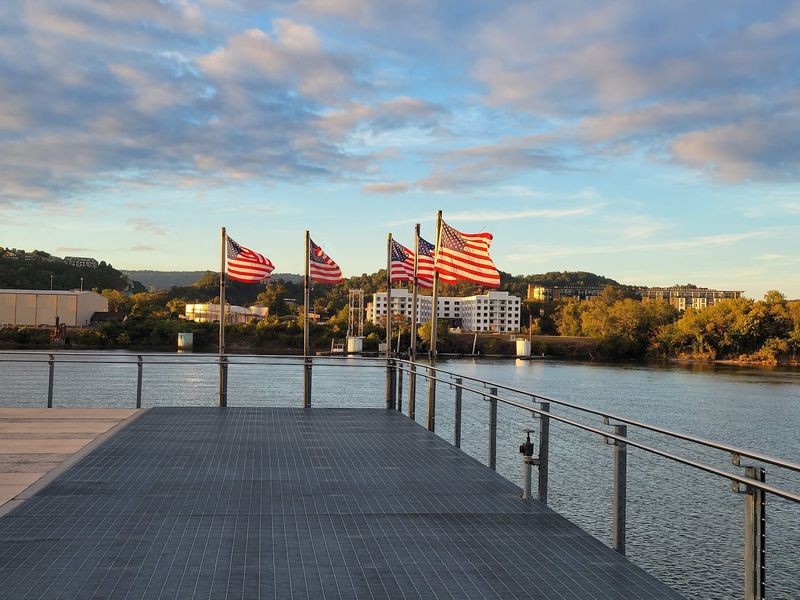
Where Broad Street meets the Tennessee River, this powerful memorial honors the Cherokee people who were forcibly removed from their homeland during the Trail of Tears. The site marks the departure point where thousands of Cherokee began their devastating journey westward in the 1830s.
Visiting this memorial is free and offers an important opportunity to reflect on this tragic chapter of American history.
Artistic installations throughout the plaza tell the story through sculptures, engravings, and water features. Passages from Cherokee writings and historical accounts are etched into stone, giving voice to those who experienced the removal firsthand.
The design is both beautiful and somber, encouraging contemplation and respect.
Information panels provide historical context, explaining the events leading up to the removal and its lasting impact on Cherokee communities. You’ll learn about the people, their culture, and the injustice they faced.
The memorial sits right on the riverfront, integrating into the larger Ross’s Landing Park and Plaza area. Visitors can spend as much time as they want reading, reflecting, and absorbing the significance of the location.
Schools often bring students here for field trips, and many adults visit to better understand this part of Tennessee’s history.
Plan for at least thirty minutes to fully experience the memorial and read the various inscriptions. The riverside setting adds to the emotional weight, as you can imagine the departure scenes that unfolded here nearly two centuries ago.
This free experience is both sobering and essential for anyone wanting to understand Chattanooga’s complete story.
6. Explore the Outdoor Art at Sculpture Fields at Montague Park
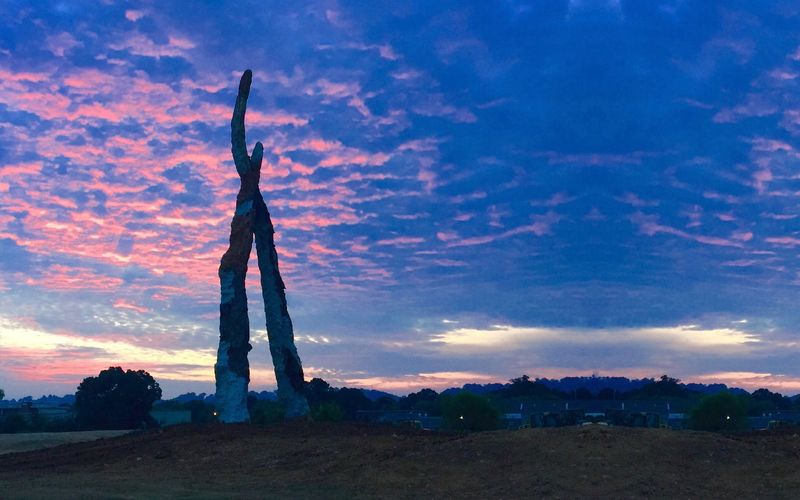
On 33 acres of rolling meadows and woodlands, this open-air museum displays large-scale sculptures by regional and national artists. Admission is completely free, making it one of the most accessible art experiences in Chattanooga.
The combination of contemporary art and natural landscape creates something truly special that changes with the seasons and light.
More than a dozen sculptures dot the property, ranging from abstract metal pieces to stone installations that interact with the environment. Each work is thoughtfully placed to complement the surrounding terrain.
Walking the grounds feels like a treasure hunt as you discover each piece along the trails.
The park encourages interaction and exploration. Kids run between sculptures, using them as landmarks for games of tag.
Adults appreciate the artistry and craftsmanship, often debating interpretations and meanings. Photographers find endless compositions combining art, nature, and sky.
Trails wind through the property, some mowed through tall grasses, others cutting through wooded areas. The terrain is gentle enough for most fitness levels, though proper footwear helps.
Benches near certain sculptures invite you to sit and observe from different angles as the light shifts.
Events and workshops happen here periodically, often free or low-cost, adding another layer to the experience. Even on quiet days, the space feels alive with creativity.
The lack of walls and entry fees removes barriers that keep many people away from traditional galleries.
Bring water and wear layers, as shade is limited in the open fields. The park is open dawn to dusk, and sunrise or sunset visits offer particularly dramatic lighting for both viewing and photography.
7. Stroll Through the Bluff View Art District
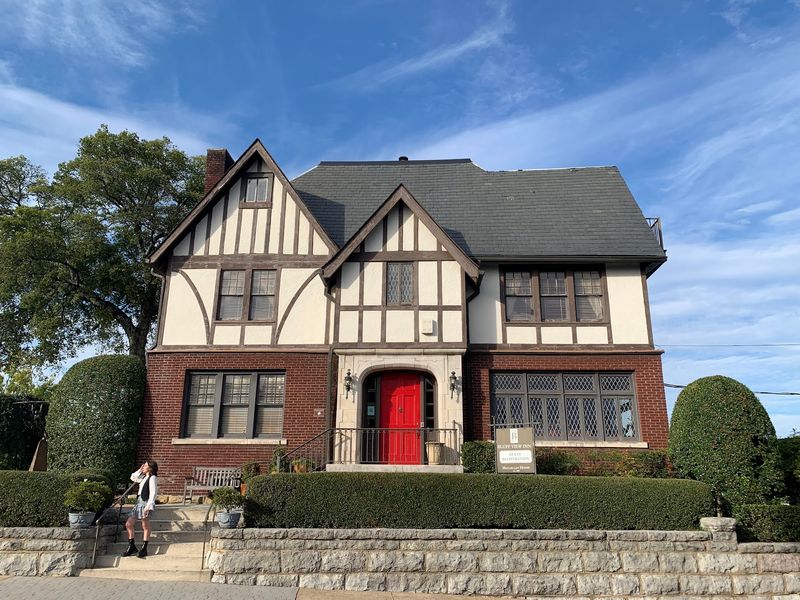
Perched on a bluff overlooking the Tennessee River, this charming neighborhood combines art galleries, sculpture gardens, and stunning views into one walkable district. While some galleries and restaurants charge admission or require purchases, simply wandering the streets, enjoying the outdoor sculptures, and taking in the panoramic views costs absolutely nothing.
The Hunter Museum of American Art anchors the district, and while entry to the museum itself requires a ticket, the grounds and exterior architecture are impressive on their own. Outdoor sculptures dot the surrounding gardens and walkways, creating an open-air gallery anyone can enjoy.
The views from the bluff stretch across the river toward Lookout Mountain and beyond.
Historic homes converted into galleries and cafes line the streets, each with its own character and charm. Window shopping here is genuinely enjoyable, as the displays often feature local artists and craftspeople.
Even if you don’t buy anything, you’ll get a sense of Chattanooga’s creative community.
Gardens and green spaces throughout the district provide peaceful spots to rest and soak in the atmosphere. The landscaping is beautiful, with native plants, flowering shrubs, and carefully maintained paths.
Benches positioned at scenic overlooks invite you to pause and appreciate the elevation and views.
Street parking is available, though spots can fill up on weekends. The district is compact enough to explore in an hour or two, but you could easily spend half a day if you stop to read every plaque and admire every sculpture.
8. Ride Chattanooga’s Free Downtown Electric Shuttle
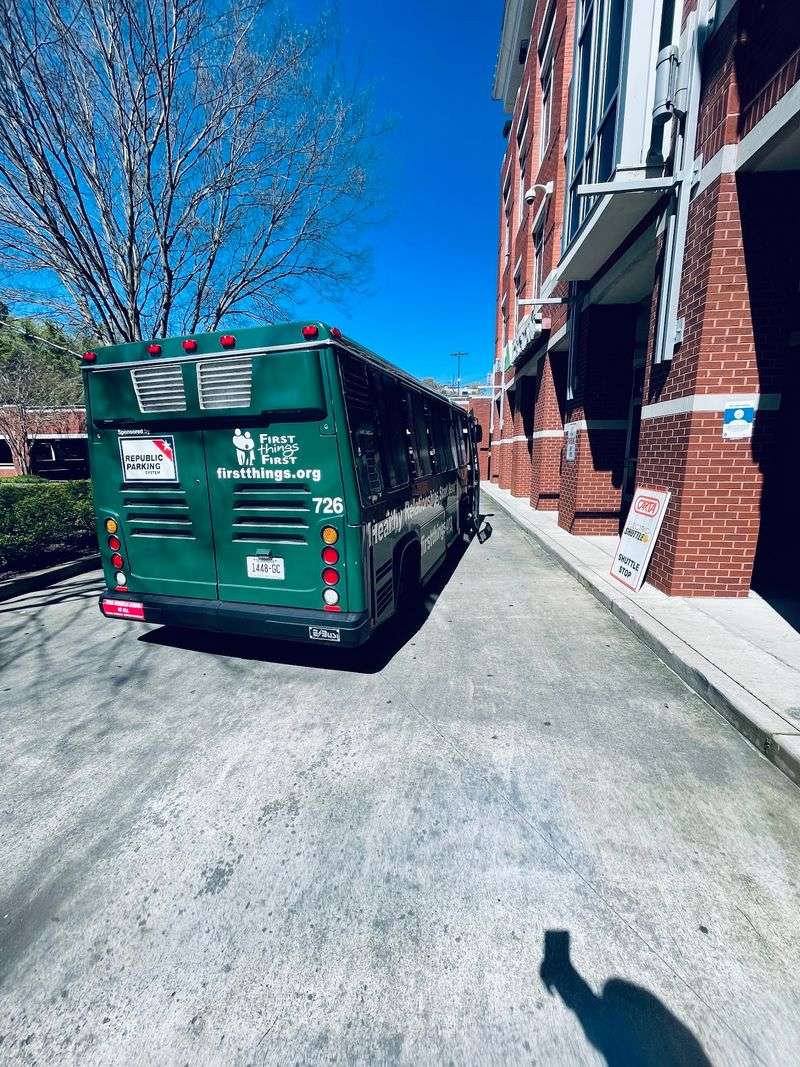
Getting around downtown Chattanooga just got easier and greener thanks to the free electric shuttle system that loops through the city’s core. These quiet, emission-free buses run frequent routes connecting major attractions, hotels, and neighborhoods without charging passengers a single cent.
It’s public transportation done right, and it’s completely free to use.
The shuttles run on multiple routes, covering areas from the riverfront to the UTC campus and beyond. Clean, modern vehicles arrive every few minutes during peak hours, making waits short and travel convenient.
Route maps are posted at stops and available online, though drivers are happy to help if you’re unsure where to go.
Riding the shuttle gives you a local perspective on the city. You’ll share space with residents heading to work, students going to class, and other visitors exploring Chattanooga.
The electric motors are so quiet you can have normal conversations, and large windows provide great views as you roll through different neighborhoods.
For visitors, the shuttle eliminates parking hassles and provides an easy way to hop between attractions. Want to visit the Aquarium, then head to the Riverwalk, then check out the Bluff View Art District? The shuttle connects them all.
Locals appreciate the service for errands and commuting, reducing traffic and emissions in the process. No tickets, no passes, no payment required. Just wait at any marked shuttle stop, hop on when it arrives, and enjoy the ride.
The system operates seven days a week with varying hours, so check the current schedule before planning your day. This free service is environmentally friendly, convenient, and a smart way to experience downtown without the stress of driving and parking.
9. Hike to Signal Point for Incredible Tennessee River Views
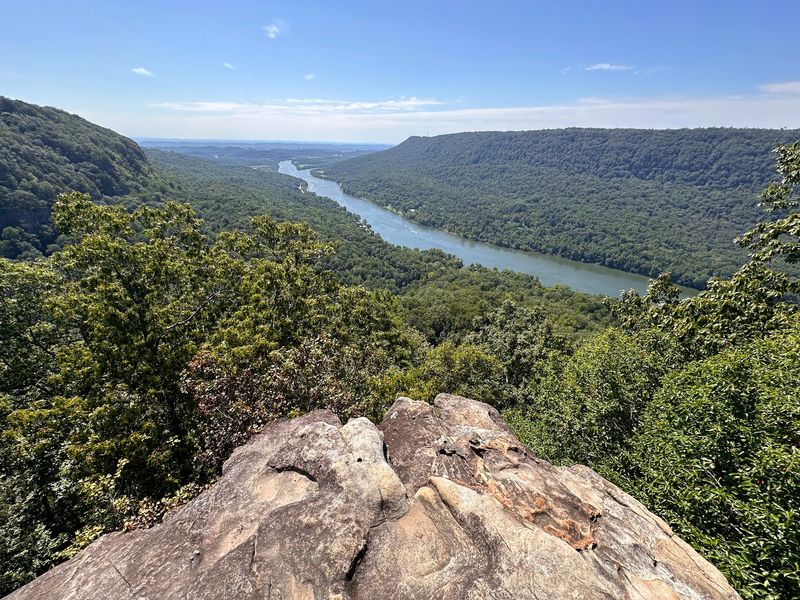
About ten miles from downtown Chattanooga, Signal Point offers one of the most spectacular overlooks in the entire region. The hike to reach it is moderate, following well-maintained trails through Signal Mountain forests before emerging at a dramatic cliff edge.
Entrance to the Signal Point area is free, and the views you’ll earn are absolutely priceless.
The Tennessee River makes a sharp horseshoe bend far below, creating a geographic feature known as Moccasin Bend. From Signal Point, you can see the entire bend, plus layers of mountains stretching toward the horizon.
On clear days, the visibility extends for miles, revealing the true scale of the Tennessee River Gorge.
Historical markers at the overlook explain the site’s significance during the Civil War, when Union forces used this high ground for signaling and observation. The strategic importance becomes obvious once you see how much territory is visible from this vantage point.
It’s a history lesson with a view.
Trails around Signal Point vary in difficulty, from easy walks to more challenging scrambles over rocks. The main overlook is accessible to most hikers, though the final approach involves some uneven terrain.
Bring water, snacks, and a camera with a good zoom lens. Sunrise and sunset are particularly stunning times to visit, though midday light works well for photography too.
The parking area can fill up on nice weekends, so arriving early helps. This free adventure combines exercise, history, and some of the best views Tennessee has to offer, all without an admission fee.
10. Explore the Historic Cravens House Grounds on Lookout Mountain
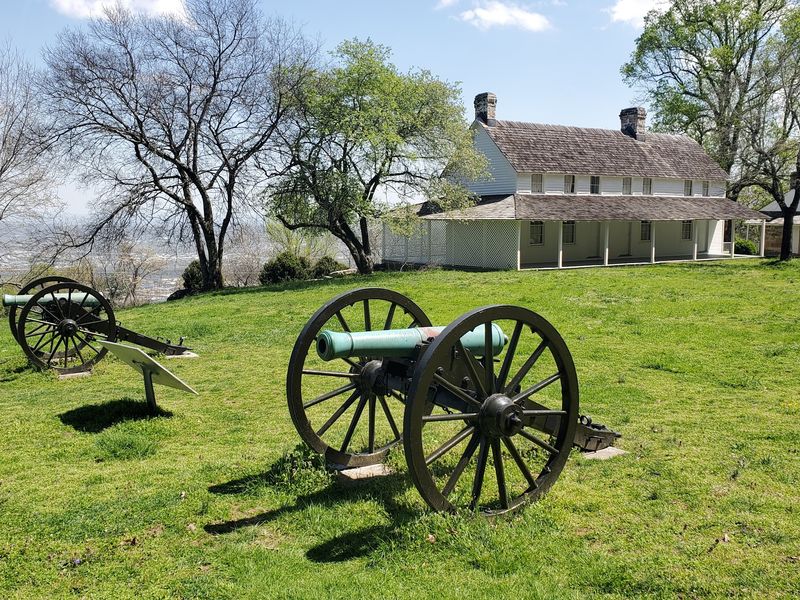
High on Lookout Mountain sits the Cravens House, a historic structure that witnessed some of the fiercest fighting during the Battle of Lookout Mountain in 1863. While interior tours may require fees or advance arrangements, walking the grounds and exploring the exterior of this significant landmark is completely free.
The setting alone makes the visit worthwhile, combining history with mountain scenery.
The house changed hands multiple times during the battle, with both Union and Confederate forces using it as a headquarters and field hospital. Bullet holes and battle scars still mark the structure, silent witnesses to the violence that unfolded here.
The grounds offer peaceful walking paths and spots to sit and imagine what this place looked like during the chaos of war. Views from the property extend across the valley, showing the strategic importance of this elevated position.
It’s sobering to stand where soldiers fought and died over 160 years ago.
The area is part of the larger Chickamauga and Chattanooga National Military Park system, which preserves numerous Civil War sites around the region. Rangers sometimes give talks and programs at the Cravens House, usually free of charge.
Even without a formal tour, the interpretive signs provide plenty of context and information.
Accessing the house requires driving up Lookout Mountain, which has its own scenic appeal. Parking is available near the house, and the walk around the grounds takes about thirty minutes to an hour depending on your interest level.
Bring comfortable shoes and prepare for some uphill walking. This free historical site offers a tangible connection to Chattanooga’s Civil War past.
11. Visit Orchard Knob and Take in the Chattanooga Views
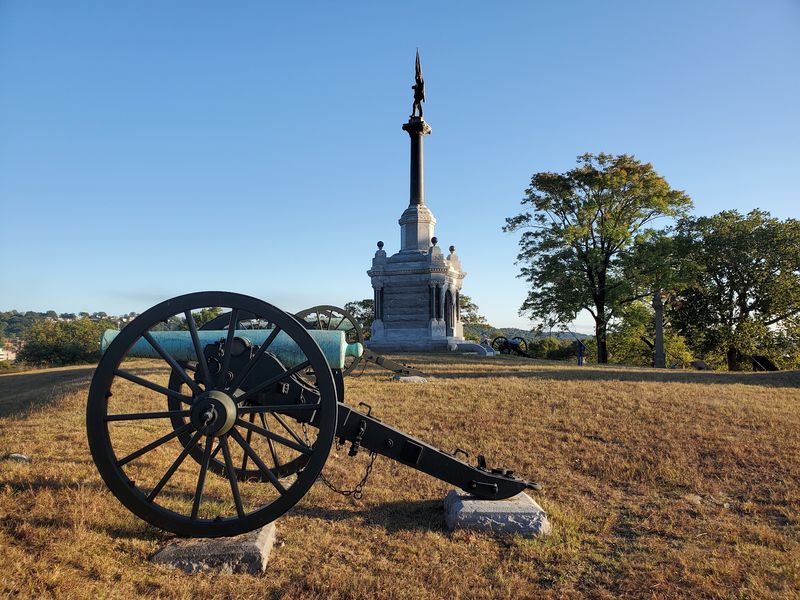
This small hilltop park in East Chattanooga played a crucial role during the Civil War and now offers visitors free access to history and views. Union forces captured Orchard Knob during the Chattanooga Campaign, using it as a command post for the subsequent assault on Missionary Ridge.
Today, monuments and markers commemorate those events while the elevated position provides sweeping views of the city and surrounding mountains.
The park is compact but meaningful. Cannons, statues, and interpretive signs help tell the story of the battles fought here in November 1863. General Ulysses S. Grant himself observed troop movements from this spot, making it a significant location in Civil War history.
Walking the grounds gives you a sense of the strategic value this hill provided.
Views from Orchard Knob extend across Chattanooga toward Lookout Mountain and Missionary Ridge, the very landmarks that figured so prominently in the battles. You can trace the routes armies would have taken and understand the geography that shaped military decisions.
For history enthusiasts, it’s like standing inside a three-dimensional battlefield map.
The park is open year-round and free to visit anytime. It’s rarely crowded, giving you space to explore at your own pace.
Benches provide spots to sit and reflect, and the grassy areas are well-maintained. Some visitors combine a stop here with visits to other nearby Civil War sites for a comprehensive historical tour.
Parking is available right at the park, making access easy. The hilltop location means some walking up slopes, but nothing too strenuous.
Bring water and sunscreen, as shade is limited. This free historical site offers both educational value and pleasant views without asking for admission fees.
12. Explore Moccasin Bend National Archeological District
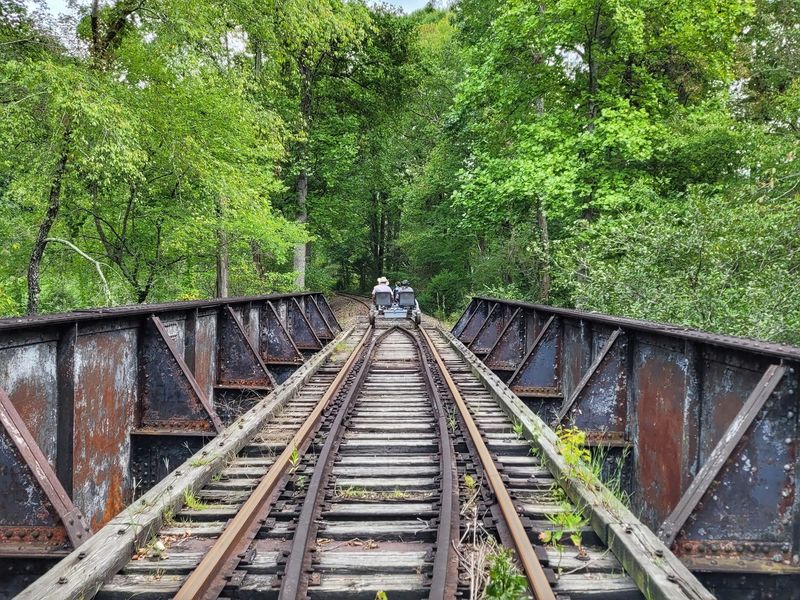
Wrapped in a dramatic horseshoe curve of the Tennessee River, Moccasin Bend preserves over 12,000 years of human history in a landscape that’s both beautiful and culturally significant. This National Archeological District protects evidence of Native American settlements, Civil War battlefields, and natural ecosystems, all available to explore for free.
It’s one of Chattanooga’s hidden gems, offering trails, history, and river views without crowds or costs.
Multiple trails wind through the bend, ranging from easy riverside walks to more challenging climbs up the ridge. Along the way, you’ll pass archeological sites, Civil War trenches, and natural features that have drawn people to this place for millennia.
Interpretive signs explain the layers of history beneath your feet, from prehistoric peoples to modern conservation efforts.
The river surrounds the bend on three sides, creating a peninsula effect that’s visible from overlooks like Signal Point. Down at ground level, the water is close and inviting, though swimming isn’t recommended due to currents.
The sense of being surrounded by the river creates a unique atmosphere, almost like visiting an island.
Wildlife thrives here thanks to protected habitats. Deer, wild turkeys, and numerous bird species call Moccasin Bend home.
The mix of river, forest, and meadow ecosystems supports biodiversity that’s increasingly rare in urban areas. Naturalists and casual hikers alike appreciate the variety and abundance of life.
Access points and parking areas are marked, though the bend is still being developed for public use so facilities are basic. Bring everything you need including water, snacks, and a trail map.
The free access to this nationally significant site makes it an incredible resource for anyone interested in history, nature, or simply escaping into a beautiful landscape.
Share this story