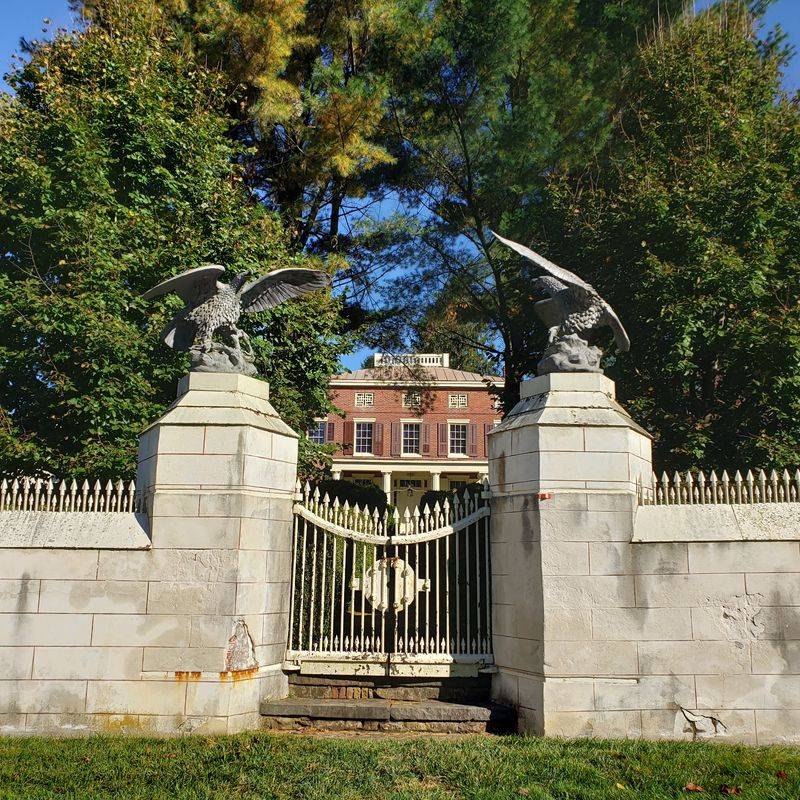
Two stone eagles watch from tall gateposts as visitors enter a property where a brick mansion, factory buildings, worker cottages, and old-fashioned gardens still stand together. This is not a movie set or a carefully reconstructed attraction.
It is Historic Smithville Park, a preserved industrial village in Eastampton Township where much of the past remains exactly where it happened.
Once the center of a busy manufacturing community, the Burlington County property now gives walkers, cyclists, families, and history fans more than 300 acres to explore.
One minute, you are studying the stately home of a wealthy inventor. The next, you are crossing a wooden bridge, following a floating walkway over the lake, or passing the modest houses occupied by factory workers.
There is no admission booth waiting at the entrance, either. The park is free, relaxed, and large enough to turn a quick historical stop into an entire afternoon outdoors.
Historic Smithville Park Brings Burlington County History Into the Open Air
Some parks ask you to imagine the past. Here, it feels close enough to almost hear footsteps on the old paths. Historic Smithville Park gives Burlington County history a setting you can actually walk through, which makes the story stick far better than a plaque beside a parking lot.
Instead of rushing from one landmark to the next, slow down and notice how the open grounds help the buildings make sense together. You are not just seeing one preserved house or one old wall.
You are moving through a place that suggests how people once lived, worked, and spent ordinary days.
That is what makes the park memorable for families, casual walkers, and local history fans alike. Wear comfortable shoes, bring water, and leave room in your schedule to wander a little without a strict plan.
The best part often comes from small details, like the spacing between buildings, the change in the trees, or the quiet feeling that the county kept something valuable out in the open for everyone. Even a visit can feel bigger than you expected at first.
A Grand Federal-Style Mansion Stands at the Heart of the Estate
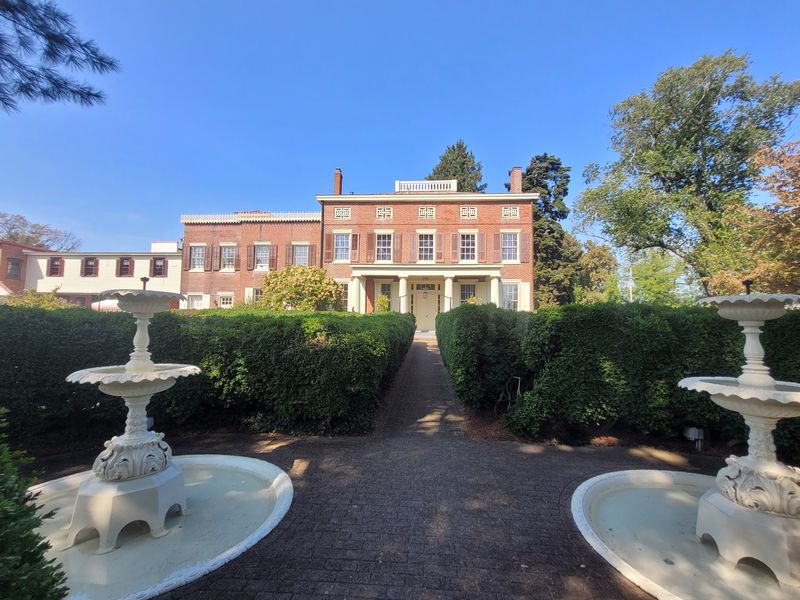
At the center of the grounds, the mansion changes the whole mood of the visit. Suddenly the park feels less like a simple stroll and more like stepping onto an estate with its own rhythm and social history.
A grand Federal-style house naturally draws the eye because its shape, balance, and scale still carry a quiet kind of confidence.
You do not need to know architecture terms to enjoy it. Just look at the symmetry, the formal look, and the way the building seems designed to be noticed from a distance.
For kids, it can be a fun chance to compare a modern home with a much older one and spot how ideas about space and style have changed.
Try walking around it slowly instead of snapping one quick photo and moving on. Different angles reveal details you might miss at first, and the surrounding grounds help the mansion feel even more dramatic.
If you like local places that make history feel personal rather than textbook-dry, this is the sort of centerpiece that gives the park real place and story.
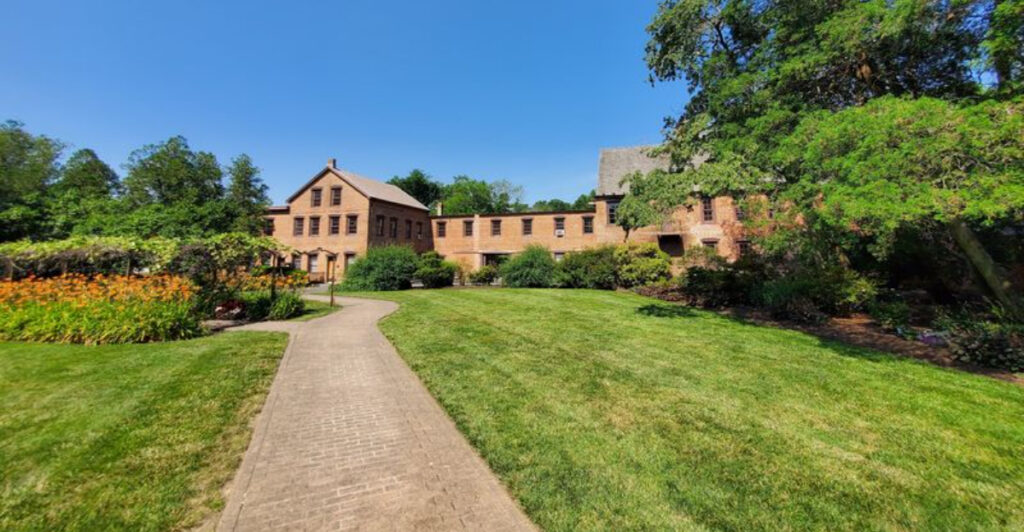
Preserved Factory Buildings and Worker Homes Reveal a 19th-Century Village
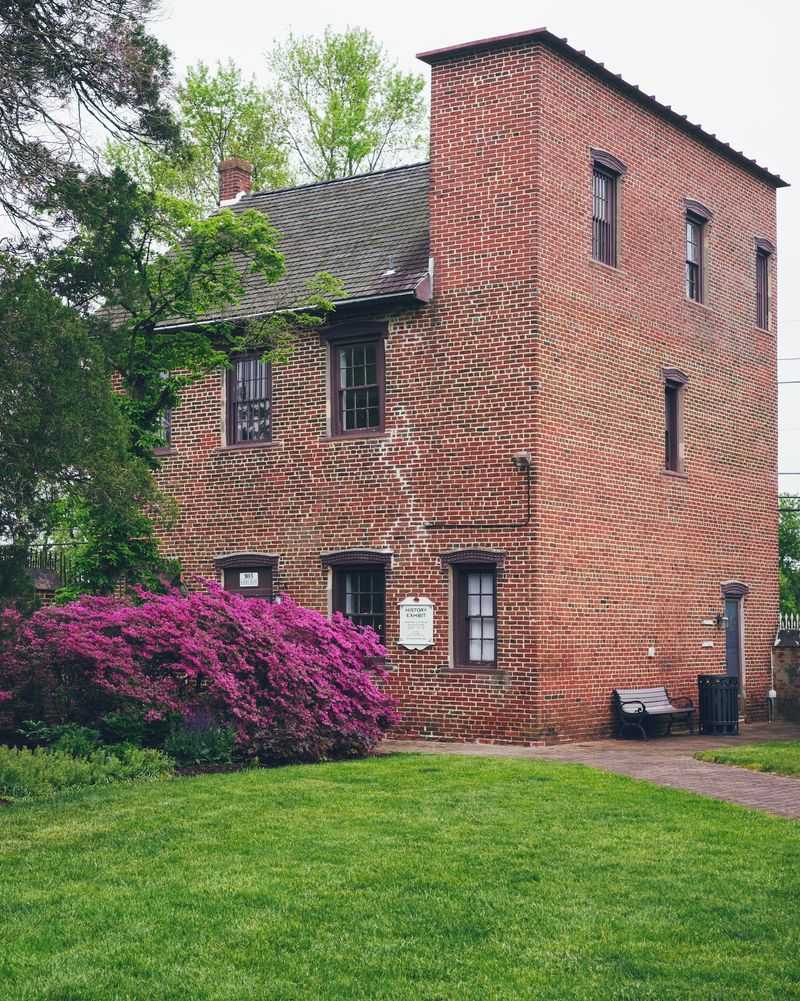
Old industrial sites can feel distant when all you see is a photo in a book. Walking past preserved factory buildings and worker homes is different, because the layout helps you picture jobs, routines, and daily life in a more grounded way.
The contrast between where people labored and where they rested tells a fuller story than a single landmark ever could.
Pay attention to scale while you explore. Small homes next to work spaces can spark useful questions about comfort, time, noise, and what a normal day may have looked like for families in the nineteenth century.
That kind of thinking makes a visit more interesting for middle school kids, grandparents, and anyone who likes seeing history through everyday details.
There is also something refreshing about a place that does not polish the past into a fantasy. Instead, the village setting hints at effort, community, and the realities behind local growth.
If you want the walk to feel meaningful, pause often, read signs carefully, and imagine the sounds of tools, voices, doors, and footsteps shaping the neighborhood around you.
Formal Gardens Turn a Walk Through History Into a Peaceful Escape
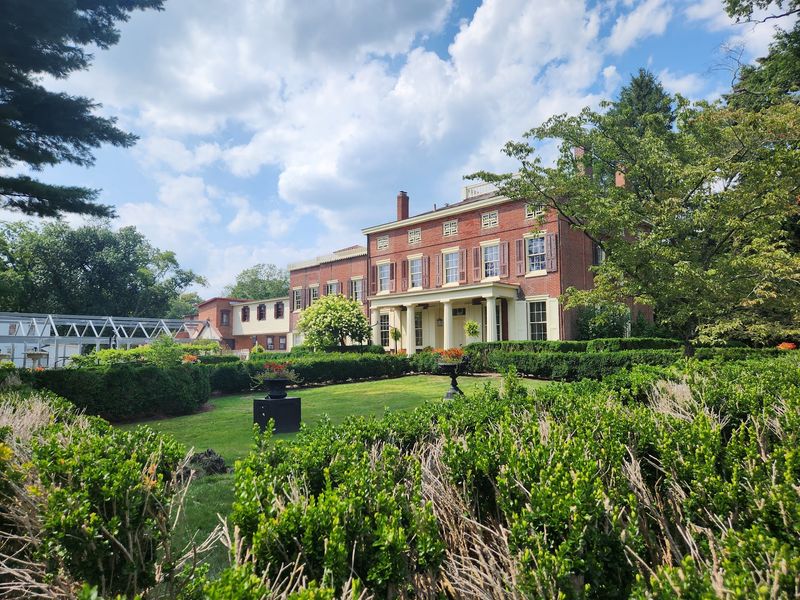
History walks do not always come with roses, clipped hedges, and a bench that makes you want to stay awhile.
Formal gardens bring a softer side to the park, giving your eyes a break between buildings and adding a calm pace to the visit. That mix matters, because it keeps the experience from feeling heavy or overly academic.
Even if you are not a garden person, these spaces can be the part you remember most. Orderly paths, planted beds, and open views create a nice reset after looking closely at architecture and old structures.
It is a smart place to stop for photos, chat with family, or simply enjoy a few quiet minutes before heading to the next area.
Try visiting in a season when plants are active, since changing color and texture can shape the whole mood of a walk. Kids may race ahead to the next path, but adults often appreciate how the gardens slow everything down in the best way.
They turn local history into something you do not just learn about, but actually feel around you.
Creekside Trails and a Covered Bridge Add Natural Beauty to the Park
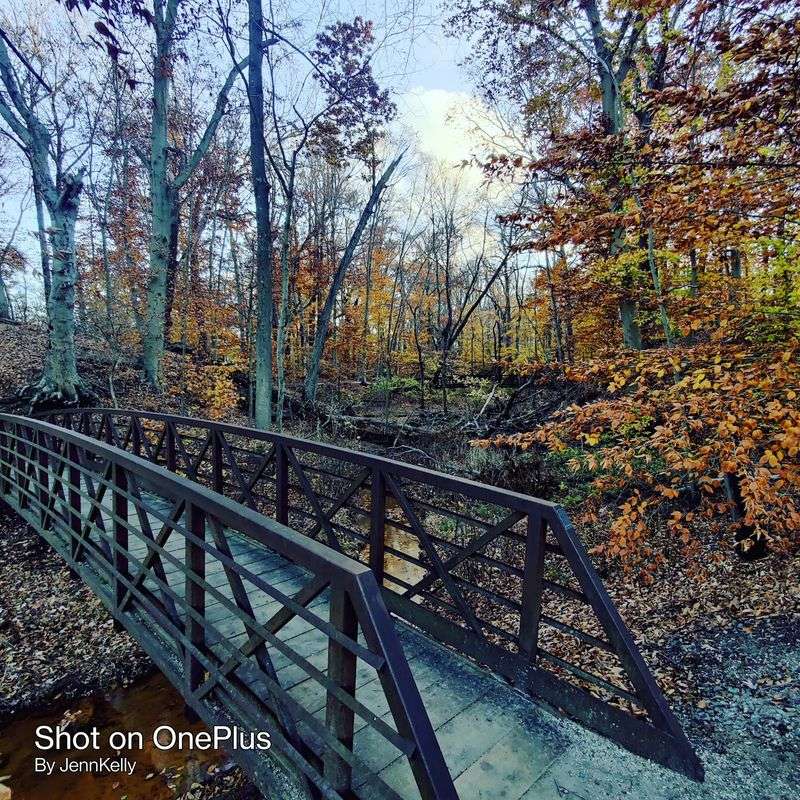
Not every historic park knows how to work a scenic angle, but this one has a few.
Creekside trails bring moving water, shade, and that pleasant background hush that makes a longer walk feel easy. Add a covered bridge, and suddenly the outing gets a little storybook charm without losing its grounded local character.
Families can use this part of the park as a breather between the history-focused stops. The natural setting gives kids room to notice birds, leaves, and reflections on the water, while adults get a quieter stretch to enjoy the landscape.
It is also a good reminder that old communities were shaped by the land around them, not just by the buildings left behind.
If you are planning photos, softer light near morning or late afternoon can make the bridge and creek look especially inviting. Walk slowly, listen for the water, and keep an eye out for little changes in the trail.
A park visit feels richer when you notice both human history and the natural features that helped frame daily life in the same place together.
Free Admission Makes It Easy to Explore the Grounds All Afternoon
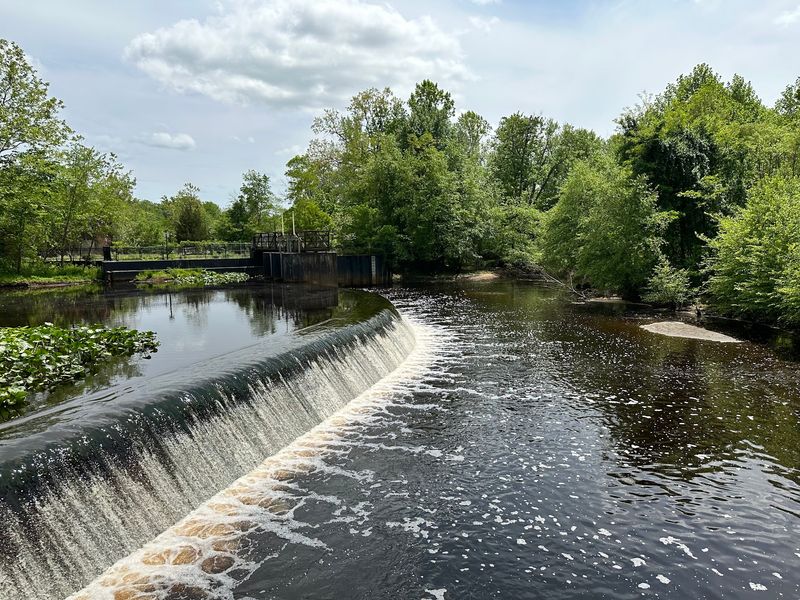
Best of all, you can enjoy the grounds without paying an admission fee. That changes the whole vibe of the trip, because free places let you explore at your own pace instead of wondering whether you need to rush to get your money’s worth.
For families, students, and anyone planning a low-cost day out in New Jersey, that is a real advantage.
A free park also makes repeat visits easier. You can come once for a relaxed walk, return another day for better weather or photos, and still feel good about keeping the outing simple.
That flexibility is useful when a place has several parts to take in, from historic buildings to garden areas and trails.
Pack snacks, wear shoes you do not mind walking in for a while, and give yourself more time than you think you need. Without a ticket clock hanging over the day, it is easier to pause, double back, and notice details you skipped earlier.
Plenty of attractions claim to be escapes. Very few make local history this accessible, pleasant, and budget-friendly at the same time.