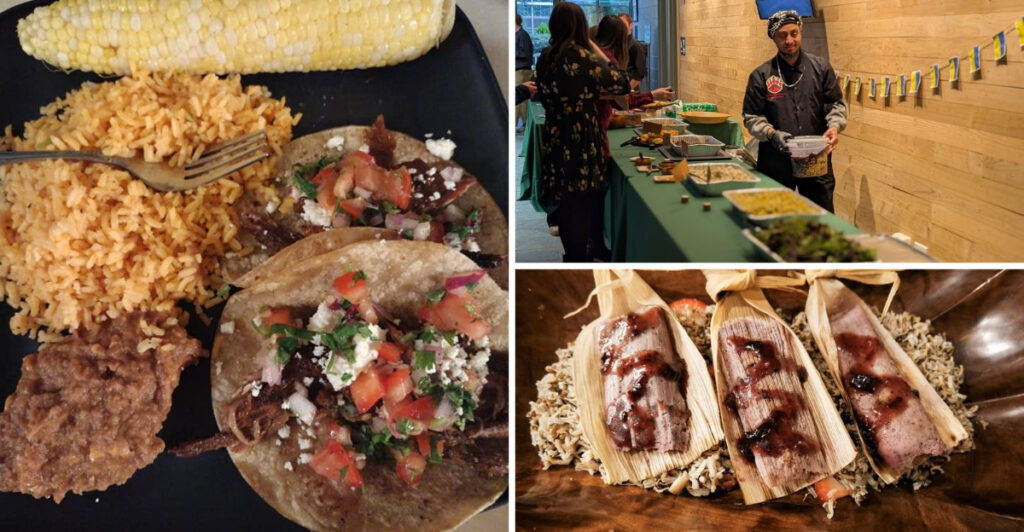
A warm round of fry bread becomes a full meal once Ketapanen Kitchen starts piling on the toppings. This Chicago-area stand draws on Indigenous food traditions, with Indian tacos layering fry bread with slow-cooked beans and other hearty additions for a dish that is both filling and deeply rooted in culture.
The appeal goes beyond generous portions, offering diners a chance to experience flavors and traditions that are not nearly as common on local menus. Each order feels distinctly different from an everyday takeout lunch. At Ketapanen Kitchen, comfort food comes with a story worth paying attention to.
A Plate That Arrives Looking Like a Celebration
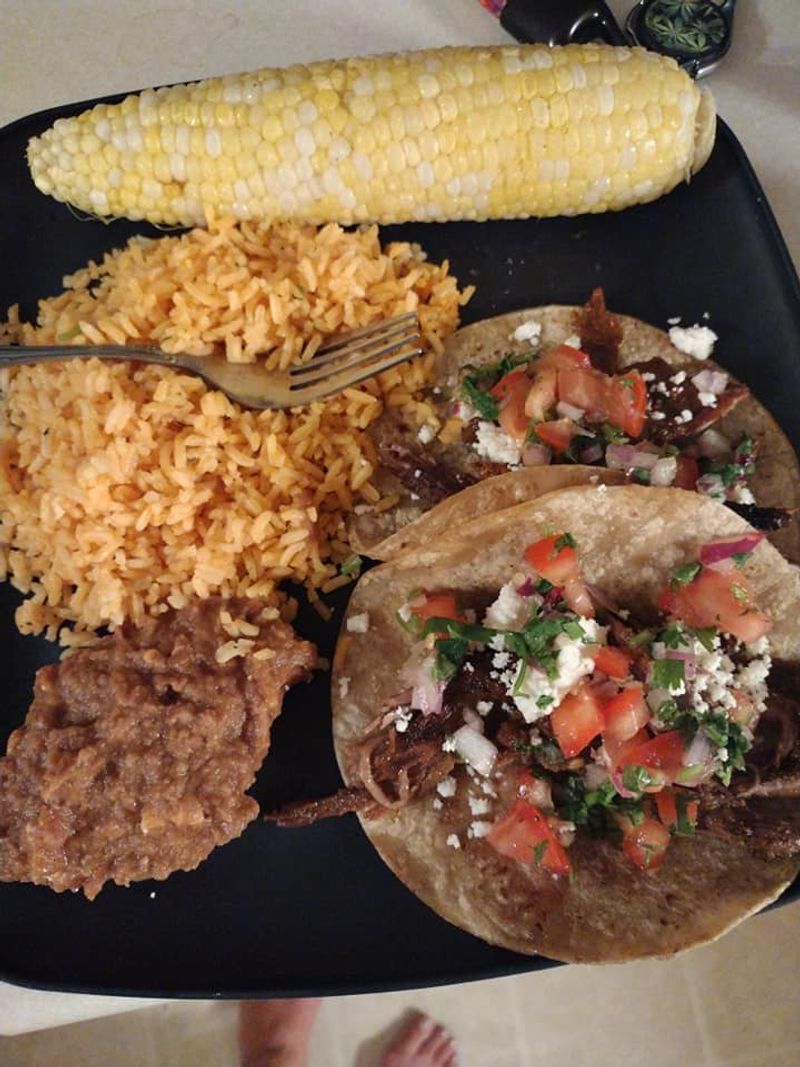
Some meals look good in a quiet way. An Indian taco does the opposite. It arrives with height, color, and a kind of cheerful messiness that tells you right away this is meant to be eaten with both hands and full attention.
At Ketapanen Kitchen, that visual impact matters because the food is not built around tiny details hidden under fancy styling. The appeal is right out in the open.
A round of fry bread creates the base, then the toppings stack upward until the whole plate looks generous, filling, and ready to share in photos before anyone takes the first bite.
Slow-cooked beans give the dish its dark, rich center, and that depth plays well against brighter toppings. Lettuce adds lift, tomatoes bring freshness, and every extra layer changes the look from plain bread into a full meal.
Instead of feeling overworked, the plate reads clearly, which is part of why it catches attention so fast. That big presentation also matches the broader style connected to Ketapanen Kitchen.
The business is known for carefully prepared Indigenous food, seasonal ingredients, and dishes that feel nourishing rather than heavy in a dull way. Even when the flavors are bold, the food still looks alive and balanced.
For first-time diners, the smartest move is to pause before digging in and take in the construction. Notice how the bread carries the weight, how the beans anchor the toppings, and how every color signals a texture change.
The plate is not trying to be delicate. It is trying to be inviting, lively, and deeply satisfying, and it gets there before the first bite even starts.
Fry Bread That Holds Its Own
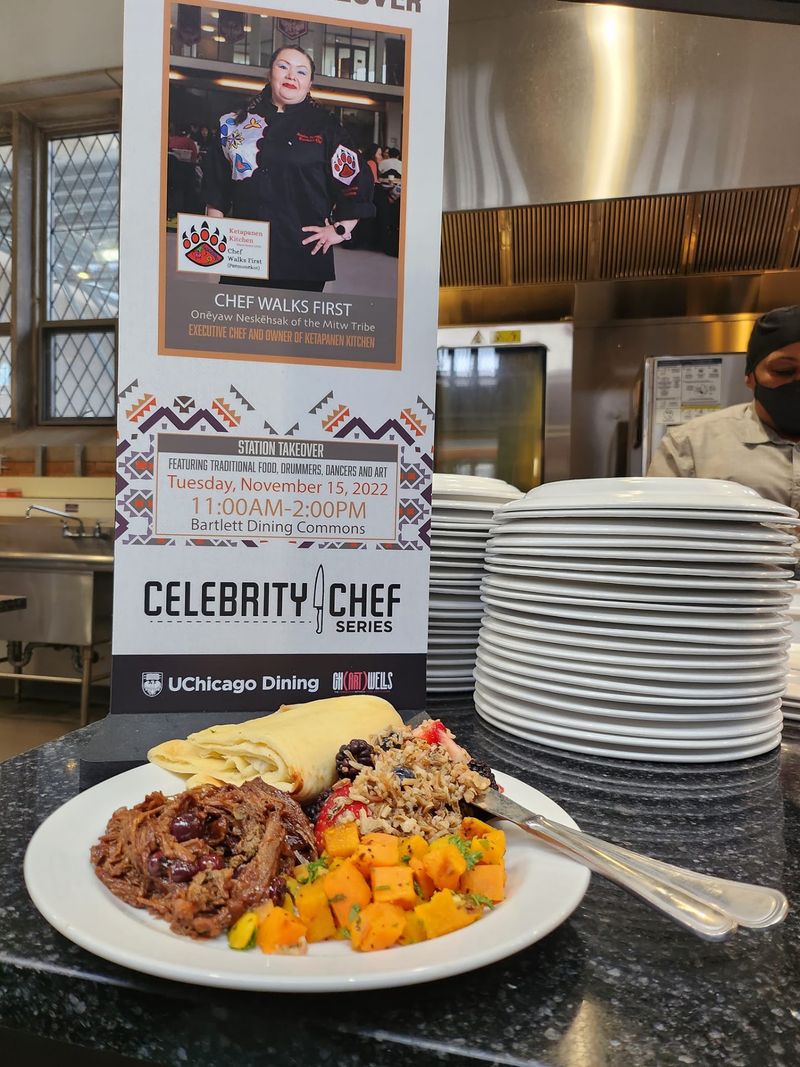
Good fry bread has a job to do. It cannot just sit under the toppings and disappear. For an Indian taco to work, the bread needs enough structure to hold beans and fresh toppings while still staying tender enough to tear, fold, and eat without a fight.
That balance is a big part of the experience tied to Ketapanen Kitchen. Fry bread should bring contrast to the plate, not simply act like a bland platform.
A lightly crisp outside gives the first bite a little crackle, while the inside stays soft and warm, soaking up flavor from the beans without turning limp too fast.
Texture matters even more here because Indian tacos are stacked, not lightly dressed. Every topping adds weight.
If the base is weak, the whole thing becomes awkward after a few bites. When the bread is made well, it supports the pile and also contributes its own flavor, turning the dish into more than a taco-shaped salad on top of dough.
There is also a comfort factor built into fry bread that makes the meal easy to understand. Even for someone new to Indigenous cooking, the bread offers an instant point of connection.
It is familiar in the way warm, freshly cooked dough is familiar, yet it still opens the door to a food tradition that many people in the Chicago area do not get to explore often.
Ordering a dish like this makes the most sense when appetite is real and napkins are close by. Start from the edge, where crisp and soft meet, and let the toppings settle as you go.
A strong piece of fry bread turns a crowded plate into a meal with rhythm, and that rhythm is what keeps every bite from tasting exactly the same.
Slow-Cooked Beans Bring the Real Depth
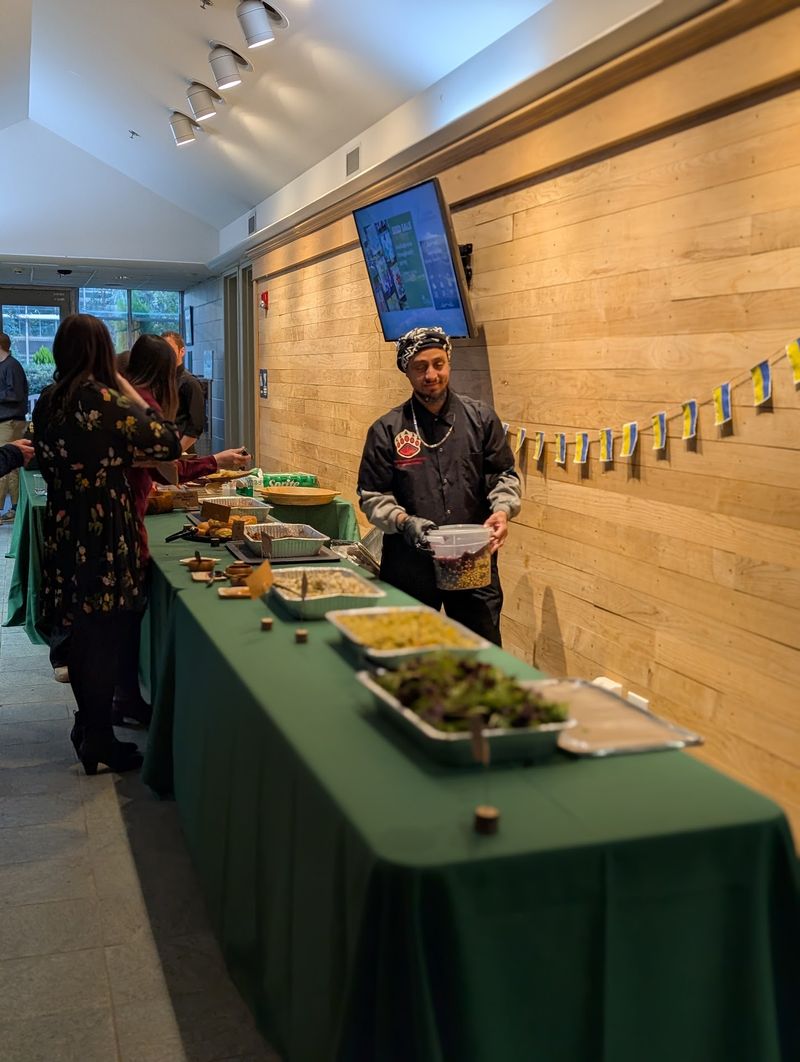
Plenty of places treat beans like filler. Here, they deserve headline status. Slow-cooked beans are the part of an Indian taco that gives the whole dish weight, savoriness, and the kind of comfort that turns a flashy plate into an actual meal.
The slow cooking matters because time changes texture. Beans that have had time to soften and absorb seasoning do more than sit on top of fry bread.
They spread into the base, mingle with every topping, and create a deep, earthy layer that makes fresh vegetables and brighter garnishes stand out instead of float away.
That is also why the dish can feel generous without becoming dull. Rich beans ground the plate, but they do not have to make it heavy in a sleepy way.
Ketapanen Kitchen has built a reputation around food that tastes nourishing and thoughtful, using ingredients with care and aiming for meals that satisfy without leaving everything muted under grease.
For diners, the beans are where the pace of the meal starts. The first bite may catch the crisp edge of fry bread or the cool crunch of lettuce, but very quickly the bean layer takes over as the dish’s backbone.
It is the flavor that stays consistent while the toppings shift from bite to bite. There is a practical side to this, too. If a plate is piled high, every component has to earn its place.
Slow-cooked beans do exactly that by adding protein, moisture, and a steady savory note that helps unify the rest. In a city full of fast lunch options and overloaded comfort food, that kind of steady center stands out.
Without the beans, the taco would still be attractive. With them, it becomes memorable for substance, not just size.
More Than One Dish on the Menu
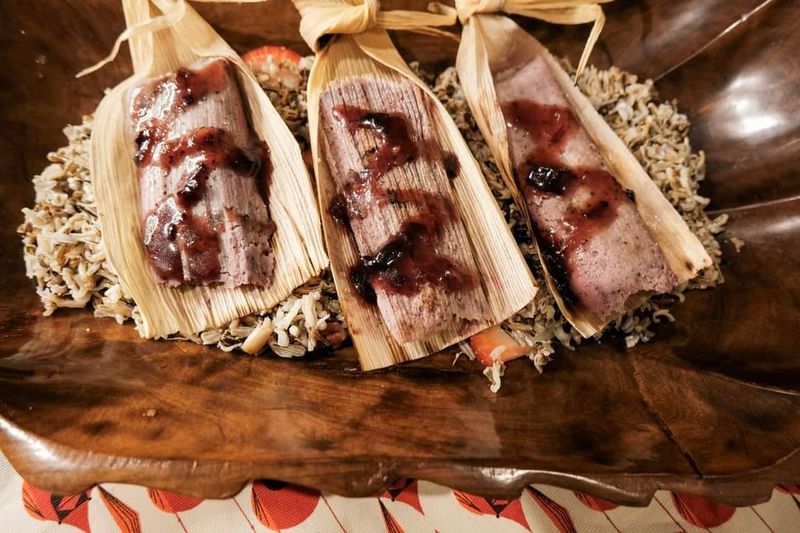
An Indian taco may be the dish that grabs attention first, but Ketapanen Kitchen is not a one-note operation. The broader menu matters because it shows the food comes from a kitchen with range, skill, and a clear point of view rooted in Indigenous cooking rather than a single crowd-pleasing specialty.
That wider picture appears in the dishes connected to the business, including tamales, bison preparations, corn husk soup, beet apple salad, elderflower mousse, and wojapi berry compote.
Read together, those foods reveal a kitchen comfortable moving between hearty mains, seasonal sides, and desserts with a lighter finish. The result is a menu identity that feels considered instead of random.
That range also helps explain why a fry bread taco can land so well. A kitchen that handles slow-braised meat, vegetable-forward dishes, and carefully made desserts is likely paying attention to balance across the board.
Even when the plate in front of you is bold and piled high, it sits inside a larger food style that values texture, seasonality, and clear flavor.
There is a useful takeaway for anyone planning an order or event. Do not stop at the first item that sounds exciting.
Pair the headline dish with one or two foods that show a different side of the kitchen, especially something brothy, fresh, or sweet, so the meal tells a fuller story.
That is where Ketapanen Kitchen separates itself from businesses built around a novelty item. The Indian taco may be the easiest entry point, but it works even better when understood as one part of a broader culinary voice.
A plate of fry bread stacked with beans can be joyful and filling on its own. Set beside dishes like tamales, bison, soup, or berry desserts, it becomes part of a richer, more layered picture of what this kitchen does well.
Illinois Ingredients, Chicago Area Momentum
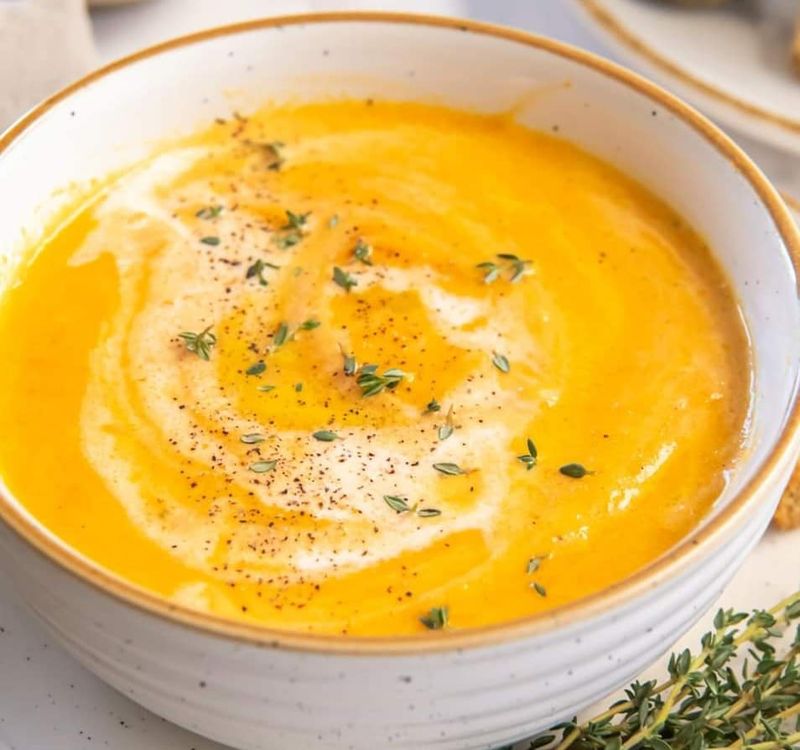
Regional food has more impact when a kitchen actually treats the region as part of the recipe. Ketapanen Kitchen stands out for its focus on local, seasonal Midwest ingredients, a choice that gives the food a clear Illinois connection instead of making it feel detached from where it is served.
That approach matters in the Chicago area, where diners have endless options but not always many chances to experience Indigenous cooking framed through local sourcing. Seasonal ingredients can shift the tone of a menu without changing its identity.
Fresh produce, regional flavors, and careful timing help a hearty dish stay lively, especially when rich parts like fry bread and beans already bring plenty of comfort.
There is a practical benefit here, too. Menus built with the season often read cleaner and more focused. Rather than forcing the same supporting items year-round, the kitchen can shape a meal around what is strongest at the moment.
For a plate like an Indian taco, that could mean brighter toppings, fresher garnishes, or side dishes that keep the whole spread from leaning too far in one direction.
The Chicago connection also gives the food a useful kind of contrast. Big-city energy often pushes speed, trend chasing, and loud mashups.
Ketapanen Kitchen appears to move differently, letting ingredients and cooking methods do the work while still fitting modern events, gatherings, and catered meals. That combination of rooted cooking and flexible service is a smart match for the area.
For readers deciding whether the place fits a casual meal, a special gathering, or a food-focused event, the local sourcing angle is a strong clue. It suggests attention, planning, and a kitchen that does not treat ingredients as background details.
In Illinois, where food culture is broad and competitive, that kind of regional intention gives Ketapanen Kitchen its own lane and helps the food speak with more clarity.
Best Way to Experience Ketapanen Kitchen
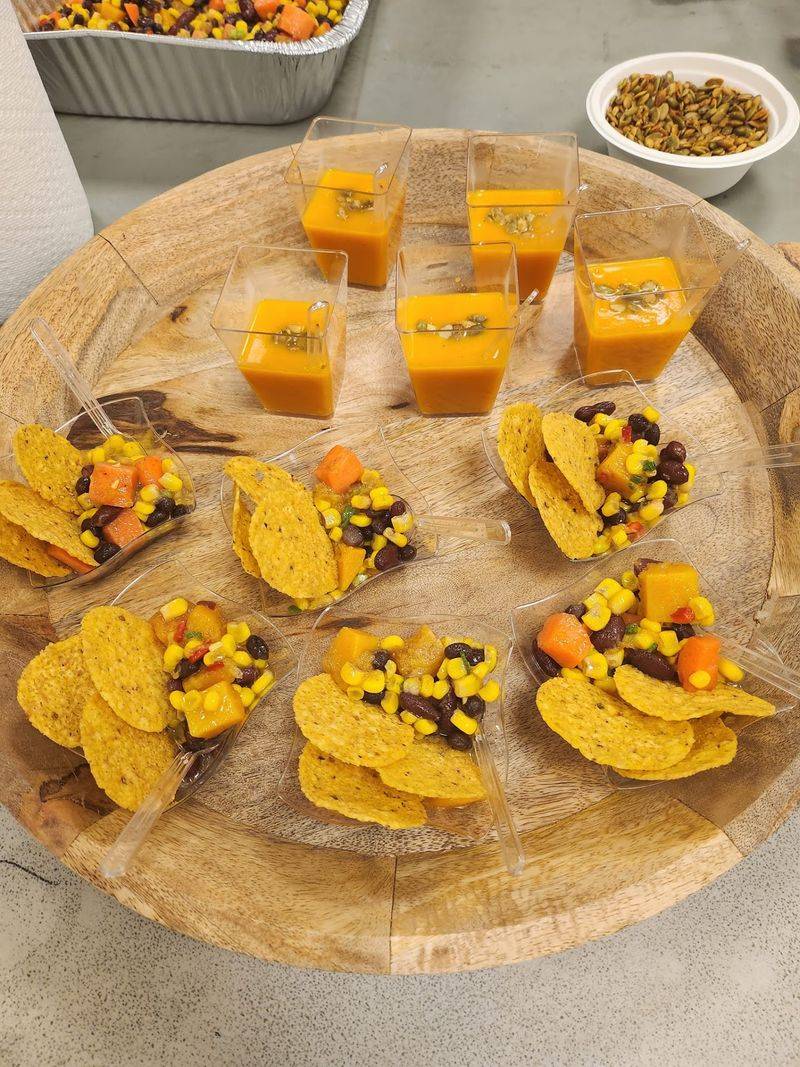
Some food is easiest to understand at a table with other people. Ketapanen Kitchen appears especially strong in that setting.
As a catering food and drink supplier with round-the-clock listed hours, the business is built to meet events where variety, timing, and coordination matter as much as flavor.
That makes the best way to experience the food slightly different from a standard restaurant visit. A stacked Indian taco already has a social quality because it is visual, a little hands-on, and easy to talk about once plates hit the table.
Add a spread of other dishes, and the meal becomes a conversation starter as well as dinner. There is evidence of that broader event role in the way the business is described by people who used it for gatherings.
Along with food, coordination and support seem to be part of the package, including help with service details and event flow.
That tells you Ketapanen Kitchen is not only cooking dishes that taste good, but also building meals that function well in real-life celebrations.
For anyone planning around the signature items, a smart approach is to let the Indian tacos lead while surrounding them with contrast. Pair a hearty main with a fresh salad, a warm side, or one of the desserts that have drawn praise, such as elderflower mousse or berry compote.
That creates a meal with a beginning, middle, and finish instead of one oversized plate repeated across the table.
The all-hours listing is also useful in a practical sense. It suggests flexibility and may help with events that start early, run late, or need extra planning space.
In the Chicago area, where schedules can be packed and venues complicated, that kind of availability can matter just as much as the menu. Ketapanen Kitchen seems built for meals that need both flavor and organization to succeed.
Why the Name Stands Out in a Crowded Food Scene
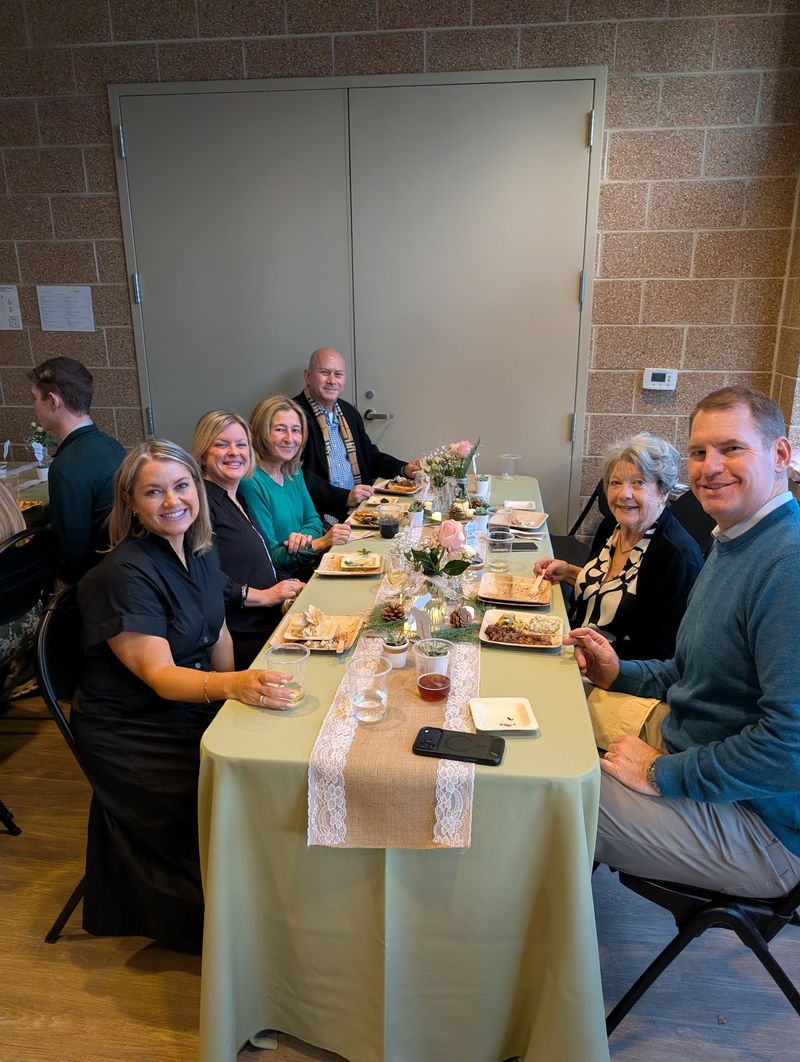
Chicago and its suburbs are packed with food options, so standing out takes more than one photogenic plate. Ketapanen Kitchen catches attention because the appeal works on several levels at once.
There is the immediate draw of Indian tacos piled high with slow-cooked beans, but there is also a broader sense of care, identity, and range behind that first look. One part of the distinction comes from clarity. The food sounds specific.
Bison, tamales, corn husk soup, berry compote, and elderflower mousse do not blur together into the usual catering vocabulary. Those details point to a kitchen making deliberate choices, which is often far more exciting than a menu trying to please everyone with generic favorites.
Another part comes from how the dishes seem to balance comfort and refinement. Fry bread and beans speak in a direct, satisfying way.
At the same time, seasonal sourcing and desserts with floral or fruit notes show a lighter, more polished side. That contrast gives the business a wider reach, making it interesting to serious food lovers while still approachable for guests who simply want a filling, flavorful meal.
There is also a local value here. In Illinois, a kitchen highlighting Indigenous food traditions adds perspective to the regional dining conversation.
It broadens what many diners expect from catered food and introduces dishes that are not always easy to find in everyday rotation around the Chicago area. The sharpest takeaway is simple. Ketapanen Kitchen offers more than a trend piece or a novelty order.
The headline dish is bold enough to pull people in, but the surrounding menu and the event-ready structure give that attention real staying power. When a food business can deliver a plate that looks exciting, eats well, and connects to a deeper culinary story, it earns a place on the short list for anyone seeking something different.