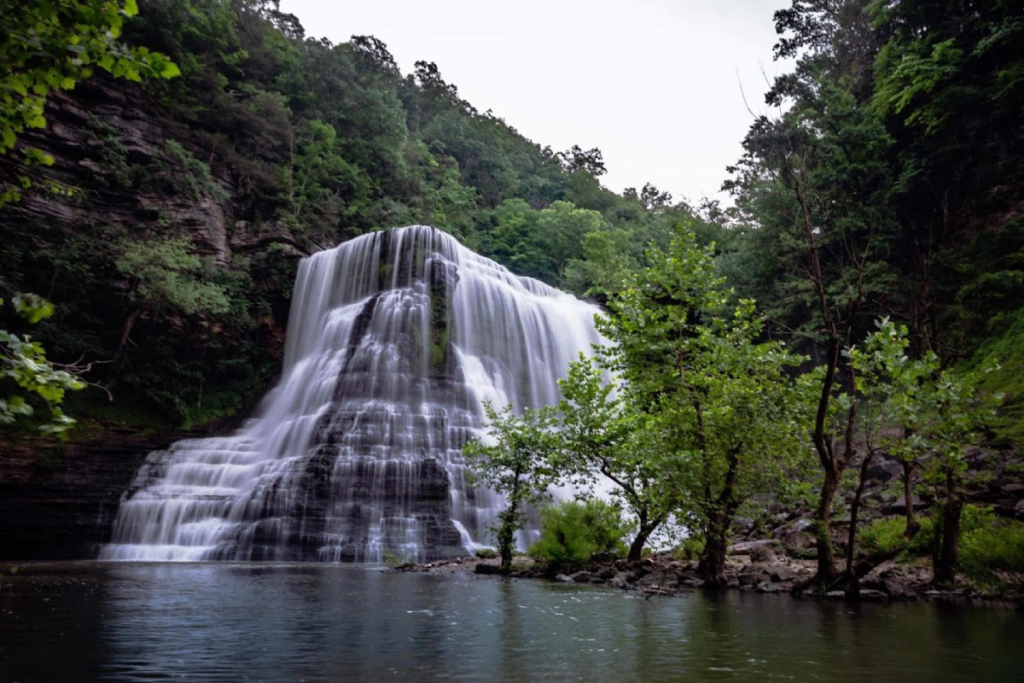
Tennessee has more waterfalls than most people realize, and many of them are just a short drive from wherever you happen to be. Whether you’re looking for a quick roadside stop or a full-day adventure with some hiking involved, the state offers cascades that range from gentle curtains of water to roaring plunges that echo through massive gorges.
Grab your camera, pack some snacks, and get ready to explore some of the most beautiful natural spots Tennessee has to offer.
1. Fall Creek Falls, Spencer
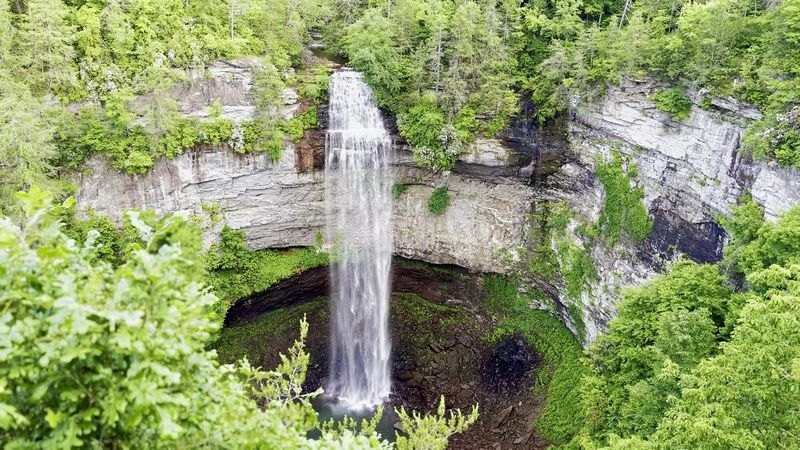
Standing at the base and craning your neck upward, you realize just how massive this waterfall really is. Fall Creek Falls drops 256 feet in a single plunge, making it one of the tallest waterfalls east of the Mississippi River.
The mist from the falls drifts across your face even from a distance, and the roar of water hitting the plunge pool below is constant and powerful.
Fall Creek Falls State Park wraps around the waterfall and offers more than just one cascade. You’ll find multiple overlooks, hiking trails, and even a suspension bridge that gives you a different perspective of the gorge.
The park itself spans over 26,000 acres, so you could easily spend an entire day exploring without seeing everything.
Getting to the main overlook is relatively easy, with a paved path leading from the parking area. If you want a closer look, there’s a trail that takes you down to the base, though it’s steep and requires some effort.
The payoff is worth it when you’re standing right in front of the falls, feeling the cool spray and hearing nothing but rushing water.
This spot gets busy on weekends, especially during spring and fall when the weather is perfect and the foliage adds extra color to the scenery. Arriving early in the morning gives you the best chance at having the overlook to yourself, and the lighting is often softer and more photogenic.
Bring layers because the temperature drops noticeably near the water, and the mist can leave you damp if you linger too long at the base.
If you’re planning to hike, wear sturdy shoes with good grip. The trails can be slick, especially after rain, and the rocky terrain near the falls requires careful footing.
2. Burgess Falls, Sparta
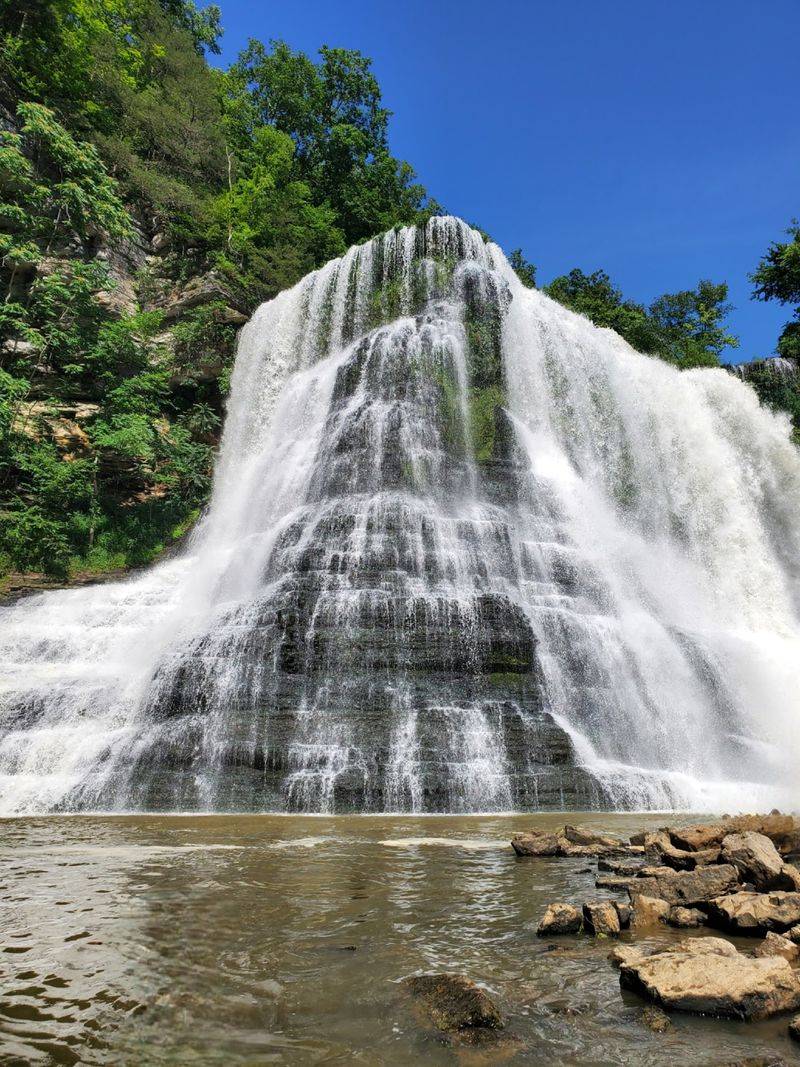
Four separate waterfalls line the Falling Water River as it carves its way through the gorge, but the final drop is the one that stops everyone in their tracks. Burgess Falls crashes down 136 feet into a wide, churning pool surrounded by sheer rock walls.
The sound alone is enough to make you pause, and the sight of all that water pouring over the edge is genuinely breathtaking.
The hike to reach the main falls is just under a mile and follows the river closely, giving you views of the smaller cascades along the way. Each one has its own character, from gentle slides over smooth rock to more aggressive drops that send spray into the air.
The trail is relatively easy for most of the way, but the final section down to the main falls involves some stairs and can be a bit challenging on the return climb.
Once you reach the viewing platform at the base, you’re standing directly across from the falls with nothing blocking your view. The platform is large enough to accommodate several people, and it’s positioned perfectly for photos.
On sunny days, you might catch a rainbow in the mist, and the way the light plays off the water changes throughout the day.
Burgess Falls State Park isn’t huge, but it’s well-maintained and offers picnic areas near the entrance if you want to make a longer outing of it. The parking lot fills up quickly on nice weekends, so plan to arrive early or visit on a weekday if you prefer fewer crowds.
The trail can get muddy after rain, and the rocks near the water are always slippery, so watch your step.
Bring water and snacks because there are no facilities once you start the trail. The return hike involves climbing back up those stairs, and it’s more of a workout than you might expect.
3. Cummins Falls, Cookeville
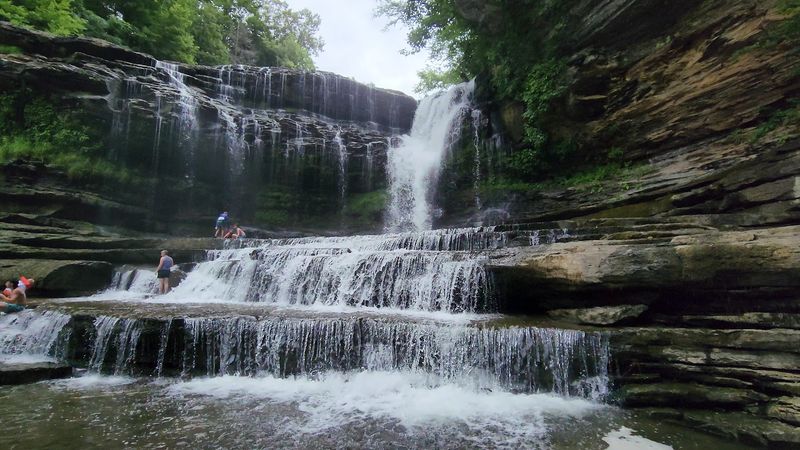
Few waterfalls in Tennessee invite you to wade right in like Cummins Falls does. This broad, tiered cascade spreads across the river in multiple channels, creating a series of pools and slides that people use for swimming and exploring during warmer months.
The falls aren’t as tall as some others, but the volume of water and the way it spreads across the rock face make it visually striking.
Getting to Cummins Falls requires a moderately challenging hike that involves crossing the river multiple times. The trail is about a mile and a half each way, and you’ll be hopping across rocks and wading through shallow sections of water depending on the season and recent rainfall.
Waterproof footwear is a must, and many people bring water shoes specifically for this hike because regular hiking boots will get soaked.
The swimming area at the base of the falls is popular in summer, and you’ll often find families and groups of friends spending hours here. The water is cold even in July, fed by upstream springs and shaded by the surrounding forest.
Some people climb the rocks beside the falls for a better view, while others just float in the pools and enjoy the natural setting.
Because this is a state natural area with limited parking, the park now requires reservations during peak season to manage crowds and protect the environment. Check ahead before you go, especially if you’re planning a weekend visit between May and September.
The reservation system has helped reduce overcrowding, but it also means you can’t just show up spontaneously during busy times.
Pack out everything you bring in, and be mindful of the fragile ecosystem around the falls. The rocks can be extremely slippery, and the current is stronger than it looks in some spots, so use caution if you’re getting in the water.
4. Ozone Falls, Rockwood
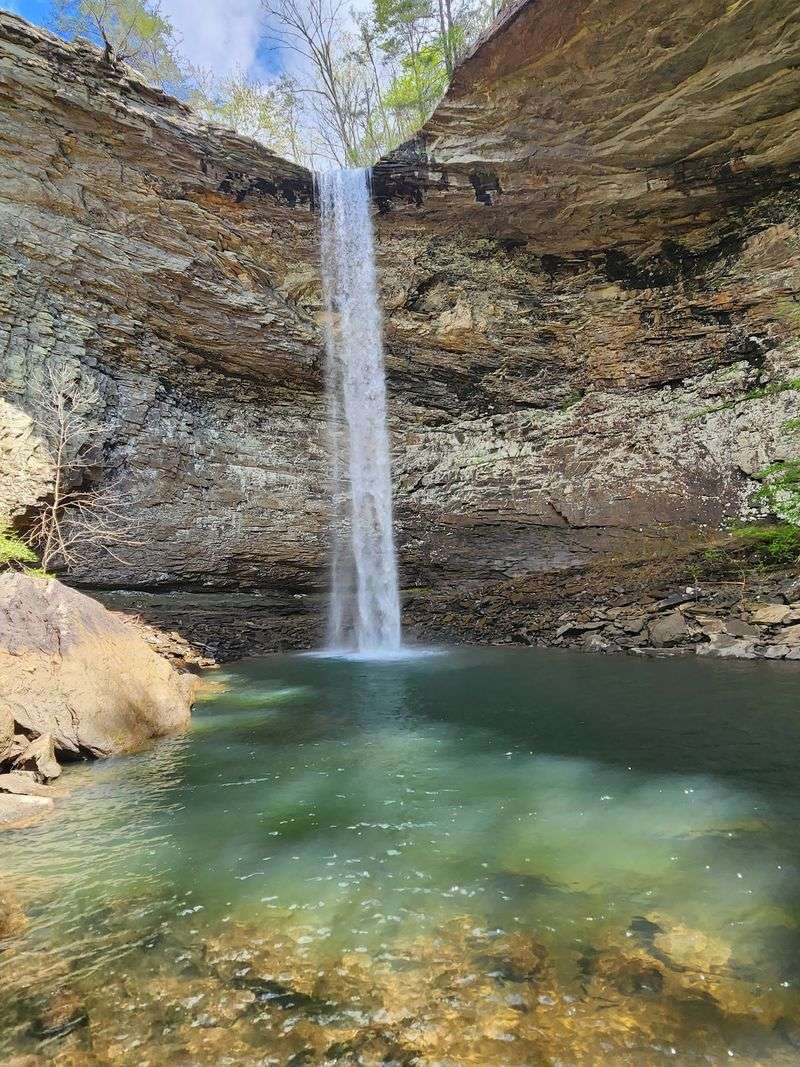
Pull off the highway, walk a few hundred feet, and suddenly you’re staring down into a natural amphitheater with a 110-foot waterfall at its center. Ozone Falls is one of those rare spots where you get a dramatic payoff with minimal effort, making it perfect for a quick stop during a longer road trip or as an easy add-on to other activities in the area.
The falls drop straight down into a circular bowl carved out of sandstone over thousands of years. The walls of the amphitheater rise up around the waterfall, creating a sense of enclosure that makes the space feel almost sacred.
On quiet days, the only sounds are the falling water and the occasional bird call echoing off the rock walls.
There are two main ways to experience Ozone Falls. The upper overlook gives you a bird’s-eye view from the top of the falls, and it’s accessible via a short, easy trail from the parking area.
For a different perspective, you can take a steeper trail down to the base, where you’ll stand in the plunge pool area and look up at the falls towering above you. The base trail is rougher and requires some scrambling, but it’s doable for most people with a bit of care.
Because Ozone Falls is so close to I-40, it sees a steady stream of visitors, but it rarely feels overcrowded. The natural area around the falls is small, and there aren’t a lot of amenities, so most people don’t linger for hours.
That makes it ideal for a mid-trip stretch or a quick waterfall fix without committing to a full day of hiking.
The rocks around the falls are wet and slippery year-round, and the drop-offs are serious, so keep a safe distance from the edge. If you’re visiting after heavy rain, the volume of water increases dramatically and the falls become even more impressive.
5. Greeter Falls, Altamont
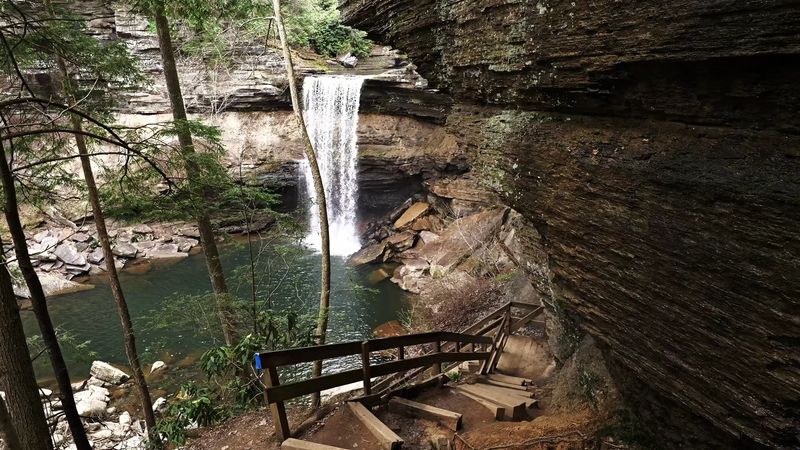
Two waterfalls for the price of one hike makes Greeter Falls a favorite among people who like getting the most out of their outdoor time. Upper Greeter Falls drops about 50 feet over a ledge into a small gorge, while Lower Greeter Falls plunges another 50 feet in a more dramatic single drop.
Both are beautiful, and both are worth the walk.
The trail to reach the falls starts at the Greeter Falls parking area in the South Cumberland State Park system and winds through a mixed hardwood forest before descending into the gorge. The path is well-marked and maintained, though it does involve some elevation change and can be muddy in sections.
Most people hit Upper Greeter Falls first, then continue down to the lower falls, which requires a bit more effort to reach.
Lower Greeter Falls is the more photogenic of the two, with a clean vertical drop into a deep pool surrounded by moss-covered boulders and ferns. The setting feels remote and wild, even though you’re not that far from the parking area.
Upper Greeter Falls has a different character, with water cascading over layered rock in a more gradual descent, and it’s often less crowded because some visitors turn around after seeing the lower falls first.
The loop trail that connects both falls is about two miles total, and it’s a good option if you want a bit more hiking without committing to an all-day trek. The forest itself is beautiful, with towering trees and plenty of shade, making this a comfortable hike even in warmer months.
You’ll cross a few small streams and walk along the rim of the gorge in spots, so watch your footing.
This area is part of a larger wilderness system, so leave no trace principles apply. Pack out your trash, stay on marked trails, and be respectful of the natural environment. Cell service is spotty, so download a trail map before you arrive.
6. Machine Falls, Tullahoma
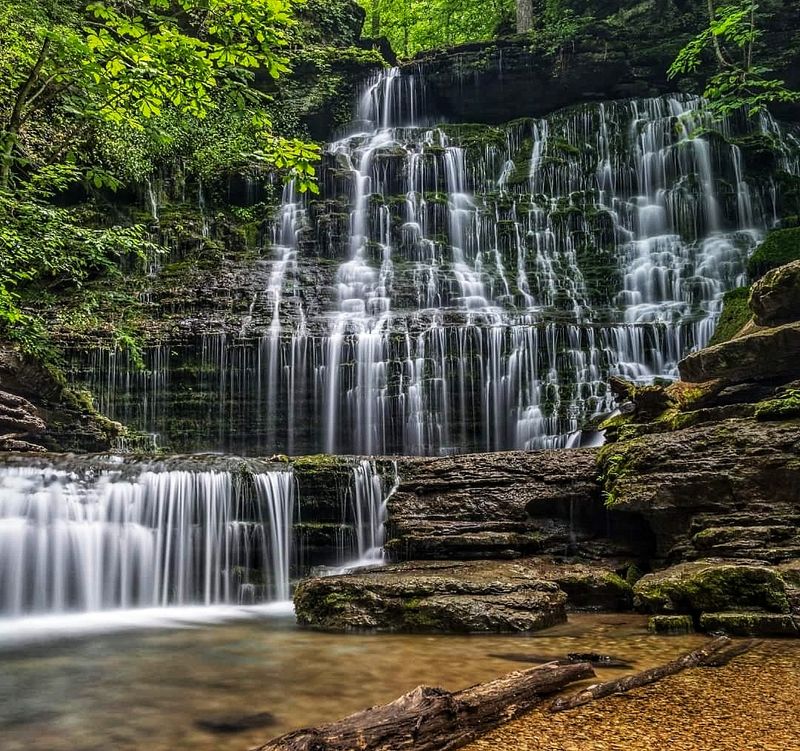
Tucked away in a quiet corner of Middle Tennessee, Machine Falls feels like a secret even though it’s not particularly hard to find. The waterfall itself is modest compared to some of the state’s giants, but it has a charm that comes from its setting deep in the woods, surrounded by ferns and moss-covered logs.
The sound of water trickling over the rocks is peaceful, and the whole area has a calm, almost meditative quality.
The hike to Machine Falls is short and manageable, making it a great choice for families or anyone looking for a low-effort outing. The trail is just over a mile round trip and follows a gentle path through the forest.
You’ll cross a few small streams and walk through sections of dense greenery before arriving at the falls, which spill over a series of rock ledges into a shallow pool below.
What makes Machine Falls special is how it fits into a larger day trip through the Tullahoma area. You can combine a visit here with stops at nearby parks, historic sites, or even a brewery or two if you’re interested in exploring the local scene.
The falls themselves don’t require a huge time commitment, so they work well as part of a broader itinerary rather than a standalone destination.
The waterfall is at its best after a good rain, when the flow increases and the surrounding vegetation looks its greenest. During drier months, the falls can slow to a trickle, but the setting is still pleasant and worth the short walk.
Bring a camera if you’re into nature photography, because the dappled light filtering through the trees creates some beautiful opportunities.
Parking is limited and the area doesn’t have formal facilities, so plan accordingly. The trail can be muddy and slippery, especially near the water, so wear shoes with good traction.
This isn’t a heavily trafficked spot, which is part of its appeal, but that also means you should let someone know where you’re going and when you expect to return.
7. Conasauga Falls, Tellico Plains
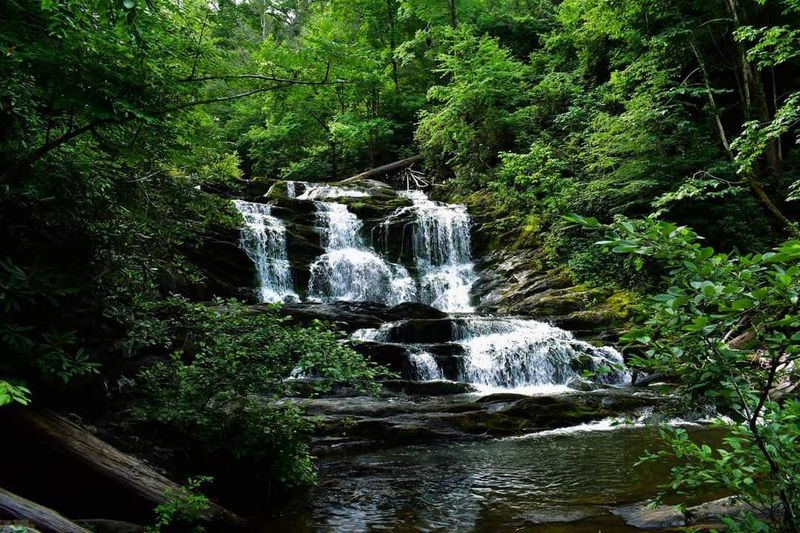
Drive the Cherohala Skyway and you’ll pass through some of the most scenic mountain terrain in the Southeast, with the Cherokee National Forest spreading out in every direction. Conasauga Falls sits just off this route, offering a peaceful woodland cascade that rewards those willing to take a short detour from the main road.
The falls aren’t huge, but they’re beautiful in a quiet, understated way that fits the character of this part of East Tennessee.
The trail to Conasauga Falls is about a mile and a half round trip, following Conasauga Creek through a forest of rhododendron and mountain laurel. The path is relatively flat and easy, making it accessible for most hikers.
As you walk, you’ll hear the creek bubbling alongside the trail, and the sound of the falls grows louder as you approach. When you reach the falls, you’ll find water tumbling over a series of rock shelves in a graceful cascade that spreads across the stream.
This area is less visited than some of Tennessee’s more famous waterfalls, which means you’re more likely to have the place to yourself, especially on weekdays or during the off-season. The solitude adds to the experience, giving you space to sit by the water, listen to the forest, and simply enjoy being outdoors without distraction.
The falls are particularly striking in spring when wildflowers bloom along the trail and the water flow is at its peak.
Tellico Plains serves as a good base for exploring this region, with several other trails, scenic drives, and waterfalls within a short distance. If you’re planning a full day in the area, consider combining Conasauga Falls with a drive along the Skyway, which offers stunning mountain views and plenty of pullouts for photos.
The elevation changes along the Skyway mean temperatures can vary significantly, so bring layers even in summer.
Cell service is unreliable in this part of the forest, so have a physical map or downloaded directions. The trail is well-marked but remote, and it’s always smart to be prepared when hiking in backcountry areas.
8. Elrod Falls, Thorn Hill
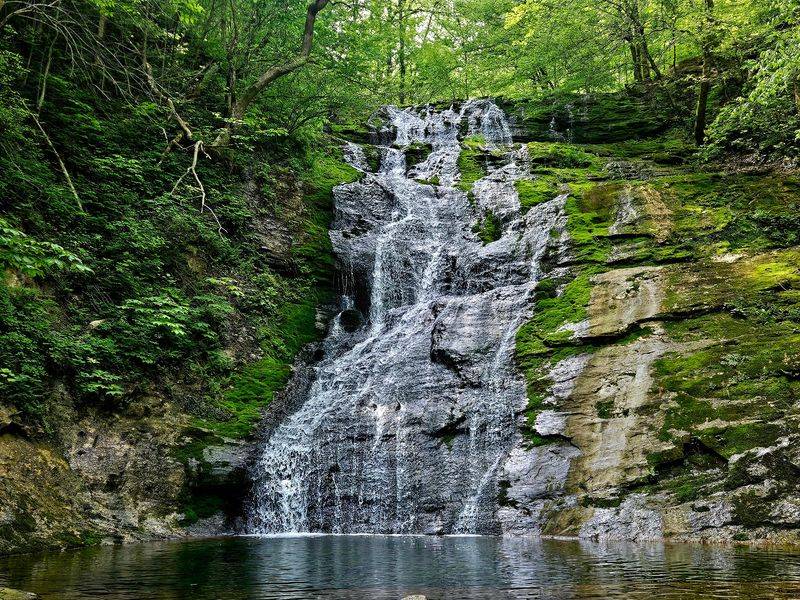
Not every waterfall requires a long hike, and Elrod Falls proves that point beautifully. This three-tiered cascade in rural northeast Tennessee is accessible enough that you can see the lower tier from very close to the road, making it one of the easiest waterfalls to visit in the state.
If you want a closer look at the upper tiers, a short walk up a rough trail gets you there without much effort.
The falls drop in three distinct stages, each with its own character. The lower tier is the most accessible and flows into a small pool that’s popular with locals on hot summer days.
The middle and upper tiers require a bit of scrambling to reach, but the views are worth it if you’re comfortable with uneven terrain. Water flows over stacked rock ledges, creating a stair-step effect that’s visually appealing and different from the single-drop waterfalls you’ll find elsewhere.
Elrod Falls sits in a part of Tennessee that doesn’t see a lot of tourist traffic, which means you’re more likely to have a quiet, uncrowded experience. The surrounding area is rural and agricultural, with rolling hills and small farms dotting the landscape.
It’s a nice change of pace from the more developed state parks, and it gives you a sense of discovering something off the beaten path.
Because this waterfall is on private property that allows public access, it’s especially important to be respectful. Stay on established paths, don’t leave trash, and be mindful of any posted signs.
The landowners have been generous in allowing visitors, and maintaining that access depends on people treating the area with care. Parking is informal and limited, so be considerate of other visitors and local residents.
The best time to visit is after rain when the water flow is stronger and the falls are at their most impressive. During dry spells, the flow can diminish significantly, though the setting remains pleasant.
9. Piney Falls, Grandview
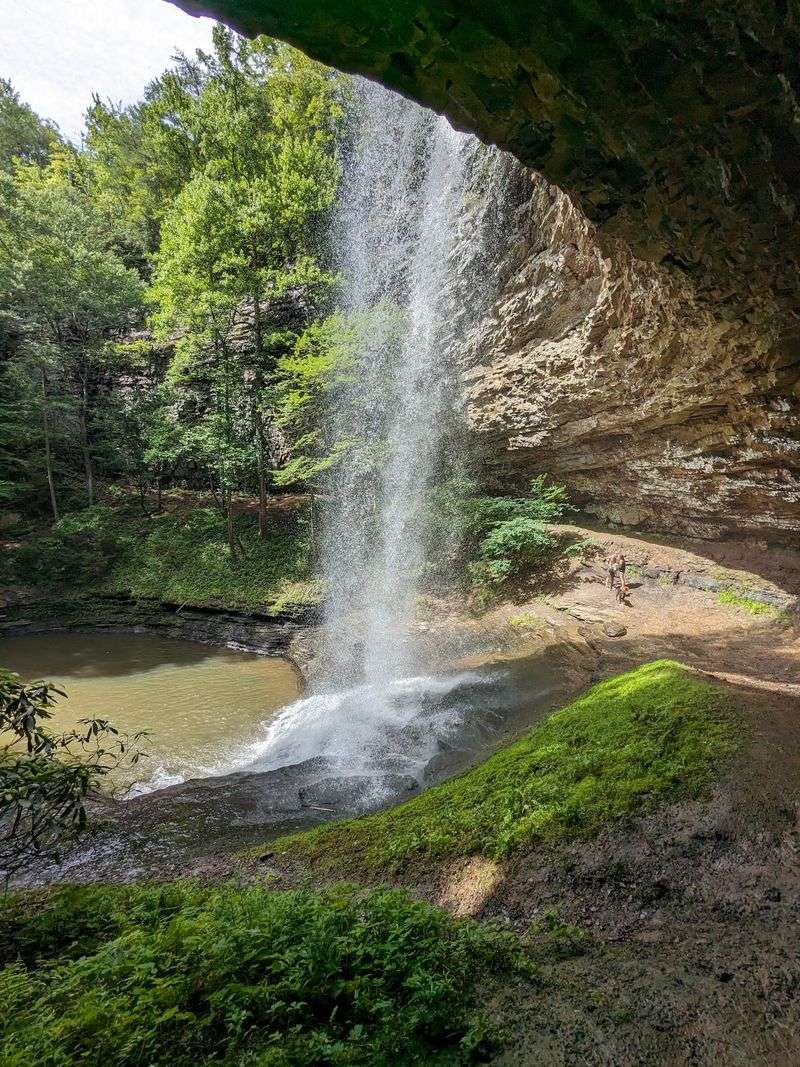
Designated as a National Natural Landmark, Piney Falls and the surrounding area represent some of the most ecologically significant land in Tennessee. The waterfall itself drops about 90 feet into a deep gorge, surrounded by old-growth forest and rare plant species that thrive in the cool, moist environment.
Walking through this area feels different from other waterfall hikes because you’re moving through a landscape that’s been protected and preserved specifically for its natural value.
The trail to Piney Falls is moderate in difficulty and runs about three miles round trip. You’ll descend into the gorge gradually, passing through sections of dense forest where the canopy blocks out most of the sunlight.
The path is well-maintained but rocky in places, and the final approach to the falls involves some careful footing on slick surfaces. Once you reach the viewing area, the falls are directly in front of you, framed by moss-covered boulders and overhanging vegetation.
What sets Piney Falls apart is the sense of wilderness that pervades the entire hike. This isn’t a manicured park with paved paths and guardrails; it’s a protected natural area where the ecosystem is allowed to function without much human interference.
You’ll see evidence of that in the diversity of plant life, the clarity of the water, and the overall health of the forest. It’s a reminder of what Tennessee’s landscape looked like before development, and it’s worth preserving.
The gorge stays cool even in summer, thanks to the shade and the constant presence of water. That makes it a comfortable hike during warmer months, though it also means the trail can be damp and muddy year-round.
Wear appropriate footwear and be prepared for slippery conditions. The falls are most impressive in spring and after heavy rain, but they maintain a decent flow throughout most of the year.
Because this is a protected area, regulations are stricter than at some other waterfall sites. Stay on marked trails, avoid disturbing plants or wildlife, and pack out all trash.
10. Jackson Falls, near Duck River
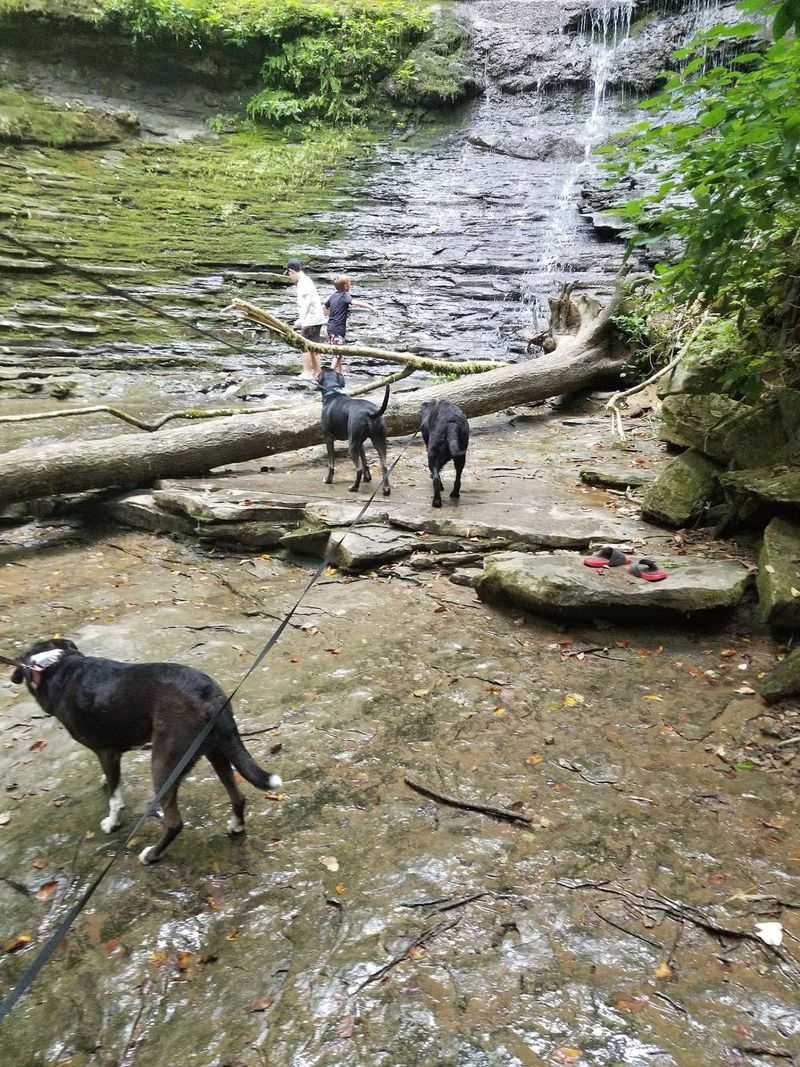
While most of Tennessee’s well-known waterfalls cluster around the Cumberland Plateau, Jackson Falls offers a beautiful cascade experience in a different part of the state. Located near the Duck River in Middle Tennessee, this waterfall provides a quieter alternative to the busier sites farther east.
The falls themselves are scenic and photogenic, with water flowing over a series of rock ledges in a gentle, multi-tiered cascade.
The hike to Jackson Falls is short and relatively easy, making it accessible for a wide range of visitors. The trail follows a small creek through a wooded area before opening up at the falls.
Depending on recent rainfall, the volume of water can vary significantly, but even during drier periods, the setting remains attractive. The surrounding forest is lush and green during spring and summer, and the fall foliage adds vibrant color to the scene in October and November.
One of the advantages of visiting Jackson Falls is the lower visitor traffic compared to more famous Tennessee waterfalls. You’re more likely to have the area to yourself, which allows for a more relaxed and personal experience.
It’s a good spot for a quiet afternoon outing, a picnic by the water, or simply a chance to disconnect from the busy pace of daily life. Families with young children often find this waterfall more manageable than some of the longer or steeper hikes required at other locations.
The Duck River area itself is worth exploring beyond just the waterfall. The river is known for its biodiversity and is popular with paddlers and anglers.
If you’re interested in water activities, consider pairing a visit to Jackson Falls with some time on the river. The region has a rural, pastoral feel, with small towns and agricultural land dominating the landscape.
Parking and facilities are basic, so come prepared with water, snacks, and anything else you might need. The trail can be muddy after rain, and the rocks near the waterfall are slippery, so take your time and watch your step.
This is a local favorite that doesn’t get a lot of outside attention, which is part of its charm.