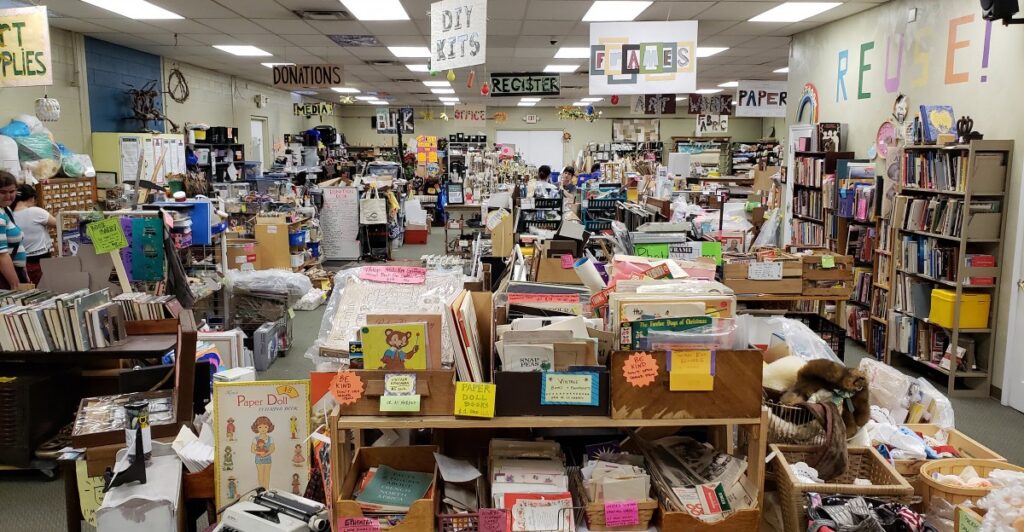
Fall crafts do not have to begin with a cart full of brand-new supplies. At the Pittsburgh Center For Creative Reuse in Pittsburgh, Pennsylvania, donated materials give shoppers a different way to create on a budget while giving useful items a second life. Visitors praise its unusual finds, practical art supplies, and often reasonable prices, although the selection changes regularly as new donations arrive.
That changing inventory is part of the appeal, since you never quite know what you might discover during a visit. From paper leaves and colorful scraps to quirky table decorations and other unexpected materials, a little imagination can turn someone else’s leftovers into a creative seasonal project. Bring an idea with you, but stay open to inspiration—the perfect fall craft might start with something you never expected to find.
1. A Creative Treasure Hunt in Pittsburgh’s East End
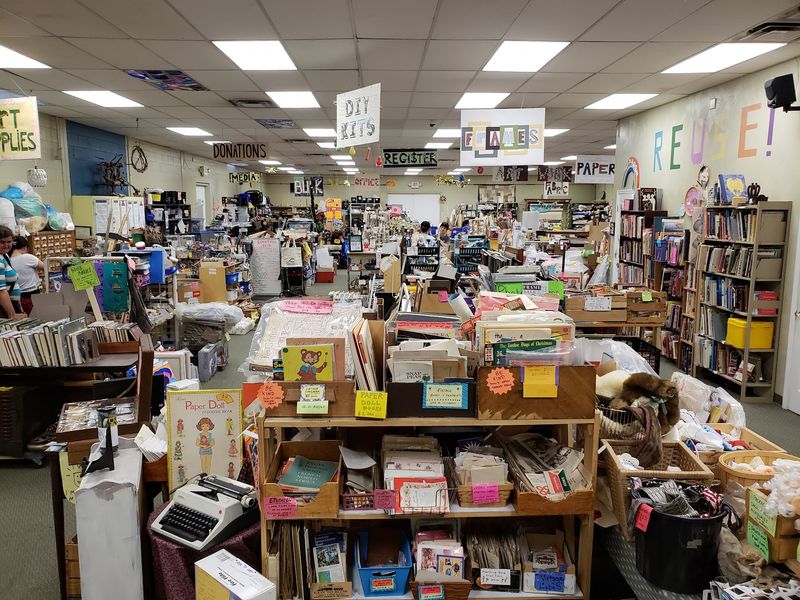
A forgotten postcard or a handful of crayons can be the beginning of something surprisingly good.
That spirit fits the Pittsburgh Center For Creative Reuse, a nonprofit shop at 214 N Lexington Street in Pittsburgh’s East End.
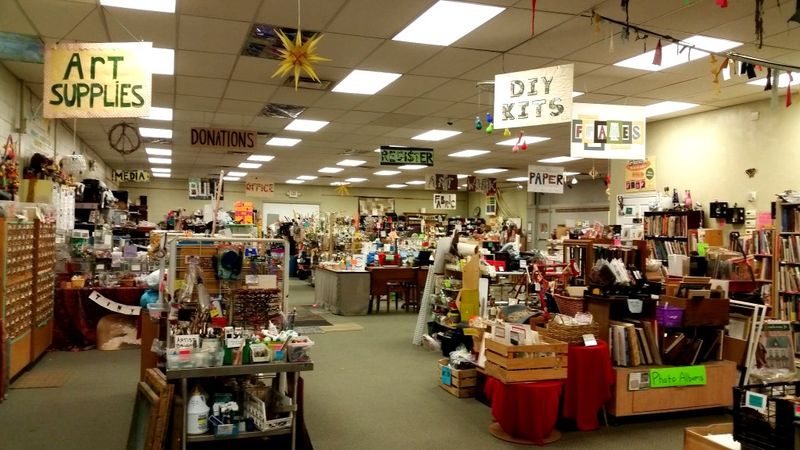
Visitors describe a place where browsing is part of the fun, with unusual objects mixed among useful art materials.
Instead of expecting matching supplies in sealed packages, arrive ready to work with whatever catches your eye.
For fall, choose a simple theme before shopping: woodland colors, friendly pumpkins, or a cozy harvest table.
A loose plan helps you spot useful pieces without buying every interesting object you see.
Give yourself enough time to explore, but set a spending limit first.
The goal is not to leave with the biggest bag; it is to find materials you will actually use, enjoy the hunt, and bring home a project that feels like your own handmade seasonal creation.
2. Paper Finds for Leaves, Garlands, and Greeting Cards
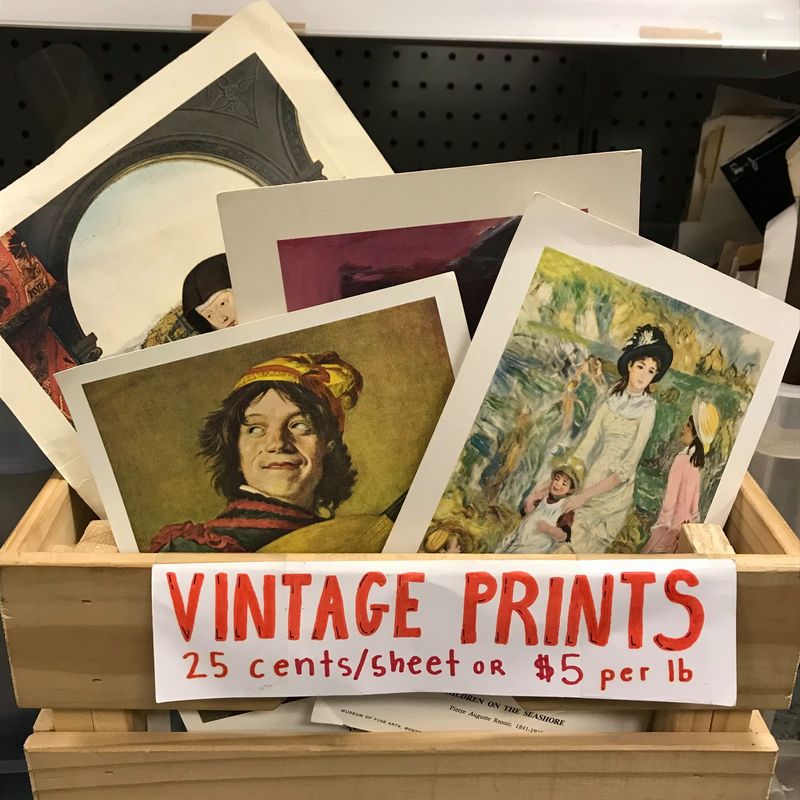
Orange leaves look charming even when they started life as an old sheet of paper.
Shoppers have mentioned paper, postcards, and newspaper clippings at the center, making paper crafts a sensible place to begin your search.
Look for colors and textures that suit autumn rather than hunting for a perfect matching set.
Brown, gold, cream, and muted red can work together, while printed pages add character to leaf shapes.
At home, draw one leaf template and trace it onto your chosen scraps.
Cut several shapes, punch small holes near the tops, and string them together for a lightweight garland.
Keep larger pieces for greeting cards and save narrow strips for tags or paper chains.
Check paper for stains, tears, and thickness before buying, especially if children will handle it.
Because donated stock varies, treat these ideas as flexible projects rather than a promise that any particular paper will be available that day.
3. Yarn Scraps That Bring Cozy Fall Texture
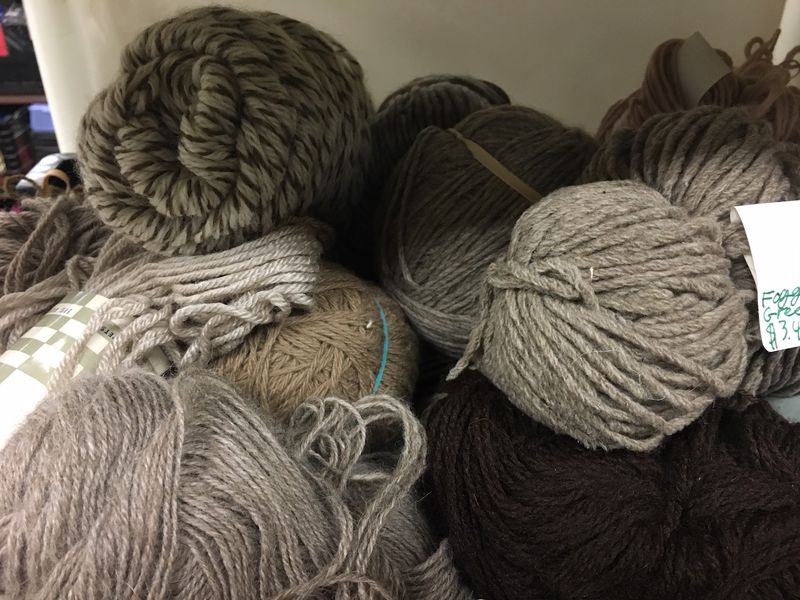
A little yarn can make a plain craft feel ready for sweater weather.
One older customer review mentions yarn among the center’s reusable supplies, so it is worth checking for available colors during your visit.
Small amounts can be useful even when there is not enough for a scarf.
Wrap yarn around cardboard pumpkins, tie short strands onto handmade tags, or use it to hang paper decorations.
Before choosing a bundle, look for knots and check whether the strands feel clean and sturdy.
If your project needs several matching pieces, estimate the amount you need instead of assuming another identical bundle will appear later.
Try pairing soft yarn with rough paper for a pleasing mix of textures.
Children can help wrap simple shapes, with an adult handling scissors when needed.
Save the shortest leftovers in a small container, since those tiny pieces may become stems, tassels, or colorful details on another craft.
4. Crayons and Paint for Colorful Autumn Projects
Not every fall decoration needs fancy tools or perfect brushwork.
A recent reviewer celebrated a large bag of crayons, while an older review mentioned paint, offering two possible starting points for colorful projects.
Use crayons to shade paper leaves, draw harvest scenes, or decorate cards with bold patterns.
If usable paint is available, cardboard shapes can become pumpkins, mushrooms, or signs for an indoor seasonal display.
Inspect secondhand supplies before purchasing them.
Ask whether you may check a paint container, read any remaining label, and avoid materials whose contents or intended use are unclear.
For family crafting, choose products labeled for the ages involved and cover the table before beginning.
Keep the project simple enough that everyone can finish something in one sitting.
A limited palette often looks more pulled together than every color at once, so try selecting three autumn shades and letting the shapes provide the rest of the personality.
5. Beads and Letter Stickers for Small Seasonal Details
Sometimes the smallest pieces give a handmade project its best finishing touch.
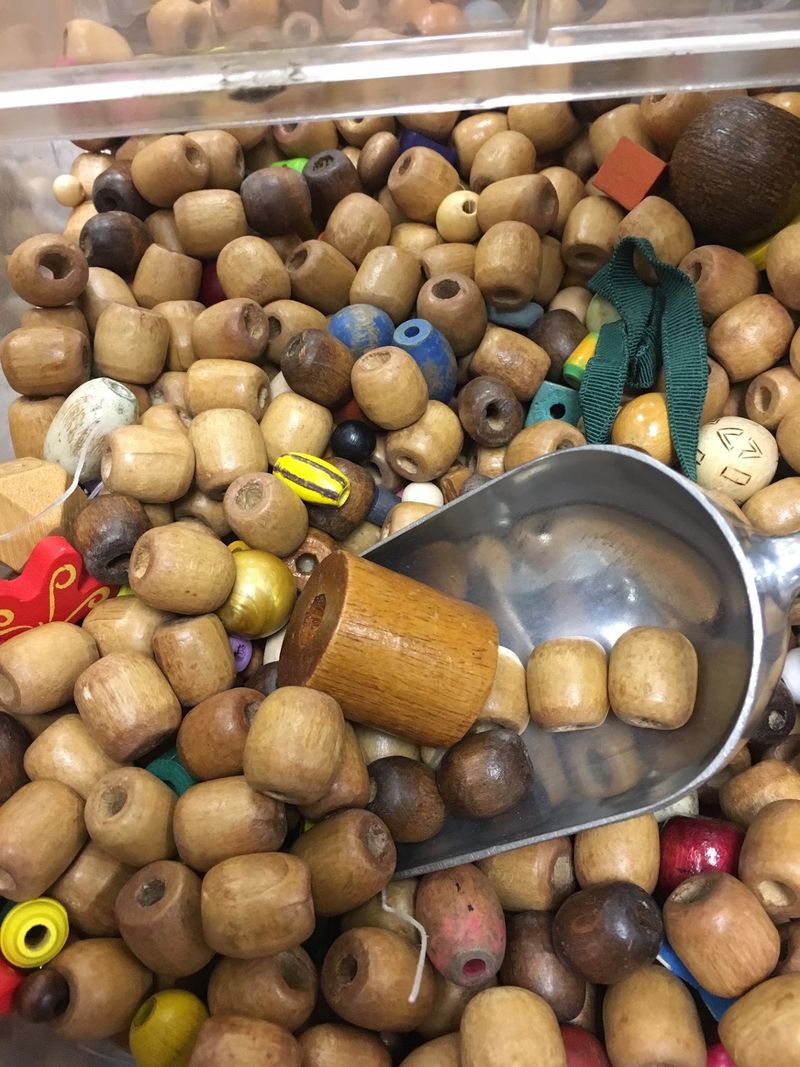
A customer reported finding beads and sticker letters at the Pittsburgh Center For Creative Reuse, both useful possibilities for autumn crafting.
Letter stickers can label treat bags, spell names on place cards, or add a short greeting to a homemade sign.
Check that the letters you need are included before choosing a partly used sheet.
Beads can decorate hanging ornaments or become accents on a seasonal garland.
Look at hole sizes and bring your project’s measurements so you can choose pieces that fit the string you already own.
Keep small items away from young children, and plan adult supervision for any activity involving loose beads.
Rather than buying a large assortment without a purpose, choose a few colors that connect your project.
Copper tones, warm browns, and deep reds can suggest fall without requiring every piece to match exactly.
6. Vintage Oddities for Decorations With Personality
A trophy on a fall table might sound odd until you give it a new job.
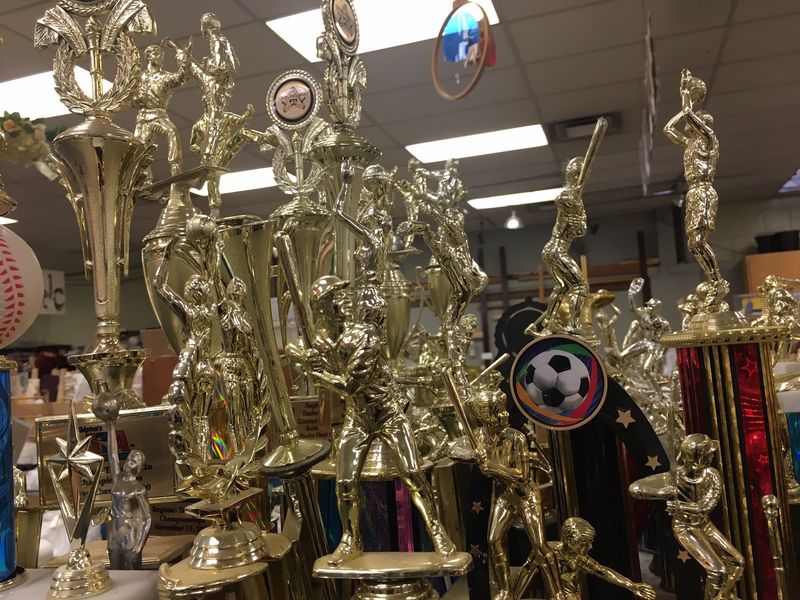
Reviews mention trophies, old pictures, records, and vintage Pittsburgh magnets, showing how unusual the center’s finds can be.
Those objects invite playful projects rather than standard decorations.
An old trophy could anchor a small display, while a postcard might provide the background for a seasonal collage.
Before changing a vintage piece, consider whether you would rather keep it intact.
Removable paper details or loosely tied ribbon can add an autumn touch without covering interesting artwork or damaging a favorite find.
Inspect edges, stability, and overall condition before bringing an object home.
Skip anything that seems unsafe or requires repairs beyond your skills.
Choose one unusual item as the focus, then add simple supporting materials.
That approach keeps the finished decoration from looking crowded and gives your thrifted discovery room to tell its own little story.
7. A Budget Plan That Keeps the Basket Useful
A bargain is only helpful if it becomes something you use.
Many visitors praise the center’s prices, but some reviews raise concerns about cost and condition, so thoughtful shopping still matters.
Start with a short list of projects and a firm spending limit.
Check your supplies at home first, especially glue, scissors, string, and paint, so you do not buy duplicates.
Compare an item’s price with its condition and the amount you need.
A partly used supply may be a good choice for one small project, but less useful for a classroom activity that requires matching materials.
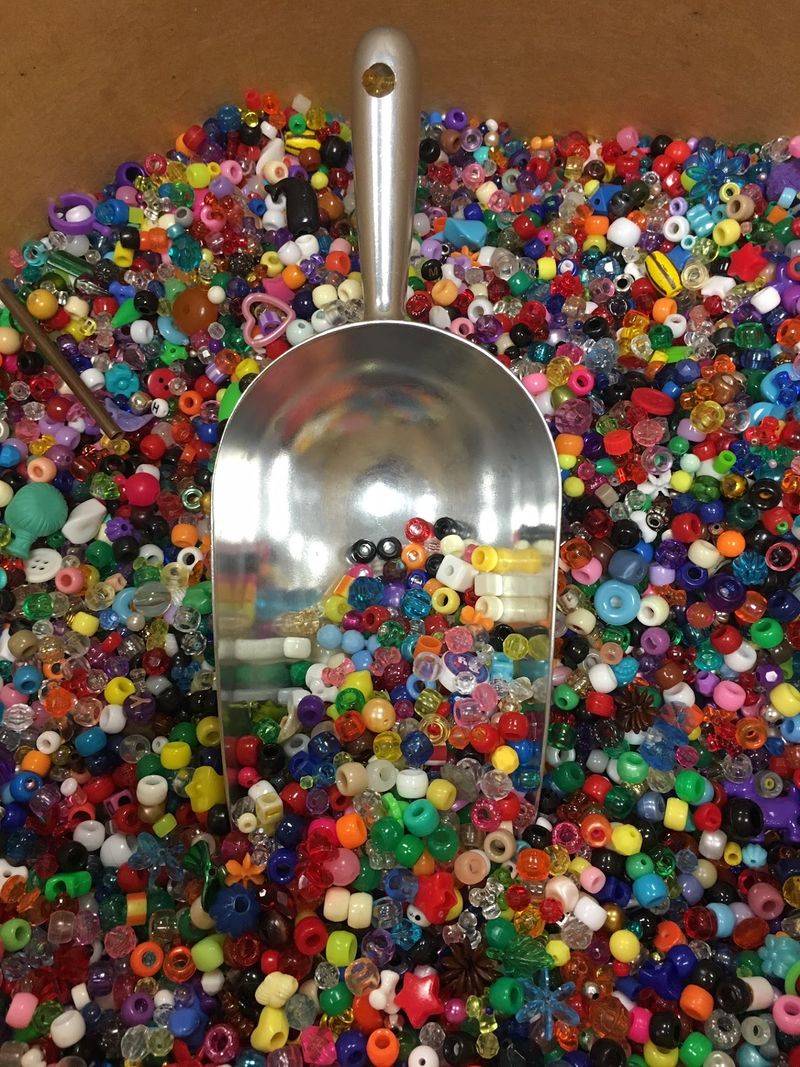
If you explore a bulk area, ask staff how pricing works and which items qualify before filling a bag.
Keep separately priced finds apart to avoid confusion at checkout.
There is no need to guess at rules or current prices.
A quick question can help you leave with useful materials and a clear understanding of your total.
8. Simple Fall Crafts for Families and Classrooms
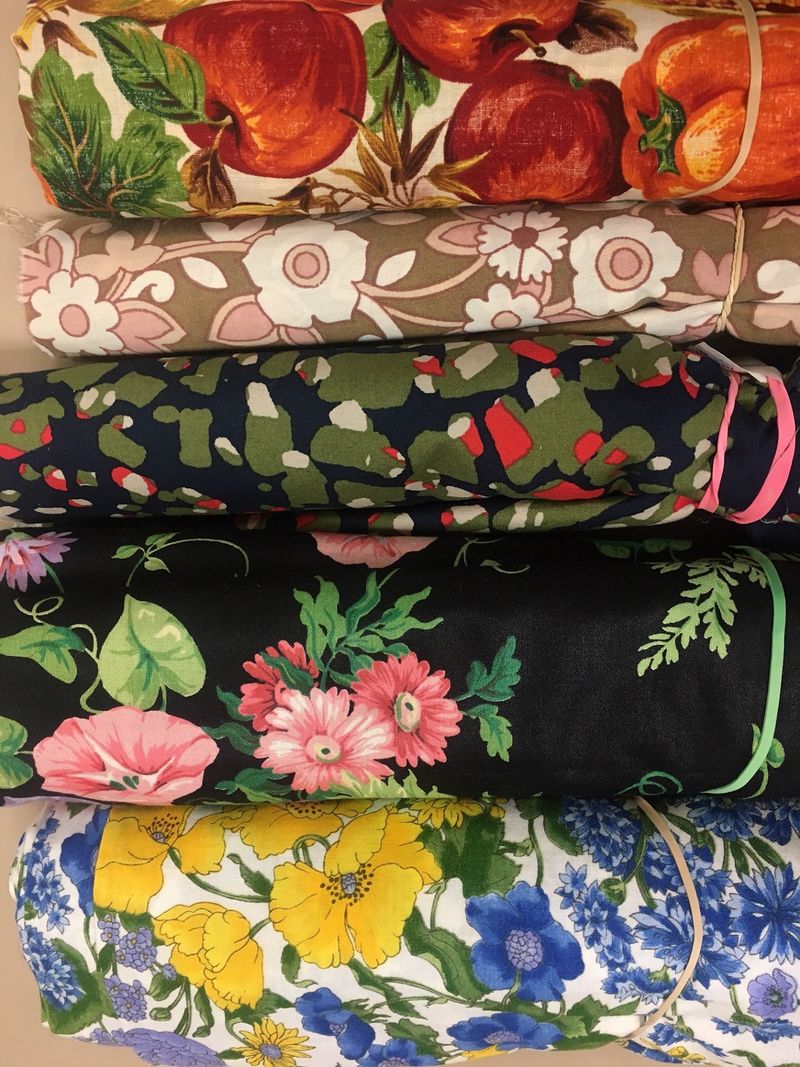
A table full of different scraps can give every child a different idea.
Reviewers describe the center as useful for teachers, artists, and families, especially when projects call for a mix of affordable materials.
For a group activity, choose a design that welcomes variety.
Paper leaf collages, decorated name cards, and small gratitude banners do not require everyone to have identical supplies.
Prepare one sample before shopping so you know which materials are essential.
Count participants, estimate quantities, and choose replacements for anything you might not find in a donated assortment.
At home or in class, sort materials into shared trays and explain how each tool should be used.
Avoid sharp objects and loose small parts for younger children.
Let older children decide how to combine colors and shapes instead of requiring exact copies.
The result can be a cheerful collection of individual projects, with less pressure to purchase matching craft kits.
9. Reuse That Gives Leftover Supplies Another Chance
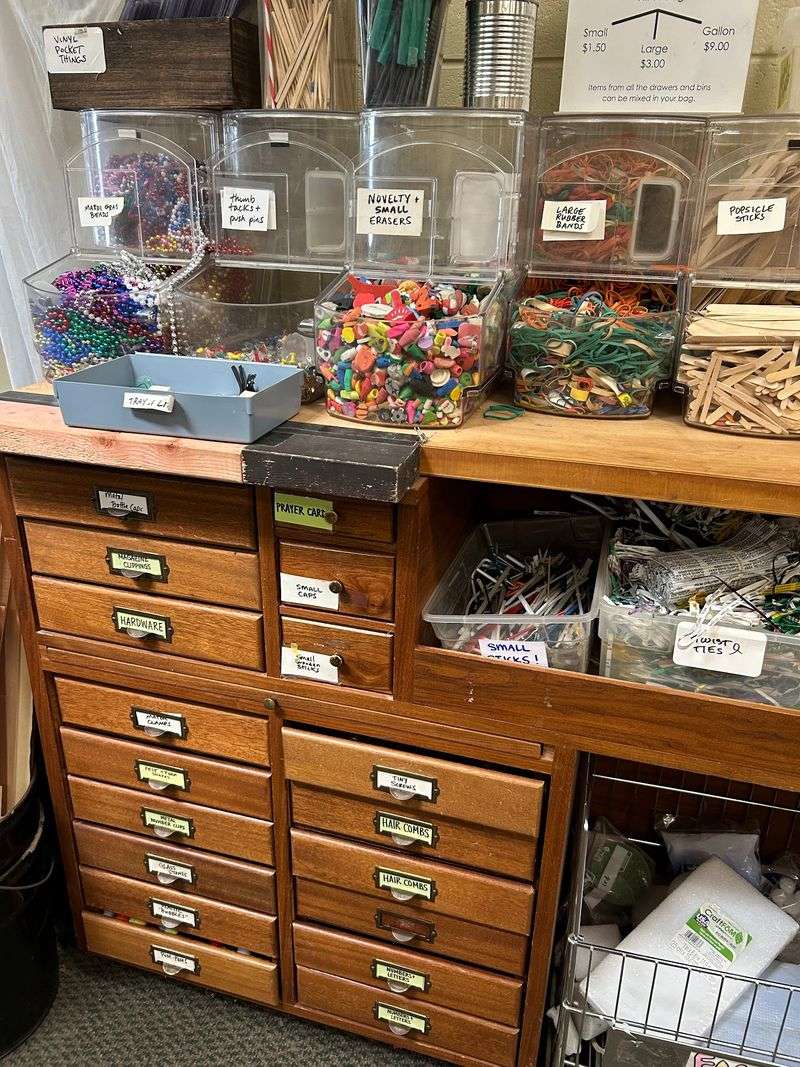
Your unfinished project does not have to become someone else’s trash.
Creative reuse gives materials another chance, and customers often connect this nonprofit’s work with recycling, sustainability, and making art more affordable.
Shopping thoughtfully supports that idea better than collecting supplies you will never touch.
Choose pieces with a clear use, store them where you can see them, and finish one project before starting several others.
After your fall crafting session, separate useful leftovers from damaged scraps.
Keep paper flat, contain small pieces, and label supplies so they are easier to use again next season.
If you want to donate to the center, check its current guidelines before bringing anything in.
Accepted materials and drop-off procedures may change, and not every leftover object belongs in a reuse shop.
Clean, organized donations can be easier to assess.
The larger lesson is simple: value the materials you already have, then pass suitable extras along responsibly.
10. Plan Your Visit Before the Fall Crafting Begins
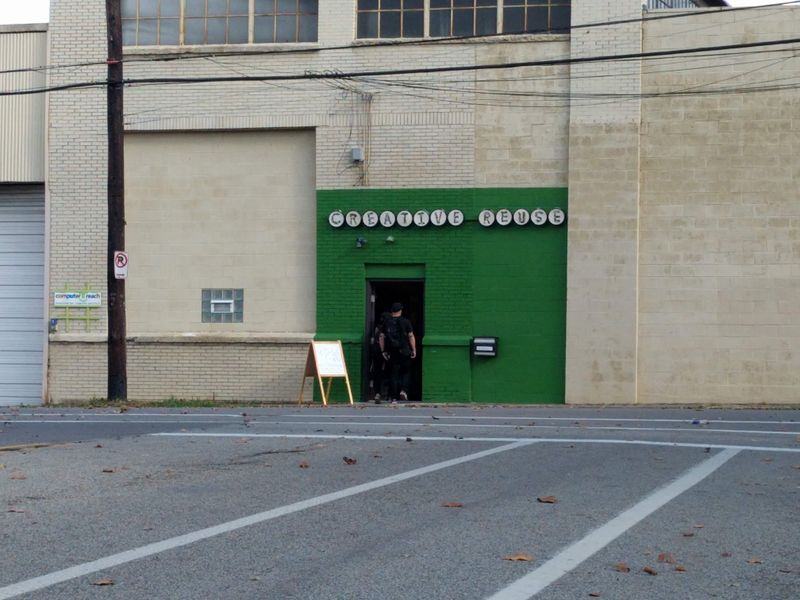
Good craft days often start with a little practical planning.
The Pittsburgh Center For Creative Reuse is listed at 214 N Lexington Street, Pittsburgh, PA 15208, with daily hours of 11 a.m. to 5 p.m.
Confirm those hours before traveling, especially around holidays or schedule changes.
Visit pccr.org or call 412-473-0100 for current information rather than relying only on an older review.
Some customer reviews mention a mask requirement during the opening hour.
Because policies can change, ask about current shopping guidelines and bring any items needed to follow them comfortably.
Carry your project list, measurements, and a reusable bag, then leave room for one unexpected find.
The provided listing shows a 4.8-star rating from 395 reviews, though individual experiences vary.
Approach the visit with flexible expectations: donated inventory is not predictable.
With a modest budget and a few adaptable ideas, you can turn a browsing trip into a satisfying start to autumn crafting.
Share this story