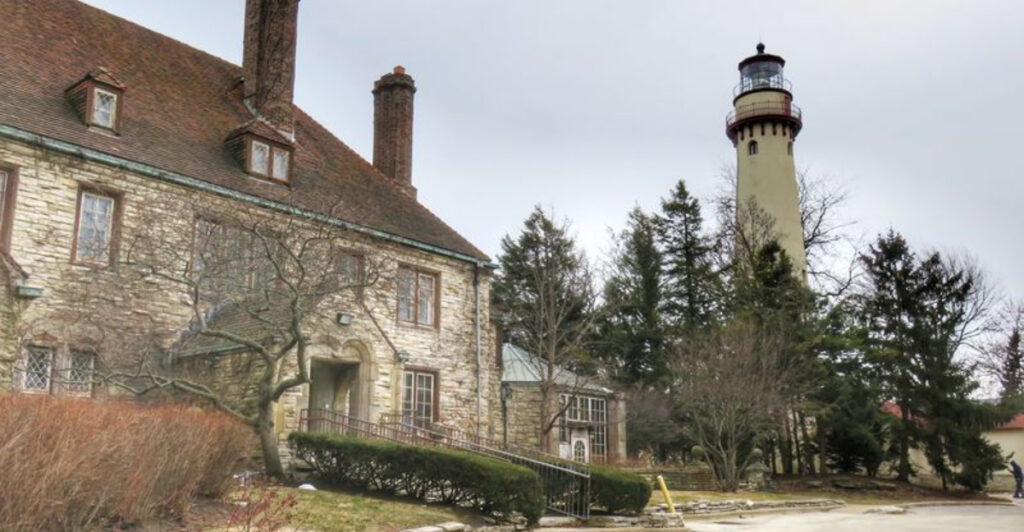
A lonely lighthouse facing dark Lake Michigan waters already has the ingredients for an eerie story. At Grosse Point Lighthouse in Evanston, the beauty of the historic tower contrasts with a past shaped by dangerous storms, maritime disasters, and the constant threat faced by ships navigating the lake.
Built after one particularly devastating wreck helped underscore the need for a beacon here, the lighthouse became a reassuring presence along a shoreline that could quickly turn treacherous. In daylight, the grounds feel peaceful and picturesque. After hearing the stories behind them, however, it becomes much easier to imagine how unsettling this stretch of water once felt.
White Tower, Black Water
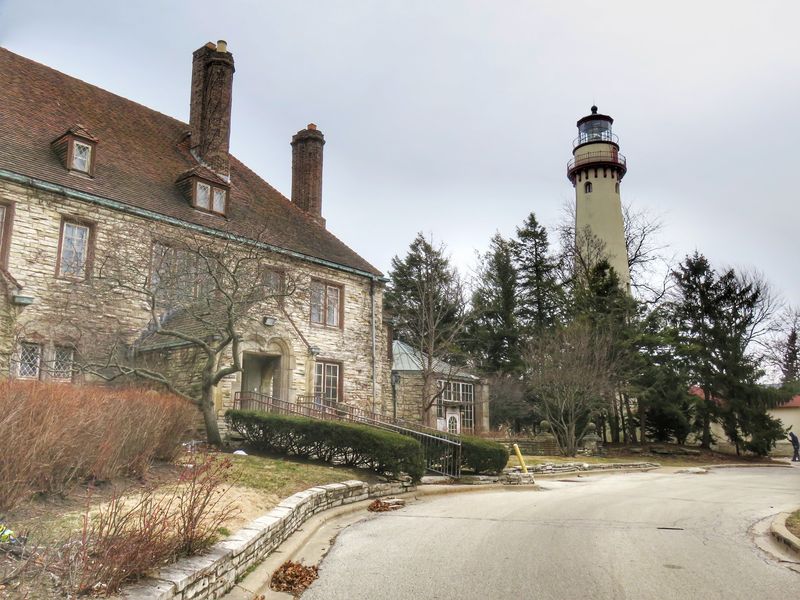
At first glance, Grosse Point Lighthouse looks neat, bright, and almost cheerful. Then the lake enters the picture. Lake Michigan can shift the whole mood in seconds, and that contrast is what gives the site its strange power.
The tower rises above a shoreline that can look peaceful one minute and severe the next. On a gray day, the white structure stands against steel-colored water and low clouds, creating a scene that could pass for the opening shot of a suspense film.
Even when the grounds are tidy and the paths are easy to follow, the setting still carries a warning. Lighthouses were not built for pretty postcards alone. They were built because people needed help staying alive.
That truth changes how the place reads. Instead of seeing only a historic attraction, it becomes easier to picture sailors searching for a light through fog, rough water, or snow.
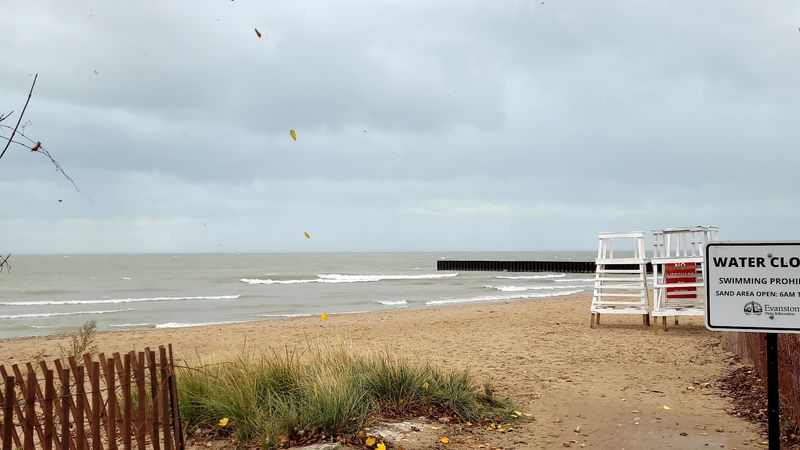
The beach nearby adds another layer to the experience. Families may spread blankets there in summer, but the same shoreline also reminds visitors how exposed this stretch of coast really is when the weather turns hard.
A good way to take in the site is to pause before rushing to the tower. Look at the open lake, listen to the wind, and notice how little stands between land and water.
Early morning is especially dramatic, when the sun comes up over the horizon and the tower appears almost cut out against the sky. During colder months, the emptier grounds can make the whole place seem even more severe.
That stark visual mix, bright lighthouse and dark lake, is the first reason the landmark carries such a bone-chilling reputation.
The Shipwreck That Forced Action
Long before the lighthouse became a peaceful stop for photos, the water off this shore was linked to disaster. The most chilling part of its story is not a ghost tale at all. It is the real history of deadly shipwrecks on Lake Michigan, especially the sinking of the Lady Elgin in 1860.
That wreck happened years before Grosse Point Lighthouse was built, yet it became one of the strongest reasons for demanding better navigation aids north of Chicago. The loss of life shocked the region and exposed how dangerous the lake could be when weather, darkness, and limited guidance came together.
Seen through that history, the lighthouse is more than a handsome old building. It is a response to fear, grief, and a clear public need.
The tower was built in 1873 and first lit in 1874. Every brick and metal piece connects back to a simple mission, helping ships avoid the same kind of terrible end.
That mission adds weight to every visit. Standing there today, it is easy to admire the architecture, but the stronger story lies in the danger the structure was meant to fight.
For readers who enjoy haunted places, this is where the site becomes especially gripping. A horror movie often starts with one awful event that changes everything.
Grosse Point Lighthouse has that kind of backstory, only it comes from documented lake history instead of fiction. Learning about the Lady Elgin before visiting makes the grounds more meaningful.
The tower stops being background scenery and starts reading as a hard-earned answer to a nightmare on the water. Few landmarks become eerie because they are tied so directly to real loss, public alarm, and the need to keep it from happening again.
Climbing the 141 Steps Changes Everything
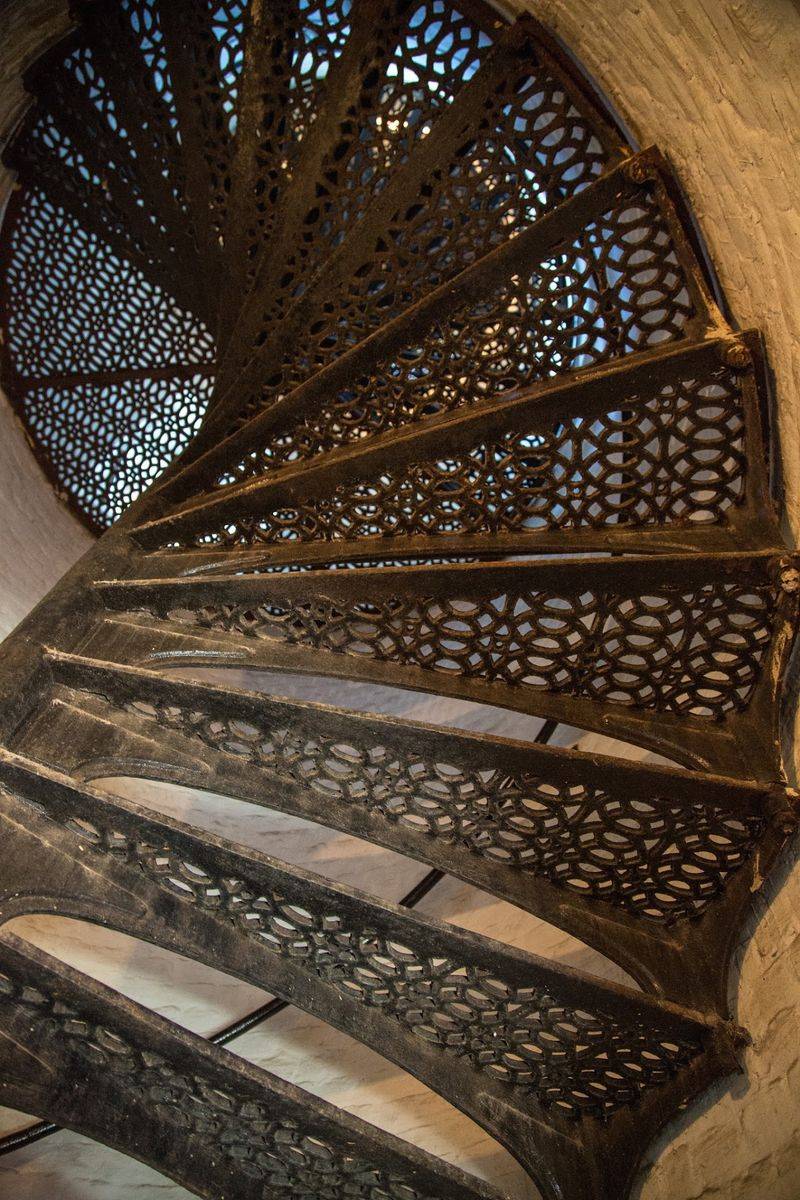
Not every scary story needs a monster. Sometimes a tight stairway, a long climb, and a strong wind outside do the job just fine.
Seasonal tours at Grosse Point Lighthouse include a trek up 141 steps, and that simple fact adds a real jolt of drama to the visit. Going up a lighthouse is very different from looking at one from the lawn. Inside, the space narrows.
The walls feel closer, the climb gets more physical, and each turn of the stairs pulls attention away from the calm park below. That shift matters because the tower was built for work, not comfort. Lighthouse keepers had to make this climb as part of daily duty, often with weather pressing in from outside.
By the time visitors reach the top, the view is the reward, but the route there is part of the story. It helps explain the human effort behind old navigation systems.
Before automated equipment took over, keeping the light operating meant repeated trips upward, careful maintenance, and constant attention. A place can look elegant from a distance while still carrying the hard edges of labor and risk on the inside.
Planning helps here. Tour availability is seasonal, and anyone interested in the climb should check timing before showing up.
Comfortable shoes make the experience easier, especially for those who are not used to steep or enclosed stairways. Younger visitors often enjoy the adventure, but the climb is still a real physical feature, not a themed attraction.
That is exactly why it works so well in this story. The tower does not need fake effects to create suspense. A narrow historic ascent, a long drop below, and open lake beyond the glass already create enough tension to give the lighthouse its horror-movie energy.
When Lake Michigan Starts Acting Like the Villain
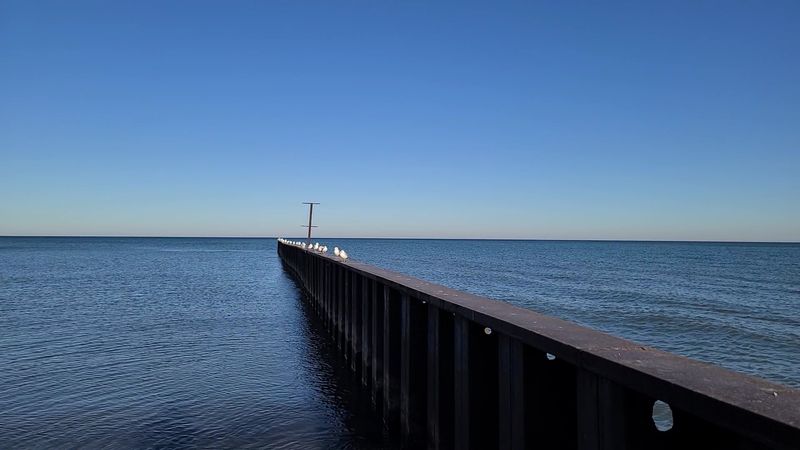
Bright summer pictures can make the lake look soft and friendly, but Lake Michigan has a much harsher side. Near Grosse Point Lighthouse, that truth is impossible to ignore once the wind rises and the water darkens. Suddenly the site does not look decorative at all. It looks defensive.
Large inland lakes can be deceptive because they seem calmer than oceans in the public imagination. Yet storms on Lake Michigan have caused wrecks, confusion, and fast-changing danger for generations.
A lighthouse on this shore had a serious job for a reason. Mariners needed a fixed point they could trust when visibility dropped and waves erased the horizon line.
That practical role gives the whole landmark a tense edge. The villain in this story was never the tower. It was the lake.
Even on land, visitors can sense how exposed the shoreline is. Open views are beautiful, but they also show how little shelter stands between the water and the built landscape.
On windy days, the sound alone changes the mood. Air rushes across the grounds, the beach looks less playful, and the tower appears to be standing watch over a force that still cannot be controlled.
Anyone visiting should treat the area with the respect a working waterfront deserves. If swimming is part of the plan, caution matters, especially since beach conditions and safety support can vary.
For people who want the strongest visual experience without rough weather risks, the best times are often cooler mornings when the lake looks bold but manageable. Bring a jacket even if the day seems mild farther inland.
At Grosse Point Lighthouse, the real source of the bone-chilling tales is often right in front of you, rolling, crashing, and changing color by the hour.
Evanston, Illinois Has a Surprisingly Eerie Calm Here
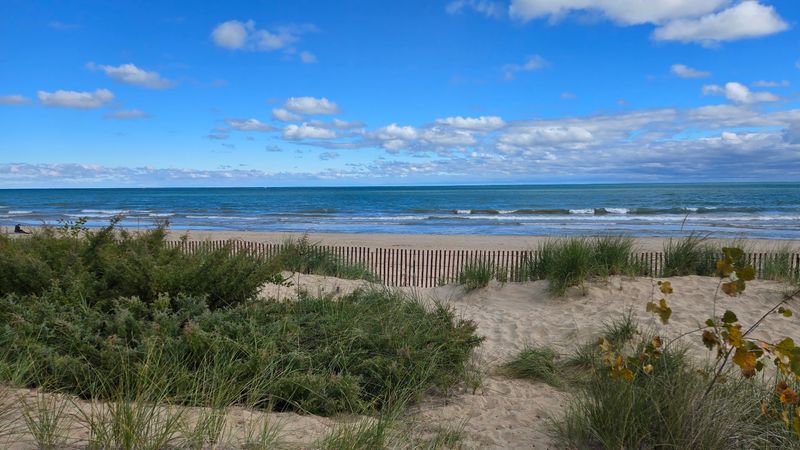
Quiet places can be unsettling in a very different way than loud ones. Around Grosse Point Lighthouse, the stillness is part of the story.
The grounds are clean, the paths are easy to walk, and the beach nearby can look inviting, yet the calm often has an almost suspended quality.
That is where the landmark gets some of its strongest horror-movie flavor. Instead of jump scares or wild legends, the site offers space, silence, and long views.
A person can stand near the tower and hear wind, water, and not much else. In a busy region near Chicago, that kind of pause can feel unusual.
It turns the lighthouse from a simple sightseeing stop into a place where the imagination starts filling in the blanks.
The layout helps create that effect. There is room to walk, stop for photos, and look out across the shoreline without heavy distraction.
The nearby beach and landscaped areas soften the setting, but they do not erase the seriousness of the lakefront. In cooler weather, especially, the contrast becomes sharper.
Bare trees, empty sand, and a white tower by cold water give the grounds an almost stage-set quality, as if a story is waiting to begin.
For a first visit, try slowing the pace instead of rushing in for one picture and leaving. Walk the paths, study the tower from different angles, and notice how the mood changes with light and cloud cover.
Sunrise is especially striking, and early hours can also mean easier parking before the day gets busier. If the beach is part of the plan, remember that access and parking rules may involve extra cost.
Practical details aside, the site’s rare strength is its quiet. In Evanston, Illinois, the hush around Grosse Point Lighthouse can be more chilling than any made-up ghost tale.
Keepers, Lamps, and Long Watches After Dark

A lonely job can make any building seem more mysterious. Grosse Point Lighthouse was not only a structure on the shore.
For years, it was a workplace that depended on people staying alert, repeating hard routines, and watching a dangerous lake after dark.
In its active years, the station was staffed by multiple keepers and a laborer. That detail matters because it shows how much effort the light once required.
Before modern automation simplified the process, lighthouse work involved maintenance, climbing, cleaning, checking equipment, and paying close attention to weather and visibility. It was steady, serious labor, and much of it had to happen whether conditions were comfortable or not.
That human side adds depth to the site’s chilling reputation. Imagine long winter nights, a lamp that had to function properly, and a shoreline with almost no room for mistakes.
A single beam had meaning because ships depended on it. The place becomes less about architecture and more about responsibility.
That is the sort of pressure horror films often borrow, a small group of people in an isolated setting, carrying a task that cannot be ignored.
The lighthouse was later automated in 1934, decommissioned during World War II, and reactivated afterward by the City of Evanston as a private aid to navigation. Those shifts remind visitors that the tower’s story did not end in one neat chapter.
Its purpose adapted over time, but the core image remained the same, a watchpoint over uncertain water. Learning about the keepers before visiting can make the tower far more vivid.
The windows, stairs, and lantern room stop looking decorative and start suggesting routines, duty, and sleepless attention. No invented ghost can top the plain, tense truth of people climbing, tending, and watching through the dark.
How To Catch the Chills Without Missing the Best of It
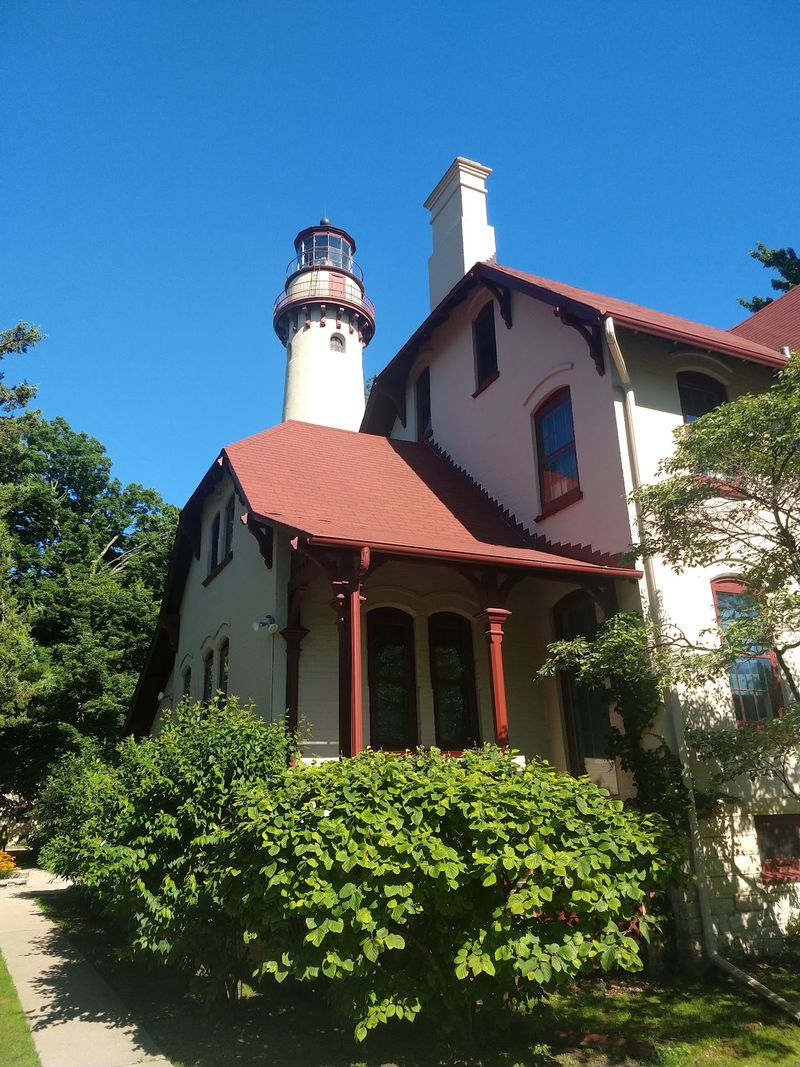
Plenty of historic places sound dramatic on paper and disappointing in person. Grosse Point Lighthouse is not one of them, but timing shapes the experience. Show up at the right hour and the landmark delivers history, scenery, and that creepy edge all at once.
Sunrise is one of the smartest times to go. The light coming off Lake Michigan can turn the tower into a sharp silhouette, and the shoreline usually feels quieter before the day fills in.
Early hours also make it easier to focus on the setting itself instead of treating the stop like a rushed errand. If the goal is atmosphere, cloudy or cooler days often heighten it even more than bright afternoon sunshine.
For visitors who want the strongest historical layer, aim for the season when guided tower tours are offered. That adds access to the interior climb and helps connect the outside view with the building’s real working life.
If the tower is closed, the grounds still offer plenty to study, including the lakefront position, the beach nearby, and the way the lighthouse sits within a carefully kept public space. Parking is limited, so arriving earlier is simply easier.
Some beach access and parking situations can involve fees, so planning ahead saves frustration. The best approach is to combine practical thinking with a little patience.
Wear shoes suitable for walking, bring an extra layer for lake wind, and give the site more than ten rushed minutes. Start with the water, then the tower, then the paths around it. That sequence helps the story make sense.
By the end, the bone-chilling quality of Grosse Point Lighthouse does not come from fake legend. It comes from real shipwreck history, real weather, real labor, and a white tower still standing over a lake that has never been fully tame.