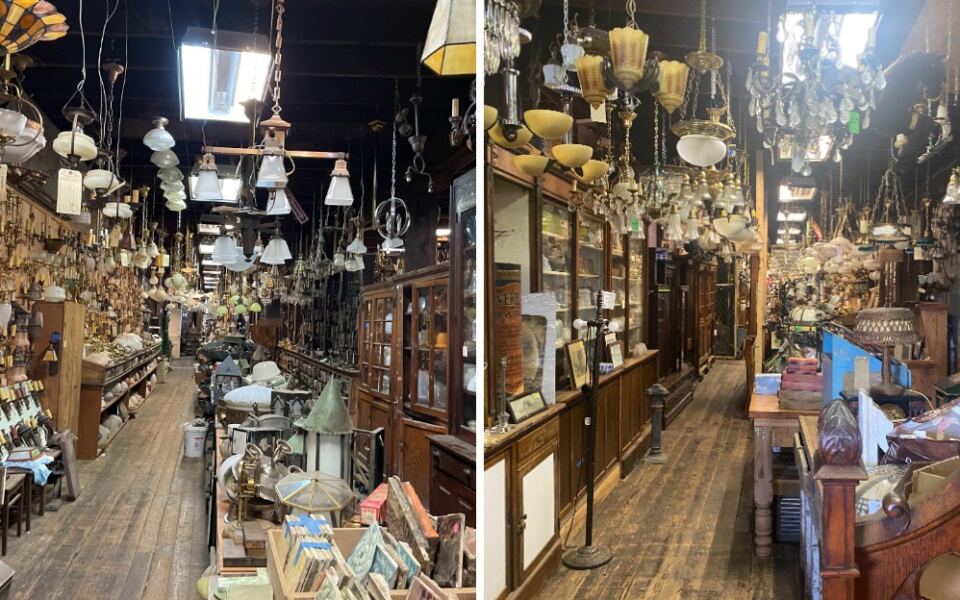
Somewhere in Tennessee, a single building holds roughly 38,000 square feet of old doors, vintage windows, stained glass, and light fixtures. That’s not a typo. It’s a warehouse packed with pieces of houses, stores, and buildings from another era.
The stock spreads across multiple floors of a sprawling warehouse. Many pieces carry tags that tell where they came from. So every doorknob might have a backstory, and every window might have watched a century go by.
I like how a place like this treats salvage as history instead of junk. I believe old hardware deserves a second life, and here it gets one. I can’t imagine browsing it quickly, either.
The owner once told a shopper to bring snacks. Honestly, that might be the best shopping advice ever given. So what exactly is waiting inside?
Rows Of Vintage Doors Are Waiting For Their Next House
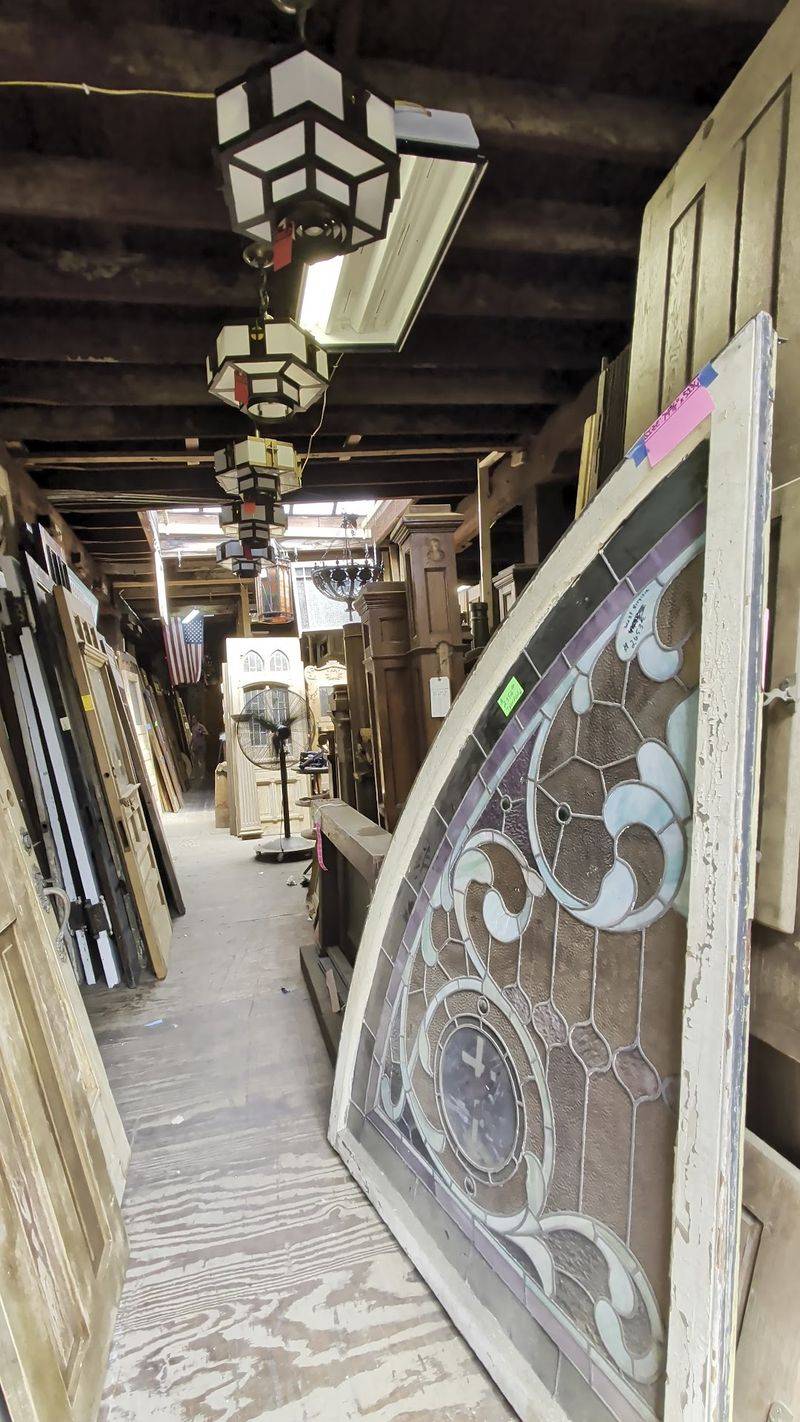
Doors are the headline act at Doc’s Architectural Salvation in Springfield. Old doors come up again and again when people talk about this shop.
You’ll find paneled wooden doors, glass-front doors, and doors that clearly guarded something important once. Some look ready for a farmhouse. Others look like they escaped from a downtown storefront.
That variety matters if you’re restoring an older home. Modern big-box doors rarely match the proportions of a house built a century ago. A salvaged door can fit the style, the era, and the character of the original building.
It also makes a great project piece. People turn old doors into headboards, tabletops, and sliding barn-style panels. One door can become the conversation starter of an entire room.
Here’s a practical tip worth remembering. Bring measurements of your door opening, including height, width, and thickness. Old doors were not built to modern standard sizes, so a tape measure is your best friend here.
Also snap a few photos of your space before you go. Staff can better help when they see what you’re working with. That small step can save you a second trip back to the warehouse.
The Doorknobs Alone Could Fill An Afternoon
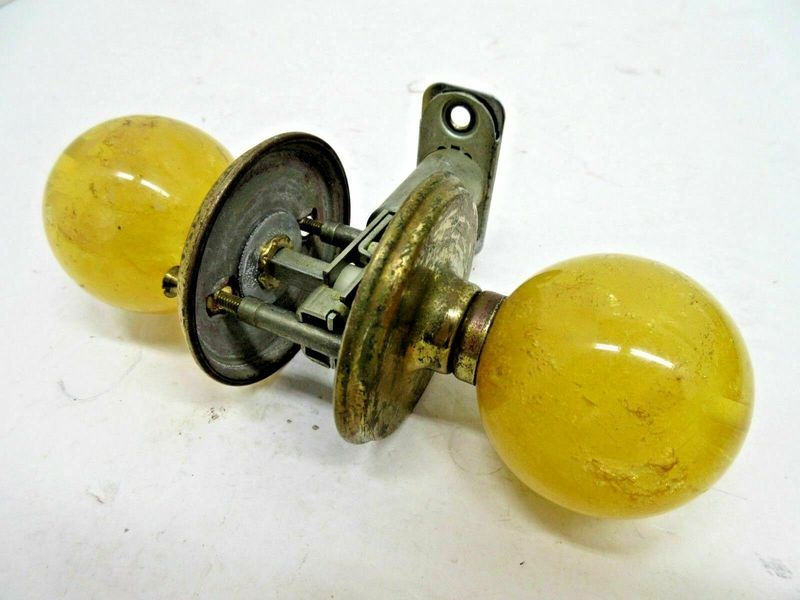
Small things can steal the show. At this Tennessee salvage warehouse, door hardware is a major reason people make the drive.
Think brass knobs, glass knobs, decorative backplates, hinges, and lock sets. These are the little details that make an old house feel complete. They’re also the pieces that usually go missing first during a renovation.
Matching original hardware can feel impossible online. Photos rarely show scale, finish, or tiny design details. Seeing pieces in person lets you compare patterns and weights right there in your hand.
So what should you bring? An old knob or hinge from your house is the smartest thing to carry. Holding it next to the options makes matching far easier than guessing from memory.
Restoration fans love this kind of hunt. Furniture repair folks do too, since antique cabinet pulls and hardware can be equally hard to track down. A single missing drawer pull can hold up a whole project.
Give yourself time to look closely. Hardware is small, and the inventory here is anything but. Patience pays off when you’re searching for that one perfect knob that finally matches the rest of the house.
Vintage Windows And Stained Glass Catch The Light Differently
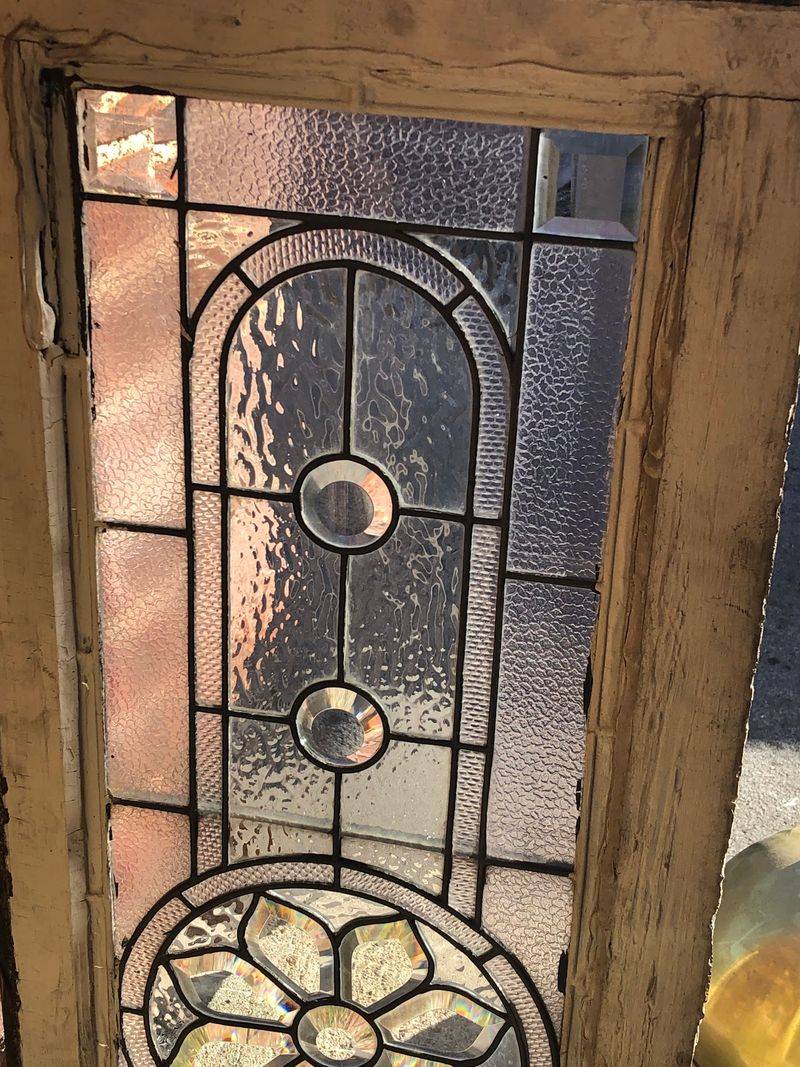
Old glass has a wobble to it that new glass simply can’t fake. Windows and stained glass are part of the big lineup at Doc’s Architectural Salvation.
Stained glass panels add color and charm to almost any space. Hang one in a window, and sunlight does the decorating for you. Use one as a cabinet insert, and the kitchen suddenly has a personality.
Vintage window frames are versatile, too. Some folks use them as wall art or photo displays. Others build them into greenhouses, room dividers, or cozy reading nooks.
If you’re replacing windows in a historic house, salvage offers a big advantage. Original-style frames help keep the look of the building true to its era. That can matter a lot to owners who care about authenticity.
A quick word of caution helps here. Glass is fragile, and older frames may need some repair or fresh glazing. Plan for padding, blankets, and careful loading when you take one home.
Measure your space before falling in love with a panel. Stained glass pieces come in all sizes. The right one should fit both your window and your vision without forcing anything.
Look Up, Because The Lighting Collection Is Huge
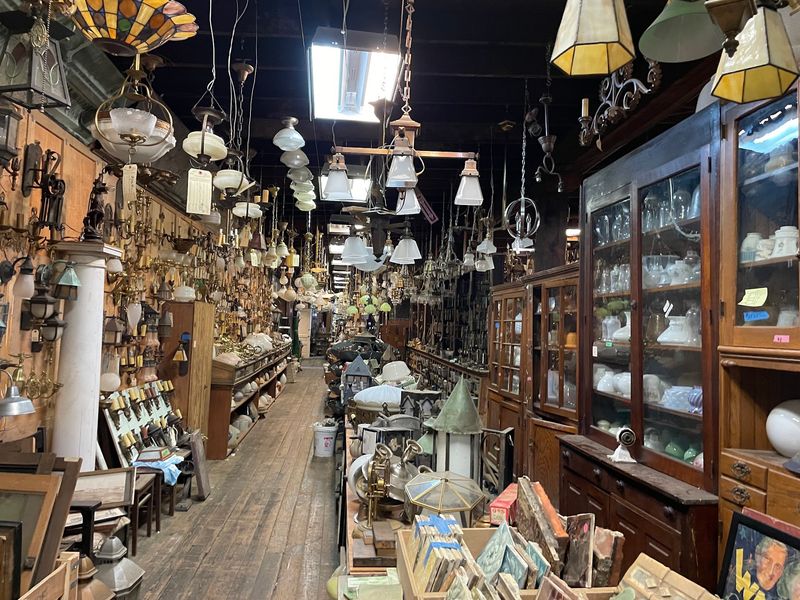
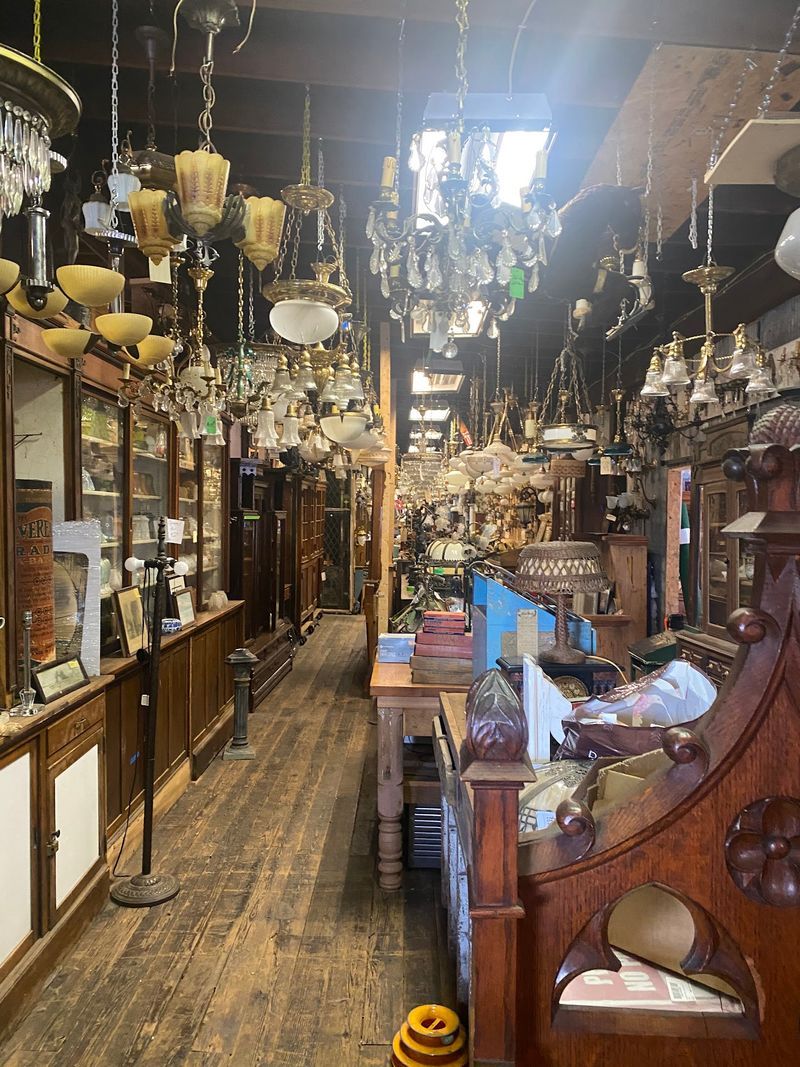
Lights get mentioned more than almost anything else about this place. Chandeliers, light fixtures, and vintage industrial lamps are a big part of the stock.
Lighting can transform a room faster than paint. A single antique chandelier can make a plain dining room feel elegant. An old industrial fixture can give a kitchen some serious workshop cool.
Vintage lighting also tells you a lot about design history. Fixtures changed style decade by decade. Spotting those differences is half the fun when you’re browsing.
Now for the grown-up part of the conversation. Older fixtures may need rewiring before they’re safe for daily use. A licensed electrician can check sockets, cords, and connections before installation.
That small investment is well worth it. You get the look of an antique with the safety of modern wiring. It’s the best of both centuries in one glowing package.
Bring ceiling height measurements if you’re shopping for something large. A chandelier that looks perfect in a warehouse may overwhelm a smaller room. Knowing your space keeps that dream fixture from hanging a little too close to everyone’s heads.
Back Bars And Big Woodwork Bring Serious Drama
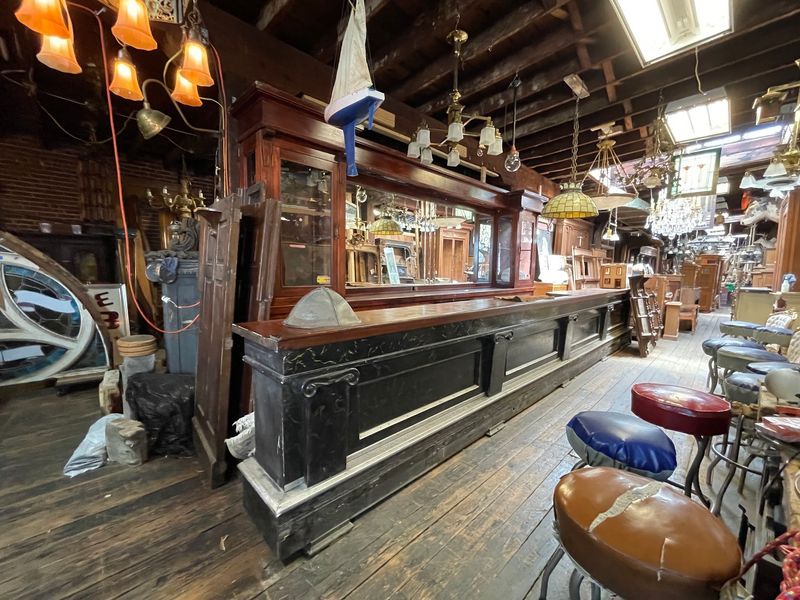
Some salvage pieces are small enough for a pocket. Others are big enough to anchor an entire room, like the back bars and interior woodwork found here.
A back bar is that tall, decorative wooden piece often seen behind old counters. Many feature mirrors, columns, shelves, and carved details. They’re pure old-school craftsmanship, built when furniture makers clearly liked showing off.
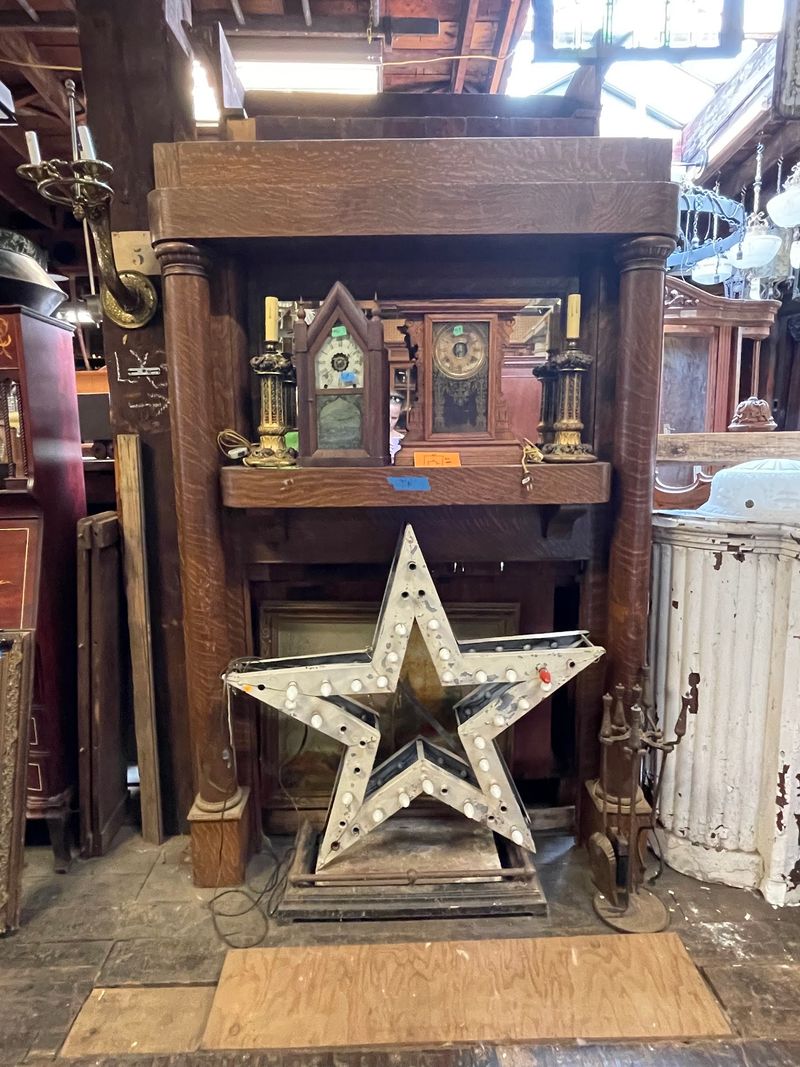
Doc’s Architectural Salvation is known for internal wood features too. That can include trim, mantels, and other architectural elements. These pieces add instant history to homes, restaurants, and shops.
Think creatively about how one could work for you. A back bar can become a coffee station, a library wall, or a showy retail display. Smaller woodwork can frame doors, fireplaces, or built-in shelves.
Size is the big challenge with these beauties. Measure ceilings, walls, and doorways before committing. Getting it home might take a trailer and a few strong friends.
Ask about how a piece breaks down, if it does. Some large items come apart in sections for moving. Knowing that ahead of time can turn a scary delivery into a manageable weekend project.
Bathroom Fixtures With More Personality Than Your Current Sink
Old bathrooms had style that modern ones often skip. Bathroom fixtures show up among the treasures at this Tennessee salvage spot.
Vintage sinks, faucets, and other fixtures can give a bathroom real character. They work especially well in older homes that deserve period-correct details. They also make a newer home feel like it has a story.
Remodelers often hunt for these pieces specifically. Matching an original fixture can be tough when a house is decades old. Salvage gives you a fighting chance at finding something that truly belongs.
Plan ahead before you buy, though. Older plumbing fixtures may not line up with modern connections right away. A plumber can tell you what adapters or adjustments you might need.
Check the condition carefully too. Look for chips, cracks, and worn finishes. Some wear adds charm, while other damage could mean extra repair work and cost.
Measurements matter here as much as anywhere else in the shop. Bathrooms are usually tight spaces with little wiggle room. Know your dimensions, and you’ll be much more confident when something beautiful and porcelain catches your eye across the warehouse floor.
Plan For A Treasure Hunt Across Multiple Floors
Bring snacks. That advice came straight from the owner, and it says a lot about the scale here.
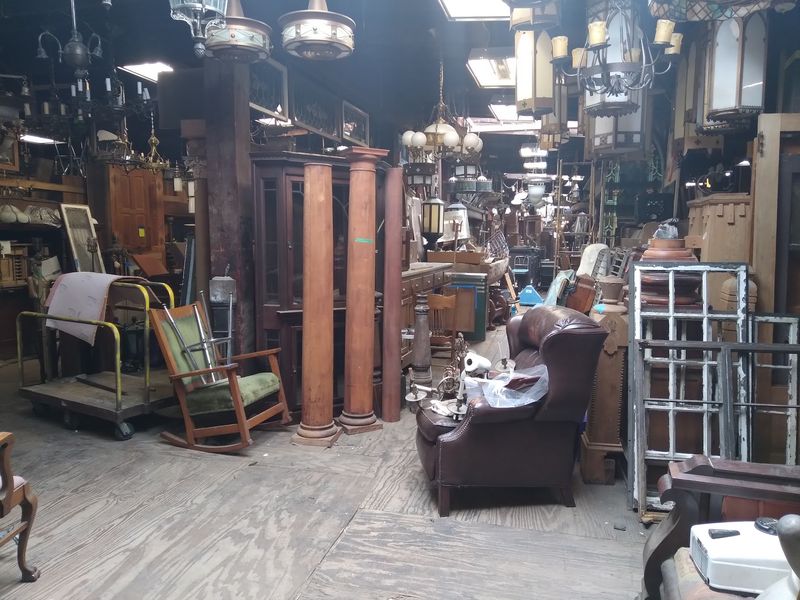
The inventory stretches across multiple floors of the warehouse, including a basement. Shoppers often describe spending hours exploring. It’s the kind of place where you turn a corner and find something completely unexpected.
That size can feel overwhelming at first. Pieces are packed in, and some items sit in piles. Going in with a loose plan helps keep you focused.
Start with your top priority, like a door or a light. Then wander once you’ve checked that section. You’ll enjoy the surprises more when your main mission is already handled.
Wear sturdy, closed-toe shoes for walking around an old building. Comfortable clothes you don’t mind getting a little dusty are smart too. Salvage shopping is not exactly a white-sneakers kind of activity.
Many pieces carry tags showing where they came from. That turns browsing into a little history lesson. Reading those tags might slow you down, but honestly, that’s half the reason to visit Doc’s Architectural Salvation in the first place.
Friendly Experts Can Help Shape Your Vision
Knowledge is the secret ingredient in any good salvage shop. Friendly, knowledgeable staff come up often when people talk about this place.
That expertise matters more than you might think. Architectural salvage involves eras, materials, and styles that can be hard to identify. Someone who knows the stock can point you toward pieces you’d never find alone.
Staff have been praised for taking time to understand what shoppers want. That’s helpful whether you’re restoring a historic home or just decorating a living room. A clear conversation can save hours of searching.
So come ready to talk. Share photos, measurements, and the general style you’re chasing. The more details you bring, the better the suggestions you’ll likely receive.
Pricing is something to discuss openly as well. Items are generally sold as-is, and opinions on prices vary. Bulk pricing has been offered in the past for larger purchases, so asking politely never hurts.
Remember that finding quality salvage takes real work and effort. Respecting that process makes the conversation friendlier. And a friendly chat might just lead you to the exact piece your project has been missing all along.
Watch For The Small Sign So You Don’t Circle The Block
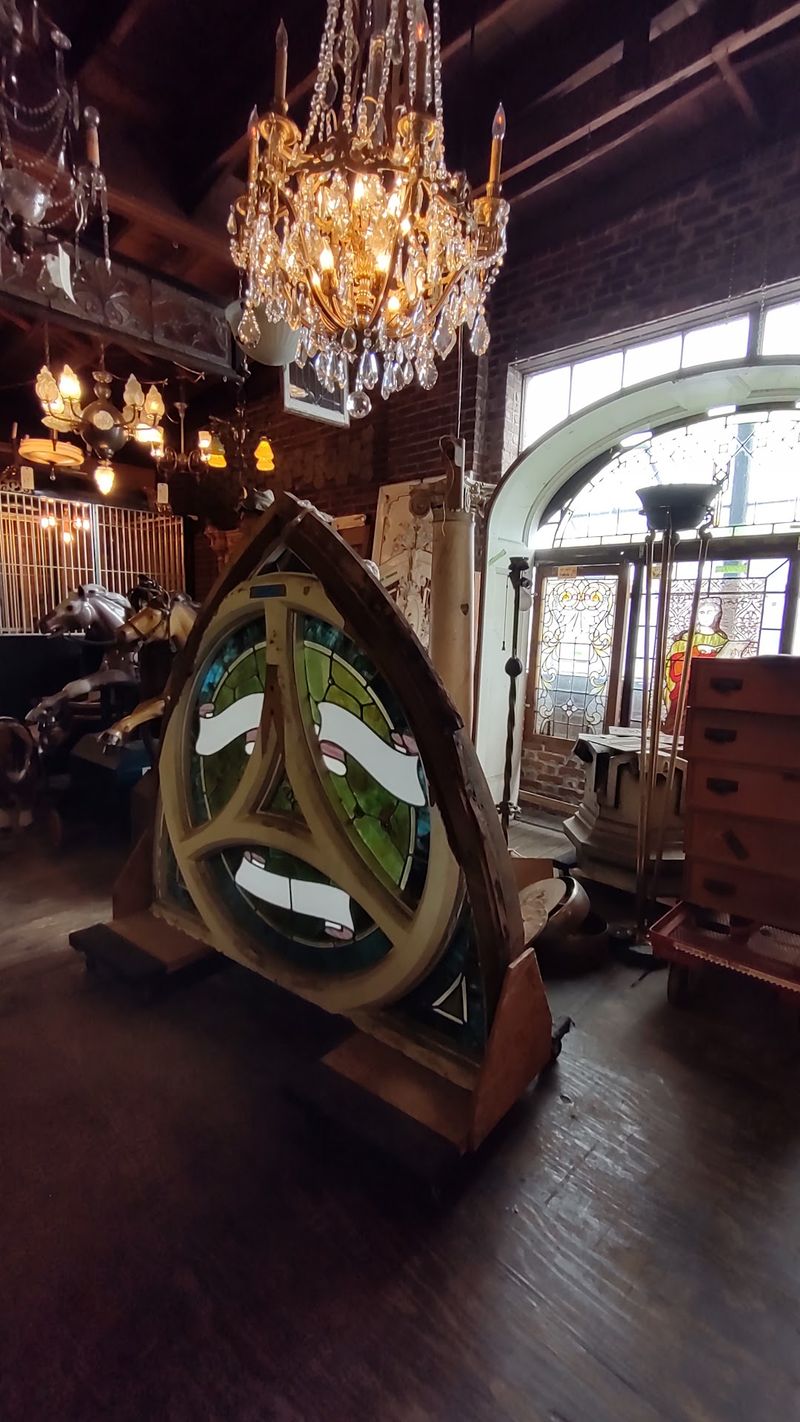
Finding the place is part of the adventure. Doc’s Architectural Salvation sits at 200 E 9th Ave, Springfield, TN 37172.
The sign is small, so keep your eyes open. It’s next to the police department, which makes a handy landmark. Some first-timers have circled the block before spotting it.
Springfield is about a half-hour drive north of Nashville. That makes it an easy day trip for anyone exploring Middle Tennessee. Pair your visit with a stroll around the historic downtown square for a relaxed outing.
Timing matters, so plan around the hours. The shop is open Tuesday, Thursday, Friday, and Saturday from 10 AM to 4 PM. Wednesday hours run 11 AM to 4 PM.
It’s closed Sunday and Monday. Since hours can change, checking ahead before a long drive is a smart move. Nobody wants to stare longingly at a locked door full of other doors.
Arrive early in the day if possible. With multiple floors to explore, you’ll want every minute. And if you’re hauling something big home, bring a truck, rope, and plenty of blankets for the ride back.
Share this story