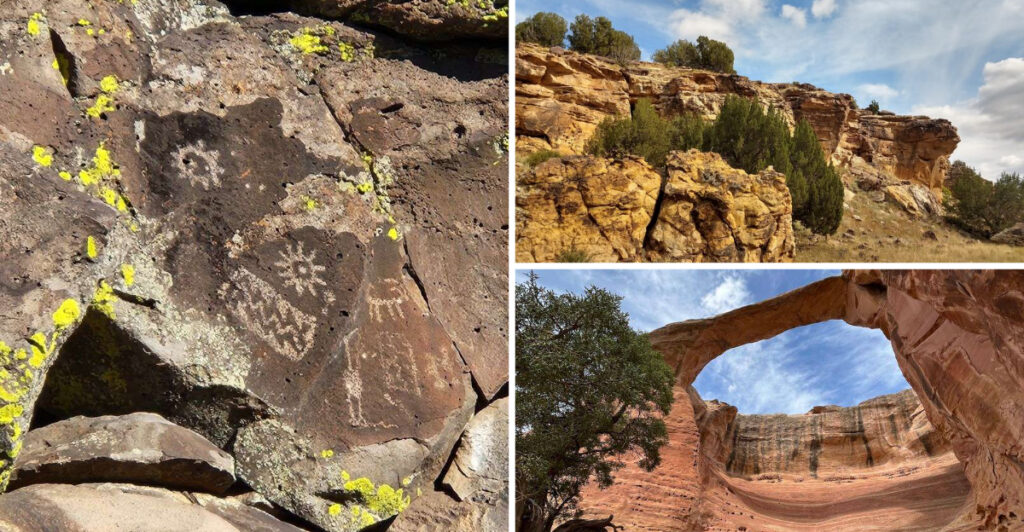
The Colorado that rarely makes the postcards can be just as memorable as the places everyone already knows. Beyond crowded mountain towns and famous national parks, quieter corners of the state reveal hidden canyons, unusual rock formations, remote trails, historic remnants, and landscapes that can surprise even longtime residents.
Some require an extra drive or a little advance planning, but that effort is often part of what keeps the crowds away. From the plains to the desert and deep into the mountains, these destinations reward curiosity. These 14 under-the-radar Colorado adventures show just how much of the state remains unexpected.
1. Pawnee Buttes
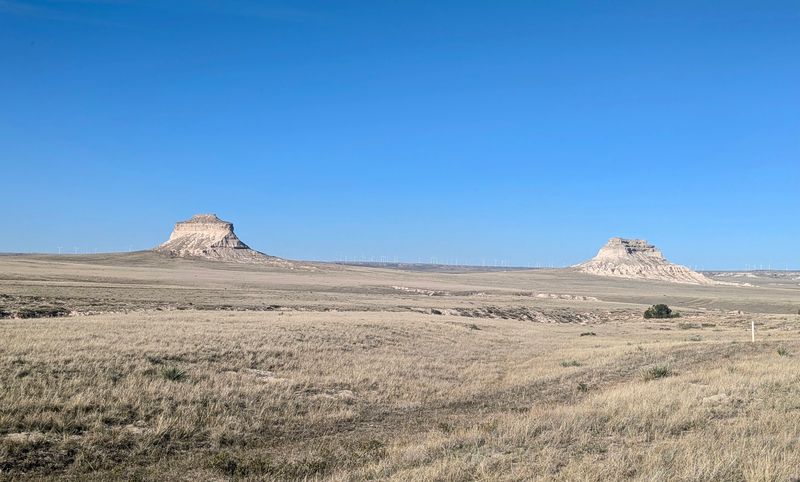
Out on Colorado’s northeastern plains, the land stays low and open until two big stone towers suddenly break the horizon. Pawnee Buttes delivers that kind of surprise, trading alpine drama for a broad, windy prairie walk with huge sky in every direction.
The trail is not long, but the setting asks for a different mindset than a mountain hike. Shade is scarce, temperatures swing fast, and the breeze can go from pleasant to stubborn before the turnaround point.
Good shoes still matter here, even though the path looks gentle from a distance. Bring more water than expected, wear sun protection, and check road conditions ahead of time because getting to the trailhead can be part of the adventure.
Along the way, the grassland becomes the main event. Wildflowers may dot the route in season, birds often work the air above the prairie, and the buttes slowly grow from far-off landmarks into steep, layered rock walls.
That slow reveal is part of the appeal. Instead of climbing quickly into a dramatic scene, the landscape builds its case little by little, which makes the final approach more satisfying than many first-time visitors expect.
Photography is best when the light sits low and warm. Early morning and late afternoon can add texture to the buttes and make the surrounding plains look almost endless, especially when clouds throw moving shadows across the grass.
Keep expectations flexible and the day tends to go better. This is not a summit chase or a waterfall hunt, but a chance to experience a quieter side of Colorado where distance, silence, and open space do most of the talking.
For travelers used to crowded mountain corridors, Pawnee Buttes offers a refreshing reset. The route proves that Colorado adventure does not always need steep elevation, just a striking destination and enough room for the landscape to unfold.
2. Picture Canyon Natural and Cultural Preserve
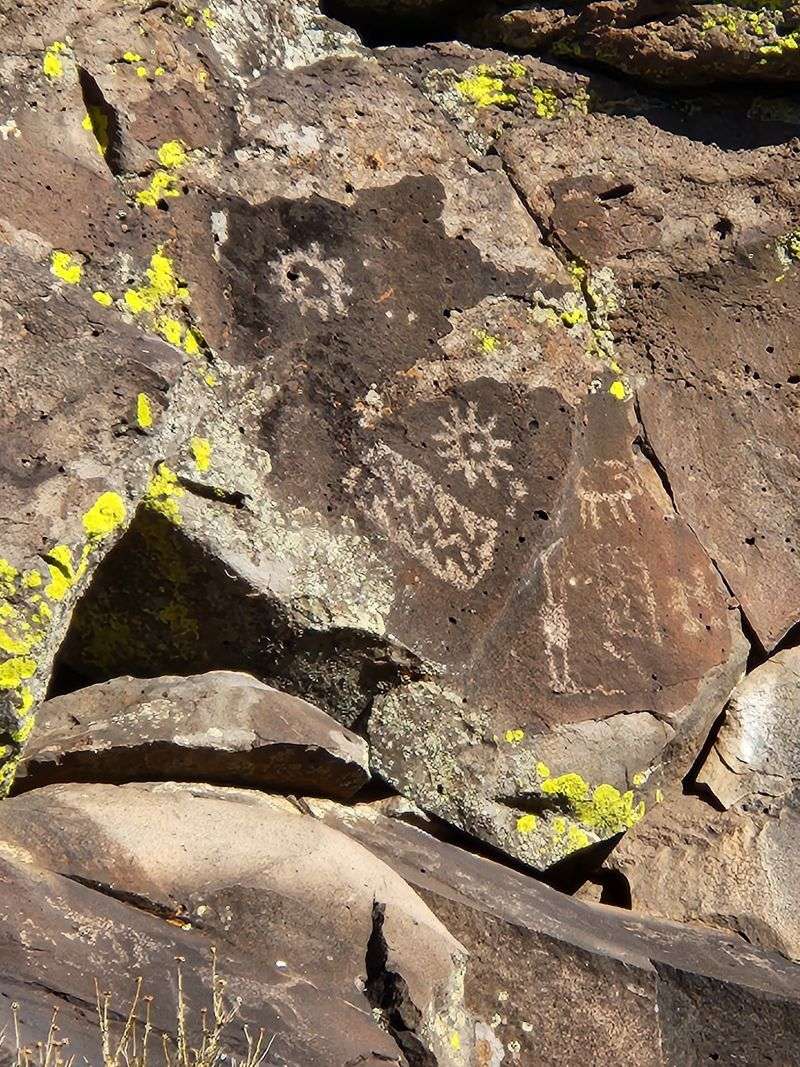
Southeastern Colorado hides a canyon that packs geology, trail time, and human history into one quiet corner. Picture Canyon Natural and Cultural Preserve stands apart because each bend reveals a different layer, from weathered sandstone to traces left by people long before modern maps.
The setting is remote enough that the drive becomes part of the mood. By the time the canyon comes into view, busy highways and front range routines feel far away, which makes the first steps on trail seem calmer and more deliberate.
Routes here reward slow walking rather than speed. Rock imagery, old structures, varied canyon walls, and subtle changes in the terrain are easy to miss when attention stays fixed only on miles and elevation.
A printed map or downloaded trail information helps because cell service may be unreliable. Water, snacks, sun gear, and sturdy shoes belong on every visit, especially since the area can get hot and exposed during brighter parts of the day.
One of the best ways to explore is to treat the canyon like an outdoor museum with long hallways. Stop often, look closely at stone surfaces, and take a moment to notice how the rock colors shift under changing light.
Respect matters here in a practical, everyday way. Do not touch or disturb cultural features, stay on marked paths where possible, and leave every site exactly as found so the preserve keeps its meaning for future visitors.
Families, hikers, and history-minded road trippers can all connect with this place for different reasons. Some come for scenery, others for the stories suggested by the land, and many end up appreciating both more than expected.
Colorado is often introduced through peaks and ski towns, yet Picture Canyon makes a strong case for the state’s quieter corners. It offers solitude, thoughtful trail time, and a deep sense that the landscape has been holding onto its stories for a very long time.
3. Vogel Canyon
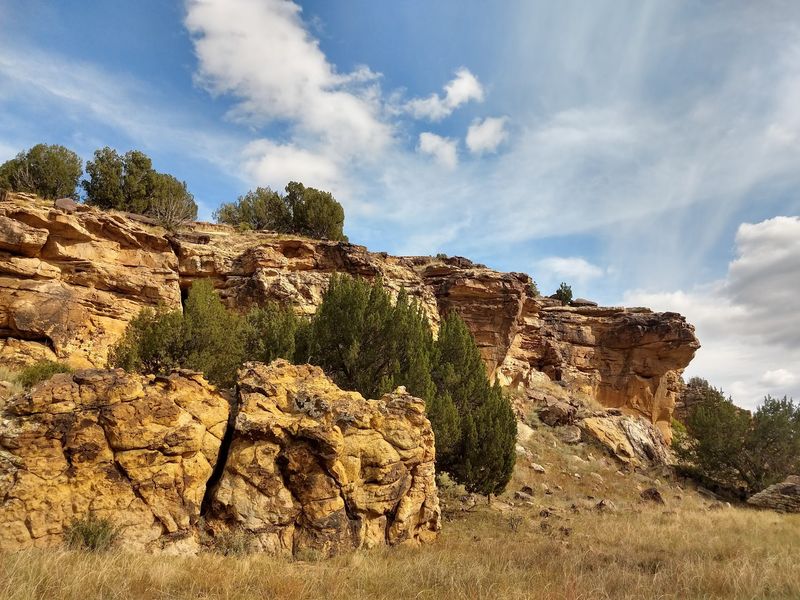
A canyon on the plains can catch people off guard, and Vogel Canyon does exactly that. Near La Junta, the trail drops into a rugged cut in the land where springs, old travel routes, and rock imagery hint at many different chapters of Colorado history.
The first impression is often quiet rather than dramatic. Then the details start stacking up, with layered rock, shaded pockets, and a route that feels more secluded than many better-known hikes in the state.
Because the area sits in a less talked-about part of Colorado, preparation matters. Bring water, start early in warm months, and wear shoes with decent grip since loose surfaces and uneven sections can make the canyon slower to navigate than expected.
Reading a little about the region before visiting can improve the experience. Once on trail, the landscape becomes easier to understand as more than a scenic walk, since the canyon has long served as a path, a water source, and a place with cultural meaning.
Wildlife watchers should keep their eyes open near vegetation and around quieter sections. Even when animal sightings stay limited, the springs and changing plant life add variety that makes the route feel richer than a simple out-and-back.
It also helps to pace the visit with pauses instead of rushing for mileage. Looking across the canyon walls, tracing old route corridors, and noticing how water shaped the stone brings out the full character of the place.
Photographers may prefer softer light when the rock texture stands out and shadows add depth. Midday can wash out details, while morning or later afternoon often gives the canyon a stronger sense of shape and contrast.
Vogel Canyon appeals to travelers who enjoy finding history written directly into the land. Rather than offering a single headline feature, it builds interest through quiet evidence, making the outing memorable in a more thoughtful and less crowded way.
4. Fishers Peak State Park
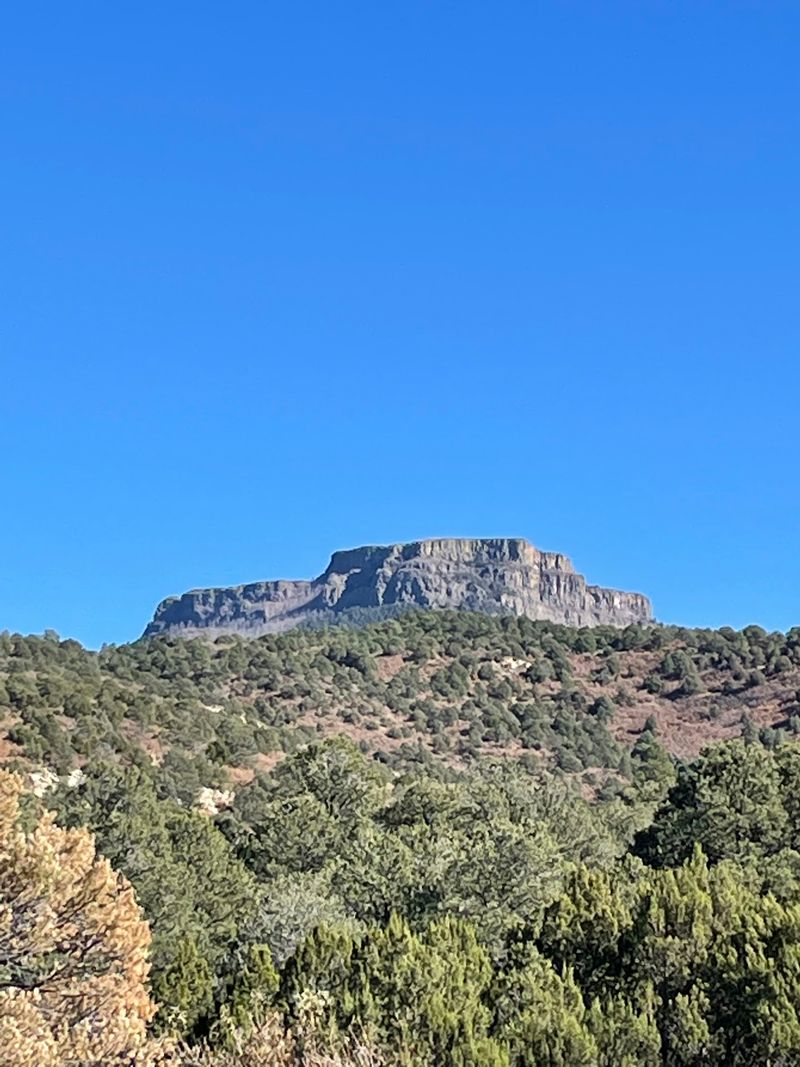
Down near Trinidad, a broad flat-topped mountain watches over a young state park that still feels fresh to many Colorado travelers. Fishers Peak State Park combines big views, open grassland, and wooded stretches in a way that makes each trail segment shift the mood.
Unlike older parks with one famous route everybody already knows, this place invites exploration. The trail network has been growing, so checking the latest maps before arriving is a smart move for hikers and mountain bikers alike.
The terrain can change quickly underfoot. One stretch may pass through grassy open country, then the route can edge toward tree cover, small rises, and viewpoints that make southern Colorado spread out in wide layers.
That variety helps the park work for different skill levels. Newer visitors can enjoy shorter outings without feeling cheated, while stronger hikers can string together longer miles and spend more time looking toward the peak and surrounding ridges.
Weather deserves respect here because exposure can be real. Carry plenty of water, use sun protection, and plan for wind, especially on days when the sky looks harmless from town but the open terrain tells a different story.
One fun part of visiting is simply watching the mountain hold its shape from changing angles. Fishers Peak never quite disappears from the scene, and that steady landmark gives the park a strong identity without needing crowded overlooks or flashy features.
Wildlife viewing can add another layer if the day stays quiet. A slow, observant pace often reveals more than a rushed workout, especially in transitions between grassland and wooded sections where movement stands out against the landscape.
For travelers passing through Interstate 25 country, this park is an easy excuse to stop and stretch the day into something better. It offers room to roam, a memorable skyline, and a growing list of reasons to pay attention to Colorado’s south end.
5. Penitente Canyon
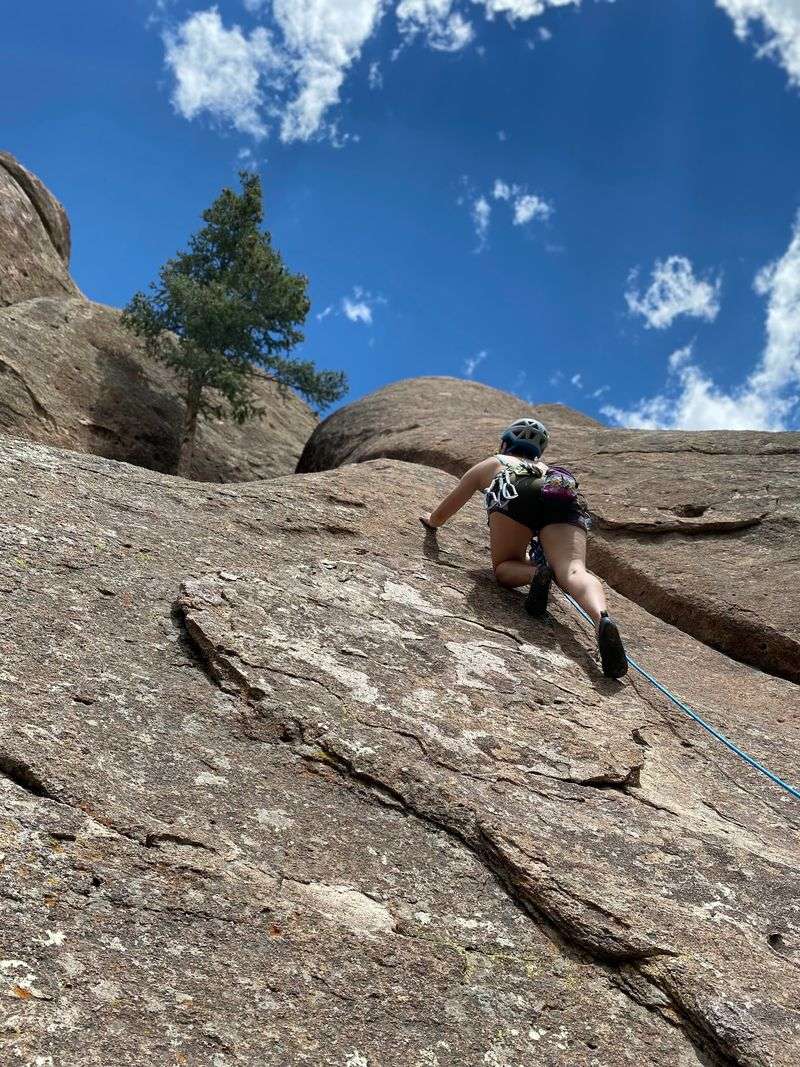
Penitente Canyon has the kind of name that already sounds adventurous, and the landscape backs it up. Tucked into the San Luis Valley region, this recreation area mixes volcanic cliffs, camp spots, trails, and technical climbing routes in a setting that stays off many casual Colorado itineraries.
Rock climbers often know the canyon first, since the area offers a large number of established routes on solid volcanic rock. Even so, visitors do not need ropes to enjoy the place because hiking, biking, and camping all fit naturally into the terrain.
The cliffs shape the experience from the start. Dark rock walls rise above the canyon floor, and the combination of dry air, big sky, and rough stone gives the area a sharper, tougher character than forested mountain parks.
Planning ahead makes the day smoother. Sun protection, extra water, and a wind layer can matter just as much as shoes or bike tires, since weather in the valley can swing between hot, bright, breezy, and cool with little warning.
Climbers should arrive with realistic expectations and current area knowledge. A route that looks straightforward from below may require stronger technique, so checking guide information and respecting skill limits is the smart play.
For non-climbers, the fun comes from exploring the canyon floor and nearby trails at a slower pace. Looking up at the route lines, hearing the occasional call from the rock, and watching shadows move across the cliffs gives the outing plenty of energy.
Campers tend to appreciate how easy it is to turn a short visit into a longer stay. Evening light on the walls can be especially good, and the quieter setting encourages a more relaxed rhythm than busier recreation hubs.
Penitente Canyon stands out because it offers several different adventures without losing its rough-edged identity. Whether the plan involves clipping bolts, pedaling dirt, or just wandering beneath volcanic stone, the area delivers a side of Colorado that stays pleasingly uncrowded.
6. Wheeler Geologic Area
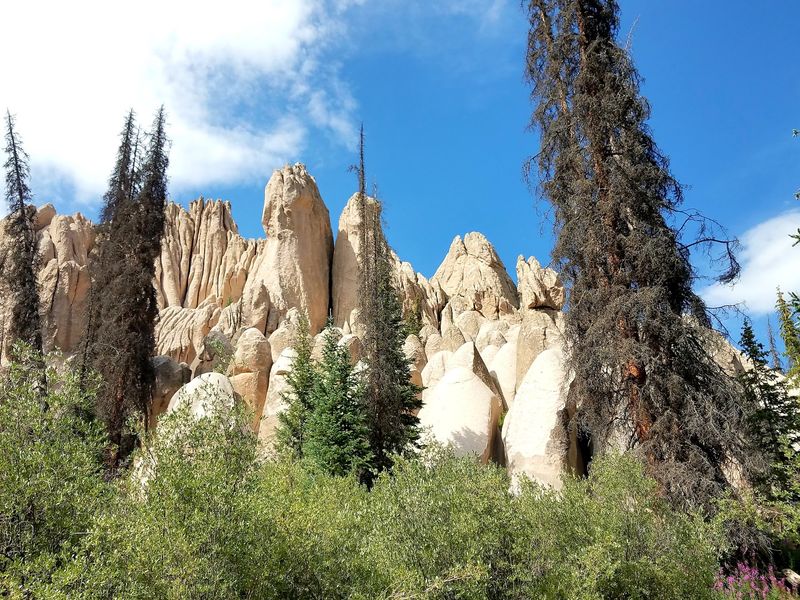
Reaching Wheeler Geologic Area takes effort, and that is part of why it stays memorable. Hidden deep in the Rio Grande National Forest, the strange eroded volcanic formations rise in pale towers and ridges that look more like a fantasy movie set than a typical Colorado backcountry stop.
Nothing about this outing works best as a casual last-minute detour. Visitors usually get there by a long round-trip hike, while some use a rough high-clearance four-wheel-drive route when conditions and access allow, which means planning comes before scenery.
The journey deserves respect. Altitude, weather, road conditions, mileage, and timing all matter, and carrying extra food, layers, navigation help, and plenty of water is a basic requirement rather than overpreparing.
Because the trip is demanding, it helps to start early and keep expectations realistic. Afternoon storms can build quickly in Colorado’s high country, and slower trail progress can turn a bold plan into a very long return if the day is not managed well.
Once the formations appear, the mood shifts fast. Pinnacles, gullies, and worn volcanic shapes create a rare landscape that rewards patient exploration and careful footing without needing a massive crowd or a visitor center speech to explain why it matters.
Photography can be excellent when low light adds depth to the pale rock. A changing sky also helps, since clouds and shadow make the formations look even more sculpted and dramatic against the surrounding forest and mountains.
Leave No Trace habits are especially important in places like this. Fragile ground, remoteness, and limited services mean each visitor should step lightly and avoid adding any impact that future hikers then have to deal with.
Wheeler Geologic Area is best for travelers who enjoy earning unusual scenery. It is not the easiest day in Colorado, but it offers one of the state’s most surprising geological payoffs for people willing to trade convenience for a much wilder route.
7. Fulford Cave
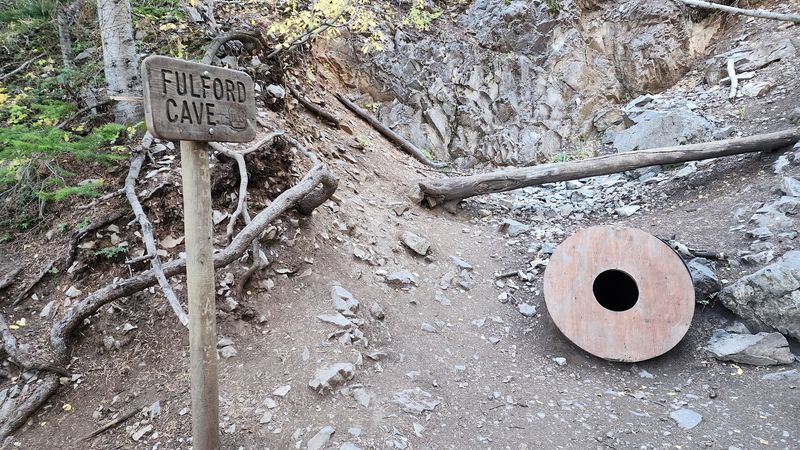
Colorado has plenty of places to look at rocks, but Fulford Cave invites visitors to go inside one. Near Eagle, this undeveloped cave offers a more rugged underground trip than any polished commercial tour, which is exactly why careful preparation matters so much.
Before anything else, visitors need to handle the required permit and advance registration process. Rules can change, and the cave also has gear-decontamination requirements, so checking current official guidance well before the trip is a basic part of responsible planning.
This is not a jeans-and-sneakers activity for a random afternoon. Helmets, dependable headlamps, backup light sources, gloves, proper footwear, and clothing that can handle mud, cool temperatures, and tight movement should all be considered standard equipment.
Once underground, the mood changes in a hurry. Sound narrows, light becomes personal instead of broad, and simple movement through natural passages can feel exciting in a very different way than hiking a trail in open air.
Going with experienced companions is the wise choice for anyone new to caving. Route finding, hazard awareness, and pacing all matter more in a cave environment where a small mistake can become harder to fix than it would outside.
Respect for the cave should guide every step. Natural features can be delicate, surfaces may be slick, and careless contact or offhand damage can affect a place that changes very slowly over time.
One practical tip is to pack and organize gear before leaving the parking area. Underground spaces are not ideal places to discover dead batteries, forgotten gloves, or a helmet that never fit properly in the first place.
Fulford Cave appeals to people who want a Colorado adventure that is darker, quieter, and more technical than the state’s usual postcard outings. The reward is a real sense of exploration, paired with the responsibility to prepare well and move through the cave carefully.
8. Sand Canyon Trail
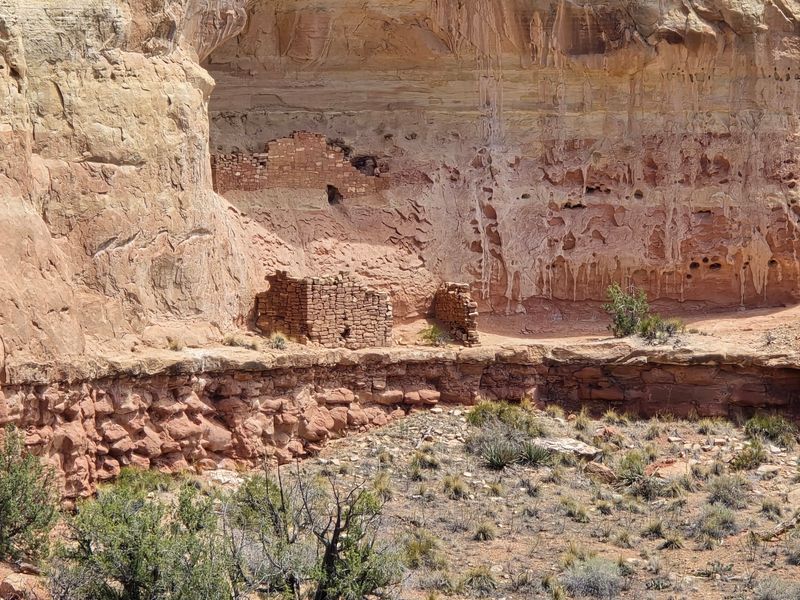
Southwestern Colorado knows how to mix scenery with deep history, and Sand Canyon Trail is a strong example. Near Cortez, the route moves through desert country where broad canyon views and traces of Ancestral Puebloan life turn an ordinary hike into something far more layered.
The trail asks visitors to pay attention in two directions at once. Feet need to watch the rugged ground, while eyes keep drifting toward masonry sites, alcoves, and canyon walls that reveal how people once used this landscape.
Because this is high desert terrain, preparation should stay simple and serious. Carry more water than seems necessary, expect strong sun, and avoid assuming the route will feel easy just because it lacks a snowy peak or dense forest.
Many travelers find the best pace here is steady but unhurried. Quick miles can miss the point, since the route rewards scanning the canyon carefully and noticing how archaeological features sit within the larger shape of the land.
Respect is nonnegotiable around cultural sites. Looking is encouraged, touching is not, and giving structures plenty of space helps protect places that have already lasted through a very long stretch of time.
The scenery also carries its own appeal apart from the history. Open views, desert plants, stone ledges, and the scale of the canyon create a sense of space that feels very different from crowded mountain trailheads elsewhere in Colorado.
Footing can be uneven, so sturdy shoes help with both comfort and confidence. Downloaded maps are useful too, especially for travelers unfamiliar with the monument or exploring as part of a longer road trip through the Four Corners region.
Sand Canyon Trail works best for people who like their outdoor adventures with a side of perspective. It offers solitude, striking terrain, and a close look at Colorado’s ancient human story without needing flashy infrastructure or heavy promotion to make its case.
9. Trail Through Time at Rabbit Valley
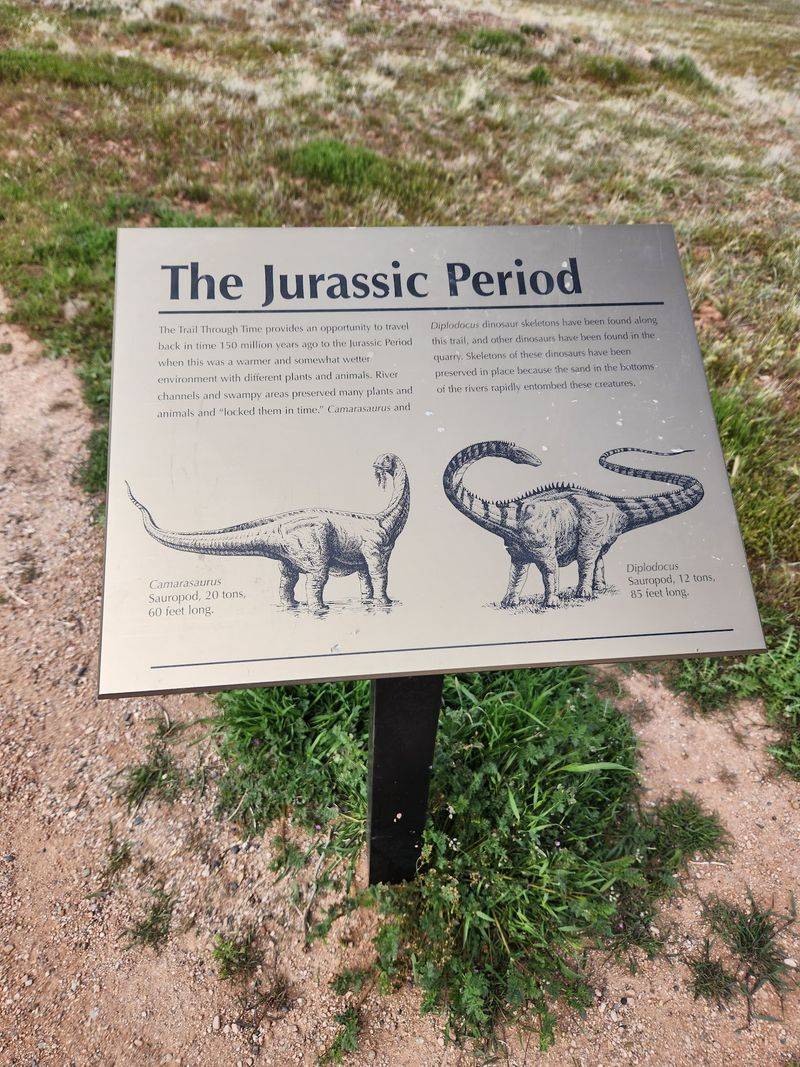
Not every memorable Colorado adventure requires a hard climb or a full day on the trail. At Rabbit Valley near Mack, the Trail Through Time gives visitors a short walk with a big hook: dinosaur discoveries tied to the nearby Mygatt-Moore Quarry.
The route is easy to fit into a western Colorado road trip, especially for anyone already traveling Interstate 70. That convenience is part of the surprise, since many roadside stops offer scenery alone, while this one adds a direct connection to deep prehistoric time.
Interpretive features help make the area readable for kids and adults. Instead of staring at a random patch of ground and wondering why it matters, visitors get a clearer sense of what paleontologists found here and why the site matters.
The desert surroundings also keep the walk visually interesting. Low vegetation, open sky, and the rough western Colorado landscape frame the experience in a way that feels more adventurous than a museum hallway, even if the trail itself stays short and manageable.
Good timing improves comfort. Summer heat can build fast, so morning or later afternoon usually makes the stop more pleasant, especially for families or travelers trying to stretch their legs between longer driving segments.
Bringing water, hats, and sturdy walking shoes is still a smart move. The outing may be brief, but the setting is dry and exposed, and a little preparation keeps the focus on discovery instead of discomfort.
One of the strongest parts of the visit is how close the science seems. Fossils often feel distant, locked behind glass or explained in abstract terms, yet here the landscape itself helps connect bones, excavation work, and ancient life in one glance.
Trail Through Time proves that under-the-radar adventure can also be educational without becoming dull. It is a compact stop with real personality, especially for travelers who enjoy geology, dinosaurs, or the simple thrill of standing near a place where ancient giants once left their mark.
10. Rattlesnake Arches
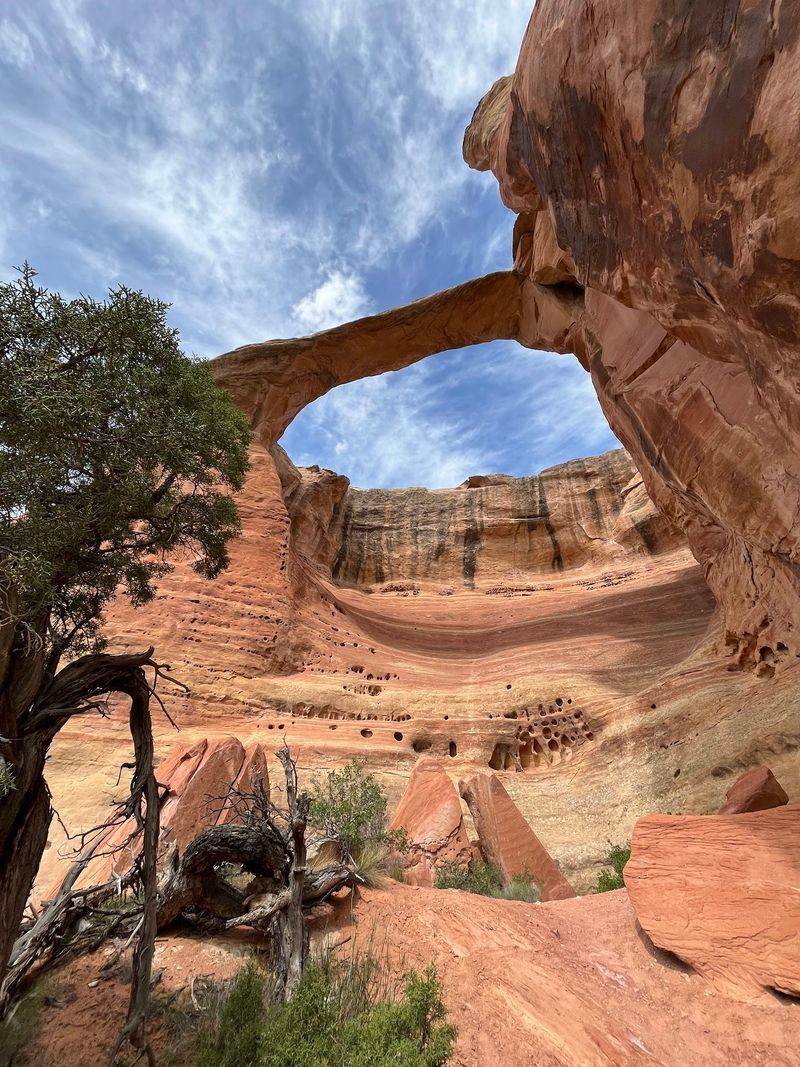
Natural arches are not the first thing many people associate with Colorado, which makes Rattlesnake Arches such a fun surprise. Near Fruita, this remote sandstone landscape holds an impressive cluster of arches, windows, alcoves, and spires spread across quiet canyon country.
Part of the challenge begins before the hike starts. Reaching the shorter route may involve rough backcountry roads, so checking access conditions, vehicle limits, and directions ahead of time can save a lot of frustration.
Once boots hit the trail, the outing becomes a mix of route focus and scenery scanning. The desert terrain can feel exposed and dry, but each new rock formation adds momentum and keeps the landscape from ever looking static.
This is a smart place to carry extra water and start early. Shade is limited, temperatures can rise fast, and the more isolated setting means self-sufficiency matters more here than at a heavily developed recreation area.
One strong strategy is to treat the day like backcountry travel, not just a photo mission. Download maps, tell someone your plan, and give yourself extra time for both driving and hiking since remote desert miles often move slower than expected.
The arches themselves are the stars, but the spaces between them also count. Wide views, sculpted rock, and the simple lack of crowds give the area a raw character that stands apart from more publicized red rock destinations in the region.
Photographers usually get better results in softer light when sandstone texture shows more depth. Midday can flatten details, while morning and evening tend to sharpen the lines of the arches and bring out warmer colors.
Rattlesnake Arches rewards people who enjoy earning their scenery with a little extra planning. It offers a striking concentration of rock formations and enough isolation to make the day feel bigger, quieter, and more adventurous than the mileage alone might suggest.
11. Peach Valley OHV Recreation Area
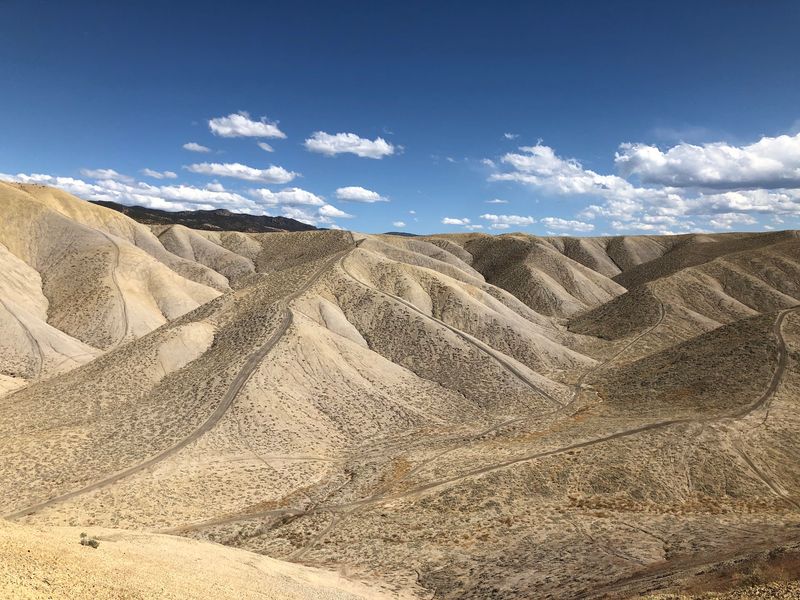
Peach Valley brings a louder, dustier kind of adventure to western Colorado. Near Olathe, the recreation area spreads across a large expanse of designated open terrain and multiuse trails, making it appealing to riders who want room to roam beyond crowded mountain routes.
OHV users are the obvious headliners here, but the place is not limited to engines. Hikers, mountain bikers, horseback riders, and campers also have reasons to explore, especially in sections where the wide-open landscape becomes part of the attraction.
The terrain has a raw, sunbaked look that suits the activity. Rolling dirt, open ridges, and broad sightlines create a setting where movement matters, whether that means climbing onto a bike, riding an ATV, or simply walking for a better view.
Because multiple uses overlap, awareness goes a long way. Non-motorized visitors should stay alert around trail intersections, and motorized users should follow designated rules and keep speed matched to visibility and conditions.
Dust, heat, and exposure can shape the day as much as the route itself. Eye protection, extra water, sunscreen, and a basic repair or emergency kit are smart additions for anyone spending several hours in the area.
Campers may appreciate how easy it is to extend a day trip into a full weekend. The area’s broad footprint gives visitors a chance to sample different pockets of terrain instead of repeating one short loop and heading home.
There is also a practical reason Peach Valley stands out. Many Colorado adventure lists lean heavily toward forests and peaks, while this landscape shows off a drier western-slope personality built around open ground and mechanical fun.
For travelers who enjoy variety, that mix is the point. One group can ride while another hikes or bikes, and everyone still ends the day with the same sweeping setting, plenty of elbow room, and a version of Colorado that does not look much like the brochures.
12. Rangely Rock Crawling Park
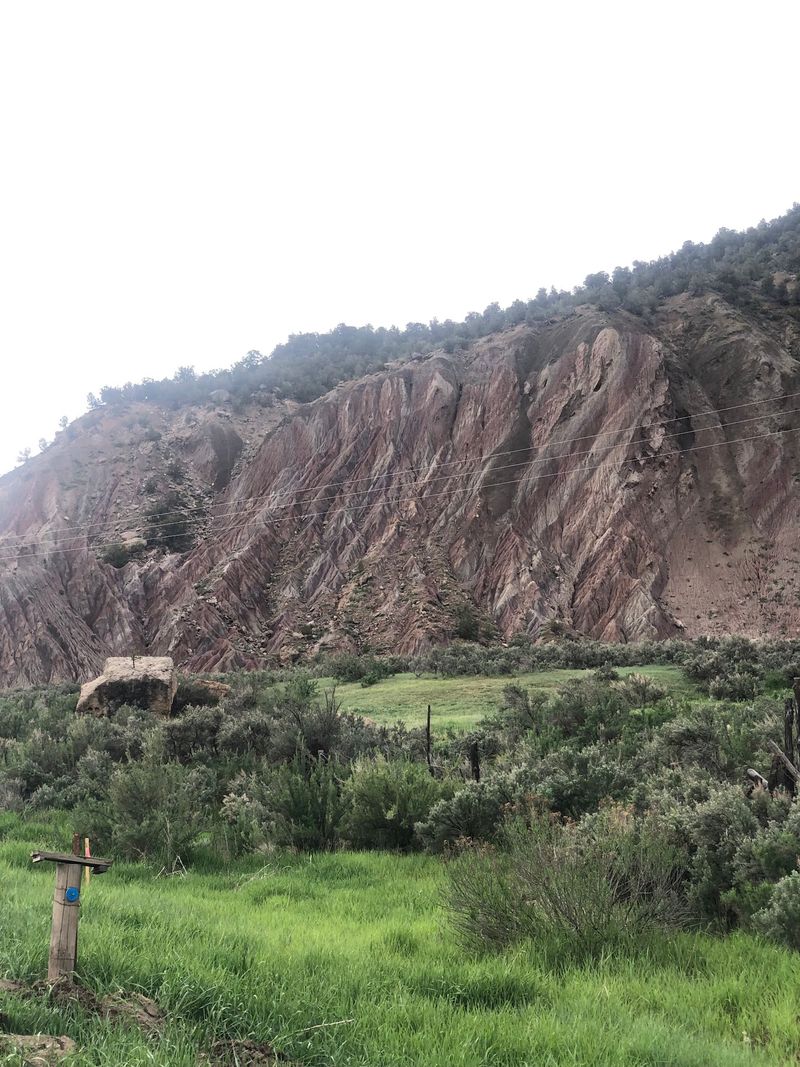
Some Colorado adventures are measured in hiking miles, but Rangely Rock Crawling Park measures progress in inches and tire placement. Just outside Rangely, this natural off-road area gives properly equipped four-wheel-drive vehicles a rare place to test skill on actual rock terrain.
The park stands out because it is built specifically around rock crawling rather than general scenic driving. Routes range from easier lines to extreme challenges, so the experience can scale up fast depending on vehicle setup, driving ability, and judgment.
That last part matters. Good equipment does not replace smart decisions, and anyone visiting should understand their rig, know recovery basics, and avoid tackling obstacles that look entertaining but exceed skill or clearance.
Spotters can make a huge difference on technical sections. A second set of eyes helps with line choice, tire placement, and underbody protection, especially when natural rock features hide awkward angles that look simpler from the driver’s seat.
Preparation should include more than fuel and snacks. Recovery gear, communication plans, extra water, and a realistic time estimate all belong in the mix, since slow technical driving can stretch a short outing longer than expected.
Even spectators can enjoy the setting if they keep safe distance and stay aware of moving vehicles. Watching a careful climb over a tough obstacle has its own kind of suspense, especially when a driver works through the line with patience instead of speed.
The desert terrain adds to the appeal without distracting from the purpose. This is a place where the land itself becomes the course, and every ledge, crack, and slab asks for a little problem solving.
Rangely Rock Crawling Park is best approached with respect, not bravado. For off-road enthusiasts, that is exactly the draw: a legitimate natural challenge, a range of route difficulty, and a corner of Colorado where precision driving takes center stage over polished tourist scenery.
13. Pearl Lake State Park
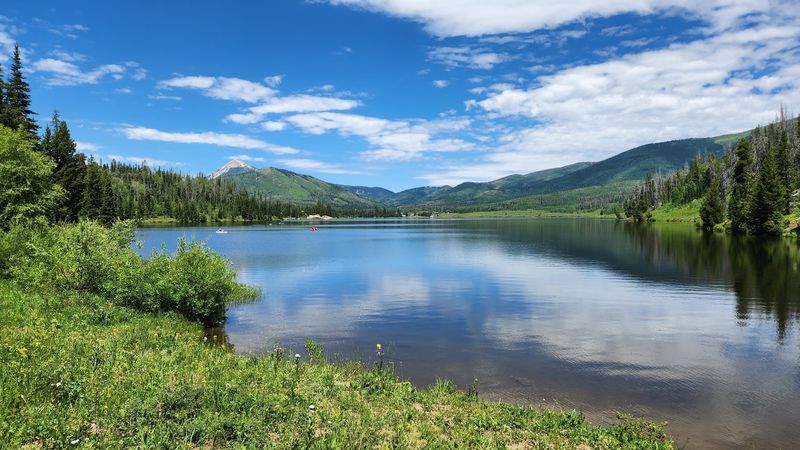
North of Steamboat Springs, Pearl Lake offers a calmer answer to Colorado’s busier waters. The setting is quiet, forested, and easy on the eyes, with a mountain lake that works especially well for paddlers who prefer steady strokes over crowded boat traffic.
Canoes and kayaks fit the mood naturally here. Calm water can turn the outing into a relaxed glide, and the slower pace makes it easier to notice shoreline details, changing reflections, and the occasional wildlife movement along the edge.
Fishing, camping, and simple lakeside downtime also belong on the menu. That variety helps Pearl Lake appeal to families, couples, and solo travelers who want options without needing a jam-packed itinerary to fill the day.
Morning often gives the smoothest conditions for paddling. Earlier hours can bring calmer water, softer light, and a quieter launch, which is useful for beginners or anyone hoping to enjoy the lake before afternoon wind starts to stir things up.
Layering clothes is a smart habit even in warmer months. Mountain weather can shift fast, and time on open water can feel cooler than expected once wind picks up or clouds move in.
Binoculars are a nice extra for wildlife watching, especially if the goal is to combine paddling with a slower kind of exploring. A shoreline drift can reveal much more than a quick lap across the lake and back.
Campers will likely appreciate how the area encourages a simple rhythm. Paddle for a while, return for lunch, cast a line later, and watch evening light settle across the water without needing to battle the noise of a packed recreation scene.
Pearl Lake State Park succeeds by keeping things straightforward. It offers mountain scenery, peaceful water, and enough activities to shape a full outing, while staying refreshingly removed from the busiest corners of Colorado’s better-known lake destinations.
14. Paint Mines Interpretive Park
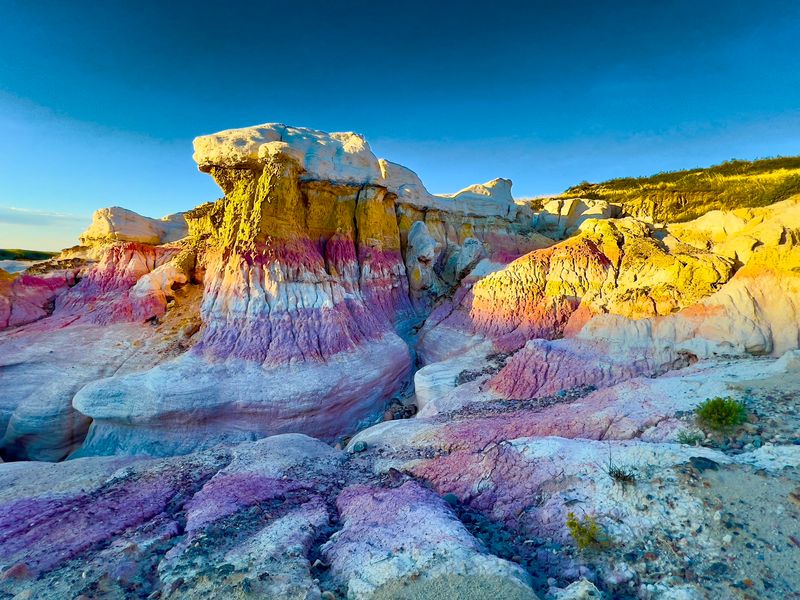
Few places on Colorado’s eastern plains look as unexpectedly strange as Paint Mines Interpretive Park. Near Calhan, the landscape breaks into colorful clay formations, hoodoos, spires, and winding gullies that seem borrowed from a desert dream rather than a quiet stretch of prairie.
The trail system is manageable, which makes the park approachable for many visitors. Instead of needing technical gear or major endurance, the main challenge is slowing down enough to notice the shifting colors, shapes, and textures around every bend.
Light changes the experience more than first-time visitors often expect. Soft morning or evening sun can make the clay layers glow in pink, orange, cream, and pale gold tones, while harsher midday light can flatten some of that visual depth.
Staying on designated paths matters here because the formations are fragile. The ground may look sturdy from a distance, but repeated off-trail traffic can damage the very features people came to see.
A little background reading on the area’s archaeological significance adds useful context. The park is not only a geological oddity, since the land also holds a longer human story that gives the visit more depth than a simple scenic walk.
Comfort is easy to manage with basic planning. Water, sunscreen, and solid walking shoes are usually enough, though windy days can add dust and make a hat or sunglasses more valuable than expected.
Families often enjoy how quickly the scenery shifts from ordinary trail to unusual landforms. Kids can spot shapes in the spires, while adults tend to appreciate how rare this palette looks within a state better known for dark forests and granite peaks.
Paint Mines Interpretive Park works because it surprises people without requiring a heroic effort. In just a few miles, it delivers color, strange geology, and a side of Colorado that proves the plains hold far more visual drama than many travelers ever imagine.