Missouri holds one of the most story-filled stretches of Route 66. The old highway crossed busy cities, quiet hills, river towns, cave country, and small communities where travelers stopped for food, sleep, gas, movies, and memories.
Many places along the road still welcome visitors today, and each one helps explain why the Mother Road became so loved. From frozen custard in St. Louis to neon motels in Carthage, these Missouri stops show that history can feel close, fun, and easy to explore.
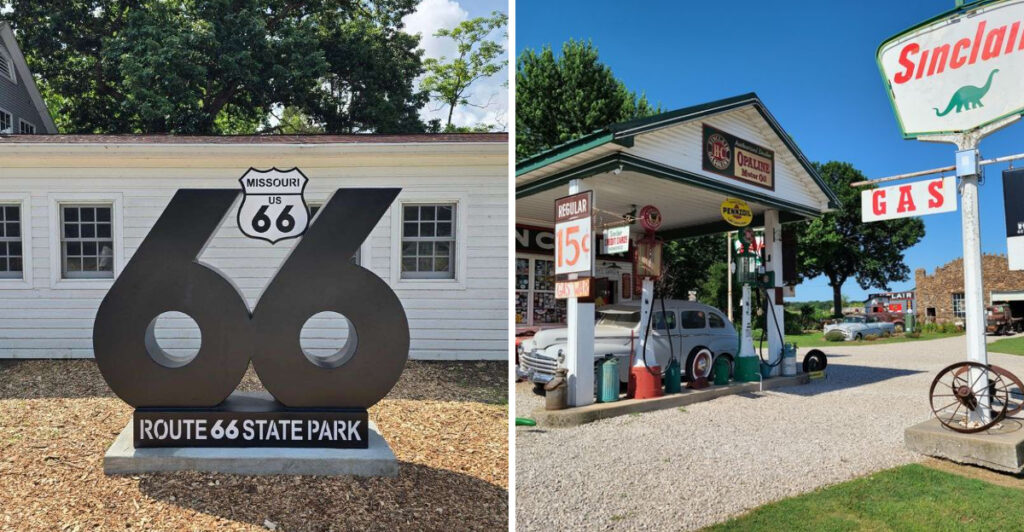
1. Route 66 State Park
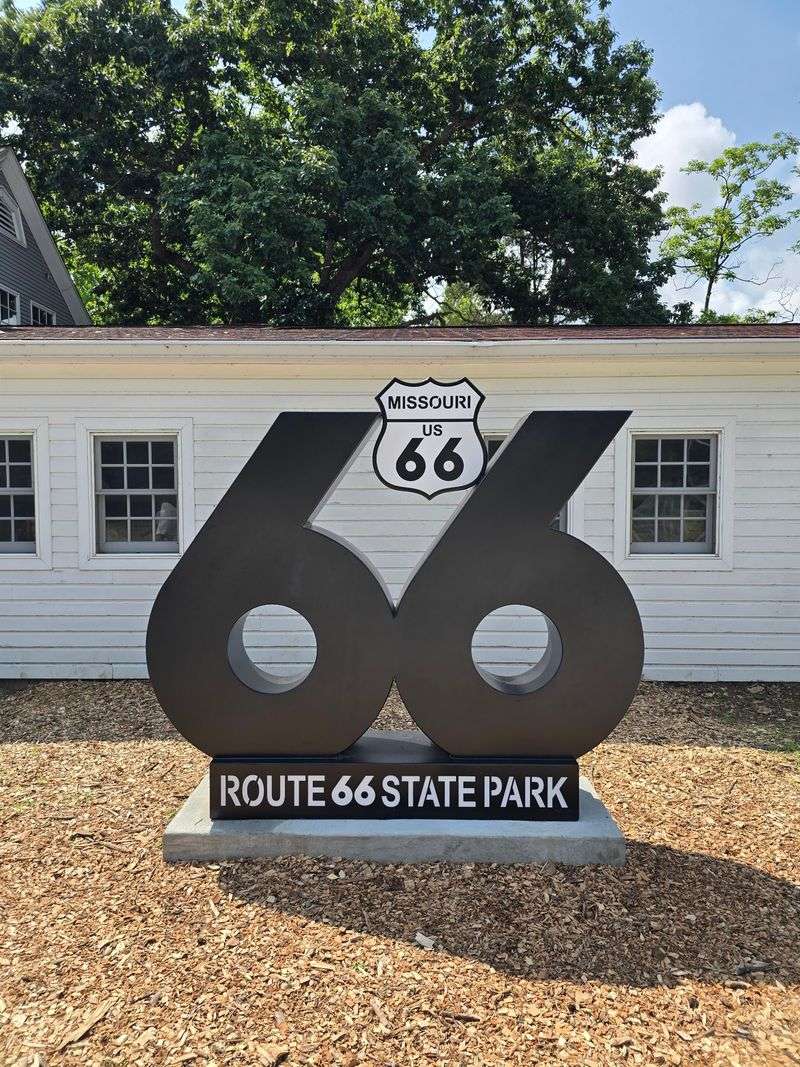
A quiet walk beside the Meramec River can feel like a break from time, especially when the path follows land once tied to one of Missouri’s busiest travel stories.
Route 66 State Park sits near Eureka, west of St. Louis, where cars once rolled through a river community called Times Beach.
The park is peaceful today, but its past is unusual and serious.
Times Beach was evacuated after pollution problems in the late 1900s, and the land was later cleaned up and turned into a public park.
That history makes the stop more than a pretty place for a picnic.
It shows how a damaged area can be restored and used again.
Visitors should start at the park visitor center, which is housed in a former roadhouse building.
Inside, displays explain Route 66 travel, local communities, and the changing road culture of Missouri.
Old signs, photos, and stories help younger travelers picture what a family road trip looked like before interstates became common.
Outside, trails give room to stretch after driving.
Bring comfortable shoes, water, and a camera, because the river views and bridge scenery are worth slowing down for.
Birdwatchers may spot herons, songbirds, and other wildlife near the water.
One helpful tip is to check park hours before arriving, especially if you want to tour the visitor center.
The grounds can be enjoyed at a slower pace, but the exhibits add much of the meaning.
Route 66 State Park reminds travelers that Missouri’s Mother Road stories are not only about chrome, diners, and neon.
Some are about change, cleanup, and second chances.
2. Ted Drewes Frozen Custard
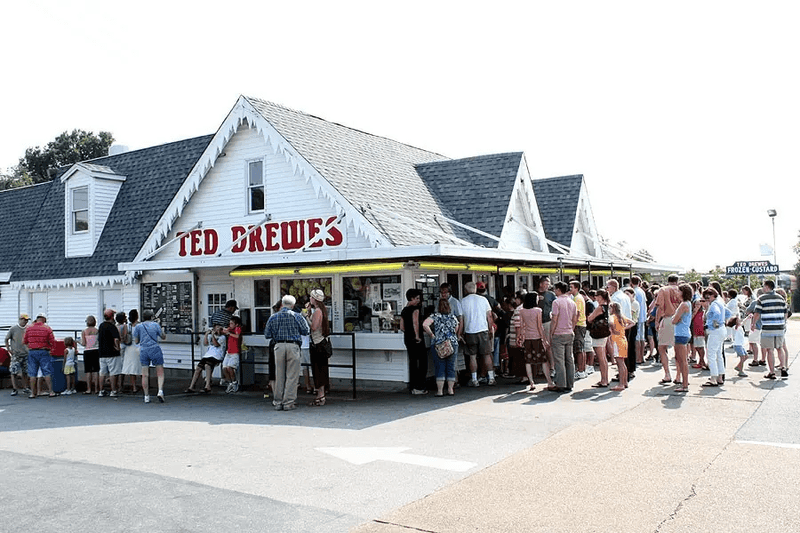
Few roadside treats have the power to make people stand in line with smiles, but a cup of thick frozen custard in St. Louis has done that for generations.
Along old Route 66, Ted Drewes Frozen Custard feels like a sweet pause in the middle of a big Missouri city.
The business began in the early 1900s, and its Chippewa Street location became a favorite for Route 66 travelers.
Drivers could stop, order at the window, and cool off before heading west or east.
That simple habit became part of the road’s culture.
The most famous order is the concrete, a frozen custard so thick it can be turned upside down.
Staff often do exactly that before handing it over.
Kids love the trick, and adults usually reach for their cameras just as fast.
Planning a visit is easy, but expect crowds during warm evenings, weekends, and after local events.
The line moves quickly, and reading the menu while you wait is part of the fun.
Popular choices include toppings like hot fudge, strawberries, bananas, nuts, and candy pieces.
Parking can be busy, so be patient and watch for people crossing near the stand.
Since there is no fancy dining room, dress for the weather and enjoy the classic walk-up style.
That is part of the charm.
What makes this stop special is how normal it feels.
There are no long speeches needed.
Families, travelers, students, and longtime locals all gather around the same windows.
Ted Drewes proves that some of Missouri’s best Route 66 stories come in a paper cup with a spoon.
3. Meramec Caverns
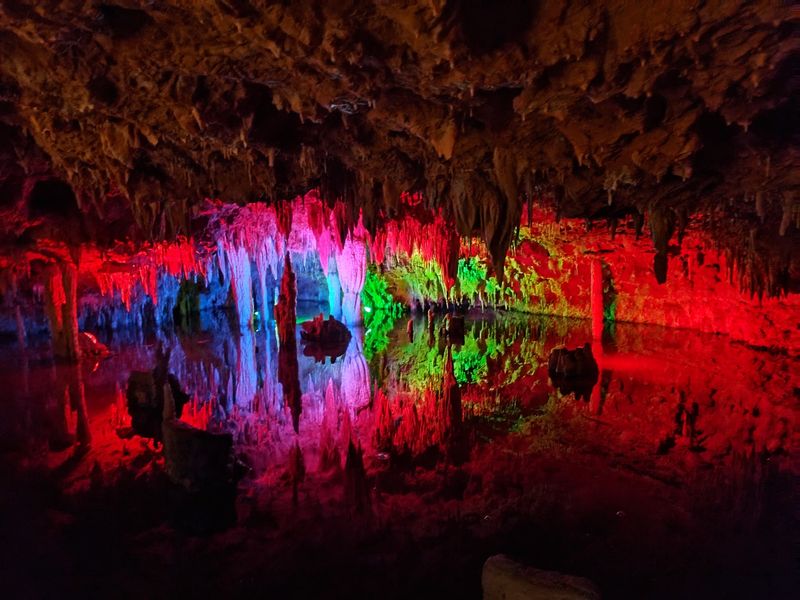
Deep under the Missouri hills, cool air, dripping stone, and old legends turn a cave tour into something that feels part nature lesson and part adventure tale.
Meramec Caverns near Stanton became one of the most famous attractions on Missouri’s stretch of Route 66.
The caverns formed over thousands of years as water shaped limestone into rooms, columns, and strange rock designs.
Long before family vacationers arrived, the cave was used in different ways, including as a source of minerals.
Stories also connect the caverns to outlaw Jesse James, though visitors should remember that legends often grow larger with time.
Route 66 helped make the attraction famous.
Bright signs once appeared for miles, building excitement before travelers reached the entrance.
For many families, the stop offered exactly what a long road trip needed: shade, mystery, souvenirs, and something kids would talk about for days.
A guided tour is the best way to see the cave safely.
Wear shoes with good grip because paths may be damp.
A light jacket is smart too, since cave temperatures stay cool even when Missouri weather outside is hot.
Take time to look closely at the formations instead of rushing from room to room.
Guides often explain how slowly stalactites and stalagmites grow, which helps visitors understand why caves must be protected.
Touching formations can harm them, so follow the rules and stay on marked paths.
The area around the caverns also gives travelers a taste of the Ozarks, with wooded hills and river scenery nearby.
Meramec Caverns remains a classic because it mixes natural wonder with roadside showmanship.
It is one of those Missouri Route 66 stops where science, folklore, and vacation memories all share the same underground stage.
4. Red Cedar Inn Museum And Visitor Center
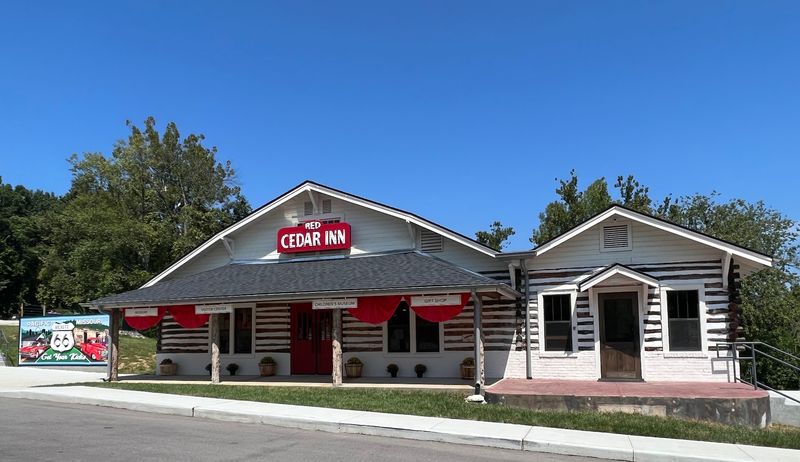
A stone fireplace, log walls, and the feeling of an old family meal give this stop a warm voice, even though the building no longer serves dinner.
The Red Cedar Inn Museum and Visitor Center in Pacific preserves one of Missouri’s beloved Route 66 landmarks.
The original Red Cedar Inn opened in the 1930s, when Route 66 brought steady traffic through the area.
It was built by the Smith family and became known for its rustic style and welcoming meals.
Travelers could stop for food, rest, and conversation before continuing across Missouri.
Today, the building helps tell the story of Pacific and the highway that shaped it.
As a museum and visitor center, it gives people a place to learn before exploring nearby Route 66 sites.
Exhibits often focus on local history, road travel, and the families who worked hard to serve passing motorists.
The building itself is part of the lesson.
Its red cedar logs and stonework show how roadside businesses tried to stand out before online reviews and phone maps existed.
A memorable look could make a tired driver pull over.
Visitors should check opening times before making a special trip, because smaller museums can have limited hours.
If it is open, ask questions.
Local volunteers and staff often know stories that do not fit on display signs.
Pacific is also a handy stop for travelers coming from the St. Louis area.
You can pair the museum with a drive along older road alignments, nearby shops, or a meal in town.
The Red Cedar Inn reminds people that Route 66 was not only pavement.
It was also work, hospitality, recipes, family pride, and the friendly promise of a lighted doorway after miles on the road.
5. Route 66 Museum
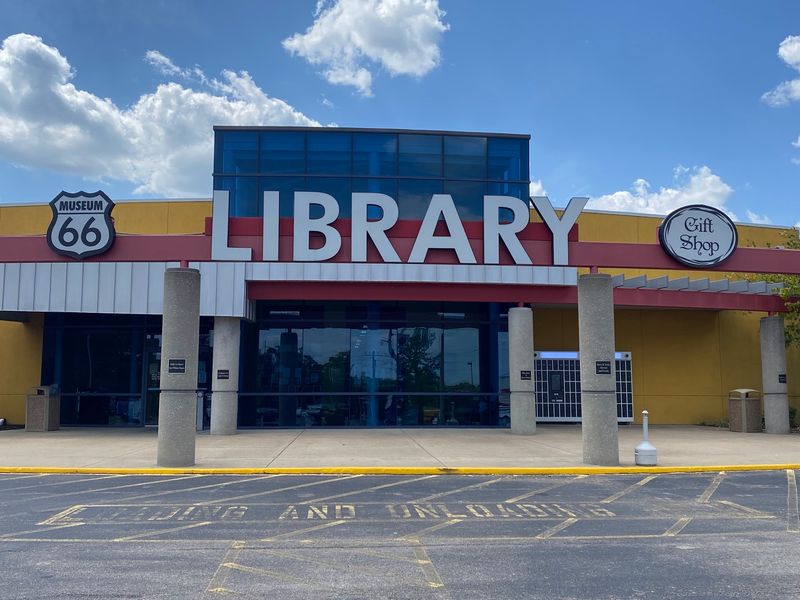
Old postcards, road signs, and motel memories can make a museum feel like a suitcase someone forgot to unpack.
The Route 66 Museum in Lebanon, Missouri, gathers those pieces and turns them into a friendly guide to the Mother Road.
Lebanon was an important stop for travelers crossing the Ozarks.
The area offered lodging, food, fuel, and access to the rolling scenery that made Missouri driving feel different from the flat stretches in some other states.
The museum helps explain how towns like Lebanon grew because of the highway.
Inside, visitors may find displays about classic motels, gas stations, diners, maps, and road trips.
The exhibits are helpful because they show daily life, not just big historic events.
A simple sign or room setup can explain how families traveled before GPS, hotel apps, and fast-food exits.
This is a good stop for families because it gives context to the drive.
Kids can see objects from the past and compare them with what they use now.
Adults may enjoy spotting brands, styles, or travel habits they remember from childhood.
Give yourself enough time to read the labels and look at small details.
Museums like this are easy to rush, but the best stories often hide in photos, maps, and personal notes.
If staff members are available, ask what local Route 66 places they recommend nearby.
Lebanon also makes a practical break on a Missouri road trip.
You can use the museum to plan other stops, learn about older alignments, and better understand the towns ahead.
The Route 66 Museum proves that the road’s story is not one single tale.
It is a collection of signs, rooms, wheels, meals, and people moving across Missouri with hope in the trunk.
6. Wagon Wheel Motel
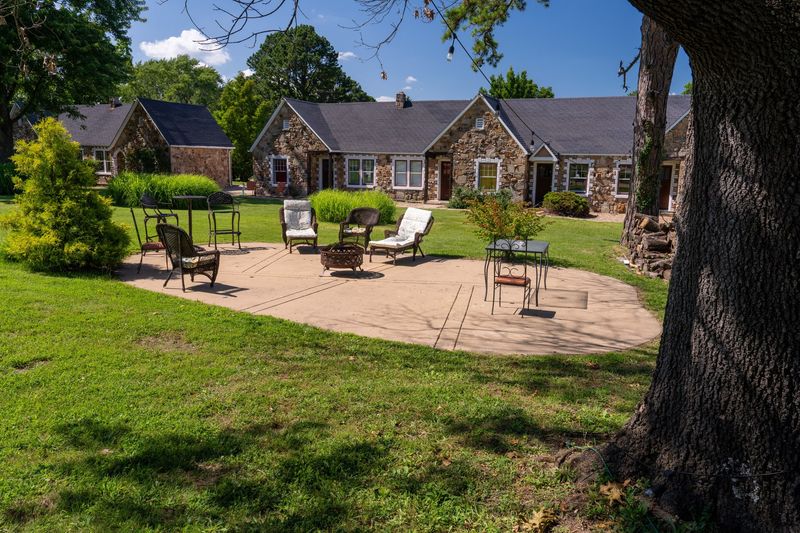
Neon seems to glow a little softer when it shines on stone cottages that have watched travelers come and go for nearly a century.
The Wagon Wheel Motel in Cuba is one of Missouri’s most treasured Route 66 places to spend the night.
The property dates back to the 1930s and is often described as the oldest continuously operating motel on Route 66.
Its small stone cabins were built during a time when motor courts gave drivers a private room close to their car.
That design felt modern and convenient for early highway travelers.
Restoration has helped the motel keep its historic character while offering comfort for today’s guests.
The famous neon sign is a favorite photo spot, especially in the evening.
Cuba itself is known for outdoor murals, so the motel fits nicely into a town that cares about visible history.
If you plan to stay, book early during busy travel seasons or Route 66 events.
Historic motels have fewer rooms than chain hotels, and many road fans choose them for the experience.
Even if you do not stay overnight, be respectful when taking photos because guests may be resting.
Look closely at the stonework, rooflines, and layout.
The motel shows how travel once moved at a slower pace.
Instead of huge lobbies and long hallways, visitors found simple cabins, parking spaces, and a direct link to the road.
Cuba makes a great overnight stop because it offers food, murals, and nearby attractions without feeling too rushed.
The Wagon Wheel Motel carries stories in its walls, from tired families to solo adventurers chasing the open road.
Sleeping there is not just about having a bed.
It is a chance to be part of Missouri Route 66 history for one night.
7. Gary’s Gay Parita
Some stops feel less like buildings and more like conversations waiting to happen.
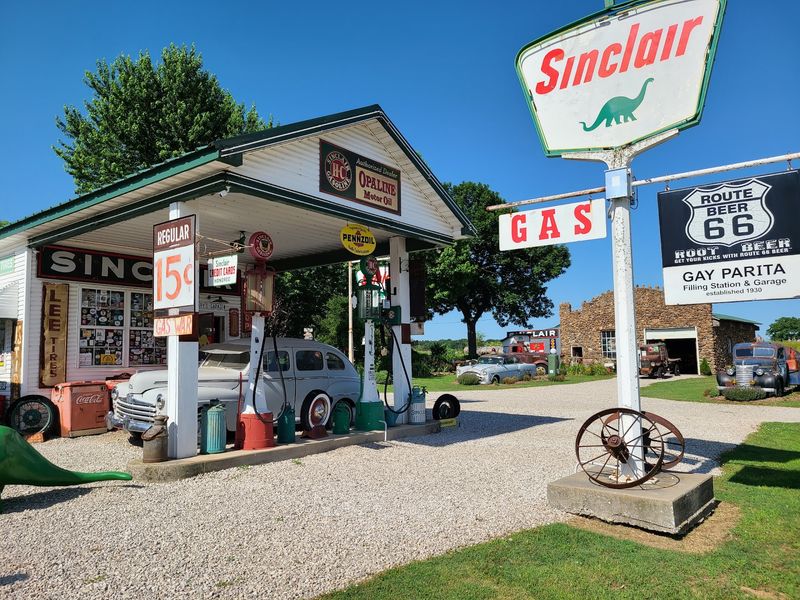
Gary’s Gay Parita near Paris Springs is that kind of place, filled with old pumps, signs, cars, and the cheerful spirit of Missouri Route 66.
The site is a re-created vintage Sinclair station inspired by an earlier business connected to the old highway.
It became famous because of Gary Turner, who welcomed travelers with stories, jokes, and kindness.
Many Route 66 fans remember him as one of the road’s great ambassadors.
Even after Gary’s passing, the stop remains meaningful because it shows how one friendly person can turn a roadside place into a landmark.
Visitors come for photos of the pumps and signs, but they often leave thinking about hospitality.
That is a major part of Route 66 history.
The setting is wonderfully cluttered in the best way.
Old license plates, tools, oil cans, and car parts create a scene that feels like a movie set, except the history is real.
Bring a camera and give yourself time to notice the small items tucked into corners.
Because this is a beloved roadside stop, treat it with care.
Do not climb on displays unless invited, and be mindful of private areas.
If someone is there to share stories, listen.
Personal memories often make the visit better than any sign could.
The surrounding rural stretch also matters.
Driving there helps visitors understand how Route 66 linked tiny communities as well as larger towns.
Not every important stop had a huge sign or a famous menu.
Gary’s Gay Parita shows that Missouri’s Mother Road is powered by people as much as pavement.
Its best story is about welcome, friendship, and the joy of keeping old road culture alive.
8. Route 66 Car Museum
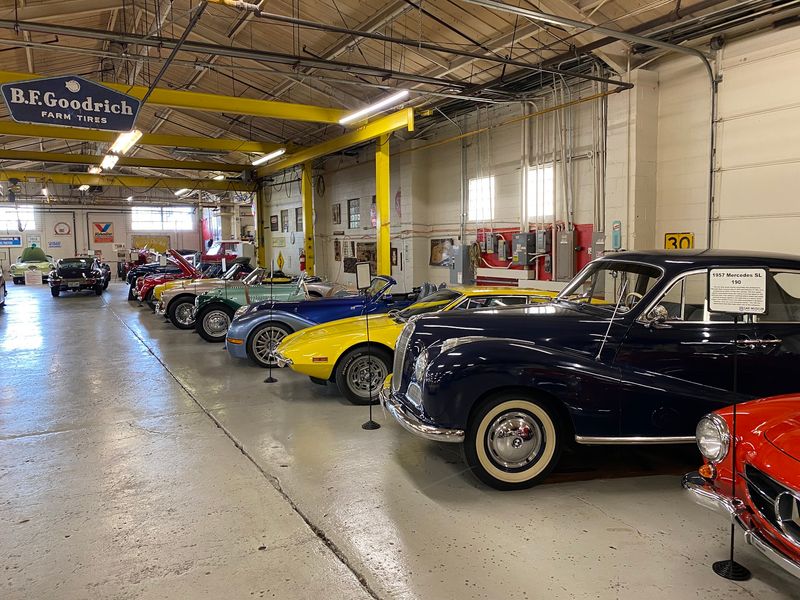
Chrome, tailfins, and bright paint can turn a room into a time machine.
The Route 66 Car Museum in Springfield gives Missouri travelers a close look at the machines that helped make the Mother Road famous.
Springfield has a strong Route 66 connection and is often linked to the naming of the highway.
That makes a car museum in the city feel especially fitting.
After all, Route 66 was built for movement, and cars were at the center of that story.
The museum includes a wide range of vehicles, from early models to sleek classics and unusual collector cars.
Even visitors who are not car experts can enjoy the shapes, colors, and details.
Each vehicle shows something about the time when it was made, including style, technology, and what people hoped travel could be.
Take your time walking through the displays.
Look at dashboards, hood ornaments, headlights, and seats.
Those details can show how much driving has changed.
Older cars often had fewer safety features, different controls, and designs that were meant to catch attention.
This stop is especially useful on rainy, cold, or very hot days because it is indoors.
Families can use it as a break from driving while still staying connected to Route 66.
Kids may enjoy choosing their favorite car, while adults may find memories tied to a model once owned by a parent or grandparent.
Before visiting, check current hours and admission details.
Museums can update schedules, and planning ahead avoids disappointment.
Pair the stop with other Springfield Route 66 sites if you have extra time.
The Route 66 Car Museum tells a lively Missouri story without needing a long road ahead.
It shows that cars were more than transportation.
They were freedom, style, family vacation, teenage dreams, and the sound of America rolling west.
9. 66 Drive-In Theatre
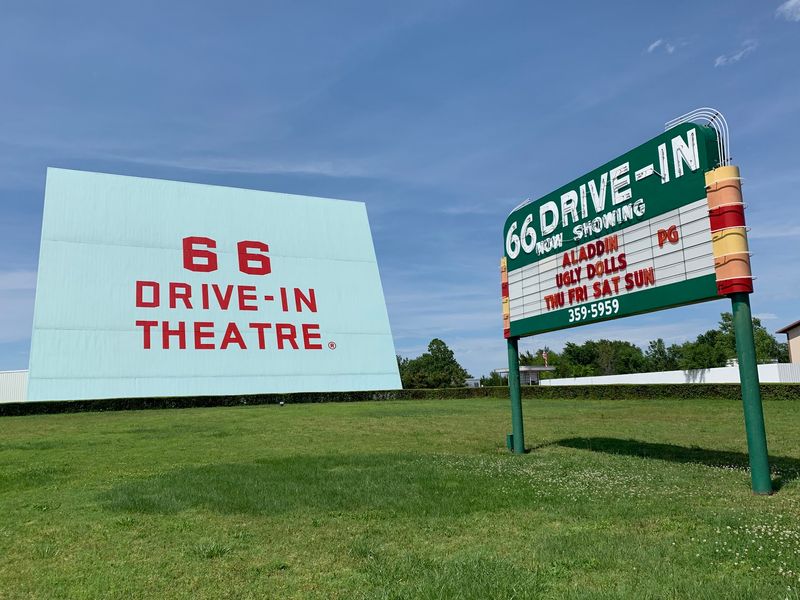
When the sun drops behind the screen and car radios begin to crackle, an ordinary evening can suddenly feel like 1955.
The 66 Drive-In Theatre in Carthage keeps one of Missouri’s most charming roadside traditions alive.
Drive-in theaters became popular when car culture was booming, and Route 66 helped bring travelers straight to their gates.
Families could watch a movie without leaving the comfort of their vehicle.
Kids wore pajamas, parents packed snacks, and the night air became part of the show.
The Carthage drive-in first opened in the mid-1900s and later returned after a period of closure.
Its survival matters because many drive-ins across the country disappeared when land values rose, indoor theaters grew, and home entertainment changed.
Seeing a movie here feels both fun and historic.
Arrive early if you want a good parking spot and time for snacks.
Check the theater’s rules about outside food, headlights, and hatchbacks before you go.
A small radio or a strong car battery plan can make the night smoother, since sound is usually broadcast through FM radio.
Bring blankets, lawn chairs, bug spray, and patience.
The pace is slower than a modern multiplex, but that is the point.
Watching the sky darken while people settle in is part of the memory.
Carthage itself is worth exploring, with courthouse architecture, Route 66 scenery, and nearby roadside stops.
Making the drive-in part of a larger visit turns a movie night into a mini road trip.
The 66 Drive-In Theatre tells a story about how Americans used to gather around cars, screens, and summer darkness.
In Missouri, it remains a place where families can laugh, share popcorn, and understand why Route 66 was never only about getting somewhere fast.
10. Boots Court Motel
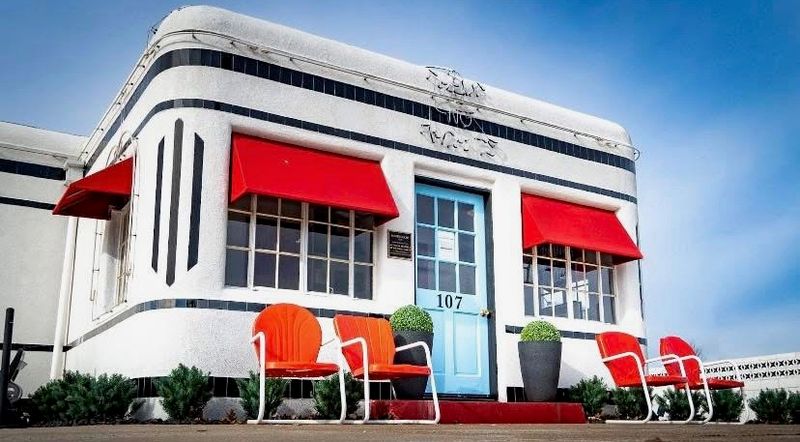
A restored motel room with no television can sound strange at first, until you realize the quiet is part of the trip back in time.
Boots Court Motel in Carthage offers one of the most stylish overnight stories on Missouri Route 66.
The motel opened in 1939 and was built with a sleek look often called Streamline Moderne.
Rounded corners, smooth lines, and bold neon helped it stand apart from plain roadside lodging.
Travelers moving through southwest Missouri could spot it as a modern, eye-catching place to stop.
One of its most famous claims is that actor Clark Gable stayed there while traveling.
Whether guests come for Hollywood links, architecture, or Route 66 history, the motel gives them plenty to notice.
Its restoration has brought back details that make the property feel close to its early years.
Staying here is different from booking a regular chain hotel.
The experience is meant to highlight the past, so expect vintage style and a slower mood.
Check room features before reserving so you know what is included and what is intentionally kept simple.
The neon sign is a must-see after dark.
Take photos from safe spots, and remember that it is also a working lodging property.
Respect quiet hours and the privacy of other guests.
Carthage makes the visit even richer because the town has other Route 66 attractions, historic buildings, and the 66 Drive-In Theatre.
Travelers can easily build a full evening around the area.
Boots Court Motel matters because it shows how design was used to attract people on the road.
A clean room was important, but so was personality.
In Missouri, this motel still speaks in curved walls, glowing neon, and the promise that a night on Route 66 can feel like a story worth keeping.