In the 1940s, a grand Victorian house in Astoria was so unwanted that the family that owned it had trouble giving it away. The city almost knocked it down to make room for a parking lot. Today that same house fills a full city block, holds over 11,000 square feet of rooms, and draws history fans from all over.
It was built in 1885 for a man whose name still shapes the story of the Oregon coast. Keep reading to learn who he was, what makes his home so special, how a local group saved it, and exactly how to plan a visit without spending much at all.
A Victorian Landmark on Exchange Street
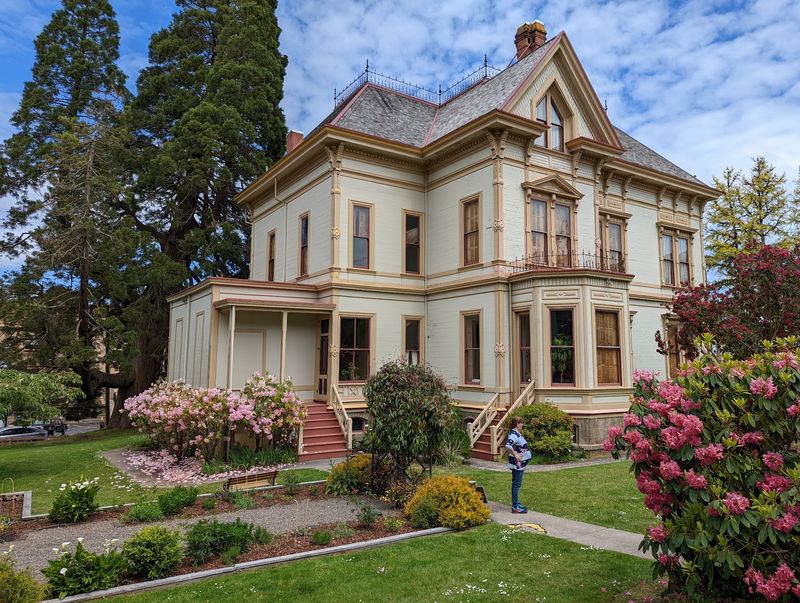
Some houses blend into a neighborhood, and some houses take over the whole block. The Flavel House Museum sits at 714 Exchange St, Astoria, OR 97103, in the historic river town of Astoria on the northern Oregon coast.
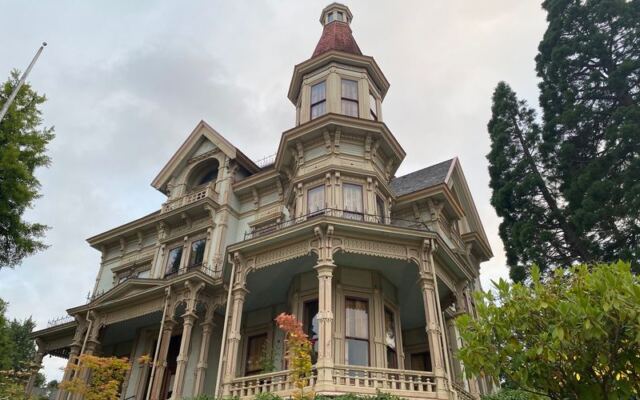
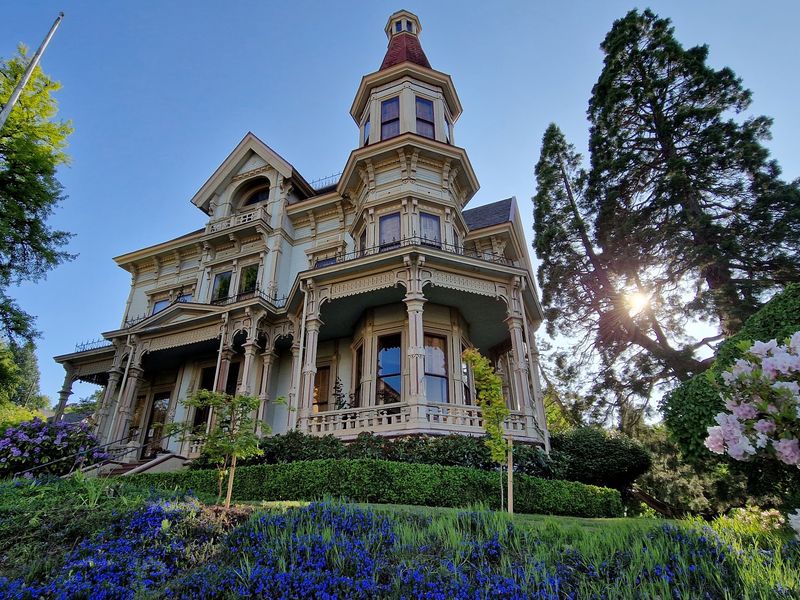
The mansion was built in 1885 in the Queen Anne style, a fancy Victorian look known for towers, trim, and lots of detail. Its tall octagonal tower is the part people spot first, and it still stands out among the rooftops of town.
Inside, the house works as a museum with period furniture and a formal garden outside. It is run as part of the Clatsop County Historical Society’s family of museums.
The size alone is worth noting. At more than 11,000 square feet, the home covers its full city block, which was a bold statement for a family home in the 1880s.
The place also gets a lot of love, holding a 4.7 average across more than 1,200 Google ratings. That is a strong sign that the trip is worth it.
So who would build a house this large in a fishing and shipping town? The answer leads straight to one of the most important names in early Astoria.
The Captain Behind the Fortune
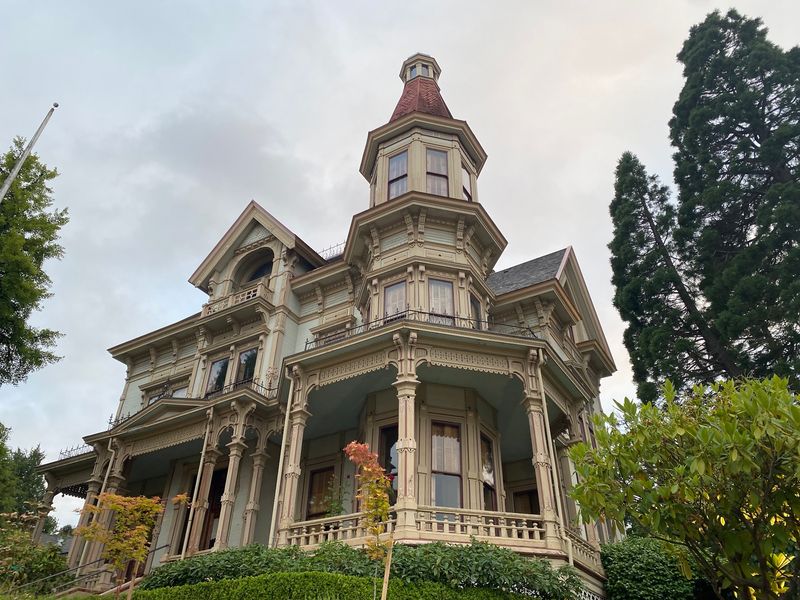
Every big house has a big story, and this one belongs to George Flavel. He is widely known as Oregon’s first millionaire, and his success was tied closely to Astoria and the busy Columbia River.
The self-guided tour spends real time on Flavel and the role he played in helping Astoria grow. Panels and labels throughout the home explain who he was and why his family mattered so much to the region.
The Flavel family held a special place in the history of Astoria and the wider Pacific Northwest. That is why the house appeals to more than just fans of old furniture.
For locals, the museum offers a chance to connect with the recent past of their own town. People who live in Astoria often find it rewarding to see their community’s roots laid out room by room.
History buffs who want to brush up on Pacific Northwest lore will find plenty here. The house gives a clear look at an influential family without feeling like a dry lecture.
Of course, a fortune is only part of the tale. What Flavel chose to build with it is where things get really interesting.
Built Before Oregon’s Famous Mansions
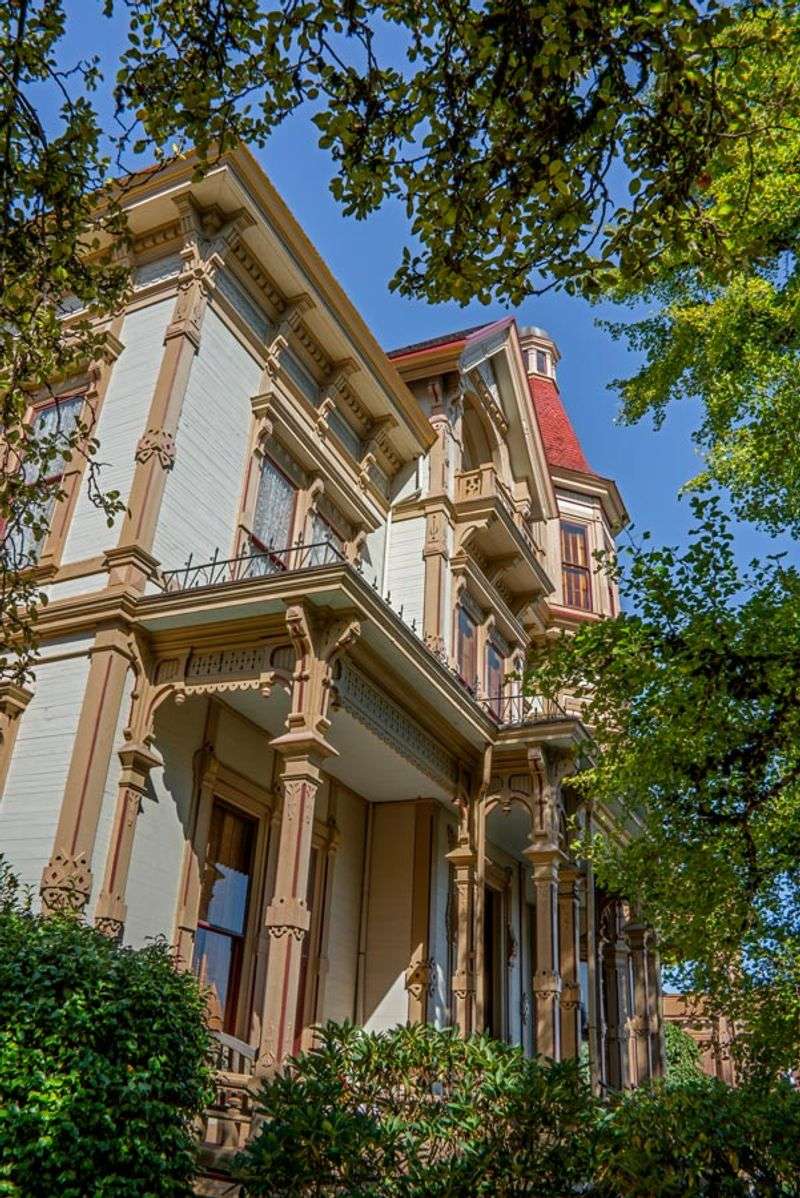
Here is a fun fact for your next road trip. The Flavel House went up in 1885, earlier than both the Shelton McMurphey Johnson House in Eugene and the Pittock Mansion in Portland.
That makes it a true early example of high-style Victorian living in Oregon. Its Queen Anne design shows the fancy taste of the era, with detailed trim, tall windows, and that eye-catching tower.
Architecture lovers tend to linger outside before they even reach the door. The shape of the house, with its layered rooflines and decorative touches, gives plenty to study.
The scale also sets it apart from many other historic homes. Rooms here are notably large for the time period, which surprises people who have toured smaller Victorian houses elsewhere.
Fans of historic house museums often rank this one among the best they have seen. That is high praise in a region with several famous mansions competing for attention.
Not bad for a house that once nearly vanished. The next chapter explains just how close it came.
Nearly a Parking Lot
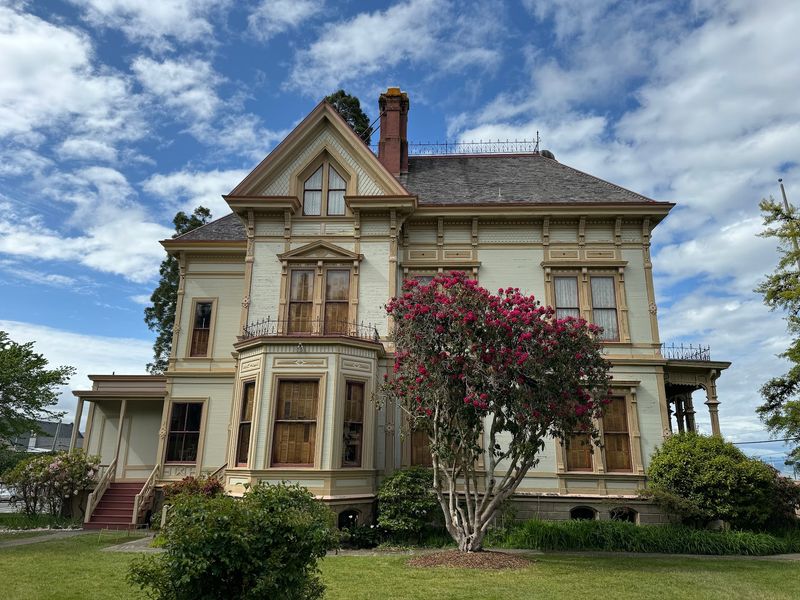
Hard to believe now, but nobody seemed to want this mansion in the 1940s. The Flavel family had trouble giving it away.
Things got even closer to the edge after that. The city almost tore the house down so it could put in a parking lot.
Thankfully, the Clatsop County Historical Society stepped in. The group took on the house and has spent years restoring it to its original condition.
That restoration is the reason the home looks so polished today. Details have been carefully brought back, and the rooms reflect life as it was in the late 1800s.
For Oregonians who care about keeping familiar places alive, this story hits home. It is a reminder that local landmarks survive because people choose to protect them.
Buying a ticket helps keep that work going. Many people leave feeling good about supporting the care of something historic in their own state.
Saved from the bulldozer, the house now has a lot to show off. The woodwork alone could fill a section, so here it comes.
Woodwork, Fireplaces and Tall Doors
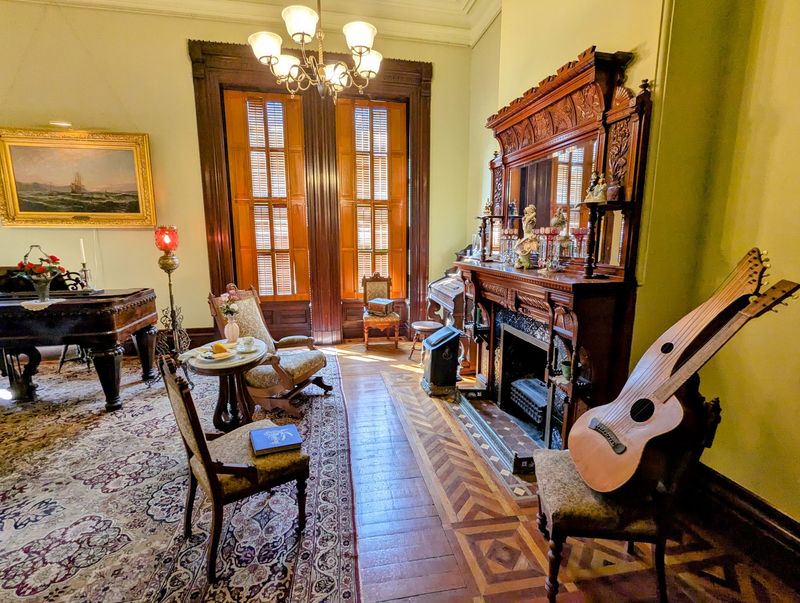
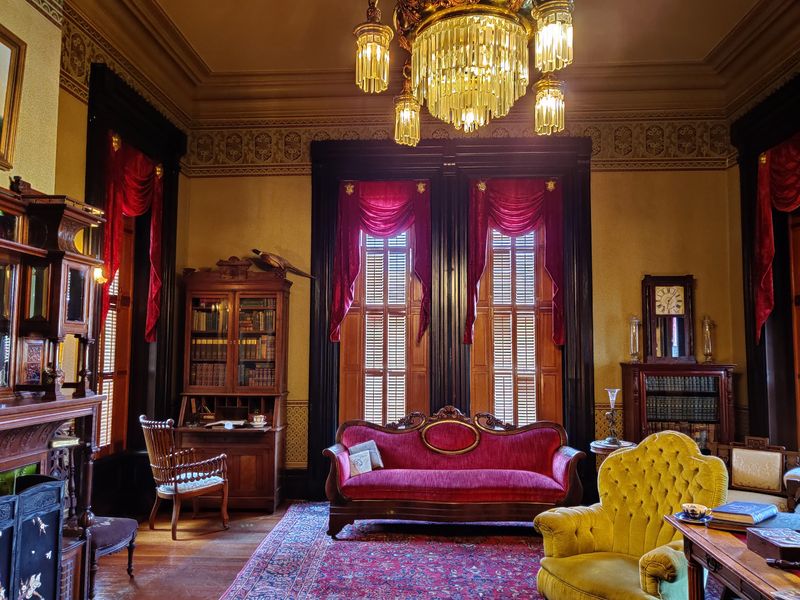
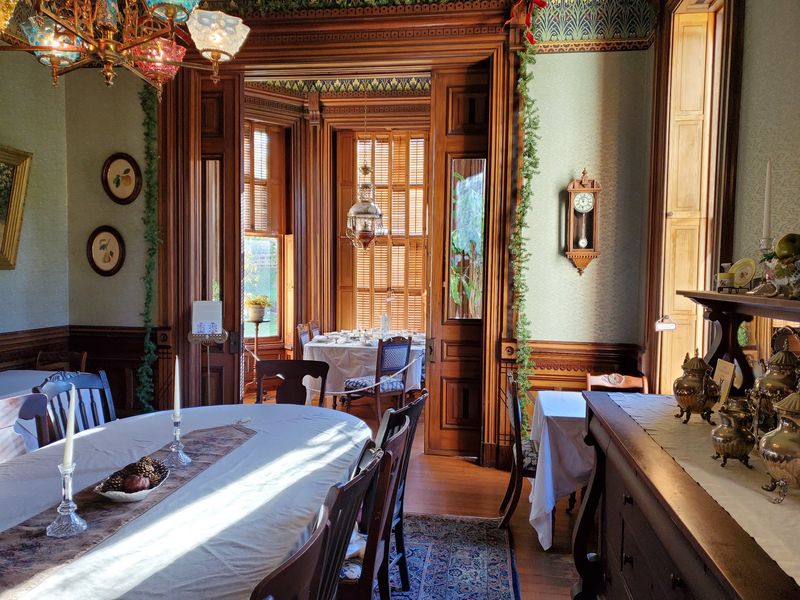
Craftsmanship is the quiet star of the show. The woodwork throughout the Flavel House earns frequent praise, and for good reason.
Tall doors and tall windows give the rooms an airy, stately feel. Fireplaces appear throughout the home, each one a showcase of Victorian design.
The intricate details are easy to miss on a quick walk, so slowing down pays off. Carvings, trim, and finishing touches reward anyone who takes a second look.
People who appreciate fine building skills tend to call this house a highlight of their trip. The restorations blend in well, making the rooms feel complete rather than patched together.
Every room offers something new to notice. That variety keeps the tour from feeling repetitive, even in a house this large.
All that wood frames something equally interesting. The furniture and family pieces placed inside tell their own story.
Family Pieces and Period Rooms
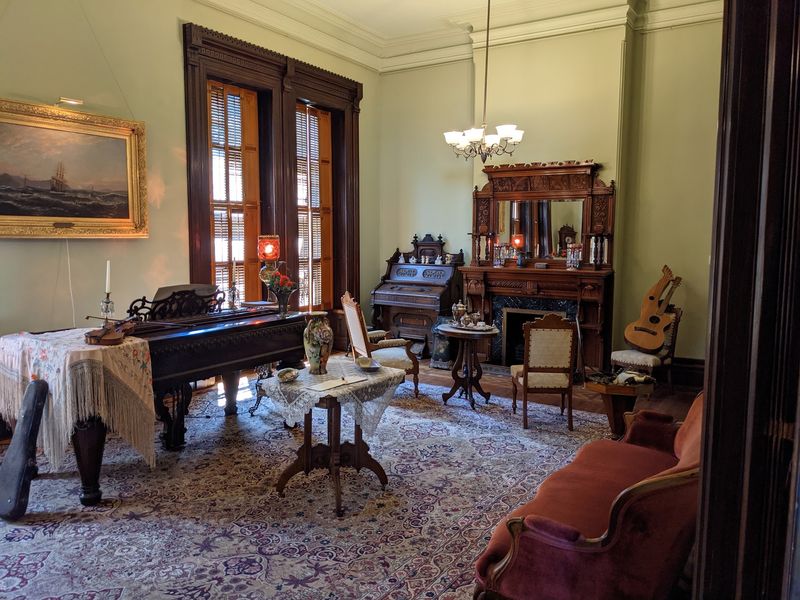
Some of the furniture in the house actually belonged to the Flavels. Those original family pieces sit alongside authentic antiques chosen to match the period.
The music room is a favorite, with instruments that hint at how the family spent evenings together. Each space is arranged to show how it was used in the late 1800s.
Old photographs help a lot here. Pictures showing the original use of each room let you compare the past with what stands in front of you.
Labels are plentiful and clearly written. There is a lot to learn, especially for anyone who has never been inside a Victorian home before.
Families with kids report that children enjoy the visit too. The mix of real objects and clear explanations keeps younger guests interested.
Fancy parlors are one thing. The working parts of the house might be even more surprising.
Kitchens and Bathrooms of the 1880s
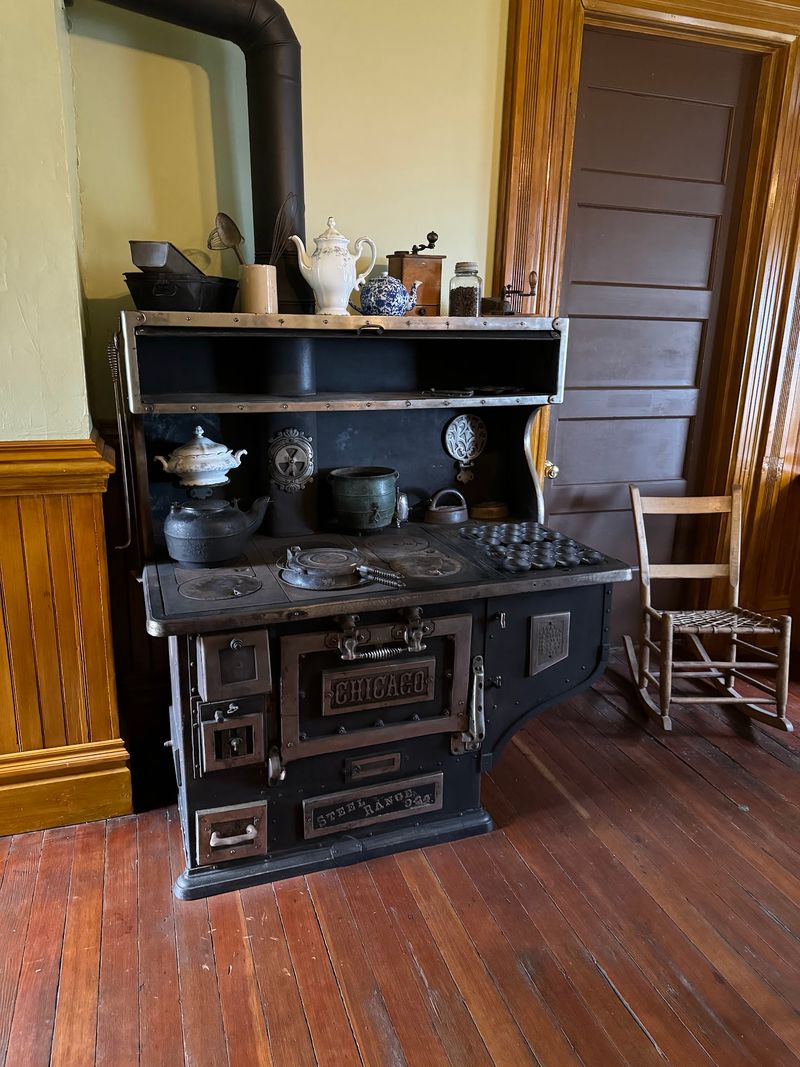
Grand staircases get the attention, but the kitchen quietly steals hearts. Its firewood stove gives a clear look at how meals were prepared in the 1880s.
The bathrooms are another unexpected hit. Seeing Victorian bathroom fixtures shows how a wealthy family lived with comforts that were rare at the time.
These practical rooms make the house feel lived in. They help explain daily routines instead of only showing off fine decor.
The interior is so well kept that it almost seems ready for guests to move back in. That level of care makes the everyday spaces just as engaging as the formal ones.
Kids often find these rooms the most fun. Comparing an old stove to a modern one sparks plenty of questions.
Once indoors is covered, the grounds wait outside. And they hold a building with its own fan club.
The Garden, the Big Tree and the Carriage House
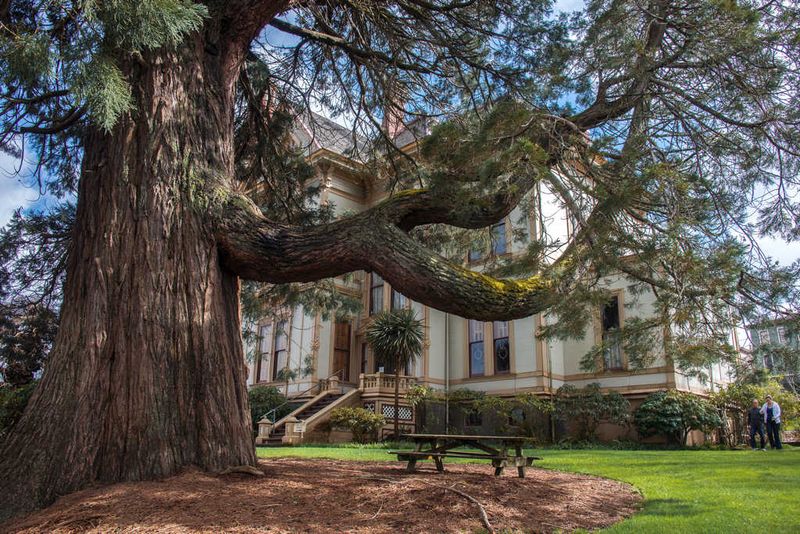
Step outside and the story keeps going. A formal garden surrounds the mansion, adding to its old-time setting.
On the northwest corner of the property stands a huge tree that many people remember long after their visit. It adds real character to the grounds.
The carriage house comes up often in conversations about the museum. It is part of the experience and connects to how visitors begin their tour.
Guests are allowed to explore the grounds on their own. That freedom to wander is part of what makes the visit feel personal.
The gardens have been restored along with the house. Together they give a fuller picture of how the Flavels lived on their block.
Pop culture fans may already know this area for another reason. That link comes next.
Self-Guided Tours and a Goonies Connection
Movie buffs often mention The Goonies when talking about this house, since Astoria is famous for the film. The Flavel House has become a stop on many fans’ lists while they explore town.
The tour itself is self-guided, which suits people who like to set their own pace. It is easy to follow, with lots of facts posted about the house, furniture, and family.
A short introductory video, about ten minutes long, helps set the scene. Many people spend around half an hour in the house afterward, though detail lovers can stay longer.
Staff and volunteers are on hand to answer questions. They come across as kind, welcoming, and knowledgeable, and they are especially friendly with kids.
Around April Fools’ Day, the museum has offered a playful scavenger hunt. Guests search for items that do not belong to the time period.
Fun aside, a few practical details can make the day smoother. Here is what to know before heading over.
Hours, Tickets and Parking Tips
Good news for flexible planners: the museum is open every day of the week. Hours run from 10 AM to 4 PM, Monday through Sunday.
Tickets have been listed at around $6 per adult, which keeps this an affordable outing. Prices can change, so check the museum website before you go.
One tip saves steps. Tickets are sold away from the main house, so plan for a short walk to buy them and come back.
Here is a money saver worth knowing. A visit to the Astoria Column has come with a parking pass and complimentary museum tickets, so stopping there first could stretch your budget, though it is smart to confirm the current offer.
Parking is on the street, and there is usually plenty of it for free. Clean public bathrooms are available on site.
A gift shop rounds out the stop with cute and lovely items. All that leaves one question: is it worth your afternoon?
Worth a Spot on Your Astoria Itinerary
A house that almost became a parking lot now ranks among the best Victorian museums in the Northwest. That turnaround alone makes it worth a stop.
The Flavel House suits history buffs, architecture fans, families with kids, and locals who want to learn more about their town. Its self-guided format lets everyone find the parts they enjoy most.
Many people return almost every time they come to Astoria. That kind of loyalty says a lot about the care put into the house.
It also works as a great first stop for learning about Astoria. The Flavel story helps make sense of the rest of the town.
With low ticket costs, free street parking, and daily hours, it fits easily into a coastal trip. You can see a lot in under an hour or linger for much longer.
Oregon’s first millionaire built a home to impress, and it still does. Let that octagonal tower guide you in, and give yourself time to look closely.
Share this story