Tennessee holds a special place in American military history, from Civil War battlefields to World War I heroes. Scattered across the state, eleven incredible museums tell the stories of soldiers, battles, and sacrifices that shaped our nation.
Whether you’re a history buff, a veteran, or just looking for an educational adventure, this road trip will take you through Tennessee’s most compelling military sites and leave you with memories that last a lifetime.
1. Halls Veterans’ Museum, Halls
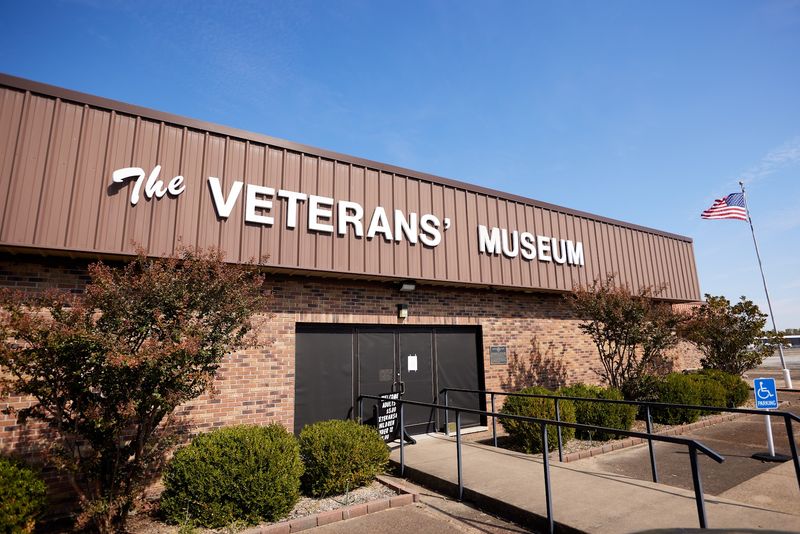
Tucked away in the small town of Halls, this veterans’ museum punches well above its weight. Local volunteers have assembled a heartfelt collection that honors service members from every branch and every era.
You’ll find uniforms, medals, photographs, and personal stories that connect you directly to the men and women who served.
What makes this museum special is its grassroots feel. Unlike big-city institutions, Halls Veterans’ Museum runs on community pride and dedication.
The displays rotate regularly, and each visit offers something new to discover. You might spot a World War II paratrooper’s jump wings one month and a Vietnam-era combat medic’s field kit the next.
The museum’s strength lies in its local connections. Many artifacts come from families in the surrounding area, complete with handwritten notes and personal histories.
Walking through these exhibits feels less like touring a museum and more like sitting down with a neighbor who wants to share their family’s story. It’s intimate, powerful, and surprisingly moving.
Because Halls is a small community, the museum operates on a volunteer schedule. Call ahead or check their social media before you make the trip.
The town itself is worth exploring too, with classic small-town charm and friendly locals who take pride in their military heritage. Plan for about an hour here, though you might stay longer if you strike up a conversation with one of the knowledgeable volunteers.
This stop sets the tone perfectly for your Tennessee military museum road trip. It reminds you that history isn’t just dates and battles.
It’s real people, real sacrifices, and real communities keeping those memories alive for future generations.
2. Mid-South Military Museum, Atoka
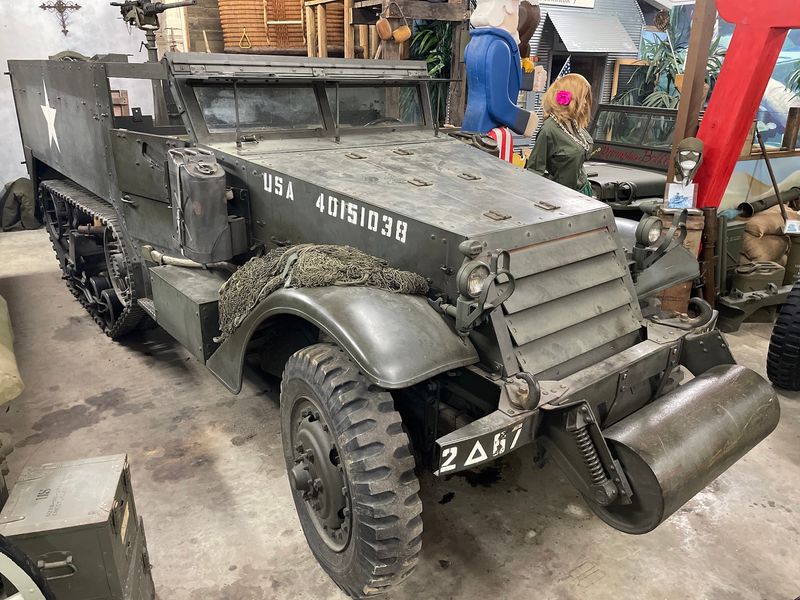
Just outside Memphis in Atoka, this museum offers one of the most comprehensive military collections in West Tennessee. Uniforms from the Civil War hang beside Desert Storm fatigues, creating a visual timeline of American military evolution.
Weapons displays showcase everything from muskets to modern rifles, each piece carefully preserved and contextualized.
The dioramas here deserve special mention. These aren’t simple mannequin displays but carefully crafted scenes that transport you to specific moments in military history.
One recreation might show a Civil War encampment with authentic gear and period-accurate details. Another could depict a World War II field hospital, complete with medical equipment and personal effects.
Military vehicles dot the property, ranging from jeeps to larger transport vehicles. Walking around these machines gives you a tangible sense of scale and engineering that photographs simply can’t capture.
Here’s the catch: visits are by appointment only. That means you can’t just roll up and walk in, but it also means you’ll likely get a more personalized experience.
The staff can tailor tours to your interests, whether you’re fascinated by a specific conflict or want to trace your own family’s military service through the decades.
Plan ahead and call to schedule your visit. The extra effort pays off with quality time exploring one of Tennessee’s hidden military history gems.
Budget at least ninety minutes to two hours, especially if you’re a serious history enthusiast. The collection is dense, detailed, and designed for people who want to go deeper than surface-level military tourism.
3. Fort Pillow State Historic Park Museum, Henning
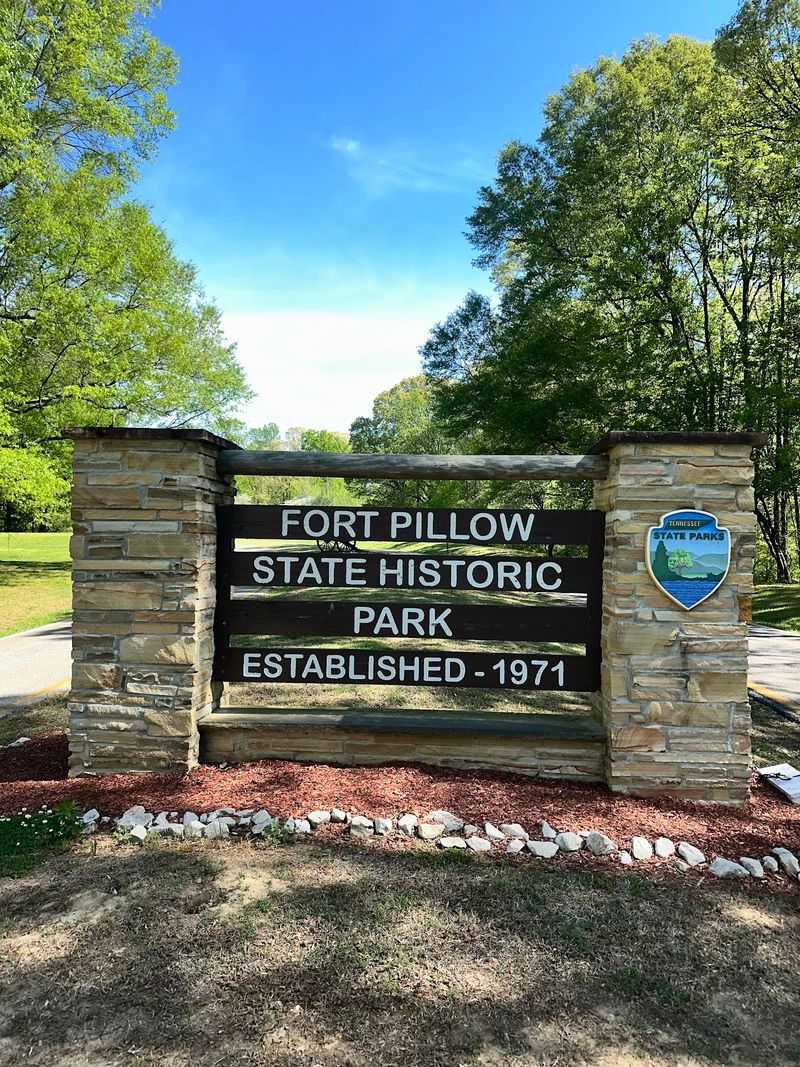
Perched above the Mississippi River, Fort Pillow carries one of the Civil War’s most painful and important stories. The 1864 battle here became a turning point in how the nation understood racial violence during wartime.
The museum doesn’t shy away from this difficult history but presents it with care, context, and respect for all who suffered.
Battlefield artifacts fill the museum cases, from bullets and buttons to more personal items like letters and photographs. Each piece connects you to real individuals who fought here.
The interpretive exhibits explain not just what happened but why it mattered, both during the war and in the decades that followed.
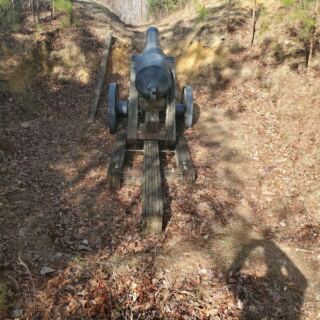
Outside, you can walk the preserved earthworks and fortifications. Standing on these ramparts, looking out over the river, you get a tactical sense of why this location mattered strategically.
The Confederates built these defenses to control river traffic, and you can still see how the geography shaped military decisions.
Reconstructed fortifications help you visualize what soldiers saw and experienced. Interpretive signs guide you through the battle’s progression, making it easy to understand the sequence of events even if you’re not a military tactics expert.
The park service has done excellent work making this complex history accessible without dumbing it down.
Give yourself at least two hours here, more if you want to hike the trails or have a picnic. The museum portion takes about forty-five minutes, but the outdoor experience is equally valuable.
Spring and fall offer the best weather for exploring the grounds, though summer visits are certainly doable with water and sun protection. This stop challenges you emotionally while educating you thoroughly.
4. Shiloh Battlefield Visitor Center Museum, Shiloh
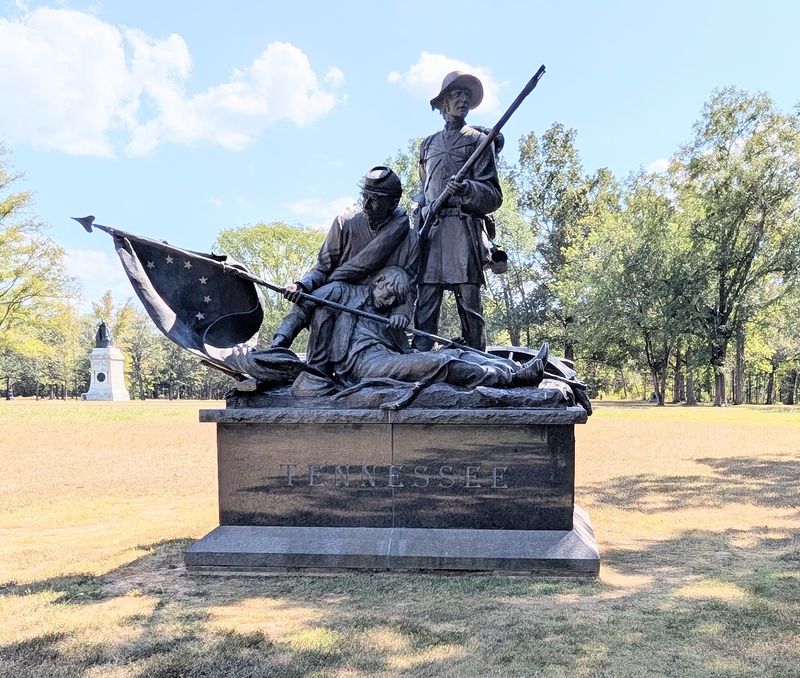
April 1862 brought hell to this quiet corner of Tennessee. The Battle of Shiloh became one of the Civil War’s bloodiest engagements, with over 23,000 casualties in just two days.
The visitor center museum houses hundreds of artifacts from that terrible weekend, each one telling part of a larger story about courage, chaos, and the brutal reality of 19th-century warfare.
Union and Confederate relics share space in the museum cases, a fitting reminder that suffering knew no uniform color. You’ll see personal items that soldiers carried, weapons they fired, and medical equipment that tried to save lives.
The collection includes everything from officers’ swords to common soldiers’ eating utensils, showing the full spectrum of military life.
Start with the museum’s orientation film. It provides crucial context for understanding what you’re about to see, both inside the building and across the battlefield itself.
The film runs about twenty-five minutes and is worth every second for first-time visitors. Even if you’ve studied the Civil War extensively, the visual storytelling adds depth to your understanding.
After exploring the museum, drive or bike the battlefield tour route. The National Park Service maintains excellent roads and interpretive stops throughout the park.
You can easily spend half a day here if you stop at multiple monuments and read the historical markers. The Hornet’s Nest, Bloody Pond, and other landmarks become real places rather than textbook references.
Pack a lunch and make a day of it. The park has picnic areas, and the peaceful modern landscape contrasts sharply with the violence it once witnessed.
Rangers offer talks and programs seasonally, so check the schedule when planning your visit. This is Tennessee’s premier Civil War battlefield experience and deserves serious time on your military museum road trip.
5. Fort Defiance Civil War Park & Interpretive Center, Clarksville
Clarksville’s strategic position along the Cumberland River made it a prize worth fighting for during the Civil War. Fort Defiance tells the story of the city’s Union occupation and the complex web of loyalty, resistance, and survival that defined border-state communities during the conflict.
Best of all, admission is completely free, making this an accessible stop for families and budget-conscious travelers.
The interpretive center focuses on aspects of the Civil War that often get overlooked in more battle-focused museums. You’ll learn about civilian life under military occupation, the experiences of enslaved people during the war, and the crucial role of the United States Colored Troops.
These perspectives add nuance and humanity to the standard military narrative.
Interactive exhibits make history tangible for younger visitors. Kids can try on replica uniforms, examine reproduction weapons, and engage with touchscreen displays that bring 1860s Clarksville to life.
The center does an excellent job balancing educational content with engaging presentation, so nobody gets bored reading endless text panels.
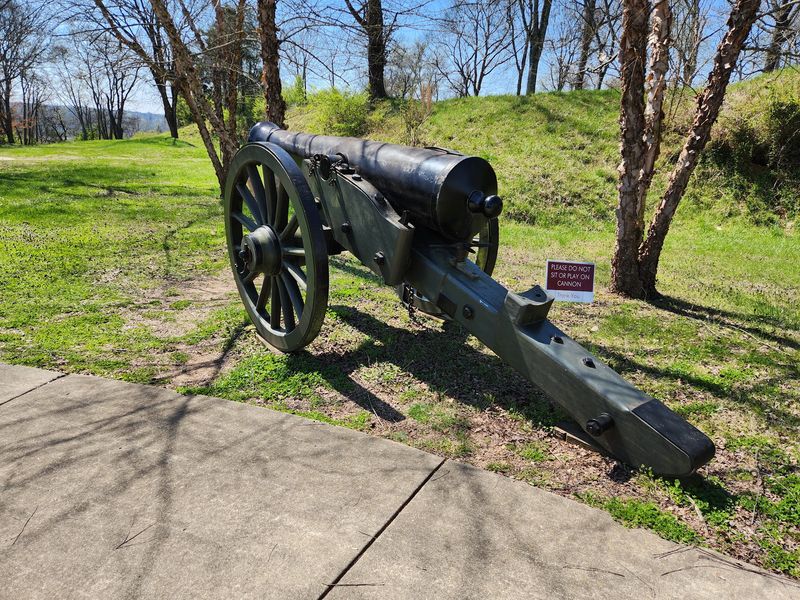
Step outside to explore the earthworks themselves. These defensive fortifications have been preserved and stabilized, allowing you to walk through trenches and stand where soldiers once kept watch over the river.
Interpretive signs explain the fort’s construction, its tactical importance, and what daily life was like for the garrison stationed here.
The views from the fort are surprisingly beautiful, especially during fall foliage season. You can see why military planners chose this spot, with clear sightlines up and down the Cumberland.
Modern Clarksville spreads out below, a reminder of how the city has grown since those turbulent war years. Plan for about an hour at the interpretive center and another thirty to forty-five minutes exploring the outdoor fortifications.
It’s a quick but meaningful stop that adds depth to your understanding of Tennessee’s Civil War experience.
6. Sam Davis Home, Smyrna
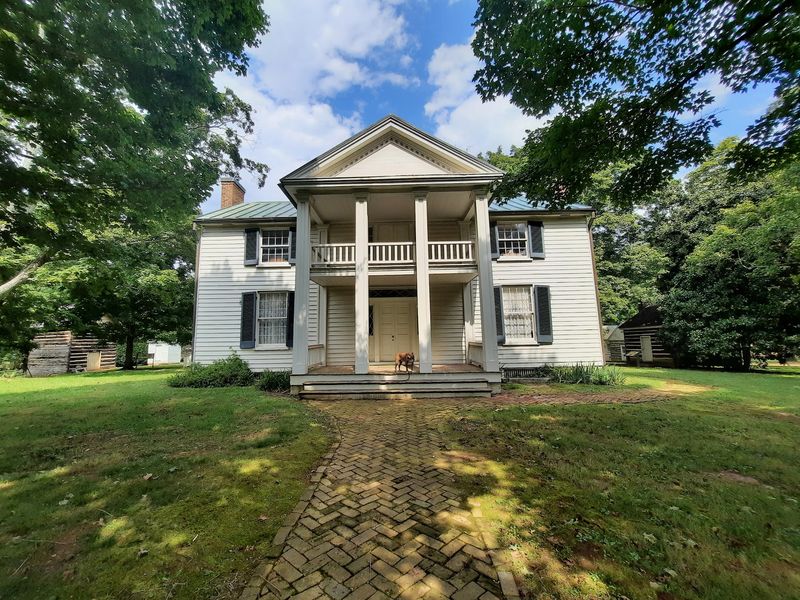
Sam Davis became known as the “Boy Hero of the Confederacy” after his execution at age 21 for espionage. Whether you view him as a martyr or a cautionary tale depends on your perspective, but his story remains compelling either way.
The home where he grew up is now a museum complex that preserves not just his memory but an entire slice of 19th-century Tennessee life.
The museum galleries contain extensive artifacts related to Sam Davis’s brief life and dramatic death. You’ll see personal belongings, family photographs, and documents related to his intelligence work for the Confederate army.
The exhibits also contextualize his story within the larger framework of Civil War espionage, a shadowy world where information could be as valuable as ammunition.
Original buildings dot the property, including the family home, slave quarters, and outbuildings. These structures offer unvarnished glimpses into antebellum Tennessee society, including the uncomfortable realities of slavery that sustained plantations like this one.
The site doesn’t romanticize the past but presents it honestly, allowing visitors to grapple with history’s complexities.
Period furnishings fill the home, many original to the Davis family. Walking through these rooms, you can almost hear conversations and imagine daily life in the 1850s and 1860s.
The authenticity of the setting makes history feel immediate rather than distant. It’s one thing to read about the Civil War era and quite another to stand in a room where those events directly touched real lives.
Guided tours run regularly and are highly recommended. The guides know the property’s history intimately and can answer questions that go well beyond the basic narrative.
You’ll spend about an hour on the tour, though you’re welcome to linger afterward and explore the grounds at your own pace. The site hosts special events throughout the year, including living history demonstrations that bring the 1860s vividly to life.
7. Military Memorial Museum, Crossville
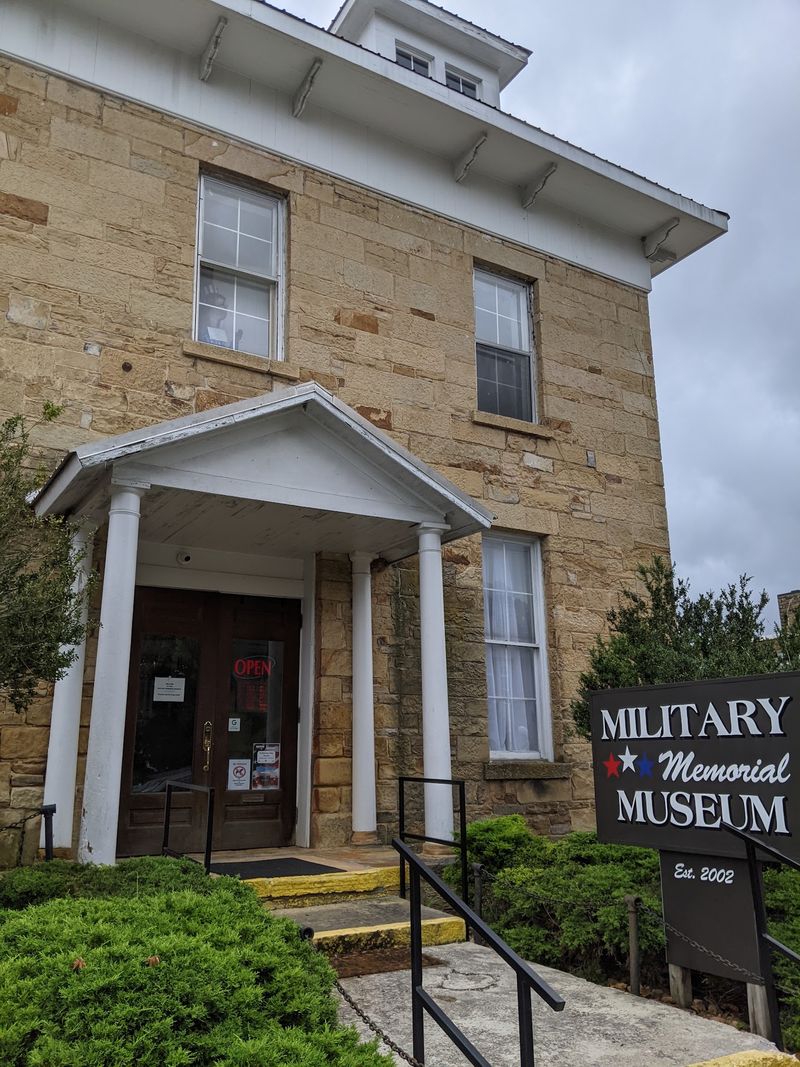
Right in downtown Crossville, this dedicated military museum offers exactly what its name promises: a focused collection honoring American service members across generations. The museum occupies a modest building, but don’t let the size fool you.
The volunteers here have assembled a thoughtful collection that covers major conflicts while highlighting local connections to military service.
Current admission is free, though donations are gratefully accepted. This community-supported approach means the museum depends on visitors’ generosity and volunteer hours to keep its doors open.
The upside is an authentic, non-commercial atmosphere where education and remembrance take priority over ticket sales and gift shop profits.
Displays cover everything from World War I through recent conflicts in Iraq and Afghanistan. You’ll find uniforms, medals, photographs, weapons, and personal items donated by veterans and their families.
Many exhibits include detailed stories about specific individuals, transforming abstract military history into personal narratives that resonate emotionally.
The museum’s location on the Cumberland Plateau makes it a natural stopping point if you’re traveling between East and Middle Tennessee. Crossville itself is a pleasant small city with restaurants, shops, and other attractions worth exploring.
You can easily combine your museum visit with lunch downtown and a walk around the courthouse square.
Plan for about forty-five minutes to an hour inside the museum, depending on how thoroughly you read the exhibits. The staff and volunteers are often veterans themselves and love sharing stories with interested visitors.
If you have military connections in your own family, mention them. You might be surprised at the common ground you discover.
This museum exemplifies the best of community-based military history preservation. It’s not fancy or high-tech, but it’s genuine, heartfelt, and deeply respectful of those who served.
That authenticity makes it a valuable addition to your Tennessee military museum road trip, offering a different perspective from the larger battlefield parks and institutional museums.
8. Sergeant Alvin C. York State Historic Park, Pall Mall
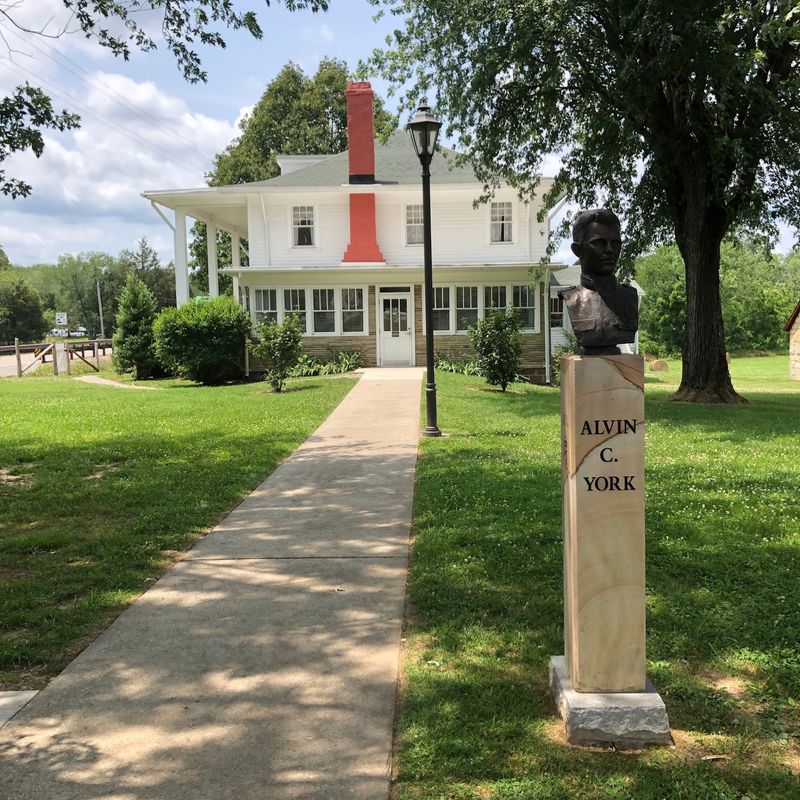
Alvin York grew up dirt-poor in the mountains of Fentress County, a place so remote that the modern world barely touched it. Then World War I happened, and this reluctant soldier became one of America’s most decorated heroes.
His single-handed capture of 132 German soldiers in October 1918 earned him the Medal of Honor and transformed him into a national celebrity practically overnight.
The state historic park preserves York’s story through his home, gristmill, and an interpretive museum. You’ll learn about his religious convictions and how he struggled with the morality of killing, even in wartime.
The exhibits explore his famous exploits in the Argonne Forest, his postwar celebrity, and his efforts to improve education in his beloved Fentress County.
York’s actual home sits on the property, furnished much as it was during his lifetime. Walking through these rooms, you see how he lived after the war, comfortable but not extravagant despite his fame.
He could have cashed in on his celebrity but instead returned to his mountain community and focused on building schools and helping his neighbors.
The gristmill still operates seasonally, grinding corn the old-fashioned way. It’s a working demonstration of the kind of technology and economy that shaped York’s early life.
Upper Cumberland scenery surrounds the park, with rolling hills and forests that help you understand York’s deep connection to this landscape. The drive to Pall Mall is part of the experience, taking you through genuinely rural Tennessee where the pace of life still runs slower than in the cities.
Budget at least ninety minutes for your visit, more if you want to explore the nature trails or have a picnic. The park hosts special events on Memorial Day and Veterans Day, with living history demonstrations and ceremonies honoring York’s legacy.
This stop adds a World War I dimension to your road trip while celebrating one of Tennessee’s most remarkable native sons.
9. National Medal of Honor Heritage Center, Chattanooga
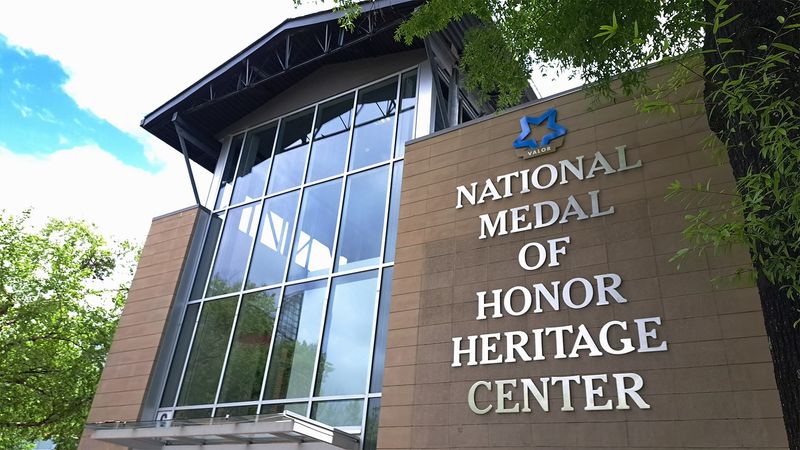
Downtown Chattanooga’s waterfront district is home to one of the nation’s newest and most impressive military museums. The National Medal of Honor Heritage Center opened in 2020 and immediately set a new standard for how military valor and sacrifice can be honored through museum design.
Sleek, modern architecture houses immersive galleries that use cutting-edge technology to tell deeply human stories.
The Medal of Honor is America’s highest military decoration, awarded for conspicuous gallantry above and beyond the call of duty. Only about 3,500 people have received it since the medal’s creation during the Civil War.
This museum honors all of them while helping visitors understand what drives ordinary people to perform extraordinary acts under fire.
Interactive exhibits let you experience (in a limited, safe way) some of the situations Medal of Honor recipients faced. You’ll make split-second decisions, understand the chaos of combat, and appreciate the incredible courage these actions required.
The technology is impressive, but it never overshadows the human stories at the center of each display.
Vietnam War exhibits occupy significant space, reflecting that conflict’s enormous impact on American military history. You’ll see artifacts, read first-person accounts, and learn about specific battles and operations.
The museum doesn’t shy away from the war’s controversies but focuses on the soldiers’ experiences and sacrifices regardless of political debates.
A full-size AH-1G Cobra helicopter hangs in the museum, a dramatic centerpiece that immediately captures attention. This attack helicopter saw extensive service in Vietnam, and seeing one up close helps you appreciate the machinery of modern warfare.
Kids are absolutely mesmerized by it, and adults find it equally impressive.
Plan for two to three hours minimum. The museum is dense with information and experiences that demand your time and attention.
Chattanooga offers plenty of other attractions nearby, so you can easily fill a full day or weekend in the city. This is unquestionably one of Tennessee’s premier military history destinations and a highlight of any military museum road trip through the state.
10. Tennessee Museum of Aviation, Sevierville
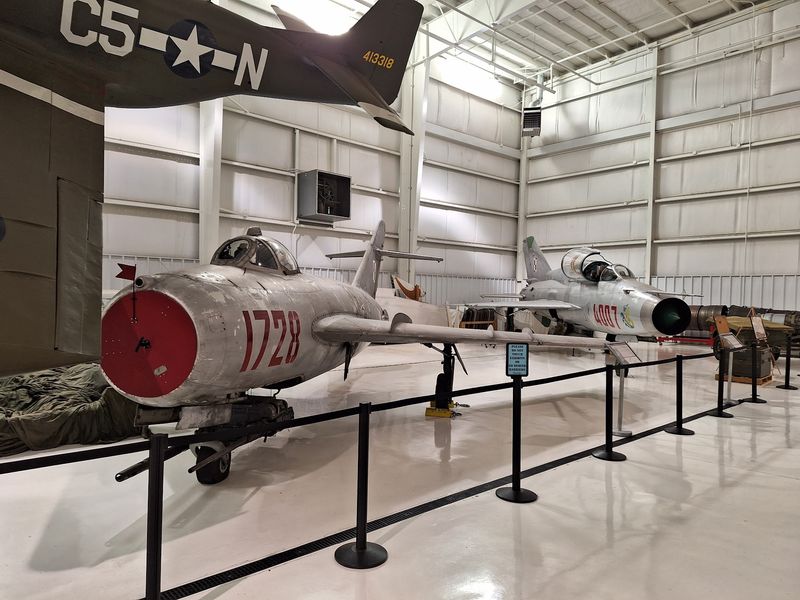
Aviation enthusiasts, prepare to have your minds blown. This massive hangar in Sevierville houses one of the Southeast’s best collections of historic military aircraft.
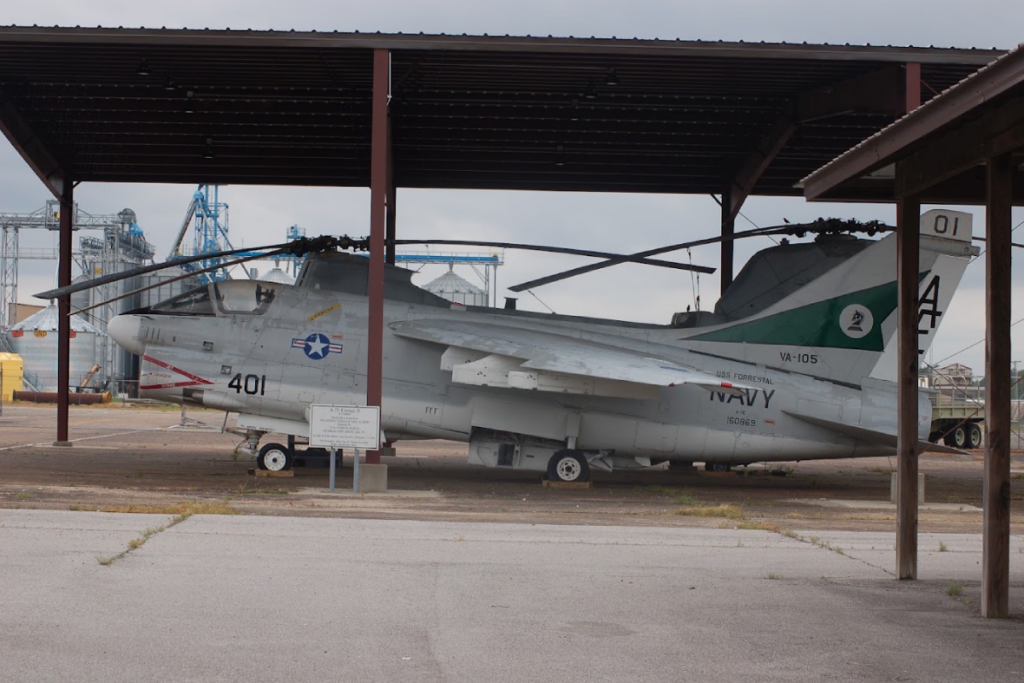
Warbirds from World War II, Vietnam-era helicopters, jet fighters, and support aircraft fill the space, each one meticulously restored and displayed. You’re not looking at dusty relics here but gleaming examples of aviation history that look ready to fly tomorrow.
The museum covers aviation’s military applications across multiple eras and conflicts. World War II gets substantial attention, with fighters and bombers that helped win the war in Europe and the Pacific.
Vietnam exhibits showcase the helicopters that defined that conflict, from Hueys to Cobras. More modern aircraft represent the jet age and contemporary military aviation.
Military vehicles complement the aircraft collection, showing the ground side of military operations. You’ll see jeeps, trucks, and other equipment that kept armies mobile and supplied.
These vehicles might not be as glamorous as fighter jets, but they played absolutely crucial roles in military success.
What sets this museum apart is the sheer scale. These aircraft are huge when you see them in person, and the museum gives you access to walk around and under them.
You can appreciate engineering details, read about each aircraft’s service history, and understand how technology evolved across decades of military aviation.
The Sevierville location puts you right in the heart of Smoky Mountain tourist country. You can easily combine your museum visit with other area attractions, though honestly, serious aviation fans could spend half a day here alone.
The museum also hosts special events including occasional flight demonstrations when weather and aircraft condition allow.
Admission prices are reasonable, especially considering the quality and size of the collection. Families will find it kid-friendly, with plenty of visual interest to keep younger visitors engaged.
Even people who aren’t particularly interested in aviation usually come away impressed. There’s something viscerally exciting about standing next to a fighter jet or looking up at a bomber’s massive wingspan.
This museum delivers that excitement along with solid historical education.
11. Tennessee State Museum, Nashville

Nashville’s Tennessee State Museum covers the full sweep of state history from prehistoric times through the 21st century. While it’s not exclusively a military museum, its permanent galleries contain substantial material on Tennessee’s military heritage.
Civil War exhibits are particularly strong, reflecting that conflict’s enormous impact on the state. You’ll also find World War I and World War II coverage, including artifacts connected to Tennessee’s most famous soldier, Alvin C. York.
York’s Medal of Honor is displayed here, one of the museum’s most significant artifacts. Seeing the actual medal awarded to this Tennessee farm boy turned war hero creates a tangible connection to his remarkable story.
The museum contextualizes York’s service within the broader narrative of Tennessee’s World War I contributions, helping you understand both the individual and the collective experience.
Civil War galleries showcase weapons, uniforms, flags, and personal items from both Union and Confederate forces. Tennessee was bitterly divided during the war, with East Tennessee remaining largely loyal to the Union while Middle and West Tennessee supported the Confederacy.
The museum explores these regional differences and their lasting impacts on state culture and politics.
Interactive elements and multimedia displays make the museum accessible to all ages. You’re not just reading text panels but engaging with history through touchscreens, audio recordings, and carefully designed exhibits.
The museum’s 2018 move to a new building brought modern museology standards to Tennessee’s state collection, and it shows in every gallery.
The museum’s separate Military Branch remains closed for renovations, making the main museum your best Nashville option for military history right now. When the Military Branch eventually reopens, it will offer even deeper coverage of Tennessee’s military heritage.
For now, the main museum provides excellent military content within its broader historical narrative.
Admission is free, making this an outstanding value for families and budget travelers. The museum sits in downtown Nashville, within walking distance of the Capitol and other attractions.
Plan for at least two hours to see the full museum, though you could easily spend longer if you’re a serious history buff. The gift shop offers quality books and souvenirs related to Tennessee history and military heritage.
Share this story