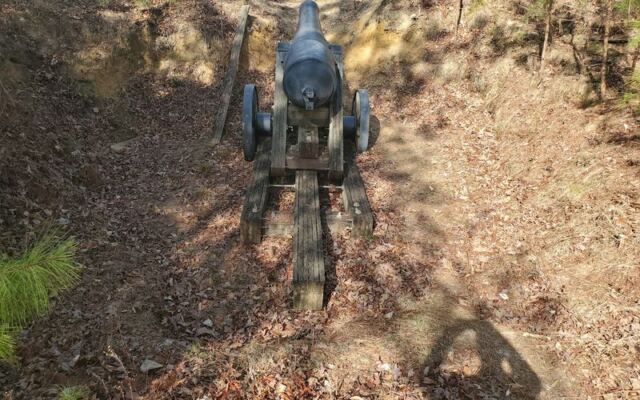
High above a bend in the Roanoke River, a set of earthen walls has outlasted every soldier who shaped them. From the water, almost nothing shows except a split rail fence at the top of a steep clay bluff.
Climb up, though, and the 1860s are waiting in plain sight. This quiet corner of eastern North Carolina keeps a Civil War story that most residents have never heard, including a strange 1970s twist involving cannons pulled from the river.
It opens only a few afternoons a year, so timing matters. Keep reading to learn where it is, what you can see, and how to plan a trip that is worth the country drive.
A Fort Tucked Into Martin County
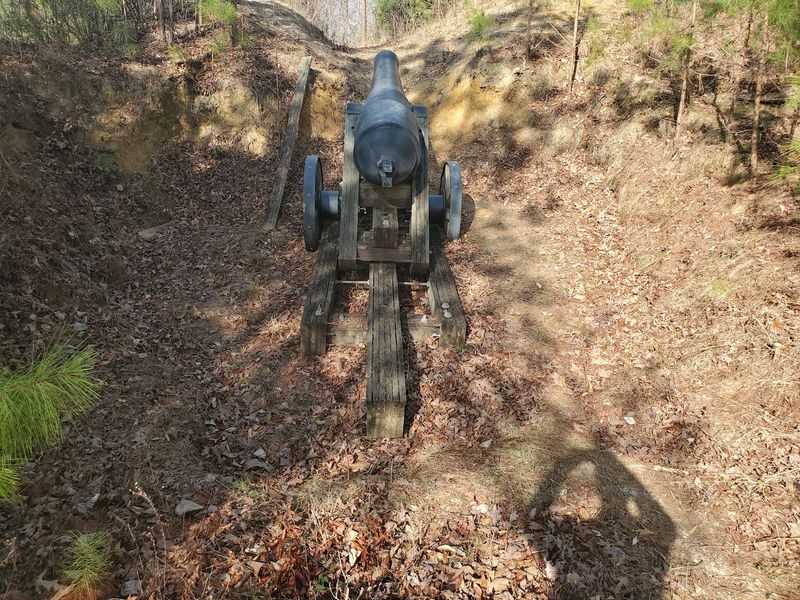
Out where the farm roads stretch long and the traffic thins, a piece of Civil War history sits waiting at the end of a quiet lane.
Fort Branch Confederate Earthen Fort Civil War Site is located at 2883 Fort Branch Rd, Oak City, NC 27857, in the eastern part of North Carolina. The site is listed as an army museum, but the real draw is outside.
The fort itself is made of earth. Soldiers shaped its walls and trenches by hand more than 160 years ago, and those features are still visible today.
Getting there is part of the outing. The approach is a country drive through rural landscape, and plenty of folks say the trip is worth every mile.
The property sits on a high bluff overlooking the Roanoke River. That location was no accident, since the river was an important route during the war.
For North Carolinians who like a weekend outing that feels a little off the map, this one checks the box.
It is not a big, polished attraction. Instead, it offers something rarer: an original fort, preserved in place, in a corner of the state many people simply drive past.
Earthworks Built for a River War
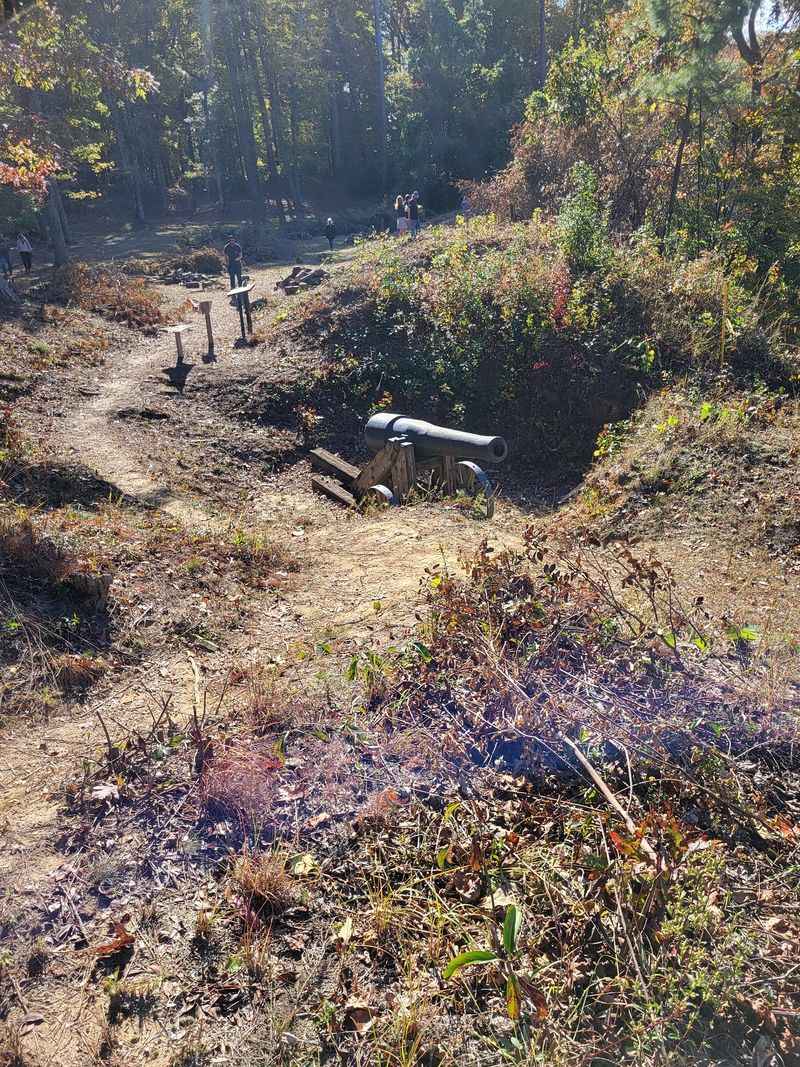
Dirt, shovels, and determination built this fort, and that simple recipe is exactly why it survived.
Unlike brick or stone forts along the coast, Fort Branch is an earthen fort. Its defenses were formed by digging trenches and piling soil into protective walls.
Those mounds have softened over the decades, yet their shape remains clear enough to follow. Walking the grounds, guests can trace where soldiers once positioned themselves along the bluff.
The setting explains the purpose. Perched high above the Roanoke River, the fort had a commanding view of the water below, a key advantage during the Civil War.
Today the site is described as a very cool fort that has been preserved. That preservation is the heart of the experience.
There are no reconstructed towers to distract from the original work. What remains is the ground itself, reshaped by human hands in the 1860s.
History buffs often find that kind of authenticity more powerful than any replica.
It is a reminder that some of North Carolina’s most important stories are written in the land, not just in books or museum cases.
The Bluff Above the Roanoke
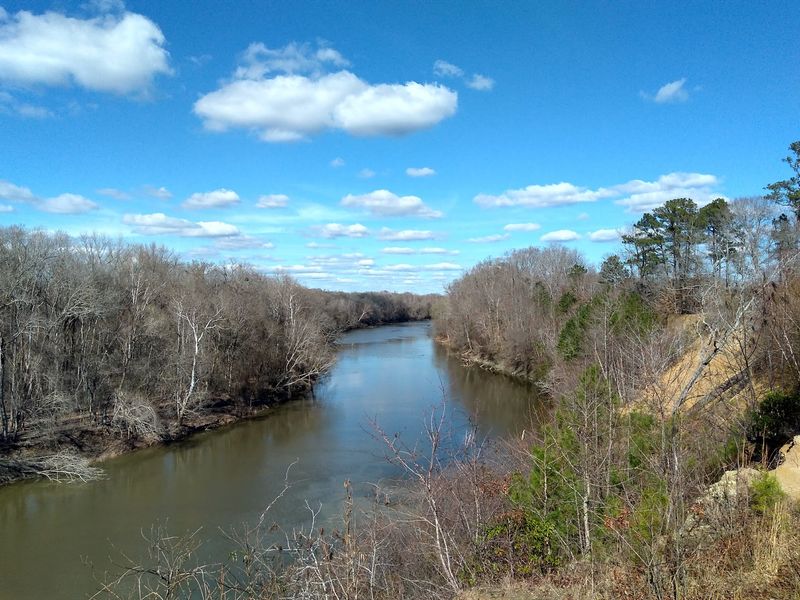
From a boat on the Roanoke, the fort practically disappears.
All that shows from the water is a split rail fence at the top of a sheer wall of rock and clay. That wall is estimated at roughly 60 to 70 feet straight up.
The height gave the fort its strength. Soldiers stationed here could watch the river while staying well above it.
River travelers have long known the spot. For years, especially through the 1990s, a set of steps was built into the bank, letting boaters climb from the river to the grounds.
Hunters heading to the federal game lands on the lower Roanoke used those steps to walk the fort and snap photos. Over time, the steps deteriorated badly.
Today they are long gone, so the river approach is no longer practical. Visits now start from the road.
Even so, the bluff remains the defining feature of the landscape. Standing near the edge, it becomes easy to understand why this high ground mattered so much.
The river below still flows past, keeping its own quiet record of the war years.
Cannons Pulled From the River
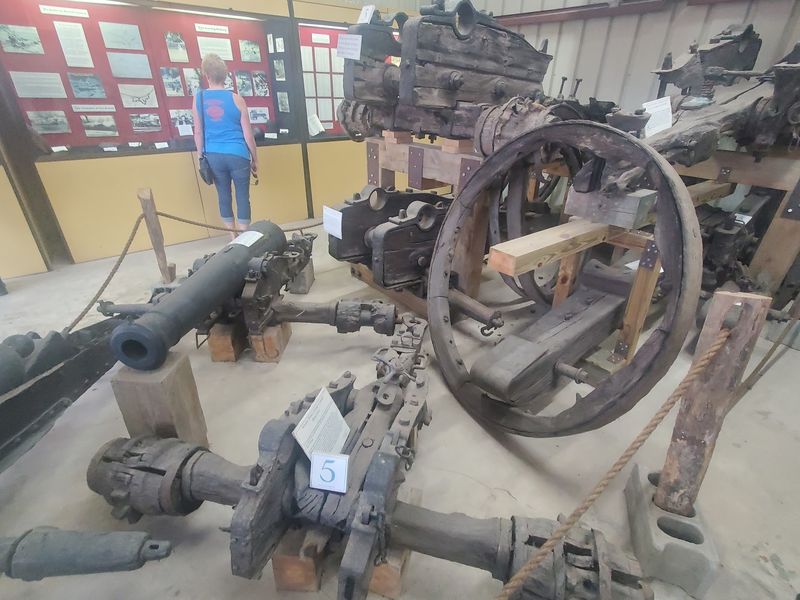
Every good history site needs a plot twist, and Fort Branch has a memorable one from 1972.
That year, cannons connected to the fort were recovered from the Roanoke River. The surprising part is how it happened.
According to the story shared about the site, an excavating company was involved in pulling the cannons from the river while trying to take them. The episode brought fresh attention to the fort and its past.
It is the kind of tale that turns a quiet visit into a conversation starter. Kids and adults alike tend to remember a story about cannons hiding underwater for over a century.
The recovery also highlights how much history can sit unseen nearby. Sometimes it takes an unexpected event to bring it back into view.
Asking the knowledgeable folks on site about the cannons is a smart move. They can share details that a sign alone may not cover.
For anyone keen on Civil War artifacts, this chapter adds real depth to a trip.
The river, it turns out, was not just a backdrop for the fort. It was also a hiding place.
Artifacts Under One Roof
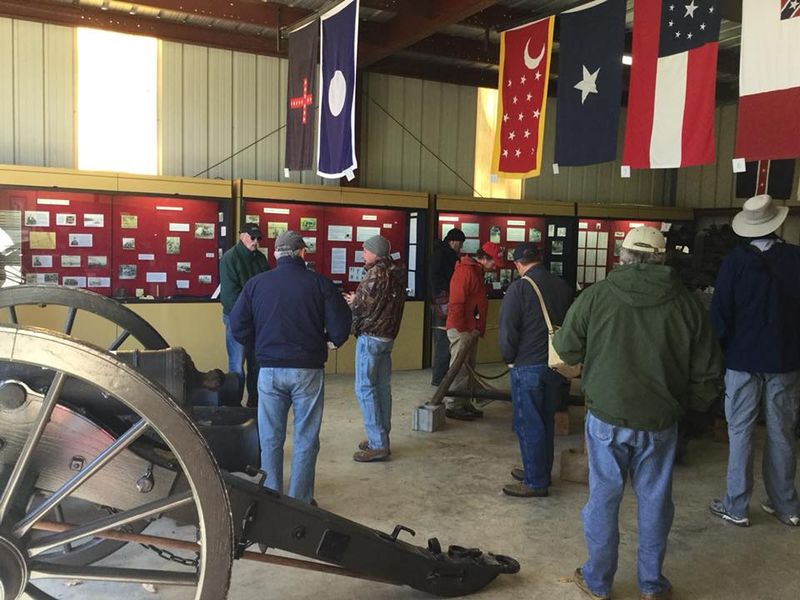
Outside, the land tells the story. Inside, the objects fill in the blanks.
The site includes a building with authentic artifacts connected to the fort’s history. Those who have toured it describe the collection as exceptional.
This museum space gives context to what guests see on the grounds. After walking the earthworks, seeing the items helps connect the trenches to the people who used them.
Fort Branch is officially categorized as an army museum, and the indoor displays are a big reason why.
The collection fits the overall character of the place. It is focused, local, and rooted in this particular fort rather than the war as a whole.
That narrow focus can make the experience feel more personal. The history here belongs to a specific bluff in Martin County.
Plan time for both parts of a visit. Rushing through the building would mean missing details that make the grounds more meaningful.
A good rhythm is to explore outdoors, then step inside, then head back out with fresh eyes.
The fort reads differently once the artifacts have added their voices to the story.
Guides Who Know Every Trench
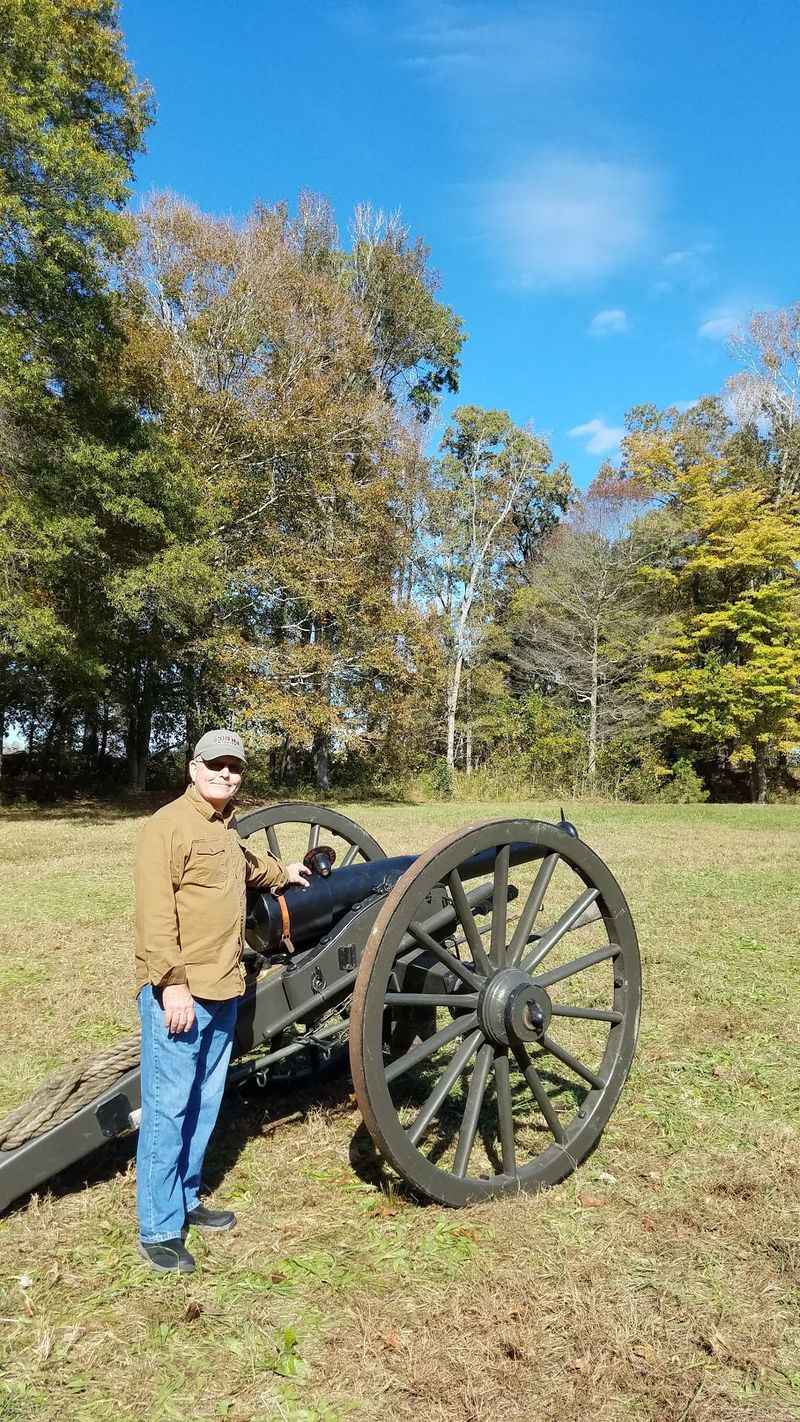
Some places rely on plaques. This one relies on people.
Friendly staff come up again and again when folks talk about Fort Branch. The volunteers and hosts are known for being helpful, informative, and extremely knowledgeable about the fort.
One tour guide named Jim has earned warm mentions for recent tours. Others describe the gentleman on duty as eager to share what he knows.
That personal touch matters at a site this small. A good guide can point out details in the earthworks that a first-time guest would never notice.
Questions are welcome here. Asking about the soldiers, the river, or the recovered cannons can turn a simple walk into a real lesson.
Families often appreciate this style of learning. History feels less like homework when it comes from someone who clearly cares about it.
Many people leave saying they learned a lot about Civil War history in North Carolina.
The folks running Fort Branch are a big reason the site feels welcoming rather than stuffy.
Bring curiosity, and the conversation will likely take care of itself.
November Brings the Battle Back
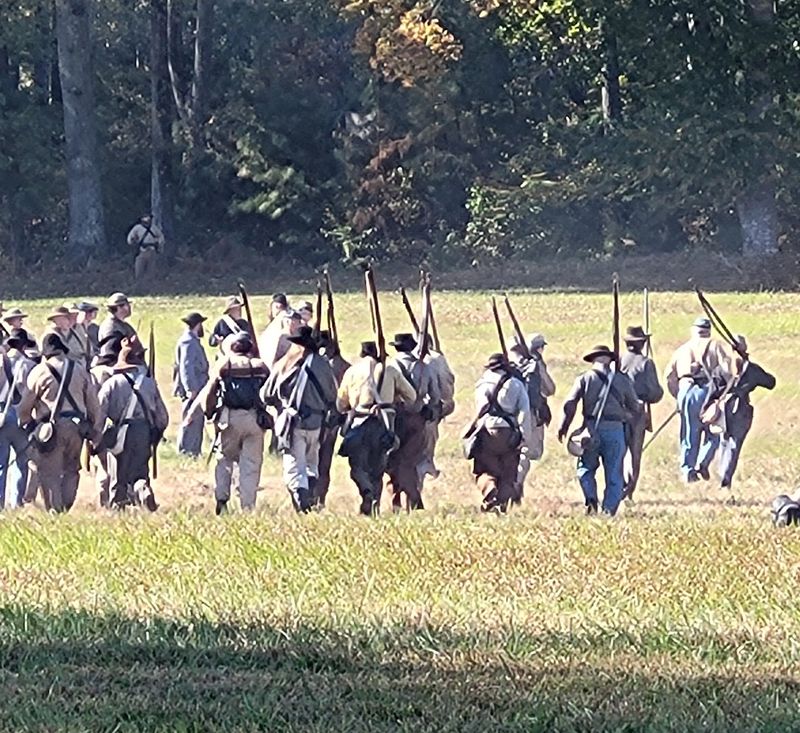
Once a year, the quiet bluff gets loud.
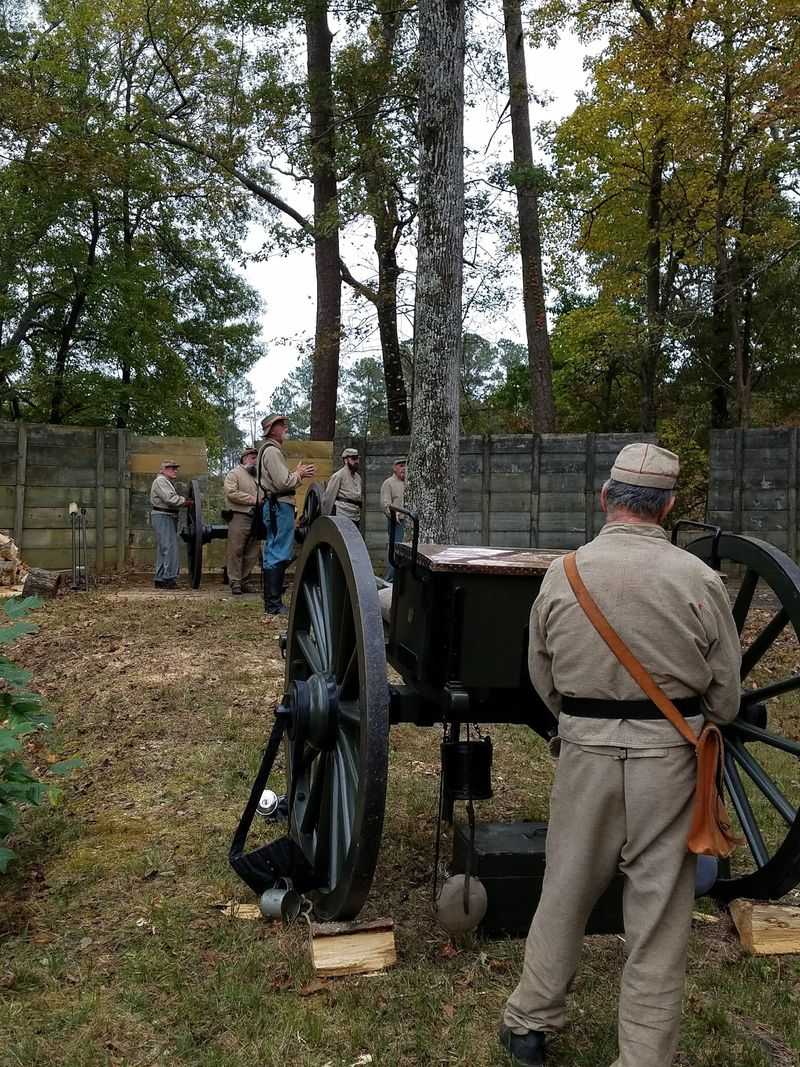
Fort Branch hosts an annual Civil War reenactment, usually in November, and it is easily the most talked-about event at the site.
During the reenactment, the grounds come alive with participants in period dress. Battle scenes play out near the original earthworks, which adds a layer of realism few events can match.
People who attend often call it so realistic that it changes how they think about what soldiers went through.
Families tend to come back year after year. Many first-timers leave already planning their return trip.
The event also offers a chance to talk with the reenactors themselves. They are usually happy to explain their gear, their roles, and the history behind each scene.
Food is typically available during the weekend, and some guests make a full day of it.
Special events also take place in November and December, so checking the website for exact dates is essential.
For a first visit, the reenactment weekend may be the best introduction. It shows the fort not as ruins, but as a place once full of activity.
Room to Breathe and Camp
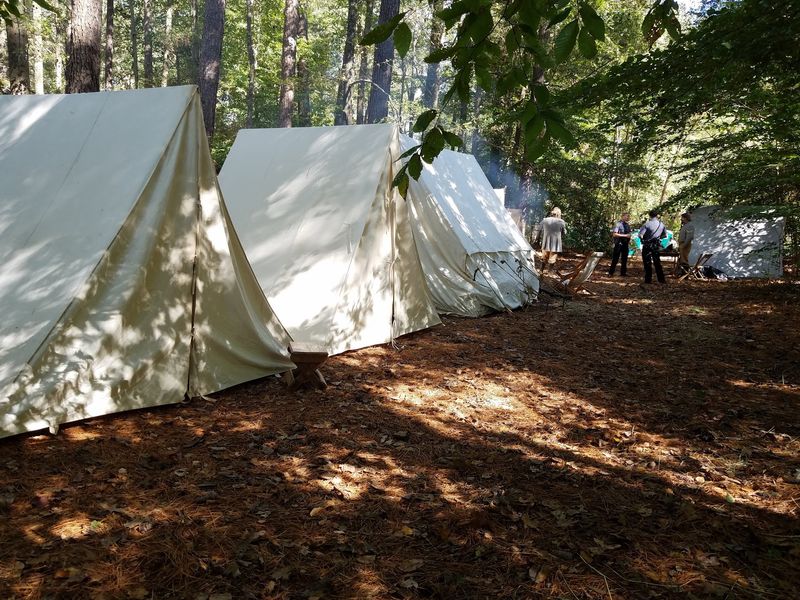
Quiet is not a selling point most attractions can claim. Fort Branch claims it easily.
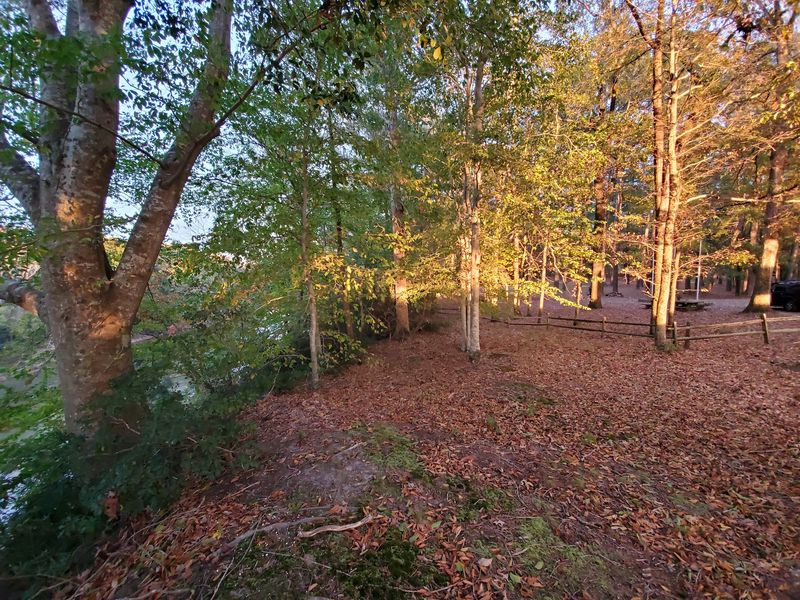
The site is often described as serene, peaceful, and relaxing. Outside of event weekends, it sees few crowds, which suits anyone hoping to escape busy tourist stops.
Tall trees cover much of the property. They frame the earthworks and add to the calm, wooded setting along the bluff.
Camping areas are part of the experience as well, and they have been praised as really nice. They are especially popular during reenactment weekends, when people want to stay close to the action.
The pace here invites lingering. There is no need to rush from exhibit to exhibit.
Families with kids can explore at an easy pace, since the grounds are simple to get around.
For North Carolinians worried about popular spots getting overrun, this place feels like a refreshing exception.
It rewards patience and respect for the grounds. Treating it gently helps keep it peaceful for the next group who makes the drive.
Sometimes the best history lesson comes with plenty of breathing room.
Timing Your Trip Right
Showing up on a random weekend is the fastest way to find a locked gate.
Current listed hours show Fort Branch open on Saturdays from 1:30 to 5:30 pm, with every other day closed. However, the actual schedule is more limited than that.
The site has generally opened on select Saturday afternoons each month from April to October. Special events follow in November and December.
Signs at the gate have not always matched the real schedule. Some people have driven out only to find it closed.
The best move is to check the official website, fortbranchcivilwarsite.com, before heading out.
Appointments are another option. Calling the number listed on the website may allow someone to meet guests and open the site on a different day.
The property is privately owned. Relic hunting is absolutely not allowed, and violators can face prosecution.
Sneakers are a smart choice for walking the grounds, and bug spray is a good idea too.
No admission prices were available in the information reviewed, so confirm details when you check the schedule.
Worth the Back-Road Miles
Not every outing needs crowds, gift shops, or a long list of attractions.
Fort Branch offers something simpler and more lasting. It is an original Civil War fort, still shaped by trenches dug more than 160 years ago, sitting quietly above the Roanoke River.
The site suits history lovers, curious families, and anyone who enjoys a scenic country drive with a payoff at the end.
Its limited hours take some planning. That small effort helps keep the place calm and well cared for.
The reenactment weekend may offer the most memorable introduction. A quiet Saturday afternoon, on the other hand, gives more time to talk with the knowledgeable guides.
Either way, the earthworks, the artifacts, and the stories about recovered cannons give plenty to think about on the ride home.
For North Carolinians, there is a special satisfaction in finding a place like this so close by.
It is proof that the state still holds surprises tucked down rural roads.
Check the website, pack sneakers and bug spray, and make the trip to Oak City. The bluff has been waiting a long time for company.
Share this story