
Some New Jersey views demand steep scrambles, aching calves, and an awkward slide down a boulder you confidently climbed five minutes earlier. These do not.
The trails ahead trade punishing elevation for marsh boardwalks, gentle woodland paths, reservoir loops, and short climbs that reach surprisingly dramatic scenery. One moment you are walking beneath hemlocks; the next, the Delaware River is curling below you or Manhattan is filling the horizon.
There are waterfalls for cool spring mornings, open bay views for breezy summer afternoons, and high ridges where autumn seems to spread across half the state. A few routes require sturdy shoes, but none expects you to audition for an outdoor survival show.
Some can be completed before lunch, while others let you choose your own turnaround point. Pack water, check current trail conditions, and bring a camera.
These 13 walks prove that New Jersey can deliver a serious scenic payoff without turning the journey into an endurance test.
1. Sunrise Mountain Overlook Trail – Stokes State Forest
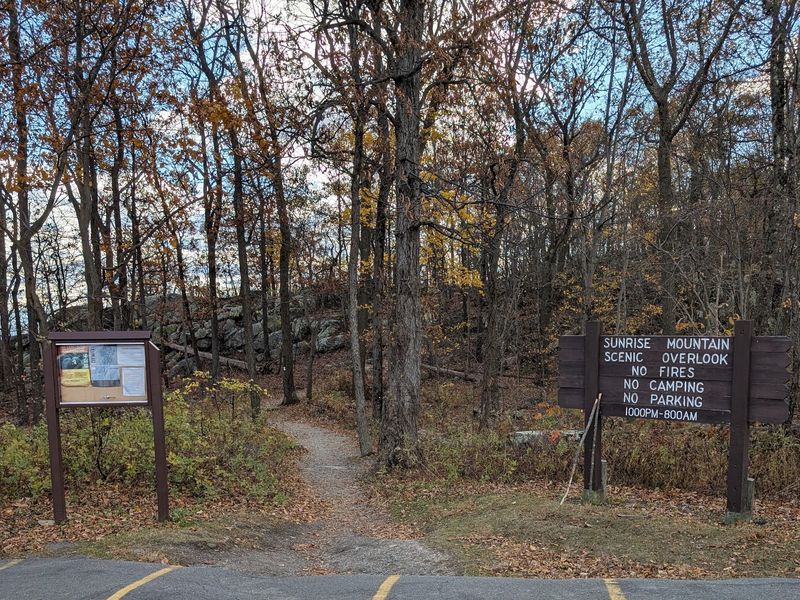
The hardest part of seeing one of Sussex County’s grandest panoramas may be deciding how long to stand there. Sunrise Mountain rises along the Kittatinny Ridge in Stokes State Forest, but a seasonal road does most of the climbing before visitors ever leave their cars.
From the parking area, a brief walk leads to a stone pavilion and an expansive overlook facing east across farms, forests, and distant hills. On a clear morning, the landscape seems to keep unfolding long after you expect it to stop.
The Appalachian Trail crosses the ridge here, making it easy to extend the outing in either direction. Follow a short section for a proper woodland walk, then return to the pavilion without committing to a long or strenuous hike.
The ridge can be rocky, so shoes with decent grip are more useful than sandals, even if you plan to wander only briefly. Early morning delivers the experience promised by the mountain’s name, while autumn brings a wide quilt of orange, red, and gold.
The access road is generally seasonal and weather can change quickly at this elevation, so confirm that the road is open before driving out. When conditions cooperate, Sunrise Mountain offers a mountain-top reward with an almost comically small amount of climbing.
2. Pochuck Boardwalk – Vernon
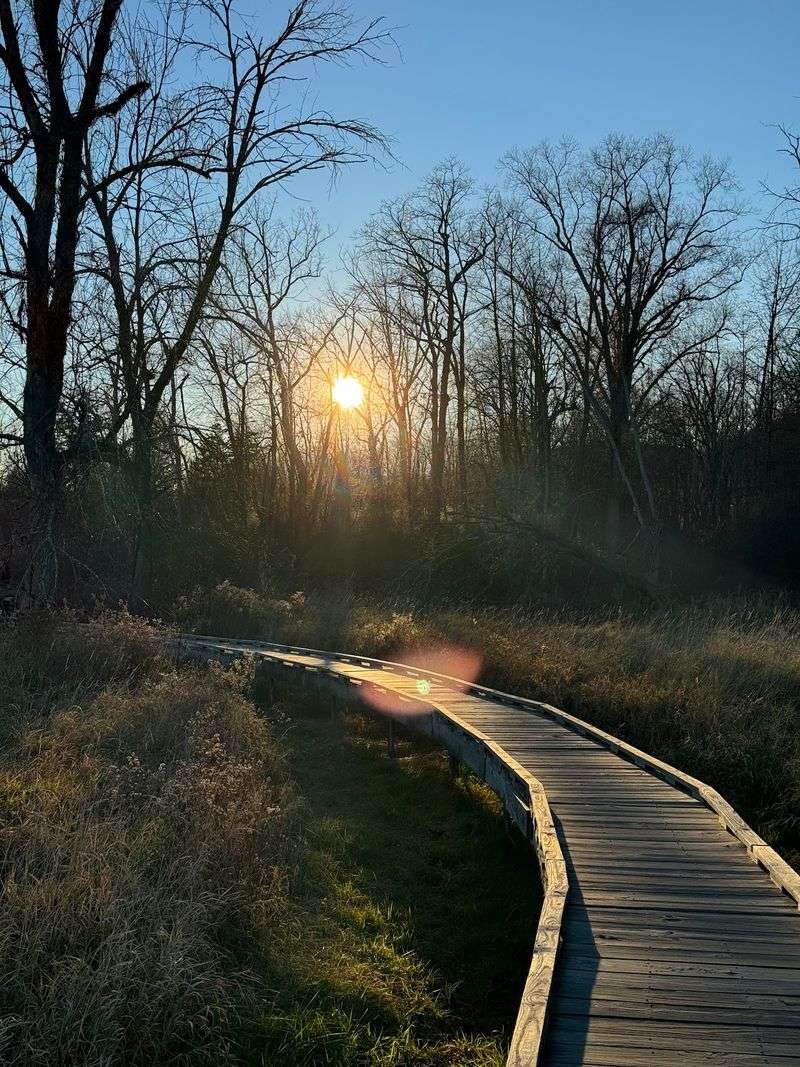
A wooden walkway floats above cattails, wetlands, and open pasture as the Appalachian Trail takes one of its gentlest detours through Vernon. The Pochuck Boardwalk feels more like a country ramble than a mountain hike, although distant ridges provide an impressive backdrop almost the entire way.
Long stretches of boardwalk cross the marsh, occasionally interrupted by small bridges and narrow sections where wildflowers grow close enough to brush the railings. The route’s memorable centerpiece is the Pochuck Suspension Bridge, a modest but entertaining crossing that adds a little bounce to an otherwise level outing.
An out-and-back walk of roughly two miles captures the best of the boardwalk without continuing toward the much steeper Stairway to Heaven section. Turn around before the trail begins its serious climb and you will preserve the low-effort bargain.
Bird activity is excellent around dawn, and mist over the marsh can make an ordinary morning look unusually cinematic. Parking is limited near the trail access and fills rapidly on fair-weather weekends, so arrive early or choose a weekday.
The boards may also become slick after rain or frost. This is one of those walks where the scenery begins almost immediately, leaving no long approach to endure before the landscape finally decides to show off.
3. Tillman Ravine Trail – Stokes State Forest

Water does most of the talking in Tillman Ravine. It slips over dark rocks, gathers in clear pools, and tumbles beneath old hemlocks that keep this corner of Stokes State Forest noticeably cooler than its surroundings.
The main loop is approximately a mile, yet it squeezes in the kind of mossy, deeply wooded scenery usually associated with a much longer backcountry hike. Footbridges and stone steps guide walkers beside Tillman Brook, with several places to pause and watch the cascades work through the ravine.
Spring usually produces the liveliest flow, while autumn surrounds the water with copper leaves and flashes of yellow. The path is short rather than perfectly flat.
Expect exposed roots, uneven stones, and a few stair-like climbs that require attention, particularly when the ground is wet. Still, the route remains manageable for most casual walkers who take their time and wear sturdy shoes.
The trail can be combined with a visit to nearby Walpack Cemetery or Old Mine Road, but it stands perfectly well as a compact outing of its own. Pack insect repellent in warm weather and resist stepping off-trail for a closer photograph; the banks are fragile and deceptively slippery.
Tillman Ravine delivers waterfalls, forest shade, and a touch of wilderness before anyone has time to ask how much farther it is.
4. High Point Monument Trail – High Point State Park
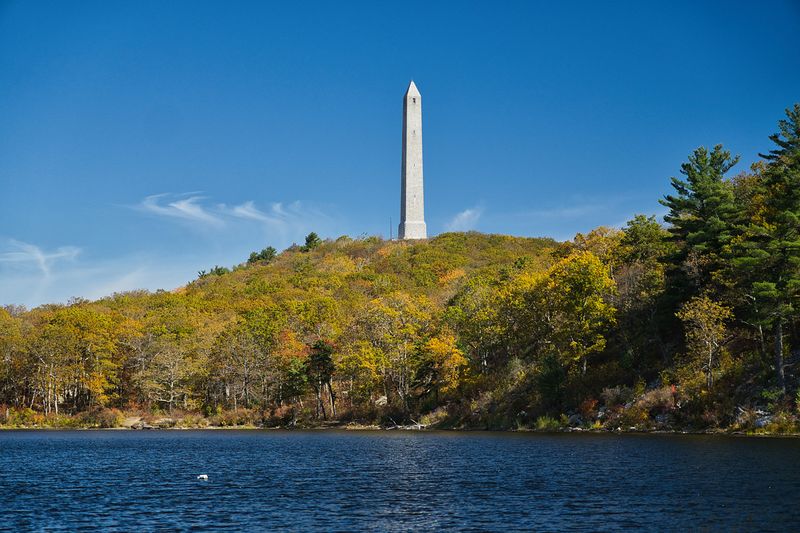
New Jersey’s highest elevation comes with a welcome shortcut. Drivers can reach the upper portion of High Point State Park before setting out on the Monument Trail, a roughly three-and-a-half-mile loop circling the summit area.
The route passes through hardwood forest, crosses open stretches, and repeatedly hints at the enormous view waiting near the top. Its payoff is the 220-foot High Point Monument, which stands 1,803 feet above sea level and marks the state’s loftiest point.
From the surrounding overlook, three states spread across the horizon: New Jersey, New York, and Pennsylvania. The Delaware River, Kittatinny Ridge, and patchwork farmland below create a panorama far larger than the trail’s moderate distance suggests.
This is the most hike-like outing on the list, with rocky footing and some noticeable inclines, but it avoids the sustained climbing required by many summit routes. Anyone wanting an easier version can park near the monument and take a much shorter walk around the viewpoints.
Wind is common at the summit, even when lower elevations feel warm, so carry a layer outside midsummer. Autumn weekends attract crowds and parking can become competitive.
Visit on a weekday or arrive early, then linger beside the monument after completing the loop. Few places offer a better opportunity to claim you reached New Jersey’s summit without mentioning how conveniently the road helped.
5. State Line Lookout Loop – Palisades Interstate Park
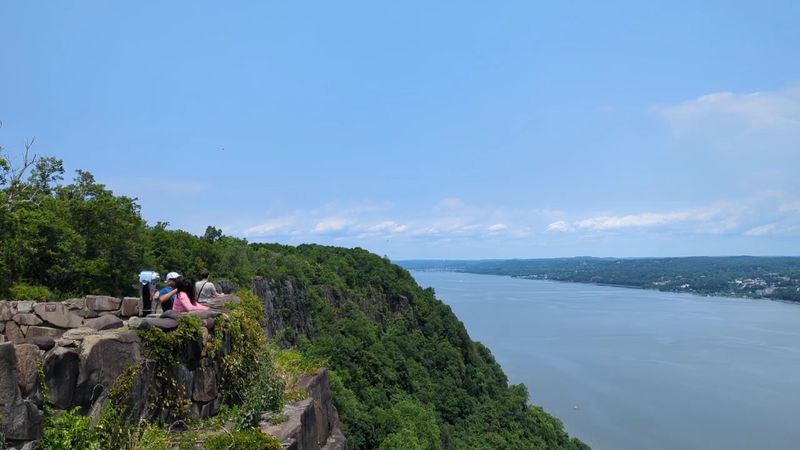
Hawks glide below eye level at State Line Lookout, where the Palisades drop sharply toward the Hudson River. The dramatic setting makes it seem as though a difficult ascent must be involved, but the parking area begins at the top of the cliffs.
For an easy outing, follow the Long Path south toward the Women’s Federation Monument, a stone tower resembling a small woodland castle. The out-and-back route covers about two miles and combines cliff-top views with forest, stone steps, and just enough uneven terrain to keep it interesting.
Openings along the ridge reveal the Hudson, Westchester communities across the water, and miles of the Palisades’ dark volcanic cliffs. Fall is especially rewarding because migrating raptors frequently pass the lookout, where dedicated hawk watchers gather with binoculars and impressive patience.
This route should not be confused with the nearby Giant Stairs, a difficult boulder scramble intended for experienced hikers. Stay on the marked Long Path and turn around at the monument for the gentler experience.
The refreshment stand and restrooms at State Line Lookout operate seasonally, and access is from the Palisades Interstate Parkway. Take care near cliff edges and keep children close.
For the amount of effort involved, the combination of river, forest, wildlife, and sheer geological drama feels almost unfairly generous.
6. The Tourne Trail – Boonton Township
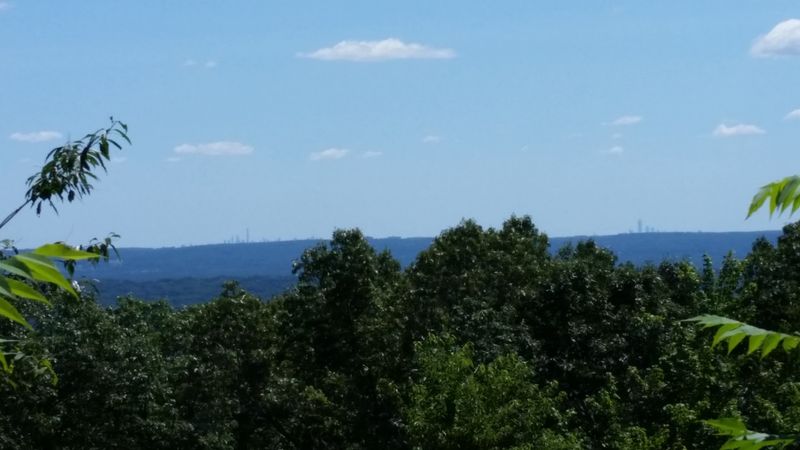
Manhattan appears between the trees when you least expect it, a tiny steel skyline rising beyond the wooded hills of Morris County. That surprise is the signature reward at Tourne County Park, where a manageable network of paths climbs to one of the area’s best natural viewpoints.
A loop using the red-blazed Tourne Trail and connecting paths can be kept around two to three miles, depending on the route chosen. There are inclines, but they arrive in short bursts rather than one relentless climb.
At the high point, an open rock outcrop provides room to catch your breath and scan the horizon. Clear winter days offer the sharpest skyline views, while spring brings wildflowers and autumn fills the forest with color.
The park’s broad paths and numerous intersections make it easy to customize the walk, though that same network can become confusing without a trail map. Photograph the map at the trailhead before starting and watch the blaze colors carefully.
Mountain bikers also use parts of the system, so stay alert around bends. Families can pair the walk with the playground and picnic areas near the parking lot.
The Tourne is not a wilderness epic, and that is precisely its charm: it provides a satisfying little climb, a genuine summit moment, and a distant view of New York without consuming the entire day.
7. Hemlock Falls Trail – South Mountain Reservation
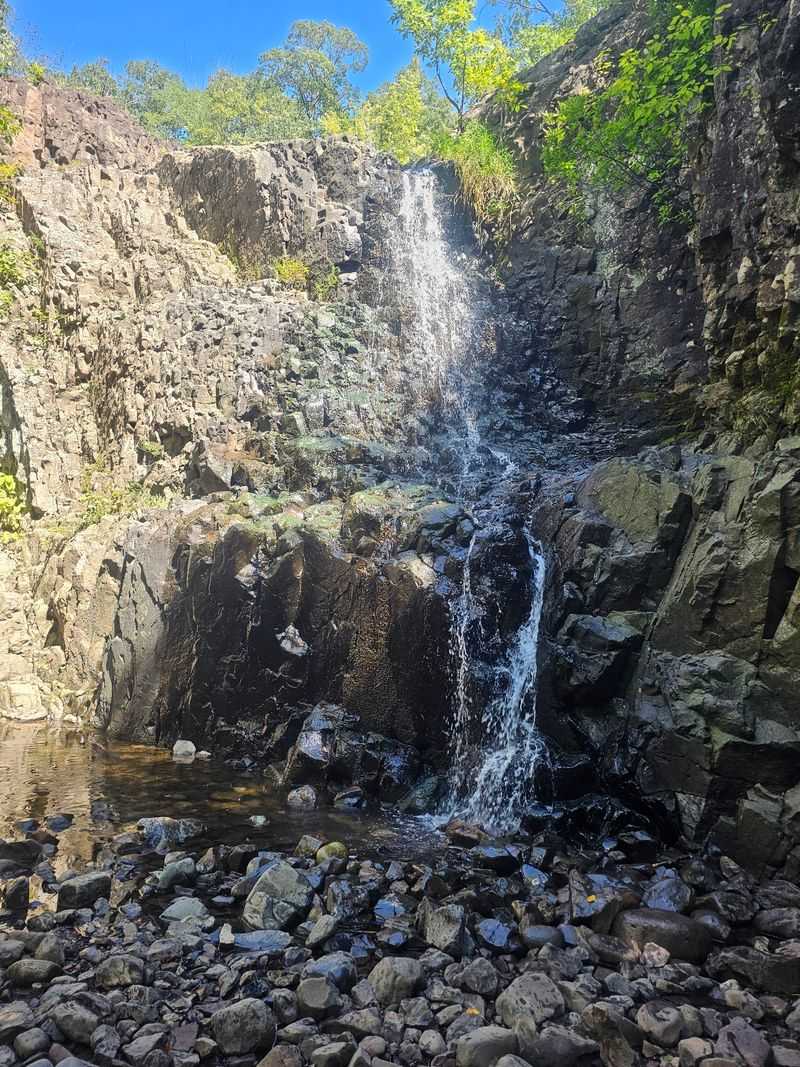
After a good rain, Hemlock Falls makes an entrance. Water fans across a rock ledge in South Mountain Reservation, dropping into a shaded ravine within a surprisingly wild pocket of Essex County.
The falls can be reached on an out-and-back route of roughly one to two miles, depending on the chosen trailhead and connecting paths. That flexibility makes this an easy scenic fix when a full hiking day is not on the schedule.
The walk follows forest trails beside streams, stonework, and moss-covered boulders before arriving at the main cascade. Water levels vary considerably; late winter and spring usually provide the strongest display, while dry summer periods can reduce the falls to a quieter trickle.
Even then, the wooded ravine remains a peaceful destination. Trail markings and intersections can be more complicated than the short distance suggests, so carry a map and note which lot you used.
Mud is common after the very rain that makes the waterfall look its best, and rocks near the base become slick. Shoes with traction are essential.
Weekday mornings are the best bet for a quieter visit, as the reservation is popular with local walkers, runners, and families. Hemlock Falls feels wonderfully removed from nearby suburban streets, yet it asks for little more than an hour and a willingness to get your shoes slightly dirty.
8. Goat Hill Overlook Trail – Lambertville
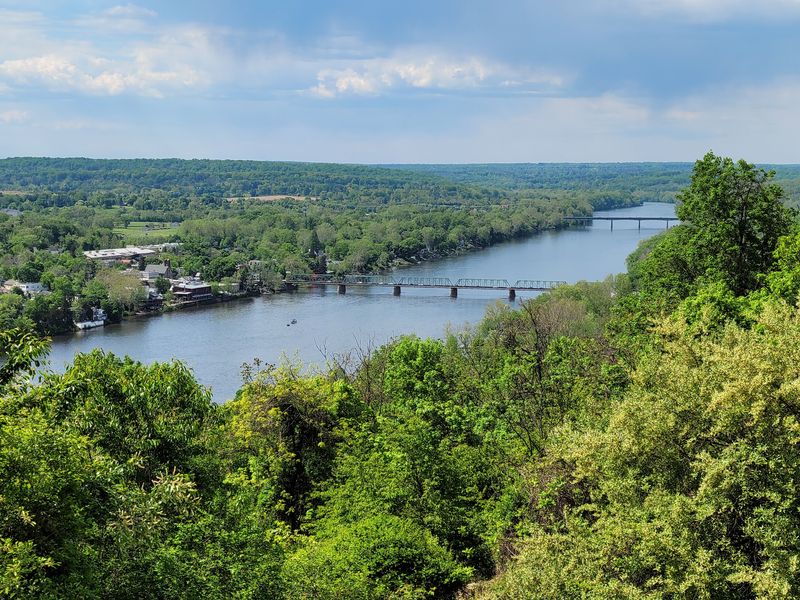
George Washington reportedly used Goat Hill as a lookout during the Revolutionary War, and the strategic appeal becomes obvious the moment the trees open. Far below, the Delaware River bends past Lambertville and New Hope, with forested hills rolling away on both sides of the state line.
Reaching the main overlook requires a relatively short walk, generally around a mile each way depending on where you begin. The path follows old woods roads and forest trails, gaining elevation steadily but without the rock scrambling found on tougher New Jersey overlooks.
A bench near the viewpoint provides an excellent excuse to stop, unpack a snack, and watch traffic cross the bridge between the two river towns. Winter reveals the widest panorama through bare branches, while fall turns the valley into a deep bowl of color.
The trail can become muddy, and some stretches are uneven enough to justify proper walking shoes. Trail signage is limited in places, so review the route before setting out and remain on established paths within the preserve.
Parking near the trailhead is modest, making early arrival sensible on crisp weekend afternoons. Once the walk is finished, Lambertville’s cafés and shops are only a short drive away.
Goat Hill combines history, a river-valley panorama, and a manageable climb that feels substantial enough to earn lunch without requiring the rest of the day for recovery.
9. Hudson River Waterfront Walkway – Hoboken
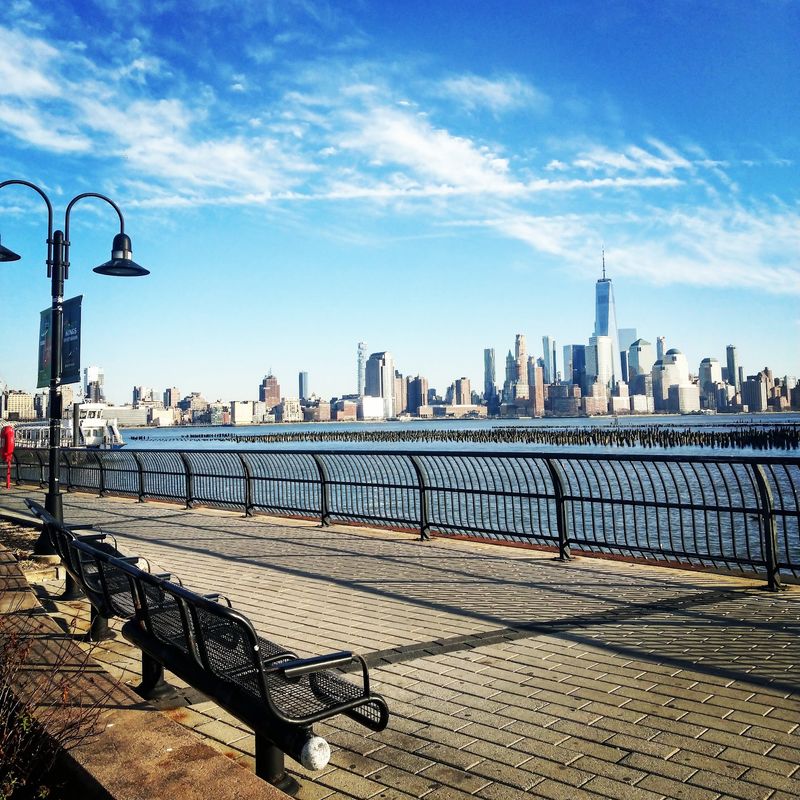
Skyscrapers replace mountain peaks on this level waterfront route, and the view never hides behind trees. Along Hoboken’s section of the Hudson River Waterfront Walkway, Manhattan stretches across the water like a continuously changing mural.
The Empire State Building, Hudson Yards, and Lower Manhattan all enter the frame as walkers move between piers, lawns, pocket parks, and the historic Hoboken Terminal. Begin near Pier A Park for a classic panorama, then head north toward Pier C and Maxwell Place Park.
The path is paved, almost entirely flat, and easy to shorten or extend according to mood. Benches appear frequently, while coffee shops and restaurants sit only a few blocks inland.
Sunrise casts warm light onto the skyline, but evening brings its own reward when thousands of windows flicker on across the river. Weekends are busy with runners, cyclists, strollers, and dogs, so keep right and pay attention where the route narrows.
Public transportation is far easier than hunting for street parking; PATH trains, NJ Transit services, and ferries all reach the Hoboken waterfront. This may not look like a traditional hike, yet it fulfills the same basic promise: fresh air, forward motion, and a view that keeps pulling you onward.
Best of all, the elevation gain is practically nonexistent and post-walk pastries are never far away.
10. Manasquan Reservoir Perimeter Trail – Howell
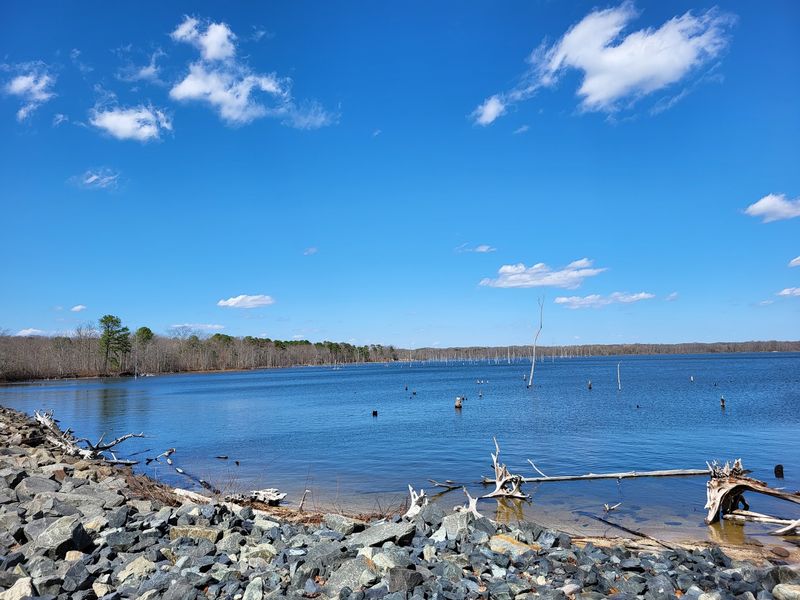
A bald eagle passing over the water can turn an ordinary morning walk into the story you tell all week. The Manasquan Reservoir attracts an impressive variety of birds, and its broad Perimeter Trail provides nearly continuous opportunities to scan the shoreline.
The full gravel loop covers just over five miles, but the level terrain makes it far less demanding than that number suggests. Walkers who want a shorter outing can simply turn around after reaching a favorite viewpoint.
The trail moves through woods and open areas beside the reservoir, with long water views that become especially striking when autumn color reflects off the surface. Ospreys, herons, turtles, and deer are common possibilities, though wildlife naturally keeps its own schedule.
Bring binoculars if birdwatching is part of the plan. The path is shared with runners, cyclists, and equestrians, so remain aware of faster users approaching from behind.
Shade varies, making sunscreen and water important on warm days. The reservoir has multiple access areas, but the visitor center side is a convenient starting point and offers facilities as well as educational displays.
Early morning tends to be cooler and quieter, with better odds of spotting wildlife close to shore. This is the rare five-mile walk where the scenery does enough distracting that the distance seems to shrink.
11. Island Trail – Cattus Island County Park
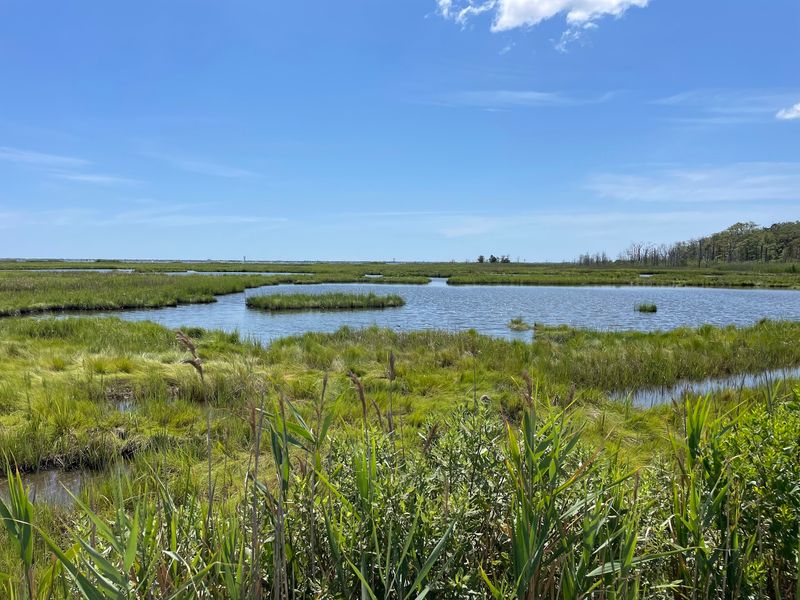
Salt air reaches the woods before Barnegat Bay comes into sight. At Cattus Island County Park, the Island Trail passes through maritime forest and wetlands before emerging at open-water viewpoints where osprey platforms, marsh grasses, and distant shoreline fill the scene.
The terrain is almost entirely flat, and connecting paths allow visitors to shape a walk that suits their available time. A leisurely route toward the bay and back can fit comfortably into a morning without becoming a major expedition.
The reward is not one towering overlook but a series of calm, wide vistas that change with the tide and light. Egrets stalk the shallows, ospreys circle overhead, and diamondback terrapins sometimes appear near marshy edges.
Mosquitoes also appreciate the habitat, so repellent is a wise addition during warmer months. Parts of the trail can hold water after heavy rain, while exposed bayfront sections feel windy in cooler weather.
Stop at the Cooper Environmental Center to see native reptiles, fish, and exhibits about the Barnegat Bay ecosystem. An accessible boardwalk and butterfly garden offer additional options for visitors who want an even gentler outing.
Cattus Island feels more secluded than its Toms River address suggests, delivering shore scenery without boardwalk crowds, beach badges, or a long trudge through deep sand.
12. Tindey Trail – Jakes Branch County Park
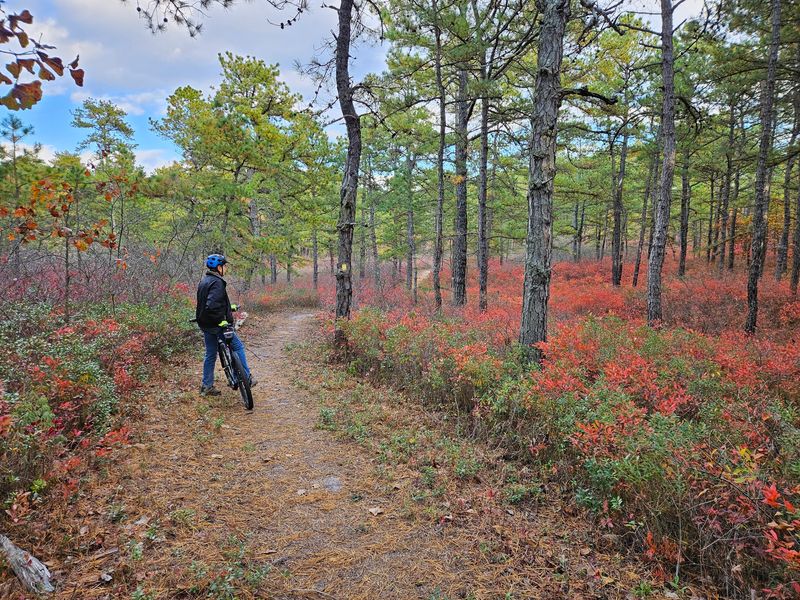
Pine Barrens scenery works on a different scale. Instead of cliff edges and distant skylines, the Tindey Trail at Jakes Branch County Park offers straight pine trunks, sandy paths, cedar wetlands, and an enormous bowl of sky.
The loop runs approximately three and a half miles, yet the level ground and several shortcut options make it friendly to casual walkers. Trail markers lead through classic Pinelands habitat where scrub oak, pitch pine, and low blueberry bushes crowd the edges.
Listen for woodpeckers and warblers rather than expecting dramatic elevation changes. The biggest view waits back at the nature center, where a five-story observation deck rises above the treetops.
From the top, the surrounding forest extends toward the horizon with barely a building interrupting the green. It is a perspective few people realize southern New Jersey can provide, and climbing a staircase is far easier than hiking up a mountain to find it.
The deck and nature center have separate operating hours from the wider park, so time the visit accordingly. Sandy footing drains well, but summer heat can feel intense on exposed sections; morning walks are most comfortable.
Families can shorten the adventure by using the Discovery Play Trail and then visiting the deck. Jakes Branch proves that a flat landscape can still produce a remarkably big finish.
13. Songbird Trail – Cape May Point State Park
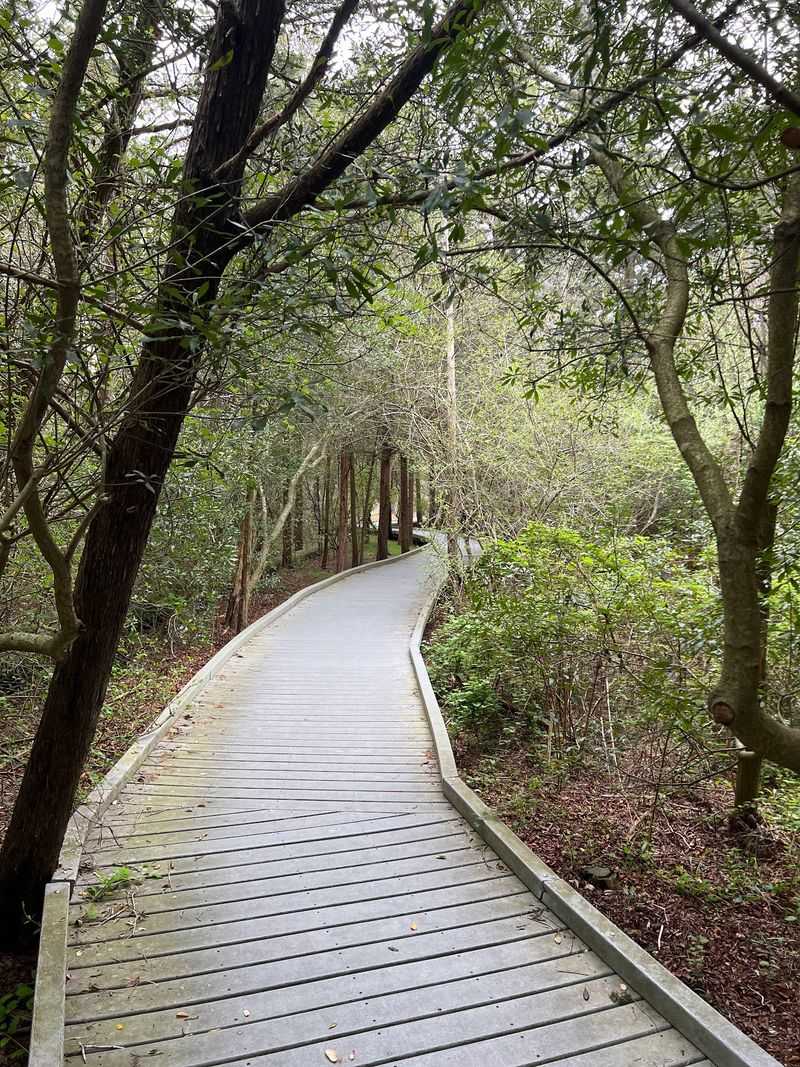
Red-winged blackbirds, swans, and migrating warblers provide the soundtrack at Cape May Point State Park, where the Songbird Trail loops around ponds and coastal habitat near the southern tip of New Jersey. At roughly a mile and a half, the route is short, level, and packed with viewing opportunities.
Boardwalks and sandy paths pass freshwater wetlands, wooded thickets, and observation platforms used by birders from around the world.
During spring and fall migration, the number and variety of birds can be extraordinary, but even complete beginners can enjoy watching ducks, herons, and hawks without knowing every species by name.
Bring binoculars if you have them and pause at the platforms rather than rushing through the loop. The Cape May Lighthouse rises above the trees for much of the walk, adding a strong visual landmark and an optional stair-climbing challenge afterward.
Coastal weather changes quickly, so pack a light layer even on sunny days. Some sandy stretches may be awkward for strollers or wheelchairs, although the park includes shorter boardwalk options near the main area.
Parking is convenient but becomes busy during summer and major migration weekends. The Songbird Trail finishes this list with exactly the right bargain: minimal mileage, no punishing climb, and a landscape alive with water, wings, and Atlantic light.