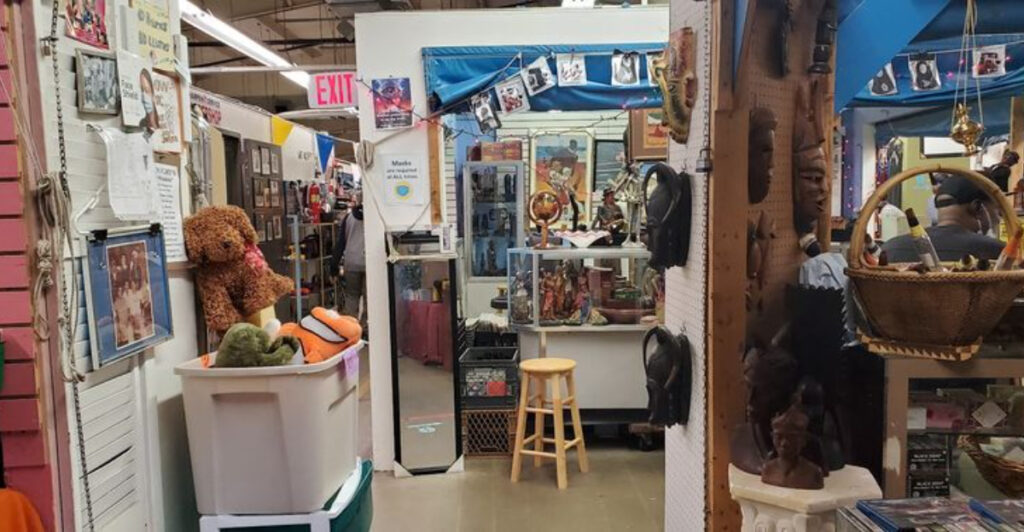
A faded leather jacket from the 1970s. A box of mismatched restaurant silverware.
An ornate iron gate that weighs more than your car. New Jersey’s secondhand scene is wonderfully unpredictable, but finding the right place matters.
Some shoppers want neatly sorted clothing racks and color-tag discounts; others are happiest elbow-deep in a bin where every garment costs pennies on the dollar.
Serious collectors need old records, advertising signs, and furniture with a little history, while unapologetic oddball hunters prefer taxidermy, horror art, and things nobody can identify.
Fortunately, the state has a market for every one of them. This list covers sprawling thrift warehouses, long-running flea markets, architectural salvage yards, antique centers, and one gloriously unconventional gathering of underground makers.
Bring measurements if you need furniture, cash for vendors who do not take cards, and enough trunk space for the purchase you absolutely did not plan to make. Around here, “just browsing” rarely survives the first aisle.
1. Red White & Blue Thrift Store – Paterson
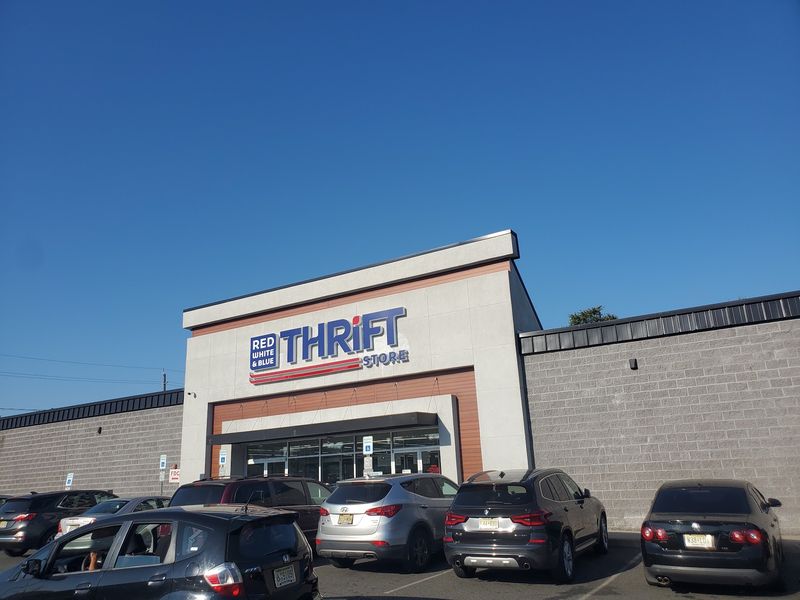
Clothing hunters who believe patience should be rewarded will feel right at home inside this Paterson heavyweight. The racks are densely packed, the turnover is brisk, and staff members keep adding merchandise throughout the day.
That combination makes it possible to find contemporary basics, older labels, leather jackets, sneakers, handbags, and the occasional genuinely vintage piece during the same lap. This is not curated boutique thrifting, where six old sweatshirts occupy an artfully distressed pipe rack.
It is a high-volume search that favors shoppers willing to inspect tags, check seams, and slide through plenty of ordinary pieces before uncovering the winner.
Beyond clothing, the store carries jewelry, electronics, housewares, accessories, and small decorative items, so it works just as well for someone building a first apartment as it does for a reseller chasing overlooked brands.
The color-coded tags make it easy to identify prices, though the fullest racks can require a little maneuvering. Set aside more time than you think you need and edit your cart before checking out; several decent finds can quietly become one very large haul.
The store sits on McLean Boulevard and has its own parking, which helps when the bags multiply. Most importantly, arrive with cash.
The store has traditionally operated on a cash-only basis, and relying on an on-site ATM can add an unnecessary fee to an otherwise excellent bargain.
2. Udelco – Hawthorne
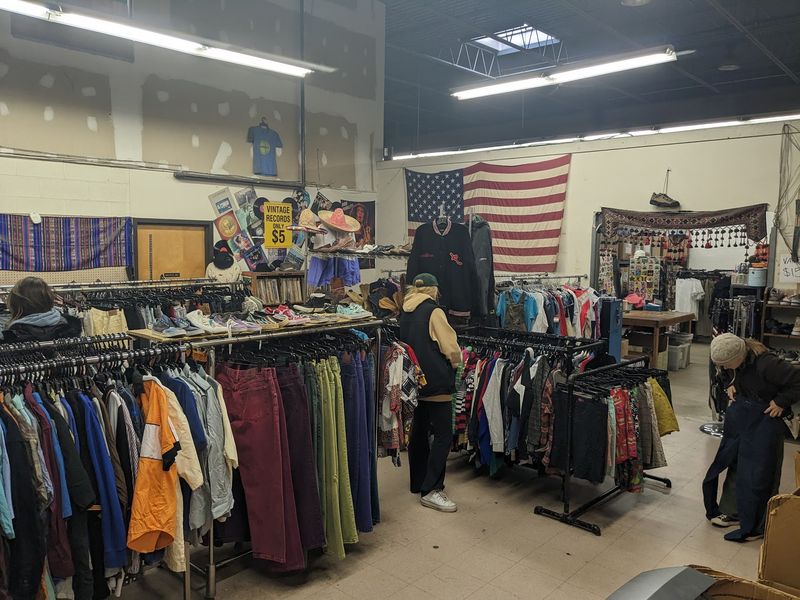
Open one box and you may find a stack of old collegiate sweatshirts. Try the next and it could be military trousers, denim, work shirts, leather belts, or dresses that have not seen daylight since the disco era.
Udelco is the right stop for shoppers who want authentic vintage clothing without the polished presentation or boutique markup. The Hawthorne warehouse has supplied vintage dealers and costume hunters for decades, with much of its stock dating from the 1960s through the 1980s.
Merchandise is frequently grouped in labeled boxes rather than displayed on conventional racks, turning a visit into a hands-on dig through fashion history. That setup is part of the fun, but it also means this is no place for a hurried twenty-minute browse.
Check fabric condition, sizing, fasteners, and stains carefully, especially when handling older pieces whose labels follow very different measurements from modern clothing. Costume designers, stylists, resellers, and anyone building a decade-specific wardrobe can cover far more ground here than at a general thrift shop.
Even shoppers without a plan may come away with broken-in jeans, a cold-weather coat, or a wonderfully strange graphic tee. Udelco occupies an industrial-looking space on Sixth Avenue, so do not expect glossy storefront theatrics.
The appeal is entirely inside those boxes. Hours can be more limited on weekends, and cash has traditionally been the safest payment option, so confirm the schedule and stop at an ATM before arriving.
3. Goodwill Outlet Store – South Hackensack
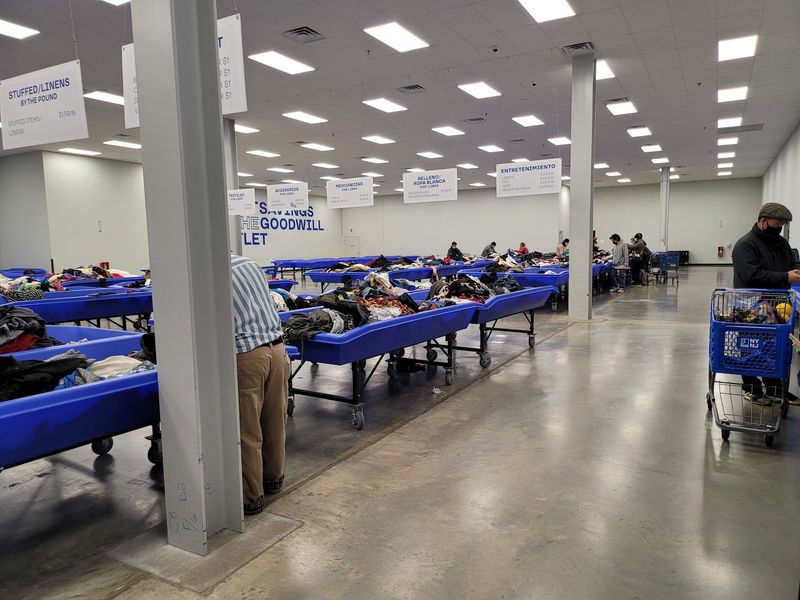
At the South Hackensack outlet, hangers and tidy size divisions give way to big rolling bins filled with clothing, textiles, books, and household goods. Items are generally sold by weight, which completely changes the economics of thrifting.
A lightweight blouse, scarf, or child’s outfit can cost remarkably little, making this an especially productive stop for resellers, costume makers, textile artists, and families buying in volume. The tradeoff is effort.
Every find must be uncovered, examined, and separated from a great deal of material you will not want. Fresh bins rotate onto the floor, and experienced shoppers know how quickly the energy changes when a new row arrives.
There is no need to join the initial scramble; giving everyone a little room makes the process safer and far more pleasant. Gloves are useful, as are hand sanitizer and clothes you do not mind brushing against the bins.
Inspect zippers, hems, underarms, and pockets before committing, because low prices stop feeling clever when half the haul needs repairs. Books and hard goods may follow different pricing rules, so check the posted information rather than assuming everything goes on the scale.
The outlet is located on Huyler Street in a commercial area with parking, and it is typically closed on Sundays. Come early, stay patient, and bring reusable bags.
This is the closest thrift shopping gets to excavation, and the best discoveries usually go to the people willing to dig one layer deeper.
4. 2nd Ave Thrift Superstore – Pennsauken
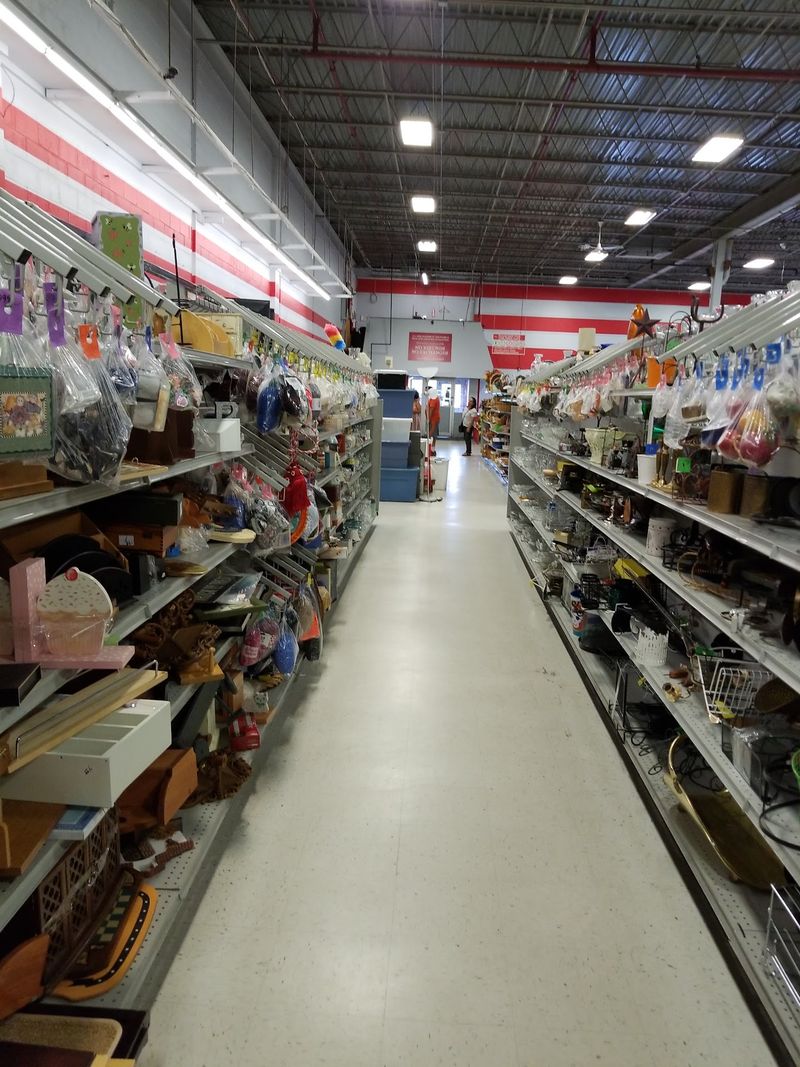
Anyone who enjoys the selection of a giant thrift store but still wants clear aisles and organized departments should head to Pennsauken.
Thousands of items move through this 2nd Ave location, yet the merchandise is divided into recognizable sections for clothing, shoes, books, toys, linens, electronics, dishes, accessories, and small furniture.
Garments are arranged by type and size, saving shoppers from the exhausting process of checking every tag on a rack. The sheer quantity still leaves plenty of room for surprise.
One aisle might produce a dependable winter coat, while the next offers vintage glassware, a forgotten board game, or a stack of cookbooks priced lower than a single new paperback. Frequent restocking means a disappointing visit says almost nothing about what will be there later in the week.
Color-tag promotions and loyalty offers can stretch the budget further, though it is worth buying an exceptional item when you see it rather than gambling that it survives until markdown day. Check electronics carefully, count puzzle pieces when practical, and examine dishware under good light for fine cracks.
The store stands along South Crescent Boulevard near Kaighn Avenue and has long daily hours, making it one of the easier options for an after-work hunt. Cards are accepted, and the large-store format is friendly to beginners who find chaotic flea markets overwhelming.
Start with the department you care about most; otherwise, the books and housewares may consume an hour before you ever reach the clothing racks.
5. MyUnique Thrift – Union
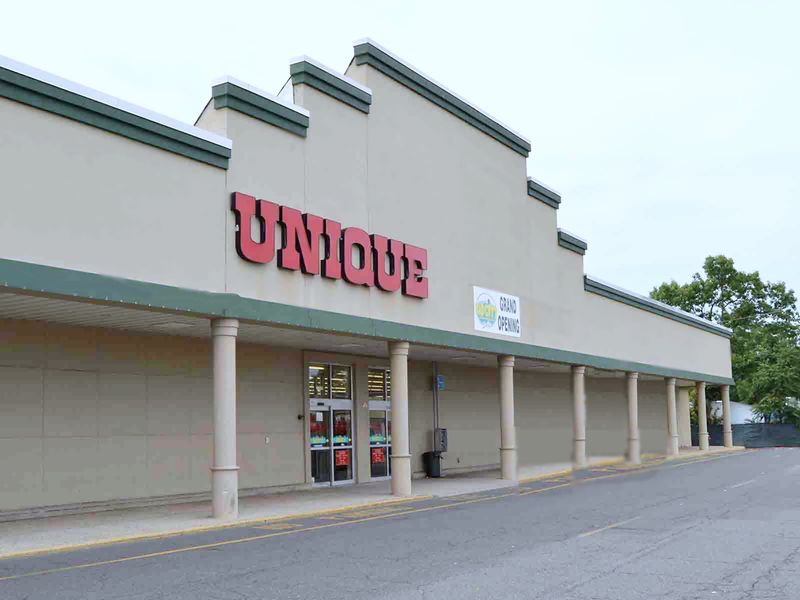
Color-coded sale tags are the quiet strategy game behind a successful trip to this Route 22 thrift store.
MyUnique carries the broad mix expected from a large secondhand operation—clothing, shoes, accessories, toys, housewares, books, electronics, and decorative pieces—but rotating discounts can make one part of the inventory much more tempting on any given day.
Savvy shoppers check the current promotion before filling a cart, then work through the most heavily discounted sections first. The Union location is particularly useful for people shopping across several categories at once.
You can look for work clothes, replace a few drinking glasses, browse children’s books, and still have time to investigate the wonderfully unpredictable shelves of figurines and kitchen gadgets. Clothing dominates much of the selection, so inspect labels and materials rather than judging solely by style.
Wool coats, linen shirts, and older made-in-USA pieces sometimes hide among much newer fast-fashion donations. Furniture and larger home goods vary according to what has recently arrived, which makes regular visits more productive than one marathon trip every year.
The store sits in a busy commercial stretch of US-22, where entering and leaving the property can require a little patience during peak traffic. It is open seven days, with shorter Sunday hours, and accepts ordinary retail payment methods.
This is the right choice for practical bargain hunters who appreciate a real treasure hunt but do not want to spend the morning crawling through unsorted piles to find it.
6. Habitat for Humanity ReStore – Maple Shade
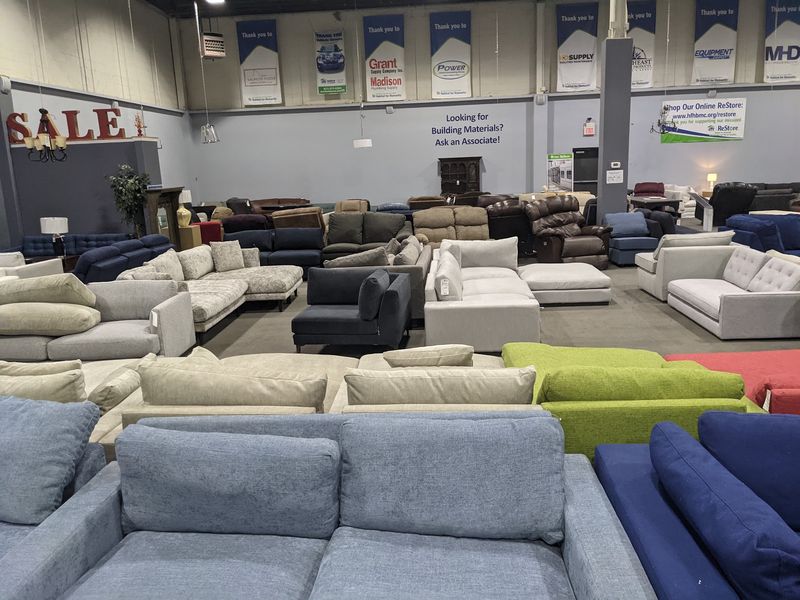
A kitchen renovation can leave behind exactly the cabinet, light fixture, or unopened box of tile that somebody else needs. That useful overlap powers the Habitat for Humanity ReStore in Maple Shade, where donated and surplus home goods are sold to support affordable housing work.
The inventory leans toward furniture, appliances, building materials, hardware, décor, and renovation supplies rather than clothing. That makes it a particularly good hunting ground for homeowners, landlords, DIY enthusiasts, and creative people who can see a console table hiding inside an unfashionable old dresser.
Stock changes with every delivery. You might encounter dining chairs and sofas on one visit, then bathroom vanities, doors, flooring, and new retail overstock on the next.
Bring exact room, doorway, and vehicle measurements; optimism will not make an eight-foot cabinet fit into a compact hatchback. Examine used furniture for stability, open drawers, and check whether appliances have information about testing or condition.
If a project requires matching quantities of tile, hardware, or flooring, count everything before buying because more may not appear later. The Route 38 location has parking and access suitable for loading bulky purchases, and it is generally open daily.
Prices are often well below conventional home-improvement retail, but the sweetest finds tend to be one-offs rather than endlessly stocked products. Shopping here feels less like choosing from a catalog and more like solving a design puzzle—one donated door, sturdy table, or deeply discounted light fixture at a time.
7. Recycling the Past – Barnegat
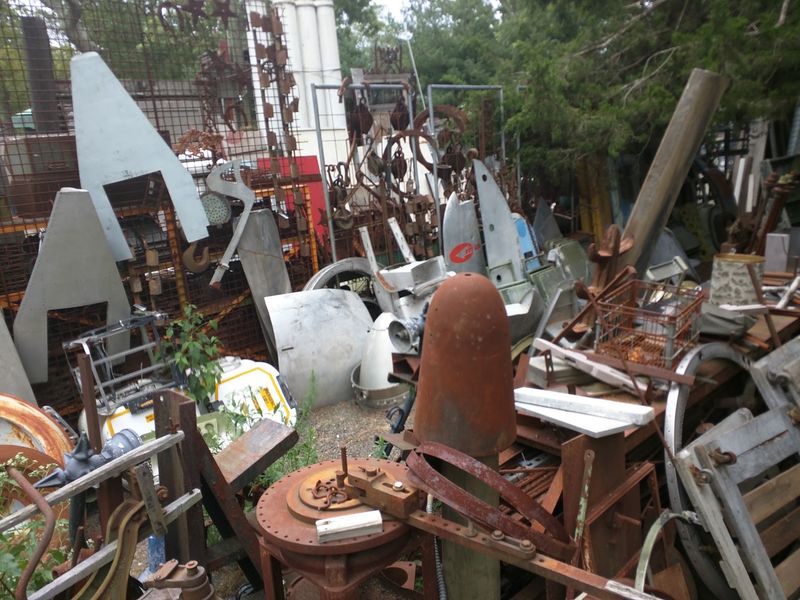
There are salvage shops, and then there are places where an airplane propeller somehow seems like a reasonable decorating choice. Recycling the Past spreads across a huge Barnegat property packed with architectural antiques, industrial artifacts, and building elements rescued before demolition.
Visitors can browse iron gates, stained-glass windows, doors, mantels, columns, sinks, tubs, lighting, statuary, millwork, nautical pieces, and objects too unusual for a neat category.
This is the clear choice for restoration specialists, set designers, restaurant owners, and homeowners who would rather build a room around one remarkable object than buy everything from the same showroom.
Some pieces are project-ready; others require cleaning, rewiring, refinishing, or a very patient contractor. Ask about provenance when something catches your eye, since salvaged elements may come from historic estates, factories, theaters, or commercial buildings.
Measurements are essential, photographs of the intended space are helpful, and sturdy shoes are nonnegotiable. A beautiful antique door loses some magic when it is two inches too narrow for the opening.
Prices range widely because a small piece of hardware and a monumental stone fountain are playing entirely different games. The property is on North Main Street, and regular hours have generally run Wednesday through Sunday.
Give yourself a few hours and talk to the staff if you need something specific. Inventory this vast can hide the perfect bracket, window, or garden ornament in a corner you might otherwise walk straight past.
8. Antique Center of Red Bank – Red Bank
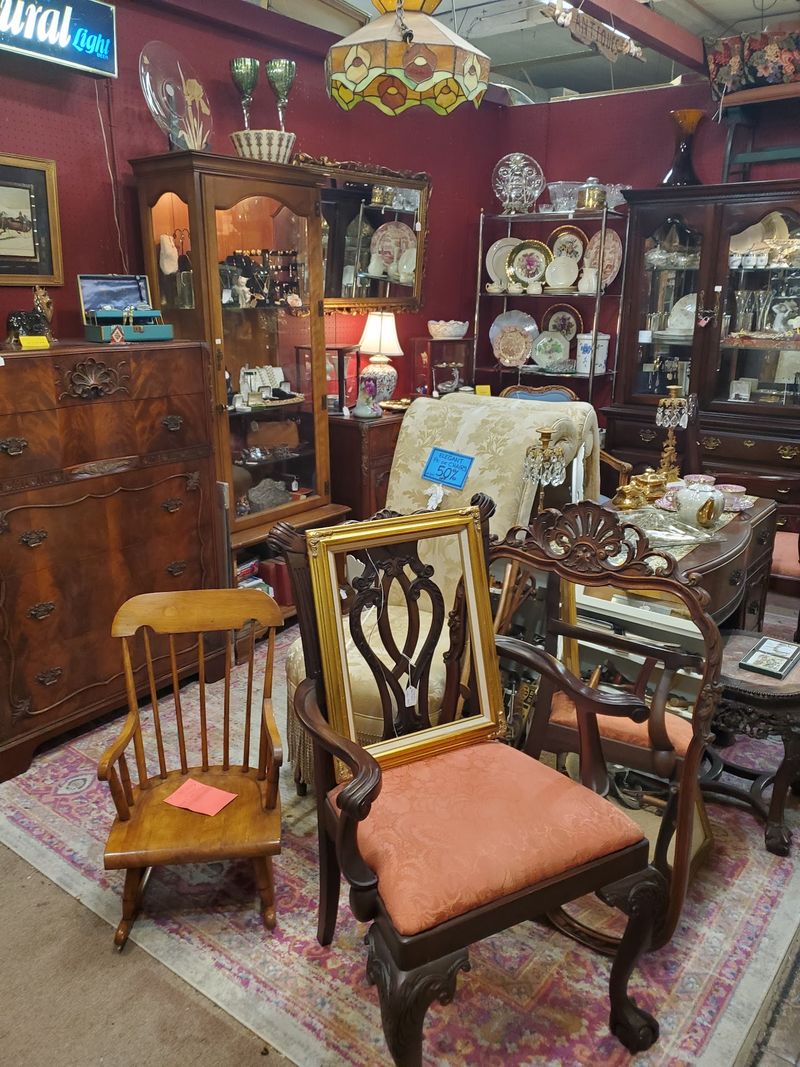
More than 100 dealers spread across two West Front Street buildings make this a strong match for collectors who prefer variety with a little order.
Each booth reflects a different specialty or point of view, so the experience can shift from fine jewelry and formal furniture to vinyl records, advertising pieces, ceramics, vintage clothing, toys, and gloriously specific collectibles within a few steps.
Prices are marked by individual dealers and naturally vary, but the range allows casual browsers to hunt for an affordable keepsake while serious buyers examine substantial antiques.
Look closely at booth numbers and tags when comparing similar pieces; questions and offers usually need to be routed through the front desk rather than negotiated with a seller standing nearby.
The center has served Red Bank treasure hunters since 1964, and its long history shows in the depth of the merchandise. This is less of a rummage than an education in how many objects people have decided to collect.
One case might hold estate jewelry and watches, while another proves that somebody carefully preserved every imaginable salt-and-pepper shaker. Both buildings are open daily, typically from late morning through the afternoon, so leave enough time to cross West Front Street and explore the second location.
Downtown Red Bank can be busy, particularly on weekends, and parking may require using a municipal lot or metered space. Pair the visit with lunch nearby, but browse first; carrying a Victorian side table into a restaurant is an awkward way to discover you should have returned to the car.
9. Englishtown Auction Sales – Manalapan
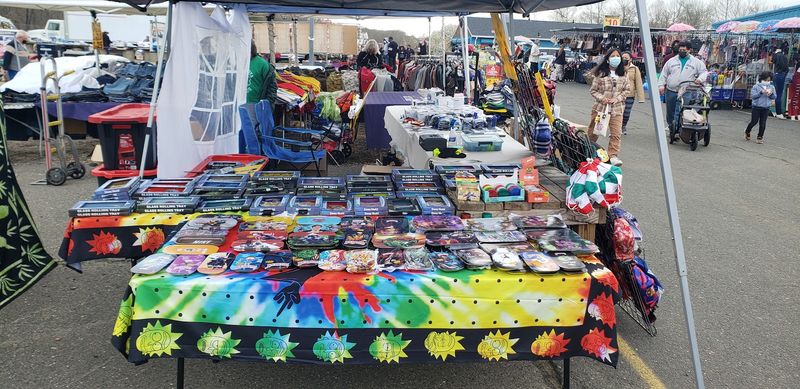
Weekend mornings at this Manalapan institution begin with rows of tables, the roll of shopping carts, and buyers studying boxes before the sun has properly warmed the pavement.
Despite the name, Englishtown Auction Sales is best known today as an enormous open-air market with indoor selling areas and a dizzying mixture of used goods, tools, clothing, toys, produce, electronics, household items, and new bargain merchandise.
The right approach is to treat it like a neighborhood yard sale expanded to an almost comical scale. Start early, scan widely, and slow down when a table looks promising.
Sellers vary from regular merchants with carefully arranged stock to occasional vendors unloading the contents of a garage, which means prices and presentation change from row to row. Cash makes small transactions and polite bargaining easier, preferably in smaller bills.
Test moving parts, inspect cords, and confirm that boxed items contain what the label claims. A folding cart or large tote can save your arms, though oversized purchases may still require a strategic walk back to the vehicle.
The market operates every Saturday and Sunday, rain or shine, on Wilson Avenue, generally from 8 a.m. to 4 p.m. Parking is available, but arriving near opening time gives you a better selection and a shorter trek from the car.
Wear shoes built for distance. A complete circuit can turn a casual shopper into someone who suddenly has strong opinions about vintage socket sets.
10. Columbus Farmers Market & Flea Market – Columbus
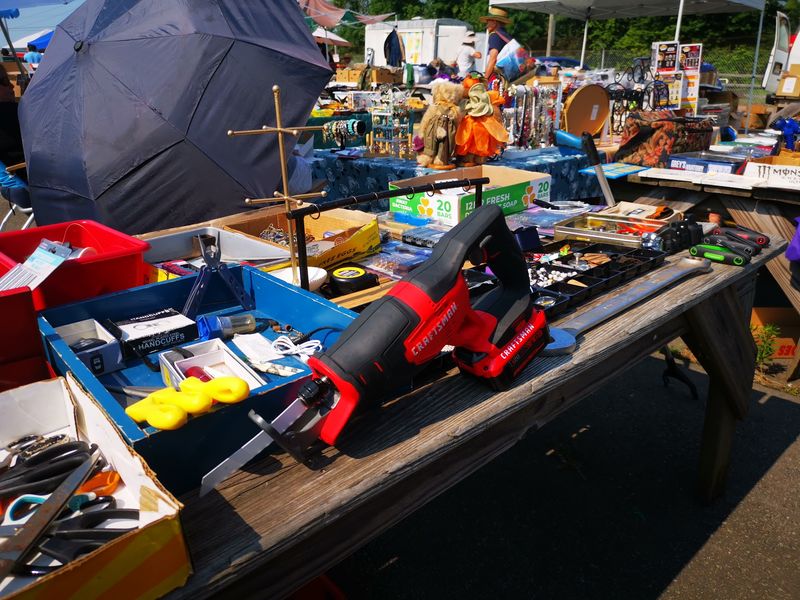
Breakfast, bargain hunting, and grocery shopping can all happen during the same sprawling visit to this Route 206 complex. Columbus combines a large outdoor flea market with more than 65 indoor businesses, produce sellers, antique dealers, garden supplies, and a popular Amish market.
That breadth makes it ideal for mixed groups whose interests rarely overlap. One person can search for old tools and fishing gear outside while another shops for baked goods, meats, cheeses, furniture, or household staples indoors.
The outdoor tables are strongest when the weather cooperates, and serious hunters arrive early enough to examine fresh boxes before the midday crowds. Thursdays and Sundays are major outdoor-market days, with a smaller Saturday session, while indoor hours extend later and include Friday.
Since different parts of the complex follow different schedules, choose a day according to what matters most rather than assuming every vendor will be open. Cash remains useful outside, although many permanent merchants accept cards.
Bring insulated bags if food shopping is part of the plan, and do not buy a cream-filled pastry before committing to several hours in a warm parking lot. The market has extensive parking, but the property is large enough that remembering your row matters.
Pets are not permitted, so leave the canine shopping assistant at home. Columbus is the answer for treasure hunters who become restless at single-purpose markets: when the old postcards and hand tools stop calling, hot pretzels and fresh doughnuts are waiting nearby.
11. Golden Nugget Antique Flea Market – Lambertville
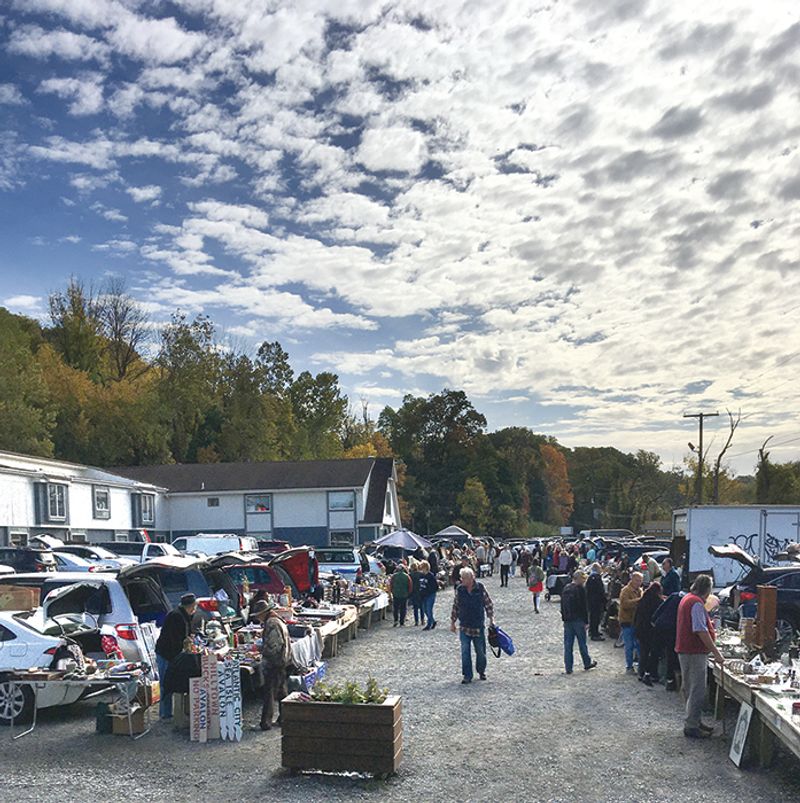
At six in the morning, the Delaware River is still wearing mist while dealers begin arranging stoneware crocks, old photographs, records, hardware, and furniture along rows of outdoor tables.
The Golden Nugget rewards early risers and collectors who care more about age, character, and provenance than stacks of new discount merchandise.
Located just south of Lambertville on Route 29, it draws a mix of professional dealers, dedicated collectors, decorators, and weekend browsers. Wednesday can be especially interesting for serious antiquing, while Saturday and Sunday offer the broadest appeal.
Indoor shops open later than the outdoor market and provide a weatherproof second round of jewelry, glassware, art, furniture, vintage clothing, and specialty collections. Bring cash, a tape measure, packing blankets, and enough knowledge to recognize the difference between an old object and a genuinely valuable one.
Vendors are often happy to discuss what they know, and respectful offers may be considered, particularly when buying several items. Examine wood for damage, look over glass in natural light, and ask before handling anything delicate.
The market typically runs year-round on Wednesdays, Saturdays, and Sundays, with outdoor selling beginning very early. There is no prize for arriving at noon after the best pieces have already changed hands.
Once the hunt winds down, Lambertville’s shops and restaurants are only a short drive away, making this one of the easiest markets to turn into a full antiques-focused day.
12. New Egypt Flea Market Village – Cream Ridge
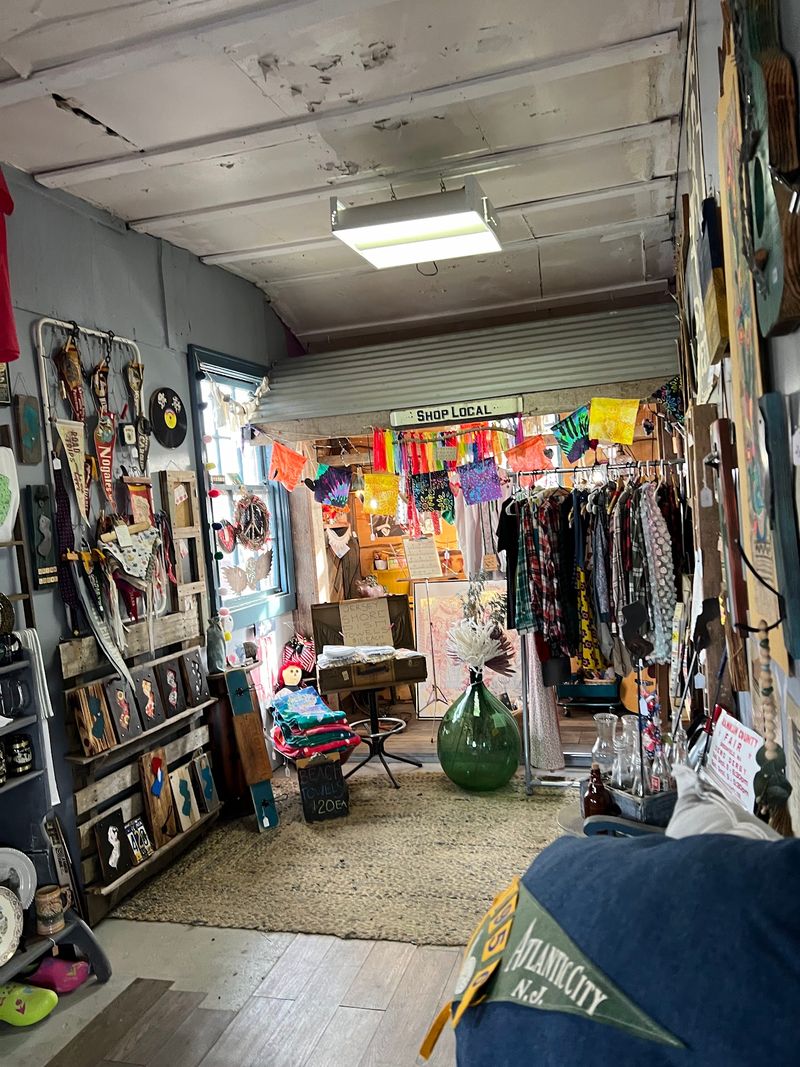
Small wooden shops connected by narrow lanes give this Cream Ridge market the appearance of a trading village assembled from another century. That is not entirely accidental: the market dates to 1959, and several of its distinctive buildings were constructed with reclaimed materials.
Inside and around them, vendors sell antiques, tools, collectibles, household goods, records, furniture, jewelry, and handmade pieces. The setting suits shoppers who enjoy talking with dealers and inspecting eccentric little spaces more than marching through a single warehouse.
Every building has its own personality. One may be crowded with vintage kitchenware; the next could lean toward military items, coins, toys, or rustic furniture.
Outdoor vendors add another layer on fair-weather mornings, bringing the unpredictable garage-sale element that keeps regulars returning. The market generally operates on Wednesdays and Sundays from morning into early afternoon, rain or shine, although individual shops may keep their own schedules.
Arrive early for the fullest outdoor selection and carry cash in small denominations. The grounds are uneven in places, so practical shoes beat anything chosen for photographs.
Free parking and admission make it easy to browse without pressure, but fragile purchases may require newspaper, boxes, or blankets from home. This is not the market for someone demanding polished displays and instant price comparisons.
It is for the shopper who sees a dimly lit shed packed with old wooden drawers and thinks, correctly, that the best object of the day may be hiding in the back.
13. New Meadowlands Market – East Rutherford
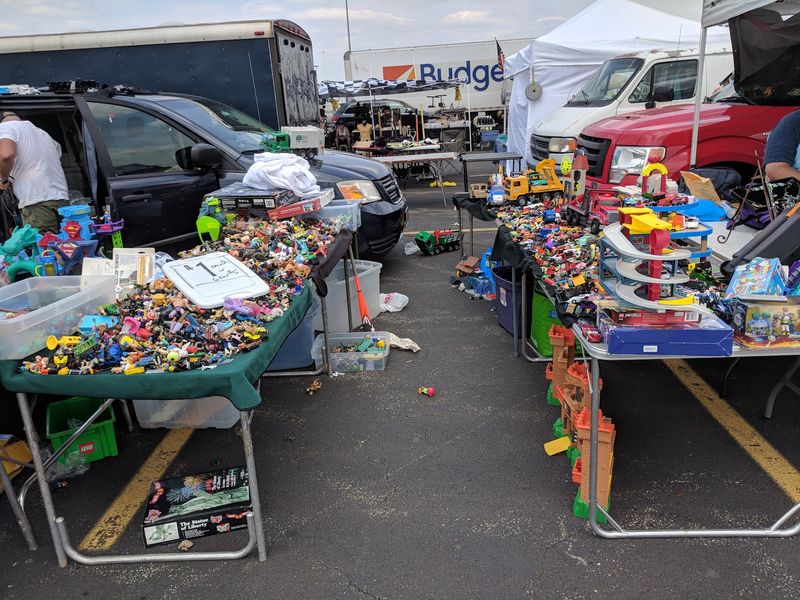
Few flea-market backdrops can compete with MetLife Stadium looming over hundreds of vendor tables. The New Meadowlands Market fills Lot J on scheduled Saturdays, bringing together new clothing, accessories, electronics, household goods, toys, food, and a shifting selection of secondhand finds.
It works best for shoppers who like flea-market bargaining but want more than antiques. You may replace a phone charger, pick up socks, browse fragrances, discover an old record, and eat lunch without leaving the stadium complex.
Admission and parking are free, removing the irritating feeling that you must buy something to justify entering. Stadium events and other scheduling conflicts can occasionally interrupt the usual calendar, so checking the current schedule before driving over is essential.
On operating Saturdays, regular hours generally run from 8 a.m. to 4 p.m. Early shoppers get first access to secondhand merchandise, while later in the day some vendors may be more interested in making a deal than packing everything again.
Carry cash, compare prices across stalls, and inspect inexpensive electronics before paying. Shade can be limited on the open lot, so bring water and sun protection during warm weather.
This is the right market for social bargain hunters who enjoy noise, food, and constant movement—and who are perfectly comfortable placing a practical bulk purchase beside one wonderfully unnecessary impulse buy.
14. Collingwood Auction & Flea Market – Farmingdale
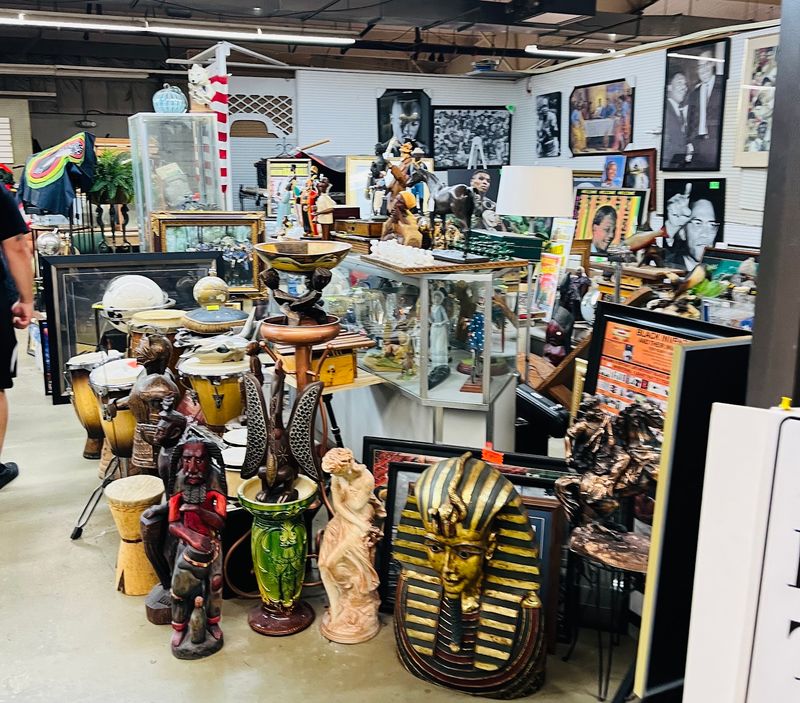
Twenty-five acres give Collingwood enough room to satisfy both the determined digger and the shopper who would rather stay indoors. The Farmingdale-area market can host more than 500 outdoor merchants, while a 60,000-square-foot building holds roughly 100 indoor tables and booths.
That split is the secret to its appeal. Outside, the merchandise has a yard-sale unpredictability: tools, furniture, used household goods, sports items, country collectibles, boxes of hardware, and whatever else sellers unloaded that morning.
Indoors, regular dealers offer more consistency, along with shelter when the weather turns. The market runs Friday through Sunday year-round, generally from 8 a.m. to 5 p.m., but the greatest number of outdoor vendors depends on the day and forecast.
Start outside while the selection is fresh, then move into the building when your feet or the temperature demand mercy. Bring cash and a folding cart, especially if you tend to buy books, cookware, or tools that become mysteriously heavier with every aisle.
Furniture hunters should keep a tape measure in the car and ask about pickup arrangements before money changes hands. Snack shops and restrooms make a longer visit manageable, which matters at a property this size.
Located near the border of Howell and Wall townships, Collingwood is an easy choice for central Jersey shoppers who want a traditional flea market where used goods, practical bargains, and true collectibles all compete for attention.
15. Berlin Farmers Market – Berlin
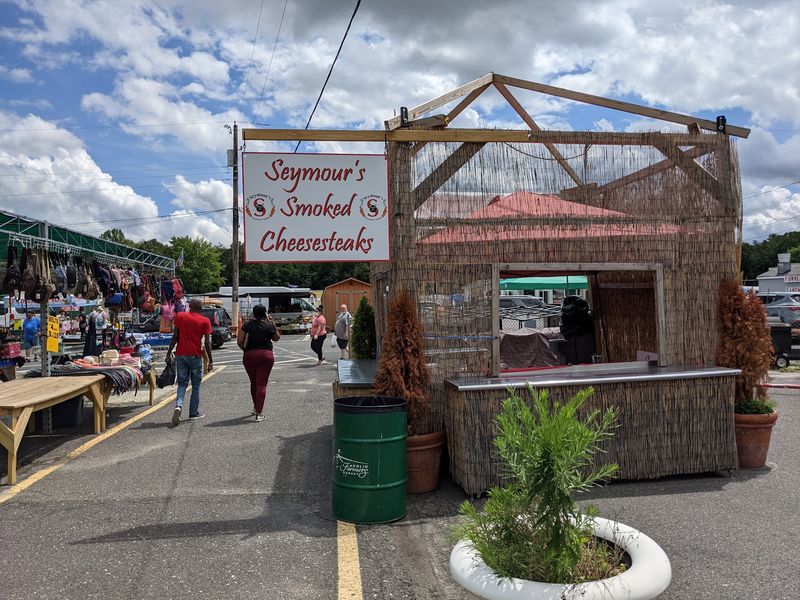
The smell of breakfast cooking inside is a useful reminder that Berlin requires a two-part strategy. First explore the outdoor flea market, where as many as 700 vendor spaces can hold tools, toys, plants, furniture, electronics, antiques, produce, and yard-sale goods.
Then head into the indoor shopping center, home to dozens of permanent businesses selling food, clothing, jewelry, services, and specialty merchandise. The outdoor section operates Friday through Sunday, usually from 8 a.m. to 4 p.m., while the indoor market opens Thursday through Sunday and stays later.
This makes Berlin particularly forgiving for groups: the committed rummager can work through used merchandise outside while everyone else has food and indoor stores to explore.
Regular vendors often organize their stock neatly, but occasional sellers bring the best wild-card tables—those glorious spreads where a cast-iron pan, unopened board game, and three generations of holiday decorations share one tarp.
Cash helps outdoors, although indoor businesses commonly accept cards. Compare similar new items across stalls before choosing, and test used tools or electronics when possible.
The Clementon Road property has on-site parking, but weekends can draw a sizable crowd. Go early for serious treasure hunting and later if snacks, people-watching, and casual browsing matter more.
Berlin has been a South Jersey habit for generations because it does not force shoppers to choose between flea-market disorder and everyday convenience. You can hunt for an old hand plane, buy produce, and leave with dinner handled.
16. Cowtown Farmers Market – Pilesgrove
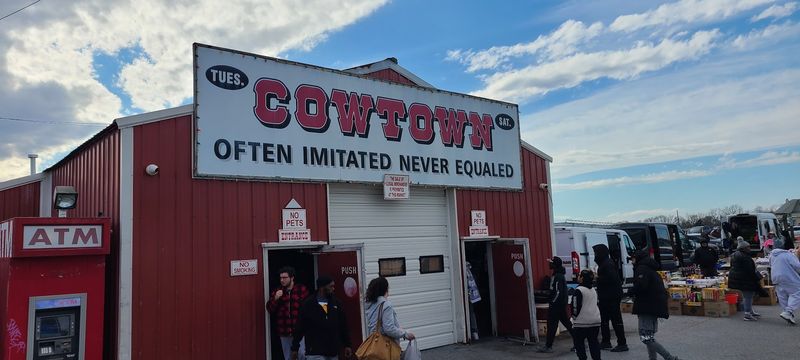
A livestock auction started here in 1926, and a century later the market remains one of South Jersey’s great twice-weekly rituals. Cowtown now brings more than 400 vendors into heated indoor spaces and outdoor rows every Tuesday and Saturday, year-round.
Clothing, produce, tools, household goods, toys, footwear, jewelry, electronics, collectibles, and prepared food all share the property, creating a market where practical errands blend easily with recreational digging. The Tuesday schedule is a major advantage for shoppers who work weekends or prefer lighter weekday crowds.
Saturdays bring more of a day-out feeling, especially during the warmer months when the neighboring rodeo has evening events. Arrive early either way.
The market runs from 8 a.m. to 4 p.m., and the strongest secondhand discoveries rarely wait until closing time. Ranch Hope Thrift Shop, also on the property, adds another stop for used goods while supporting programs for local youth.
Cash is useful, reusable bags are smarter than juggling thin plastic ones, and a cart earns its keep if produce or heavy tools are involved. The market stands along Route 40 in Pilesgrove with free parking, but pets are not allowed.
Cowtown fits the treasure hunter who wants an old-school market rather than a curated vintage event. Some tables offer ordinary necessities; others contain exactly the kind of peculiar, one-of-one object that starts a conversation all the way home.
17. Trenton Punk Rock Flea Market – Trenton
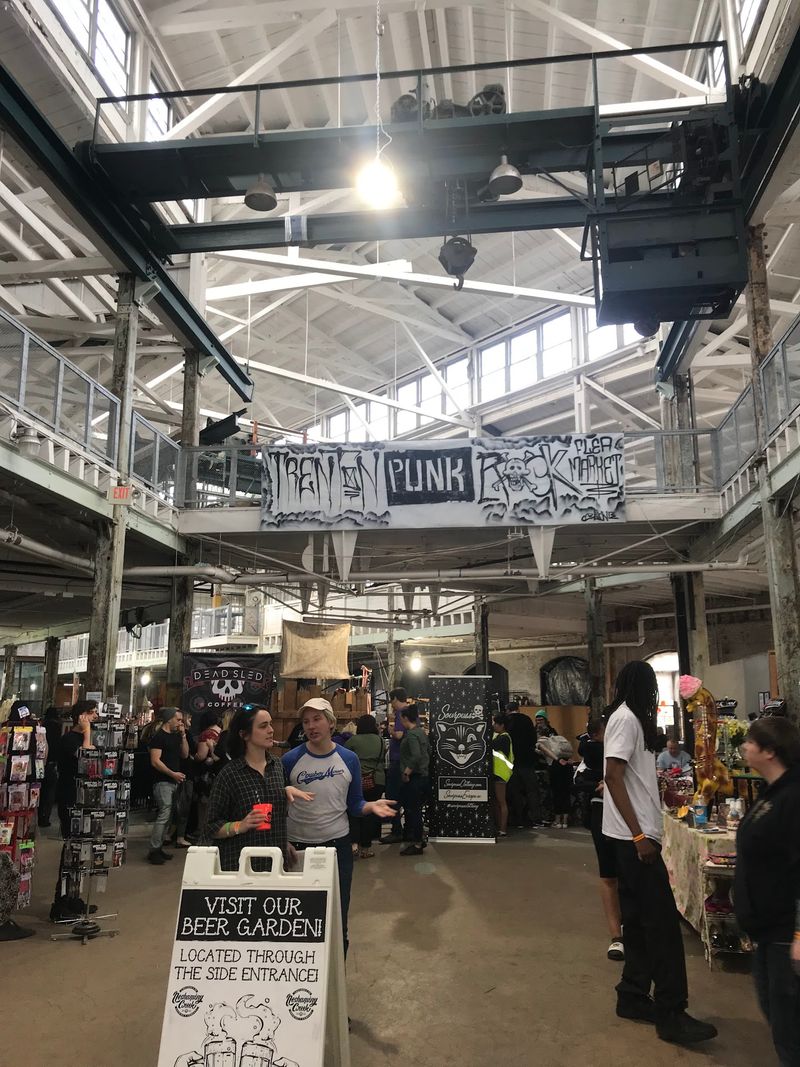
Taxidermy, horror art, handmade jewelry, vintage band shirts, vinyl, tattoos, and a hearse show make it immediately clear that this is not a church-basement rummage sale. Founded in Trenton in 2013 and now staged as the New Jersey Punk Rock Flea Market at changing venues, the event combines underground shopping with live music, food trucks, body-art professionals, special guests, and proudly unconventional entertainment.
Hundreds of independent makers and dealers may participate, giving shoppers access to screen-printed clothing, records, occult décor, original artwork, oddities, zines, collectibles, and gifts for the friend who considers skulls a neutral design choice.
The market is ticketed and event-based rather than a permanent weekly destination, so checking the announced date and location is mandatory.
Recent editions have taken place at the New Jersey Convention and Exposition Center in Edison, with free parking and enough indoor space to make weather irrelevant. Buy admission in advance when available, bring a tote, and set a spending limit before encountering the artists.
Many vendors accept cards or digital payments, but cash helps when connections slow under a crowded roof. This is less about bargaining over a box of kitchen utensils and more about supporting small businesses whose work rarely appears in ordinary stores.
Come for a specific record or vintage jacket if you like, but leave room for something stranger. The vendor who sells embroidered ghosts, handmade monster masks, or framed insects may completely rewrite the day’s shopping plan.