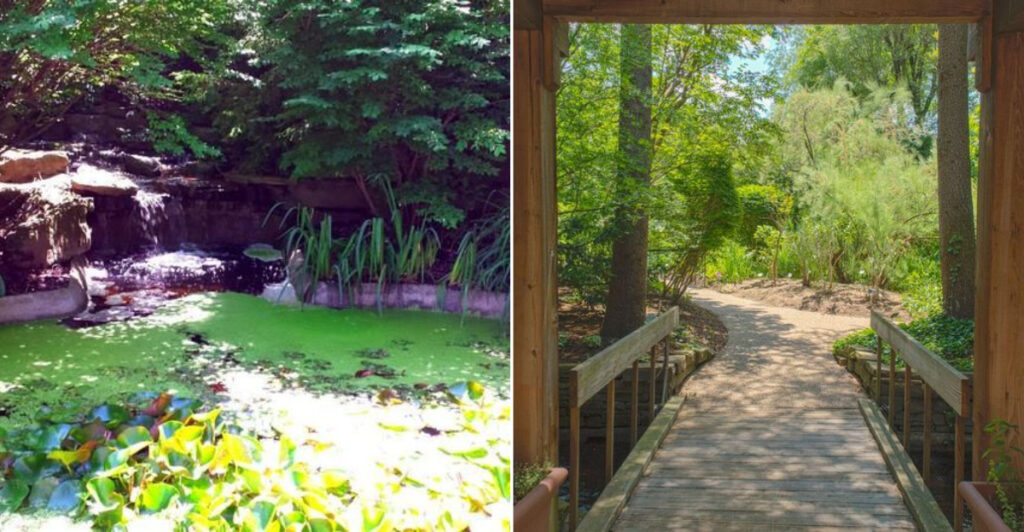
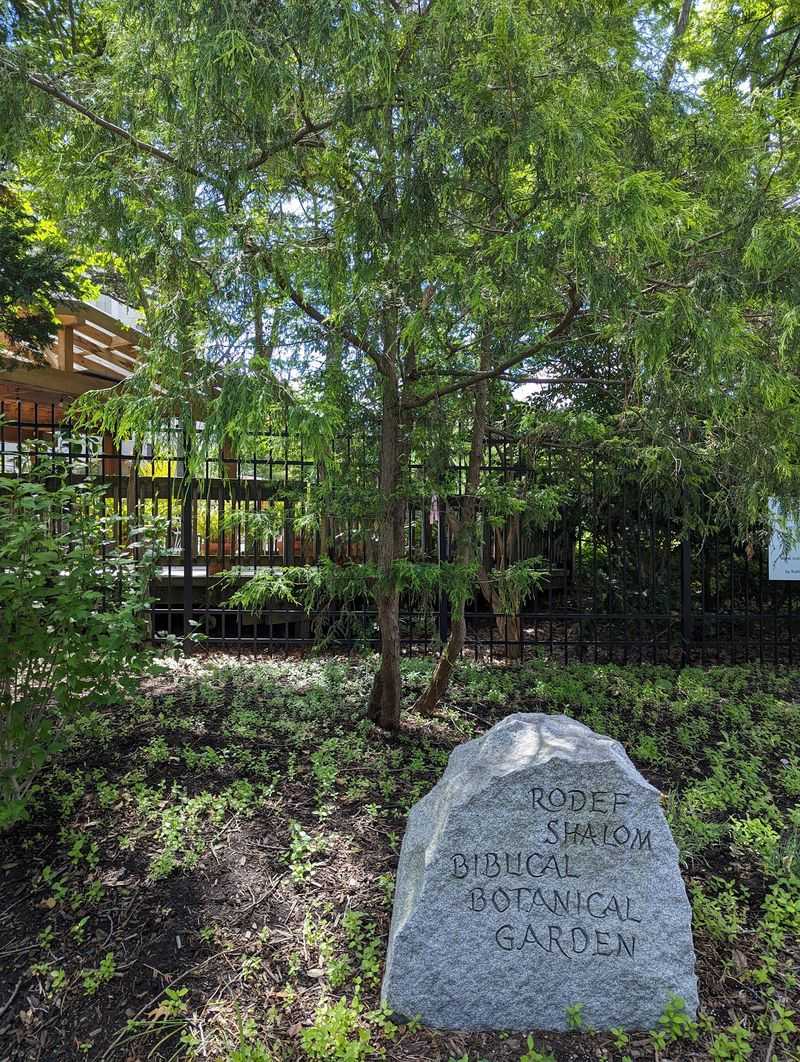
Hidden near busy Fifth Avenue, Rodef Shalom Biblical Botanical Garden feels calm, thoughtful, and surprisingly far removed from the surrounding city. This small Pittsburgh garden brings together plants named or referenced in the Bible, along with water, stone, and quiet paths that encourage visitors to slow down and take in their surroundings. Despite its urban setting, the garden has a peaceful atmosphere that makes it easy to forget you are in the middle of Pittsburgh.
It is a meaningful place for people who enjoy history, faith, nature, or simply discovering peaceful spaces tucked away in unexpected places. As visitors wander through the garden, the combination of plants, biblical references, and carefully designed surroundings creates a sense of connection to another time and place. A visit can feel like stepping into a living story inspired by the Holy Land without ever leaving Pennsylvania, making it a memorable stop for anyone looking for something a little different.
1. A Sacred Garden Hidden Beside Fifth Avenue
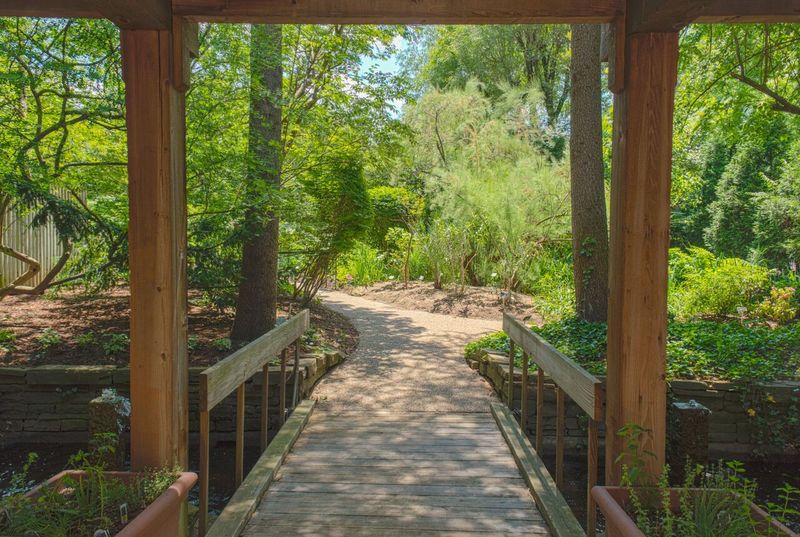
Traffic hums along Fifth Avenue, yet a few steps inside the garden can feel like entering another world.
Rodef Shalom Biblical Botanical Garden sits beside Rodef Shalom Congregation in Pittsburgh, creating a quiet pocket of green in the middle of Oakland.
The garden is not huge, and that is part of its charm.
Visitors can take their time reading signs, noticing plant shapes, and listening to the sound of water instead of rushing from one display to another.
Plan ahead before going, because hours are limited and the garden is seasonal.
The listed weekday hours are usually 10 AM to 4 PM on Monday through Thursday, with Friday through Sunday closed, but checking the official website or calling first is smart.
A short visit can still leave a strong memory.
2. Plants From Scripture Brought to Life
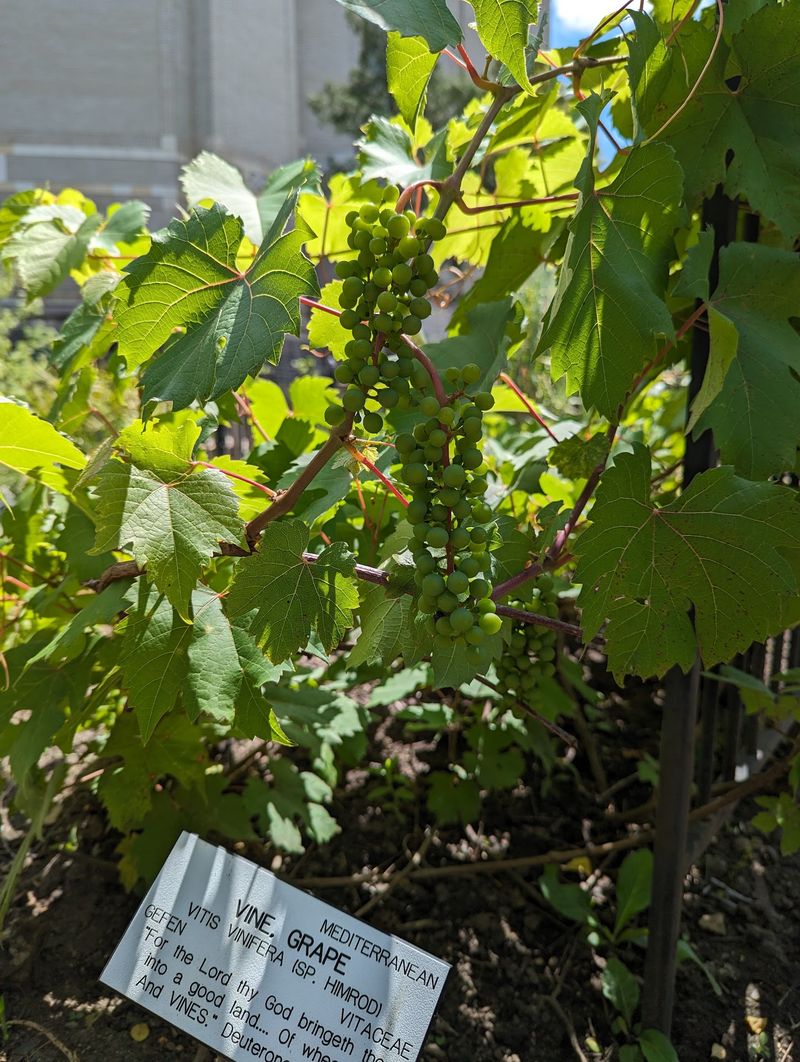
Ancient stories feel easier to picture when the plants are growing right in front of you.
The garden was created to showcase plants mentioned in the Bible, making familiar names like olive, fig, pomegranate, and cedar feel real and close.
Pittsburgh weather can be tough on plants from warmer places, so some tender specimens need special care.
Reviewers have noted that certain plants are moved to a greenhouse during cold months, then returned outside when the season is right.
Look closely at the labels as you walk.
They help connect each plant to a larger story, whether it was used for food, shade, medicine, fragrance, or symbolism.
Even visitors who are not plant experts can enjoy matching leaves, fruit, and flowers to words they may have heard before.
3. A Docent Tour That Makes the Details Click
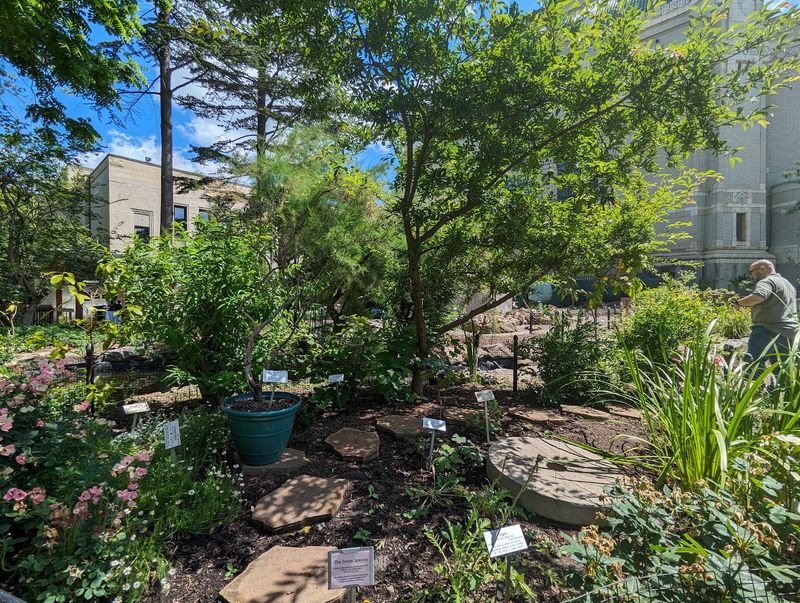
A good guide can turn a pretty garden into a story you remember.
Many visitors mention the value of a docent tour at Rodef Shalom Biblical Botanical Garden, especially because the space is filled with meaning that may not be obvious at first glance.
Reserving time with a docent in advance is a smart move.
One reviewer even said no tickets were needed, but booking a docent made the visit wonderful, which is useful advice for first-time guests.
During a tour, you may learn why certain plants matter, how they were used long ago, and how the garden survives Pittsburgh seasons.
Bring questions, wear comfortable shoes, and be ready to move slowly.
The tour is not only about seeing plants, it is about understanding their place in culture and faith.
4. Water, Ponds, and a Quiet Place to Breathe
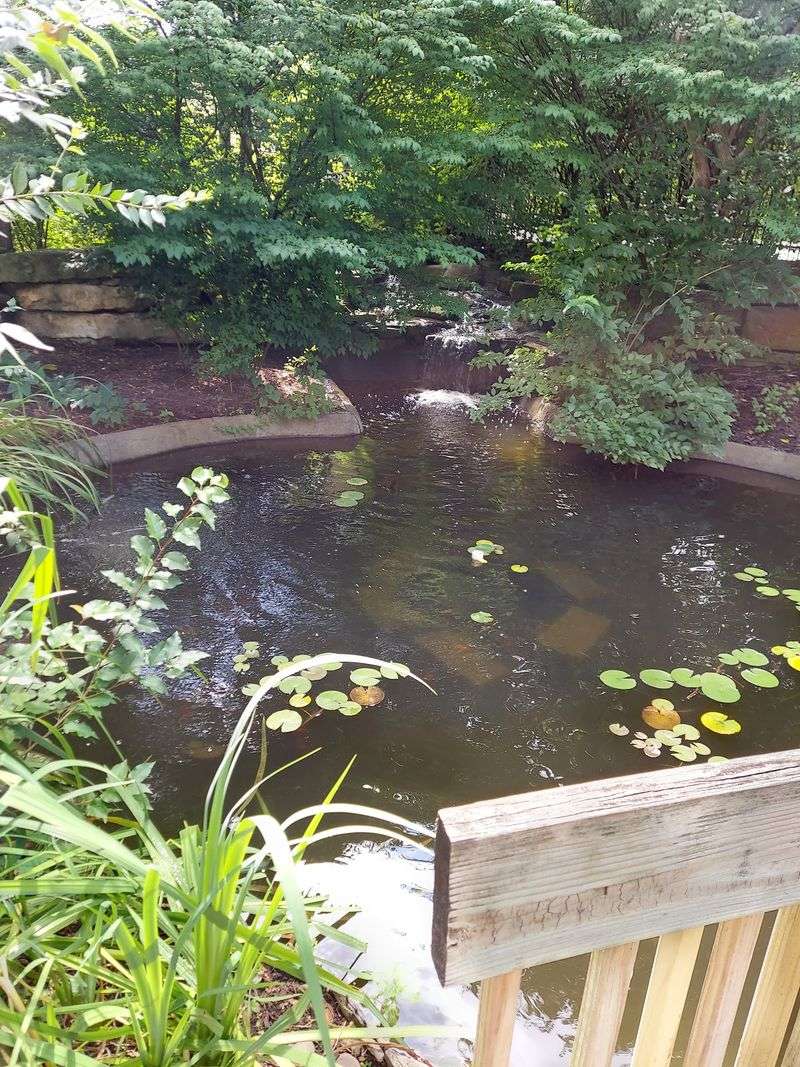
Water changes the mood of a garden almost at once.
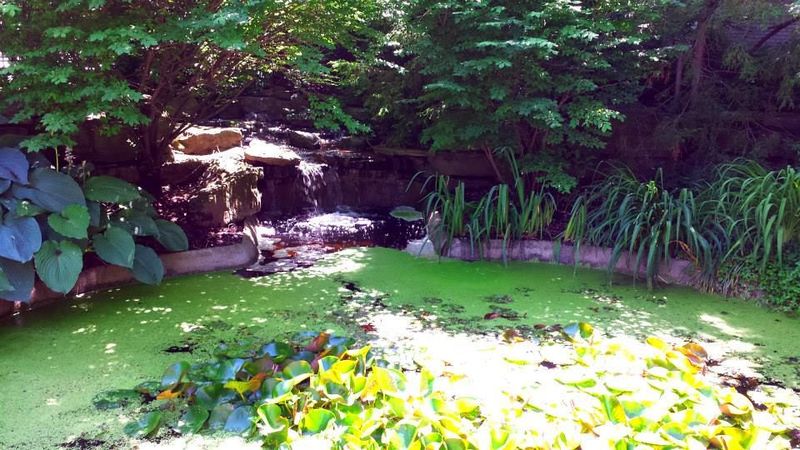
At Rodef Shalom Biblical Botanical Garden, reviewers have described ponds and a waterfall that help make the space feel peaceful, even though busy city life is nearby.
The sound of moving water gives visitors a natural reason to slow down.
Children may enjoy watching the reflections, while adults might appreciate a calm break between errands, appointments, or a day spent exploring Pittsburgh.
Use the water features as a resting point during your visit.
Stand quietly for a minute, take a photo without blocking the path, or simply notice how the plants grow around the pond edges.
Small gardens often reward careful attention, and this one is full of soft details that are easy to miss if you hurry.
5. A Free Stop With a Big Sense of Welcome
Few city attractions feel as personal as a place cared for by devoted volunteers.
Reviews often describe the garden as a labor of love, and that feeling comes through in the neat paths, helpful information, and warm welcome.
The garden has been known as free to the public during its open season, which makes it a friendly choice for families, students, travelers, and local residents.
Since details can change, check the official garden website before planning your trip.
Visitors have praised the customer service, including one hot-day visit when guests received a full tour and complimentary water.
That kind of care makes a small destination stand out.
If you enjoy places where people clearly care about the mission, this garden deserves a spot on your Pittsburgh list.
6. A Thoughtful Side Trip Near Pittsburgh Universities
Students and campus visitors sometimes find the garden by surprise.
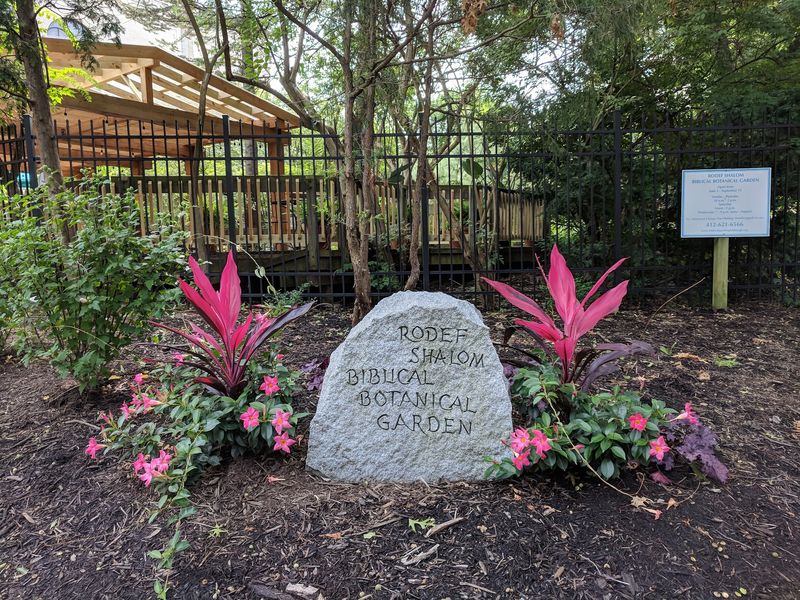
Located at 4905 Fifth Ave, Rodef Shalom Biblical Botanical Garden is close to Pittsburgh’s Oakland area, where universities, museums, hospitals, and busy sidewalks fill the day.
That makes the garden a helpful pause between larger stops.
After visiting nearby cultural sites or walking through the university neighborhood, spending time among biblical plants can give your mind a quieter subject to enjoy.
A reviewer mentioned noticing the synagogue from Pitt and then discovering the garden as a neat surprise.
That is a good reminder to stay curious while exploring the area.
Keep the address saved, check open hours, and consider calling 412-621-6566 if you need current details.
Small destinations can be easy to overlook, but they often become favorite memories.
7. Seasonal Care That Shows Real Dedication
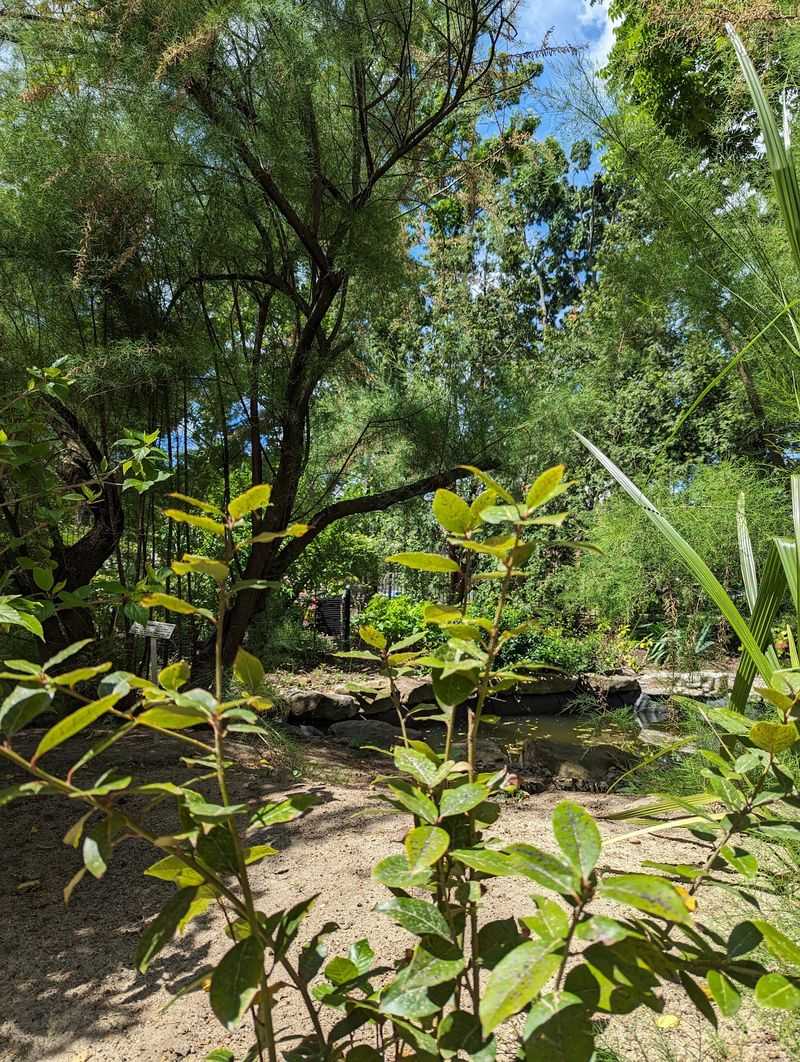
Growing Holy Land plants in western Pennsylvania takes patience, planning, and a little creativity.
Pittsburgh winters are much colder than the climate many biblical plants prefer, so the garden team must protect tender plants when the weather turns harsh.
One visitor noted that some plants are taken to a greenhouse for winter.
Another mentioned returning in March when the garden plants move back outside, which hints at the careful seasonal rhythm behind the scenes.
If you visit early or late in the season, understand that the garden may look different from midsummer.
That does not mean it is less meaningful.
Instead, it shows the hard work needed to keep this living collection healthy.
For the fullest outdoor display, contact the garden before your visit and ask when the plants are usually at their best.
8. A Small Space With Deep Cultural Meaning
Not every meaningful place needs to be large or loud.
Rodef Shalom Biblical Botanical Garden has earned praise for being beautiful, informative, well maintained, and contemplative, which says a lot about its quiet power.
The garden connects nature, Jewish heritage, biblical history, and education in one compact setting.
Visitors do not have to share the same background or beliefs to enjoy it.
Curiosity is enough.
Read the signs, notice the care in the plantings, and give yourself permission to move slowly.
Some guests may come for botany, others for faith, and others simply for a peaceful city garden.
All of those reasons fit.
Before leaving, take one last look back at the green space tucked beside the synagogue.
It may feel small on a map, but its message is much larger.