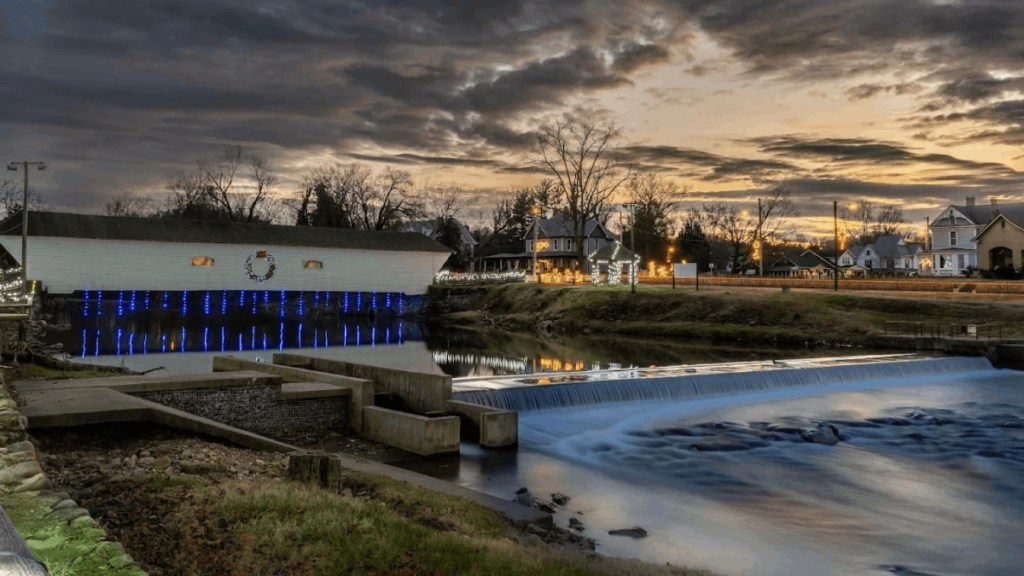
Nestled in the heart of Elizabethton, Tennessee, stands a remarkable piece of American history that has witnessed over 140 years of change. The Historic Elizabethton Covered Bridge isn’t just any old structure—it’s one of the oldest covered bridges still standing in the state, built way back in 1882.
This beautiful white bridge stretches 134 feet across the Doe River and continues to capture the hearts of locals and visitors alike with its timeless charm and incredible story of survival.
A Glimpse Back to 1882: The Bridge’s Early Beginnings
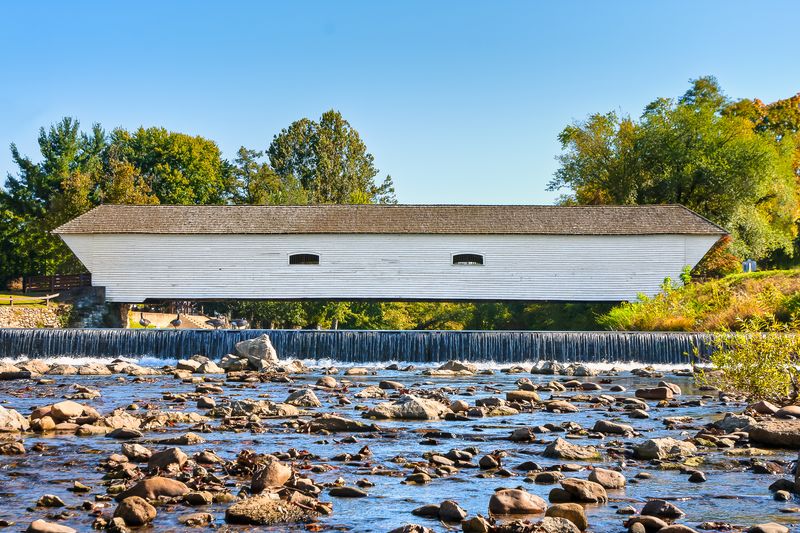
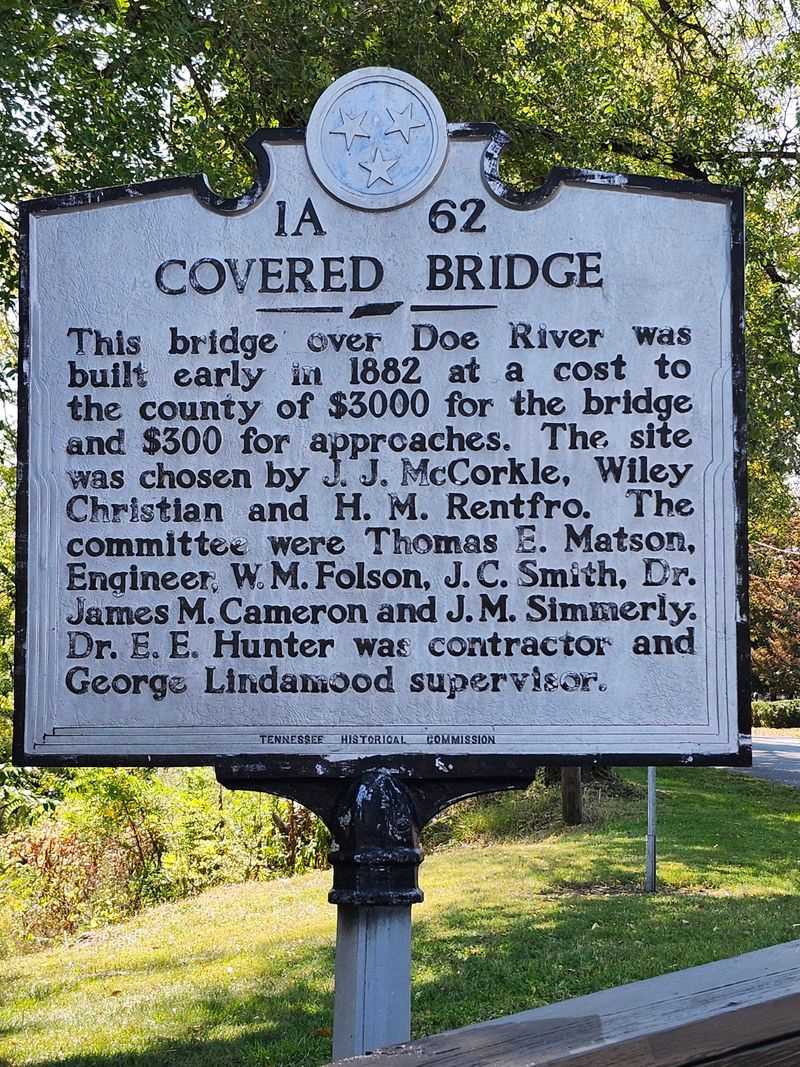
Back in 1882, Elizabethton was a growing community that desperately needed better ways to cross the Doe River. Local leaders decided to invest in a covered bridge that would connect neighborhoods and make daily travel safer for everyone. The bridge cost about $3,000 to build, which was a significant sum back then.
Farmers used the bridge to transport their goods to market, families crossed it to visit neighbors, and children walked over it on their way to school. It quickly became more than just a river crossing. The bridge represented progress and community spirit during a time when Tennessee was rebuilding after difficult years.
Today, that same bridge still stands as a reminder of the hardworking people who built it with their own hands and determination.
The Classic Howe Truss Design Explained
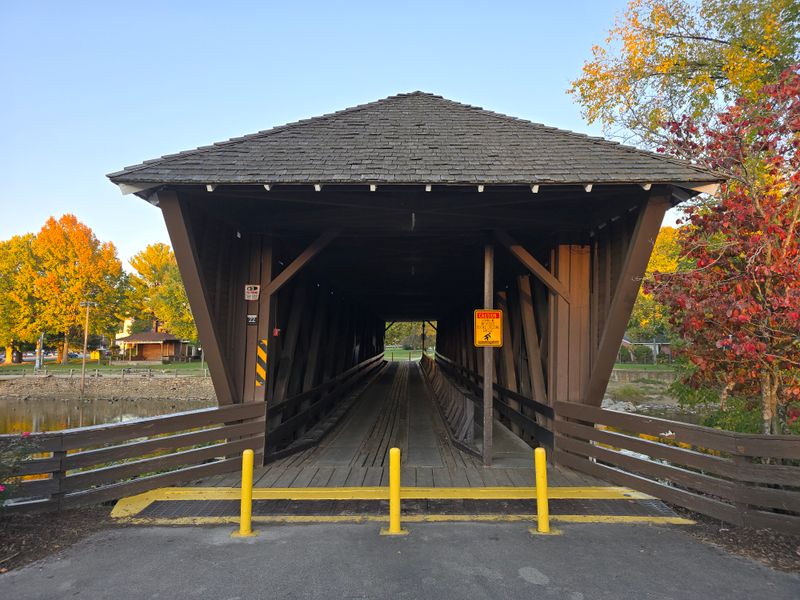
Stretching 134 feet across the Doe River, this bridge showcases the Howe truss design, a clever engineering solution invented by William Howe in 1840. The design uses wooden diagonal beams combined with vertical iron rods to create incredible strength. Think of it like a giant puzzle where each piece supports the others perfectly.
Engineers loved the Howe truss because it was strong enough to handle heavy wagons and lasted for decades with proper care. The diagonal wooden beams work in compression while the iron rods handle tension, distributing weight evenly across the entire structure. This smart combination made it affordable yet durable for small towns.
Walking through the bridge today, you can still see these original wooden beams and iron components working together. The design was so successful that hundreds of bridges across America used the same pattern during the 1800s.
Why Covered Bridges Were Built to Last
Ever wonder why builders bothered adding roofs and walls to bridges? The answer is surprisingly practical—covering the bridge protects the wooden support beams from rain, snow, and sun damage. Without this protection, the wood would rot within 10 to 15 years, but with a roof, bridges can last over a century.
The white exterior paint you see on the Elizabethton bridge serves multiple purposes beyond looking pretty. White paint helps reflect sunlight and keeps the wood cooler during hot Tennessee summers. It also makes the bridge more visible to travelers approaching from either direction, especially important during foggy mornings or evening hours.
Many folks jokingly called covered bridges “kissing bridges” because couples would steal quick kisses while passing through the private, shaded interior.
A Lifeline Over the Doe River
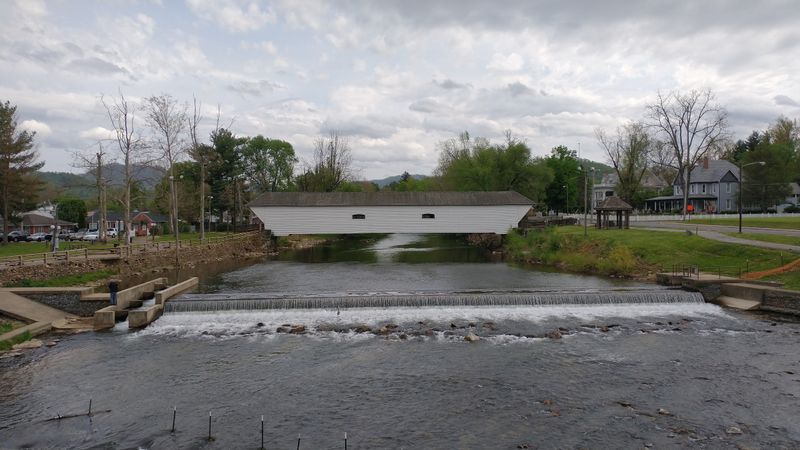
Before this bridge existed, crossing the Doe River meant finding shallow spots or waiting for ferry service, which slowed everything down. The bridge transformed daily life by providing a reliable crossing point regardless of weather or water levels. Merchants could transport goods quickly, doctors could reach patients faster, and families could maintain connections across the river.
Local farmers particularly appreciated the bridge because they could bring produce and livestock to market without worrying about river conditions. The bridge shortened travel time significantly and opened up new economic opportunities for the entire region. Small businesses flourished on both sides of the river because customers could easily reach them year-round.
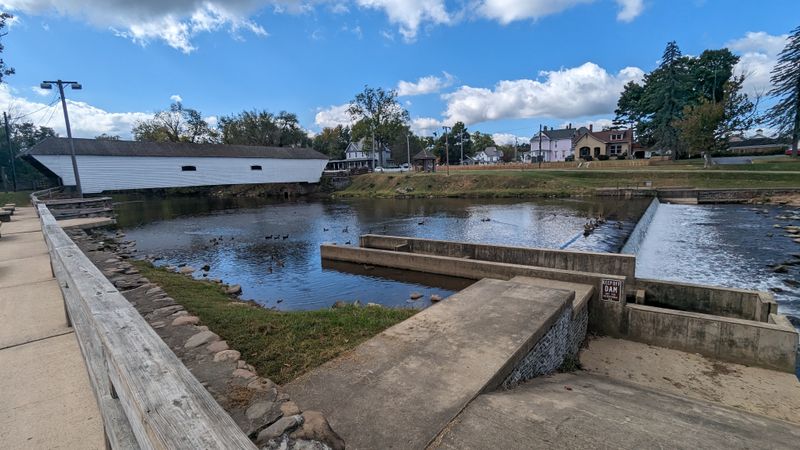
Even today, the bridge area remains a central gathering spot in Elizabethton. The cascading water over the nearby dam creates a peaceful atmosphere that draws people to relax, have picnics, and enjoy community events throughout the year.
Surviving the Years: Floods, Wear, and Restoration
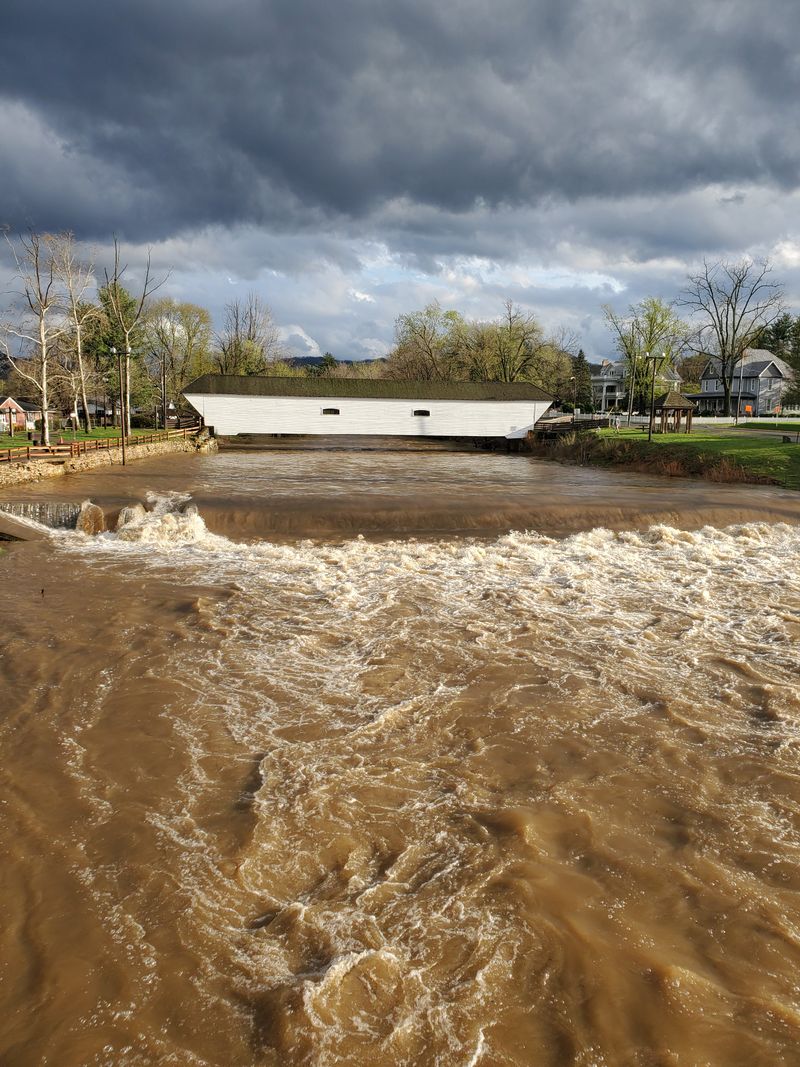
Standing strong for over 140 years hasn’t been easy for this historic structure. The bridge has weathered countless floods, storms, and the natural wear that comes with more than a century of use. Major floods in the region have tested its strength multiple times, yet the solid Howe truss design and quality craftsmanship have kept it standing.
Preservation efforts became crucial as the bridge aged, with local and state officials recognizing its historical value. Careful restoration projects have replaced damaged wood, reinforced structural elements, and maintained the bridge’s original character. Workers use traditional techniques and materials whenever possible to keep the bridge authentic to its 1882 origins.
The Tennessee Historical Commission has played an important role in protecting this landmark. Their support ensures that future generations can experience this piece of living history just as people did in the late 1800s, making it a true survivor.
A Local Landmark and Community Symbol
Ask any Elizabethton resident about their town, and the covered bridge will likely come up within minutes. This structure has become deeply woven into the community’s identity, appearing on postcards, local business logos, and countless family photo albums. It represents the town’s proud history and connection to simpler times.
The annual Covered Bridge Days festival transforms the area into a celebration of local culture, crafts, and music. Families enjoy activities like foam parties for kids, costume contests during Barktober Fest, and live performances on the stage near the bridge. These events bring thousands of visitors who create new memories around this historic landmark.
Visiting the Historic Elizabethton Covered Bridge Today
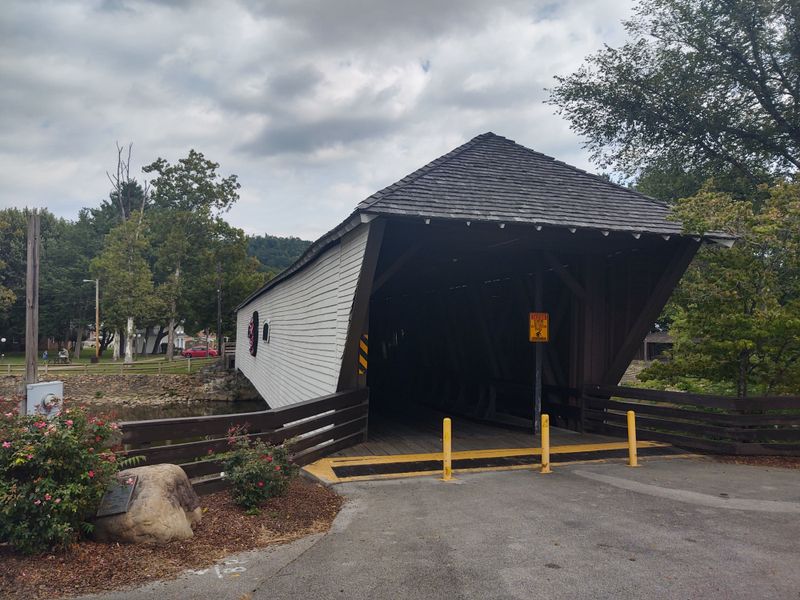
Planning a visit to this Tennessee treasure is easier than you might think. Located at 717 East Elk Avenue, the bridge sits in a charming area with convenient public parking lots nearby. While only a few spaces exist right next to the bridge, the town offers plenty of parking within easy walking distance.
Visitors can walk through the bridge’s cool, shaded interior and imagine what travel was like in 1882. The nearby picnic tables make it perfect for a relaxing lunch while watching the Doe River cascade over the small dam. The peaceful sound of flowing water creates a calming atmosphere that’s hard to find in our busy modern world.