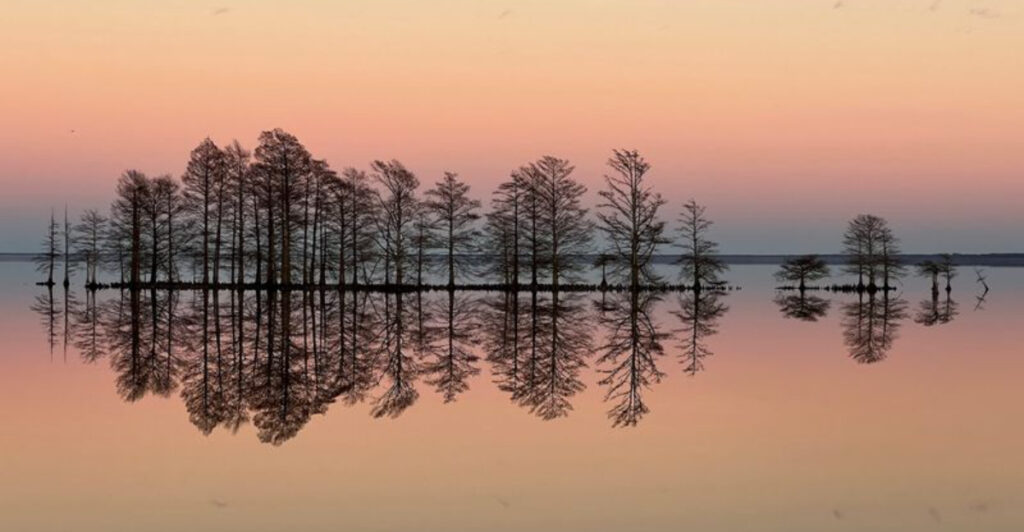
Lake Mattamuskeet sits quietly in eastern North Carolina, yet many travelers pass it without knowing what they missed. This wide, shallow lake is the largest natural lake in the state and the heart of Mattamuskeet National Wildlife Refuge.
It is a calm place for birds, turtles, fishing, slow drives, and big skies. If your road trip needs a peaceful stop, this refuge is worth pulling over for.
1. A Huge Lake Hiding In Plain Sight
Flat water can fool you at first.
Lake Mattamuskeet looks quiet and simple from the road, but it is North Carolina’s largest natural lake and covers a huge part of Hyde County.
The lake is shallow, wide, and full of life.
Because it is not a busy beach spot or a flashy roadside attraction, many drivers keep going toward the Outer Banks or other coastal towns without stopping.
That is part of what makes the refuge feel so special.
At Mattamuskeet National Wildlife Refuge, the lake is the main stage.
Marshes, open water, woods, canals, and swampy edges all work together to support birds, fish, turtles, deer, and many smaller creatures.
Visitors often say the place feels like an escape, and that feeling starts with the size of the lake itself.
For a first visit, plan to slow down instead of rushing.
Stop at overlooks, roll down the windows, and watch the water for movement.
A pair of binoculars helps, but even without them, you can enjoy the open views and quiet mood.
The refuge address is 85 Mattamuskeet Road in Swanquarter, North Carolina.
Before going, check the official U.S.
Fish and Wildlife Service website for current hours, road updates, and visitor center information.
This is a place where patience pays off, especially when the wind is low, the light is soft, and the lake seems to stretch forever.
2. Winter Swans Turn The Water White
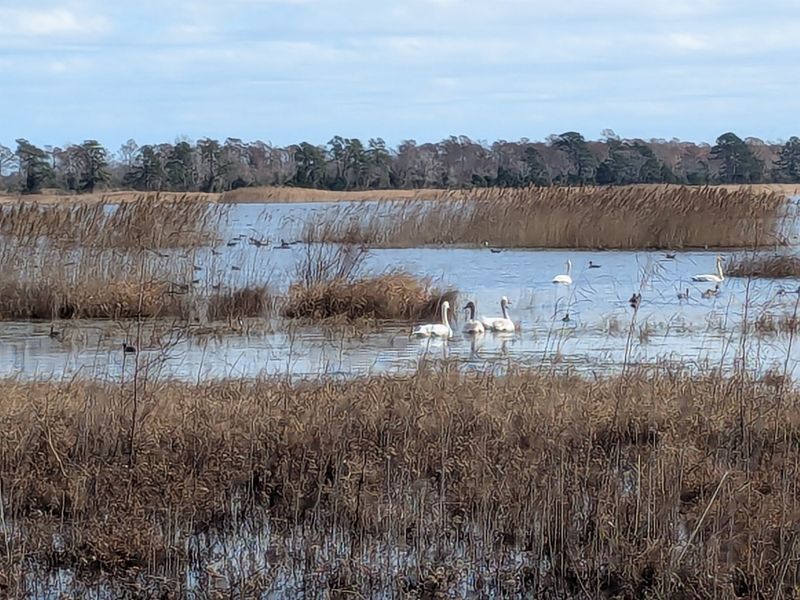
A winter morning here can feel like someone opened a storybook.
Tundra swans glide across the lake, their white bodies bright against the gray-blue water.
Mattamuskeet National Wildlife Refuge is famous among bird watchers for winter waterfowl.
Swans, ducks, geese, herons, cormorants, and other birds use the lake and marshes as resting and feeding areas.
Some visitors come mainly for the swans, then end up noticing many other birds they had never seen before.
The best birding is often in winter and early spring, though exact timing changes with weather and migration patterns.
If seeing large numbers of birds matters to you, check recent refuge updates or local birding reports before driving out.
Reviewers often mention that choosing the right season makes a big difference.
Bring binoculars, a camera with a zoom lens if you have one, and warm layers.
Much of the viewing can happen from your car or from overlooks, so you do not need to be an expert hiker.
Move slowly, speak quietly, and give wildlife plenty of space.
Early morning and late afternoon are especially lovely.
Birds may be more active, and the light can make the lake glow.
Even if you cannot name every duck, the sound of wings, calls, and splashing water makes the visit memorable.
For many people, the swans are the moment that turns a simple detour into a favorite travel memory.
3. Wildlife Drive Rewards Slow Travelers
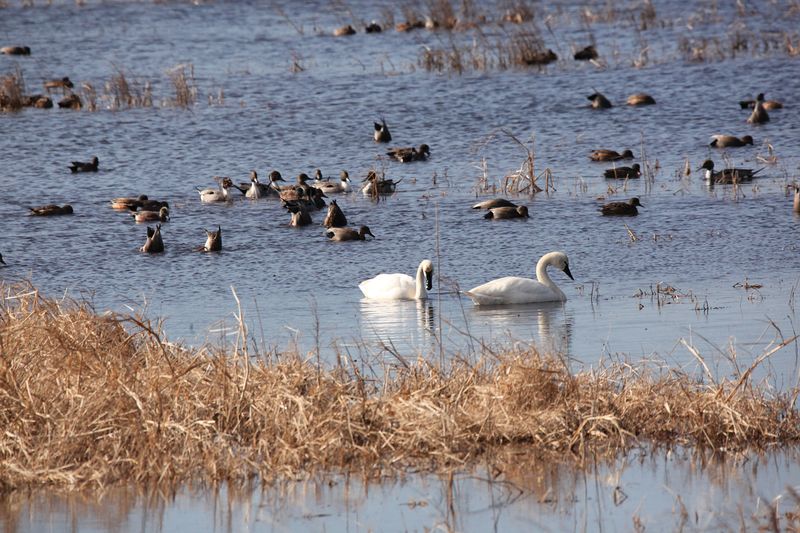
The best speed at Mattamuskeet is turtle speed.
A slow cruise along the refuge roads can reveal more than a rushed hike ever would.
Wildlife Drive is one of the easiest ways to explore the refuge.
Visitors often spot egrets, herons, hawks, turtles, songbirds, and waterfowl without walking far from the car.
Some photographers even get their best pictures from the driver’s seat, especially when birds perch near canals or feed close to the road.
Road conditions can vary, and some routes may be gravel or closed during certain seasons or management work.
Drive carefully, watch for potholes, and obey all signs.
After rain, expect muddy spots or standing water in low areas.
Because this is a wildlife refuge, the goal is not to race from point to point.
Pull over only where it is safe and allowed.
Let other cars pass, keep voices low, and never block gates or service roads.
If you see an animal, enjoy it from a respectful distance.
A smart road-trip plan is to keep binoculars, water, snacks, and a printed or downloaded map handy.
Cell service can be limited in parts of the area, which many visitors actually enjoy.
The slower you go, the more the refuge seems to open up.
A shadow becomes a hawk.
A log becomes a turtle.
A plain ditch becomes a tiny world.
4. The Visitor Center Adds A Helpful First Stop
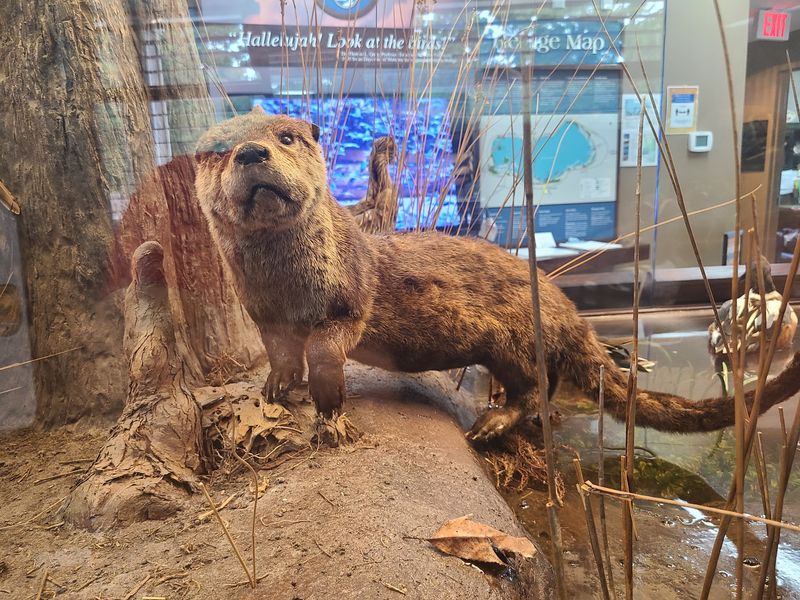
A good refuge visit often starts with a map and a friendly question.
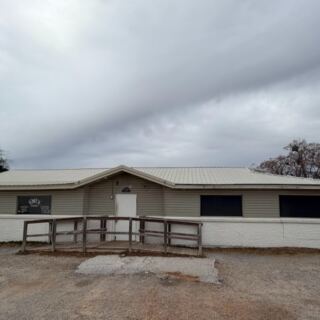
The visitor center at Mattamuskeet National Wildlife Refuge can help turn a pretty drive into a better-planned adventure.
Visitors have praised the staff for being helpful, kind, and knowledgeable.
Inside, you may find displays about the lake, local wildlife, refuge history, and seasonal bird activity.
Clean restrooms and printed information can also make the stop useful, especially for families or travelers who have been on the road for a while.
Hours can change, and buildings may close for staffing, repairs, holidays, or other reasons.
Before making the visitor center your main plan, call the refuge at +1 252-926-4021 or check the official website.
Even if the building is closed, outdoor signs, overlooks, and drives may still help you enjoy the area.
Ask about current wildlife sightings, open roads, fishing rules, trail conditions, and the best places to watch birds.
Refuge staff often know which areas are active that week.
That advice can save time and keep you from missing a special moment.
The visitor center is also a good place to learn how this lake became protected.
Knowing a little background makes the marshes and open water feel more meaningful.
Instead of just seeing a pretty lake, you begin to understand why this quiet corner of North Carolina matters to birds, local history, and people who love wild places.
5. A Strange Pump House Story Shapes The Refuge
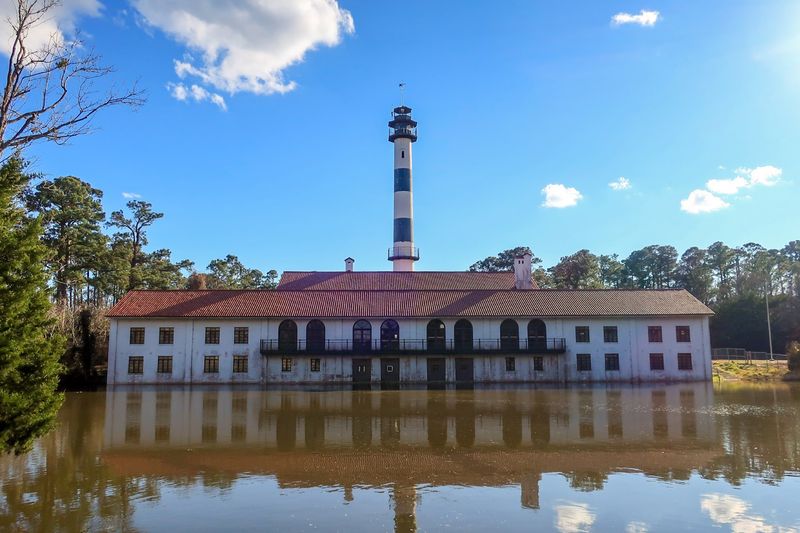
Not every peaceful lake has a story about people trying to drain it.
Lake Mattamuskeet does, and that odd history makes the refuge even more interesting.
In the early 1900s, business interests tried to drain the shallow lake and turn the area into farmland.
A large pumping project was built, but the plan failed.
Later, the area was used for hunting and lodging before eventually becoming protected as part of the national wildlife refuge system.
Today, many visitors are thankful that the draining plan did not succeed.
If it had worked, North Carolina might have lost one of its most important waterfowl areas.
The wide lake, marshes, and wet woods now provide feeding and resting habitat for countless birds and other animals.
The pump house history also shows how land use can change over time.
What some people once saw as land to be remade is now valued as habitat, scenery, and a place for quiet recreation.
That shift is easy to think about while looking across the water.
When you visit, take time to read signs and displays connected to the refuge’s past.
History here is not dry or boring.
It explains why the lake looks the way it does and why protection matters.
A failed project became, in a surprising way, a gift to swans, ducks, turtles, fish, and travelers who enjoy stillness.
6. Short Trails Offer A Closer Look
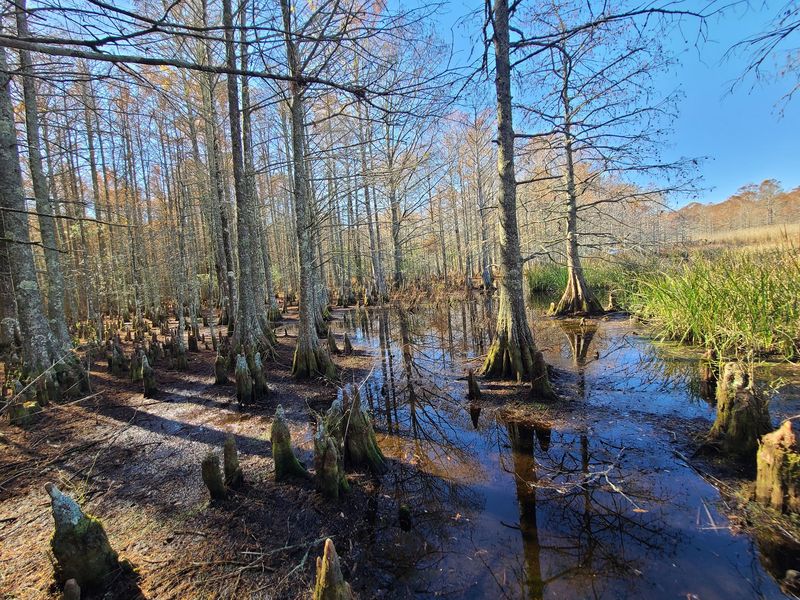
A tiny trail can still feel like a doorway.
At Mattamuskeet, short walks give visitors a chance to leave the car and listen more closely.
The refuge is not known for long backcountry hiking, so set your expectations correctly.
Some visitors point out that there are only a few walking options, and you may not get far from your vehicle unless you bring a boat.
Still, the short trails and boardwalk areas can be very rewarding.
The Holland Trail is often mentioned as a quick walk through a beautiful swampy area.
It is short, around a quarter mile, making it friendly for many visitors who want an easy nature break.
Moving quietly may increase your chances of seeing birds, deer, turtles, or small wildlife near the water.
Wear shoes that can handle damp ground, and bring insect repellent during warmer months.
After rain, boardwalks or paths may be slick, so take your time.
Families should remind kids to stay on marked trails and avoid leaning over water or touching wildlife.
Short trails are also great for practicing slow observation.
Look at bark, leaf shapes, spider webs, bird tracks, and reflections in the swamp.
You do not need miles of trail to feel connected to a place.
Sometimes a few quiet minutes under cypress trees can say more than a long, hurried walk somewhere else.
7. Fishing And Crabbing Add Local Flavor
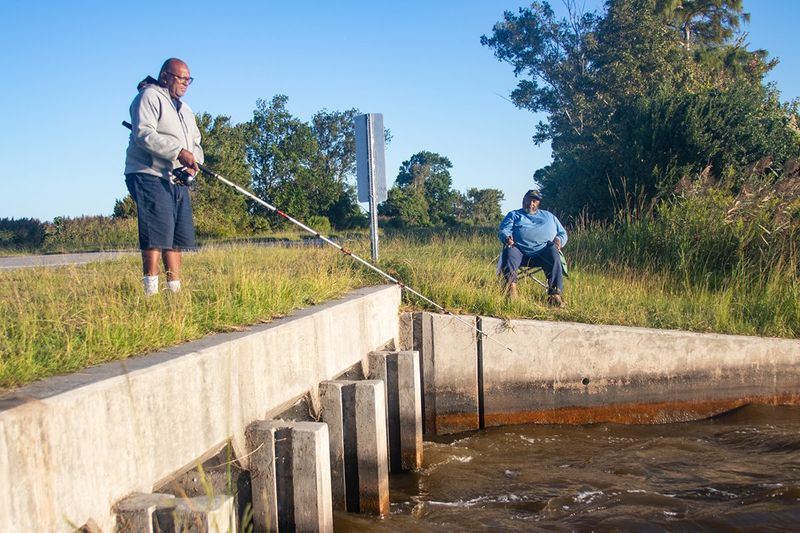
For some visitors, the quietest part of the trip is a fishing line resting in the water.
Lake Mattamuskeet and nearby refuge waters offer a slower kind of outdoor fun.
Fishing is one of the activities associated with Mattamuskeet National Wildlife Refuge, along with boating, birding, wildlife viewing, hiking, hunting, and seasonal crabbing opportunities in the broader area.
Because this is a protected refuge, rules matter.
Regulations can change by season, location, species, and water conditions.
Before you cast a line or set out for crabbing, check official refuge information and North Carolina fishing license rules.
Ask at the visitor center if it is open, or review the refuge website before your trip.
Some areas may be closed to protect wildlife or for safety reasons.
Bring basic gear, drinking water, sun protection, and a way to pack out all trash.
Fishing around marshes can be peaceful, but it also requires care.
Watch your footing near banks, keep hooks away from birds and turtles, and never leave line behind.
This activity is best enjoyed with patience.
You might catch fish, or you might simply watch herons hunt and clouds move over the lake.
Either way, the setting is the reward.
For road-trippers who usually rush between gas stations and viewpoints, a quiet hour by the water can feel like a reset button.
8. Golden Hour Makes The Refuge Glow
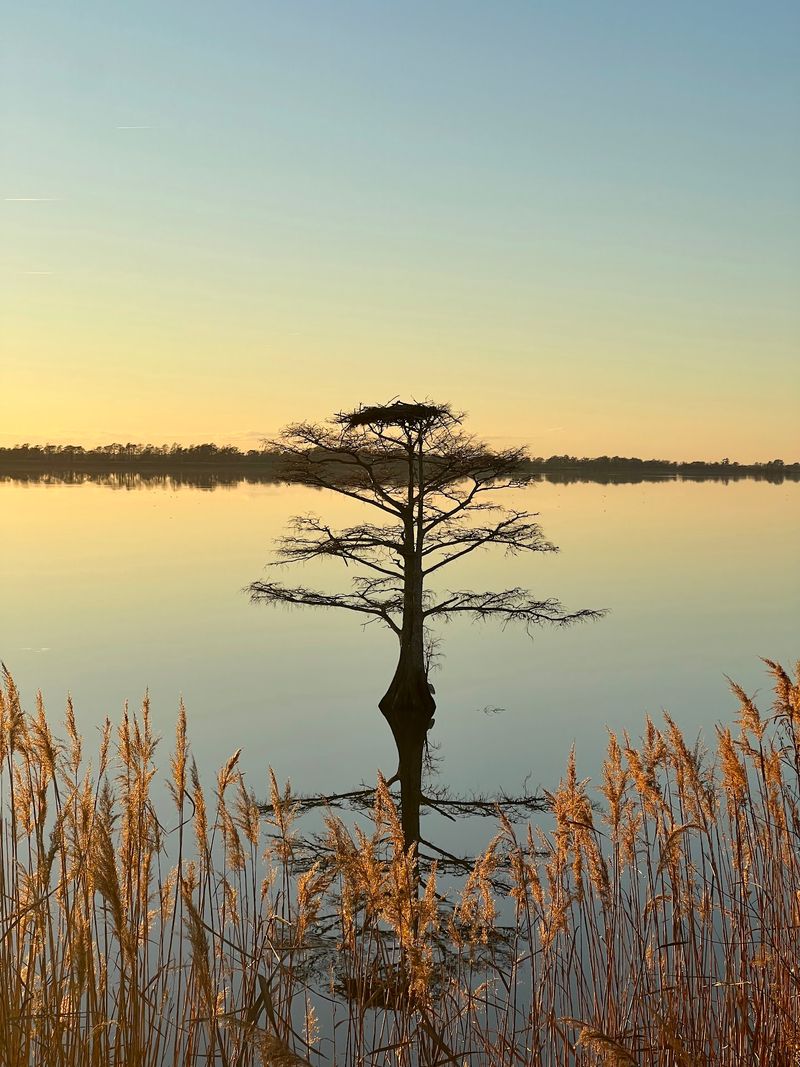
Sunset at Mattamuskeet does not need bright city lights to put on a show.
The lake, sky, and birds handle everything themselves.
Many visitors remember the refuge most strongly at golden hour, the time shortly after sunrise or before sunset when the light turns warm and soft.
Open water reflects the sky, marsh grass catches color, and birds may move across the lake in groups.
Photographers often love this time because even simple scenes can look rich and dramatic.
If you plan to stay late, think ahead.
Roads in rural Hyde County can become very dark after sunset, and wildlife may be near or on the road.
Leave enough time to drive safely, use headlights carefully, and watch for deer, bears, and other animals.
Bring a tripod if you enjoy photography, but do not feel pressure to make every moment a picture.
Sometimes the best part is standing quietly while swans call in the distance.
Observation platforms and safe pull-offs can give you good views without disturbing habitat.
Weather changes the mood quickly.
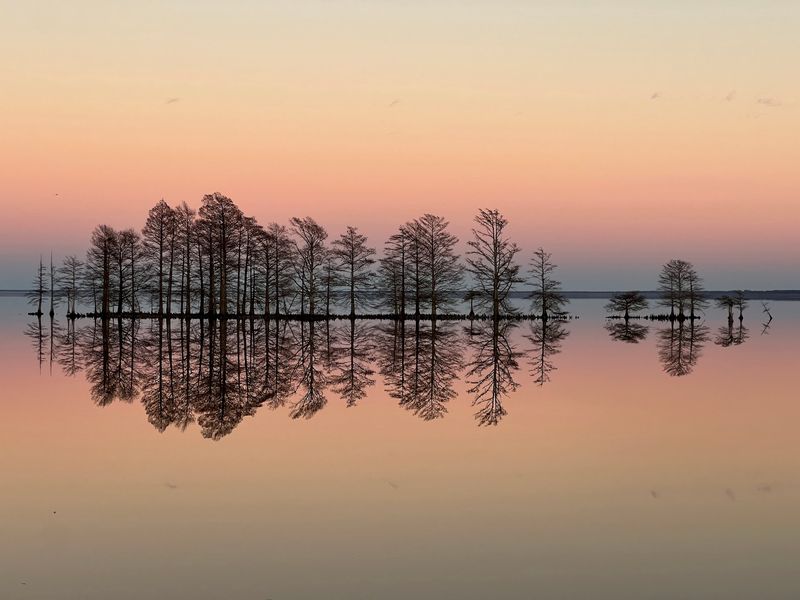
A cloudy evening may bring soft silver water instead of orange light, while a clear sky can turn the whole lake pink and gold.
Either version has its own charm.
For travelers heading back toward the Outer Banks or inland towns, this quiet glow can be the memory that lasts longest.
9. A Peaceful Detour From The Outer Banks
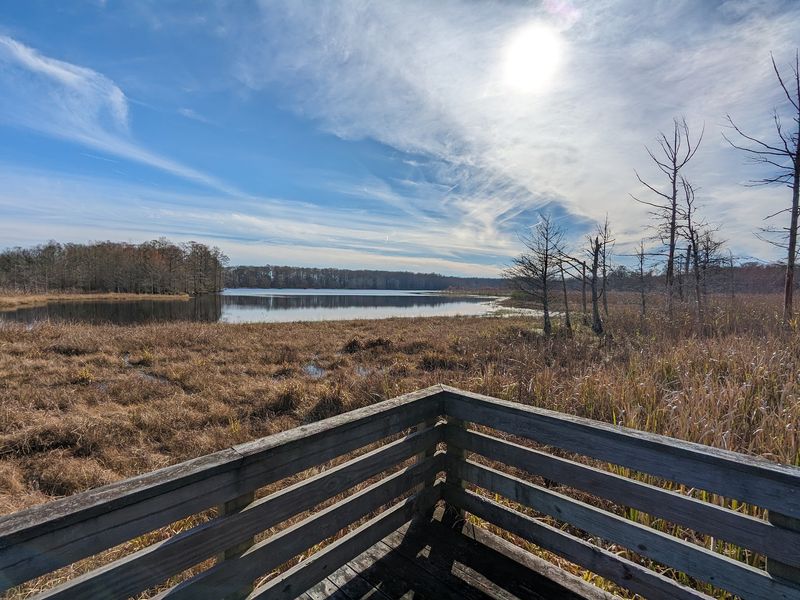
A beach trip can use a quiet side quest.
Mattamuskeet National Wildlife Refuge sits about 60 miles south of Nags Head, making it a possible nature detour for Outer Banks travelers.
The refuge is especially appealing for people who enjoy wildlife more than crowded boardwalks.
Instead of souvenir shops and busy parking lots, expect open roads, marsh views, birds, and long stretches of calm.
Some travelers discover it by accident while taking back roads, then wish they had planned more time.
Do not treat the refuge like a quick photo stop if you can help it.
Give yourself at least a couple of hours for the visitor center, overlooks, Wildlife Drive, and a short trail.
Birders, photographers, and history fans may want even longer.
Gas, food, and services can be limited in rural areas, so prepare before you wander too far.
Download maps, fill your tank, and bring snacks.
Cell signal may be weak, which can be a blessing if you want a break from constant notifications.
A detour here works best with a flexible attitude.
You might see hundreds of birds, or you might enjoy a calm lake under a wide sky.
Either way, Mattamuskeet offers a different side of coastal North Carolina.
It reminds road-trippers that the best stops are not always the famous ones marked by billboards.
Sometimes they are quiet places hiding just off the main plan.
10. Simple Planning Makes The Visit Better
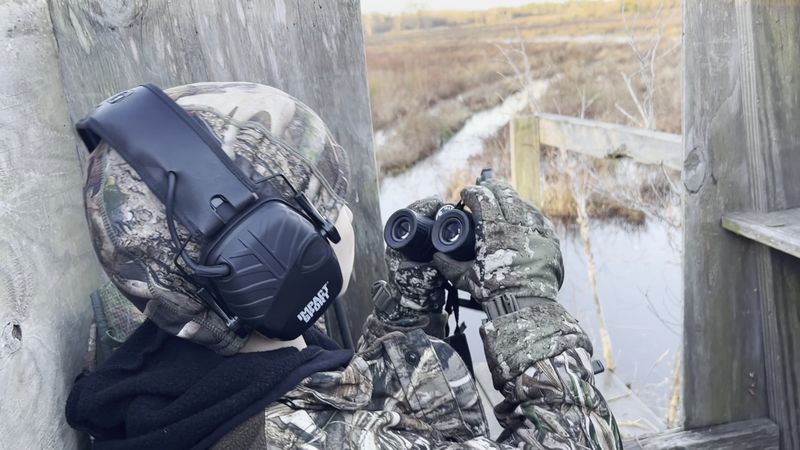
A little planning goes a long way at a quiet refuge.
Mattamuskeet is easy to enjoy, but it is not the kind of place where every need is waiting around the corner.
Start by checking the official refuge website for hours, road access, hunting seasons, visitor center updates, and special closures.
The refuge is managed for wildlife first, so some areas may be limited at certain times.
Calling ahead can also help if you are traveling far.
Pack binoculars, a camera, water, bug spray, sunscreen, and weather-ready clothing.
In winter, layers help during windy birding stops.
In warmer months, insects and sun can be stronger than expected, especially near marshes and still water.
Respect the refuge by staying on marked roads and trails.
Do not feed wildlife, collect plants, disturb nests, or leave trash.
If you bring pets where allowed, keep them under control and follow posted rules.
Quiet behavior helps everyone see more animals.
Timing matters.
Winter and early spring are often best for waterfowl, while other seasons bring different views, reptiles, insects, songbirds, and green marsh scenery.
Rainy or cool days may mean fewer sightings, but the swamp and lake can still feel beautiful.
Most of all, arrive ready to slow down.
Mattamuskeet is not trying to entertain you loudly.
Its charm comes from patient watching, soft sounds, and the surprise of noticing what was there all along.
Share this story