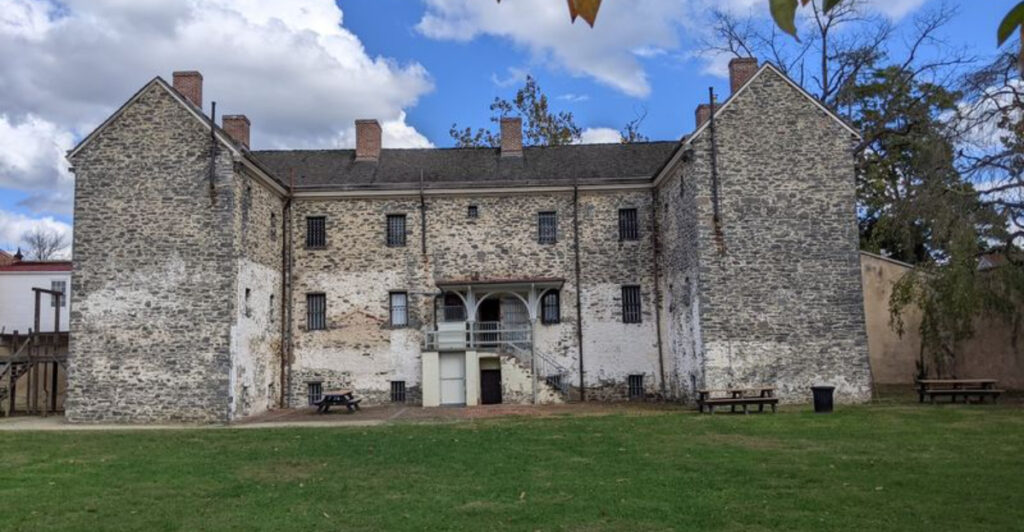
A heavy iron door closes behind you in Mount Holly. Across the state, contemporary artwork hangs on the stone walls of a former gristmill, vintage fire engines occupy an 1875 firehouse, and old railroad signals surround the ticket window of a long-silent station.
These are not museums that happen to occupy interesting addresses. Their buildings are exhibits in their own right.
New Jersey has proved remarkably good at finding new purposes for places built to hold prisoners, assemble locomotives, repair ships, train pilots, and conduct secret military research. The result is a collection of museums where the setting changes how the story lands.
Factory beams, classroom bells, aircraft-hangar doors, and worn station floors provide something no purpose-built gallery can manufacture: physical evidence of what happened there.
Some visits require advance planning, and several smaller museums keep limited schedules, but that only makes stepping through their doors feel more like discovering a secret.
1. Burlington County Prison Museum – Mount Holly
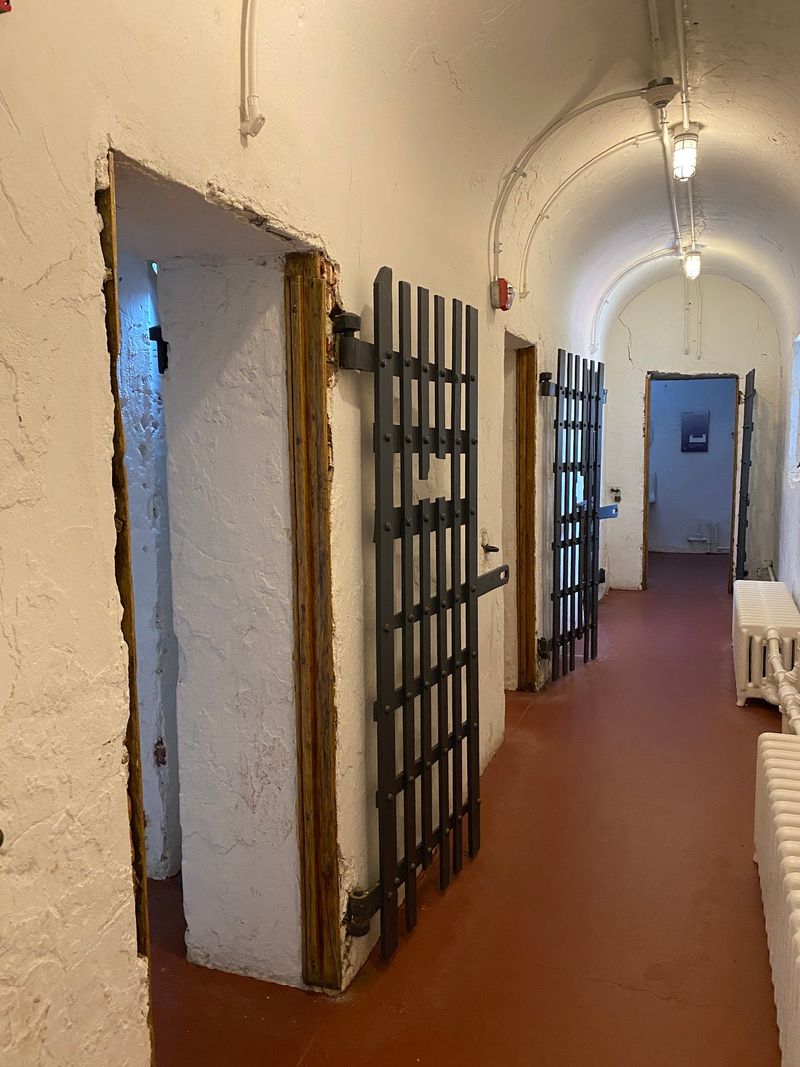
Some buildings practically announce their past, and this one does not whisper. Set inside a former prison in Mount Holly, the museum gives visitors a rare chance to think about justice, daily life, and local history all at once.
The structure itself does much of the storytelling before you even read a single sign.
Walking through old cells and stark hallways can feel serious, so plan for a slower visit. Kids and sensitive visitors may do better if adults explain ahead of time that the space can seem gloomy, but the goal is learning, not shock.
Comfortable shoes help, because older buildings often mean uneven floors, steps, and narrow passages.
What makes the stop memorable is the contrast between the quiet town outside and the tough story inside. Pair it with time around downtown Mount Holly for a fuller day.
A visit here reminds you that museums do not need grand marble lobbies to leave a strong impression on curious New Jersey explorers.
2. Paterson Museum – Paterson
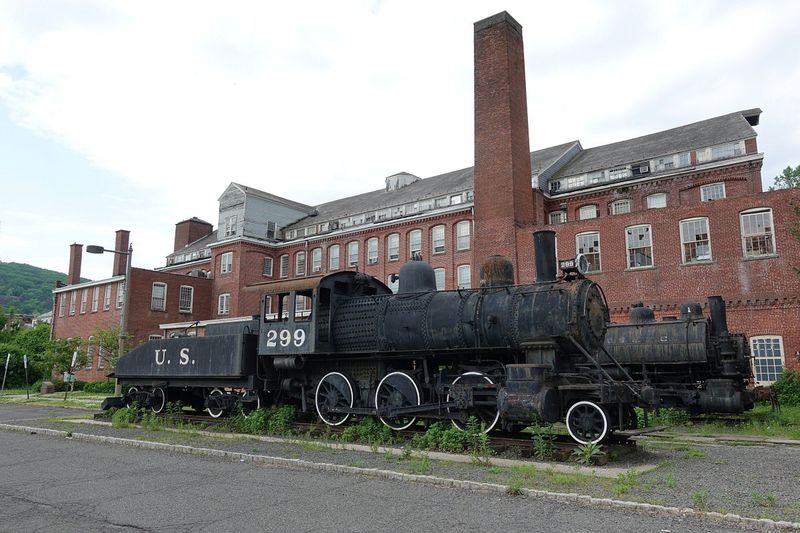
Factories built Paterson’s reputation, so it feels fitting that a museum here carries an industrial spirit. Instead of a fancy palace of culture, you get a place that feels tied to work, invention, and city pride.
That makes the experience more grounded, especially for visitors who like history with gears, grit, and real neighborhood context.
Inside, expect displays that connect Paterson to manufacturing, transportation, and everyday life. You do not need to be an expert to enjoy it.
Bring a curious mindset and give yourself time to notice small objects, old tools, and local details that show how big stories can grow from one city block.
A smart move is pairing the museum with a walk or drive around other nearby landmarks in Paterson. Seeing the city around it helps the exhibits make more sense.
For families, it works well because the building feels approachable rather than formal, and that often keeps younger visitors more interested than a huge museum ever could on a busy weekend trip.
3. Hoboken Historical Museum – Hoboken
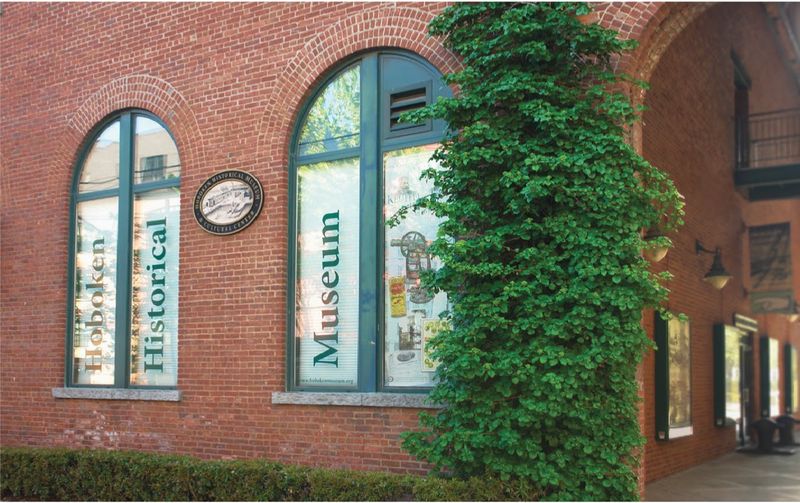
Hoboken has a way of making old spaces feel fresh again, and its historical museum fits that mood perfectly. Housed in a building with a more practical past, the museum feels close to the everyday life of the city rather than distant from it.
That makes the stories inside feel personal, neighborly, and easy to connect with.
Come ready to look beyond famous headlines and notice the smaller pieces of local identity. Waterfront change, immigrant roots, music, food, and street life all help shape Hoboken’s personality.
A museum in an unexpected building works well here because the city itself is full of reinvention, where old uses and new energy often share the same block.
Try visiting when you have extra time to wander the neighborhood before or after. The streets outside add context, and nearby views can turn a simple museum stop into a full afternoon.
If you are traveling with someone who says history is boring, this is the kind of compact, lively place that might change their mind without needing a hard sell.
4. Roebling Museum – Roebling
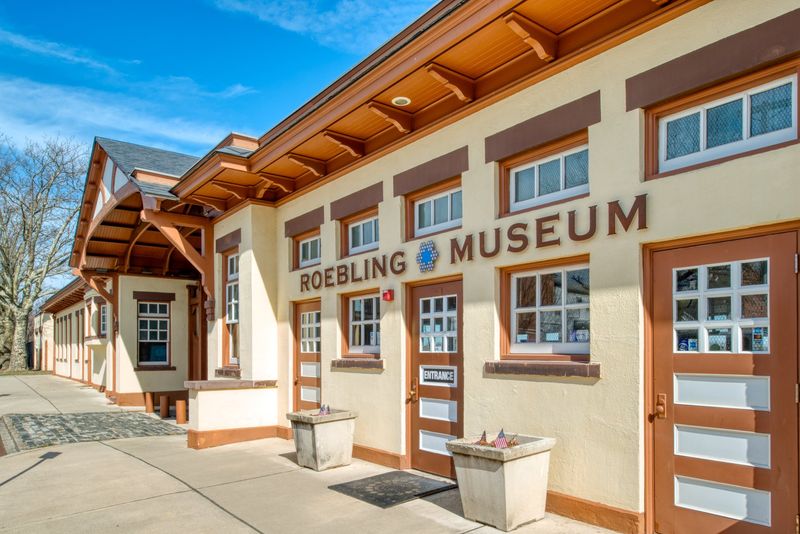
You can feel the company town story before you even start reading here. The Roebling Museum sits in a place shaped by industry, and the building helps carry that memory in a direct, no-nonsense way.
Instead of separating history from its setting, the museum keeps them close together, which is exactly why the visit feels stronger.
Expect a look at work, community, and how one industry can shape streets, homes, and family routines. Even if you know little about manufacturing, the human side comes through easily.
Notice how the museum links big engineering ideas to ordinary people who lived nearby, shopped nearby, and built daily life around the rhythms of the job.
Roebling is a good stop for readers who enjoy seeing smaller New Jersey places with a distinct identity. Bring a camera, since the area around the museum adds atmosphere to the trip.
It is the kind of visit that sticks because you are not just seeing objects in cases. You are stepping into a landscape where the story still feels close.
5. Hunterdon Art Museum – Clinton
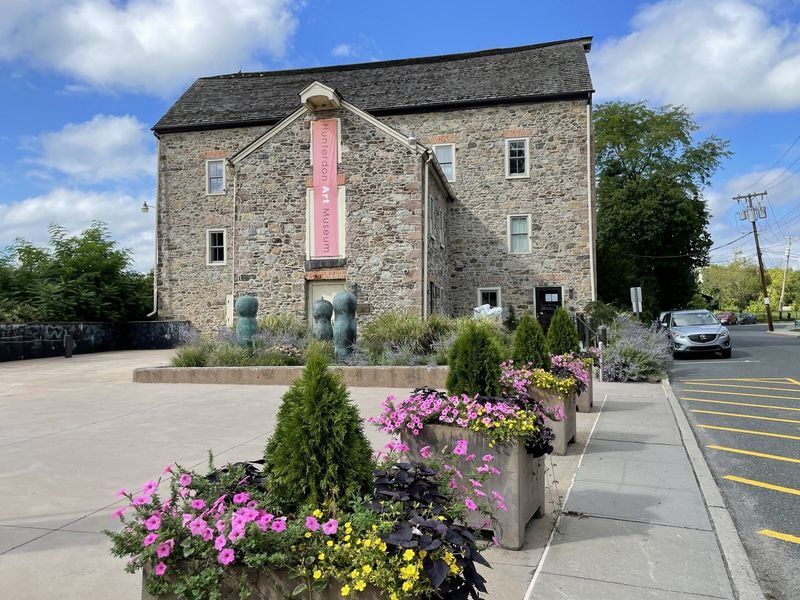
Art inside an old mill is already a strong opening line, and Clinton delivers that beautifully. The Hunterdon Art Museum uses a historic industrial building in a way that feels creative without trying too hard.
Old stone, river town charm, and changing exhibits give the place a mix of texture and freshness that stands out right away.
People who feel nervous around art museums may find this setting easier to enjoy. The building feels welcoming, not stiff.
You can focus on how the rooms, walls, and light shape the artwork, which is a good reminder that where you see art matters almost as much as what you see.
Plan a relaxed visit instead of rushing through. Clinton is the kind of town that rewards slow walking, and the museum fits that pace.
If you are bringing kids or first-time museum-goers, ask them which piece feels most surprising in a former mill setting. That simple question often starts better conversations than any label on the wall and makes the stop feel more memorable for everyone involved.
6. Naval Air Station Wildwood Aviation Museum – Cape May Airport

Not every museum gets to live inside a giant hangar, and that is part of the thrill here. At Cape May Airport, the Naval Air Station Wildwood Aviation Museum pairs aviation history with a building that feels made for the subject.
The scale alone changes your mood before you even start exploring the exhibits around you.
Big open spaces usually help families, because there is room to look up, move around, and stay engaged. Aircraft displays, war-era atmosphere, and the airport setting make the visit feel active instead of quiet.
If someone in your group loves planes, this place can become the anchor of the whole day.
Even casual visitors can enjoy the simple drama of walking through such a large historic structure. Try to notice how the hangar itself creates perspective, making machines and stories seem larger than life.
Since Cape May County has plenty to do nearby, this museum works well as part of a longer outing, especially when you want history that feels hands-on, visual, and a little more cinematic than your average local stop.
7. Chief John T. Brennan Fire Museum – Bayonne
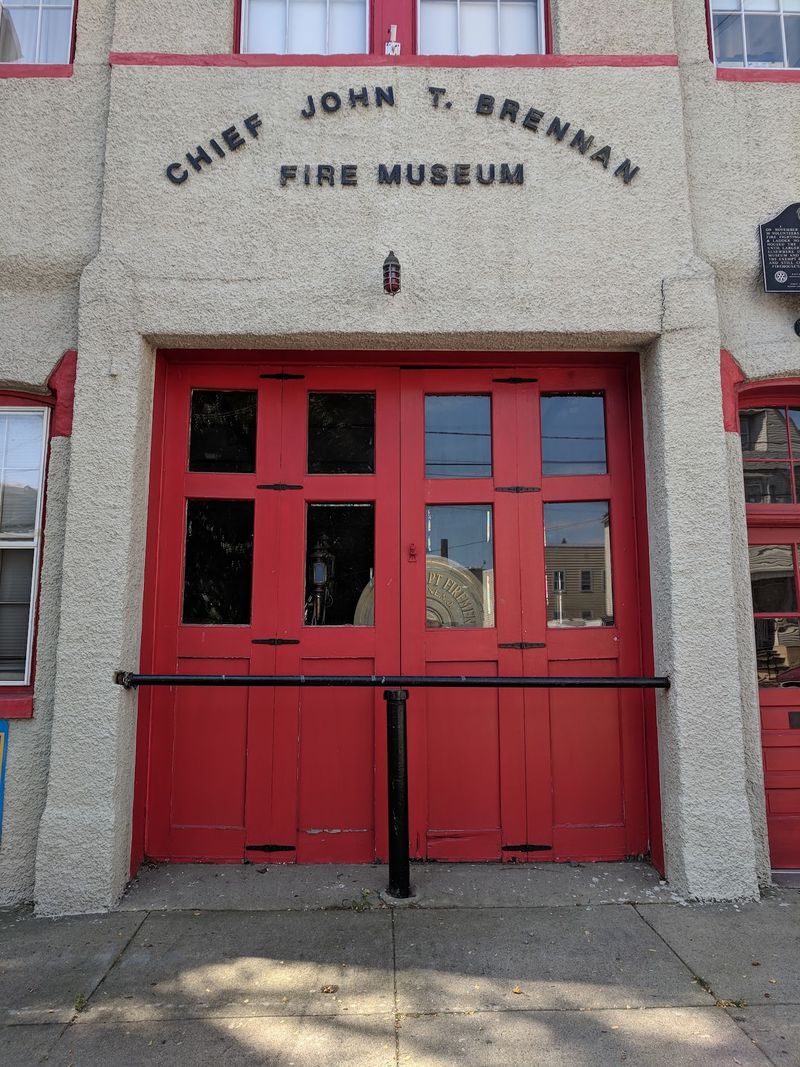
Few buildings feel as naturally suited to storytelling as a fire museum space. In Bayonne, the Chief John T.
Brennan Fire Museum turns firefighting history into something vivid, practical, and easy to picture. You are not looking at random objects pulled far from their roots.
The setting helps every helmet, tool, and photo feel more alive.
There is something instantly relatable about learning how communities stayed safe and how emergency work changed over time. Children often connect quickly with fire history because the equipment is visual and dramatic, while adults may notice the strong civic pride behind it.
That mix makes the museum appealing to more than one age group.
For the best visit, slow down and study details that show how demanding the job could be. Old gear often says a lot without needing a long explanation.
Bayonne has its own hardworking character, so the museum feels especially fitting in place. If you like local spots with heart, this one offers a focused visit that is memorable, respectful, and much more personal than a giant institution packed with endless galleries.
8. Ridgewood Historical Society and Schoolhouse Museum – Ridgewood
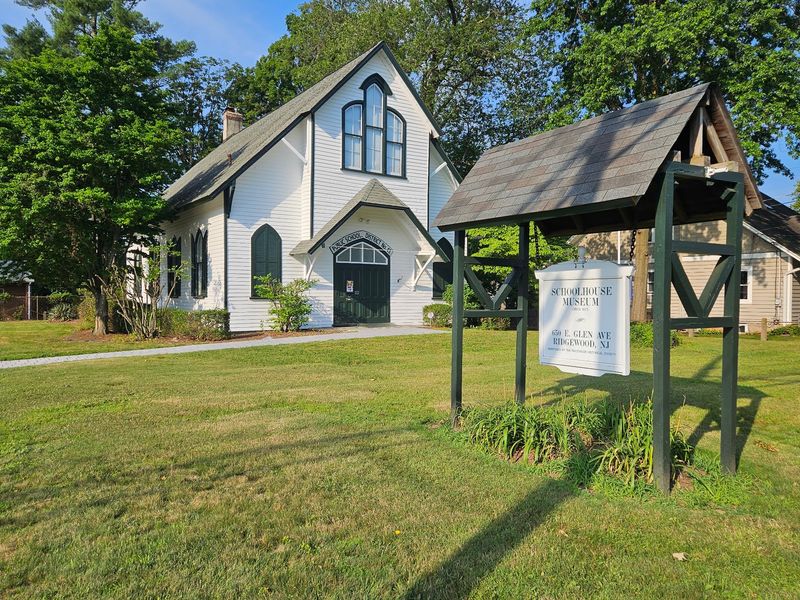
A schoolhouse can turn grownups into kids again in about ten seconds. That is the charm of the Ridgewood Historical Society and Schoolhouse Museum, where the building itself carries much of the lesson.
Instead of learning local history in an anonymous room, visitors step into a place that feels tied to memory, routine, and community life.
The appeal here is quiet but strong. A smaller historic space invites you to imagine what everyday learning once looked like, from classroom rules to neighborhood connections.
It is a helpful stop for families because the idea is easy to grasp, and children can picture real people using the room rather than just reading names on panels.
Give yourself permission to notice ordinary details. Windows, desks, and room size can tell as much as any artifact case.
Pairing the museum with a walk around Ridgewood makes the contrast between past and present even clearer. If you enjoy history that feels close to home, this schoolhouse offers a gentle kind of time travel, showing how one modest building can hold a surprisingly rich slice of New Jersey life.
9. InfoAge Science and History Museums – Wall Township
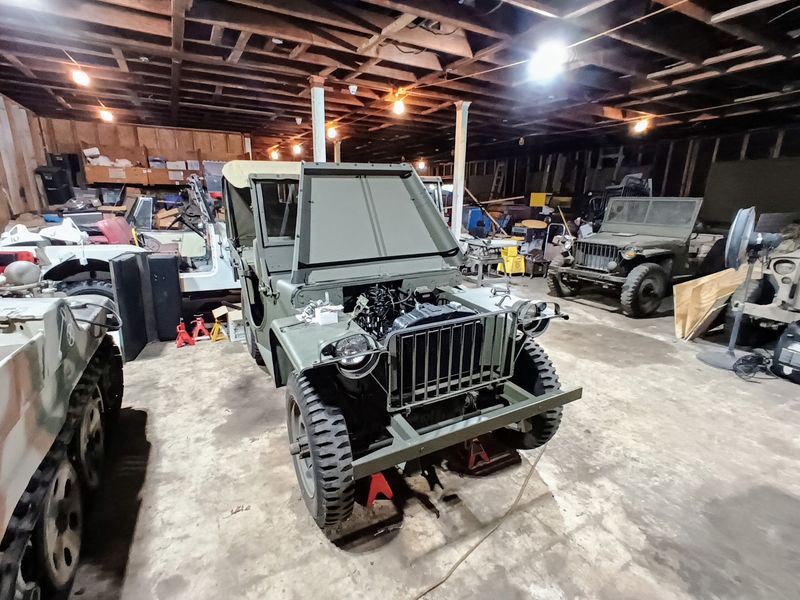
If you like your museums with a little geeky sparkle, InfoAge is a fun surprise. Located in former military buildings in Wall Township, it blends science, technology, and history in a setting that already feels full of signals from the past.
The campus-style layout adds curiosity because the surroundings are part of the experience from the start.
One smart approach is to arrive with a flexible plan. There can be a lot to see, and different visitors may connect with different corners, from communications to computing to broader history themes.
That variety helps the museum feel lively rather than narrow, especially for groups where everyone has different interests and attention spans.
The unexpected building choice matters here because science can seem abstract when removed from real places. In this setting, ideas feel anchored to workspaces, equipment, and human effort.
Wear comfortable shoes and leave room in your schedule, since rushing would miss the point. InfoAge rewards curiosity in layers, and it shows how New Jersey can hide serious brainpower inside buildings many people might otherwise overlook from the road.
10. Maywood Station Museum – Maywood
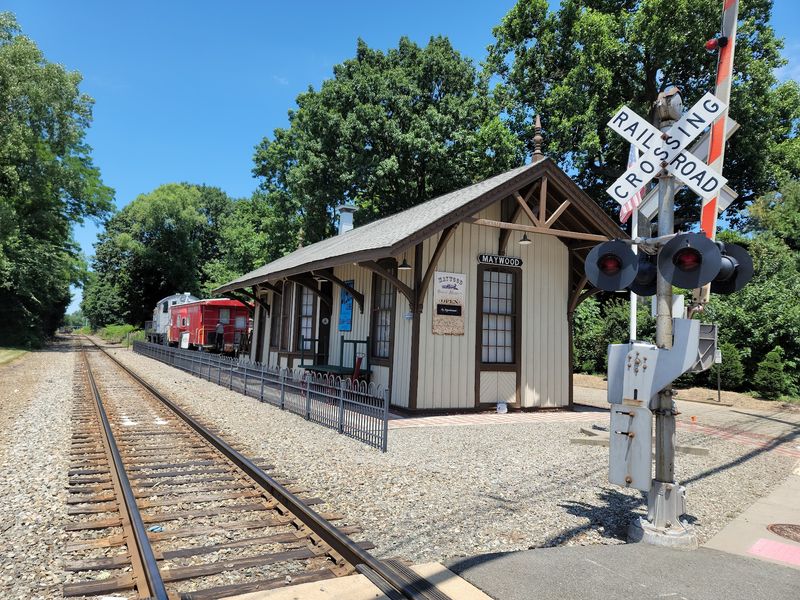
Tiny museums can punch far above their size, and Maywood Station Museum proves it fast. Set inside a restored railroad station, it turns a compact building into a strong reminder of how travel once shaped local life.
You do not need a huge collection when the setting itself instantly explains why the place matters.
Railroad fans will have plenty to enjoy, but casual visitors can connect just as easily through the station’s everyday feel. Trains were not only machines.
They affected commuting, commerce, schedules, and the way towns grew around movement. A small depot makes those ideas easier to understand because the scale stays human from start to finish.
Try visiting with someone older in your family if you can. Stations often bring out stories about past trips, routines, and neighborhood change, which makes the museum feel even richer.
The stop is especially good for a short outing when you want something focused and distinctive. Among New Jersey’s hidden museum spaces, this one stands out for turning a familiar kind of building into a lively, memory filled doorway to local history.