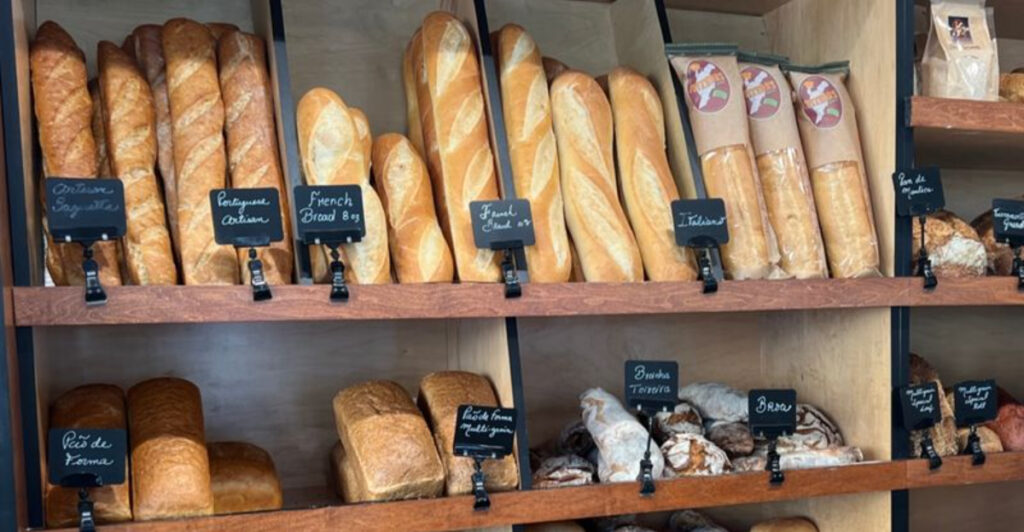
At 6:30 on a summer morning, the line outside a Jersey Shore bakery can already be curling toward the sidewalk, with sleepy customers waiting for crumb cake before the beach.
Elsewhere, brick ovens are puffing rounds of pita, Italian loaves are cooling on racks, and sprinkle-covered doughnuts are disappearing into white boxes tied with string.
New Jersey’s finest old-school bakeries are not frozen in time, but they know better than to tamper with what works. Many still rely on family recipes, hands-on techniques, and specialties rooted in the places their founders called home.
These are bakeries where bread matters as much as elaborate cakes, holiday orders are practically family obligations, and arriving late may mean missing the thing everyone came to buy.
From Portuguese rolls in Newark to Lithuanian rye in Elizabeth, these 12 shops prove that tradition tastes especially good when it comes warm from the oven.
1. Mueller’s Bakery – Bay Head
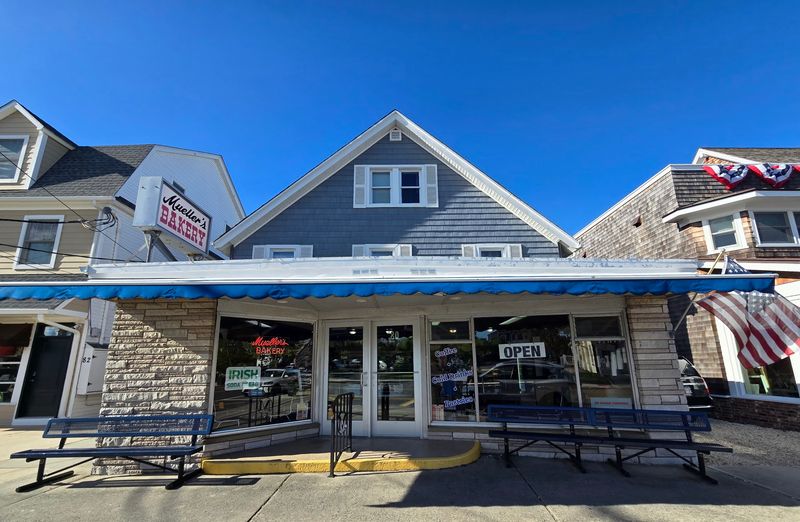
A square of crumb cake from this Bay Head institution contains just enough tender cake to support what everyone really wants: a thick, gloriously messy layer of cinnamon streusel. Mueller’s has been baking in this little Shore town since 1890, and its signature crumb cake is still made using the original formula.
That continuity matters. Plenty of places sell crumb cake, but few inspire customers to line up early, carry boxes back to beach houses, and brush buttery crumbs from their shirts with absolutely no regrets.
The shop also turns out doughnuts, Danish pastries, cookies, pies, breads, and carefully decorated cakes, giving it the range of a classic full-service neighborhood bakery. Still, that famous square should be your first move.
Get coffee, add a jelly doughnut or cheese Danish if breakfast is becoming a project, and accept that you may leave with a larger box than planned. The setting on Bridge Avenue adds to the ritual: beach cruisers outside, familiar faces at the counter, and the morning moving at a refreshingly human pace.
Mueller’s traditionally operates seasonally rather than all year, so check its calendar before making a special trip. During busy summer weekends and holidays, come early or order ahead.
The most popular goods have a habit of vanishing well before everyone’s sweet tooth does.
2. B&W Bakery – Hackensack
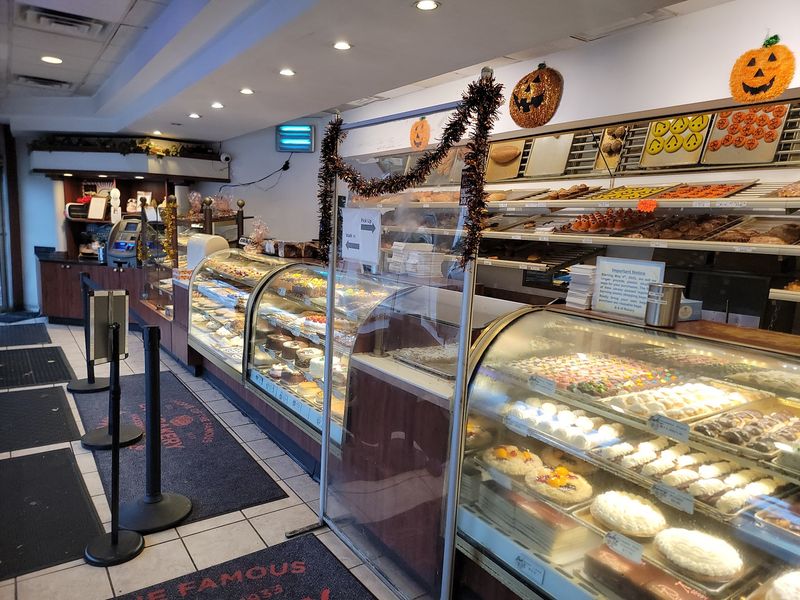
The celebrated “heavy” crumb cake here approaches the crumb-to-cake question with admirable decisiveness. Its soft base carries a towering layer of buttery, cinnamon-spiced streusel, producing the sort of slice that requires both hands and perhaps a napkin strategy.
The specialty traces its roots to B&W’s German baking heritage. Two master bakers established the original Hackensack bakery in 1933, and the business was trademarked under the B&W name—short for Boehringer and Weimer—in 1948.
Nearly a century later, the bakery still makes its signature cake from the same closely guarded recipe. That alone earns it old-school credentials, but the experience goes beyond one famous item.
The cases hold butter cookies, fruit-filled pastries, doughnuts, layer cakes, pies, and other familiar treats that look ready for a Sunday dinner table. There is no elaborate tasting ritual or precious presentation.
You point, the box fills, and everyone behind you already knows what they want. Find B&W on Main Street in Hackensack, where holiday lines and weekend crowds are part of the landscape.
If crumb cake is the goal, arriving early is smart; ordering in advance is even smarter when a celebration or family gathering is involved. Buy more than you think you need.
Those weighty squares can be cut smaller for sharing, though experience suggests nobody will be thrilled about that arrangement.
3. Judicke’s Bakery – Bayonne
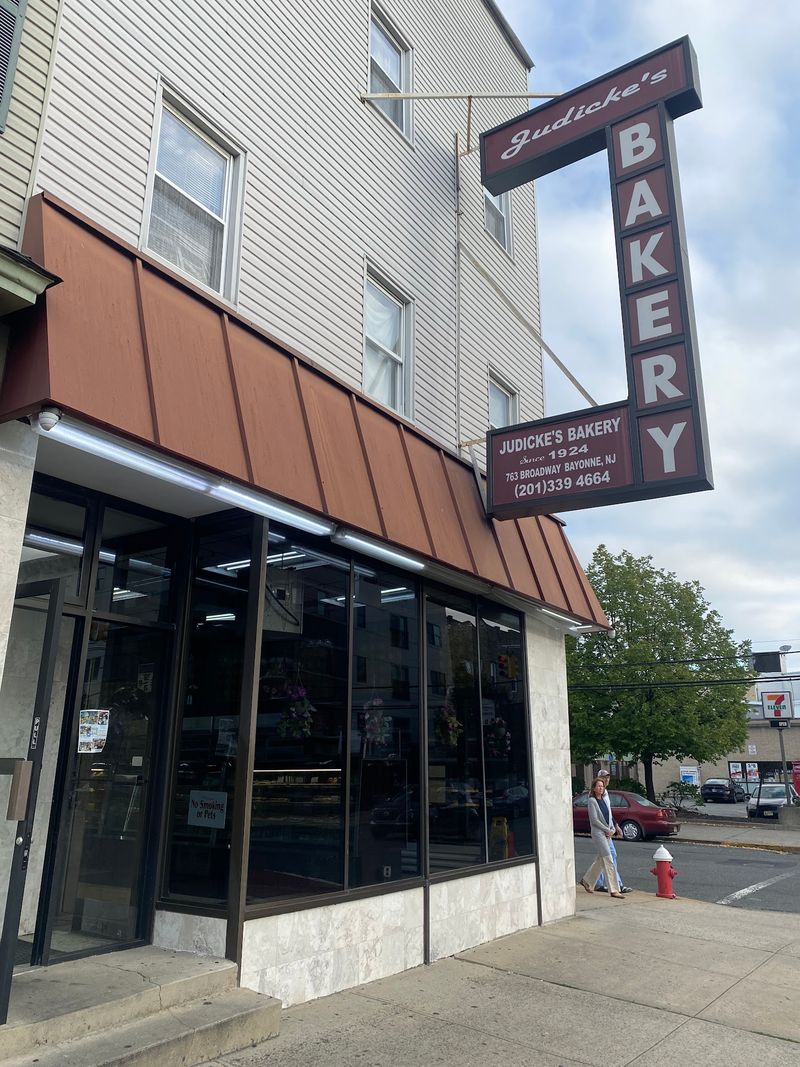
In Bayonne, chocolate frosting and rainbow sprinkles have their own local landmark. Judicke’s has been part of the city since 1924, and its sprinkle doughnut remains the order most closely tied to the bakery’s name.
It is wonderfully uncomplicated: a soft doughnut, a generous chocolate cap, and enough multicolored sprinkles to make the inside of the bag look festive. Generations of customers have eaten them after school, brought them to work, and ordered them by the dozen for parties where fancy desserts would somehow feel wrong.
The bakery’s long counter covers nearly every classic craving. There are glazed doughnuts and turnovers for breakfast, brownies and cookies for an afternoon sugar fix, plus cheesecakes, layer cakes, Black Forest slices, and custom celebration cakes.
The visual language is cheerfully traditional—piped borders, fudge frosting, bright colors, and decorations meant to make the guest of honor smile rather than impress a panel of minimalist designers.
Its Broadway location makes Judicke’s an easy stop while running errands around Bayonne, although street parking may require patience during busier periods.
Walk-ins can find plenty of options, but custom cakes and large holiday orders deserve advance notice. First-timers should begin with the sprinkle doughnut and work outward from there.
Some century-old traditions survive because they are important cultural artifacts. This one survives because chocolate frosting and sprinkles remain a nearly unbeatable team.
4. Italian Peoples Bakery – Trenton
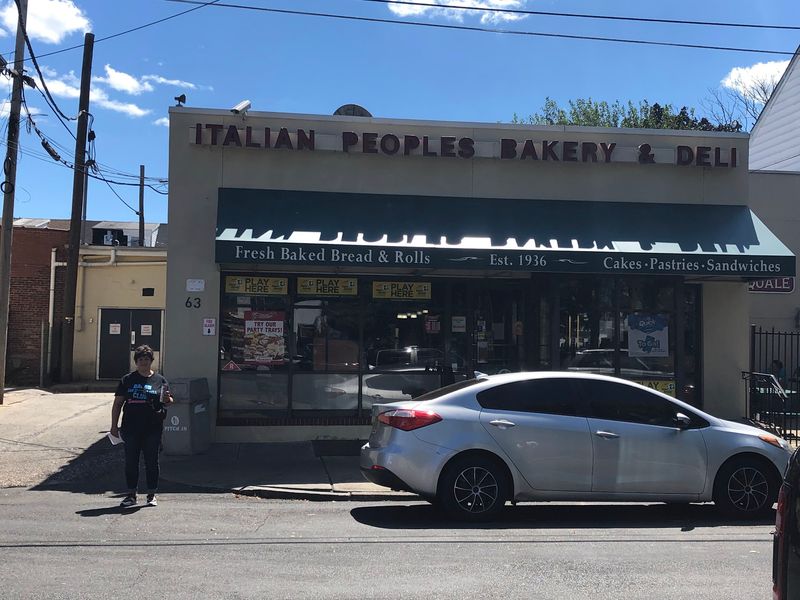
Bread is not a supporting character at this Trenton staple. It is the reason the doors opened in 1936 and the foundation beneath everything that followed.
Italian Peoples Bakery continues to make artisan loaves and rolls from recipes passed through generations, supplying family tables, sandwich shops, restaurants, and anyone who understands that a proper Italian loaf should crackle when squeezed.
Pick up a seeded loaf for Sunday gravy or a bag of rolls destined for meatballs, sausage and peppers, or an impressively overbuilt lunch.
The crust has presence, while the interior remains sturdy enough to hold sauce without turning the meal into a structural emergency. Once the bread is secured, investigate the sweets.
Cannoli are an obvious choice, but the cases also cover doughnuts, bear claws, pies, cheesecake, pastries, and decorated cakes for everything from weddings to ordinary Tuesdays that could use frosting. The original Butler Street location retains the character of a hardworking neighborhood bakery rather than a polished dessert boutique.
It opens early and keeps unusually generous hours, making it useful whether you need breakfast or forgot the bread until late afternoon. There are additional shops in Mercerville and across the Pennsylvania line, but Trenton is the place to connect with the bakery’s roots.
Come hungry and leave room in the car. A “quick stop for one loaf” has been known to produce several bags and a suspiciously light cannoli box.
5. Rispoli Pastry Shop – Emerson
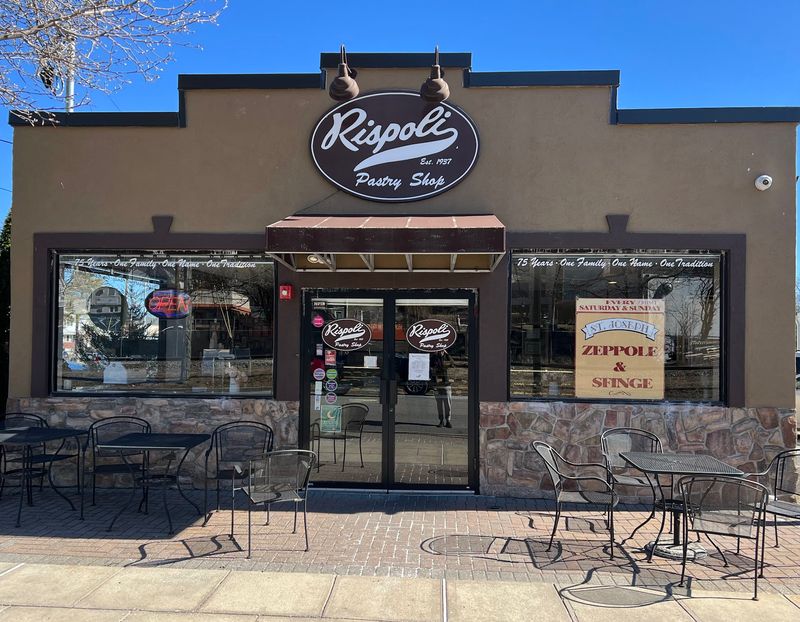
Lobster tails provide the best kind of false advertising: no seafood, just crisp layers of pastry wrapped around a cloud of Chantilly cream. Rispoli’s version is the showpiece at this family bakery, which was founded in 1937 by Gabriele and Josephine Rispoli.
Now based in Emerson, the shop carries nearly nine decades of Italian-American pastry knowledge into every carefully filled shell and cookie tray. The lobster tail deserves top billing, especially if you enjoy the dramatic crackle of laminated dough followed by cool, silky cream.
Cannoli are another essential order, joined by sfogliatelle, cream puffs, éclairs, Napoleons, pasticiotti, and espresso-soaked tiramisu. For a gathering, the assorted cookie boxes offer a tour of the classics: pignoli, tricolor cookies, sesame biscuits, fruit bars, macaroons, and jam-centered varieties that inevitably disappear first.
Larger celebrations call for a cannoli cake, built with sponge cake, cream filling, buttercream, and crushed shells. The Emerson Plaza East storefront sits near the train station, making it convenient for commuters and anyone assembling an emergency dessert spread.
The shop is typically closed on Mondays, and sought-after pastries can sell down as the day progresses. Visit early when possible, particularly before a holiday.
This is not the place to debate whether you need one lobster tail or two. Order two and devote that saved decision-making energy to choosing cookies.
6. Calandra’s Bakery – Newark
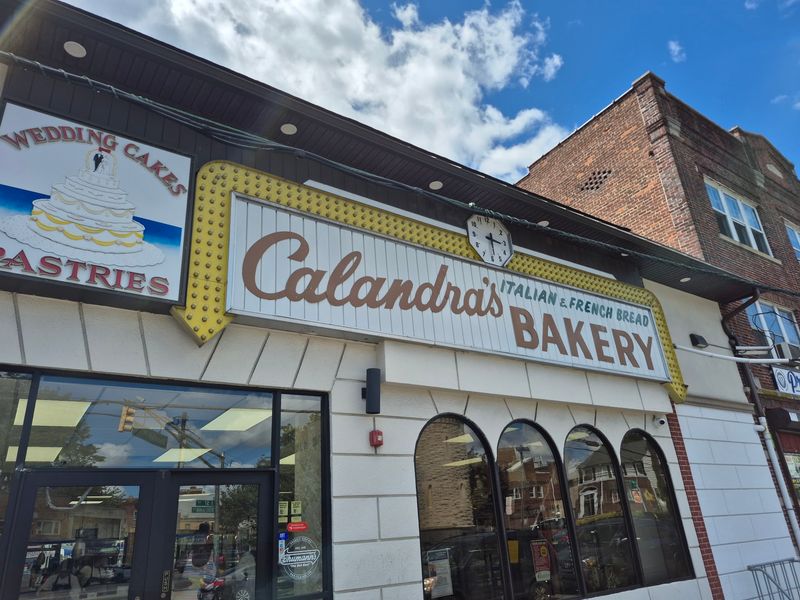
Before Calandra’s became a familiar name throughout North Jersey, Luciano and Ortenza Calandra were working day and night in a small Newark bakery opened in 1962. Luciano had arrived from Italy only five years earlier, bringing the knowledge needed to build a reputation on Italian and French bread.
The family business has grown considerably since then, but fresh bread remains its heartbeat. Visit the original First Avenue location and begin with a crusty Italian loaf.
The long rolls and round loaves are built for serious sandwich duty, while semolina and seeded options bring the bakery counter straight to the dinner table. Timing can reward you with bread that is still warm enough to scent the car before you make it out of the parking space.
Sweet choices range from cannoli and lobster tails to cookies, breakfast pastries, pies, cupcakes, and elaborate occasion cakes. Holiday periods bring traditional specialties and the kind of energetic counter service that assumes everyone has relatives waiting for dessert.
Although the Newark operation is now substantial and Calandra’s has additional bakeries in Fairfield and Caldwell, the original shop still represents the family’s starting point. It feels less like a nostalgic replica than a working bakery that never stopped expanding its morning bake.
If you only need bread, take a number and stay focused. If you glance toward the pastry case, your simple loaf run may quickly acquire cannoli, cookies, and a cake nobody technically requested.
7. Teixeira’s Bakery – Newark
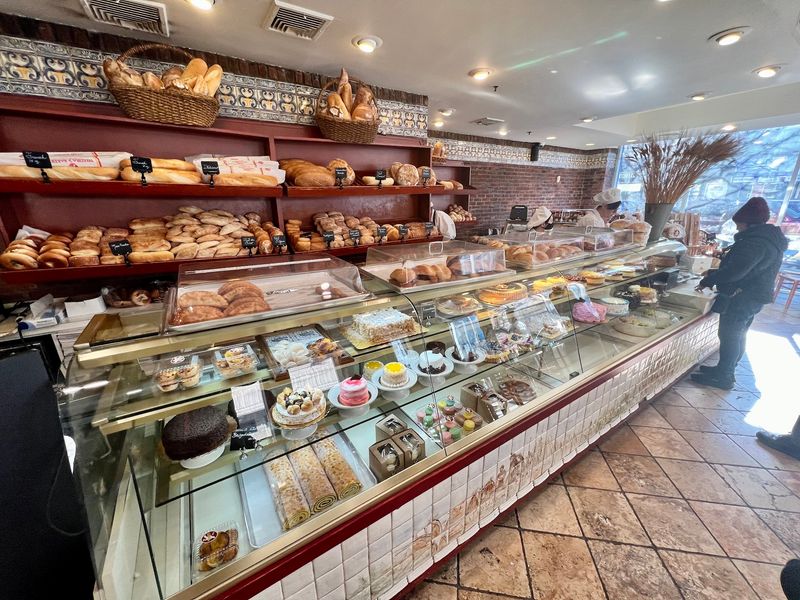
On a Newark morning, the warm aroma drifting through this Portuguese bakery is often enough to rearrange breakfast plans. Teixeira’s is rooted in the baking traditions of Portugal, with fresh bread, strong coffee, and pastries treated as daily necessities rather than occasional indulgences.
Its crusty Portuguese rolls are the everyday star: lightly crisp outside, airy within, and suited to butter, cheese, eggs, sliced meats, or the admirable practice of tearing one open in the car. Larger loaves bring the same straightforward appeal to the dinner table, especially alongside soup or a saucy meal that leaves nothing behind.
Then there are the sweets. Pastéis de nata, the small custard tarts associated with Portuguese cafés, balance flaky pastry against a creamy center marked by dark, caramelized spots.
Pair one with an espresso, then consider sweet bread or another pastry for later. The Ferry Street location puts Teixeira’s in the heart of Newark’s Ironbound, where Portuguese and Brazilian food traditions remain part of the neighborhood’s daily rhythm.
The space is practical and busy, with customers moving through for bread, coffee, and familiar favorites. That lived-in routine is precisely the attraction.
You are not visiting a staged version of an old-world bakery; you are joining the morning line. Go early for the broadest selection and bring cash as a backup.
Most importantly, buy extra rolls. They have an uncanny tendency to disappear before lunch begins.
8. Deluxe Italian Bakery – Runnemede
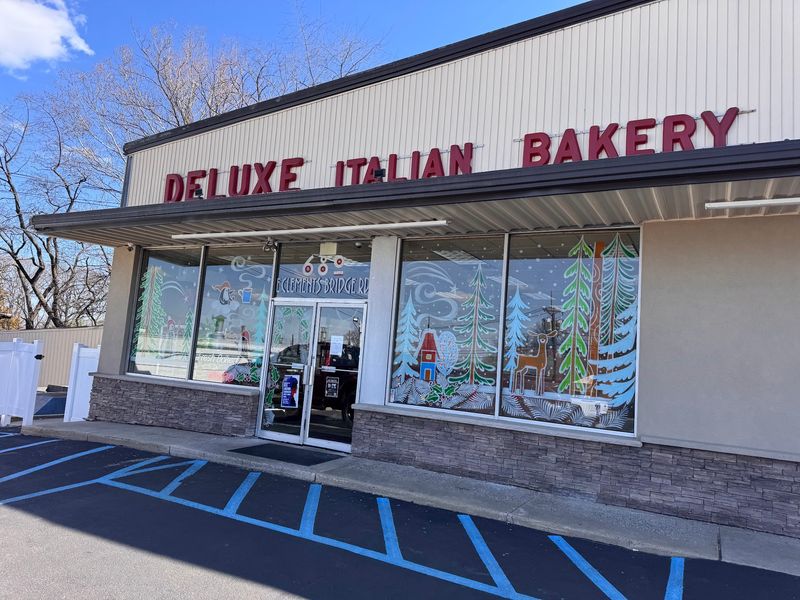
Some bakeries specialize in delicate pastries; others understand that a cream doughnut should feel almost comically full. Deluxe Italian Bakery belongs proudly to the second camp, although its range extends far beyond doughnuts.
Established by the Racobaldo family in 1949, the Runnemede institution has spent more than 75 years producing Italian breads, pastries, and celebration cakes while maintaining a strong family connection. The Deluxe cut cream doughnut is an excellent introduction.
Split open and loaded with rich cream, it requires commitment and rewards it generously. Assorted doughnuts make an easy office or weekend breakfast, while crumb cake, cannoli cake, tiramisu, strawberry shortcake, and Black Forest cake handle dessert.
The bakery also remains serious about bread, sending fresh Italian loaves and rolls to customers and wholesale accounts across the region. That breadth gives the store its classic character: early risers buying rolls, parents discussing custom cake decorations, and someone at the counter trying to choose between cookies and cannoli.
Located on East Clements Bridge Road, Deluxe has the space and selection of a full-line suburban bakery, with daily hours that make spontaneous visits manageable. Custom work should be arranged ahead, particularly during graduation, communion, and holiday seasons.
For an unplanned stop, let the case guide you. Start with a cream doughnut, add a loaf for dinner, and choose a cake slice for quality control.
Traditional bakeries practically require this level of thoroughness.
9. L&M Bakery – Delran
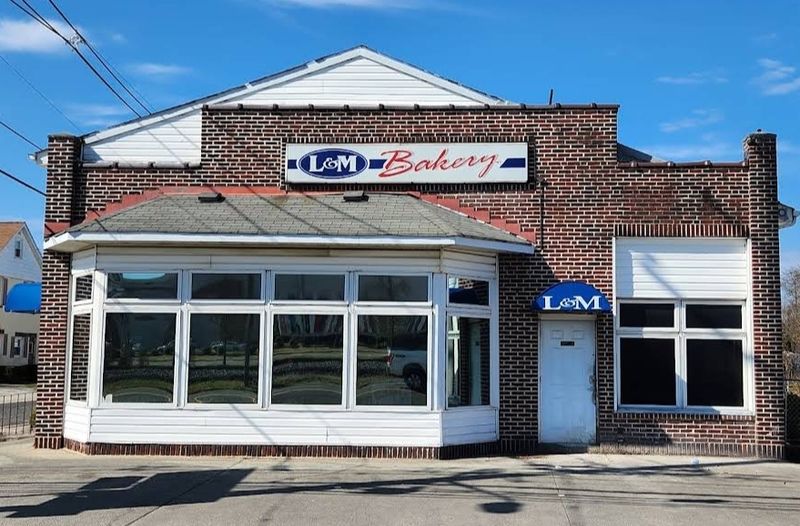
The building began life as a Sunoco station in 1928, later became a Ford dealership, and eventually found its true purpose: sending people home with butter cake and overfilled doughnuts. Carole and Richard Kahl Sr. purchased L&M Bakery in 1964, preserving its name and developing recipes that the family still uses.
Today, multiple generations remain involved, and that continuity shows in a menu built around the sweets people request year after year. Doughnuts are a major draw, particularly the cream-filled varieties with a filling-to-pastry ratio that borders on architectural ambition.
Butter cake is another local favorite and may sell out, so early birds hold a distinct advantage. Babka comes in the soft, generously swirled style made for slicing with coffee, while cream puffs, Danish pastries, pies, cookies, cupcakes, and decorated cakes fill out the counter.
There is something reassuringly direct about the place: baked goods are displayed in abundance, familiar employees keep the line moving, and the smell does more persuasive work than any décor could. L&M sits on St. Mihiel Drive in Delran and opens at 6 a.m., making it a natural first stop on a South Jersey morning.
The bakery is generally closed on Mondays and has shorter Sunday hours, so plan accordingly. Arrive early for butter cake and holiday specialties, and place celebration orders in advance.
Whatever else goes into the box, add a doughnut for the ride home. Waiting until you arrive is unnecessarily optimistic.
10. Backiel’s Lithuanian Bakery – Elizabeth
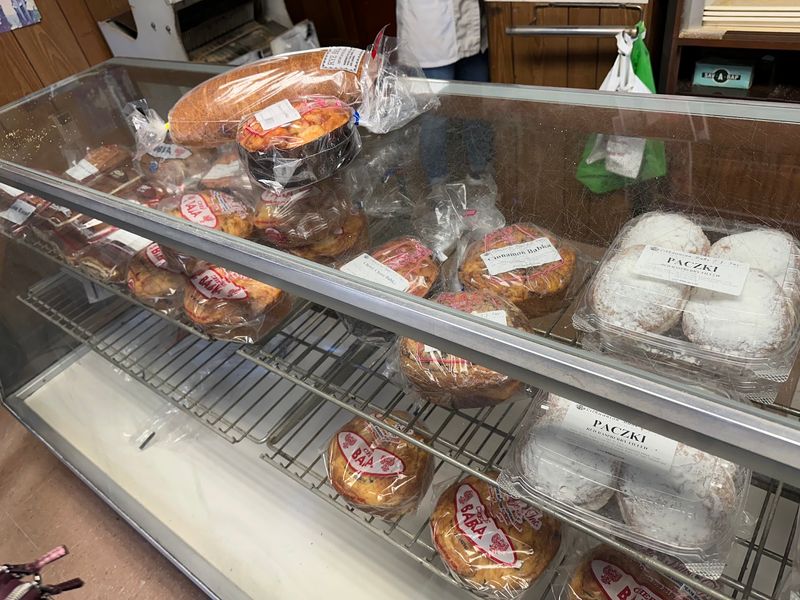
A dark rye loaf does not need frosting, sprinkles, or a clever name to command attention. At Backiel’s, its appeal comes from a deeply browned crust, a substantial crumb, and the tangy, earthy flavor expected from traditional Lithuanian bread.
The family-run Elizabeth bakery has carried Baltic baking customs through decades in New Jersey, giving customers access to breads and pastries that remain difficult to find elsewhere. Begin with Lithuanian rye, particularly if lunch involves cured meats, smoked fish, cheese, or a bowl of soup.
It is dense without feeling heavy and flavorful enough to make supermarket sandwich bread seem remarkably timid. Poppy seed rolls are another signature choice, their spirals delivering a nutty sweetness that works just as well at breakfast as after dinner.
Depending on the season, the selection may include babka, fruit-filled pastries, cookies, and special holiday breads tied to Eastern European celebrations. The storefront is modest, and the focus stays squarely on the bake rather than elaborate presentation.
That no-nonsense character fits the products: sturdy loaves, time-tested recipes, and flavors intended for a family table. Because production and availability can vary, calling ahead is sensible if you are traveling for a particular item or placing a holiday order.
Buy more rye than you need immediately; it keeps well and freezes nicely. Toasted several days later with butter, it proves that old-school bread often improves the quieter the breakfast becomes.
11. Fattal’s Syrian Bakery – Paterson
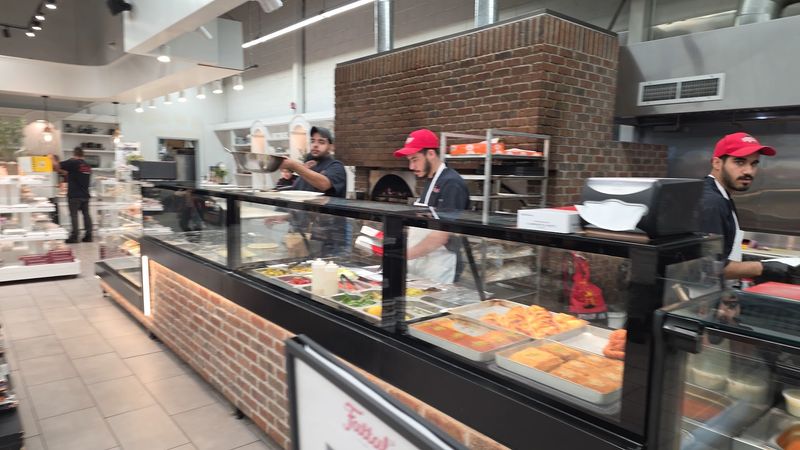
Stand near the bakery area at the right moment and you can watch pita emerge soft, inflated, and steaming—the same basic spectacle that first built this Paterson business. Michael Fattal and his family arrived from Aleppo, Syria, in 1968 and began baking pita by hand in a brick oven.
What started as one of North Jersey’s early Middle Eastern bakeries grew into a sprawling market, but bread and family recipes still anchor the operation. Fresh pita is the essential purchase.
Eat one while it is warm, then take a stack home for hummus, grilled meat, labneh, or sandwiches. Manakish and other savory baked goods may tempt you toward an immediate meal, while the pastry side supplies pistachio and walnut baklava, buttery ghraybeh cookies, sesame-coated barazek, and date- or nut-filled ma’amoul.
These are sweets with texture and fragrance—rosewater, orange blossom, nuts, spice—not merely sugar. The larger store also includes prepared foods, produce, groceries, and a halal butcher counter, so a bakery visit can become a full pantry restock.
Fattal’s remains family-operated across three generations and sits within Paterson’s vibrant Middle Eastern commercial district. Reserved off-street parking makes the stop easier than many urban food excursions.
Weekends and holiday periods can be bustling, especially around Ramadan and other celebrations. Come with time to browse, because the pita may get you through the door, but the shelves ensure you will leave carrying far more than bread.
12. Formica Freitag Bakery – Atlantic City
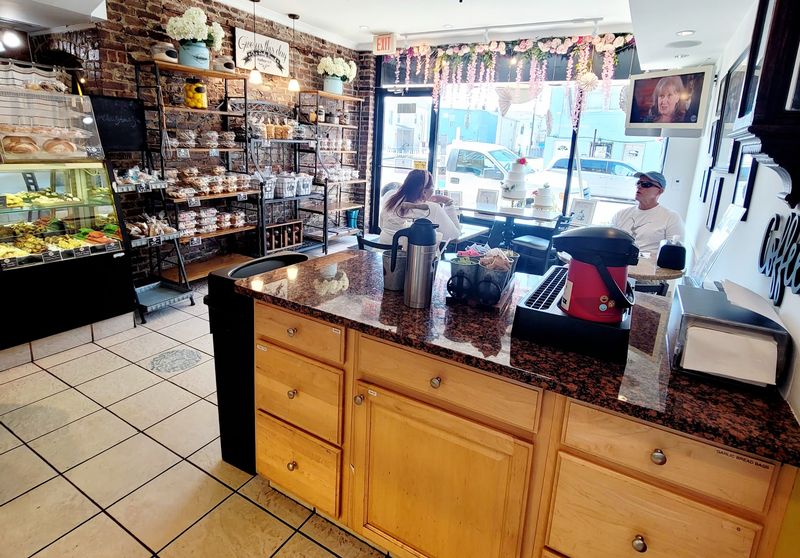
Atlantic City’s famous subs owe some of their character to what happens long before the fillings arrive. Formica’s Italian bread has supplied the crisp crust and chewy interior for local sandwiches since Francesco and Rosa Formica opened their bakery in 1919.
The operation moved to its present Arctic Avenue home in 1928, and the same basic family recipe continues to guide its hand-crafted loaves. That bread is the reason to visit.
It is sturdy enough to contain layers of meat, cheese, peppers, and oil without surrendering, yet airy enough that the sandwich never becomes a jaw workout. Buy a long Italian loaf or sub rolls and build lunch at home; the unmistakable crust will explain why Atlantic City sandwich shops have depended on the bakery for generations.
In 2022, Formica joined forces with another remarkable South Jersey bread lineage: Freitag Bakery, founded in Camden in 1890. Now operating as Formica Freitag Bakery, the business brings together more than two centuries of combined baking experience while maintaining the Formica tradition on Arctic Avenue.
This is primarily a working bread bakery and wholesale operation, not a pastry boutique filled with places to linger. That industrial, flour-on-the-floor practicality is part of its charm.
Check retail availability before making a special trip, since production follows the needs of restaurant and wholesale customers. When you get the bread home, use it quickly—or freeze a loaf—because bread made without convenience-store ambitions is best enjoyed fresh.