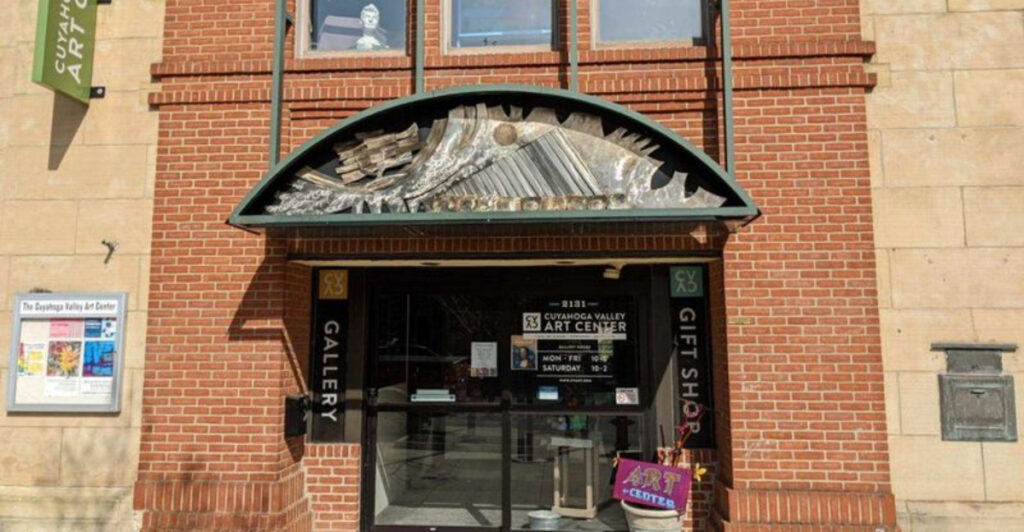
Ohio holds more than big cities, farms, and football fans. Across the state, craft schools and museums are teaching people how to make useful, beautiful things by hand, just like past generations did.
That matters because old skills such as blacksmithing, quilting, woodcarving, weaving, and pottery help tell the story of Ohio, and they also teach patience, problem-solving, and pride in honest work. Visiting places like these can turn history from something you only read in a book into something you can touch, hear, and even try for yourself.
A ringing hammer, a spinning wheel, a careful carving knife, or a basket taking shape from simple reeds can make the past feel alive in a way that surprises people of all ages. Families can learn together, students can discover a new hobby, and adults can reconnect with slower, more thoughtful ways of making things.
Some schools focus on formal classes, while others mix exhibits, demonstrations, and hands-on workshops that welcome beginners. What ties them all together is a shared goal: keeping important skills from fading away.
If you have ever wanted to see how everyday objects were made before factories took over, Ohio offers plenty of chances to step into that world. From quiet museum studios to lively community classes, these places show that handmade traditions still have a strong place in modern life.
1. Ohio History Connection Traditional Workshops
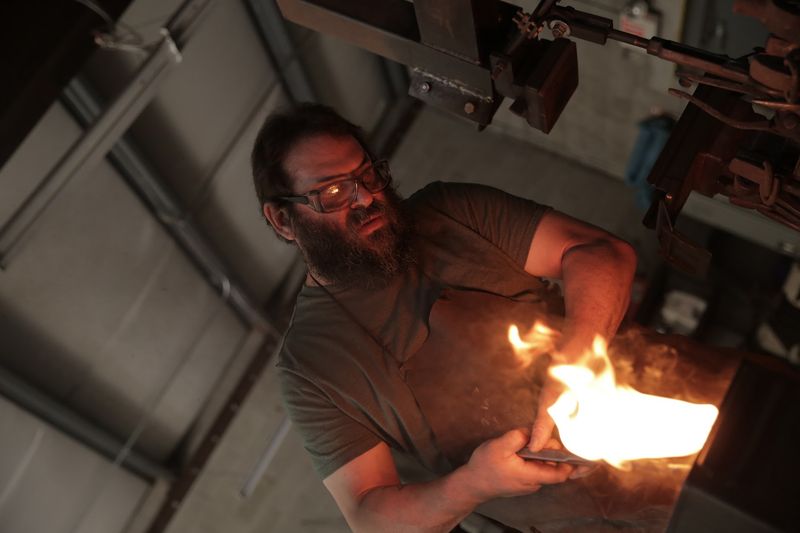
History feels different when it lands right in your hands. Instead of only reading about daily life in earlier Ohio, visitors at Ohio History Connection Traditional Workshops can practice the kinds of skills families once used to cook, build, mend, and decorate their homes.
Programs vary, which is part of the fun. One visit might feature fiber arts, another might focus on tinsmithing, early woodworking, seasonal decorations, or other heritage crafts linked to Ohio communities and historic sites.
Because the organization cares about education, classes often connect the project to real stories from the state’s past, so each finished piece carries more meaning than a simple souvenir.
Beginners usually do well here because instruction is clear and welcoming. You do not need to show up with perfect hand skills, and that takes pressure off anyone who feels nervous about trying something new.
Asking questions is part of the experience, and instructors often explain why old methods worked so well before modern machines became common.
Families and teachers may find these workshops especially useful. Kids can see that history includes ordinary chores and creative work, not just famous battles and important speeches.
Adults often leave with a new respect for how much care went into objects people once used every day.
If you plan to attend, wear comfortable clothes that can handle a little dust, paint, or stray fibers. It also helps to read the class details ahead of time since some sessions are demonstrations and others are more hands-on.
Ohio History Connection Traditional Workshops offer a smart way to connect craft, culture, and local pride all at once, making the state’s story feel lively, practical, and close to home.
2. Wonderstruck Artisan Market & Classes
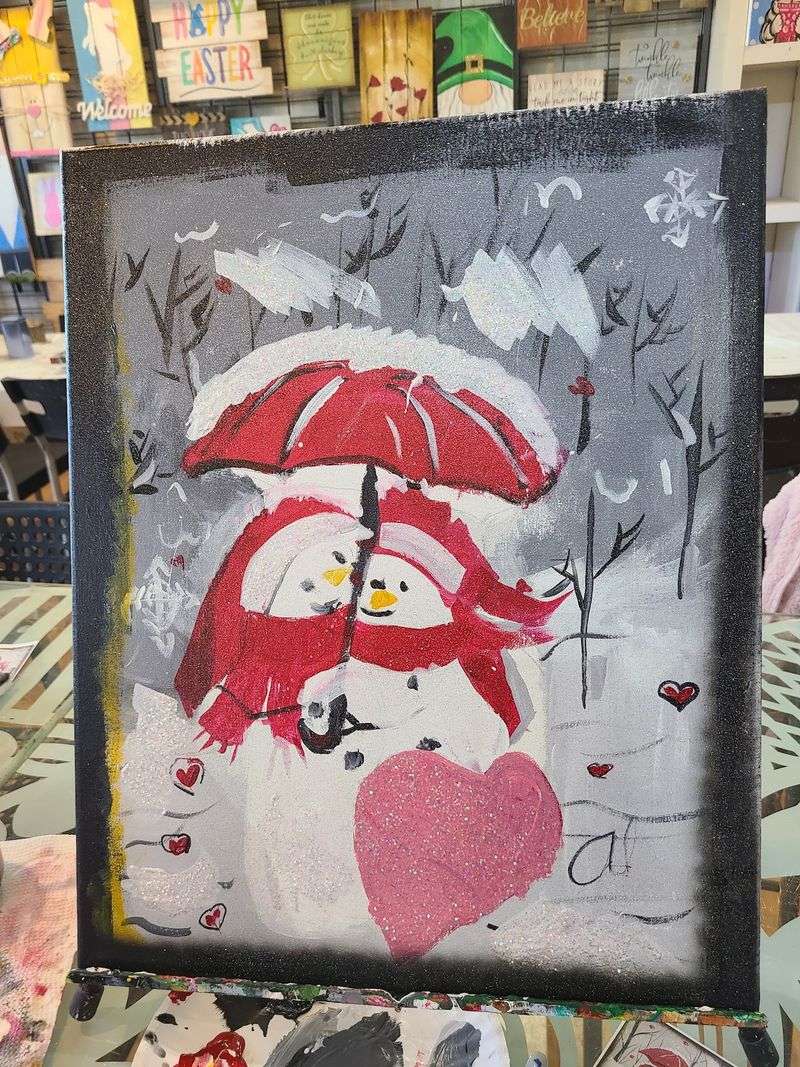
Not every craft school looks like an old barn or a museum, and that is part of the charm here. Wonderstruck Artisan Market & Classes brings handmade Ohio creativity into a lively, modern setting where shopping and learning happen side by side.
Walking in, people often notice the energy first. Finished goods from local makers sit nearby while classes give visitors a chance to try skills for themselves, which helps connect the maker to the object in a direct, memorable way.
Instead of guessing how a candle, sign, painted project, or seasonal decoration came together, students get to experience the steps one at a time.
That setup is especially useful for beginners who want a low-stress start. A formal studio can feel intimidating, but a welcoming market classroom often feels more relaxed and social.
Friends, parents and teens, or coworkers can sign up together and leave with both a project and a shared memory.
Wonderstruck also supports the bigger idea behind historic and handmade skills in Ohio. Even when classes lean more toward artisan projects than frontier crafts, they still keep alive the habit of making things carefully instead of buying everything mass-produced.
That matters because creativity grows when people understand materials, tools, and the time it takes to build something by hand.
For the best visit, check the class calendar before you go since topics may change with holidays and seasons. Pick a project that sounds fun rather than worrying about talent, because many people discover a hidden skill only after trying.
Wonderstruck Artisan Market & Classes shows that old-fashioned pride in making can still fit comfortably into everyday Ohio life, with a bright, friendly twist that keeps newcomers coming back.
3. Sauder Village Craft Studios
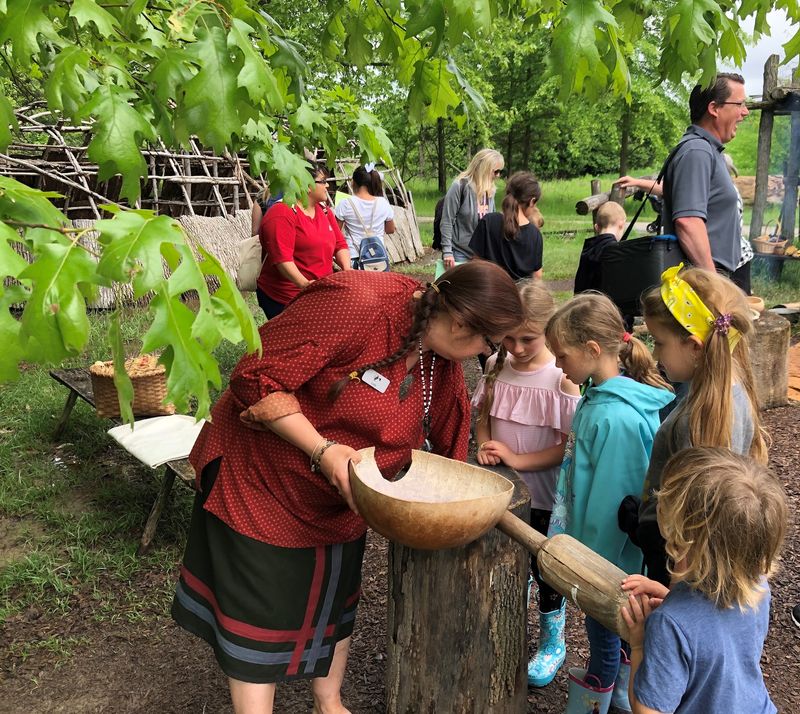
The sound of a hammer on hot metal can stop people in their tracks. At Sauder Village Craft Studios, that kind of moment happens often because traditional trades are not hidden behind glass.
They are demonstrated in working spaces where visitors can watch skilled hands turn raw materials into useful objects.
Sauder Village is known for bringing history to life, and the craft studios are a big reason why. Depending on the day, guests may see blacksmithing, weaving, pottery, glass work, or other historic arts that shaped everyday life in earlier communities.
Seeing each craft in action helps people understand just how much labor and knowledge stood behind simple items like bowls, fabric, nails, or tools.
One of the best parts is the setting itself. A village atmosphere makes the lessons feel natural, almost like stepping into a different century for an afternoon.
Instead of learning facts in a dry way, visitors connect sounds, smells, textures, and movement to the history of making.
Students and families can learn practical lessons here, too. Watching a blacksmith teaches patience and timing, while seeing a weaver at a loom shows how patterns build slowly through repetition.
Children often come away amazed that people once created nearly everything they needed without modern factories.
Plan enough time to explore beyond a single building, because the full experience works best when you move from one studio to the next. Talking with interpreters adds even more value since they often explain tools, materials, and the purpose of each object.
Sauder Village Craft Studios stand out as one of Ohio’s strongest places for understanding how historic skills supported work, home life, and community pride through careful hands-on craftsmanship.
4. John C. Campbell Folk School Style Workshops at Hocking College – Nelsonville, Ohio

Some classes feel less like school and more like a creative retreat. The John C.
Campbell Folk School style workshops at Hocking College in Nelsonville give Ohio learners that kind of experience by blending folk craft traditions with a relaxed, community-centered spirit.
Inspired by the well-known folk school model of Appalachia, workshops often focus on learning by doing. That can include basket weaving, woodcraft, traditional music, fiber work, or other heritage arts that fit naturally with southeastern Ohio’s landscape and cultural roots.
The goal is not just to finish an object, but to enjoy the process, build confidence, and share knowledge in a friendly setting.
Nelsonville is a fitting place for this kind of program. The hills, historic character, and strong arts culture in the area help the classes feel grounded in local tradition rather than copied from somewhere else.
People who attend often discover that folk skills carry stories about work, family, and regional identity along with the practical techniques.
A nice thing about this style of workshop is the pace. Many modern hobbies are rushed, but folk school learning encourages attention, patience, and conversation.
That makes it especially appealing to adults who want a meaningful break from screens and busy schedules.
If you are new to handcrafts, choose a beginner session and let yourself learn slowly. Bring curiosity, ask why techniques developed the way they did, and notice how tools and materials connect to the land around Nelsonville.
Hocking College’s folk-school-inspired workshops help keep old skills alive in Ohio by making them feel welcoming, social, and useful, not dusty or far away. They remind visitors that handmade traditions still belong in everyday life, especially when communities gather to learn them together.
5. Ohio Craft Museum
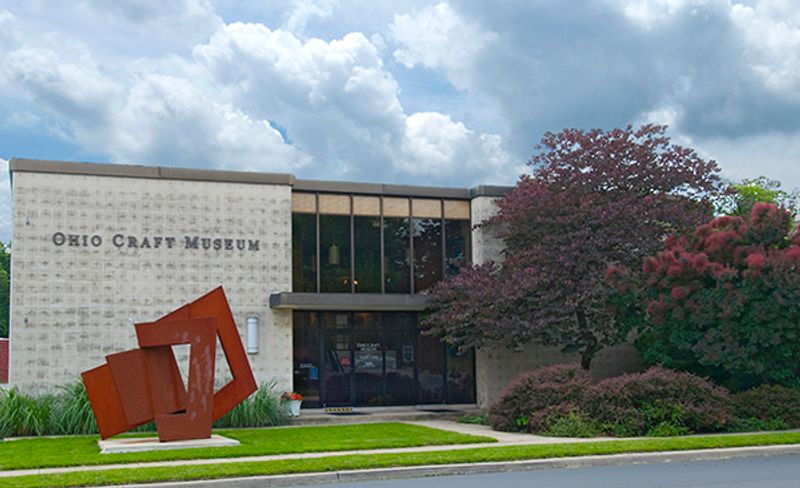
Museums do not always ask you to make something, but they can still teach your hands what your eyes should notice. At the Ohio Craft Museum, visitors learn to appreciate the skill, design, and care behind handmade work, which is a powerful first step in keeping traditional crafts alive.
The museum highlights craft in forms such as ceramics, glass, fiber art, jewelry, woodwork, and mixed media. Some pieces are rooted in old methods, while others show how artists adapt heritage techniques to fit modern life.
That blend is important because it proves traditional skills are not frozen in the past. They keep growing through new makers and fresh ideas.
For young visitors, the museum can be a great place to discover that craft is more than a hobby table at school. A woven piece may reveal months of labor.
A carved object can show sharp planning and steady control. Looking closely teaches patience and respect for process, even before someone signs up for a class.
Educational programs and exhibitions often deepen that lesson. Artist talks, demonstrations, and community events can help bridge the gap between seeing and doing.
People who leave inspired may go on to try pottery, weaving, or woodworking elsewhere in Ohio, which gives the museum an important role in the larger craft ecosystem.
Take your time during a visit instead of rushing from one display to the next. Notice textures, repeated patterns, and how different materials behave.
If a certain object catches your eye, think about what tools and hours might have gone into it. The Ohio Craft Museum helps preserve historic skills by honoring the makers behind them and showing Ohio residents that craft is still a living, changing, deeply human part of the state’s creative identity.
6. Warther Museum & Carving Center
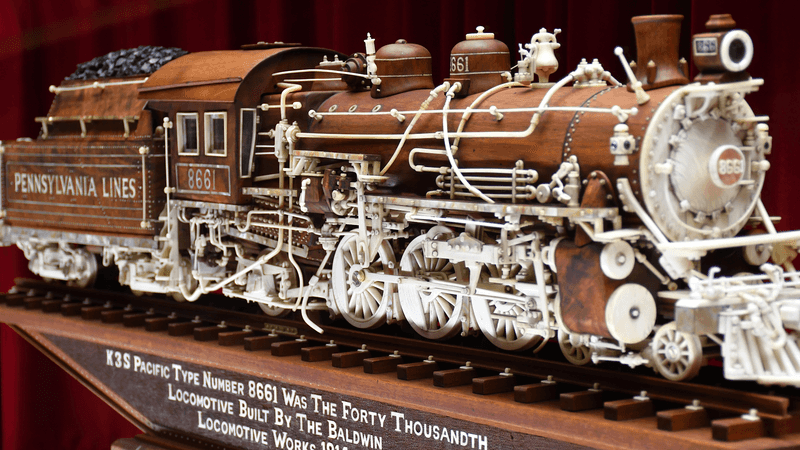
Few things impress visitors faster than a block of wood transformed into something delicate and alive. At the Warther Museum & Carving Center, that sense of wonder is easy to understand because the work on display shows what patience, accuracy, and imagination can do together.
The museum is closely tied to the legacy of Ernest Warther, whose carvings became famous for their incredible detail, especially in train models and mechanical pieces. More than just a place to admire finished art, the center helps people understand carving as a disciplined craft that takes planning, sharp tools, steady hands, and countless hours of practice.
That makes it a strong example of how one maker’s legacy can inspire future generations across Ohio.
Visitors often come away with a new respect for woodworking. Carving may look peaceful, but it also demands focus and problem-solving.
Every cut matters, and one wrong move can change the shape of a piece. Seeing such careful work up close can encourage students and hobbyists to slow down and value precision.
There is also a storytelling side to the museum. Carved trains, tools, and personal objects connect craft to history, family life, and innovation.
Instead of treating carving as a lost art, the Warther Museum presents it as something meaningful, useful, and full of character.
If you visit, spend time studying the fine details rather than only the overall shape. Look for repeating patterns, moving parts, and signs of hand labor that machines would struggle to copy.
Anyone interested in woodcraft should also pay attention to how tools are chosen and used. Warther Museum & Carving Center keeps historic Ohio craftsmanship alive by showing that mastery does not appear overnight.
It grows through devotion, skill, and a deep love for making.
7. Helping Hands Quilt Shop & Museum – Berlin, Ohio
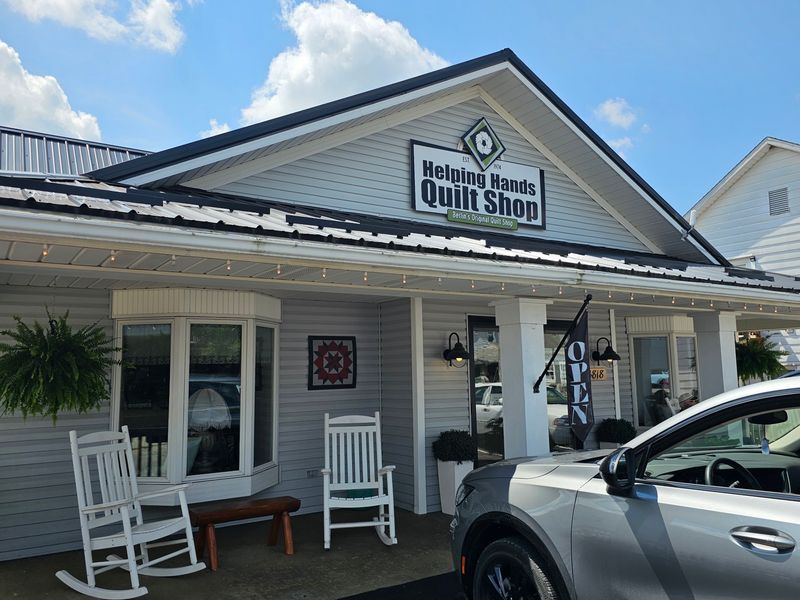
A quilt can warm a bed, brighten a room, and tell a family story all at the same time. Helping Hands Quilt Shop & Museum in Berlin shows why quilting remains one of Ohio’s most beloved heritage crafts, especially in a region where handmade traditions still shape daily life.
Berlin sits in the heart of Ohio’s Amish Country, which makes quilting feel especially rooted and real here. Visitors may find both practical supplies and museum displays that reveal how patterns, fabric choices, and stitching methods have changed over time.
Looking closely at older quilts can teach lessons about thrift, creativity, and the importance of community, since quilts were often made from saved scraps and shared labor.
Quilting also offers a gentle entry point for people who want to learn a historic skill. While some patterns are advanced, beginners can start with simple shapes and build confidence piece by piece.
The process teaches planning, measuring, color matching, and patience, all while producing something useful.
What makes a place like Helping Hands special is the connection between past and present. A museum display can show historic examples, while the shop side reminds visitors that quilting is still very much alive.
That balance helps younger generations see the craft as practical and creative, not old-fashioned in a negative way.
Anyone planning a stop should allow time to study the details. Tiny stitches, repeated blocks, and careful borders reveal just how much work goes into a well-made quilt.
If you sew, take notes on patterns and color combinations that stand out. Helping Hands Quilt Shop & Museum keeps an important Ohio tradition going by honoring the everyday genius behind quilting, where comfort, beauty, and resourcefulness come together in cloth and thread.
8. Southern Ohio Forge and Anvil (SOFA)
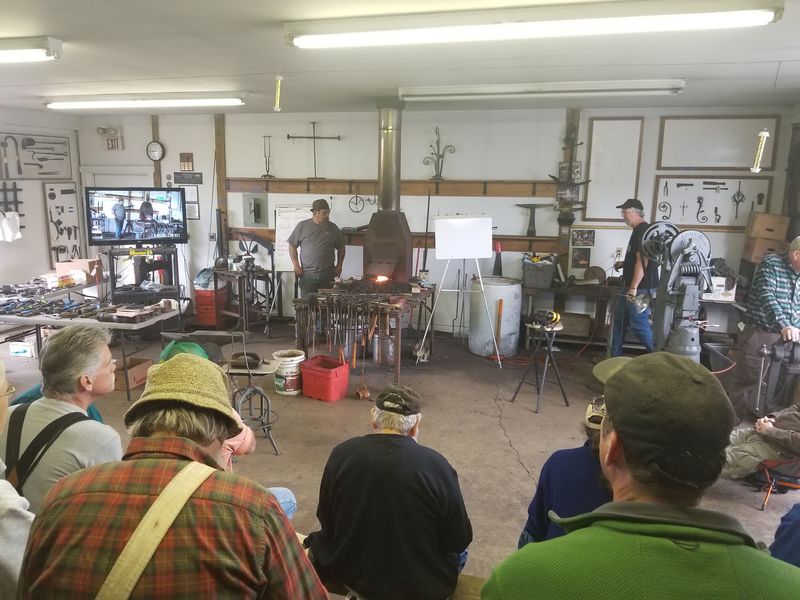
Fire, iron, and ringing steel create an unforgettable lesson. Southern Ohio Forge and Anvil, often called SOFA, gives people a chance to experience blacksmithing as more than a movie image by teaching the real techniques behind one of history’s toughest and most useful trades.
Blacksmithing once stood at the center of community life. Before factories made metal goods by the thousands, smiths shaped tools, hardware, farm equipment, and household items by heating metal and striking it into form.
SOFA helps keep that knowledge alive in Ohio through demonstrations, shared expertise, and events that welcome both skilled smiths and curious newcomers.
Watching a forge in action teaches several things at once. Heat changes metal in dramatic ways, but strength alone is not enough.
Good blacksmithing depends on timing, control, and an understanding of how iron moves under the hammer. That mix of science and art is part of what makes the craft so appealing.
People interested in trying it should respect the safety side from the start. Protective gear, careful listening, and steady focus matter in a hot shop.
Even so, beginners are often surprised by how satisfying it feels to shape a simple hook or tool with their own effort.
SOFA also carries strong community value. Traditional trades survive best when knowledge is passed from person to person, and blacksmith groups are often generous about sharing tips, techniques, and encouragement.
If you attend a class or event, ask about the purpose of each tool and notice how much skill goes into basic forms. Southern Ohio Forge and Anvil keeps a foundational Ohio craft alive by proving that blacksmithing is still relevant, educational, and exciting in a world filled with machine-made metal goods.
9. Cuyahoga Valley Art Center – Cuyahoga Falls, Ohio
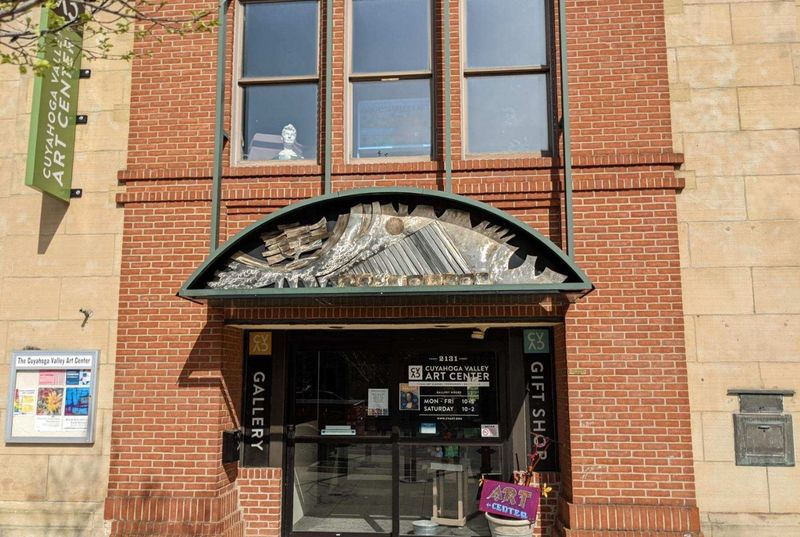
Creativity often grows best in places where neighbors feel comfortable learning together. The Cuyahoga Valley Art Center in Cuyahoga Falls offers that kind of welcoming space, helping Ohio residents build artistic skills that connect to both traditional craft and modern community art.
Unlike a site focused on one historic trade, this center opens the door to many forms of making. Classes may include drawing, painting, fiber arts, mixed media, and other hands-on projects that teach careful observation and control of materials.
Even when the work is not strictly historical, the center supports the same handmade values that kept older craft traditions alive: patience, practice, and pride in creating something yourself.
That broad approach can be especially helpful for beginners. A person who is unsure about weaving, quilting, or carving might first discover confidence in a general art class, then branch into more specialized craft later.
In that way, community art centers act like gateways, building the habits and curiosity that heritage skills need in order to survive.
Cuyahoga Falls also benefits from having a local place where people of different ages can learn side by side. Retirees, children, teens, and working adults may all share the same room, which keeps knowledge moving across generations.
That exchange matters just as much as the finished project.
For the best experience, look over the schedule and choose a class that stretches your ability without feeling impossible. Keep your first goal simple: learn one new technique well.
The Cuyahoga Valley Art Center supports Ohio’s craft future by making hands-on learning visible, affordable, and social. It reminds people that preserving handmade traditions does not always begin with a museum piece.
Sometimes it starts with a local class, a borrowed tool, and the courage to try.
10. Wassenberg Art Center
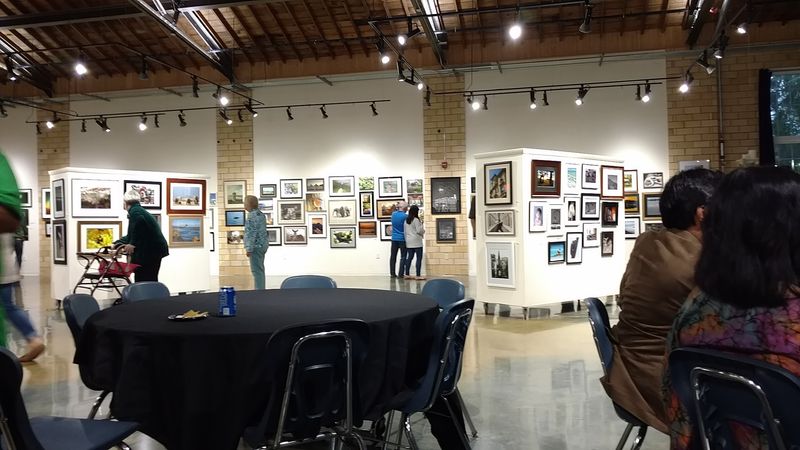
Big artistic impact can come from a community-centered place with modest walls and ambitious ideas. Wassenberg Art Center has earned that kind of reputation in Ohio by giving people room to learn, exhibit, and celebrate handmade work in ways that keep creative traditions active.
The center supports a wide range of arts, and that variety helps craft skills reach new audiences. Someone may arrive for an exhibit and later sign up for a workshop, or a student may discover that clay, fiber, or another medium feels more natural than expected.
Those small moments matter because historic skills survive when people encounter them in everyday community spaces, not only in large museums.
What makes Wassenberg especially valuable is its local spirit. Regional art centers often reflect the voices, materials, and interests of the people around them.
That means classes and events can feel personal rather than distant, and visitors are more likely to return, improve, and become part of the creative network themselves.
Heritage crafts need exactly that kind of support system. A weaving technique, a pottery method, or a careful hand-building habit may be passed along in casual conversations as much as formal lessons.
When artists gather regularly, knowledge sticks. Younger makers can learn from experienced ones, and older traditions find fresh energy.
If you visit, pay attention to both the artwork and the atmosphere. Notice how community spaces encourage people to ask questions, share ideas, and experiment without fear of doing everything perfectly.
Wassenberg Art Center helps keep Ohio’s historic and handmade culture alive by creating those openings again and again. It proves that preserving craft is not only about protecting the past.
It is also about building places where making still feels joyful, shared, and worth carrying forward into the next generation.