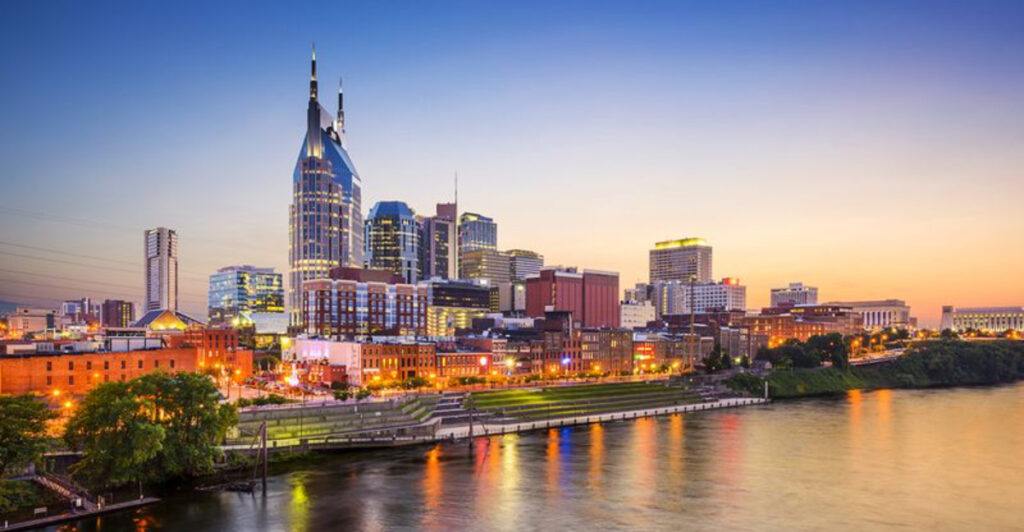
Exploring Tennessee without a car might sound tricky, but plenty of towns across the state are built for strolling, biking, and enjoying life at a slower pace. Whether you want charming historic districts, mountain views, or vibrant downtown scenes, these walkable communities let you ditch the keys and soak up local culture on foot. From cozy small towns to bustling urban hubs, each destination offers easy access to shops, restaurants, parks, and attractions within a compact, pedestrian-friendly area.
Get ready to discover a side of Tennessee where the journey is just as rewarding as the destination.
1. Franklin
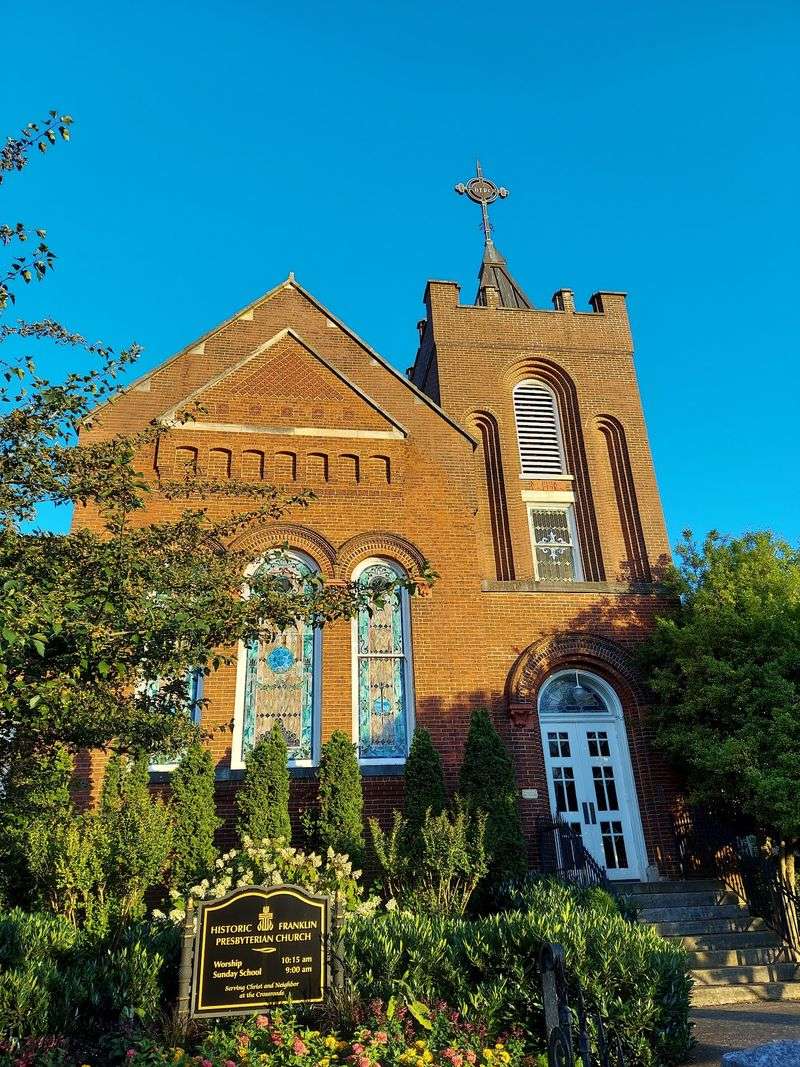
Walking through Franklin feels like stepping onto a movie set where every storefront tells a story. The downtown square stretches out with wide sidewalks, locally owned boutiques, and enough coffee shops to fuel a week of exploring. You can spend hours wandering without ever needing a car, and honestly, you will not want to leave once you settle into the rhythm of this historic gem.
Civil War history runs deep here, with monuments and preserved sites dotting the landscape. Carnton Plantation and the Carter House sit within walking or biking distance for anyone curious about the past. The town takes pride in its heritage without turning into a stuffy museum, blending old-world charm with modern energy.
Restaurants line Main Street, offering everything from farm-to-table Southern cuisine to international flavors. You can grab breakfast at a local diner, browse antique stores all afternoon, then catch live music at a cozy venue after dinner. The compact layout makes spontaneous plans easy and keeps everything within reach.
Green spaces like Harlinsdale Farm provide peaceful breaks between shopping and dining adventures. You can stroll through open fields, watch local events, or just relax under a tree with a good book. Franklin proves that small-town Tennessee knows how to deliver big experiences without requiring four wheels and a parking spot.
2. Jonesborough
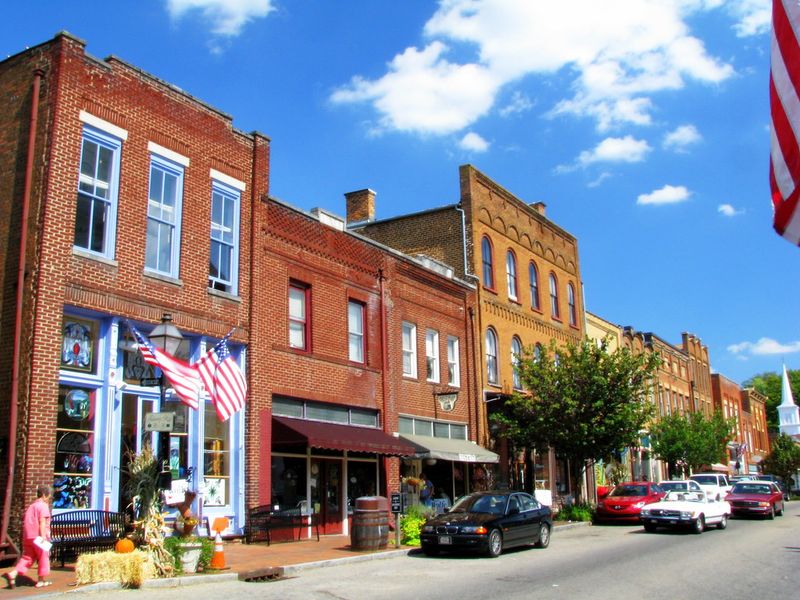
Tennessee’s oldest town wears its age like a badge of honor, with buildings dating back centuries and a storytelling tradition that keeps history alive. Jonesborough’s downtown spans just a few blocks, making it ridiculously easy to explore every corner without breaking a sweat. The National Storytelling Festival put this place on the map, but year-round charm keeps visitors coming back for more.
Brick sidewalks lead past colorful storefronts, art galleries, and cafes where locals know your name by the second visit. You will find handmade crafts, vintage treasures, and quirky gifts tucked into every shop. The pace here slows down naturally, encouraging you to linger over lunch or chat with shopkeepers who genuinely care about their craft.
Historic sites like the Chester Inn and the Jonesborough Repertory Theatre offer glimpses into the past without requiring a car ride. You can walk from one landmark to another, soaking up architectural details and imagining life in early Tennessee. The town takes preservation seriously while staying welcoming and accessible to modern travelers.
Coffee shops and bakeries provide perfect pit stops between exploring. You might stumble upon live music, outdoor markets, or impromptu performances that capture the town’s creative spirit. Jonesborough proves that Tennessee’s smallest towns often pack the biggest punch, especially when you slow down enough to notice the magic happening around every corner.
3. Gatlinburg
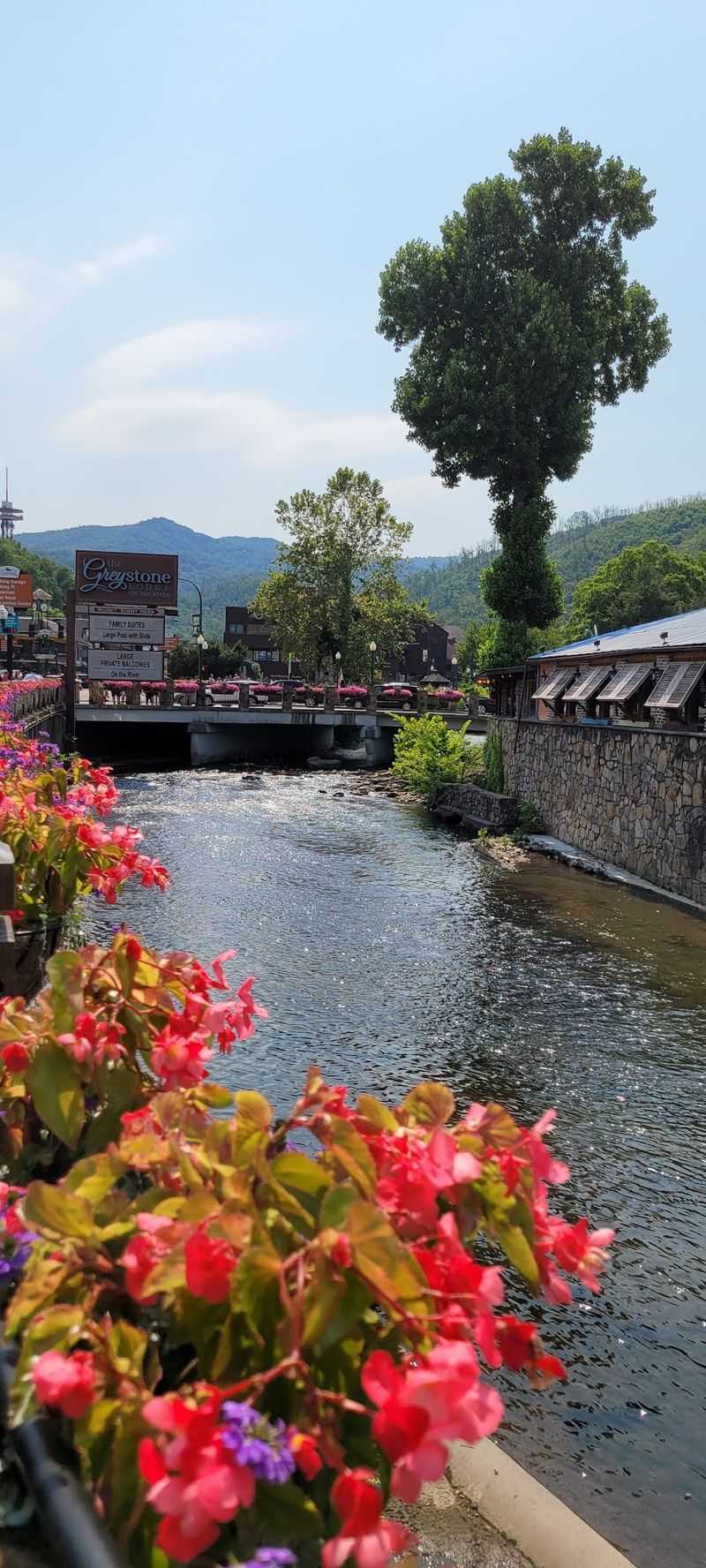
Nestled at the doorstep of Great Smoky Mountains National Park, Gatlinburg built itself for foot traffic long before walkability became trendy. The main parkway runs through the heart of town, lined with attractions, eateries, and souvenir shops that stretch for miles. You can walk from pancake houses to mountain coasters without ever needing a car, though the hills might give your calves a workout.
Skylift Park and Anakeesta sit within walking distance of downtown hotels, offering mountain views and outdoor adventures accessible by foot. The town trolley system fills in gaps for longer distances, keeping car-free travel simple and stress-free. Gatlinburg designed itself around tourists who want convenience, and that planning pays off for anyone exploring on foot.
Ripley’s attractions, mini-golf courses, and candy shops create a carnival atmosphere that some love and others find overwhelming. But beyond the tourist traps, you will discover quieter spots like the Arts and Crafts Community, where local artisans sell handmade goods in an eight-mile loop accessible by trolley. The mix of kitsch and authenticity gives Gatlinburg a unique personality that keeps drawing crowds year after year.
Restaurants range from classic Southern comfort food to international cuisine, all clustered within easy walking distance. You can grab moonshine samples, watch taffy being pulled, or catch a magic show without straying far from your hotel. Gatlinburg might not win awards for subtlety, but it absolutely delivers on car-free convenience and mountain town energy.
4. Chattanooga
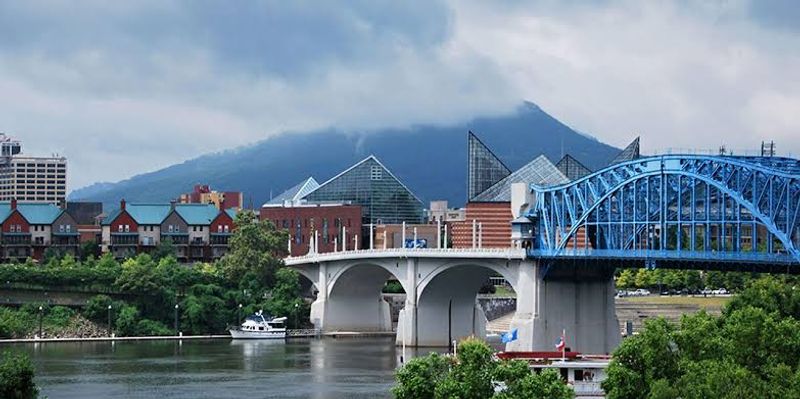
Chattanooga transformed itself from a struggling industrial city into a model for urban revitalization, and walkability played a starring role in that comeback story. The downtown core packs museums, restaurants, parks, and entertainment venues into a compact area where sidewalks connect everything seamlessly. You can walk from the Tennessee Aquarium to the Walnut Street Bridge without ever feeling like you are missing out on anything important.
The Riverwalk stretches along the Tennessee River, offering scenic paths perfect for morning jogs or evening strolls. Coolidge Park and Renaissance Park provide green spaces where locals gather for festivals, farmers markets, and outdoor concerts. Chattanooga invested heavily in public spaces, and the payoff shows in how naturally people gravitate toward outdoor activities.
Restaurants in the Southside and North Shore neighborhoods cater to every taste, from vegan cafes to barbecue joints that smoke meat for hours. You can bar-hop along Frazier Avenue, catch live music at multiple venues, or explore craft breweries without ever calling a rideshare. The city built itself for spontaneous adventures, rewarding curiosity at every turn.
Free electric shuttle buses loop through downtown, making longer distances manageable without a personal vehicle. Rock climbing at High Point Climbing, exploring Bluff View Art District, or riding the Incline Railway all stay within reach for car-free travelers. Chattanooga proves that mid-sized Southern cities can compete with coastal destinations when they prioritize walkability and public space.
5. Nashville
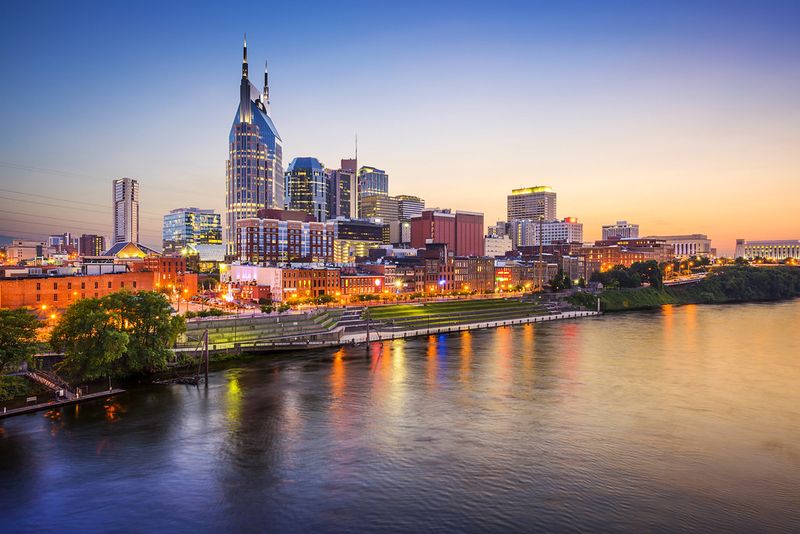
Music City built its reputation on honky-tonks and hot chicken, but its walkable neighborhoods deserve equal billing in the Nashville story. Broadway buzzes with energy day and night, offering live music in nearly every bar without cover charges. You can bar-hop for hours, catching talented musicians who might be tomorrow’s country stars, all without needing anything more than comfortable shoes.
Beyond the neon lights of Lower Broadway, neighborhoods like The Gulch and Germantown offer walkable districts with distinct personalities. The Gulch leans modern with upscale dining and boutique shopping, while Germantown keeps things historic with preserved buildings housing trendy restaurants. Each area feels self-contained, letting you explore deeply without spreading yourself too thin across the city.
Centennial Park and the Parthenon replica provide green space and cultural landmarks within walking distance of Midtown hotels. You can spend mornings exploring museums, afternoons browsing record stores on Music Row, and evenings catching shows at the Ryman Auditorium. Nashville rewards wanderers who take time to look beyond the obvious tourist spots.
The city’s public transportation system, WeGo, connects major attractions when your feet need a break. Food trucks, coffee shops, and barbecue joints appear around every corner, ensuring you never walk far between meals. Nashville might sprawl in some directions, but its core neighborhoods pack enough walkable charm to fill an entire car-free weekend with discoveries.
6. Knoxville
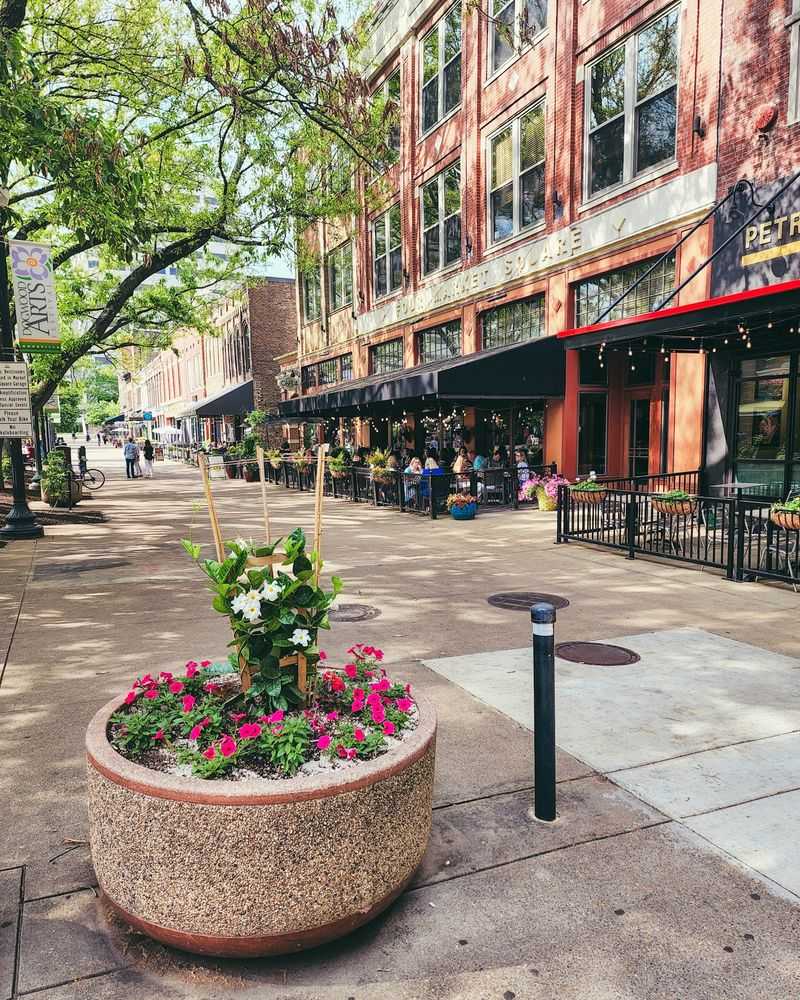
Knoxville surprises visitors who expect a sleepy college town, delivering instead a vibrant downtown with serious walkability credentials. Market Square serves as the heart of the action, surrounded by restaurants, bars, and shops that keep the area buzzing from breakfast through late-night. You can grab coffee at a local roaster, browse farmers market stalls, then settle in for live music without ever leaving the square.
The Old City neighborhood brings industrial-chic vibes with converted warehouses housing breweries, music venues, and art galleries. Walking between Market Square and the Old City takes less than ten minutes, making it easy to experience both areas in a single afternoon. Knoxville keeps things compact without feeling cramped, striking a balance that larger cities often miss.
University of Tennessee’s campus sits close enough to downtown that game days transform the entire area into a sea of orange. You can walk to Neyland Stadium, explore campus landmarks, or grab pre-game food at dozens of nearby restaurants. The city’s connection to college culture adds energy without overwhelming the local character that makes Knoxville special.
Waterfront parks along the Tennessee River offer peaceful escapes from urban energy. You can walk or bike along paved paths, watch boats pass under bridges, or just sit and enjoy mountain views in the distance. Knoxville delivers small-city charm with big-city amenities, all wrapped up in a walkable package that makes car-free weekends not just possible but genuinely enjoyable.
7. Bell Buckle
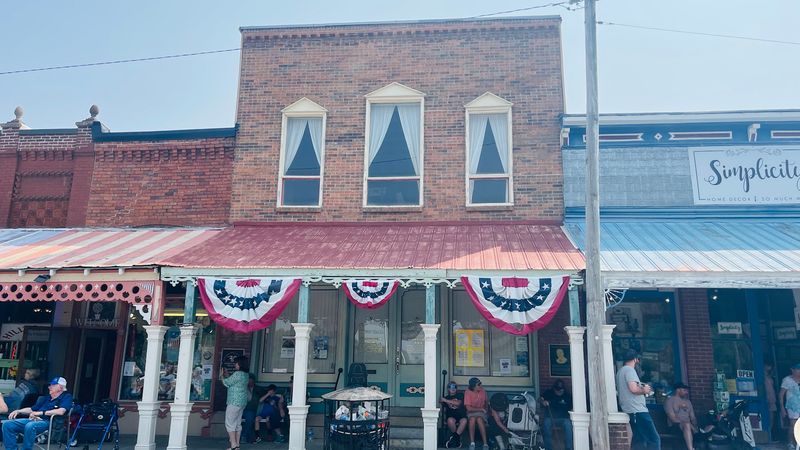
Population barely cracks 500, but Bell Buckle punches way above its weight class when it comes to small-town charm. The entire downtown fits into a single block, making it impossible to miss anything worth seeing. Antique shops, bookstores, and craft boutiques line the street, each one packed with treasures that reflect the town’s quirky personality.
The Bell Buckle Cafe serves up Southern comfort food that draws crowds from surrounding counties. You can walk off your meal by browsing nearby shops or exploring the old train depot that anchors the town’s history. Everything stays within a five-minute walk, making Bell Buckle perfect for travelers who want maximum charm with minimum effort.
RC Cola and Moon Pie Festival transforms this quiet village every June, proving that small towns know how to throw parties. Even without festival crowds, the town maintains a welcoming atmosphere where strangers become friends over shared love of vintage finds and homemade pie. Bell Buckle embraces its size instead of fighting it, creating an experience that feels authentic and refreshingly simple.
Webb School, a historic prep school, adds unexpected cultural depth to the town’s character. You can wander the campus, admire architecture, and appreciate how education shaped this community for generations. Bell Buckle might not offer endless entertainment options, but it delivers concentrated doses of Tennessee hospitality and small-town magic that make car-free weekends feel like stepping back to simpler times.
8. Columbia

Known as the Mule Capital of the World, Columbia wears its agricultural heritage proudly while building a downtown that welcomes modern explorers. The town square radiates outward from the historic courthouse, with locally owned businesses filling storefronts in beautifully preserved buildings. You can spend hours wandering without retracing your steps, discovering new favorites with each visit.
James K. Polk Home and Museum sits within easy walking distance of downtown, offering presidential history without the crowds of bigger tourist sites. The compact layout means you can tour the museum, grab lunch at a local diner, and browse antique stores all within the same afternoon.
Columbia keeps things manageable while still offering enough variety to stay interesting.
Mule Day celebration each April turns the town into a festival ground celebrating its unique heritage. Even outside festival season, the mule theme appears in murals, statues, and local pride that gives Columbia a distinct identity. The town balances honoring tradition with embracing progress, creating a vibe that feels both nostalgic and forward-thinking.
Restaurants range from classic meat-and-three diners to newer farm-to-table concepts, all clustered around the square. You can grab coffee, explore boutiques selling handmade goods, or catch live music at local venues without ever needing transportation. Columbia proves that mid-sized Tennessee towns offer walkable experiences that rival bigger cities, minus the traffic and parking headaches that come with urban exploration.
9. Cookeville
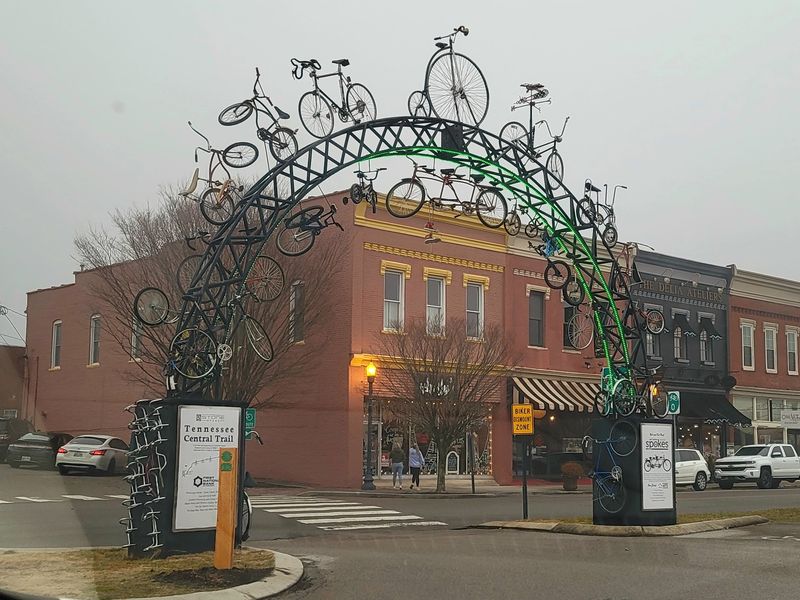
Sitting in the Upper Cumberland region, Cookeville combines college-town energy with small-city accessibility. Tennessee Tech University brings youthful vibrancy to downtown, filling coffee shops and restaurants with students and locals who keep the area lively year-round. You can walk from campus to downtown in minutes, experiencing both academic and commercial districts without breaking stride.
The West Side district transformed old buildings into trendy spaces housing breweries, boutiques, and eateries that attract foodies and craft beer enthusiasts. Walking between the West Side and traditional downtown takes less than fifteen minutes, making it easy to experience both areas in a single outing. Cookeville invested in pedestrian infrastructure, and the results show in how naturally people navigate the city on foot.
Cane Creek Park sits close enough to downtown that nature lovers can escape to trails and waterfalls without driving. You can spend mornings hiking, afternoons exploring shops, and evenings catching live music at local venues. The mix of outdoor recreation and urban amenities creates a balanced experience that appeals to different travel styles.
Restaurants reflect the town’s diverse population, offering everything from classic Southern cooking to international cuisines. You can grab Thai food for lunch, browse record stores, then settle into a brewery for local beers and live entertainment. Cookeville might not top every Tennessee travel list, but its walkable core and authentic local culture make it a hidden gem worth discovering on a car-free weekend adventure.
10. Greeneville
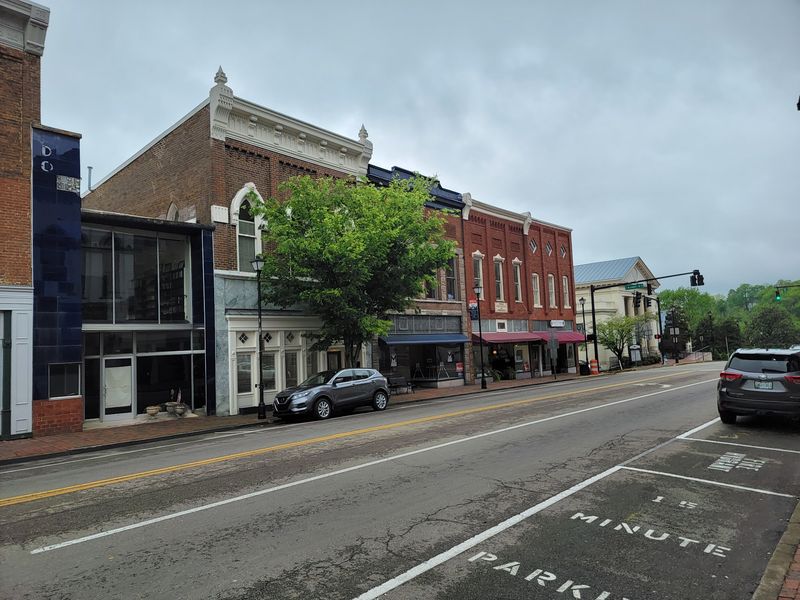
Andrew Johnson’s hometown carries presidential history into the present with well-preserved sites and a downtown that invites leisurely exploration. The Andrew Johnson National Historic Site anchors the town’s identity, but the surrounding blocks offer plenty beyond presidential trivia. You can walk from the museum to local shops, restaurants, and parks without ever feeling like history class dragged on too long.
Main Street stretches through downtown with a mix of antique stores, cafes, and businesses that reflect genuine local character. The town avoided cookie-cutter development, preserving architectural details that give each building its own story. Walking these streets feels like discovering a Tennessee that tourism brochures often overlook, authentic and unpretentious.
Tusculum University, one of the oldest colleges in Tennessee, sits close enough to downtown that campus walks become part of the exploration. You can wander historic buildings, enjoy green spaces, then head back to town for lunch at a local diner. Greeneville balances education, history, and small-town living in ways that create unexpected depth for such a compact area.
Coffee shops and bakeries provide perfect spots to rest between exploring, offering homemade treats and friendly conversation. You can spend mornings touring historic sites, afternoons browsing local shops, and evenings enjoying live music at community venues. Greeneville proves that Tennessee’s smaller towns deliver rich experiences when you slow down enough to appreciate the details that make each place special and worth visiting on foot.
11. Lynchburg
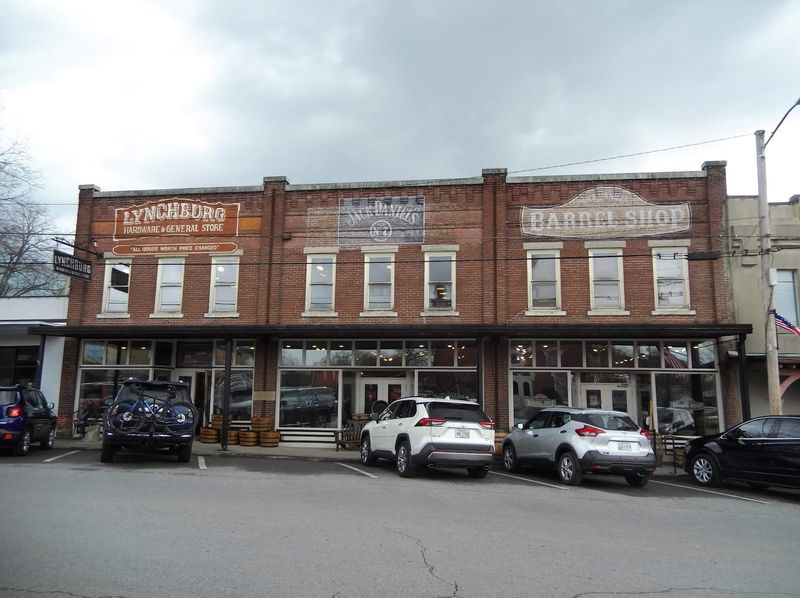
Jack Daniel’s Distillery put Lynchburg on the map, but the town square keeps visitors around long after distillery tours end. The entire downtown wraps around a historic courthouse, with shops and restaurants occupying buildings that have stood for generations. You can walk the square’s perimeter in minutes, but lingering becomes inevitable once you start exploring what each storefront offers.
Miss Mary Bobo’s Boarding House serves family-style Southern meals that require reservations weeks in advance. The walk from the distillery to the boarding house takes less than five minutes, making it easy to combine whiskey education with culinary tradition. Lynchburg keeps everything close, understanding that visitors appreciate convenience as much as they value authentic experiences.
Despite the distillery’s fame, the town maintains a dry county status that adds quirky contradiction to its character. You can tour where whiskey is made but cannot buy it locally, a detail that makes Lynchburg feel delightfully out of step with modern expectations. The town embraces its contradictions, creating a personality that stands out even in a state full of distinctive communities.
Antique shops and craft stores line the square, offering handmade goods and vintage finds that reflect local artistry. You can browse for hours, chat with shopkeepers who know the town’s history, and leave with treasures that carry stories. Lynchburg might be famous for whiskey, but its walkable square and small-town authenticity make it memorable for reasons that go far beyond any bottle.
12. Clarksville
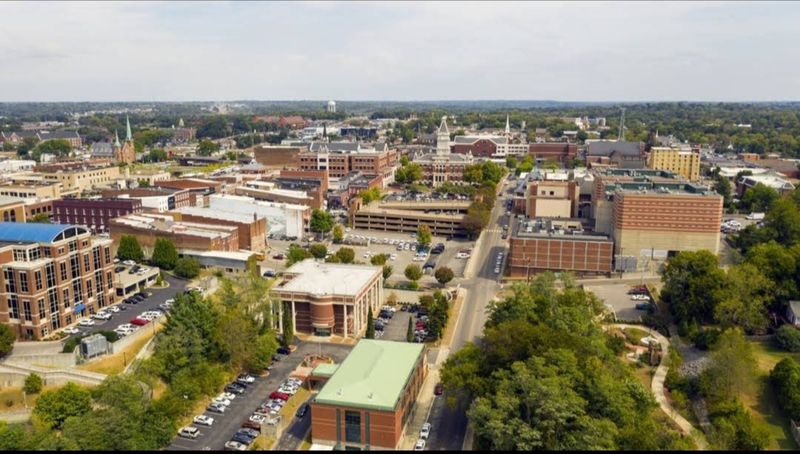
Fort Campbell’s neighbor evolved beyond its military identity to create a downtown that welcomes everyone with pedestrian-friendly streets and riverfront charm. The Cumberland Riverwalk stretches along the water, connecting parks, restaurants, and entertainment venues in a scenic path perfect for walking or biking. You can spend entire days exploring without ever feeling disconnected from the natural beauty that defines this corner of Tennessee.
Downtown Clarksville rebuilt itself with walkability as a priority, transforming old buildings into modern spaces while preserving historic character. Strawberry Alley hosts festivals, concerts, and markets that bring the community together in car-free celebration. The city invested in public spaces that encourage gathering, and locals responded by making downtown their go-to destination for entertainment and dining.
Restaurants reflect the diverse population that military presence brings, offering cuisines from around the world within walking distance of each other. You can grab Korean food for lunch, explore local breweries, then catch live music at venues that book regional and national acts. Clarksville’s cultural mix creates a dining and entertainment scene that punches above its weight class.
Austin Peay State University adds college energy to the downtown mix, filling coffee shops and bars with students who keep the area lively year-round. You can walk from campus to the river, exploring everything in between without ever feeling like you are missing anything important. Clarksville proves that Tennessee cities with military and academic influences create surprisingly dynamic, walkable environments perfect for car-free weekend exploration.