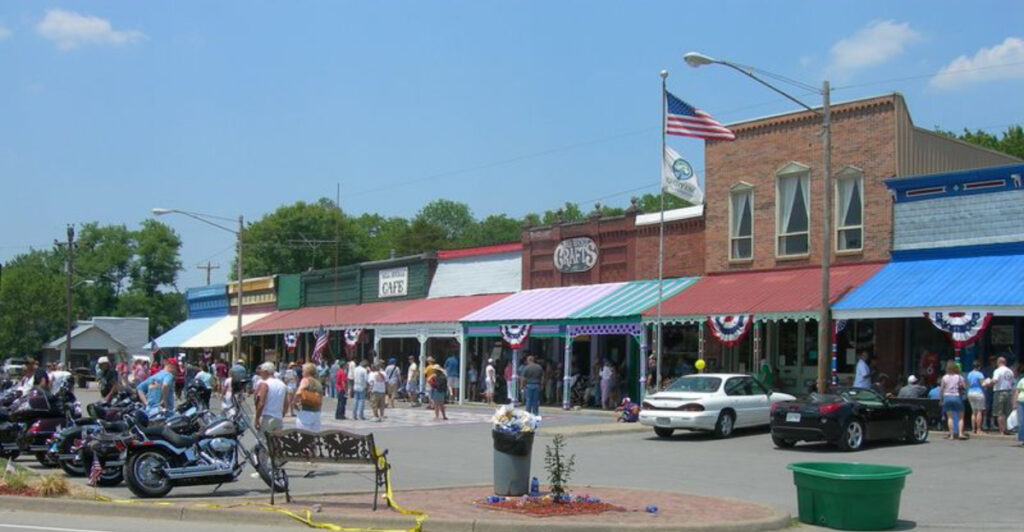
Tennessee’s small towns become absolute showstoppers when autumn arrives. The rolling hills and mountain valleys erupt in shades of crimson, gold, and orange, creating scenery that rivals anywhere in the country. These ten charming communities offer front-row seats to nature’s greatest seasonal performance, plus the kind of authentic Southern hospitality and quirky local character you won’t find in bigger cities.
1. Townsend
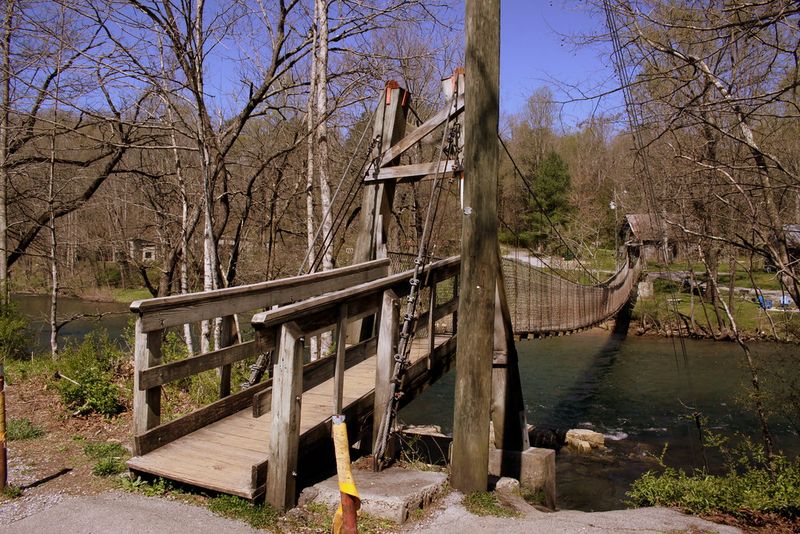
Tucked against the quiet side of Great Smoky Mountains National Park, Townsend earns its nickname as the peaceful side of the Smokies. While neighboring Gatlinburg draws massive crowds, this mountain community keeps things refreshingly low-key. Come October, the surrounding peaks light up like they’ve been set on fire, with sugar maples and hickories painting the ridgelines in brilliant reds and golds.
The Little River runs right through town, its clear water reflecting the kaleidoscope overhead. You can float lazily in a tube during early fall or simply park yourself on a riverside bench with a good book. The Cades Cove loop sits just minutes away, offering an eleven-mile driving tour past historic cabins and churches, all framed by those jaw-dropping mountain colors.
Local outfitters lead horseback rides through the foliage, and the hiking trails range from easy riverside strolls to challenging climbs up to Laurel Falls. After a day outdoors, the town’s handful of restaurants serve up comfort food that hits the spot. You won’t find chain stores or traffic jams here.
Several cozy cabins and mom-and-pop motels offer accommodations that won’t break the bank. The Townsend Harvest Festival in late September kicks off the season with craft vendors, live bluegrass, and plenty of homemade apple butter. Morning mist often hangs in the valleys, creating an almost magical atmosphere as the sun breaks through.
This place proves you don’t need crowds to have an unforgettable autumn experience.
2. Jonesborough
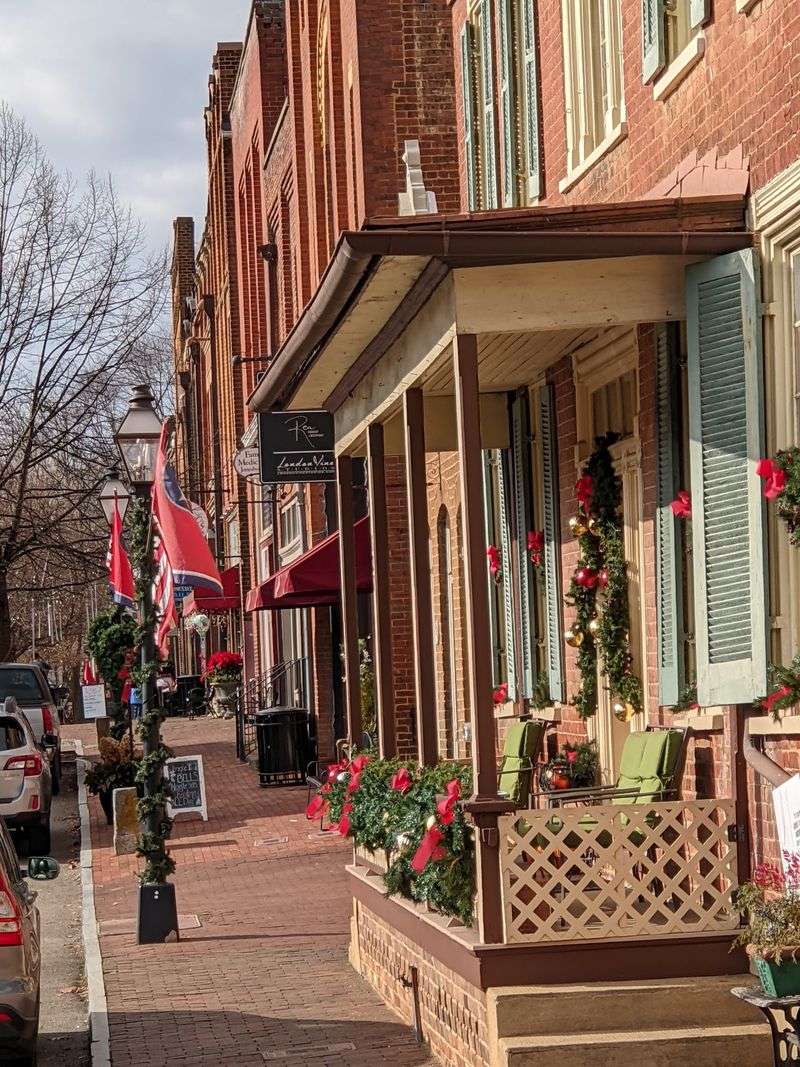
Tennessee’s oldest town knows how to put on a show when the leaves start turning. Founded in 1779, Jonesborough’s brick-lined Main Street looks like it was designed specifically for autumn Instagram posts. Two-hundred-year-old buildings house antique shops, bookstores, and cafes, all draped in fall wreaths and pumpkin displays that somehow manage to be charming rather than cheesy.
The National Storytelling Festival takes over the first weekend of October, drawing yarn-spinners and listeners from across the globe. Even if you miss the big event, storytelling remains woven into the town’s DNA year-round. Street performers and local historians often share tales on weekend afternoons, especially during the shoulder season when the maples blaze orange against those historic facades.
Walking tours reveal layers of history, from Civil War sites to the Chester Inn, where Andrew Jackson once stayed. The surrounding hills provide a stunning backdrop, especially when you catch them from the courthouse lawn. Several bed-and-breakfasts occupy restored homes where you can actually sleep in rooms with working fireplaces and original hardwood floors.
The Jonesborough Repertory Theatre stages productions throughout fall in an intimate setting. Local restaurants serve elevated Southern cuisine using seasonal ingredients like butternut squash and local apples. Browse the farmers market on Saturday mornings for fresh cider and handmade crafts.
The whole town feels like stepping into a period film, except the coffee is excellent and the WiFi actually works when you need it.
3. Tellico Plains
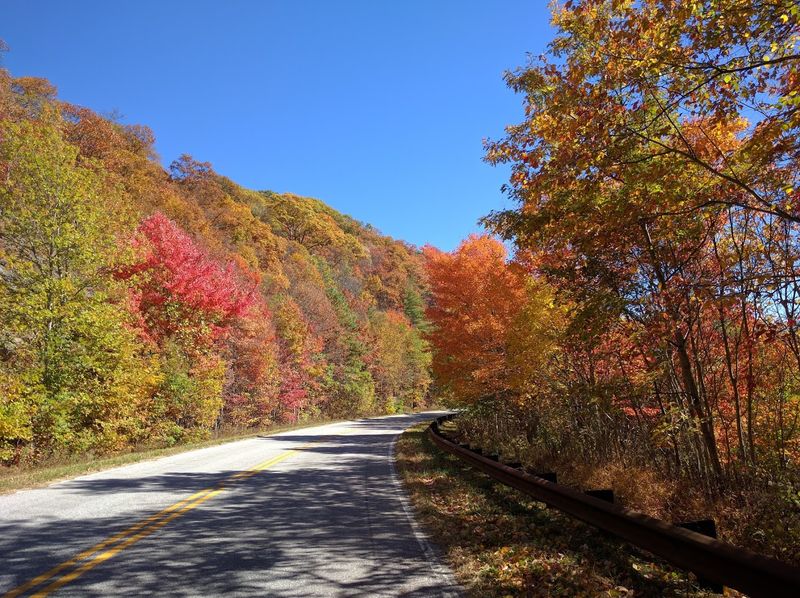
Gateway to the legendary Cherohala Skyway, Tellico Plains sits at the edge of the Cherokee National Forest like a basecamp for leaf-peepers. The Skyway itself ranks among North America’s most spectacular autumn drives, climbing through elevation zones that create a staggered color show. Lower elevations might still show green while the peaks above already glow crimson and gold.
This tiny town of barely 900 souls punches way above its weight for outdoor adventure. The Bald River Falls, just a short drive away, cascades over moss-covered rocks framed by fiery foliage in October. Dozens of hiking trails branch off from nearby roads, ranging from easy nature walks to serious backcountry treks.
Downtown consists of a few blocks, but what it lacks in size it makes up for in authenticity. The local diners serve massive breakfasts that fuel a full day of exploring. A handful of shops sell everything from camping gear to handmade quilts, and the folks behind the counter actually know the area well enough to give solid trail recommendations.
Several motorcycle groups make pilgrimages here each fall specifically for the Skyway’s curves and views. The Charles Hall Museum preserves local history in a quirky collection that includes everything from Native American artifacts to moonshine stills. Cabin rentals dot the surrounding mountains, many with porches perfectly positioned for morning coffee while the mist burns off the valleys below.
Cell service gets spotty in the high country, which somehow makes the whole experience better.
4. Dandridge
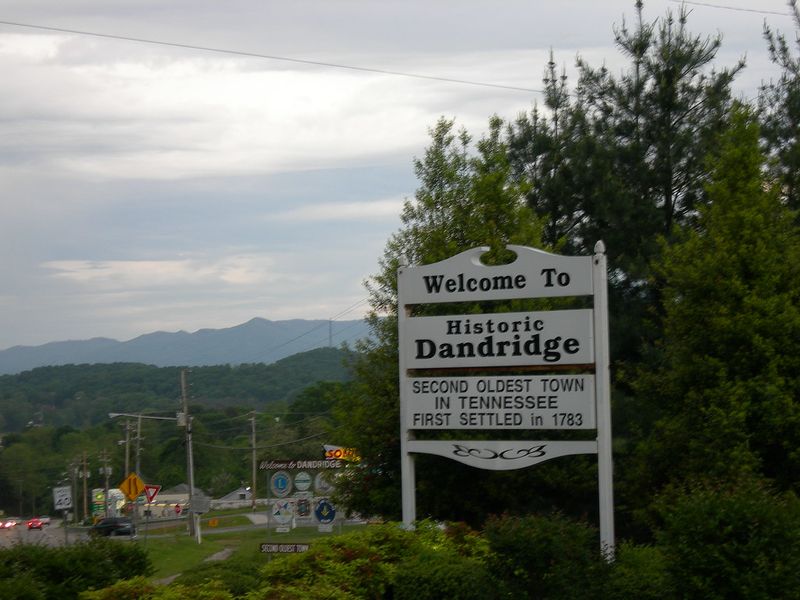
Perched on the shores of Douglas Lake, Dandridge holds the distinction of being Tennessee’s second-oldest town. The courthouse, built in 1845, anchors a downtown that manages to feel both historic and lived-in rather than museum-like. When October rolls around, the massive oak and sweetgum trees surrounding the square transform into a canopy of rust, amber, and burgundy.
The lake itself becomes an autumn playground, with the water temperature still comfortable enough for boating while the surrounding ridges burst into color. Fishing remains excellent as bass and crappie feed heavily before winter. Several marinas rent pontoon boats, perfect for a lazy cruise along the shoreline while taking in the foliage from a different angle.
Downtown shops occupy buildings that have housed businesses for over a century. The antique stores here aren’t the picked-over tourist traps you find in bigger towns but actual treasure troves where you might score a genuine find. Local restaurants emphasize catfish and other lake catches, prepared in ways that honor traditional recipes without being boring about it.
The Tinsley Bible Company, one of the last family-owned Bible publishers in America, offers tours of their facility. Several annual festivals celebrate everything from bluegrass to barbecue during the fall months. The town’s proximity to both Knoxville and the Smokies makes it a strategic base, yet it retains a peaceful vibe that the more famous destinations have lost.
Sunset over the lake, with the western sky competing with the leaf colors for brilliance, provides a daily reminder of why people fought to preserve this town when the TVA built the dam.
5. Bell Buckle
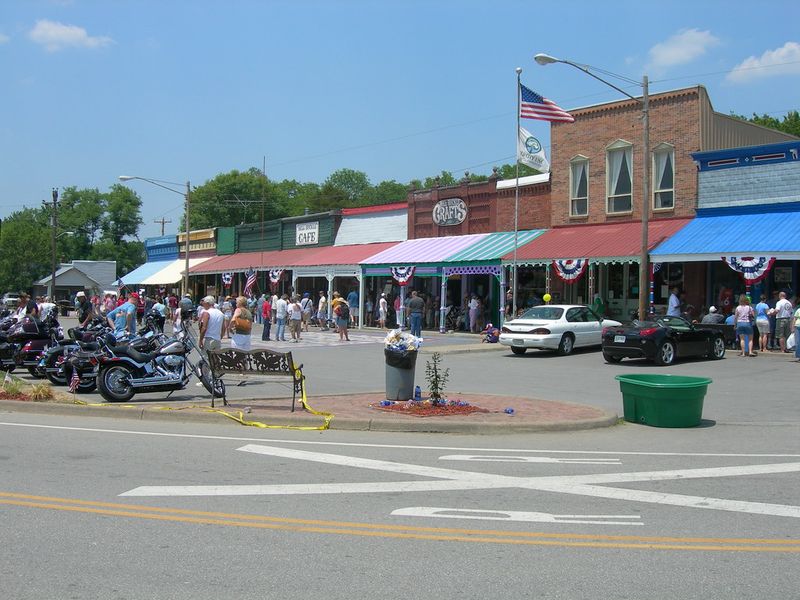
With a population hovering around 500, Bell Buckle might be tiny, but it packs more personality per capita than towns ten times its size. The entire downtown earned a spot on the National Register of Historic Places, and wandering these streets in autumn feels like tumbling into a particularly well-preserved time capsule. Ancient sugar maples arch over the sidewalks, creating tunnels of gold and scarlet in October.
The Bell Buckle Cafe occupies a former bank building and serves plate lunches that draw folks from Nashville, an hour north. Don’t skip the pie, which changes based on what’s in season. Next door, the Bell Buckle Antique Mall sprawls through multiple buildings, offering everything from Depression glass to vintage concert posters.
Webb School, a prestigious prep academy founded in 1870, gives the town an unexpected intellectual edge. The campus buildings, draped in ivy that turns deep red in fall, host various cultural events open to visitors. The RC Cola & Moon Pie Festival, held in June, put Bell Buckle on the map, but autumn brings its own charm without the crowds.
Several bed-and-breakfasts occupy Victorian homes with wraparound porches perfect for enjoying the evening air as temperatures cool. The walking loop around town takes maybe twenty minutes, but you’ll want to budget hours for browsing shops and chatting with locals who actually remember when their grandparents ran these same storefronts. Loudon Park provides a shaded spot for picnics, and the surrounding countryside offers scenic drives past farms where pumpkins ripen in fields backed by tree-covered hills ablaze with color.
6. Cumberland Gap
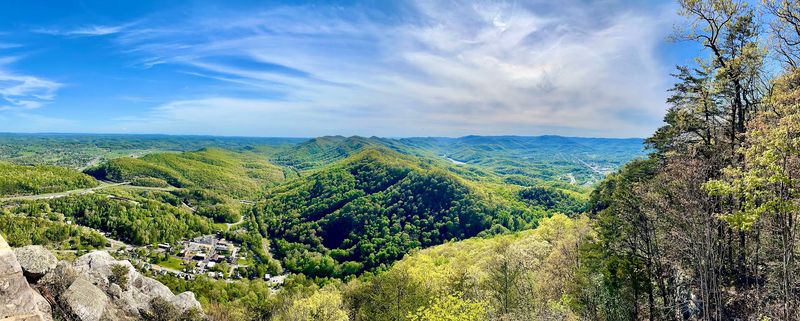
Where Tennessee, Kentucky, and Virginia converge, Cumberland Gap holds a special place in American history. Daniel Boone blazed his Wilderness Road through this mountain pass, and over 300,000 settlers followed. Today, the Cumberland Gap National Historical Park preserves both the natural beauty and the stories of those who passed through.
Autumn transforms the surrounding peaks into a spectacular display that would have stopped even the most determined pioneers in their tracks.
The Pinnacle Overlook trail, a moderate four-mile round trip, rewards hikers with views across three states from 2,440 feet above sea level. In October, the forests below look like someone spilled a painter’s palette across the landscape. The Gap Cave tour takes visitors 600 feet underground, where the temperature stays constant year-round, a welcome break if you’re hiking on a warm fall afternoon.
The tiny town of Cumberland Gap itself consists of a few streets lined with historic buildings, some dating to the 1800s. A handful of local restaurants serve hearty mountain fare, the kind of food that tastes even better after a day on the trails. The visitor center museum does an excellent job explaining the gap’s significance without getting too dry or academic about it.
Several overlooks accessible by car make the scenery available even to those who can’t or don’t want to hike. Hensley Settlement, a restored mountain community, shows how families lived in near-total isolation well into the twentieth century. The fall color peak usually hits mid-October, though the elevation changes mean you can catch good color for several weeks as it progresses down the mountains.
7. Rugby
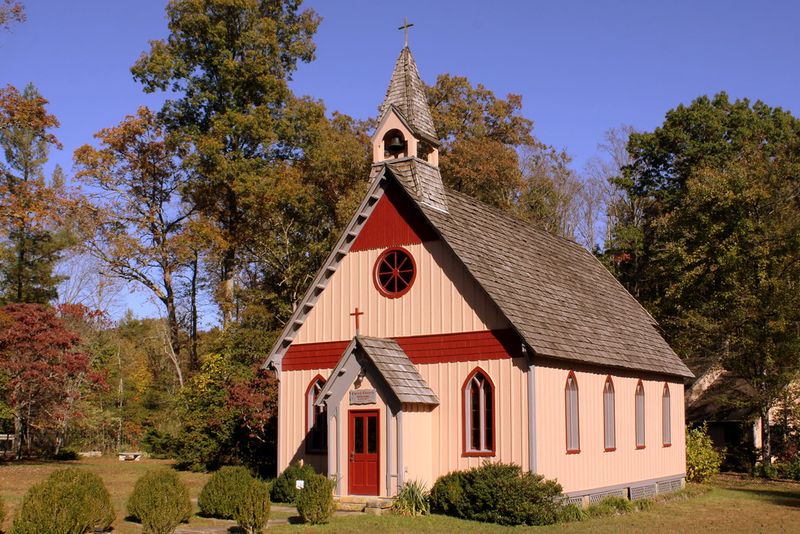
An English utopian colony planted in the Tennessee mountains sounds like fiction, but Rugby’s story is absolutely real. Founded in 1880 by British author Thomas Hughes, this social experiment aimed to create a new society where younger sons of English gentry could build meaningful lives. The colony eventually failed, but seventeen original Victorian buildings survive, creating one of the most unusual historic sites in the South.
Walking through Rugby in autumn feels genuinely surreal. The Gothic-style Christ Church, built with boards cut from a single poplar tree, rises from a carpet of fallen leaves. The Hughes Free Public Library still houses 7,000 volumes, many brought from England in the 1880s.
The surrounding forest, which defeated the English colonists who had no idea how to farm these steep slopes, now provides the perfect frame for the preserved buildings.
The fall color here tends toward yellows and golds, with poplars and hickories dominating the canopy. Guided tours share stories of the colonists, including their attempts at farming, their elaborate social gatherings, and their ultimate acceptance that this wilderness wouldn’t yield to British sensibilities. Several of the historic buildings now operate as bed-and-breakfasts, offering the chance to sleep in actual Victorian structures.
The nearby Clear Fork River offers excellent fishing and swimming holes, though by October the water runs pretty cold. The Gentlemen’s Swimming Hole, a deep pool where the proper English colonists once bathed, still exists. Local festivals celebrate the town’s heritage without turning it into a theme park.
The isolation that doomed the colony now serves as its greatest asset, keeping Rugby peaceful and authentic in ways more accessible historic sites can’t match.
8. Granville
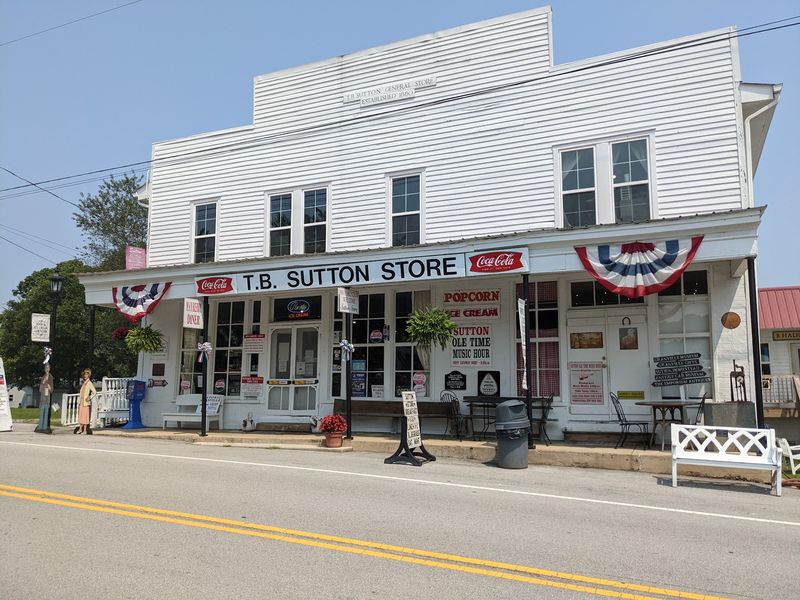
Blink while driving through Jackson County and you might miss Granville entirely. This crossroads community barely qualifies as a town, with a population under 500, but it represents rural Tennessee at its most authentic. The 1895 courthouse, built from locally quarried stone, still anchors the tiny square.
When the maples and oaks surrounding it ignite in October, the scene could illustrate a calendar celebrating small-town America.
Granville doesn’t offer much in terms of tourist attractions, and that’s precisely the point. Coming here means experiencing a place where people still know their neighbors and the post office serves as the social hub. The general store sells everything from fishing tackle to fresh-baked cookies, and the conversation flows as freely as the coffee.
The surrounding countryside rolls in gentle hills perfect for scenic drives. Farm stands pop up along the roads, selling pumpkins, gourds, and sometimes apple cider made from old heritage varieties you won’t find in supermarkets. The lack of commercial development means the night sky actually shows stars, and the fall foliage stands out in sharp relief against clear blue October skies.
Nearby Cordell Hull Lake offers fishing, boating, and several parks with hiking trails. The Defeated Creek area provides particularly good access points for exploring the shoreline. Local churches sometimes host harvest dinners open to visitors, serving the kind of home-cooked Southern food that restaurants can’t replicate.
Granville won’t entertain you for a week, but spending an afternoon here, especially during peak color season, offers a glimpse of Tennessee life that’s rapidly disappearing.
The quiet feels restorative rather than boring, and the lack of crowds means you can actually hear the leaves rustling overhead.
9. Sewanee
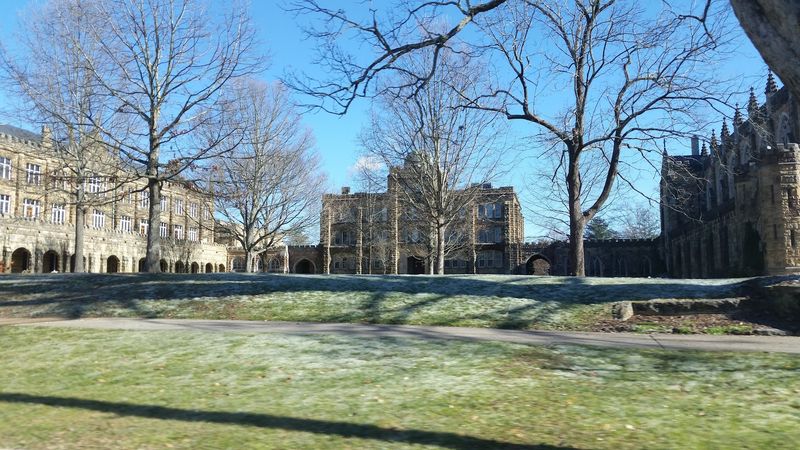
Perched on the Cumberland Plateau at 2,000 feet, Sewanee exists primarily because of the University of the South, a prestigious Episcopal institution whose Gothic architecture looks transplanted from Oxford. The 13,000-acre campus, known locally as “the Domain,” sprawls across the mountain with enough trails, overlooks, and hidden corners to keep visitors exploring for days. Autumn here hits different, with the elevation creating crisp mornings even when the valleys below stay warm.
All Saints’ Chapel dominates the campus skyline, its carillon bells marking the hours with sounds that drift across the mountain. The university owns vast tracts of surrounding forest, all open to the public for hiking. Morgan’s Steep and Shakerag Hollow offer particularly stunning views when the hardwoods turn color, with vistas extending for miles across multiple ridges.
Downtown Sewanee consists of a few blocks, but the shops and restaurants cater to a university crowd that appreciates good coffee, decent wine, and food that goes beyond basic. The bookstore stocks serious literature alongside textbooks, and the locals actually read it. Several bed-and-breakfasts and inns provide accommodations ranging from simple to elegant.
The Sewanee Herbarium and the University Art Gallery offer free admission and surprisingly sophisticated collections. Lake Cheston, on campus, reflects the surrounding foliage like a mirror on calm days. The nearby town of Monteagle provides additional dining options and access to I-24 for those who need it.
Weekend afternoons often feature student performances, lectures, or athletic events that visitors can attend.
The combination of serious intellectual culture, stunning natural beauty, and genuine Southern hospitality creates an atmosphere unlike anywhere else in Tennessee.
10. Mountain City
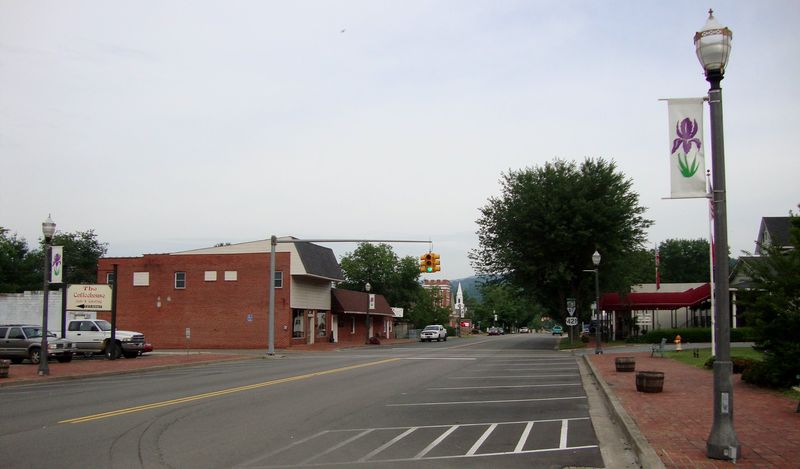
Tennessee’s highest incorporated town sits at 2,418 feet in the state’s remote northeastern corner. Mountain City earned its name honestly, surrounded by peaks that seem to go on forever. The town serves as the Johnson County seat, giving it just enough infrastructure to support visitors without losing its mountain character.
Come autumn, the elevation means color arrives early and stays late, with peak foliage often hitting in early October.
The Appalachian Trail passes nearby, and serious hikers use Mountain City as a resupply point. But you don’t need to be a through-hiker to appreciate the scenery. Shorter trails lead to waterfalls, overlooks, and quiet streams where native brook trout still thrive.
The Shook Branch Recreation Area offers camping and easy access to the national forest.
Downtown consists of a courthouse square surrounded by local businesses that have served the community for generations. The restaurants emphasize country cooking, with breakfast portions that could fuel a full day of hiking. Several antique stores occupy old storefronts, and unlike tourist-trap antique malls, these places price fairly because they’re selling to locals too.
Watauga Lake, just across the state line in Tennessee, provides boating and fishing opportunities with the Appalachian peaks rising dramatically from the shoreline. The Iron Mountain area offers some of the region’s best fall color, accessible via winding roads that demand attention but reward with views. Local festivals celebrate everything from heritage crafts to bluegrass music throughout the fall.
The isolation that once made life difficult here now serves as the main attraction, offering escape from the modern world without requiring you to actually rough it.
Morning fog fills the valleys like a river, burning off slowly to reveal those endless ridges blazing with October color.