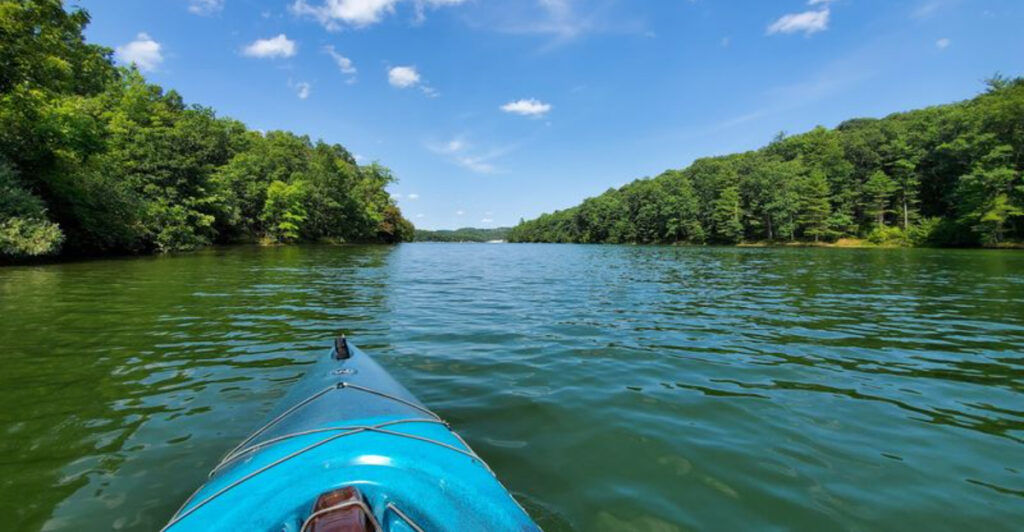
Raystown Lake is one of Pennsylvania’s favorite places for boating, camping, fishing, swimming, and soaking up quiet mountain views. With miles of shoreline, wooded hills, and plenty of secluded spots, it’s easy to see why the lake attracts visitors looking to spend time outdoors. But along warm, rocky shorelines and tucked-away areas near the water, visitors may notice more snakes than they expected. Most snakes at Raystown Lake are not looking for trouble and would much rather avoid people altogether. They may be spotted warming themselves on rocks, moving through brush, or slipping quietly into the water when approached. Still, their presence is something hikers, swimmers, boaters, and campers should keep in mind, especially during the warmer months when snakes are more active.
Knowing where snakes are likely to hide and how to calmly respond if you encounter one can help keep your trip safe and enjoyable. Give wildlife plenty of space, watch where you step, and avoid trying to handle or chase snakes. With a little awareness, you can enjoy everything Raystown Lake has to offer while sharing the shoreline with the wildlife that calls this beautiful Pennsylvania destination home.
1. Rocky Shores Make Easy Snake Hideouts
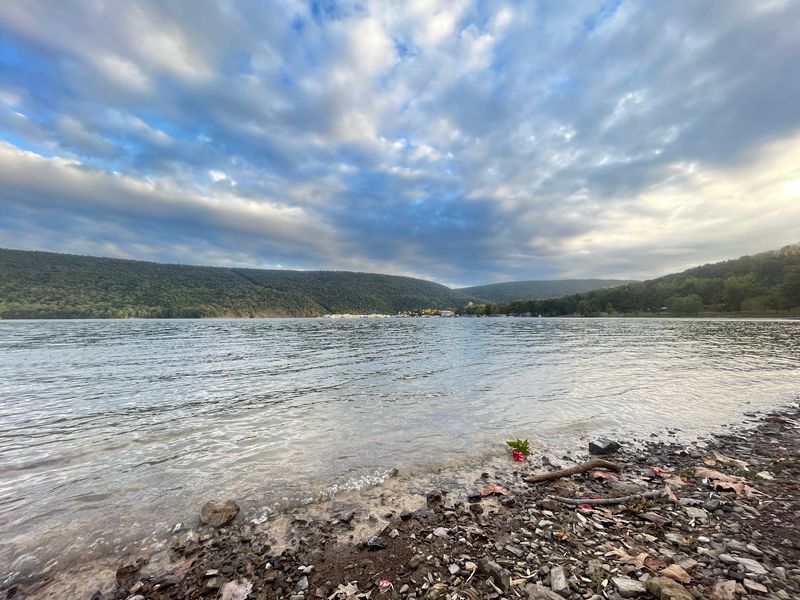
Sunny rocks along Raystown Lake can look like nature’s best seat, but snakes may think the same thing.
Warm stones help them raise their body temperature, so shorelines near coves, boat pull-offs, and quiet fishing spots can attract them on mild days.
Most snakes you might see are simply resting, hunting small animals, or moving between cover and water.
Give them space, and they usually slip away without drama.
Wear closed-toe shoes when walking over rocks, and look before placing your hands near cracks or logs.
If you are fishing, keep bait containers closed and avoid leaving scraps behind.
A clean shoreline draws fewer mice, frogs, and insects, which can also mean fewer snakes hunting nearby.
2. Warm Weather Brings More Slithering Activity
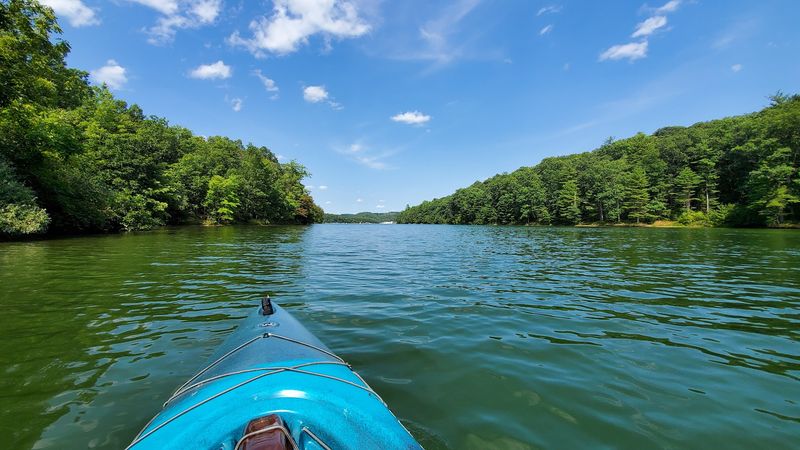
When the air turns warm at Raystown Lake, the shoreline becomes busier above and below eye level.
Snakes are cold-blooded, which means they depend on outside heat to stay active, hunt, and move around.
Late spring through early fall is when visitors are most likely to spot them near trails, beaches, campsites, and shallow water.
Morning and evening can be especially active times because the heat is easier for snakes to handle.
Plan your walks with simple care.
Stay on marked paths, watch the ground near tall grass, and use a flashlight after dark.
Kids should be taught not to poke sticks into holes or brush piles.
Seeing a snake does not ruin a lake day, but surprising one can turn a calm moment into a scary one.
3. Campgrounds Need Extra Food Cleanups
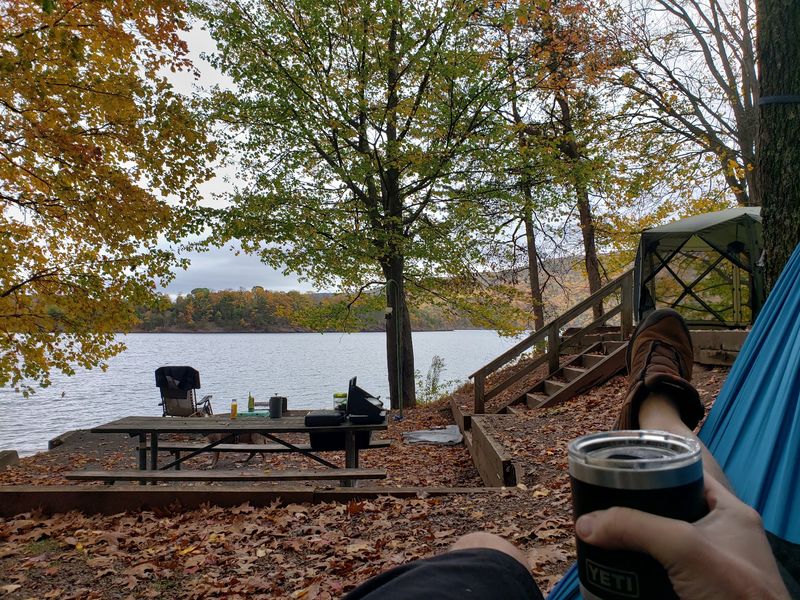
A campsite with crumbs on the table is like a dinner bell for small animals, and snakes may follow the meal chain.
At Raystown Lake, camping is a huge part of the fun, but food habits can change what wanders close to your tent.
Mice, chipmunks, frogs, and insects may come for dropped snacks, pet food, or trash.
Snakes often come after those animals, not after people.
Use sealed bins, clean picnic tables, and take garbage to proper containers each evening.
Shake out shoes, towels, and folded tarps before using them in the morning.
Keep tent doors zipped, even when you are nearby.
A neat campsite feels better, smells better, and gives snakes fewer reasons to explore your space while you sleep.
4. Fishing Spots Can Attract Hungry Snakes
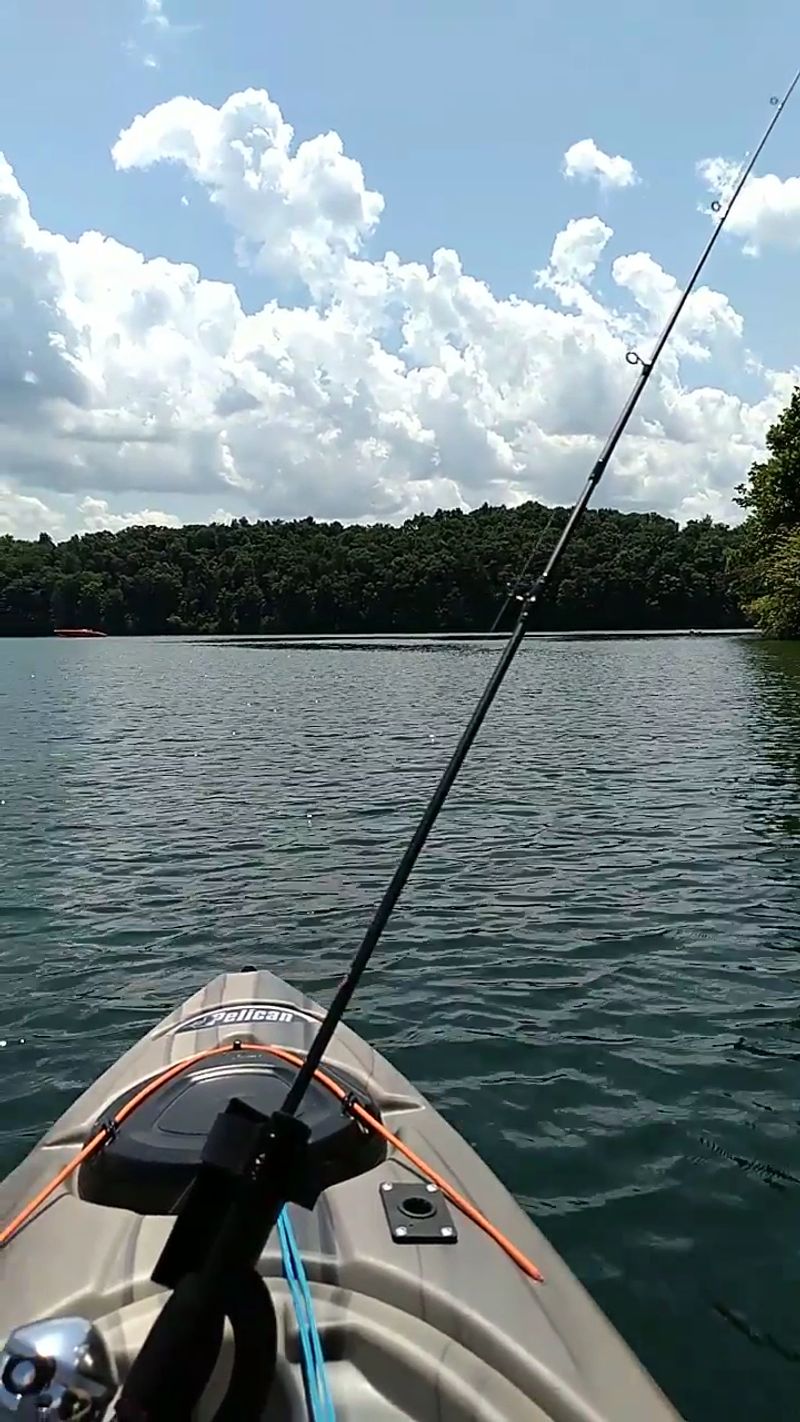
Many anglers at Raystown Lake have a favorite quiet corner, and snakes may enjoy those corners too.
Reedy banks, fallen branches, and shallow coves can hold frogs, minnows, and other easy meals.
Water snakes are often mistaken for more dangerous kinds because they swim boldly and may flatten their heads when scared.
That behavior looks fierce, but it is usually a warning, not an attack plan.
Keep your fish stringer away from your feet, and do not leave bait sitting open on the bank.
Step carefully when moving around driftwood or tall weeds.
If a snake swims by, let it pass.
Snakes help control pests and are part of the lake’s food web, even if they make your fishing story sound a little wilder.
5. Hikers Should Watch Trail Edges
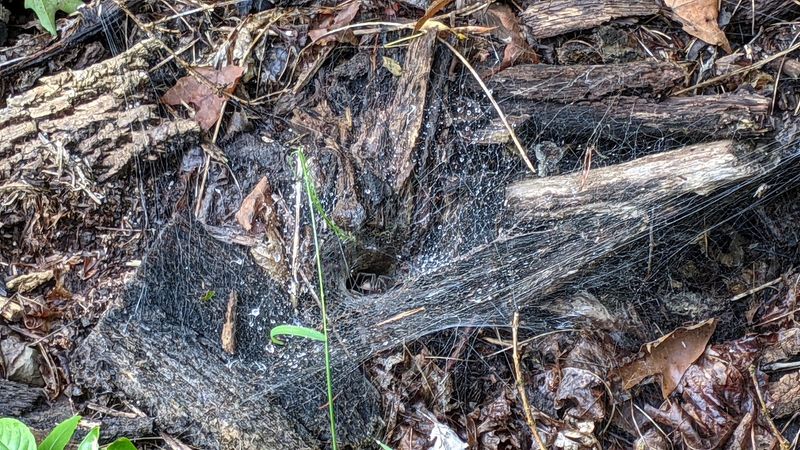
The trails around Raystown Lake can feel peaceful enough to make you forget to look down.
With woods, leaves, rocks, and sunny openings, these paths also offer good travel lanes for snakes.
Popular hiking and mountain biking areas may still have wildlife close by, especially where trails cross creeks or pass brushy slopes.
Snakes often freeze first, hoping people move along without noticing.
Stay in the center of the trail when you can, and avoid stepping over logs blindly.
Put your foot on top of the log first, then look on the other side before stepping down.
Keep dogs leashed so they do not sniff into trouble.
A little trail awareness helps everyone enjoy the lake’s views, fall colors, and forest sounds without an unwanted close-up encounter.
6. Boat Launch Areas Are Not Snake-Free
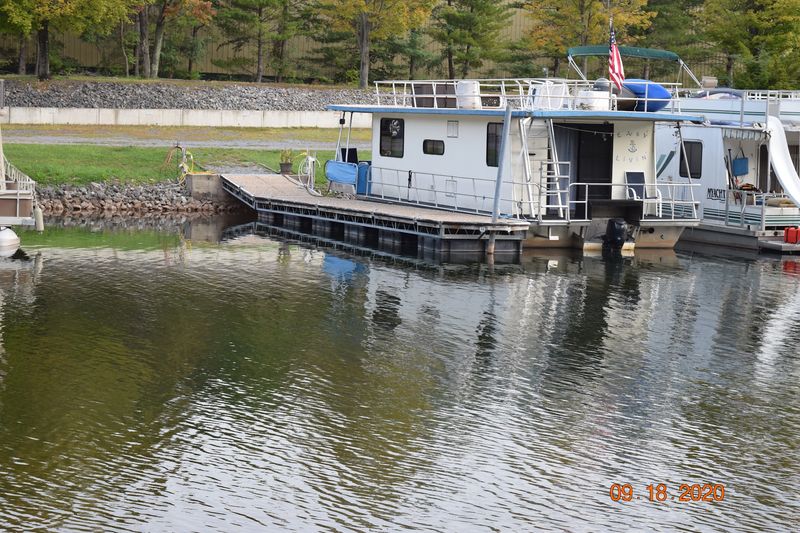
Boat ramps at Raystown Lake can feel busy, loud, and full of human activity, but snakes may still show up nearby.
Shoreline grass, dock edges, riprap, and shaded gaps under platforms can give them shelter from heat and predators.
People focused on loading coolers, tying ropes, or backing trailers may not notice what is near their feet.
That is when surprise encounters happen.
Before carrying gear to the water, scan the ground and dock edges.
Teach children to wait in open areas instead of playing near rocks or weeds beside the ramp.
Do not try to move a snake with a paddle or fishing net.
Give it room, tell others nearby, and let it leave.
Boat days are smoother when everyone slows down for one quick safety check.
7. Families Can Stay Calm Around Snakes
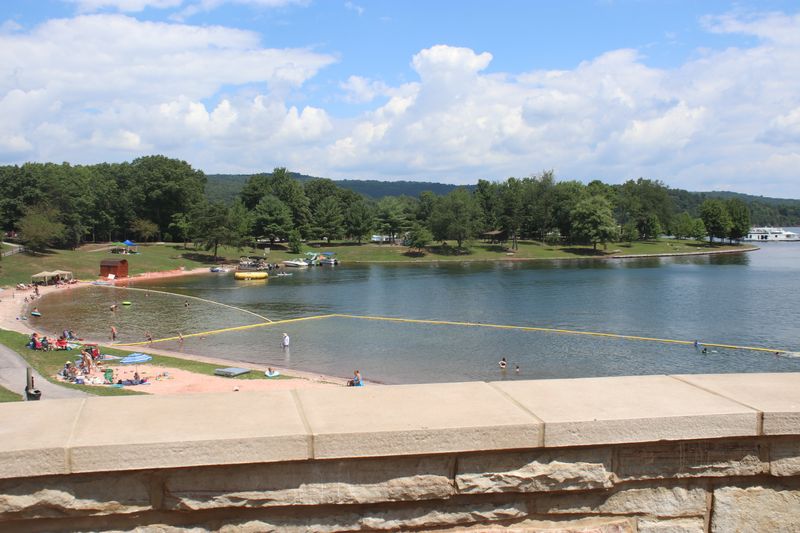
A snake sighting can turn a relaxed picnic into a noisy scramble, especially when kids are nearby.
At Raystown Lake, the best family rule is simple: stop, step back, and tell an adult.
Children are naturally curious, so explain before the trip that snakes are wild animals, not toys.
They should never pick one up, chase it, or throw rocks at it.
Adults can model calm behavior by moving slowly and keeping voices steady.
Take a photo only from a safe distance, if you can do so without crowding the animal.
Pack a small first aid kit, and know where the nearest ranger station, marina staff, or emergency help can be found.
Respecting snakes teaches kids a useful outdoor lesson while keeping the lake visit fun.
8. Respecting Wildlife Keeps Raystown Enjoyable
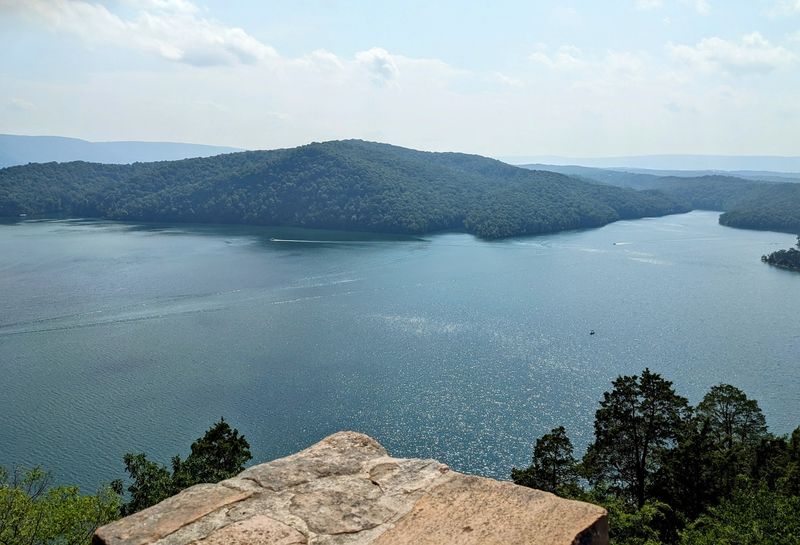
Raystown Lake was completed in 1973, and it has grown into Pennsylvania’s largest lake, with miles of water, wooded slopes, and busy recreation areas.
Snakes are part of that living landscape, even when they are not welcome guests.
Removing, harming, or teasing snakes can create more problems than it solves.
Many species eat rodents and help keep the shoreline ecosystem balanced.
Visitors can help by staying on trails, packing out trash, and leaving natural cover like rocks and logs alone unless park staff says otherwise.
Report unusual snake problems to local officials instead of handling them yourself.
Raystown is loved for boating, camping, fishing, and peaceful views.
Sharing the shore wisely helps protect both people and wildlife.