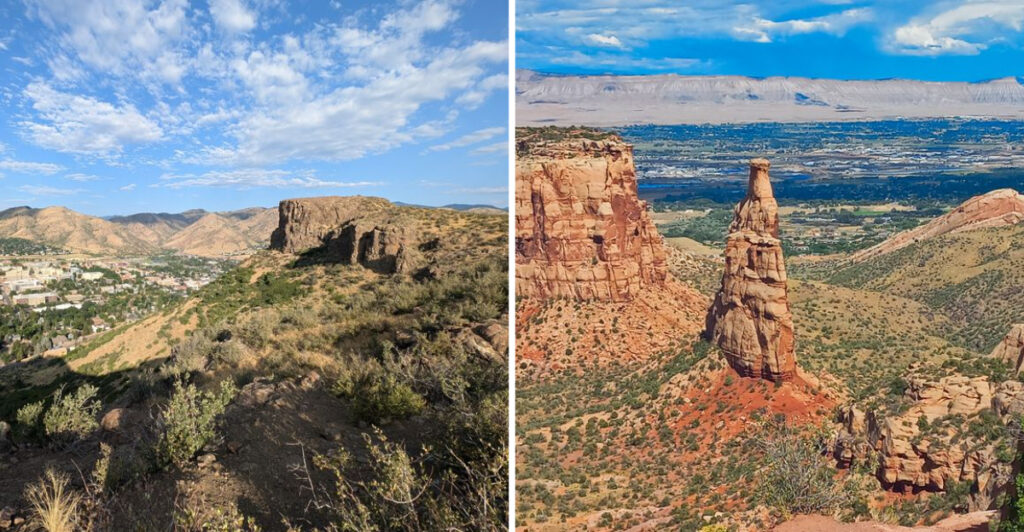
September may bring cooler mornings to Colorado, but rattlesnake season does not necessarily disappear with the first hints of fall. On sunny trails through foothills, canyons, grasslands, and rocky terrain, warm afternoons can keep snakes active well beyond the hottest days of summer.
Hikers do not need to avoid these landscapes altogether, but watching the trail, giving wildlife plenty of space, and staying alert around rocks and brush can make a meaningful difference. Conditions vary with weather and elevation, so awareness remains important throughout the hike. These 11 Colorado trails are places where an extra-careful step can be especially worthwhile in September.
1. Reservoir Ridge Trail (Fort Collins)
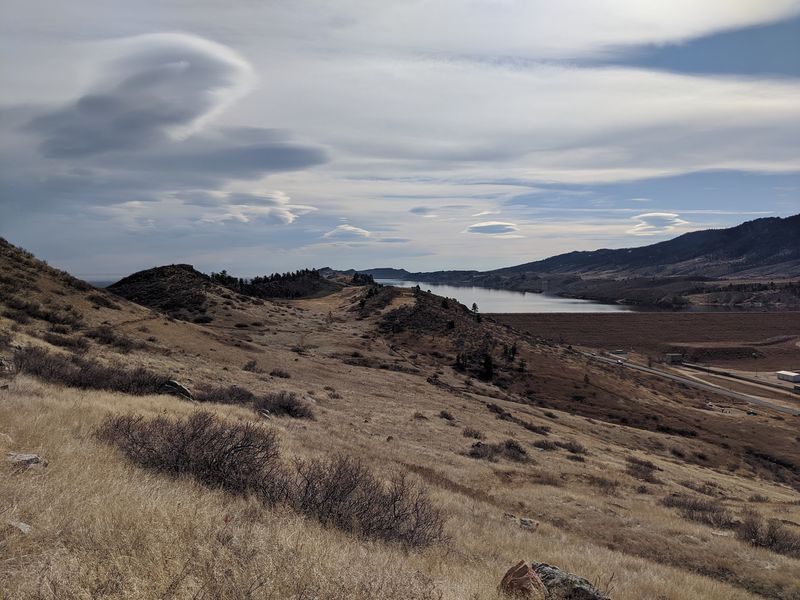
Just west of town, Reservoir Ridge has the kind of wide-open foothills scenery that looks easygoing at first glance. Then the trail starts weaving through rocky ground, dry grass, and sunny patches where wildlife can blend in better than many hikers expect.
Fort Collins includes Reservoir Ridge in its natural-area trail system, so it makes sense to treat the route with the same respect given to other wild foothills spaces. September often still carries enough heat to keep snakes active, especially during warmer parts of the day and on sunlit stretches without much shade.
Soft-surface trails can also hide small details under dust, pebbles, and low grass. A snake does not need to be right in the middle of the path to matter, because trail edges, rock pockets, and brushy spots can place it only a step away from passing boots.
Good habits help a lot here. Keep eyes a few feet ahead instead of only looking at the horizon, avoid cutting corners off the trail, and give extra space to rocks where shade meets sunlight.
Parents with kids or anyone hiking with a dog should slow down on narrow turns and near thicker vegetation. Fast movement, wandering off trail, and curious noses can create close encounters that are easier to prevent than manage.
Morning and early evening can feel cooler to people, but warm ground may still draw reptiles out. Reservoir Ridge is a fine place for a September hike, yet it is also a reminder that beautiful foothills country works best when hikers stay observant, stick to established routes, and let wildlife keep its distance.
2. Wild Loop Trail, Devil’s Backbone Open Space (Loveland)
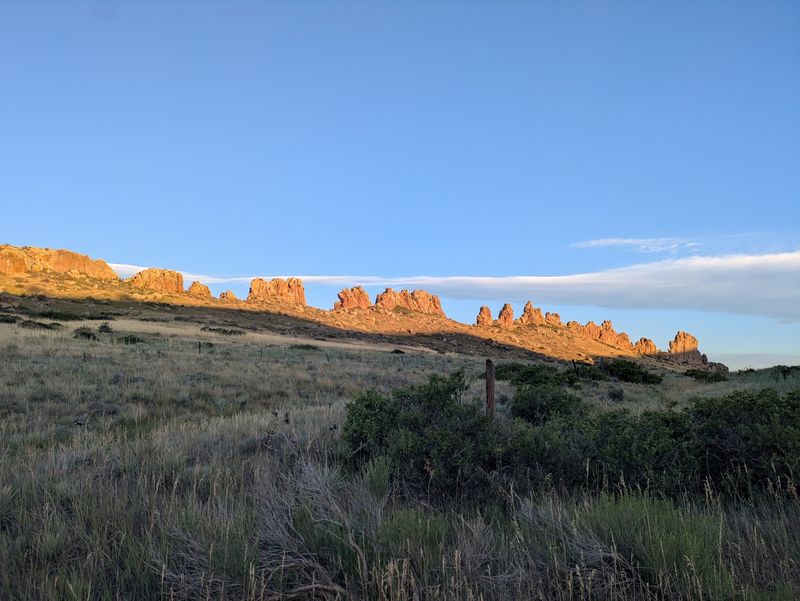
Sharp rocks and wide views give Wild Loop a bold first impression. The terrain out at Devil’s Backbone Open Space is exposed, bright, and dry, which is exactly why careful footing matters when September still acts like late summer.
This loop is only about 2.4 miles, but short does not always mean simple. Open foothills country can warm up quickly, and rocky surfaces beside the trail create the kind of spots where a rattlesnake may rest, warm itself, or stay partly hidden from people moving too fast.
The rock formations here grab most of the attention, and that is part of the challenge. It is easy to look up at the ridges, snap a photo, and miss what is near your next step, especially where gravel, tan stone, and low plants all blend together.
Plenty of hikers do well on this trail by slowing down just a little. Watch the path several strides ahead, place feet on clear ground, and avoid stepping over rocks or logs unless the landing spot is visible first.
Leashed dogs need extra care on warm days because they tend to nose along trail margins where scent is strongest. Children should also stay centered on the trail rather than hopping from boulder to boulder, since sunny rock edges are better admired than treated like playground equipment.
Wild Loop works well for people wanting a quick foothills outing with dramatic scenery. September hikers simply need to bring the same mindset they would use on any warm, open, rocky route: stay alert, respect wildlife space, and remember that the most memorable part of the day should be the landscape, not a preventable surprise underfoot.
3. Basalt Cap Loop, South Table Mountain Park (Golden)
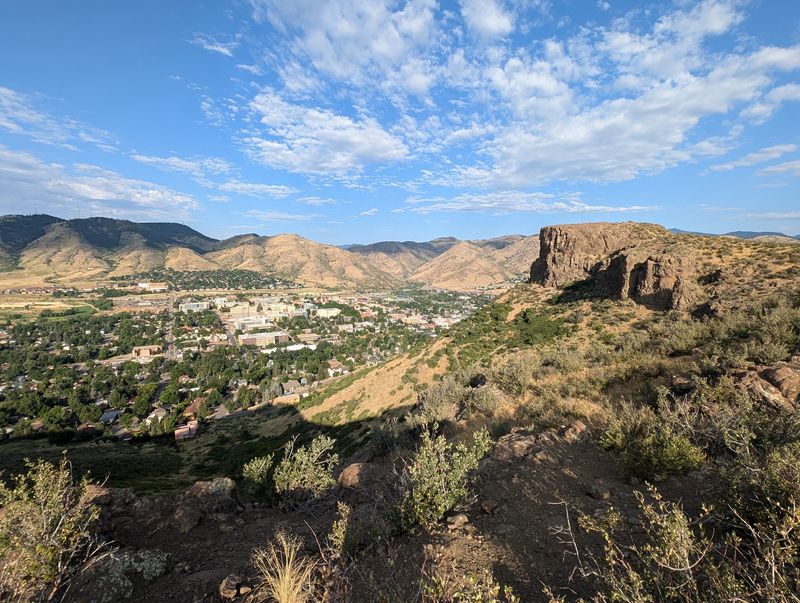
South Table Mountain has a way of mixing big views with very practical trail caution. On Basalt Cap Loop, dry grass, rocky ground, and mesa terrain create an environment where watching the path is every bit as useful as admiring the skyline.
Golden’s nearby foothills often stay warm into early fall, and that matters more than many visitors realize. When September afternoons heat up, the open slopes and stone-lined edges along the route can become places where snakes are easier to encounter if someone wanders off the main track or steps near cover without looking.
The loop moves through grassland and around rocky sections that can hide movement well. Brown, gray, and straw-colored surroundings are beautiful in a simple Front Range way, but they also make it harder to spot a still animal resting near trail borders.
Established paths are there for a reason. Staying on them reduces surprise encounters, protects the land, and keeps hikers from brushing through places where visibility drops close to the ground.
Plenty of common-sense habits fit this trail. Closed-toe shoes make sense, trekking poles can help with balance and awareness, and short breaks are best taken in open spots rather than right beside rock piles or thick grass.
Basalt Cap Loop is a solid choice for a warm-weather hike near Denver, especially for people who want a foothills route without driving far.
Early fall does not cancel snake activity, though, so the smartest approach is simple: look before stepping, keep hands off unseen rock ledges, and give any snake plenty of room to move away on its own.
4. Cobalt Trail, Ron Stewart Preserve at Rabbit Mountain (Longmont)
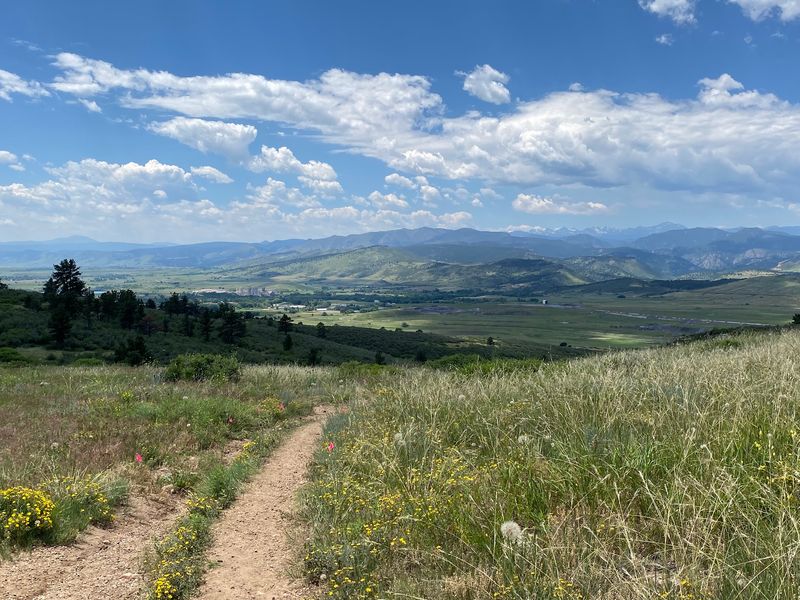
Rabbit Mountain does not hide that it is wild country. Cobalt Trail crosses foothills habitat where Boulder County specifically lists prairie rattlesnakes among the preserve’s reptiles, so September visitors have a clear reason to keep their focus down on the trail as much as out on the view.
The route passes through terrain that can look dry, simple, and easy to read from a distance. Up close, though, grass clumps, stones, and uneven edges break the ground into lots of small hiding places where a snake may be hard to spot until someone gets too close.
That is why blind steps are the real problem here. Putting a foot into tall grass, reaching toward a rock without checking first, or stepping off trail for a better angle can turn an ordinary stretch of hiking into a preventable wildlife surprise.
Cobalt Trail rewards a slower pace. Hikers do better when they scan a few feet ahead, pause before crossing rocky patches, and keep children near enough to redirect if curiosity starts pulling them toward brush or stone piles.
Dogs should stay leashed and close rather than ranging from one side of the path to the other. A curious pet can reach a hidden reptile long before a person notices it, especially where vegetation grows along the edges of the trail.
September at Rabbit Mountain can still feel very much like summer on warm afternoons. That makes Cobalt Trail a place where awareness matters more than speed, and a little patience pays off with a safer, calmer hike through a preserve that supports real foothills wildlife, not just postcard scenery.
5. Rimrock Trail, Castlewood Canyon State Park (Franktown)
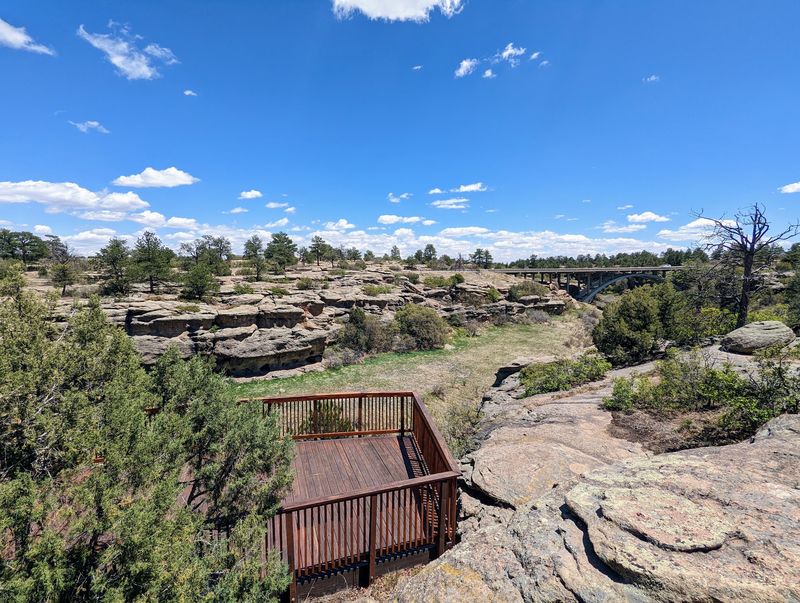
Castlewood Canyon can shift from pretty to rugged in a hurry, and Rimrock Trail shows that contrast well. The higher, drier ground brings together exposed surfaces, rocky scenery, and the kind of open terrain where watching each step is smart in September.
Prairie rattlesnakes are among the reptiles officially documented in the park, which gives hikers a solid reason to stay alert instead of treating snake awareness like an abstract warning sign. Warm early-fall weather can keep reptile activity going longer than visitors from cooler climates may expect.
Rimrock’s appeal is easy to understand. Elevated views, stone outcrops, and dry canyon edges create a landscape that pulls attention outward, yet the most useful habit on this trail is checking the ground ahead before moving through bends, narrow spots, or sunny rock sections.
Keeping to the trail matters for more than courtesy. It helps avoid accidental close range encounters in grass, along ledges, or beside rocks where an animal may be resting and hoping not to be bothered.
Breaks are better in open, visible places than tucked beside boulders or brush. Hands should also stay clear of cracks, crevices, and shaded rock shelves unless the area has been fully checked first, since many people notice hazards with their feet but forget about where they place their fingers.
Rimrock Trail delivers a memorable state park hike without needing any extra drama. With good shoes, steady attention, and a willingness to give wildlife room, hikers can enjoy Castlewood Canyon’s dry beauty while lowering the odds of an unpleasant surprise during one of those sunny Colorado September afternoons that refuses to act like fall.
6. South Rim Trail, Roxborough State Park (Roxborough)
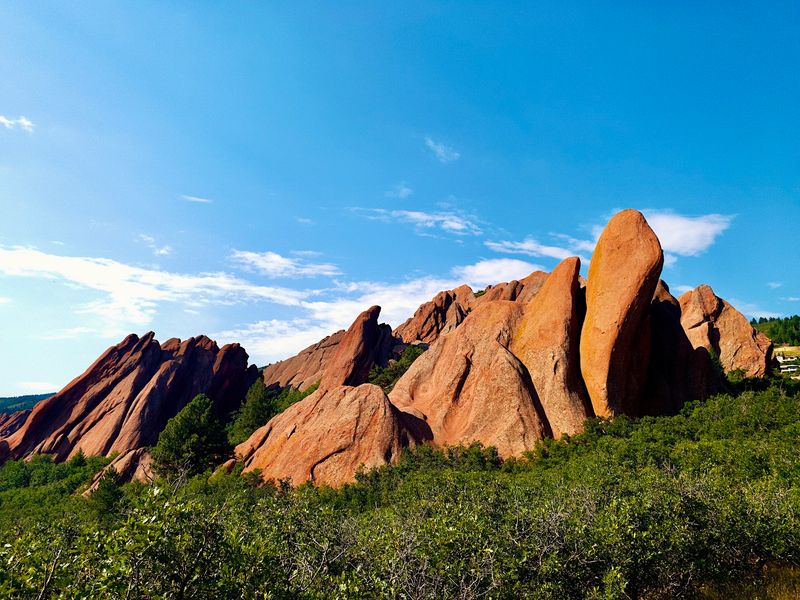
Red rocks steal the show at Roxborough, and that is exactly why hikers need a second layer of focus on South Rim Trail. Gorgeous scenery can pull eyes upward, while warm stone, dry edges, and foothills habitat create plenty of reasons to keep checking the ground too.
This short route moves through one of the Front Range’s most striking park settings. With so much sandstone, open sun, and brushy margins around the trail, September visitors should treat sunny rocks and path edges as places where a rattlesnake could be present even when the trail itself seems quiet.
South Rim is not a trail for careless shortcuts. Stepping off for a photo, sitting near rock pockets without looking, or reaching around ledges can reduce the margin of safety fast, especially when temperatures stay mild to warm well into the afternoon.
A relaxed pace fits this park better anyway. Roxborough rewards hikers who pause in clear areas, look before they lean or kneel, and give the landscape enough time to reveal details that a quick walker might miss.
Families often visit because the scenery is so memorable, but children need reminders to stay centered on the route. Dogs are not allowed anywhere in Roxborough State Park, which removes one potential concern around brushy trail edges.
South Rim Trail works best with simple habits that are easy to remember: closed-toe shoes, eyes forward, hands away from unseen spaces, and room for wildlife to move off undisturbed.
The red-rock backdrop is dramatic enough on its own, and a little extra awareness helps keep the day’s biggest story focused on the park’s famous formations instead of an avoidable trail encounter.
7. Arkansas Point Trail, Lake Pueblo State Park (Pueblo)
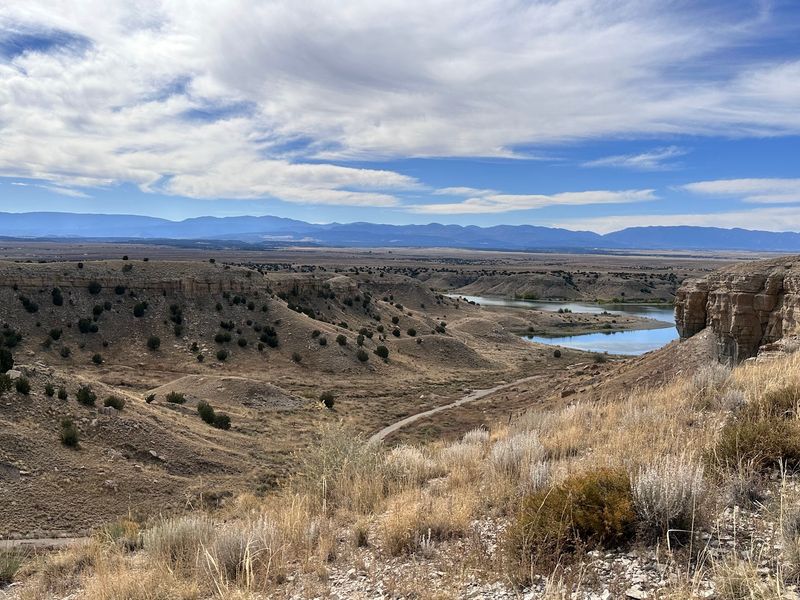
Southern Colorado often keeps summer hanging around longer than people expect, and Arkansas Point Trail proves it. Around Lake Pueblo, the landscape is dry, exposed, and warm enough into September that smart rattlesnake precautions still belong on the hiking checklist.
The trail runs through country with rocks, brush, and open ground that does not offer much shade. That combination means hikers should pay attention not just to the path itself, but also to the edges where snakes may blend into dusty soil, low plants, or broken stone.
Closed-toe shoes are a basic move here, not an optional upgrade. Sandals, distracted walking, and off-trail wandering do not pair well with terrain where visibility near the ground can change quickly from clear to cluttered in only a few steps.
Staying on the established route is one of the easiest ways to cut down risk. It keeps people out of thicker cover and helps protect the park while also making the next step easier to read.
September heat can linger through midday, so timing matters too. Earlier starts may feel more comfortable, but hikers should still stay observant because warm surfaces and mild mornings can support reptile activity longer into the season than many travelers assume.
Arkansas Point has the open, sunbaked look that makes southern Colorado memorable. It also rewards practical hikers who slow down near rocks and brush, keep pets leashed, and avoid placing hands where they cannot see clearly.
None of that takes the fun out of the outing. It simply matches the setting, where broad views and dry ground come with a reminder that local wildlife still uses the same trail corridor in early fall.
8. Hogback Nature Trail, Lathrop State Park (Walsenburg)
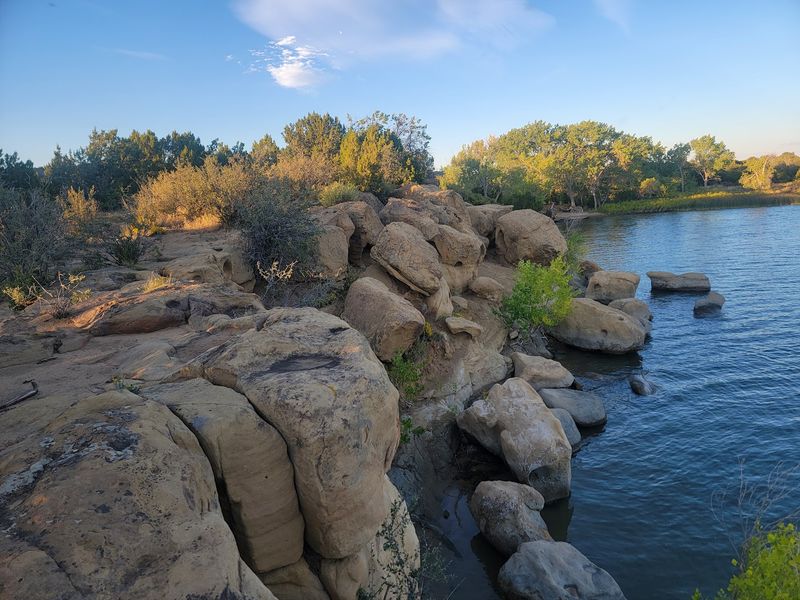
Near the Spanish Peaks, Hogback Nature Trail packs a lot of southern Colorado character into a fairly short walk. Rolling ground, rocky sections, and dry grass make it scenic, but they also call for steady attention when September warmth keeps rattlesnake activity possible.
The trail is roughly two miles, which can tempt visitors to treat it like an easy stroll and stop scanning the path. That is when grass clumps, stone edges, and little dips beside the route become more than background texture.
Snakes can be difficult to see in this kind of setting because the colors match so well. A quiet, still reptile beside a sunlit rock can disappear into the same palette of tan soil, faded grass, and weathered stone that gives the trail its rugged look.
Good trail habits do not need to be complicated. Walk instead of hurry, keep to the main tread, and make sure every step lands where the ground is visible rather than buried under grass or brush.
Leashed dogs are the safer choice here, especially if they tend to poke around edges where scent trails collect. Kids should also resist the urge to scramble onto every rock, since elevated perches and trailside stones can hide spaces that deserve a quick visual check first.
Hogback Nature Trail works well for hikers wanting a manageable route with a strong sense of place. Warm September conditions simply add one more piece to the plan.
Bring water, wear solid shoes, look carefully around grassy and rocky spots, and let the landscape set the pace. In a park this open and dry, a little patience helps hikers enjoy the views without getting careless in the exact areas where wildlife can be hardest to notice.
9. Reilly Canyon Trail, Trinidad Lake State Park (Trinidad)
Reilly Canyon Trail has a quieter personality than some bigger-name Colorado hikes, but quiet country still asks for sharp eyes. Around Trinidad Lake, the canyon-and-ridge landscape stays warm enough in September that wildlife awareness remains a smart part of the day.
Lower-elevation southern Colorado often holds heat late into the season. On a rugged trail like this one, that means sunny slopes, brushy edges, and rocky ground can all become places where a rattlesnake might be present without making much noise or movement.
The route rewards hikers who pay attention to small details. Instead of rushing for distance, it helps to notice where the trail narrows, where plants press close to the path, and where rocks create shaded pockets right beside open sun.
Careful footing matters, but so does hand placement. People often steady themselves on nearby rocks or step over obstacles without checking the far side first, and those two habits can create problems faster than ordinary walking.
Because the trail feels quieter, some hikers let their guard down. That is understandable, yet remote or less crowded stretches are exactly where self-awareness counts most, especially with kids or pets that may move ahead before the person holding the leash or setting the pace can react.
Reilly Canyon Trail offers a solid option for anyone who wants a more rugged southern Colorado outing without the feel of a packed urban foothills path. September can be a beautiful time to hike here, with warm light and wide-open scenery, but it is also a season for simple caution.
Stay on the trail, watch around rocks and brush, and keep enough space for wildlife to go about its business undisturbed.
10. Ute Canyon Trail, Colorado National Monument (Near Grand Junction)
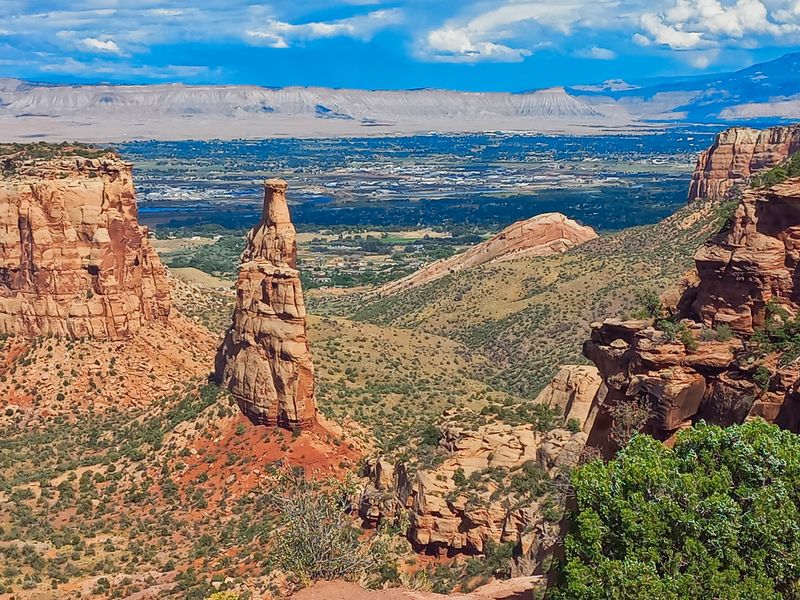
Ute Canyon Trail is not shy about where it takes hikers. The route drops into rugged desert canyon country, and that setting comes with a serious reminder from the National Park Service: the venomous midget faded rattlesnake is documented in Colorado National Monument.
That detail alone changes how a September hike should be approached. Reptiles at the monument can remain visible from early March through late October, so early fall is still firmly within the window when careful hand and foot placement matters.
The trail is steep and long, around seven miles one way, which adds another layer to the challenge. Fatigue can make people sloppy, and sloppy decisions on desert terrain often show up as grabbing unseen rock edges, stepping off the tread, or focusing so hard on the grade that they stop scanning the ground.
Ute Canyon rewards deliberate movement. Look before sitting on rocks, check ledges before using them for balance, and never place a hand into cracks, shaded creases, or brushy spaces just because the next move seems obvious.
Desert landscapes also play visual tricks. Sun, shadow, red stone, and scattered plants can break up outlines, making a still reptile much harder to notice than many people expect from a famous park route.
For hikers near Grand Junction, this is one of the more dramatic trails on the list, and it deserves respect to match the scenery. Bring enough water, start with a realistic pace, and keep attention on every contact point, not just your next photograph.
Ute Canyon is a memorable September hike, but the best version of that memory includes careful choices all the way down and all the way back up.
11. Rattlesnake Gulch Trail, Eldorado Canyon State Park (Eldorado Springs)
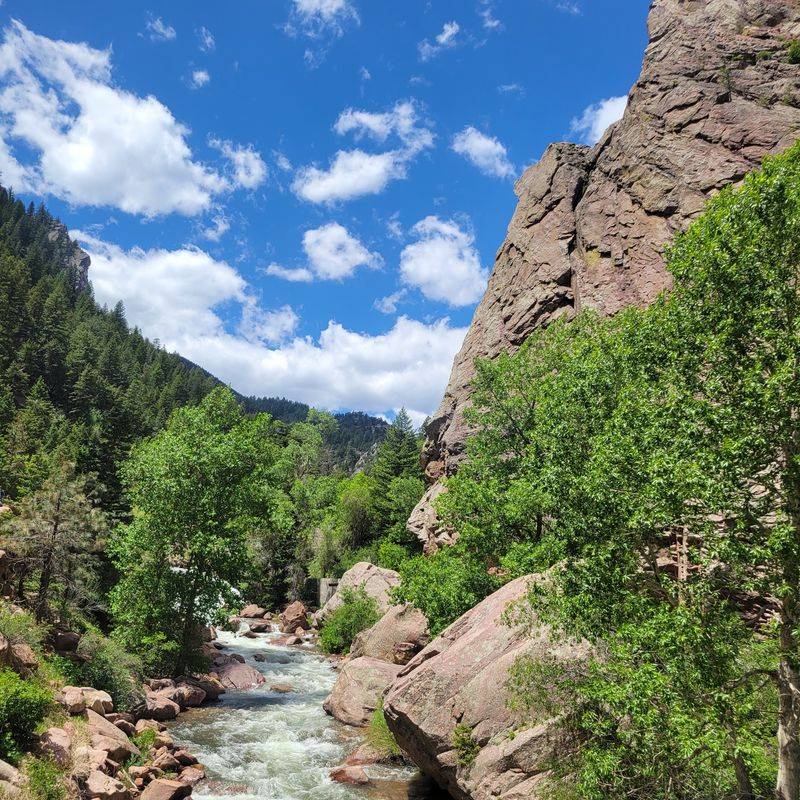
The name alone gives hikers a useful hint, but Rattlesnake Gulch needs more than a quick laugh and a selfie. This Eldorado Canyon route climbs through rocky Front Range terrain where Colorado Parks and Wildlife specifically lists prairie rattlesnakes among the park’s reptiles.
Warm September conditions can keep that wildlife concern relevant long after many people mentally switch to fall mode. Rocky slopes, sunny turns, and rough trail edges make the route a place where extra awareness belongs right alongside water, snacks, and a camera.
The climb toward historic hotel ruins and a Continental Divide viewpoint brings plenty to look at. That variety is part of the fun, but it also means hikers should avoid staring only at the canyon walls or distant skyline while moving through sections with loose stone and brush close to the path.
Rattlesnake Gulch is a strong case for measured hiking over rushed hiking. Slowing down helps with footing, gives eyes more time to pick up movement or shape on the ground, and makes it easier to manage kids and dogs on narrower or more uneven sections.
Hands deserve just as much attention as boots. Resting on rocks, stepping around blind corners, or ducking near ledges without a good look first can narrow the reaction time if wildlife is tucked nearby.
Eldorado Canyon has plenty of personality, and this trail earns its reputation with both scenery and terrain. September hikers do not need to be nervous, only prepared.
Stay on the route, keep pets leashed, give any snake a wide berth, and let the famous overlook be the moment that stands out at the end of the day.