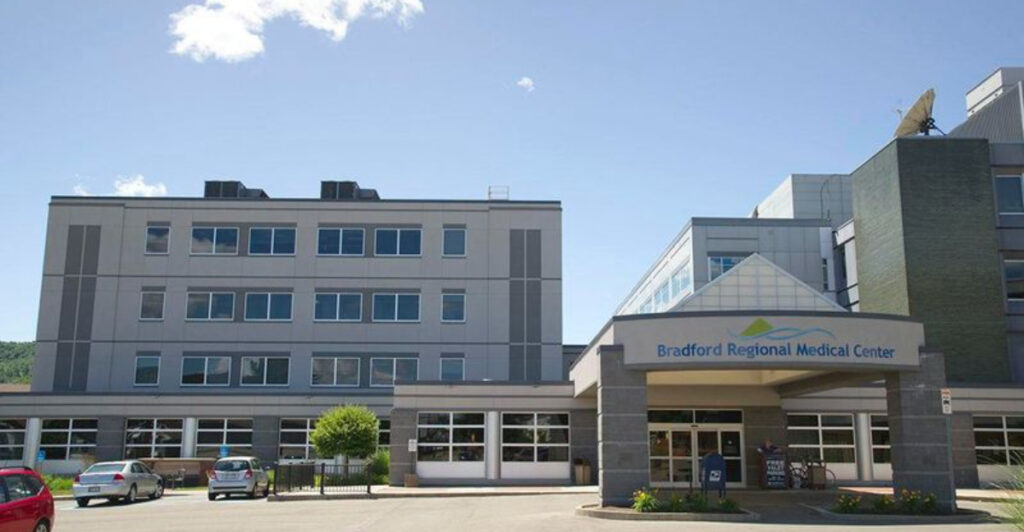
Pennsylvania has many small towns where daily life can feel calmer, friendlier, and easier on the budget. For people who want lower housing costs but still need dependable doctors, hospitals, pharmacies, and wellness services nearby, choosing the right community can make a big difference. Small-town living can offer a slower pace and a stronger sense of community without necessarily requiring residents to give up convenient access to essential services. Good healthcare matters at every age, from families with children looking for dependable pediatric and primary care to retirees who want specialists and medical facilities within a reasonable distance.
Having quality healthcare nearby can also provide peace of mind for anyone thinking about settling down, especially when unexpected medical needs arise. These Pennsylvania communities offer a helpful mix of value, local pride, and access to medical support without the constant rush of a major city. Some are close to larger regional healthcare centers, while others have hospitals and medical services right in town. For anyone searching for a place where everyday expenses can stay manageable while important healthcare options remain within reach, these small Pennsylvania communities are worth considering.
1. Sharon
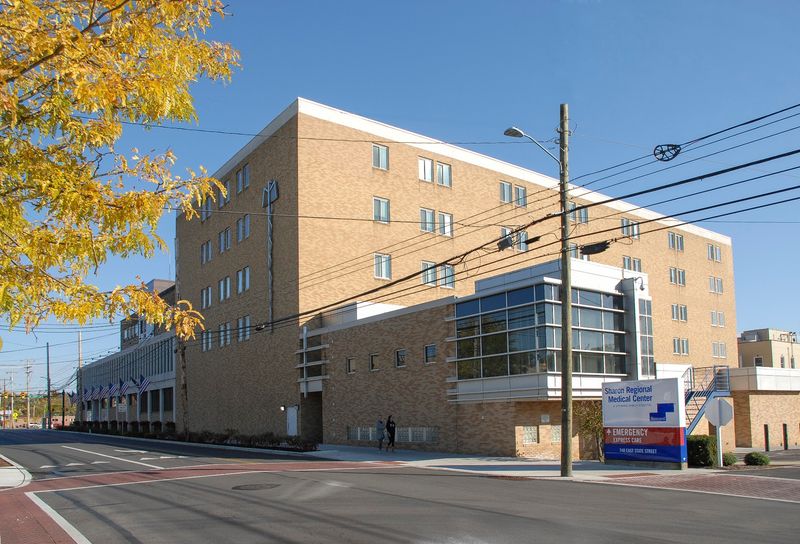
A steel-town spirit still runs through Sharon, and that gives the community a tough, practical charm.
People who like friendly streets, older homes, and a slower pace may find the city easier to manage than larger places in western Pennsylvania.
Housing is one of Sharon’s strongest draws.
Many homes cost less than in Pittsburgh suburbs, and renters can often find simple apartments without stretching every paycheck.
That can leave more room in the budget for groceries, prescriptions, transportation, and savings.
Healthcare access is also a major reason Sharon belongs on this list.
The area is served by Sharon Regional Medical Center, along with nearby clinics, family doctors, dentists, eye-care offices, and rehabilitation services.
Residents can usually handle common health needs close to home instead of driving far for every appointment.
The location helps, too.
Sharon sits near the Ohio border, which gives residents more choices for shopping, jobs, and specialty medical care in nearby communities.
Having options in more than one direction can be useful for families comparing doctors or insurance networks.
Daily life here feels practical rather than flashy.
Buhl Park, local diners, community events, and small shops give people places to gather without spending much.
Seniors may appreciate the slower rhythm, while younger families may like the lower cost of getting started.
A smart move before relocating is to check your health plan network, local pharmacy hours, and transportation options.
Sharon can be a strong fit for people who want affordable living, a real neighborhood feel, and healthcare that remains close enough for everyday peace of mind.
2. Bradford
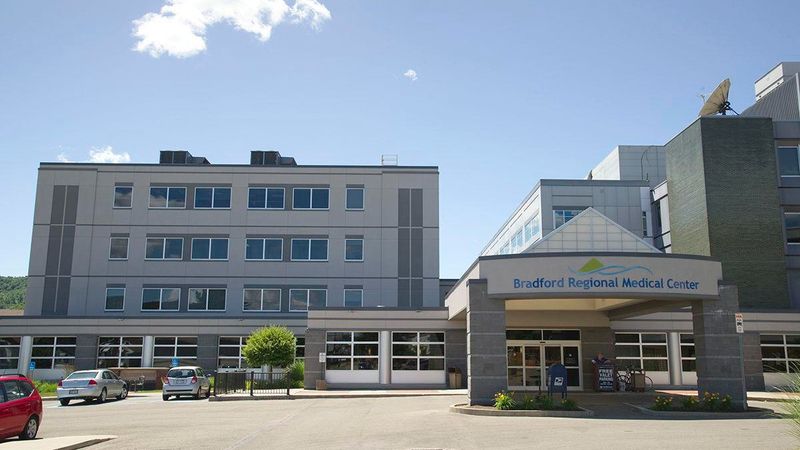
Tucked near the New York border, Bradford has a mountain-town feeling that appeals to people who enjoy quiet mornings and wooded views.
The city has a history tied to oil, railroads, and hardworking families, and that background still shapes its steady personality.
Affordability is a key part of Bradford’s appeal.
Home prices and rents often sit below many Pennsylvania averages, especially compared with busy suburbs around Philadelphia, Pittsburgh, or Harrisburg.
For buyers willing to consider older homes, there can be real value.
Healthcare is anchored by Bradford Regional Medical Center, which provides local access for many routine and urgent needs.
The community also has primary care offices, pharmacies, mental health resources, and connections to larger regional systems when more advanced treatment is needed.
That local base matters during winter weather, when long drives can be harder.
Outdoor living adds another layer of value.
The Allegheny National Forest is nearby, giving residents easy access to hiking, fishing, camping, and scenic drives.
Staying active does not need to be expensive when trails and fresh air are part of the local lifestyle.
Bradford also has a college presence through the University of Pittsburgh at Bradford, which brings cultural events, learning opportunities, and a bit of youthful energy.
That can help the town feel more lively than its size might suggest.
Anyone considering Bradford should think about employment, snow, and travel time to specialists.
Still, for people who want low housing costs, close community ties, and a healthcare center nearby, Bradford offers a grounded way of life in one of Pennsylvania’s most scenic corners.
3. Chambersburg
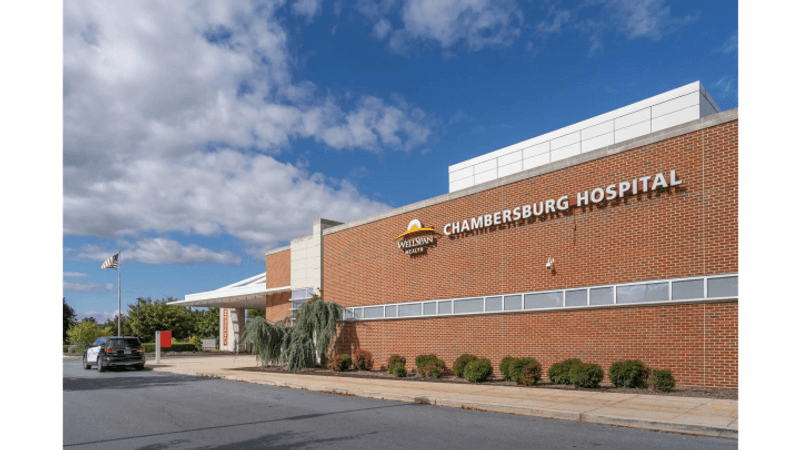
History feels close in Chambersburg, but the town is not stuck in the past.
Its downtown square, Civil War stories, farms, and growing services make it a practical choice for people who want small-city comfort without big-city costs.
Compared with many parts of eastern Pennsylvania, Chambersburg can offer more breathing room for the money.
Families can find single-family homes, townhouses, and apartments in a range of prices.
Everyday costs may still vary, but the town often feels more approachable than fast-growing metro areas.
Healthcare access is a strong point.
WellSpan Chambersburg Hospital serves the area, and residents also have access to urgent care centers, primary care practices, specialists, imaging services, and rehabilitation options.
For many routine needs, people can stay local instead of traveling to a larger city.
The town’s location along Interstate 81 is helpful for both work and medical travel.
Hagerstown, Carlisle, and Harrisburg are reachable for additional services, shopping, and specialty appointments.
That makes Chambersburg a good middle ground for people who want local care plus regional backup.
Daily life has plenty of simple comforts.
Farmers markets, parks, schools, restaurants, and nearby orchards give residents things to do without making every outing expensive.
The mix of rural surroundings and town services is especially useful for families and retirees.
Before moving, it is wise to compare neighborhoods, traffic near major roads, and doctor availability.
Chambersburg continues to grow, so planning ahead helps.
For many people, though, the balance of affordable housing, solid healthcare, history, and location makes this Franklin County town a very sensible Pennsylvania choice.
4. Lewistown
A train whistle, river bend, and mountain backdrop can make Lewistown feel like classic central Pennsylvania.
The town has long served as a local hub for surrounding rural communities, which gives it more services than some places of similar size.
Affordability is one of the biggest reasons people look at Lewistown.
Homes are often priced lower than in many parts of the state, and property sizes can be reasonable for families, retirees, or first-time buyers.
Lower housing costs may help residents stay closer to doctors and support services without draining savings.
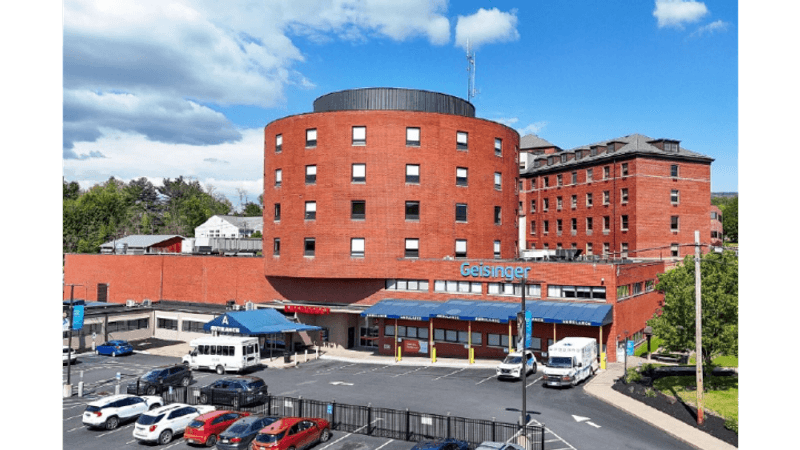
Geisinger Lewistown Hospital is a major healthcare anchor for the community.
Residents benefit from emergency care, primary care, specialty services, imaging, and connections to the broader Geisinger network.
For people who want the resources of a respected health system without living in a large city, that is a major plus.
Lewistown’s central location also helps.
State College, Harrisburg, and other regional centers are reachable for jobs, shopping, or advanced medical appointments.
That access gives residents more choices while still allowing them to enjoy small-town life.
The area offers quiet pleasures that do not require a big wallet.
Kish Park, the Juniata River, local festivals, diners, and nearby state forests provide ways to relax and stay active.
Outdoor time is easy to build into weekly routines.
People considering Lewistown should look at job options, school needs, and distance to specialists before choosing a neighborhood.
Even so, the town stands out for combining low costs, a useful hospital, and a location that keeps much of central Pennsylvania within reach.
5. Greensburg
There is a courthouse-town confidence in Greensburg that makes it feel established and dependable.
It is larger than some small towns, yet it still offers a local rhythm, familiar neighborhoods, and easy access to services.
Living costs in Greensburg can be friendlier than in many Pittsburgh suburbs, especially for people who compare carefully.
The area includes apartments, older homes, townhouses, and nearby rural properties.
That variety helps buyers and renters choose a setup that matches both lifestyle and budget.
Healthcare is one of Greensburg’s best strengths.
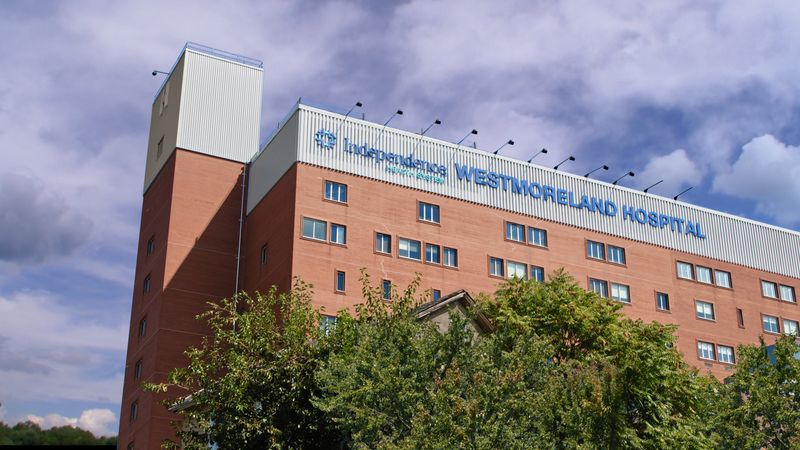
Independence Health System’s Westmoreland Hospital serves the city, and the area has many doctors, specialists, urgent care offices, labs, pharmacies, and therapy providers.
Residents who need regular care may appreciate not having to travel into Pittsburgh for every appointment.
Another advantage is transportation.
Greensburg has access to major roads and a train station, which can help commuters, students, and people heading to medical visits.
Pittsburgh is close enough for advanced specialists, major hospitals, and cultural events, but far enough away that Greensburg keeps its own identity.
The town also offers parks, restaurants, Seton Hill University, the Westmoreland Museum of American Art, and community events.
Those amenities can improve quality of life without forcing residents into a high-cost urban setting.
Seniors, young professionals, and families can each find a reason to stay busy.
Before settling in, compare neighborhoods for walkability, taxes, and distance to your preferred medical providers.
Greensburg may be especially appealing for people who want strong healthcare access, affordable choices, and the convenience of a county seat with small-city warmth.
6. Meadville
A college-town spark gives Meadville more color than many quiet places in northwestern Pennsylvania.
Between historic streets, local shops, and the energy from Allegheny College, the town feels thoughtful, creative, and easy to like.
Affordability is part of its everyday appeal.
Housing prices can be lower than in larger Pennsylvania cities, and residents often find a mix of older homes, rentals, and small neighborhoods with character.
For people watching monthly costs, that can make Meadville a realistic choice.
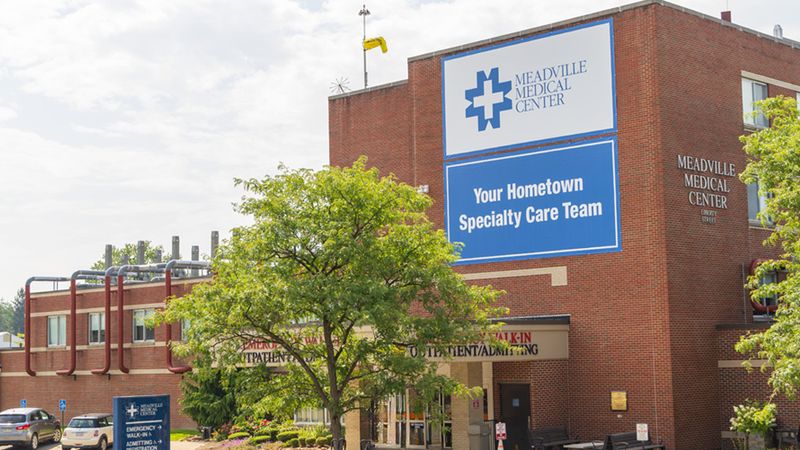
Healthcare access is centered around Meadville Medical Center, a major regional provider for Crawford County and nearby areas.
The hospital and related practices offer emergency care, primary care, specialty services, outpatient treatment, and wellness support.
Having a strong medical center in town can be a comfort for families and older residents.
The town’s size works in its favor.
It is small enough to feel manageable but large enough to have grocery stores, pharmacies, schools, parks, and community programs.
Erie and Pittsburgh are farther away, but they remain options for highly specialized needs.
Meadville also supports healthy living through recreation.
Ernst Trail, local parks, French Creek, and nearby lakes give residents ways to walk, bike, paddle, and enjoy nature.
In winter, the snowy season adds its own charm, though it also calls for good planning.
Newcomers should think about weather, job fit, and distance from family before moving.
Still, Meadville’s blend of college culture, reasonable housing, outdoor access, and local healthcare makes it a strong choice for people who want a smart, steady life in Pennsylvania.
7. Pottsville
Coal-region towns have a special kind of grit, and Pottsville carries it with pride.
The city sits among hills in Schuylkill County, where row homes, churches, breweries, and family stories are woven into daily life.
Pottsville is often attractive to people searching for lower home prices.
Many properties cost less than homes in the Lehigh Valley or Philadelphia suburbs, though buyers should always check age, repairs, heating systems, and hillside locations.
A careful inspection is especially important with older houses.
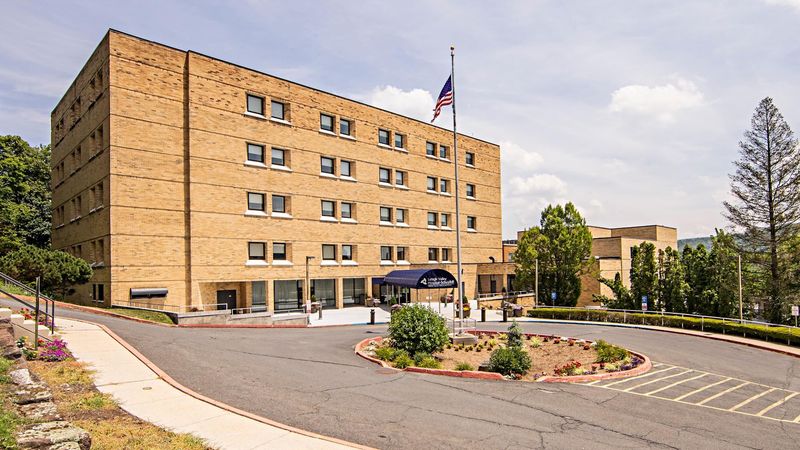
Healthcare access is supported by Lehigh Valley Hospital-Schuylkill, which gives residents a local option for emergency care, inpatient services, testing, and follow-up treatment.
The area also has family doctors, pharmacies, dental offices, and outpatient providers.
For more specialized care, Allentown, Reading, and other regional centers are possible destinations.
Everyday life has more flavor than some outsiders expect.
Pottsville is known as the home of Yuengling, America’s oldest brewery, and the town’s history draws visitors.
Local restaurants, school events, parks, and nearby outdoor areas help residents stay connected without spending heavily.
Transportation can be both helpful and challenging.
Roads connect Pottsville to nearby towns, but hills, winter weather, and limited public transit may affect people without a car.
Choosing a home close to medical offices or shopping can make life easier.
For residents who appreciate history, strong local identity, and practical costs, Pottsville can be a good match.
Its healthcare base and lower housing prices make it worth a close look, especially for people who want Pennsylvania character without a premium price tag.
8. Lock Haven
River light gives Lock Haven a calm beauty, especially near the Susquehanna.
The town has a relaxed pace, a college presence, and mountain views that make ordinary errands feel a little more scenic.
Affordability is one reason people consider moving here.
Compared with many larger Pennsylvania communities, housing can be more manageable, with rentals, older homes, and modest neighborhoods available.
Students, retirees, and working families may all find options that fit different budgets.
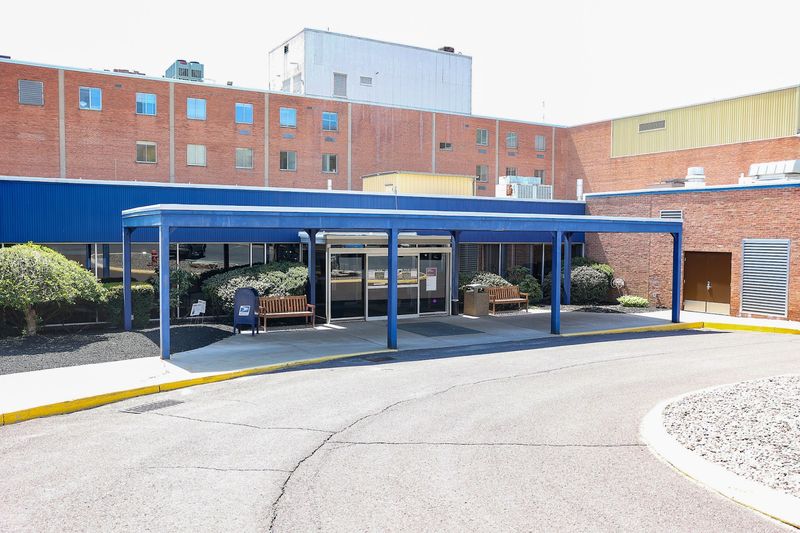
Healthcare is supported by UPMC Lock Haven and regional medical offices, giving residents access to important local services.
Primary care, outpatient care, pharmacies, and nearby specialists help cover many routine needs.
For advanced services, Williamsport and State College can provide additional choices within a reasonable drive.
The presence of Commonwealth University-Lock Haven adds learning, sports, and cultural activity to the town.
College communities often bring extra energy, and that can help support cafes, shops, fitness options, and public events.
Residents get a small-town setting without feeling completely remote.
Outdoor access is another major benefit.
The river, Bald Eagle State Forest, hiking trails, fishing spots, and scenic roads encourage movement and fresh air.
These simple activities can support wellness without expensive memberships or long travel.
Anyone thinking about Lock Haven should pay attention to flood zones, commute routes, and medical provider availability.
Some homes near waterways may need extra insurance checks.
Even with those details, Lock Haven offers an appealing package: lower living costs, natural beauty, local healthcare, and a friendly central Pennsylvania feel that many people find comforting.
9. Williamsport
Baseball fans know Williamsport for the Little League World Series, but residents know it as much more than a summer headline.
The city has neighborhoods, river views, colleges, and services that make it a practical home base in north-central Pennsylvania.
Williamsport is larger than a tiny town, yet it can still offer affordable pockets compared with major metro areas.
Renters and buyers can find a range of housing, from downtown apartments to older homes on quiet streets.
Careful neighborhood research can help match price, safety, and convenience.
Healthcare is a major strength here.
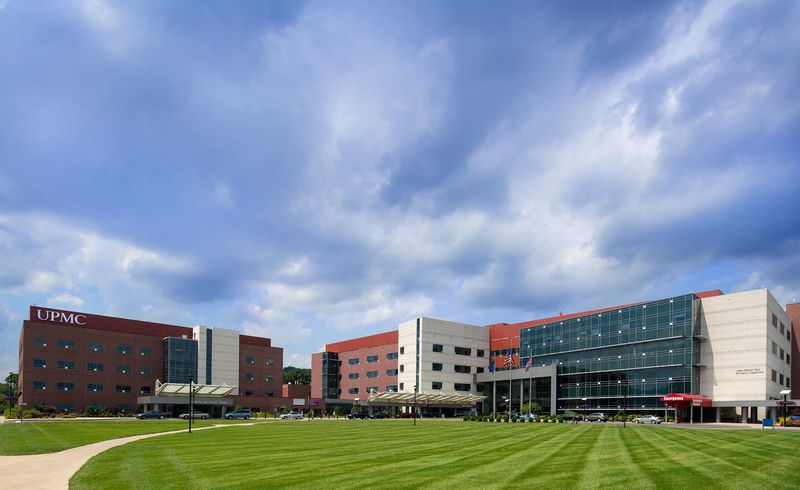
UPMC Williamsport serves as a significant regional hospital, offering emergency services, specialty care, surgery, imaging, and many connected practices.
For residents of nearby rural counties, Williamsport is often the place they travel for bigger medical needs.
That regional role gives locals an advantage.
Instead of driving far for many appointments, they may find doctors, therapists, pharmacies, and testing facilities within the city.
Families managing ongoing care may value that convenience.
Life in Williamsport also includes river walks, Brandon Park, local restaurants, Pennsylvania College of Technology, Lycoming College, and community events.
The mix of education, healthcare, and recreation keeps the city active throughout the year.
Little League season adds a burst of visitors and excitement.
Before choosing Williamsport, compare taxes, transportation, school zones, and parking needs.
Some areas feel more urban, while others are quieter and residential.
For people who want strong healthcare access, reasonable housing options, and more services than a smaller town can provide, Williamsport is a smart Pennsylvania pick.
10. Indiana
A cheerful college-town beat runs through Indiana, Pennsylvania, and it keeps the community lively without making it feel overwhelming.
The hometown of actor Jimmy Stewart also has a friendly, familiar quality that adds to its charm.
Indiana can be a good option for people seeking affordable living in western Pennsylvania.
Housing ranges from student rentals to family homes and quieter streets outside the busiest campus areas.
Prices can be easier to approach than in larger cities or fast-growing suburbs.
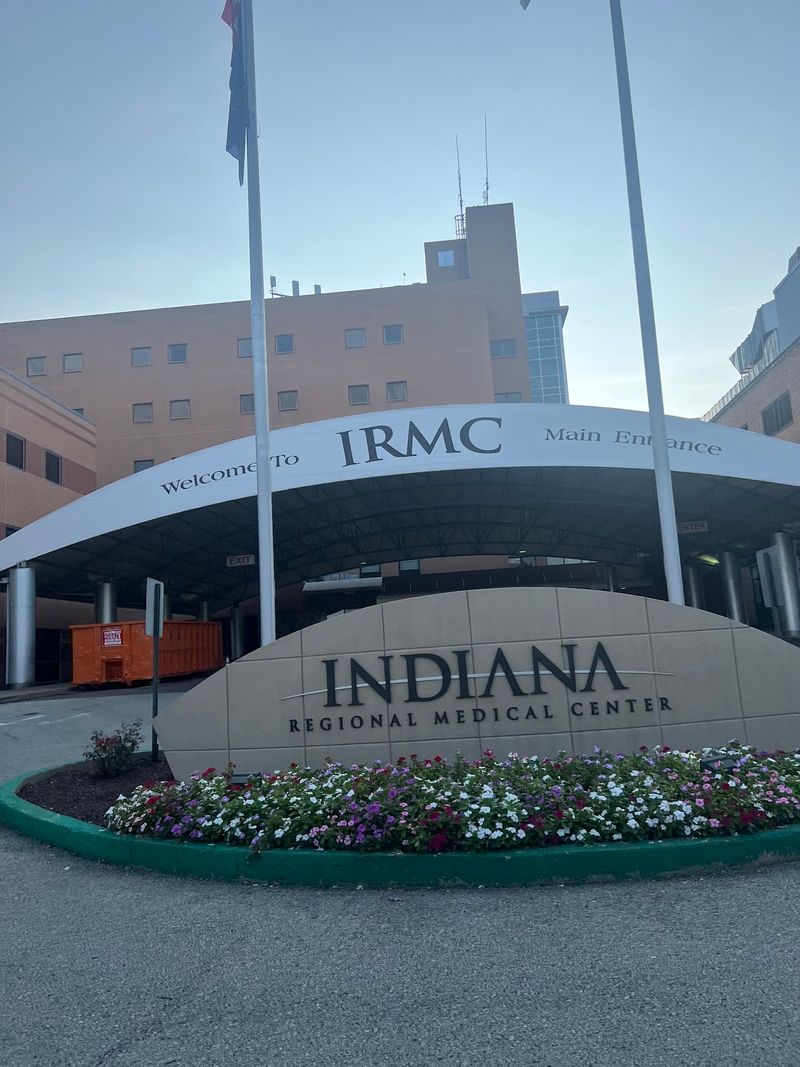
Healthcare access is anchored by Indiana Regional Medical Center, which serves the county with emergency care, primary care connections, specialty services, surgery, testing, and wellness programs.
Having a hospital close by is important for residents who want dependable care without regular long-distance travel.
The university adds benefits beyond classes.
Indiana University of Pennsylvania supports arts events, sports, lectures, dining spots, and local jobs.
That energy can make the town feel more active than many communities of similar size.
Outdoor options are close, too.
Yellow Creek State Park, local trails, and nearby rural roads give residents space for walking, boating, fishing, and picnics.
These low-cost outings can help families and retirees stay active without straining the budget.
As with any college town, it helps to choose a neighborhood carefully.
Some blocks are busier during the school year, while others are calmer and better suited for families or older adults.
Indiana stands out because it pairs medical access, lower-cost housing, education, recreation, and a warm small-town identity in one practical Pennsylvania package.