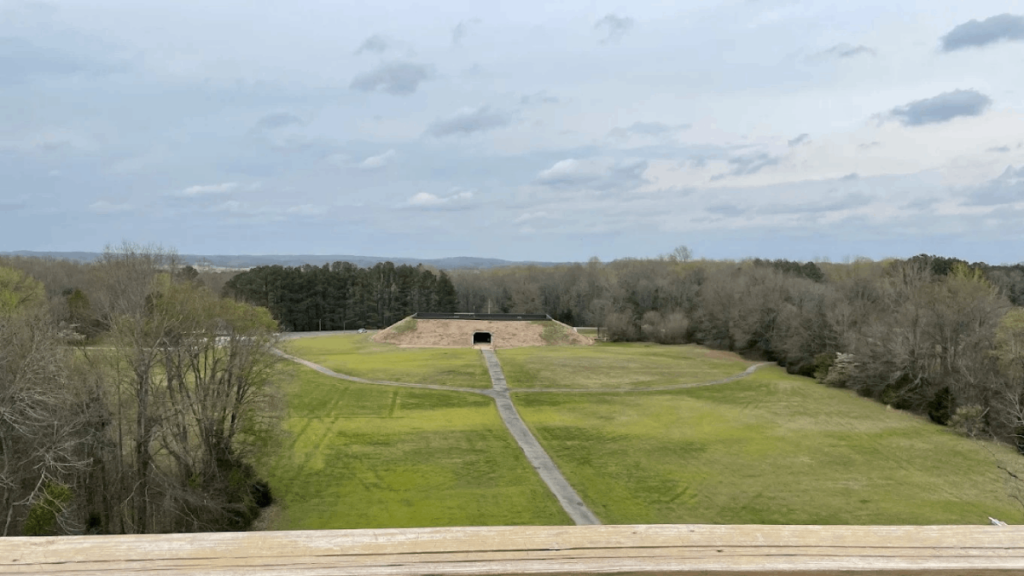
Deep in the forests of West Tennessee sits a collection of ancient earthworks that most Americans have never heard of.
Pinson Mounds State Archaeological Park protects one of the largest and most mysterious prehistoric sites in the entire United States. At its heart stands Saul’s Mound, a massive structure built over a thousand years ago by a sophisticated civilization that thrived long before European contact.
The Ancient Tennessee Site That Few People Know About
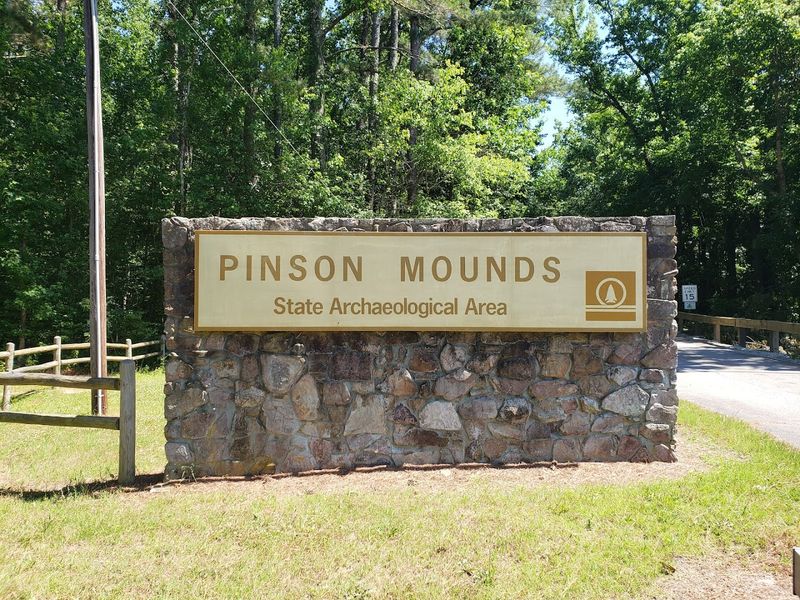
Pinson Mounds sits quietly in Madison County, Tennessee, covering over 1,200 acres of protected land. Most travelers zip past on nearby highways without realizing they’re passing one of North America’s most significant archaeological treasures. The site contains at least 17 mounds, earthen embankments, and a geometric enclosure that reveals incredible engineering skills.
Archaeologists believe this complex served as a major ceremonial center between 1 and 500 CE during the Middle Woodland period. Thousands of people would have gathered here for important rituals and community events.
Today, the park offers visitors a rare chance to walk among structures that have stood for over a millennium. Unlike many historical sites that have been destroyed by development, Pinson Mounds remains remarkably intact and protected for future generations to study and appreciate.
Saul’s Mound: The Largest Ancient Mound in Tennessee
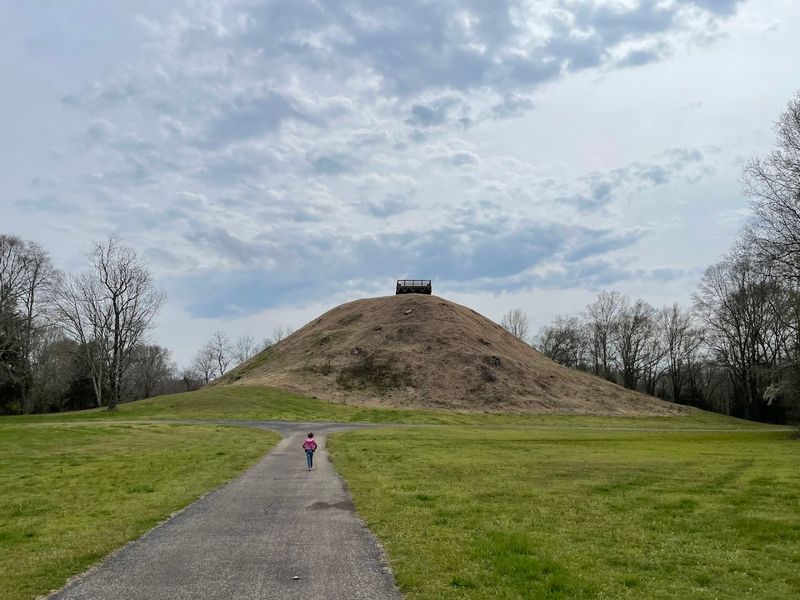
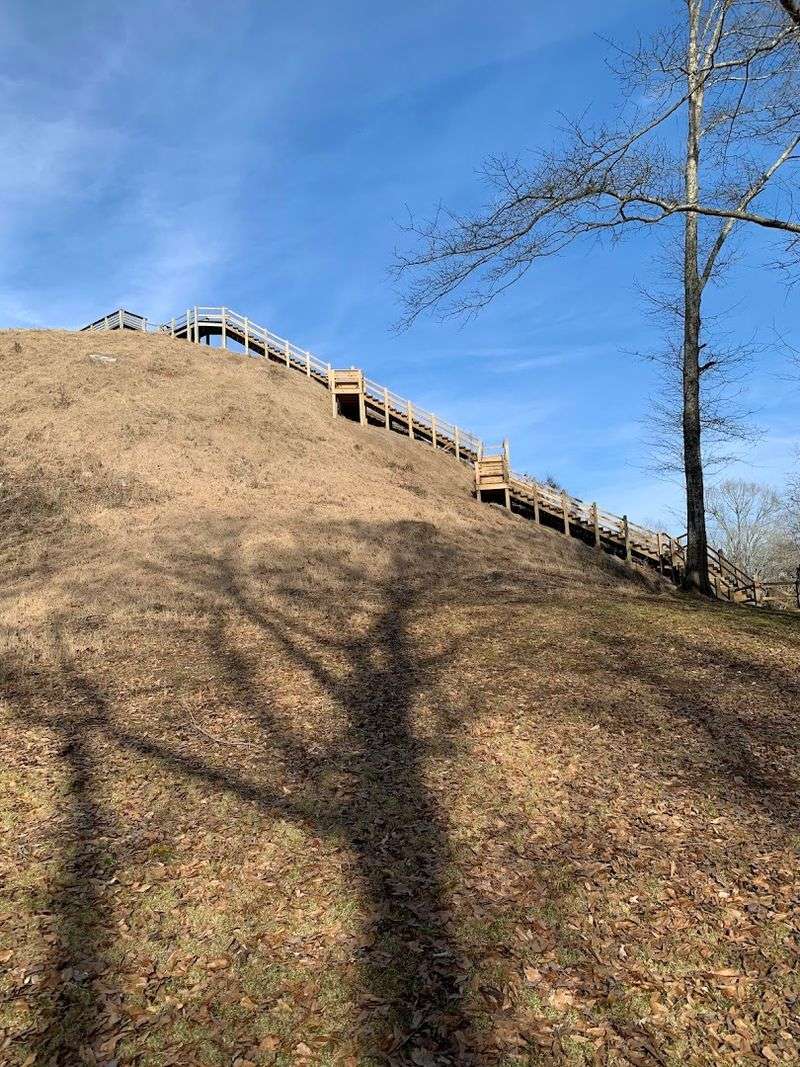
Saul’s Mound towers 72 feet above the surrounding landscape, making it the second-tallest prehistoric mound in the United States. Only Monks Mound at Cahokia in Illinois stands taller. The base of this earthwork measures approximately 400 feet in diameter, covering nearly three acres of ground.
Building this structure required moving an estimated 100,000 cubic yards of earth, all carried basket by basket without modern machinery. Workers shaped the mound in multiple stages over many years, creating distinct layers that archaeologists can still identify today. The precision and effort involved demonstrate remarkable organizational abilities and dedication to their sacred purpose.
Standing at the base and looking up, visitors gain immediate appreciation for the ambition of its builders. The mound’s sheer size raises fascinating questions about the culture’s population, resources, and social structure. What motivated people to invest so much labor into this monument?
The Civilization That Built Pinson Mounds
The builders of Pinson Mounds belonged to the Middle Woodland culture, a sophisticated society that flourished across eastern North America. These people weren’t simple hunter-gatherers as once assumed. They cultivated crops, established extensive trade networks, and created complex social organizations that allowed large-scale construction projects.
Archaeological evidence shows they traded materials across vast distances, obtaining copper from the Great Lakes region and shells from the Gulf Coast. Their pottery featured intricate designs, and they crafted beautiful ceremonial objects that reveal artistic and technical skill. Burial practices included elaborate rituals that suggest developed spiritual beliefs and social hierarchies.
Rather than living at Pinson year-round, most people probably resided in smaller villages throughout the region. They gathered at this central location for seasonal ceremonies, trading, and community bonding.
Why These Mounds Were Built
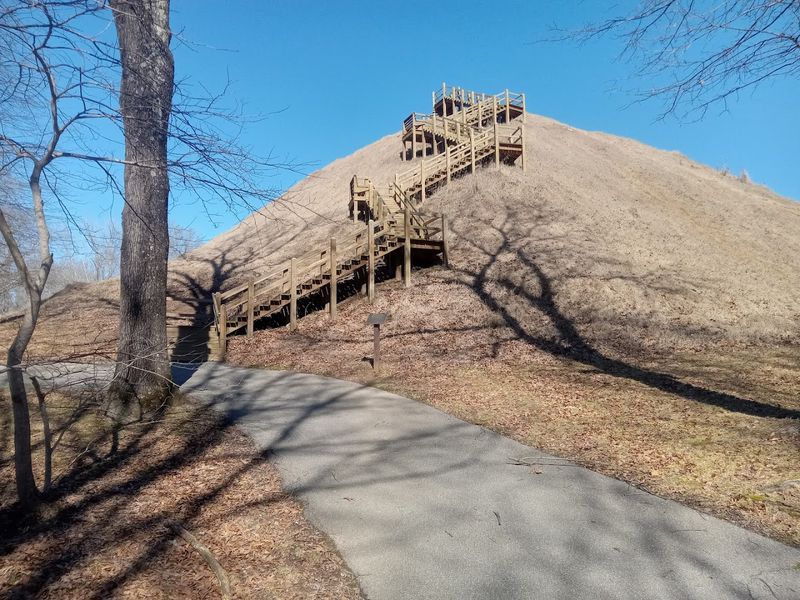
Unlike burial mounds found elsewhere, Saul’s Mound contains no human remains or grave goods. This puzzled researchers for decades until they realized its purpose was primarily ceremonial. The mound likely served as a platform for religious rituals, astronomical observations, or important community gatherings.
The geometric earthen enclosure nearby suggests the site functioned as a regional pilgrimage destination. People traveled from surrounding areas to participate in seasonal festivals, religious ceremonies, and social events that reinforced cultural identity and trading relationships.
Some researchers propose astronomical alignments in the mound placements, suggesting the builders tracked celestial events for agricultural timing. Others emphasize the mounds’ role in establishing territorial claims and displaying community power. Most likely, these structures served multiple overlapping purposes that we’re still working to fully understand.
Archaeological Discoveries That Revealed the Past
Professional excavations transformed the understanding of Pinson Mounds from a local curiosity to a nationally significant archaeological site. Researchers discovered pottery fragments, stone tools, and evidence of wooden structures that once stood atop some mounds. Careful analysis of soil layers revealed construction techniques and provided radiocarbon dates establishing the site’s age.
One fascinating find was evidence of a wooden palisade that once surrounded part of the complex. This suggests the site held special importance worth protecting, though whether from physical threats or symbolic boundaries remains debated.
Each discovery adds pieces to the puzzle of how these ancient Tennesseans lived, believed, and organized their society.
What Visitors Can See at Pinson Mounds Today
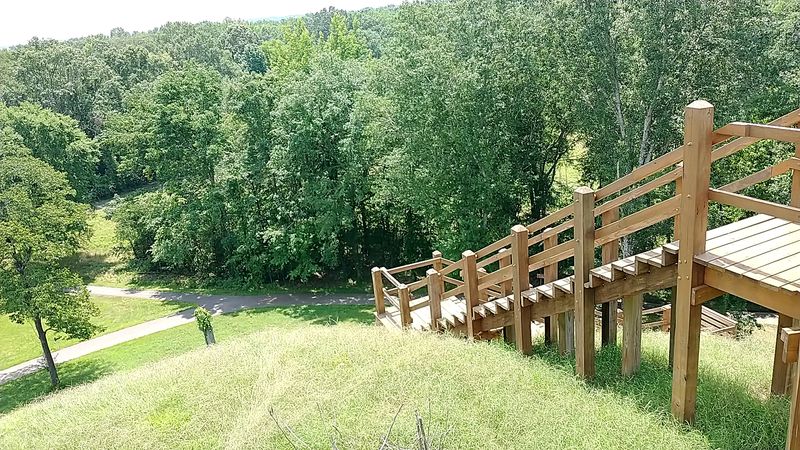
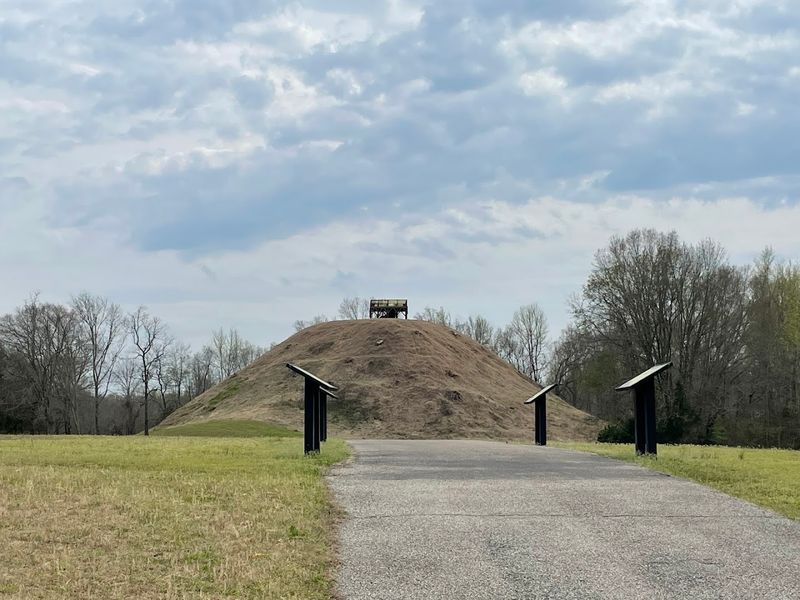
Pinson Mounds State Archaeological Park welcomes visitors with over six miles of walking trails that wind through the ancient complex. You can climb observation platforms for better views of the mounds and walk the same grounds where ceremonies occurred centuries ago. Interpretive signs along the trails explain what you’re seeing and help imagine the site’s original appearance.
The park museum houses artifacts discovered during excavations and features exhibits explaining Middle Woodland culture and construction techniques. A short film provides context about the builders and their world. Special events throughout the year include Native American heritage celebrations and archaeology education programs.
Why Saul’s Mound Remains One of Tennessee’s Most Mysterious Historic Sites
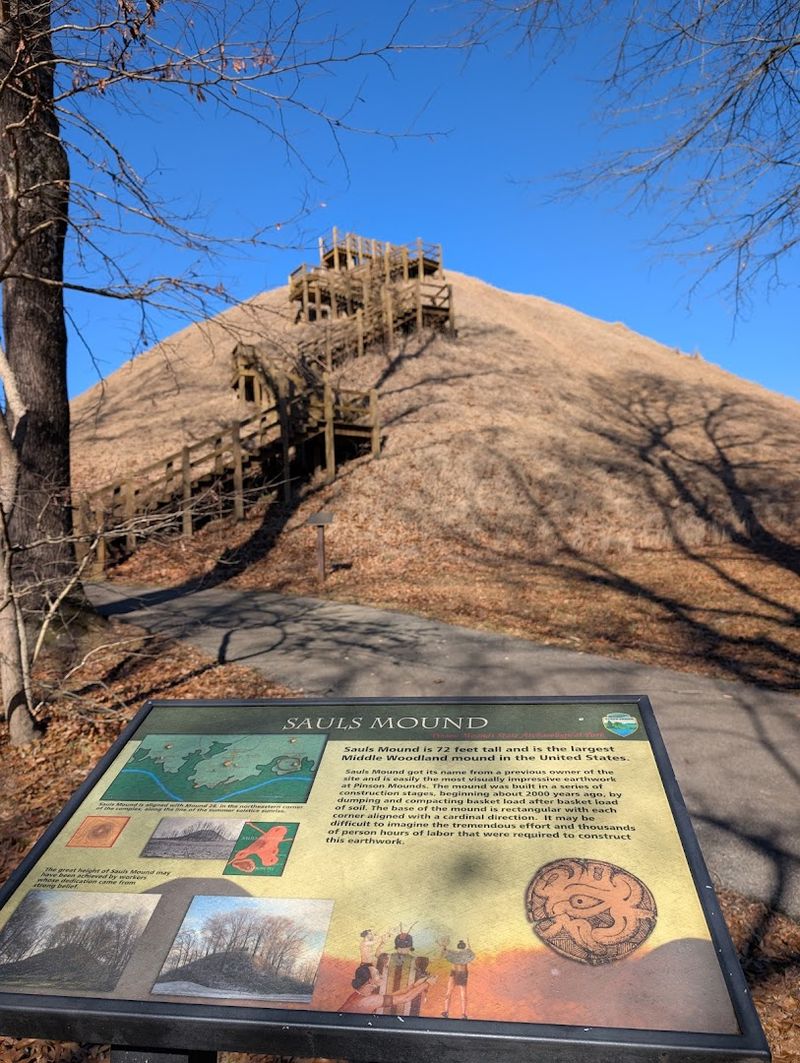
Despite decades of research, fundamental questions about Pinson Mounds remain unanswered. Why did the Middle Woodland people eventually abandon this important center? What specific ceremonies took place atop Saul’s Mound? How did they organize the massive labor force needed for construction? These mysteries keep archaeologists returning with new questions and technologies.
Perhaps the greatest mystery is why Pinson Mounds remains relatively unknown compared to sites like Cahokia or Mesa Verde. This hidden gem deserves recognition as a testament to sophisticated civilizations that flourished in North America long before European contact.
Visiting Saul’s Mound offers humbling reminders that our continent’s human story extends back thousands of years.