Tennessee has plenty of places that feel perfectly normal during the day but take on a completely different personality after dark. When the sun drops and the crowds disappear, certain spots across the state shift from interesting to downright unsettling.
Whether it’s the weight of history, the isolation of the setting, or just the way shadows fall across old buildings, these eleven locations prove that Tennessee knows how to do eerie right.
1. Bell Witch Cave — Adams
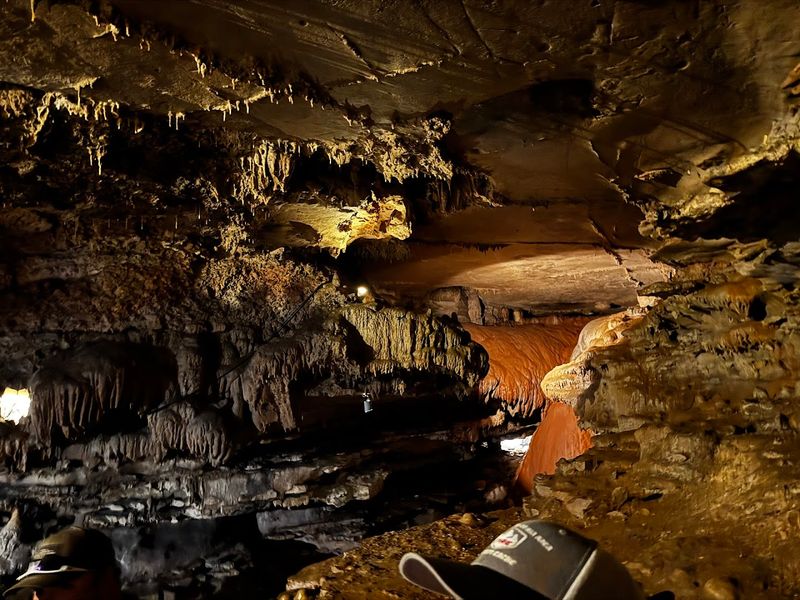
This limestone cave sits at the heart of one of America’s most famous paranormal legends. The Bell Witch story has been retold for over two centuries, and the cave itself has become a destination for anyone curious about the supernatural. Tours take visitors through narrow passages where the temperature drops and strange acoustics make every sound feel amplified.
The rural location adds to the experience. Adams is a small community, and once you leave the main roads, the landscape feels isolated. At night, the darkness is complete, with no streetlights or nearby houses to soften the mood.
What makes this place especially unnerving is how quiet it gets. During the day, tour groups and curious visitors keep things lively. But after hours, the silence is thick, broken only by the occasional rustle of leaves or distant animal call.
The cave’s interior stays cool year-round, which feels refreshing in summer but adds a chill factor when the sun’s already down. Stalactites and rock formations create shadows that seem to move in lantern light. Even skeptics admit the atmosphere gets under their skin.
Local lore keeps the Bell Witch legend alive, with stories passed down through generations. Whether you believe in ghosts or not, standing outside this cave entrance after dark will make you second-guess what you think you know about the unexplained.
2. Historic Rugby — Rugby
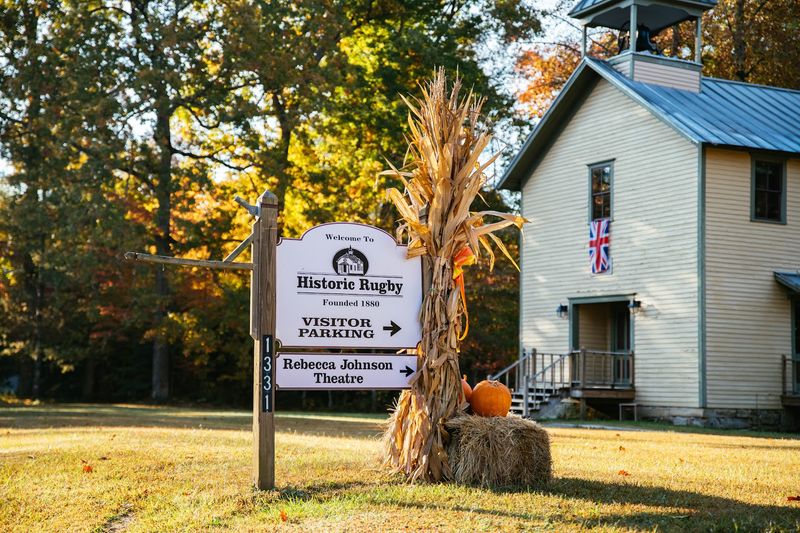
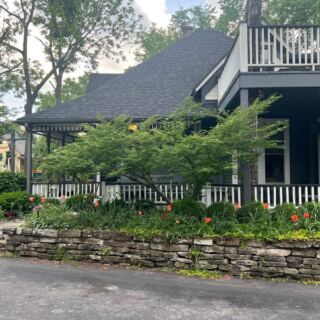
Step into an 1880s English village that never quite left the past. Rugby was founded as a utopian experiment, and while the dream didn’t last, the buildings did. Walking through during daylight hours is charming, with well-preserved structures and period details that transport you back in time.
After dark, charm gives way to something more unsettling. The village offers lantern-lit tours that wind through empty streets and into the old cemetery. Shadows dance across Victorian-era homes, and the silence between stops on the tour feels heavy.
The cemetery itself deserves special mention. Weathered headstones mark graves from the village’s early days, and the inscriptions tell stories of settlers who traveled across an ocean only to meet hardship. At night, the place feels less like a tourist attraction and more like a time capsule that refuses to stay sealed.
Rugby’s isolation works against it after sunset. There’s no modern town nearby to provide ambient light or noise. You’re surrounded by woods and hills, which means the darkness is total.
Even with a lantern, you can only see a few feet ahead.
Guides share tales of unexplained sounds and sightings, but you don’t need ghost stories to feel uneasy here. The preservation is so complete that it’s easy to imagine the village’s original residents still going about their business, just out of sight.
3. Brushy Mountain State Penitentiary — Petros
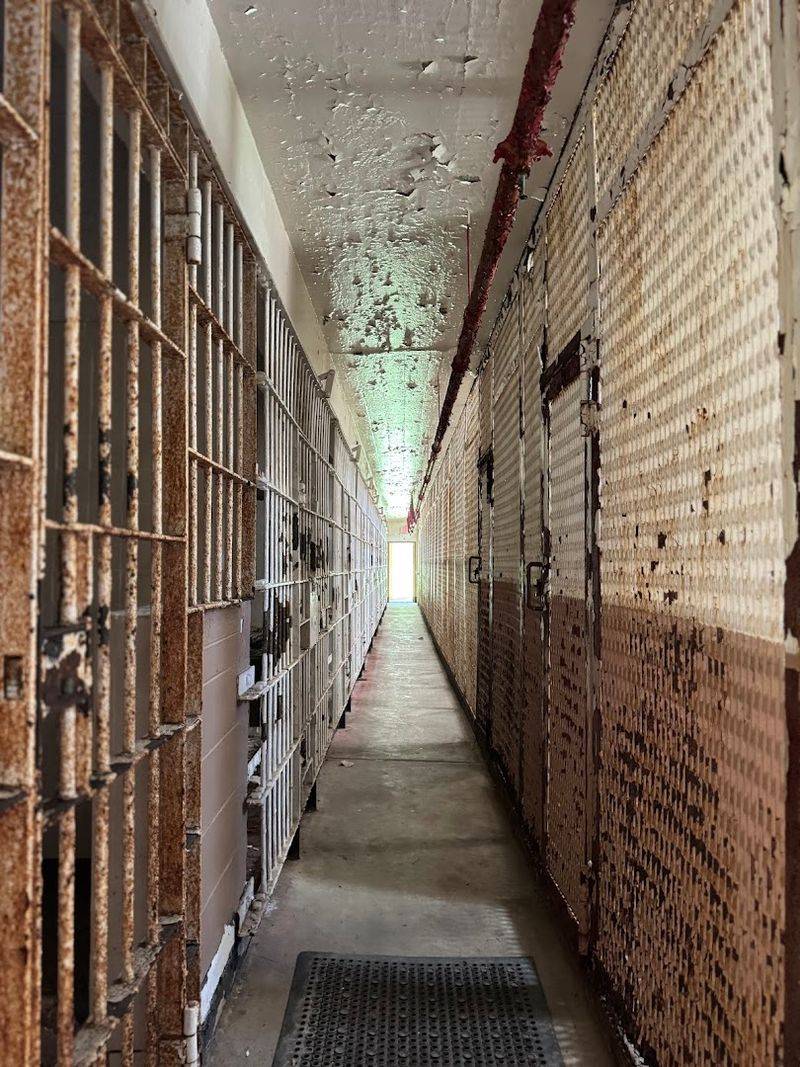
Prisons carry their history in their walls, and Brushy Mountain wore out plenty of inmates during its 112 years of operation. This wasn’t a minimum-security facility where prisoners learned trades and prepared for release. This was where Tennessee sent its most dangerous criminals, including James Earl Ray, who escaped from here in 1977.
The location alone makes it intimidating. Petros sits in a remote part of the Cumberland Mountains, surrounded by steep terrain and thick forest. During operating years, that geography served as a natural barrier. Now it just makes the place feel cut off from the rest of the world.
Tours run during the day, taking visitors through cell blocks, the cafeteria, and even death row. But the real atmosphere reveals itself after hours. The building’s bulk blocks out moonlight, creating pockets of absolute darkness.
Metal doors creak, footsteps echo off concrete, and every sound feels amplified.
Former guards have shared stories about the tension that permeated the facility, how violence could erupt without warning, and how certain areas felt more dangerous than others. That energy hasn’t completely dissipated. Walking through empty cell blocks, you can almost feel the weight of all those years, all those inmates, all that suppressed rage.
The prison closed in 2009, but it hasn’t been softened by time. Rust, peeling paint, and crumbling infrastructure give it a decayed look that feels authentic rather than staged.
4. Lotz House — Franklin
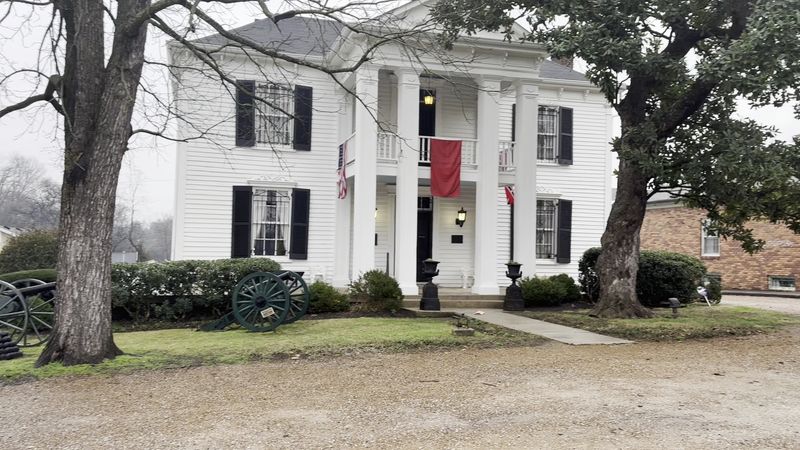
November 30, 1864, changed Franklin forever. The Battle of Franklin packed five hours of brutal combat into a small area, and the Lotz House stood right in the middle of it. Confederate soldiers used the house as a field hospital, and Union troops fired from positions nearby.
When the smoke cleared, the building bore scars it still carries today.
Bullet holes and cannonball damage mark the exterior walls. Inside, bloodstains that couldn’t be scrubbed away remain visible on the original floorboards. These aren’t replicas or historical reenactments—they’re the actual remnants of one of the Civil War’s bloodiest afternoons.
During daylight, the house functions as a museum, with guides explaining the battle’s progression and the family’s experience. After dark, the atmosphere shifts completely. The rooms feel smaller, the shadows deeper, and the silence more oppressive.
Every creak of the old wood floors sounds deliberate.
Ghost tour companies include the Lotz House on their routes, sharing accounts of unexplained footsteps, cold spots, and apparitions in period clothing. Whether you believe those stories or not, spending time here after sunset will make you hyper-aware of every sound and movement.
Franklin has several Civil War sites, but the Lotz House stands out because of how personal the history feels. This wasn’t a strategic fortification or a distant battlefield—it was a family home caught in the crossfire, and that human element makes the stillness feel heavier.
5. Carnton — Franklin
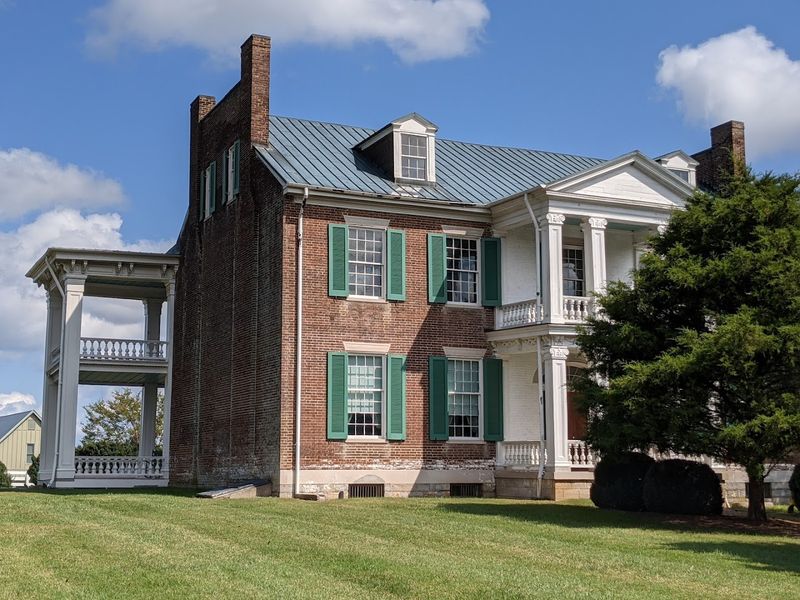
Just down the road from the Lotz House sits another Franklin landmark with an even darker history. Carnton served as the largest field hospital after the Battle of Franklin, with surgeons working through the night by candlelight. The McGavock family, who owned the property, watched as their home filled with wounded and dying soldiers.
Four Confederate generals lay in state on the back porch the morning after the battle. The bloodstains from that night soaked so deeply into the wood that they’re still visible today. No amount of scrubbing or refinishing could remove them, leaving a permanent reminder of the carnage.
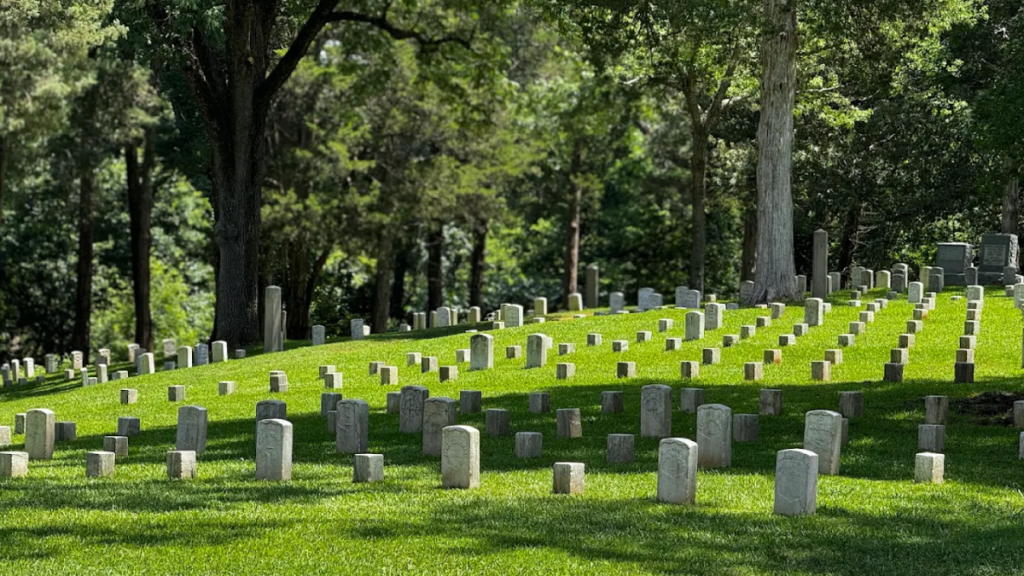
The property includes a Confederate cemetery with nearly 1,500 graves, making it one of the largest private burial grounds from the Civil War. During the day, it’s a solemn place for reflection. After dark, the rows of white headstones take on a different quality, especially when moonlight catches them at certain angles.
What makes Carnton especially unsettling isn’t just the history but the quiet. Franklin has grown into a bustling suburb, but the grounds here remain peaceful—almost too peaceful. The silence feels deliberate, as if the land itself is holding its breath.
Visitors report feeling watched, particularly near the cemetery and in the upstairs rooms where surgeons performed amputations. The house creaks and settles like any old building, but here those sounds carry extra weight. You can’t help but wonder what those walls witnessed.
6. Shiloh National Military Park — Shiloh
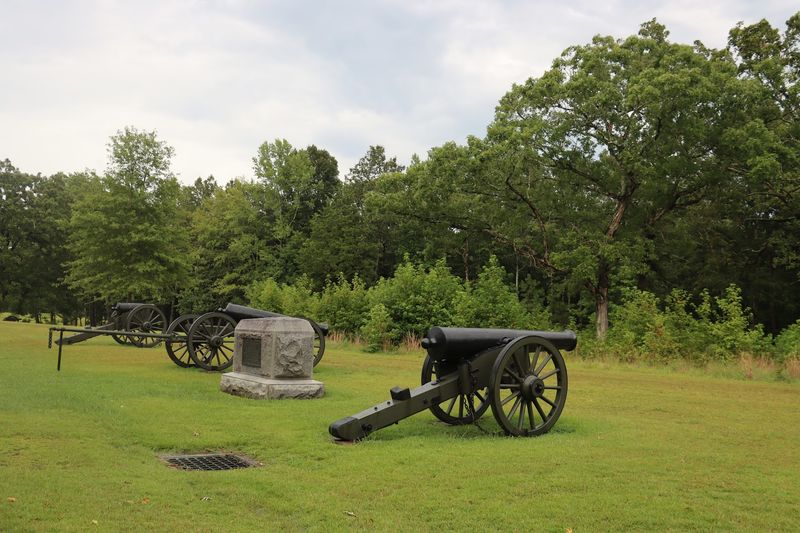
April 6-7, 1862, brought 23,000 casualties to a stretch of Tennessee farmland near the Mississippi border. The Battle of Shiloh shocked the nation with its scale and brutality, and the battlefield has been preserved to help people understand what happened. During the day, it’s a place for learning and remembrance.
After the crowds leave and the visitor center closes, the park transforms. Miles of open fields stretch in every direction, broken only by occasional monuments and artillery pieces. The roads that wind through the battlefield are narrow and dark, with no streetlights to guide you.
The isolation is complete. You can drive for minutes without seeing another car or any sign of modern life. The only sounds are the wind moving through tall grass and the occasional call of a night bird.
It’s easy to imagine the chaos that once filled these fields.
Certain spots feel heavier than others. The Hornet’s Nest, where Union troops held their ground for hours, has an oppressive stillness. Bloody Pond, where wounded soldiers crawled to drink and died in the water, feels especially grim even in daylight.
At night, these places take on an almost physical weight.
Park rangers and visitors have reported strange experiences over the years—phantom drum beats, unexplained lights, and the feeling of being watched from the tree line. Even without those stories, spending time alone on this battlefield after dark will remind you that some places never fully recover from what they’ve witnessed.
7. Thomas House Hotel — Red Boiling Springs
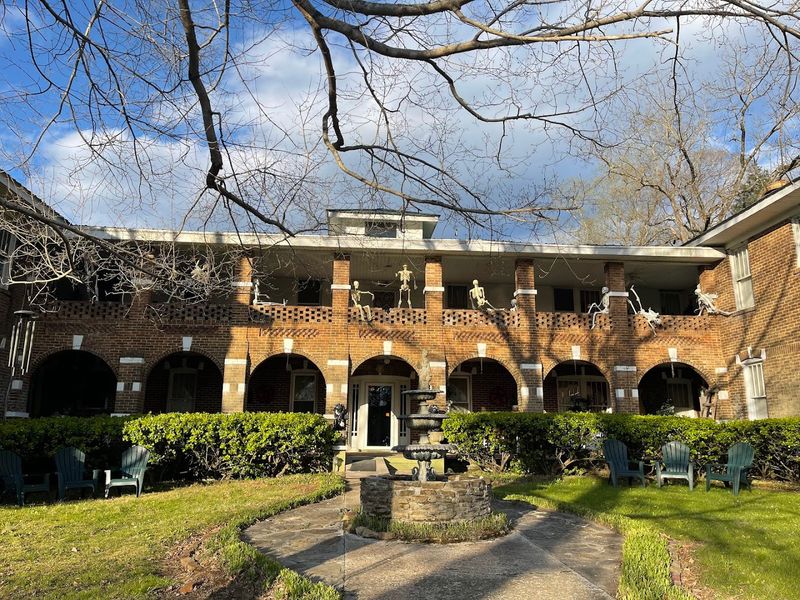
Red Boiling Springs built its reputation on mineral water that supposedly cured everything from arthritis to indigestion. The Thomas House Hotel opened in 1890 to accommodate visitors seeking the healing springs, and it’s been operating ever since. Over those 130-plus years, the building has accumulated more than its share of stories.
The hotel actively embraces its haunted reputation, hosting ghost-hunt weekends where participants use equipment to detect paranormal activity. Room 19 gets the most attention, with guests reporting everything from unexplained cold spots to objects moving on their own. The third floor, which houses some of the oldest rooms, has its own collection of strange occurrences.
What makes the Thomas House unsettling isn’t just the ghost stories—it’s the building itself. Long hallways with creaking floorboards, antique furniture that casts odd shadows, and the kind of silence that only comes with thick walls and minimal modern soundproofing. At night, every sound carries, making you hyper-aware of your surroundings.
The hotel sits in a small town that goes quiet after dark. There’s no traffic noise, no bright lights from nearby businesses, nothing to distract from the building’s atmosphere. When you’re alone in your room and hear footsteps in the hall, you can’t help but wonder who else might be staying on your floor.
Staff members share stories casually, mentioning past incidents without drama or exaggeration. That matter-of-fact approach somehow makes the accounts more believable than if they were trying to scare you.
8. Old Gray Cemetery — Knoxville
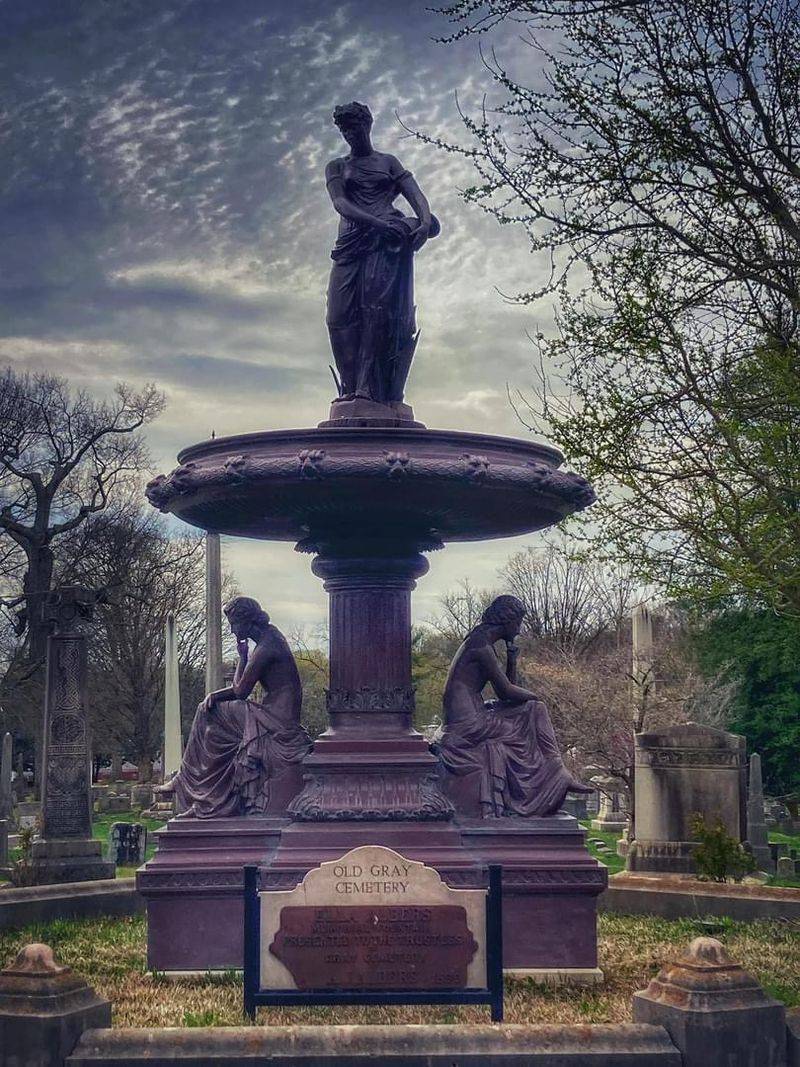
Founded in 1850, Old Gray Cemetery serves as the final resting place for some of Knoxville’s most prominent citizens. The Victorian-era monuments and elaborate headstones make it a beautiful spot for a peaceful walk during daylight hours. Historians and architecture enthusiasts appreciate the craftsmanship on display.
After sunset, beauty gives way to classic Southern Gothic atmosphere. Mature trees create a canopy that blocks out most moonlight, leaving pockets of deep shadow between the graves. The monuments that look elegant during the day become imposing silhouettes that loom over the pathways.
The cemetery’s layout adds to the unsettling feeling. Winding paths create dead ends and unexpected turns, making it easy to lose your sense of direction. You might think you’re heading toward the exit only to find yourself deeper among the graves.
Old Gray has that particular kind of silence found in cemeteries—not just an absence of sound but a quality that makes even whispers feel too loud. Your footsteps on the gravel paths seem to echo longer than they should. Branches creak overhead, and you can’t help but glance up to make sure nothing’s moving.
Local legends mention specific graves and monuments with their own stories, but you don’t need supernatural tales to feel uncomfortable here after dark. The combination of age, isolation, and the natural human response to burial grounds does the work. Walking through Old Gray at night reminds you that cemeteries exist in a space between the living world and whatever comes after.
9. Earnestine & Hazel’s — Memphis
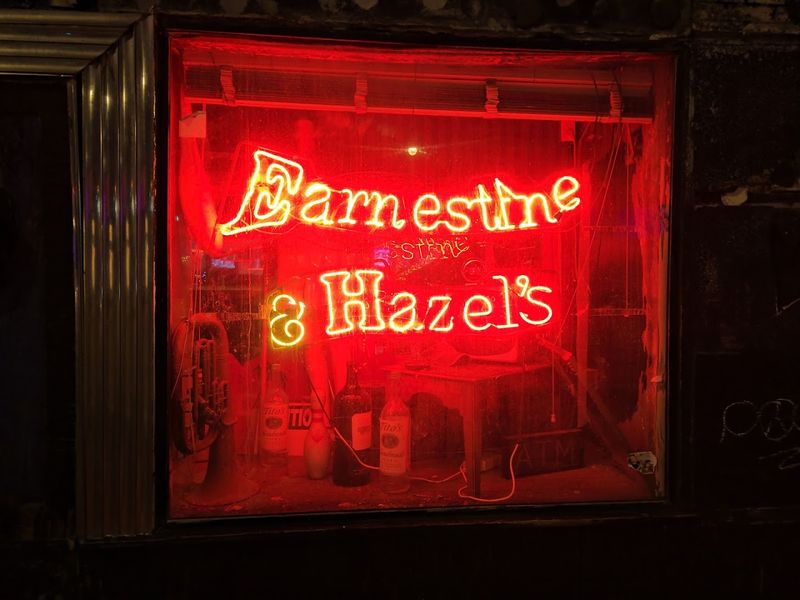
Some places earn their spooky reputation through age and isolation. Others, like Earnestine & Hazel’s, get there through decades of wild history packed into a single building. The structure dates back to the 1930s, when it operated as a drugstore downstairs and a brothel upstairs.
That combination created stories that still circulate around Memphis.
The building’s past lives are impossible to ignore. Upstairs rooms that once rented by the hour now sit empty, filled with old furniture and the kind of atmosphere that makes you want to leave quickly. The narrow staircase connecting the floors feels claustrophobic, and the dim lighting doesn’t help.
These days, the first floor operates as a dive bar known for its soul burgers and jukebox that supposedly plays songs on its own. Regulars have their own collection of strange experiences—glasses moving, unexplained cold spots, and the persistent feeling of being watched from the upstairs windows.
The building has absorbed decades of activity, both legal and otherwise, and that history seeps through the walls.
Memphis has plenty of music venues and historic bars, but Earnestine & Hazel’s stands apart. The grit is authentic, the history is real, and the atmosphere at night is genuinely unsettling in a way that feels earned.
10. Ryman Auditorium — Nashville
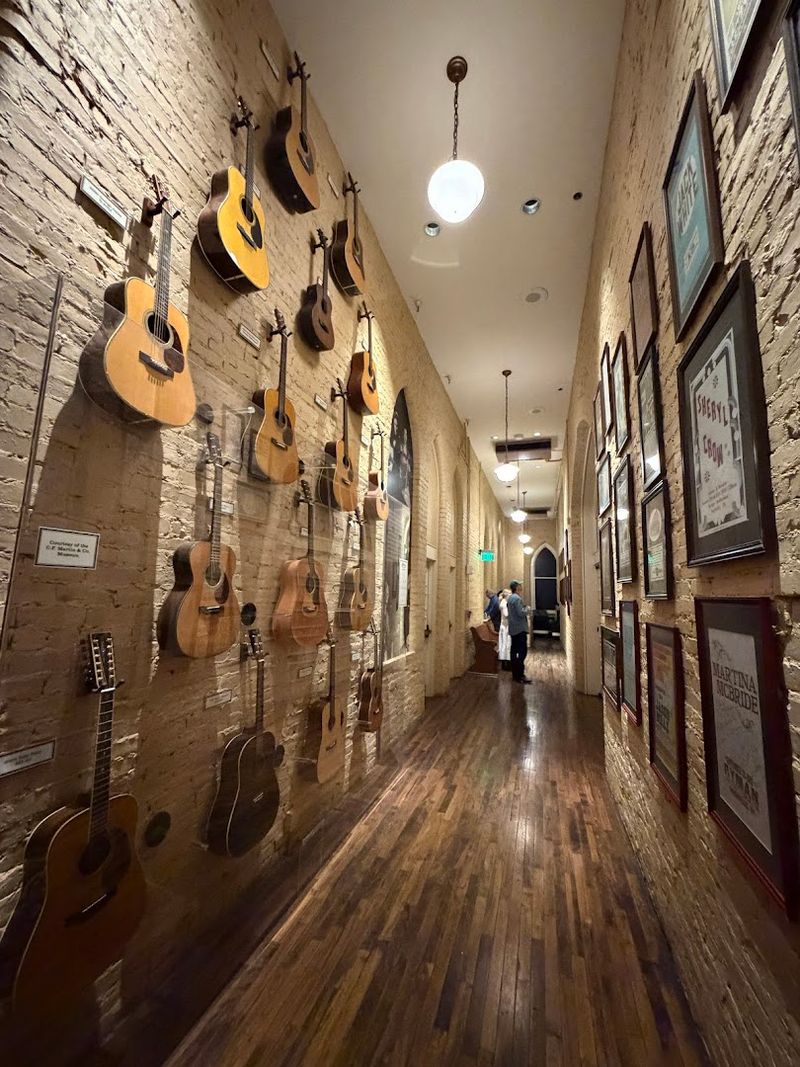
During shows, the Ryman pulses with energy. The audience fills every seat, performers command the stage, and the building lives up to its reputation as the Mother Church of Country Music. But that’s only part of the story.
The other part happens after everyone leaves.
An empty theater carries a different energy than almost any other space. All those seats facing a dark stage, the silence where music should be, the sense that you’re intruding on something private. The Ryman amplifies that feeling because of its age and history.
This building has hosted everyone from Hank Williams to Johnny Cash, and their presence seems to linger.
The balcony is particularly unnerving when empty. Looking down at the main floor from up there, you can imagine the space filled with people, but the reality is just shadows and silence. The wooden pews creak when you sit, and the sound echoes through the entire auditorium.
Staff members who work late shifts have their own stories about unexplained sounds—footsteps on the stage, doors opening and closing, even occasional music that has no source. Whether those accounts are literally true or not, they speak to how the building feels after hours.
Nashville has plenty of music venues, but the Ryman’s combination of history, architecture, and cultural significance sets it apart. During the day, it’s a tourist attraction. After dark, when the crowds are gone and the lights are low, it becomes something else entirely—a space where the past feels uncomfortably present.
11. Meeman-Shelby Forest State Park — Millington
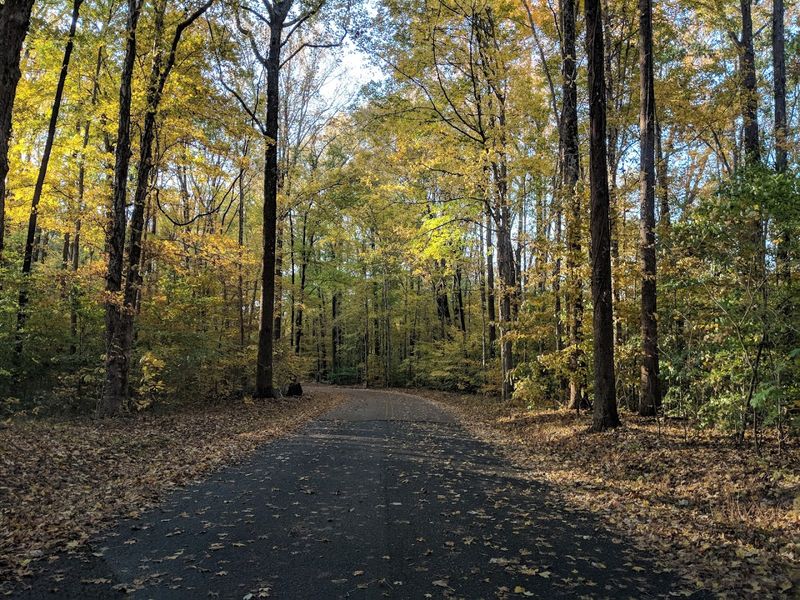
Not every spooky place needs a ghost story or historical tragedy. Sometimes nature handles the job on its own. Meeman-Shelby Forest State Park covers over 13,000 acres of bottomland hardwood forest along the Mississippi River, and once the sun goes down, that wilderness shows a different side.
The park’s trails wind through dense woods where the tree canopy blocks out most light. Even with a full moon, you’re walking in near-total darkness. The sounds of the forest amplify at night—rustling leaves, snapping branches, and animal calls that sound closer than they probably are.
The river bottoms add another layer of isolation. These low-lying areas flood regularly, creating an environment that feels primordial. Standing water reflects what little light there is, creating the illusion of depth where there isn’t any.
The air feels heavier here, thick with humidity and the smell of decomposing vegetation.
What makes Meeman-Shelby especially unnerving is how far you can get from civilization. The park sits in a remote corner of Shelby County, with miles of forest between you and the nearest town. If something went wrong, help wouldn’t arrive quickly.
The wildlife deserves mention too. Coyotes, bobcats, and even the occasional black bear call this forest home. During the day, that’s interesting. At night, when you hear something large moving through the underbrush, it becomes concerning. Your imagination fills in details your eyes can’t see, and every shadow seems to hold something watching you back.
Share this story