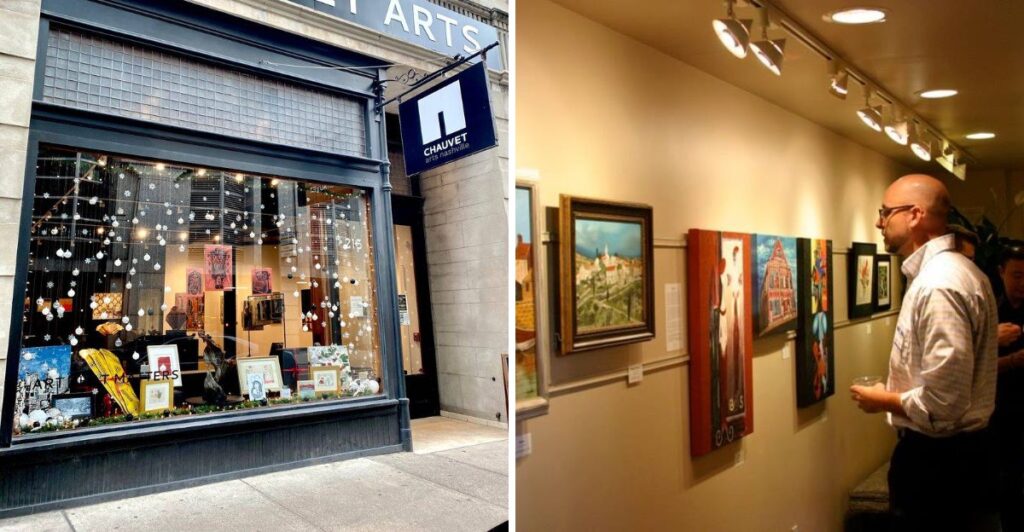
Discovering Nashville’s creative and cultural side does not have to come with an expensive admission ticket. Across the city, museums, galleries, cultural centers, and university exhibition spaces welcome visitors without charging a standard entrance fee. Together, they offer an affordable way to explore local history, contemporary art, photography, music, and stories connected to Tennessee’s diverse communities.
Some of these destinations highlight established artists, while others introduce emerging talent through rotating exhibitions that make repeat visits worthwhile. Visitors may encounter paintings, sculptures, multimedia installations, historical objects, or thought-provoking displays focused on social and cultural themes. Because the collections and featured artists often change, there is usually something new to see—even for Nashville residents who have visited before.
These free attractions also provide a refreshing break from the city’s crowded entertainment districts. Instead of rushing through a packed itinerary, guests can slow down, study an unusual piece, learn about a chapter of local history, or enjoy a quiet afternoon surrounded by creativity. Many locations are close to other downtown landmarks, parks, restaurants, and neighborhoods worth exploring, making them easy additions to a Nashville day trip.
Whether you are an art enthusiast, a history lover, a student, or simply looking for an inexpensive activity, these 10 free Nashville museums and galleries offer meaningful experiences without stretching your budget. Hours, exhibitions, and admission policies can occasionally change, so checking each destination’s current visitor information before leaving home is always a smart move. With a little planning, you can enjoy an entire day of Nashville culture without spending a dime on admission.
1. Tennessee State Museum
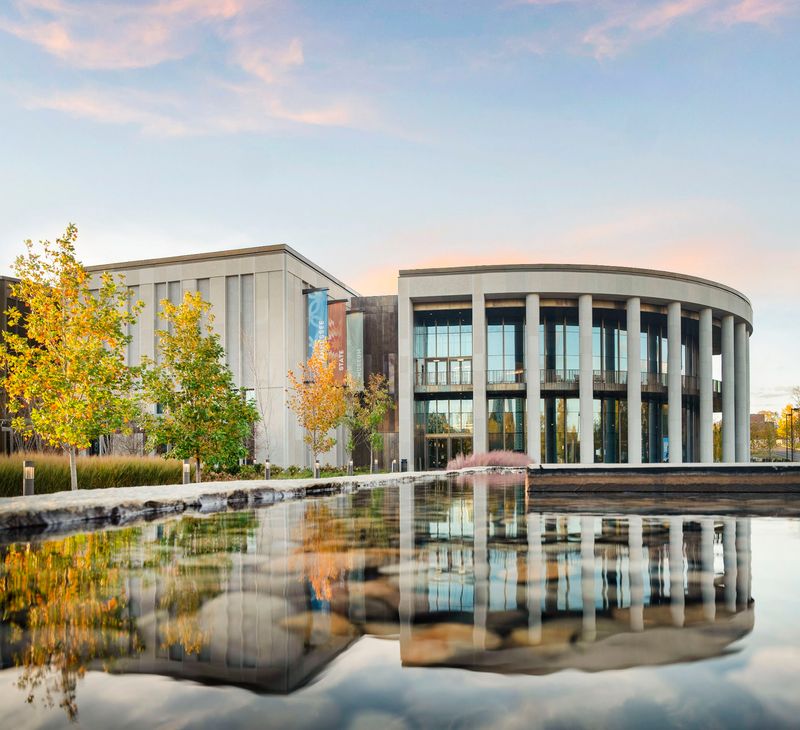
Walking through the doors of the Tennessee State Museum feels like stepping into a time machine that spans 14,000 years. This massive museum sits in the heart of downtown Nashville and doesn’t charge admission, which is pretty remarkable considering the quality of what’s inside. You’ll find everything from prehistoric artifacts to Civil War relics, and the exhibits are designed to be interactive enough that even kids who normally hate museums will stay engaged.
The permanent collection focuses on Tennessee’s role in shaping American history. Military buffs go crazy for the extensive collection of Civil War uniforms and weapons. Meanwhile, music lovers appreciate the sections dedicated to Tennessee’s musical heritage, including displays about early country and blues artists who got their start in the state.
One of the coolest features is the museum’s commitment to rotating special exhibitions. These change throughout the year and often highlight contemporary Tennessee artists or dive deep into specific historical moments. The building itself is architecturally stunning, with floor-to-ceiling windows that flood the space with natural light.
Plan to spend at least two hours here if you want to see everything properly. The museum can get busy on weekends, especially during school field trip season, so weekday mornings tend to be quieter. There’s also a museum store if you want to grab a souvenir, but browsing the galleries themselves costs absolutely nothing.
Parking nearby can be tricky, but there are several public lots within walking distance that charge reasonable rates.
2. Fisk University Galleries (Carl Van Vechten Gallery & Aaron Douglas Gallery)
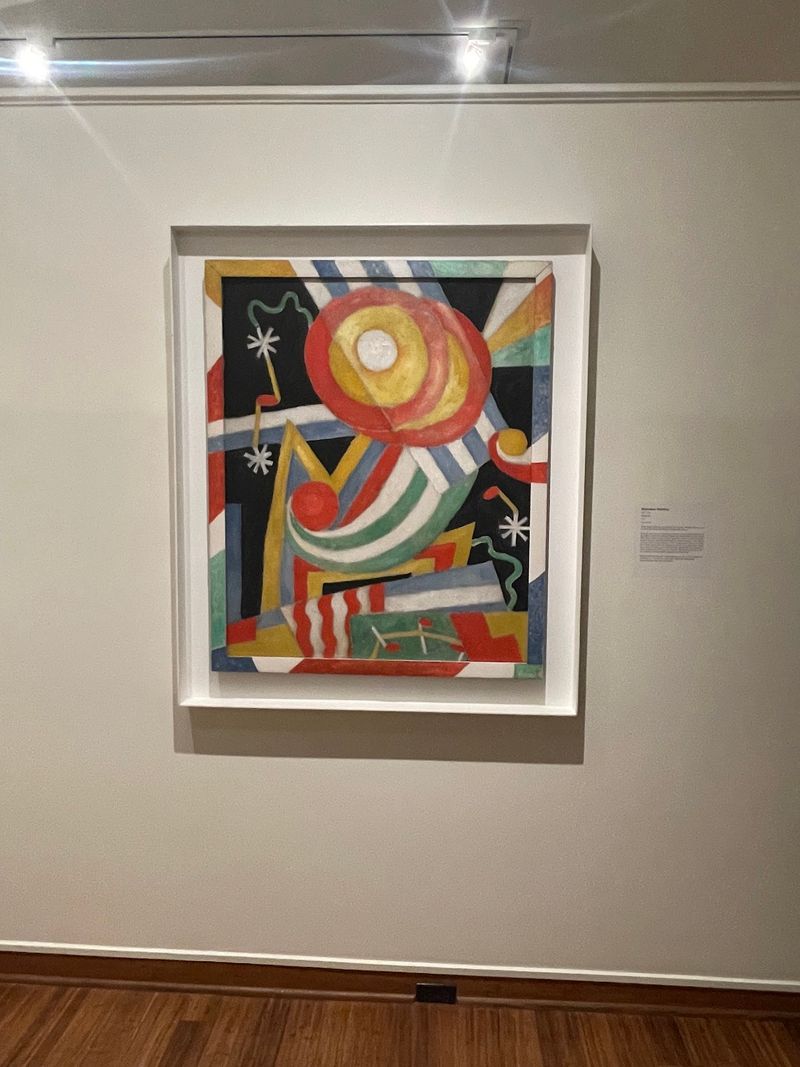
Fisk University holds one of the most significant African American art collections in the entire country, and most people walking around Nashville have no idea it exists. The Carl Van Vechten Gallery houses works by some of the biggest names in art history, including pieces by Picasso, Renoir, and Cezanne. But the real treasure is the Aaron Douglas Gallery, which celebrates the Harlem Renaissance and the artists who shaped that movement.
Aaron Douglas himself was a Fisk graduate who became known as the father of African American art. His murals and paintings capture the Black experience in America with bold geometric shapes and vibrant colors. Seeing his work in person, especially at his alma mater, adds an extra layer of meaning to the experience.
The galleries are smaller than major city museums, but that’s part of their charm. You can take your time with each piece without feeling rushed by crowds pushing past you. The university campus itself is beautiful and historic, founded in 1866 to educate formerly enslaved people.
Walking around the grounds before or after your gallery visit gives you a sense of the important role this institution has played in American education.
Gallery hours can be limited, so check ahead before making the trip. The university is located just west of downtown Nashville in a residential neighborhood. Free parking is usually available on campus.
This is a must-visit for anyone interested in art history, civil rights history, or just experiencing something most tourists completely miss.
3. Tinney Contemporary
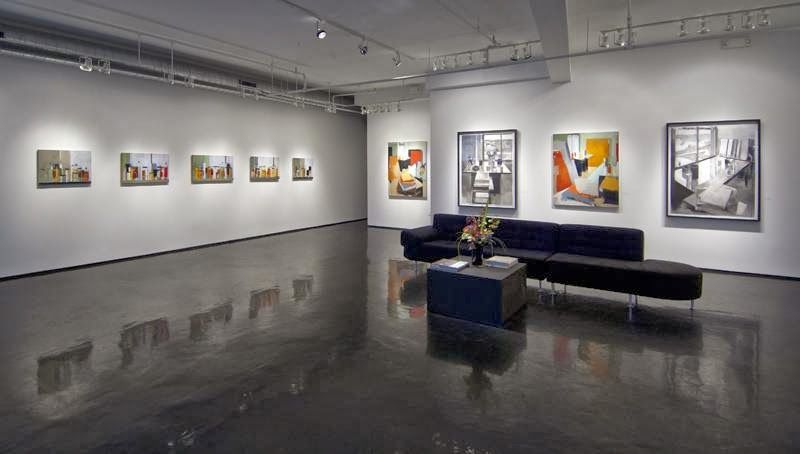
Tucked into the Wedgewood-Houston neighborhood, Tinney Contemporary represents the new wave of Nashville’s art scene. This gallery focuses on emerging and mid-career artists, giving you a chance to discover someone before they blow up and become the next big thing. The space itself is clean and minimalist, letting the artwork speak for itself without competing distractions.
What makes Tinney Contemporary different from stuffy traditional galleries is the approachable atmosphere. The staff actually wants to talk to you about the art instead of making you feel like you’re bothering them. They rotate exhibitions regularly, so there’s always something new to see.
You might catch abstract paintings one month and mixed-media installations the next.
The Wedgewood-Houston area, often called WeHo by locals, has transformed from an industrial district into an arts hub over the past decade. After visiting Tinney Contemporary, you can walk to several other galleries, coffee shops, and restaurants in the neighborhood. It’s become one of Nashville’s coolest areas for people who want to experience the creative side of the city.
The gallery is closed Sundays and Mondays, so plan accordingly. Parking is easy and free on the street. First Saturday art crawls are particularly fun times to visit because multiple galleries in the neighborhood open their doors with special events.
You might even meet some of the artists whose work is on display.
Bring your questions and an open mind, and you’ll leave with a new appreciation for contemporary art.
4. David Lusk Gallery
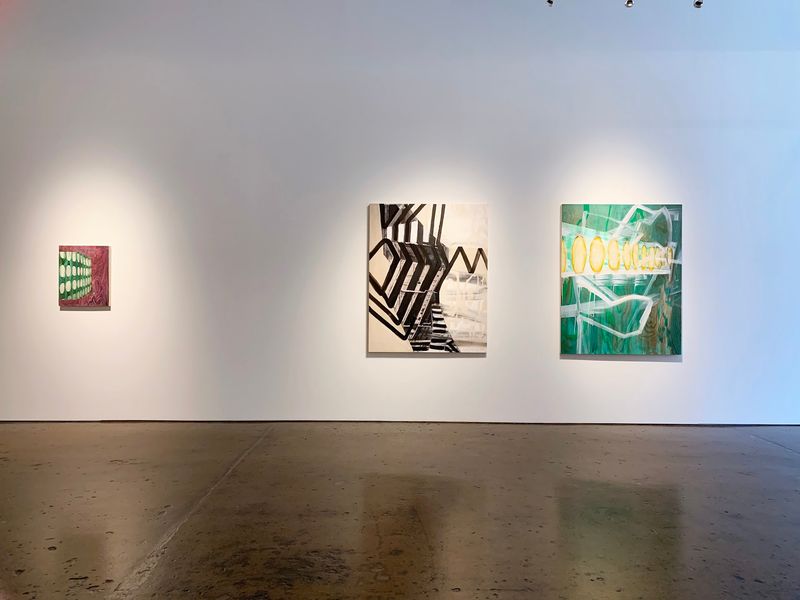
David Lusk Gallery has been a cornerstone of Nashville’s art community since 1995, way before the city became the trendy destination it is today. The gallery represents both regional and nationally recognized artists, with a focus on contemporary painting, sculpture, and works on paper. Walking through feels like visiting a private collection rather than a commercial space, which is exactly the vibe they’re going for.
The artists represented here aren’t household names for most people, but they’re highly respected in the art world. You’ll see everything from realistic landscapes to abstract expressionism. The quality is consistently high, and the curation shows a sophisticated eye.
Even if you’re not planning to buy anything, which is totally fine, you’ll enjoy seeing what’s currently exciting collectors and critics.
Located in the Hillsboro Village neighborhood, the gallery sits among vintage shops, restaurants, and bookstores. It’s a great area to spend an afternoon exploring. The neighborhood has a bohemian feel that’s increasingly rare in rapidly developing Nashville.
Locals still hang out here because it hasn’t been completely overtaken by tourists yet.
Gallery hours are Tuesday through Saturday, with the space closed on Sundays and Mondays. There’s free street parking, though it can be competitive on weekend afternoons. The staff is knowledgeable without being pretentious, happy to discuss the artists and their techniques.
Exhibitions change every six to eight weeks, giving you a reason to return regularly.
This is where serious art collectors in Nashville shop, but everyone is welcome to browse.
5. Modfellows Art Gallery
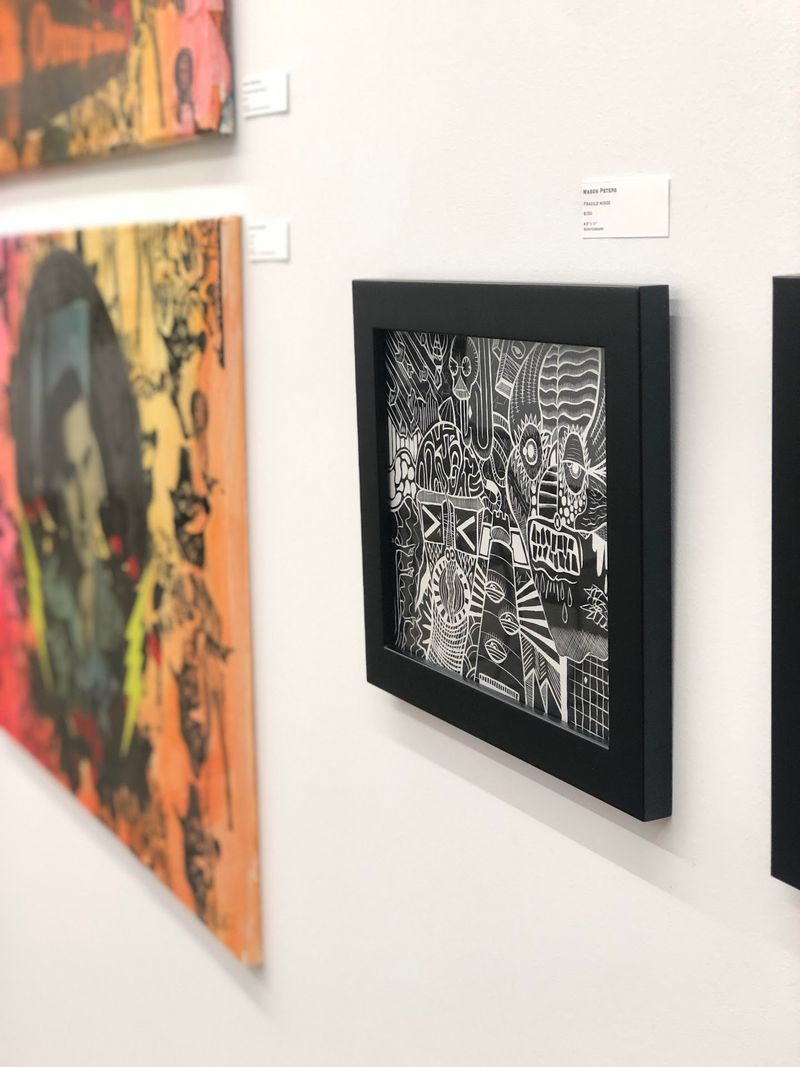
Modfellows started as a furniture and design shop before expanding into a full art gallery, and that dual identity makes it unique. You’ll find contemporary art hanging on the walls alongside mid-century modern furniture and quirky home accessories. It’s the kind of place where you might come in looking at a painting and leave thinking about how to redesign your entire living room.
The art selection leans toward accessible contemporary work, often featuring local Nashville artists. Prices range from affordable prints to investment pieces, though remember that just looking is always free. The gallery regularly hosts opening receptions where you can meet the artists, sip wine, and mingle with Nashville’s creative crowd.
These events are open to the public and give you insight into the stories behind the artwork.
What’s refreshing about Modfellows is the lack of pretension. The owners genuinely love what they do, and it shows in how they’ve curated the space. They’re not trying to be a blue-chip New York gallery.
Instead, they’re creating a community gathering spot where art feels approachable and fun rather than intimidating.
The gallery is located in East Nashville, which has become the epicenter of the city’s creative class. After visiting, you can grab lunch at one of the neighborhood’s many restaurants or explore the vintage shops lining the streets. Free parking is available on the street.
Hours vary, so checking their website or social media before visiting is smart.
The combination of art, design, and community makes Modfellows feel less like a traditional gallery and more like visiting a very stylish friend’s house.
6. Red Arrow Gallery
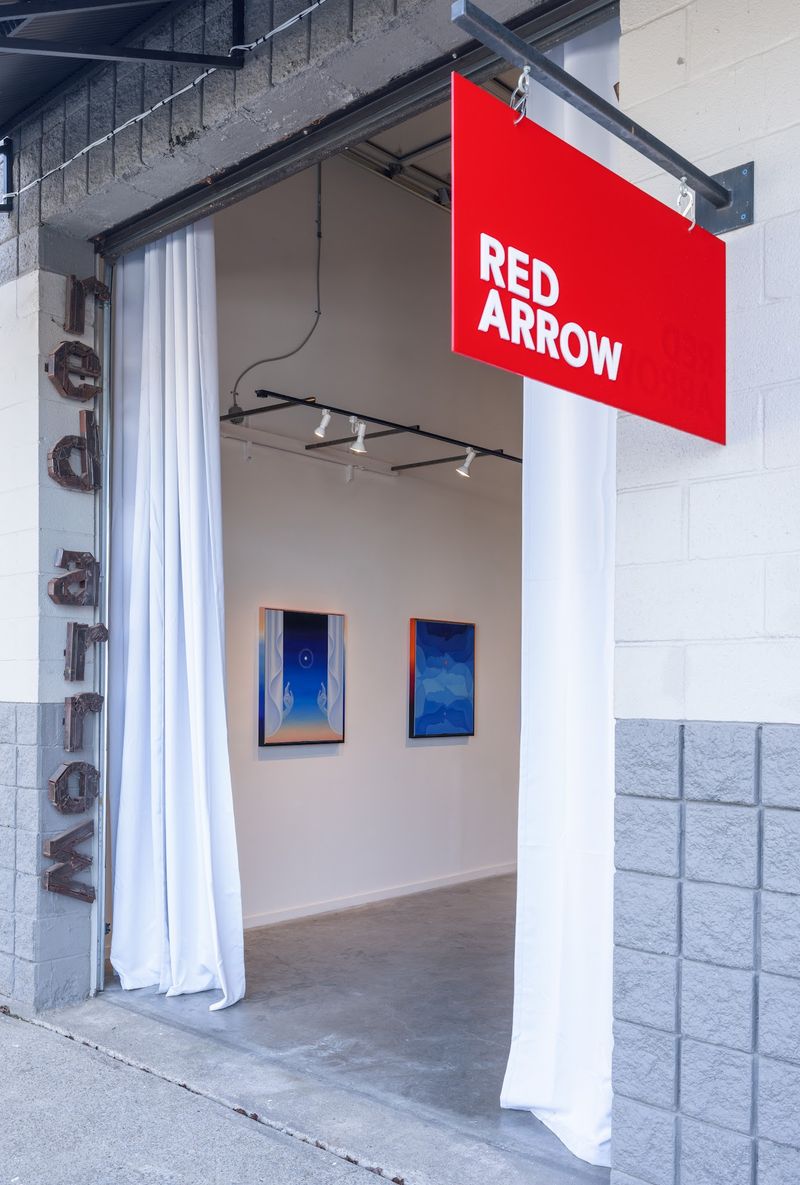
Red Arrow Gallery punches way above its weight for such a small space. This artist-run cooperative has been showcasing emerging talent since 2008, giving artists a platform when many larger galleries won’t take a chance on them. The result is exhibitions that feel fresh and sometimes a little edgy, showing work that pushes boundaries rather than playing it safe.
Because it’s run by artists for artists, the atmosphere is completely unpretentious. Nobody’s going to judge you for not knowing obscure art theory or famous critics. The people working here are usually the artists themselves, so you can have genuine conversations about technique, inspiration, and process.
That direct connection makes visiting feel more meaningful than just passively looking at stuff on walls.
The gallery space is intimate, which means you can see everything in about twenty minutes. But don’t let the size fool you into thinking it’s not worth your time. Some of Nashville’s now-successful artists got their start showing work at Red Arrow.
You might be looking at pieces by someone who’ll be in major museums someday.
Located in the Wedgewood-Houston district, Red Arrow is part of the neighborhood’s monthly art crawl. Visiting during these events gives you the full experience, with multiple galleries open late and artists hanging around to chat. The gallery keeps somewhat irregular hours, so definitely check before making a special trip.
Street parking is free and usually available.
This is grassroots Nashville art at its most authentic, unfiltered by commercial considerations or trend-chasing.
7. Chauvet Arts
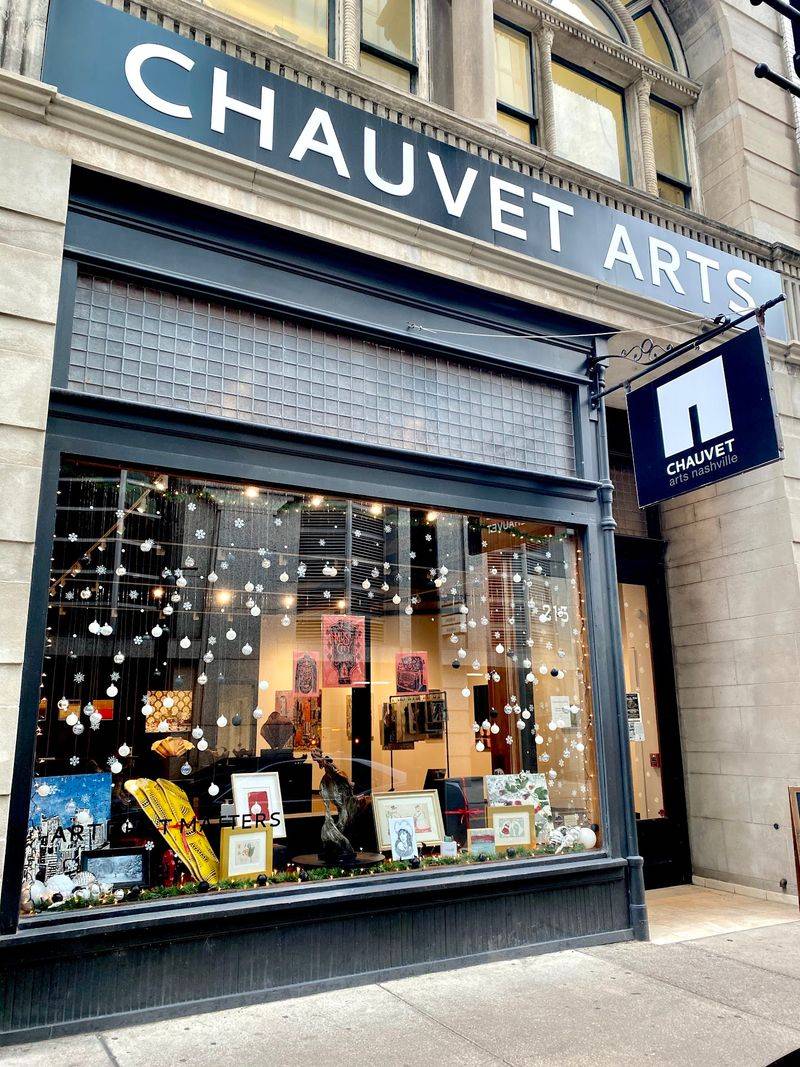
Chauvet Arts brings a distinctly international flavor to Nashville’s gallery scene. Founded by French-born curator Patrick Chauvet, the gallery represents artists from around the world alongside talented locals. The exhibitions tend toward contemporary abstract work, though they’re not locked into any single style.
What unifies the shows is a commitment to quality and a willingness to challenge viewers’ expectations.
The gallery space itself is gorgeous, with high ceilings and carefully designed lighting that makes the artwork pop. They don’t cram too many pieces into the space, giving each work room to breathe. This curatorial restraint means you can actually focus on what you’re seeing instead of feeling overwhelmed by visual clutter.
One of the coolest things about Chauvet Arts is their commitment to art education. They regularly host talks, workshops, and panel discussions that dig deeper into contemporary art topics. These events are usually free and open to the public.
Even if you don’t consider yourself an art expert, attending one of these programs can completely change how you look at and understand modern art.
The gallery is located in the trendy Gulch neighborhood, surrounded by restaurants, bars, and shops. It’s easy to make an afternoon of it by combining your gallery visit with lunch or coffee nearby. Paid parking is available in lots and garages throughout the Gulch.
Gallery hours are typically Wednesday through Saturday. The staff is multilingual and happy to discuss the artists and their work.
Whether you’re a serious collector or just curious, Chauvet Arts offers a sophisticated gallery experience without any stuffiness.
8. Julia Martin Gallery
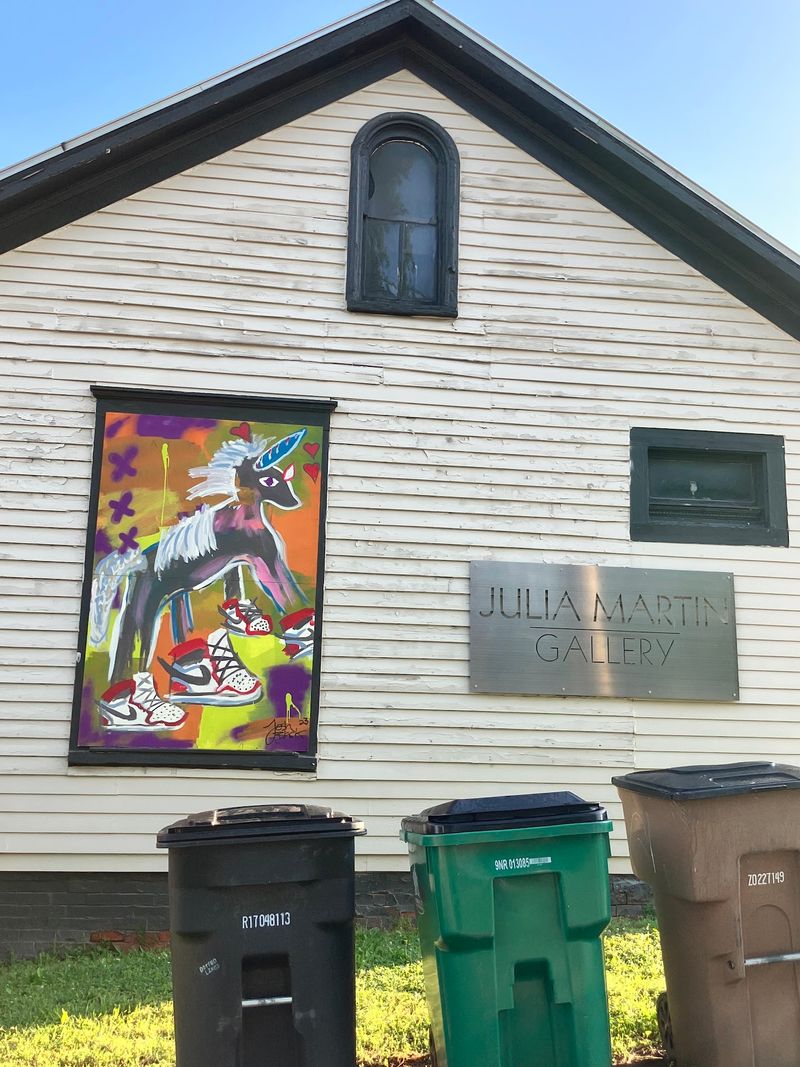
Julia Martin Gallery occupies a beautiful historic building that’s almost as interesting as the art inside. The space has been thoughtfully renovated to preserve its character while creating a perfect backdrop for contemporary art. Exposed brick walls and original hardwood floors give the gallery a warmth that sterile white-cube galleries lack.
You feel like you’re discovering art in someone’s carefully curated home rather than a commercial space.
The gallery focuses on representational and abstract work by established and emerging artists. You’ll see paintings, sculptures, mixed media, and occasionally photography. What ties everything together is a commitment to craftsmanship and emotional resonance.
These aren’t pieces that rely on shocking viewers or making political statements. Instead, they draw you in through beauty, skill, and genuine feeling.
Julia Martin herself is often at the gallery and loves talking with visitors about the artists and their work. Her passion for art is contagious, and she has a gift for explaining why certain pieces are special without sounding condescending. That personal touch makes visiting feel less like a transaction and more like being welcomed into a community.
The gallery is located in the historic Germantown neighborhood, which has maintained more of its old Nashville character than many other parts of the city. After your visit, you can walk to several excellent restaurants and coffee shops. Street parking is free but can be limited during peak times.
The gallery is closed Sunday through Tuesday. Exhibitions typically run for several weeks, so you have plenty of time to catch each show.
This is Nashville gallery-going at its most civilized and welcoming.
9. Elephant Gallery
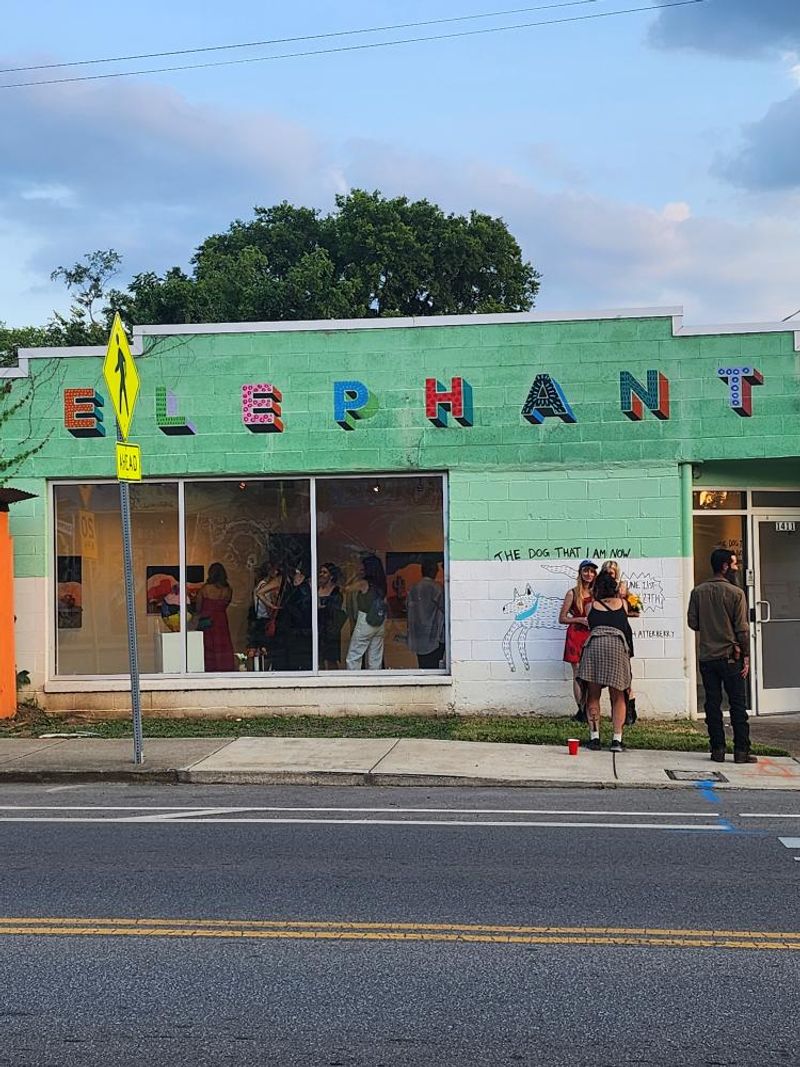
Elephant Gallery takes its name from the idea that art should be like the proverbial elephant in the room, impossible to ignore. The gallery lives up to that philosophy by showing bold, colorful work that demands your attention. This isn’t background art meant to match your sofa.
These are pieces that make statements and start conversations.
The focus is on contemporary artists working in a variety of media. You might see vibrant abstract paintings, thought-provoking sculptures, or experimental mixed-media installations. The common thread is work that pushes creative boundaries while remaining accessible to viewers without art history degrees.
The gallery strikes that tricky balance between challenging and approachable.
What’s particularly cool about Elephant Gallery is their commitment to creating community. They host regular events including artist talks, live painting demonstrations, and themed exhibition openings. These gatherings attract Nashville’s creative crowd, giving you a chance to meet artists, musicians, and other culturally engaged people.
The vibe is friendly and inclusive rather than exclusive and snobbish.
Located in the Nations neighborhood, the gallery sits in an area that’s rapidly developing but hasn’t completely lost its gritty charm. There are several breweries and restaurants within walking distance. Free street parking is usually available.
Hours vary, so check their website or social media before visiting. The gallery is particularly active on Instagram, giving you a preview of current exhibitions. If you’re looking for art that’s exciting and a little unexpected, Elephant Gallery delivers.
The space feels more like a creative hub than a traditional gallery, which perfectly captures Nashville’s evolving art scene.
10. Metro Parks Centennial Art Center
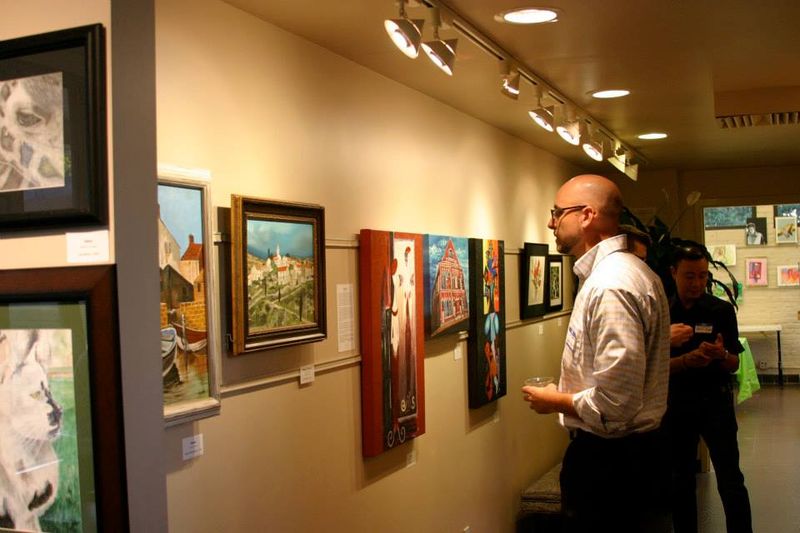
Right next to the Parthenon replica in Centennial Park, the Metro Parks Centennial Art Center offers something different from typical galleries. This is a working art center where classes and workshops happen daily, but they also host regular exhibitions featuring local and regional artists. The shows change frequently, giving you a constantly rotating selection of styles and subjects to explore.
Because it’s run by Metro Parks, the center has a community-focused mission rather than a commercial one. You won’t find price tags on the walls or staff trying to sell you anything. Instead, the emphasis is on making art accessible to everyone and fostering creativity throughout Nashville.
That nonprofit spirit creates a welcoming atmosphere where you can relax and enjoy the art without any pressure.
The exhibitions showcase a wide range of artistic approaches, from traditional landscapes to experimental contemporary work. You might see watercolors, oil paintings, ceramics, photography, or fiber art. The diversity reflects Nashville’s varied artistic community and ensures there’s usually something that speaks to you, regardless of your personal taste.
The location in Centennial Park is perfect for making a day of it. You can visit the art center, walk through the park, check out the Parthenon, and maybe have a picnic. Free parking is available in several lots around the park.
The art center is closed Sundays and Mondays. Because it’s a working facility with classes happening, the gallery space might be smaller than you expect, but the quality of work is consistently high.
This is community art at its best, proving that you don’t need fancy addresses or famous names to create meaningful cultural experiences.