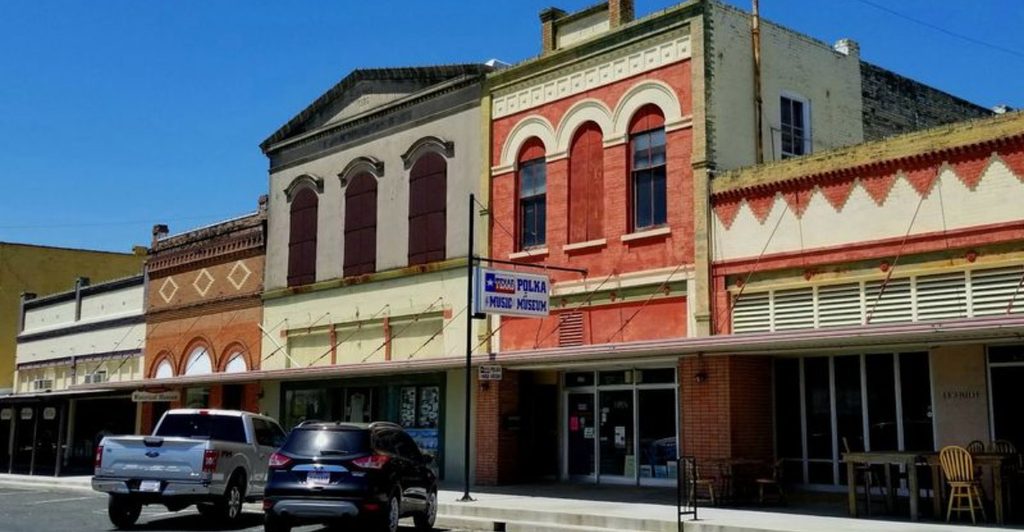
Texas might be known for cowboys and barbecue, but scattered across the Hill Country and beyond are towns that feel more like Bavaria than the Lone Star State. German immigrants arrived in the mid-1800s and built communities that still celebrate their heritage today with authentic food, festivals, and architecture. Walking down Main Street in these places, you’ll hear polka music, smell fresh strudel, and see half-timbered buildings that could have been transported straight from the Rhine Valley.
1. Boerne
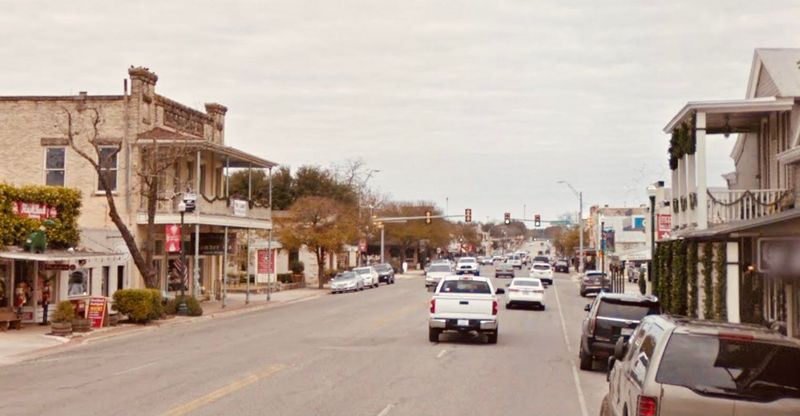
Pronounce it “Bernie” and you’ll fit right in with the locals in this Hill Country gem that wears its German roots proudly. Founded in 1849 by German immigrants and named after writer Ludwig Börne, this town still radiates Old World charm mixed with modern Texas hospitality. The historic downtown district features limestone buildings and shaded walkways that make you forget you’re just 30 minutes from San Antonio.
Stroll down Main Street and you’ll discover family-owned shops selling German imports, from cuckoo clocks to beer steins. The town square hosts regular festivals celebrating German culture, including Berges Fest each June, where polka bands play and locals dress in traditional lederhosen and dirndls. Antique stores line the streets, many housed in buildings over a century old.
The culinary scene here leans heavily into its heritage. German bakeries serve fresh pretzels and strudel each morning, while restaurants offer authentic schnitzel and bratwurst alongside Texas favorites. The local brewery scene has embraced German brewing traditions, producing lagers and wheat beers that would make any Munich brewmaster proud.
Beyond downtown, the surrounding Hill Country offers caves, rivers, and hiking trails that remind visitors of the German countryside. Cibolo Creek runs through town, providing a peaceful backdrop for parks and walking paths. The agricultural heritage remains strong, with many families still farming land their ancestors settled generations ago.
Architecture buffs appreciate the mix of German vernacular buildings and Texas limestone construction. Many historic homes feature steep roofs and decorative woodwork typical of German design. The town has preserved these structures carefully, maintaining the authentic feel that makes visitors do a double-take.
Community events throughout the year emphasize German traditions, from Christmas markets to Oktoberfest celebrations. The local pride in German heritage runs deep, with third and fourth-generation descendants still speaking German phrases and cooking family recipes brought over in the 1800s. It’s this living connection to the past that makes the town feel genuinely European rather than just theme-park German.
2. Muenster
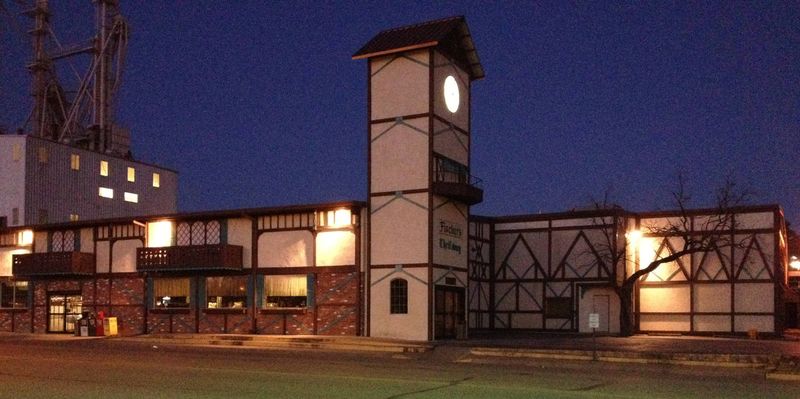
Up in North Texas, far from the Hill Country hotspots, sits a town that takes its German Catholic heritage seriously. Named after the German city of Münster, this community was established in 1889 by German immigrants seeking religious freedom and farmland. The towering red brick church with its Gothic spire dominates the skyline and serves as the heart of this tight-knit community.
Agriculture defines daily life here more than tourism. Family farms surrounding the town have been passed down through generations, many still operated by descendants of the original German settlers. The emphasis on hard work and community cooperation reflects values brought from the old country.
Friday night fish fries during Lent pack the church hall with families sharing a tradition that connects them to their ancestors.
German surnames fill the phone book, and many residents can trace their lineage back to the founding families. This isn’t a town trying to recreate Germany for visitors but rather one that naturally maintains its culture through everyday living. The local meat market produces authentic German sausages using recipes perfected over generations.
Stop by and you’ll find the same products locals have been buying for decades.
Sacred Heart Church, built in 1908, showcases stunning stained glass windows and architecture that could grace any German village. The attached cemetery tells the story of the community through German inscriptions on weathered headstones. Religious festivals and processions maintain traditions that have been observed here for over a century.
The annual Germanfest each April brings the whole town together for polka dancing, German food, and craft beer. Unlike larger festivals in tourist towns, this celebration feels authentic and community-focused. Locals dress up, cook traditional dishes, and welcome visitors into their genuine German-Texan culture.
Small-town Texas meets German efficiency here in surprising ways. The local businesses operate with Old World craftsmanship and attention to detail. The community’s commitment to preserving their language and customs means you might actually hear German spoken by older residents in the grocery store or at Sunday Mass.
There’s no pretense here, just real people living out the heritage their great-grandparents established on the Texas prairie.
3. Castroville
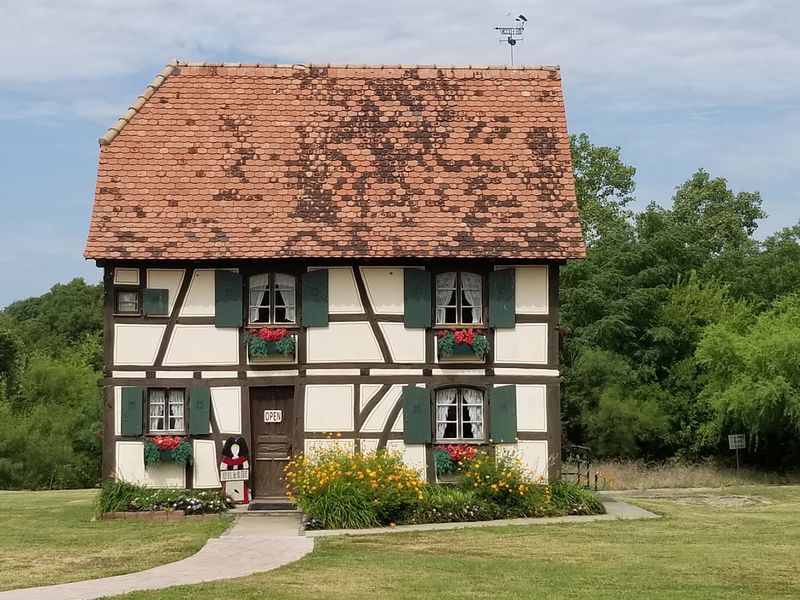
West of San Antonio lies a town with a unique twist on the German story. Settled in 1844 by Henri Castro and colonists from Alsace, this community blends German and French influences in a way you won’t find anywhere else in Texas. The Alsatian settlers brought architectural styles and traditions distinct from their purely German neighbors, creating a cultural identity all their own.
The historic district preserves dozens of original Alsatian cottages and buildings that look like they belong in eastern France. These distinctive structures feature steep roofs, dormer windows, and thick limestone walls designed to withstand both European winters and Texas summers. Walking tours reveal homes built in the 1840s and 1850s that still stand sturdy today.
Locals proudly identify as Alsatian rather than simply German, maintaining traditions specific to that border region between France and Germany. The annual St. Louis Day celebration in August honors the town’s patron saint with a festival featuring Alsatian food, music, and customs. Traditional dishes here include both German and French influences, creating a unique culinary experience.
The Landmark Inn State Historic Site showcases an 1840s structure that served as a stagecoach stop and bathhouse. The property includes a working gristmill and gardens that demonstrate how the Alsatian settlers adapted their farming techniques to Texas soil. Rangers offer demonstrations of traditional crafts and cooking methods.
Moye Center, housed in the old First National Bank building, displays artifacts and photographs documenting the Alsatian settlement. The collection includes original documents in German and French, traditional clothing, and household items brought from Europe. It’s a treasure trove for anyone interested in immigration history and cultural preservation.
The town’s bakeries and restaurants serve dishes you won’t find in other German Texas towns. Alsatian pastries, unique sausage preparations, and wine selections reflect the dual heritage. Local families still prepare recipes handed down through generations, many written in a dialect mixing German and French.
Castroville maintains its character without becoming overly touristy. Real people live in those historic cottages, and the downtown businesses serve locals first. The authenticity comes from continuous habitation and cultural practice rather than reconstruction or theme-park atmosphere.
It’s a living museum where the museum happens to be people’s actual homes and daily lives.
4. Fredericksburg
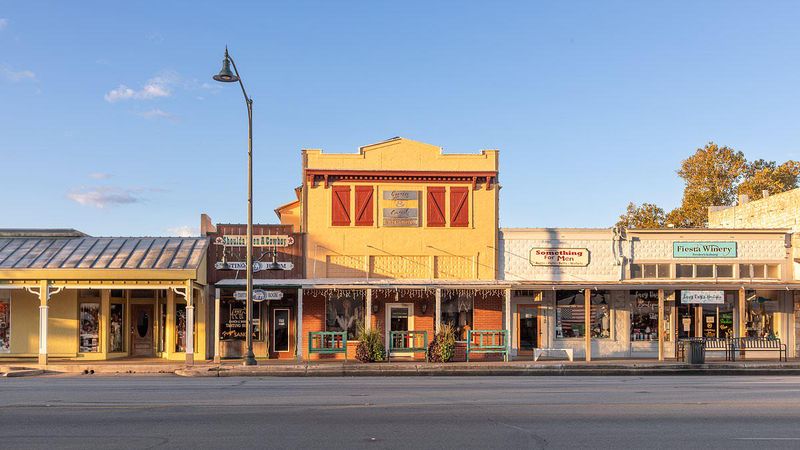
Main Street stretches wide enough to turn a wagon and team of oxen around, a practical design choice made by German settlers in 1846. Today that same street hosts the most developed German tourist scene in Texas, with block after block of shops, restaurants, and tasting rooms celebrating Hill Country heritage. The town has mastered the balance between preserving history and welcoming visitors.
Founded by German immigrants organized by the Adelsverein, the town was named for Prince Frederick of Prussia. The original Sunday Houses still dot the landscape, small second homes built by farming families who lived too far out to attend church weekly. These tiny structures with their distinctive steep roofs now serve as guest cottages and museums showcasing pioneer life.
The National Museum of the Pacific War anchors the historical attractions, honoring Fleet Admiral Chester Nimitz who grew up here. His grandfather’s hotel, built in the shape of a steamboat, still stands as part of the museum complex. The juxtaposition of German heritage and Pacific War history creates a unique educational experience.
German food here ranges from authentic to Americanized, with options for every taste. Traditional bakeries produce fresh strudel, lebkuchen, and pumpernickel bread daily. Restaurants serve massive platters of schnitzel, bratwurst, and sauerkraut, often with live polka music on weekends.
The beer scene embraces both German brewing traditions and modern craft beer innovation.
Oktoberfest celebrations last for weeks here, drawing crowds from across Texas. Beer gardens fill with revelers in costume, bands play traditional music, and the streets become a massive celebration of German culture. It’s touristy, sure, but also genuinely rooted in the community’s identity and history.
Beyond downtown, the surrounding countryside produces peaches and wine that have made the region famous. German farming techniques adapted beautifully to Hill Country soil and climate. Vineyards and orchards welcome visitors for tastings and tours, many still operated by families whose ancestors planted the first crops.
Shopping here means finding authentic German imports alongside Texas-made products. Christmas stores operate year-round, selling ornaments and decorations imported from Germany. Antique shops overflow with pieces brought from Europe generations ago.
The commercial scene can feel overwhelming during peak season, but early morning walks reveal the town’s genuine character before the crowds arrive.
5. Walburg
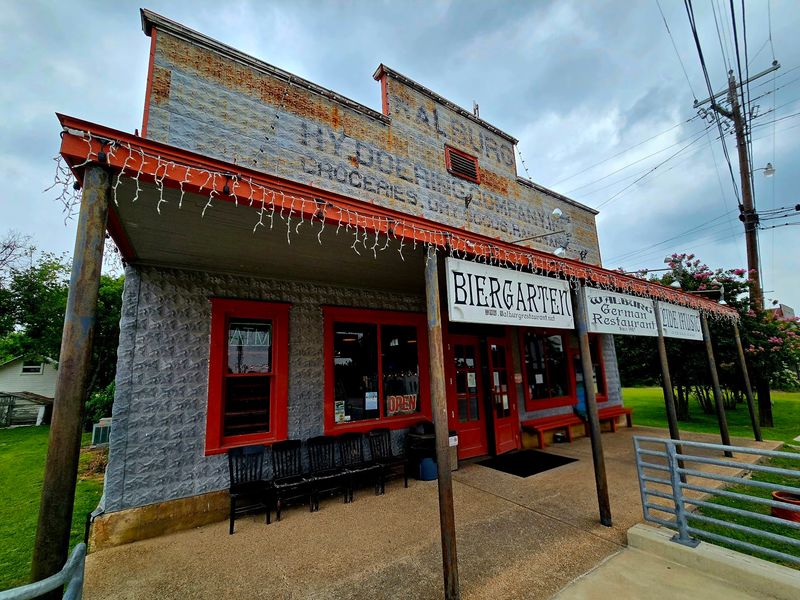
Blink and you might miss this tiny community north of Austin, but that would be a mistake if you appreciate authentic German food and small-town character. The settlement dates back to the 1880s when German families established farms in this rolling countryside. Today the population barely registers, but the German spirit remains strong.
The Walburg Restaurant serves as the town’s beating heart and main attraction. This family-run establishment has been dishing out German-American comfort food for decades, drawing crowds from Austin and beyond. The menu features massive chicken fried steaks alongside authentic German dishes, reflecting the blended culture of German-Texans.
Weekend breakfast crowds arrive early for the legendary biscuits and gravy.
Walburg Mercantile operates as a general store and German deli, selling imported goods and locally made sausages. The shelves stock items you’d find in a German grocery store mixed with Texas ranch supplies. It’s this practical blending of cultures that makes the place fascinating rather than just quaint.
The surrounding countryside remains largely agricultural, with cattle ranches and hay fields stretching to the horizon. German farming families still work land their ancestors claimed over a century ago. The work ethic and land stewardship practices reflect values brought from the old country and adapted to Texas conditions.
Unlike the more tourist-focused German towns, Walburg functions primarily as a real community for the people who live there. The restaurant and mercantile serve locals first, with tourism being a pleasant side effect rather than the main economy. This authenticity makes visiting feel like discovering a secret rather than checking off a tourist attraction.
St. Mary’s Catholic Church stands as a landmark, its traditional architecture visible from the highway. The German Catholic tradition runs deep here, with families maintaining religious practices and community bonds established generations ago. Sunday Mass still draws the faithful, and church festivals bring everyone together.
The German heritage here expresses itself quietly through food, faith, and family rather than through festivals and themed attractions. Older residents might slip into German phrases, and traditional recipes get passed down at family gatherings. It’s a living culture rather than a performed one.
Visiting requires embracing the slow pace and simple pleasures. There’s no downtown shopping district or museum to explore. Instead, you get a meal at a beloved local restaurant, maybe buy some sausage at the mercantile, and drive through countryside that looks remarkably similar to rural Germany.
Sometimes the most authentic experiences are the simplest ones.
6. Comfort
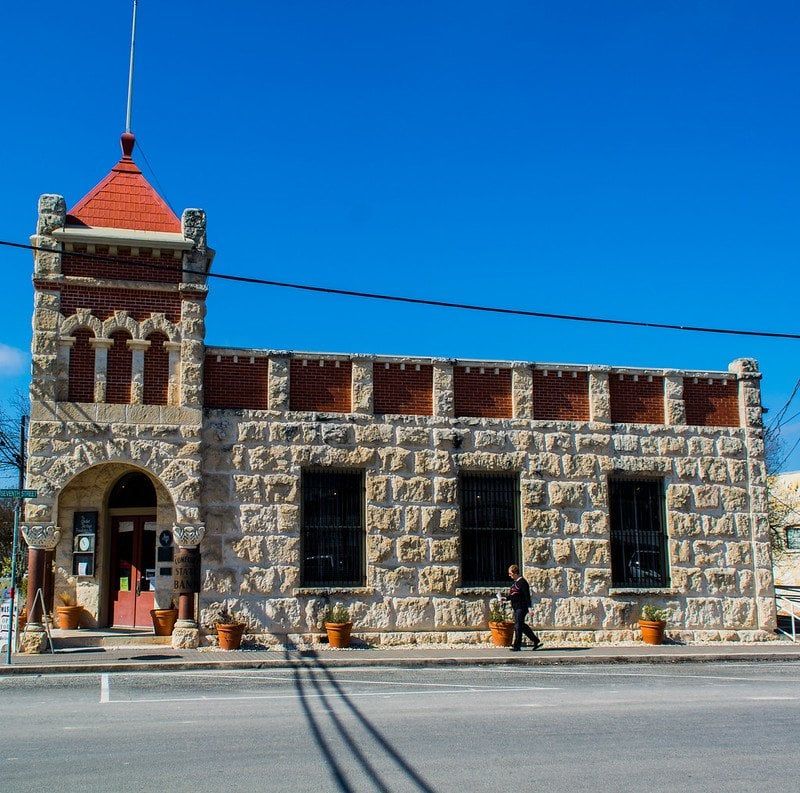
The name suggests ease and relaxation, but the history tells a more complex story of German freethinkers who rejected organized religion and embraced intellectual freedom. Founded in 1854 by German immigrants, this Hill Country town developed a unique character shaped by its founders’ progressive ideals. The absence of churches in early Comfort was deliberate, reflecting the settlers’ commitment to secular humanism.
Treue der Union Monument stands in the town center, honoring German Texans who opposed secession and died for their Union loyalty during the Civil War. This marker represents one of the few Civil War monuments in the South dedicated to Union supporters. The history here challenges simple narratives about Texas and the Confederacy.
High Street showcases one of the best-preserved collections of 19th-century German commercial architecture in Texas. Building after building displays the limestone construction and practical design favored by German craftsmen. Many structures house antique stores, galleries, and cafes that maintain the historic character while serving modern purposes.
The town has become an antiques destination, with shops filling those historic buildings with furniture, collectibles, and vintage goods. Serious collectors come here hunting for German imports and Texas antiques. The quality and selection rival much larger cities, making weekend browsing a treasure hunt.
German architectural details appear everywhere once you start looking. Fachwerk construction, decorative ironwork, and symmetrical facades reflect Old World building traditions. The residential neighborhoods contain beautifully preserved homes with German vernacular features adapted to Texas climate and materials.
Comfort Common provides a downtown gathering space that honors the town’s heritage while serving contemporary needs. Locals and visitors mingle at outdoor tables, enjoying food from nearby restaurants and beverages from the local winery. The relaxed atmosphere reflects the town’s namesake virtue.
The food scene emphasizes quality over quantity. German bakeries produce authentic breads and pastries using traditional methods. Restaurants range from casual cafes to upscale dining, many incorporating German techniques and ingredients.
The focus on craft and quality reflects values the original settlers brought from Europe.
Unlike some German towns that can feel overly commercialized, Comfort maintains a quieter, more contemplative character. The intellectual and artistic community here values authenticity and preservation. You’ll find working artists, writers, and craftspeople who chose this town specifically for its history and character.
The result is a place that feels genuinely connected to its past while embracing creative contemporary life.
7. Schulenburg
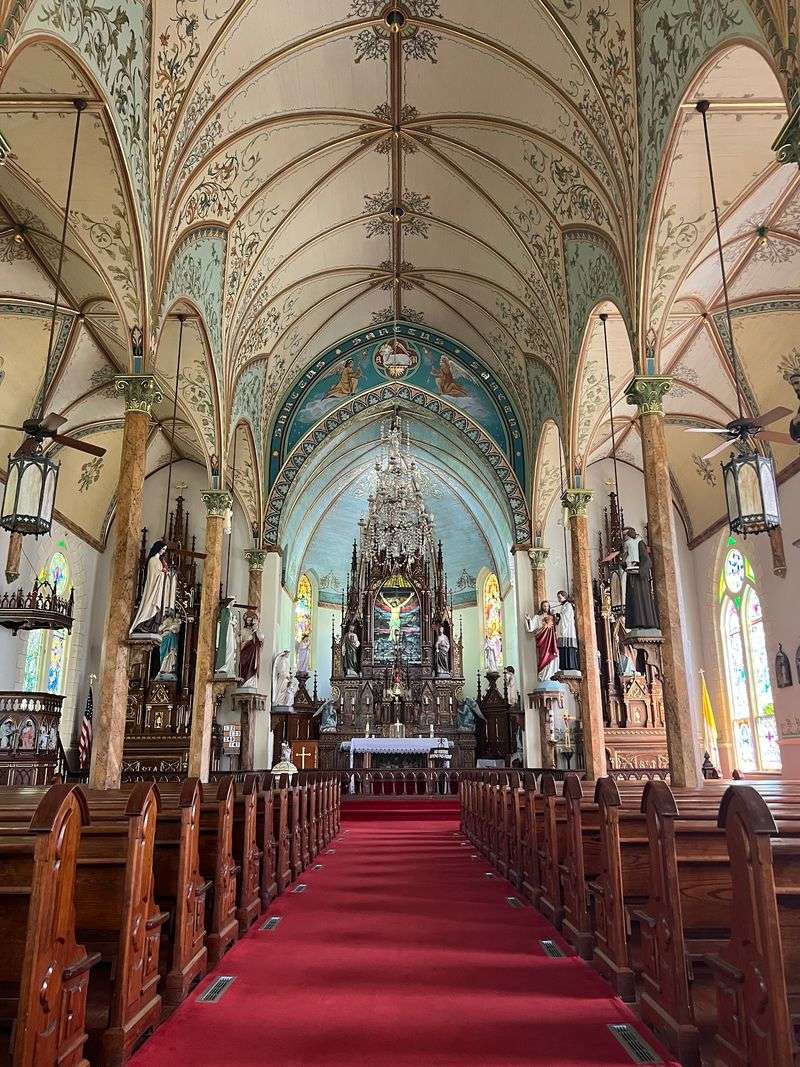
East of the Hill Country, where the terrain flattens into coastal prairie, German and Czech immigrants created farming communities marked by stunning painted churches. Schulenburg serves as the gateway to these architectural and artistic treasures. The town itself blends German and Czech heritage in ways that reflect the ethnic mixing common in this region.
The Painted Churches Tour takes visitors to several rural Catholic churches decorated with elaborate interior murals and designs. German and Czech artisans created these masterpieces in the late 1800s and early 1900s, transforming simple country churches into works of art. St. Mary’s in High Hill features particularly breathtaking stenciling and paintings that rival European cathedrals.
Downtown Schulenburg maintains its small-town agricultural character. The historic business district serves local farmers and ranchers more than tourists, though visitors receive warm welcomes. German and Czech surnames dominate storefronts and the phone book, evidence of the ethnic groups that built this community.
The local food scene reflects both German and Czech influences. Kolaches, a Czech pastry, share bakery cases with German strudel. Restaurants serve schnitzel alongside Czech sausage.
This cultural blending creates unique culinary combinations you won’t find in purely German settlements.
Schulenburg’s annual Festival celebrates the town’s agricultural heritage and ethnic diversity. Czech polka bands alternate with German music, and the food offerings span both traditions. It’s a genuine community celebration that happens to welcome visitors rather than a tourist-focused event.
The countryside surrounding town remains actively farmed, with fields of cotton, corn, and cattle stretching to the horizon. German and Czech farming families maintain operations established by their ancestors. The work ethic and land stewardship reflect Old World values adapted to Texas agriculture.
Historic homes in town display both German and Czech architectural influences. Some feature German limestone construction while others show Czech decorative elements. The residential neighborhoods tell the story of immigrant communities building lives in a new land while maintaining cultural identity.
Visiting here means experiencing German heritage in a broader context of Central European immigration. The German influence remains strong but shares space with Czech traditions in ways that feel natural and organic. Churches, food, festivals, and family names all reflect this cultural mixing.
The painted churches alone justify the trip, but the town’s authentic agricultural character and genuine community feeling make it more than just a church tour stop. This is working Texas where German heritage influences daily life without being performed for tourists. The result feels more honest and less commercialized than some better-known German towns.
8. New Braunfels
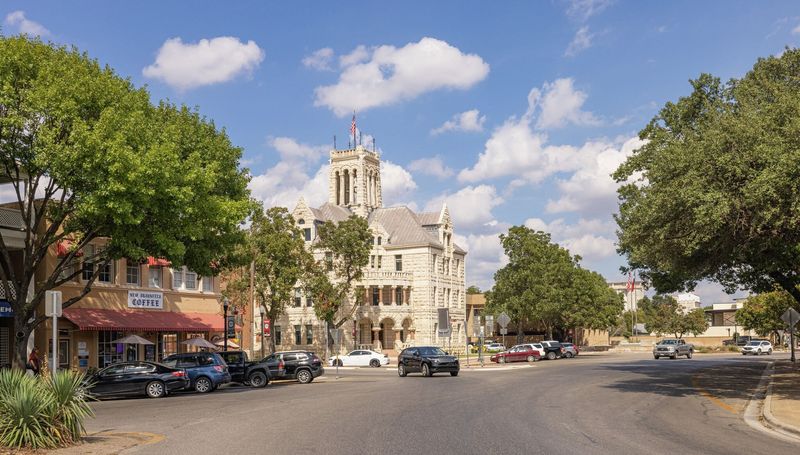
Where the Guadalupe and Comal Rivers meet, German immigrants established what would become one of Texas’s most successful settlements. Prince Carl of Solms-Braunfels founded the town in 1845 as the first German colony organized by the Adelsverein. Today it’s grown into a small city that balances German heritage with modern tourism centered on the rivers.
The Comal River, shortest river in the United States, flows crystal clear through town and draws tubers by the thousands during summer months. Schlitterbahn Waterpark capitalizes on the German water park tradition, creating a massive resort that employs German-inspired theming. The combination of natural springs and German heritage creates a unique recreational destination.
Downtown features the historic Gruene district, a former ghost town revived into a shopping and entertainment destination. Gruene Hall, Texas’s oldest dance hall, hosts live music in a building that’s been operating since 1878. The preserved historic buildings house shops, restaurants, and tasting rooms that maintain architectural integrity while serving contemporary purposes.
German food options range from authentic to fusion. Krause’s Cafe has been serving German-American food since 1938, with recipes passed down through generations. The Naegelin’s Bakery, established in 1868, claims to be Texas’s oldest bakery and still produces traditional German breads and pastries daily.
New restaurants incorporate German techniques while adding modern twists.
Wurstfest each November transforms the town into a massive celebration of German sausage and culture. Ten days of polka music, beer, and bratwurst draw crowds from across the state. It’s become one of Texas’s largest German festivals, though some locals feel it’s grown too commercial.
The Sophienburg Museum documents the town’s founding and development through artifacts, photographs, and documents. The collection includes items brought from Germany by original settlers and tells the challenging story of pioneer life. It’s essential for understanding how this German colony succeeded when others failed.
Conservation Plaza preserves historic buildings relocated from around the area, creating a village of authentic 19th-century structures. The collection includes a German farmstead, log cabin, and Sunday House. Demonstrations of traditional crafts and cooking bring history to life.
Growth and tourism have changed New Braunfels significantly, making it less intimate than smaller German towns. The German heritage sometimes feels commercialized, especially during peak tourist season. However, the underlying culture remains strong, with many families tracing lineage to the original settlers.
German traditions persist in churches, social clubs, and family gatherings even as the town modernizes. The challenge here is finding authentic German culture amid the tourist attractions, but it exists for those willing to look beyond the obvious.
9. Luckenbach
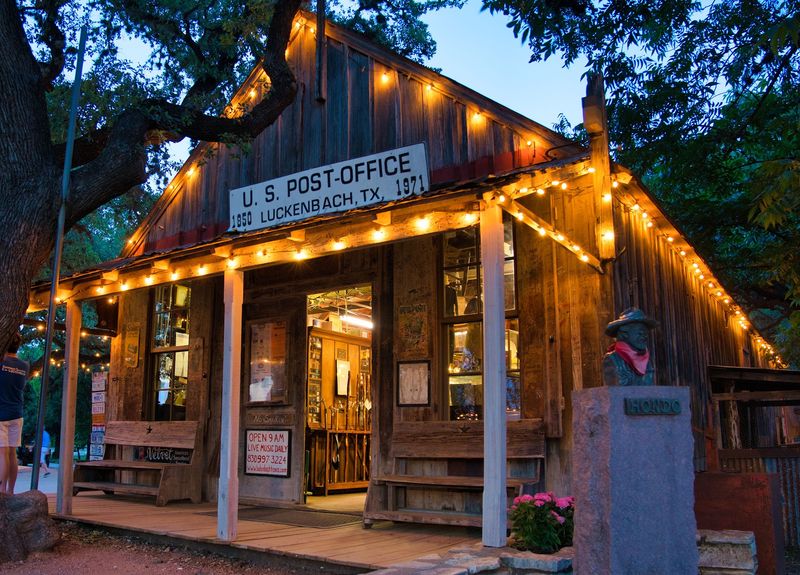
Population three, according to the sign, though Willie Nelson and Waylon Jennings made it famous to millions. This tiny community started as a German trading post in 1849 and evolved into a beloved Texas icon that blends German heritage with outlaw country music culture. The combination shouldn’t work, but somehow it’s perfect.
The general store and post office occupy the original 1849 building, serving as the town’s commercial and social center. Inside, the walls are covered with business cards, photos, and memorabilia left by visitors from around the world. The beer is cold, the atmosphere is friendly, and the sense of history is palpable in every weathered board.
The dance hall hosts live music under ancient oak trees, continuing a tradition of German community gatherings adapted to Texas style. Acoustic jams happen regularly, with musicians both famous and unknown picking guitars and telling stories. The lack of pretense and formal structure creates magic that expensive venues can’t replicate.
German heritage here expresses itself quietly through the buildings and layout rather than through obvious cultural displays. The stone construction and practical design reflect German building traditions. Family names on old structures and in the cemetery tell the story of German settlement in this isolated Hill Country location.
Luckenbach’s fame comes from that 1977 Waylon and Willie song, which celebrated the town’s simplicity and escape from urban stress. That ethos still defines the place. There’s no commercialization beyond the general store, no chain restaurants or souvenir megastores.
What you see is genuinely what you get.
Visiting means embracing the slow pace and simple pleasures. Sit under the oak trees with a cold drink, listen to whoever’s playing music, and talk with strangers who become friends. The German tradition of gemütlichkeit, that sense of warmth and belonging, permeates the atmosphere even though most visitors don’t know the German word for what they’re feeling.
The surrounding countryside remains rural and relatively undeveloped. Ranches and farms stretch across the hills, many still operated by descendants of German settlers. The landscape looks remarkably similar to how it appeared when those first immigrants arrived seeking land and opportunity.
Special events and festivals happen throughout the year, but the daily experience is the real attraction. There’s something profound about a place that rejected growth and commercialization in favor of maintaining character and community. The German settlers who established this trading post valued practical simplicity, and that value somehow survived into the 21st century.
It’s a living lesson in how heritage isn’t just about festivals and food but also about maintaining values and ways of life across generations.