Pennsylvania is full of old streets, mountain towns, busy city corners, and quiet farm valleys where the past still feels close. Some of its hotels are more than places to sleep, because they began as factories, train stations, farms, warehouses, theaters, or grand city buildings with stories hidden in their walls. Staying in one of these places can make a trip feel more personal, since you are not only seeing Pennsylvania history, you are spending the night inside it.
From Philadelphia to Scranton to Lancaster County, these hotels show how old spaces can become fresh, welcoming, and surprising again. Many have preserved original details, from exposed brick and woodwork to historic facades and architectural touches that reflect the buildings’ earlier lives. For travelers who enjoy discovering the character behind a destination, these stays offer a chance to experience Pennsylvania’s history in a way that feels both comfortable and memorable.
1. Independence Park Hotel, Philadelphia
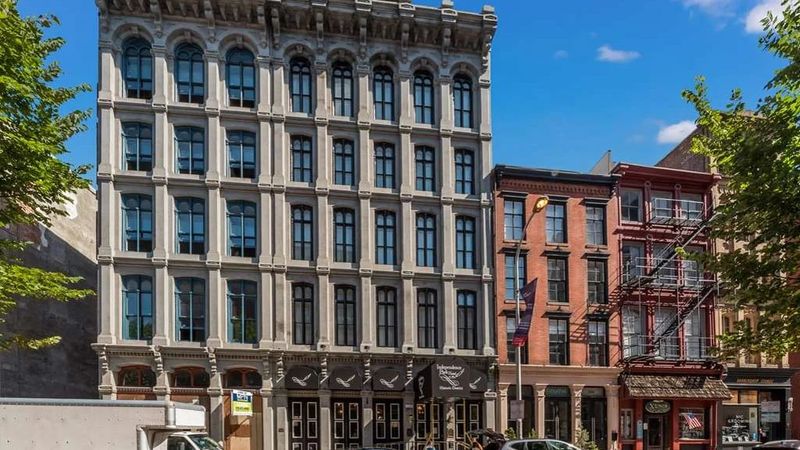
A traveler can turn one corner in Old City and feel like the school textbook suddenly grew doors, windows, and a front desk.
That is the charm of Independence Park Hotel, a small historic stay close to some of Philadelphia’s most famous landmarks.
The building dates to 1856, which means it has watched the neighborhood change for well over a century.
It stands near Independence Hall, the Liberty Bell, and narrow streets where early American history still shapes the mood.
What surprises many guests is that the hotel was not always a hotel in the modern sense.
Like many older Philadelphia buildings, it has been part of a changing business district where shops, offices, and travelers all crossed paths.
Its location is the real treasure for history lovers.
You can wake up, walk a short distance, and be near the place where the Declaration of Independence and the United States Constitution were debated and adopted.
Inside, the hotel has a cozy style rather than a huge resort feel.
That makes it a good fit for visitors who want quiet comfort after a day of museums, walking tours, and cobblestone streets.
If you stay here, bring comfortable shoes and plan your route before heading out.
Old City is easy to explore on foot, but there is so much nearby that time can disappear quickly.
A smart tip is to visit major historic sites early in the day, then return to the hotel for a short rest.
Afterward, enjoy dinner in the neighborhood, where modern restaurants sit beside buildings older than many states.
The unexpected part is simple but powerful.
Independence Park Hotel lets guests sleep beside the nation’s founding story, not miles away from it, which makes an ordinary city trip feel quietly meaningful.
2. Glasbern Inn, Fogelsville
Not every hotel history begins with fancy wallpaper or polished lobby floors.
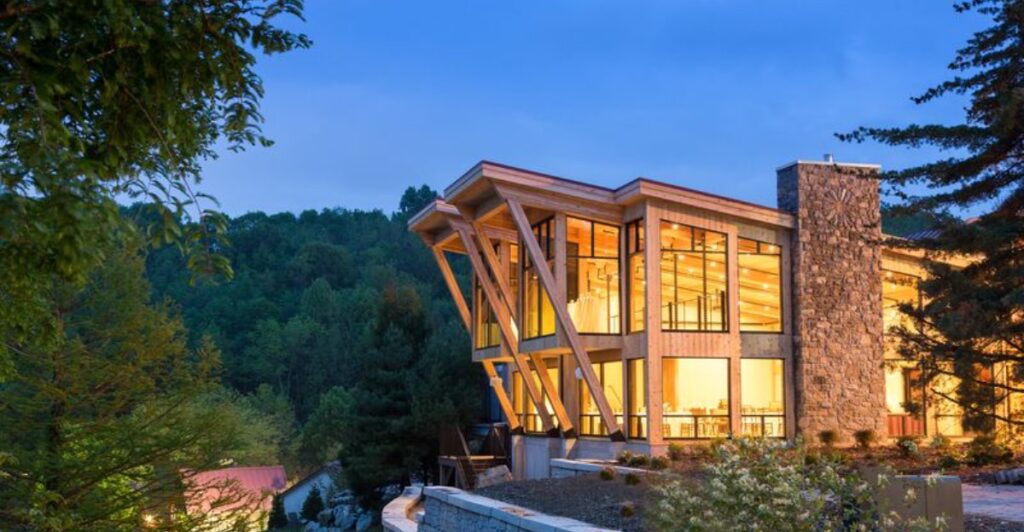
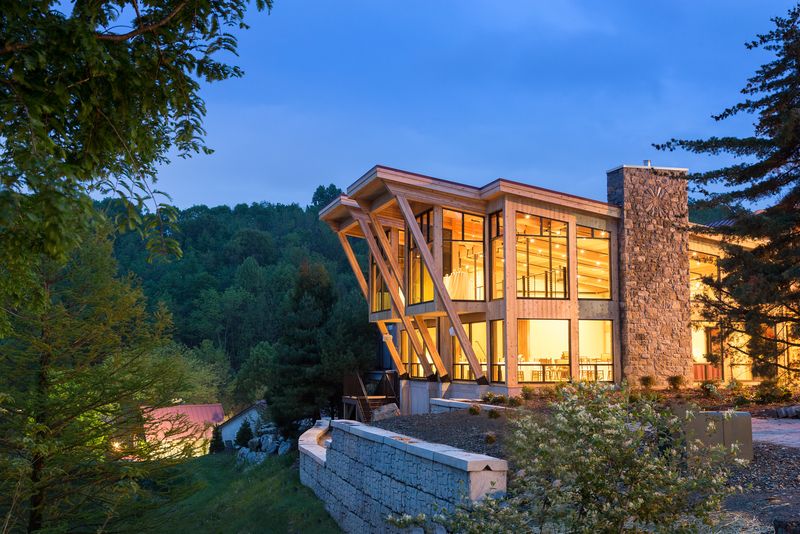
At Glasbern Inn in Fogelsville, the story starts with stone barns, open fields, and the working rhythm of Pennsylvania farm life.
This Lehigh Valley property grew from a 19th-century farmstead into a peaceful country inn.
Instead of hiding that past, the owners preserved the old barns, stone walls, and rural setting that give the place its character.
Guests often notice the mix right away.
One moment you see a room with modern comfort, and the next you spot thick beams or fieldstone that remind you the land had a long life before travelers arrived.
The inn sits in a part of Pennsylvania known for rolling hills, wineries, small towns, and country roads.
That makes it a strong choice for anyone who wants a slower trip without feeling cut off from things to do.
Its history also points to a bigger Pennsylvania story.
Across the state, old farms have been saved and reused instead of being forgotten, giving visitors a way to enjoy the countryside while respecting its roots.
For a better visit, leave room in your schedule for wandering.
A quick walk around the property can be as memorable as a planned stop, especially if you enjoy old stonework, garden spaces, and quiet views.
Couples often like the inn for romantic getaways, but it can also suit travelers who need a calm base near the Lehigh Valley.
Nearby towns offer dining, shopping, and outdoor stops without the rush of a large city.
The surprise is how natural the change feels.
Glasbern Inn does not erase its farm past.
It lets that past shape the stay, turning barns and fields into part of the welcome.
3. Cork Factory Hotel, Lancaster
There is something fun about checking into a place that once helped make bottle stoppers instead of vacation memories.
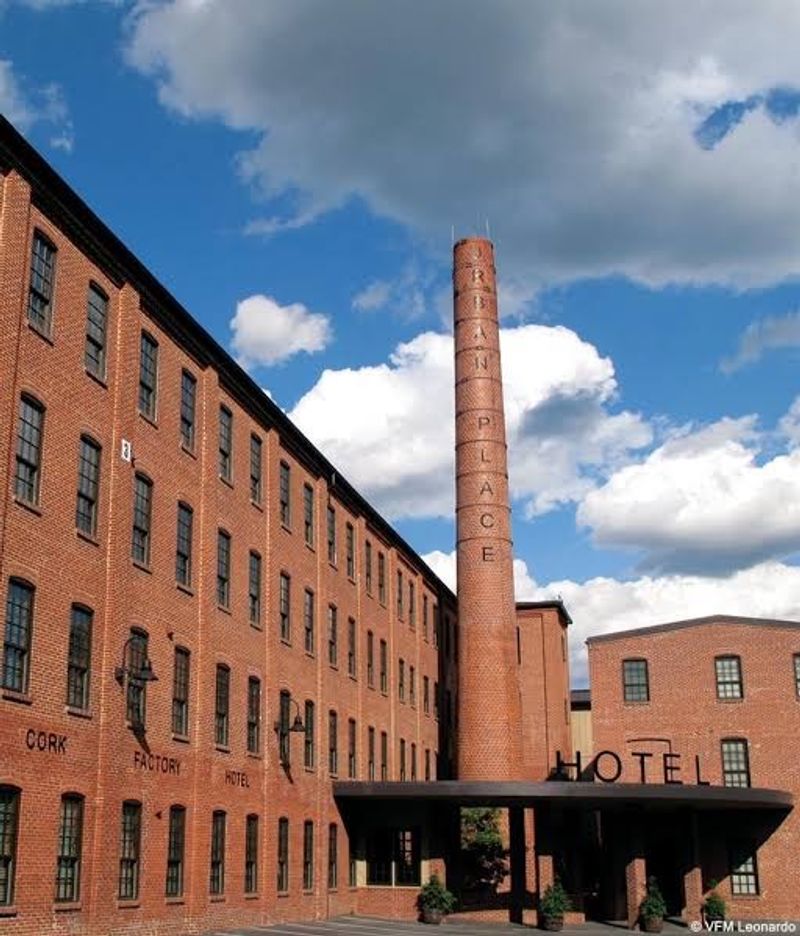
Cork Factory Hotel in Lancaster turns industrial grit into a stylish stay with a story you can see.
The property began as part of the historic Armstrong Cork Company complex.
For years, workers used the site for cork production, an industry tied to everyday items like bottle caps, flooring, and insulation.
Today, the hotel keeps many factory details alive.
Brick walls, high ceilings, exposed beams, and large windows give the building a bold look that feels very different from a standard chain hotel.
Lancaster is often linked with farms and Amish Country, but this hotel reminds visitors that the city also has a strong manufacturing past.
Factories once powered local jobs, shaped neighborhoods, and helped Lancaster grow.
Staying here can be especially helpful if you want both city energy and countryside access.
Downtown Lancaster has galleries, markets, theaters, and restaurants, while rural roads and farm stands are only a short drive away.
Take time to look closely at the building.
The best part of an adaptive reuse hotel is noticing how old factory parts now serve new purposes, from dining spaces to guest rooms.
If you are planning a weekend, pair a stay with a visit to Lancaster Central Market.
It is one of the oldest continuously operating public markets in the United States and adds another layer to the city’s story.
The hotel’s history is unexpected because it proves beauty can come from practical places.
Cork Factory Hotel took a hardworking industrial site and turned it into a warm base for exploring one of Pennsylvania’s most interesting small cities.
4. Penn’s View Hotel, Philadelphia
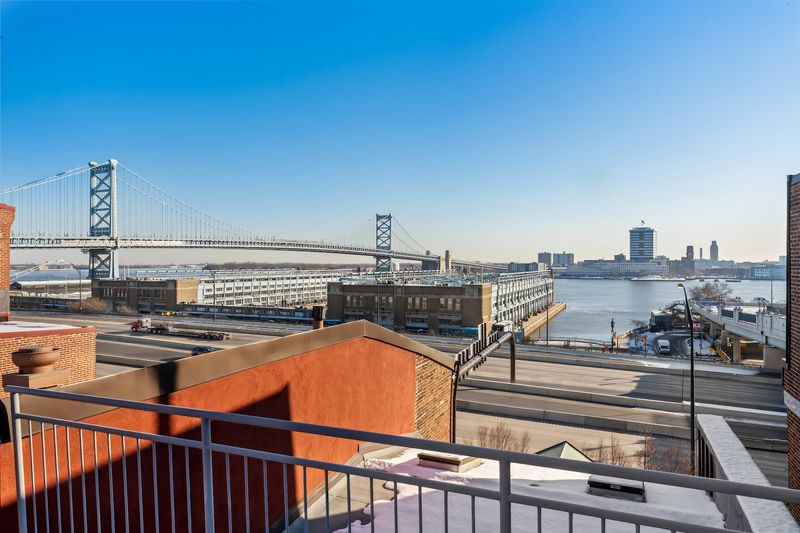
Along the edge of Old City, a small hotel carries the feeling of Philadelphia’s riverfront past.
Penn’s View Hotel sits near the Delaware River, where trade, travel, and city life have mixed for centuries.
The hotel occupies a historic building in one of Philadelphia’s oldest neighborhoods.
Its setting places guests close to the waterfront, where ships, warehouses, merchants, and markets once helped the city become a major colonial port.
Many visitors come for Independence Hall and the Liberty Bell, but the river side of Philadelphia has its own rich story.
Penn’s View Hotel is a good reminder that the city was built not only by lawmakers, but also by workers, sailors, shopkeepers, and traders.
The property has an old-world feel, with brick, warm interiors, and a more personal size than larger downtown hotels.
It suits travelers who like character and do not want their room to feel like it could be anywhere.
One practical advantage is walkability.
From here, you can reach historic sites, waterfront paths, restaurants, and museums without spending your whole visit in a car.
For a thoughtful plan, spend one part of the day around Independence National Historical Park and another near the Delaware River.
The contrast helps you understand Philadelphia as both a birthplace of government and a busy working port.
Guests who enjoy food may also appreciate that Old City and nearby neighborhoods offer many choices, from casual cafes to special dinner spots.
After a long day, being able to walk back to the hotel is a real bonus.
The unexpected history here is tied to place.
Penn’s View Hotel gives travelers a front-row seat to the older river story of Pennsylvania’s largest city, where water, trade, and independence all helped shape the future.
5. Wm. Mulherin’s Sons Hotel, Philadelphia
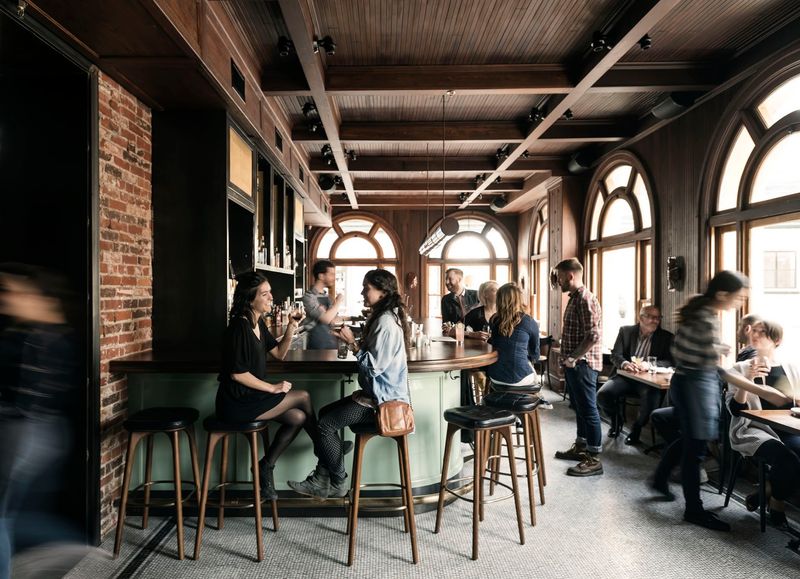
A former whiskey business is not the first place most people picture when they think of a boutique hotel.
Yet Wm. Mulherin’s Sons Hotel in Philadelphia makes that unusual past feel cool, warm, and surprisingly inviting.
The building dates to the late 1800s and was once home to a whiskey blending and bottling company.
Its name still honors the original business, which gives the hotel a direct link to the city’s industrial and commercial past.
Located in Fishtown, the hotel also tells a neighborhood story.
This area was once known for working-class roots, factories, river-related trades, and rowhouse blocks, but it has become one of Philadelphia’s liveliest places for food and nightlife.
The hotel is small, with only a few rooms, so the experience feels more like staying above a beloved local restaurant than checking into a big property.
That can be perfect for travelers who want personality over size.
Historic details, dark wood, brick, and rich textures help the space feel connected to its former life.
Instead of pretending the old whiskey era never happened, the design leans into it with confidence.
If you book a stay, plan dinner early because the restaurant is a major part of the draw.
It is smart to reserve ahead, especially on weekends when Fishtown fills with locals and visitors.
The neighborhood is best enjoyed on foot, but pay attention to timing and transportation if you plan to visit other parts of the city.
Rideshare, public transit, or a careful parking plan can make the trip smoother.
The surprise is how neatly the past fits the present.
Wm. Mulherin’s Sons Hotel turns a whiskey company’s old home into a modern Philadelphia stay that still feels proudly tied to its rough-edged beginnings.
6. Ledges Hotel, Hawley
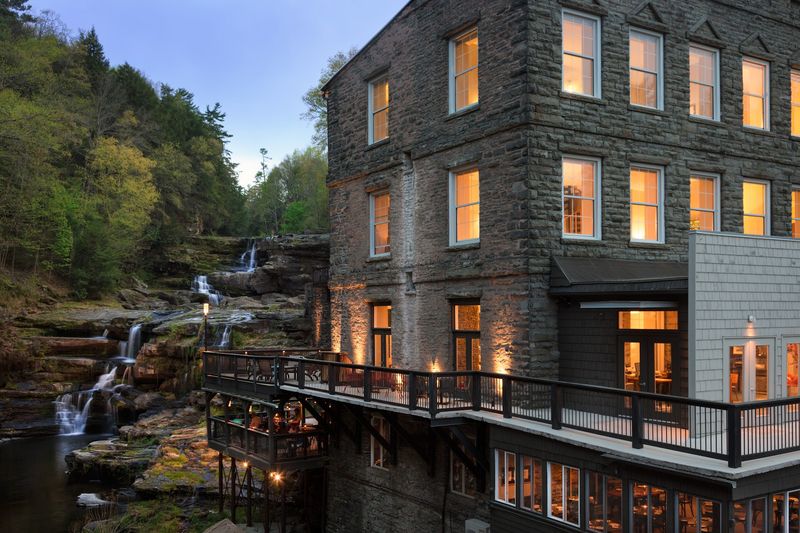
Water rushing over rocks is the first clue that this hotel has a story shaped by nature and industry together.
Ledges Hotel in Hawley sits beside dramatic falls in the Pocono Mountains, creating a stay that feels both peaceful and powerful.
The building was once part of the historic John S. O’Connor Glass Factory.
In the late 1800s, this site used the area’s natural resources and water power as part of a busy manufacturing operation.
Now, instead of glass production, the old structure holds guest rooms and gathering spaces.
Stone walls, large windows, and clean modern design allow visitors to notice the past without giving up comfort.
Hawley is a small town near Lake Wallenpaupack, one of Pennsylvania’s best-known lake destinations.
The hotel works well for travelers who want outdoor fun, local dining, and a setting that feels far from city noise.
The waterfalls make the property especially memorable.
They are not just pretty scenery, because they help explain why industry once made sense in this exact spot.
For the best experience, ask about rooms or spaces with views of the falls.
Even if you do not get one, make time to sit outside and listen to the water for a while.
Pack for the season, since the Pocono Mountains can shift moods quickly.
Summer brings lake trips and hikes, fall adds colorful leaves, and winter can turn the area into a cozy cold-weather escape.
A useful side trip is exploring Hawley’s shops and nearby trails instead of rushing from attraction to attraction.
The slower pace matches the hotel well.
The unexpected history is easy to love.
Ledges Hotel took an old glass factory beside moving water and gave it a second life as one of Pennsylvania’s most atmospheric mountain stays.
7. The Inn at Leola Village, Leola
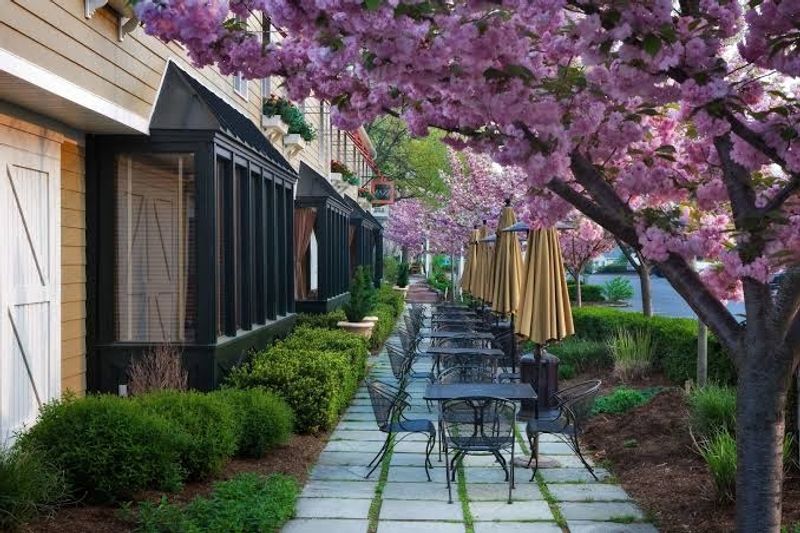
A village-like inn in Lancaster County can make guests feel as if they have stepped into a quieter chapter of Pennsylvania.
The Inn at Leola Village blends rural history, restored buildings, and polished hospitality in a setting with deep local roots.
The property grew from an 1800s Amish farm into a collection of lodging, dining, and event spaces.
Its history is tied to the farm culture that still shapes much of Lancaster County today.
What makes the inn interesting is the way it feels like more than one building.
Restored farm structures and village-style spaces create a small community atmosphere instead of a single hotel block.
Leola sits close to Lancaster, but it has a calmer pace.
That makes the inn a helpful base for travelers who want access to markets, theaters, and countryside drives without staying in the busiest tourist areas.
The design often mixes rustic touches with upscale details.
You may notice wood, stone, garden areas, and old building shapes, but the experience still feels comfortable and well cared for.
Visitors should be respectful when exploring the region.
Amish and other Plain communities are part of real daily life, not a theme park, so avoid taking close photos of people and drive carefully on roads shared with buggies.
A good plan is to pair the inn with local food experiences.
Lancaster County is known for baked goods, farm markets, cheeses, and hearty meals that help tell the story of the area.
If you enjoy history, ask staff about the property’s older buildings or look for details that reveal former farm use.
Small clues can make the stay more meaningful.
The surprise is how gracefully a farm setting became a refined retreat.
The Inn at Leola Village keeps the spirit of Pennsylvania farm country while offering the comfort many modern travelers want.
8. Radisson Lackawanna Station Hotel, Scranton
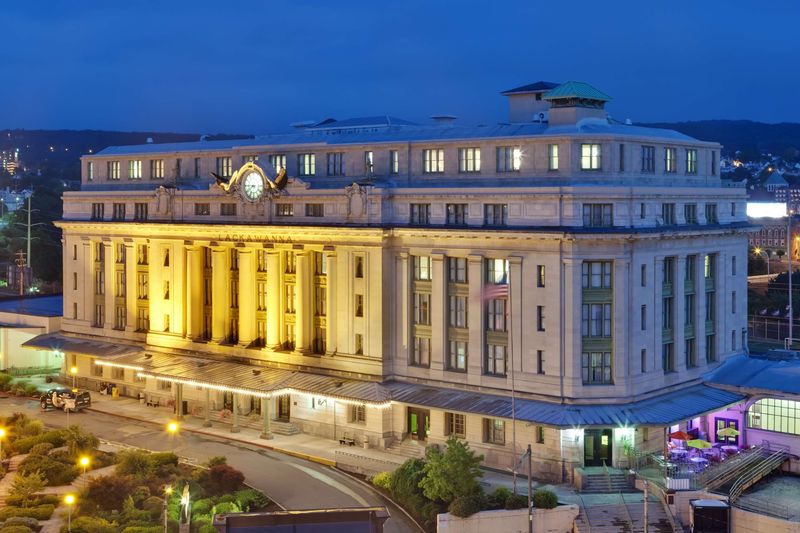
Some hotels hint at history, but this one practically announces it with a grand old station clock.
Radisson Lackawanna Station Hotel in Scranton began as a railroad terminal, and that past still gives the building its drama.
The structure opened in 1908 as the Delaware, Lackawanna and Western Railroad Station.
At the time, Scranton was closely tied to railroads, coal, and the movement of people and goods through northeastern Pennsylvania.
The building is known for its grand style, including marble, mosaics, and a sense of arrival that modern stations do not always have.
Guests are not just entering a hotel lobby, they are stepping into a former transportation landmark.
Scranton’s railroad history matters because trains helped connect coal country with larger markets.
The region’s anthracite coal fueled homes, factories, and cities, making this part of Pennsylvania important to American industry.
Staying here is especially rewarding if you enjoy architecture.
Look up, slow down, and notice the decorative work that was meant to impress travelers more than a century ago.
Families and history fans can pair the hotel with nearby attractions such as Steamtown National Historic Site.
That stop helps explain why rail travel was so central to Scranton’s growth.
For practical planning, check parking details before arrival and give yourself time to explore downtown.
The hotel’s historic character is a highlight, but the surrounding city adds context to the visit.
The mood is different from a countryside inn or small boutique hotel.
Here, the appeal is scale, movement, and memory, like hearing an old train whistle in the walls.
The surprise is that a place built for departures became a place to stay.
Radisson Lackawanna Station Hotel turns Scranton’s railroad age into a comfortable overnight experience with real Pennsylvania weight behind it.
9. The Notary Hotel, Philadelphia
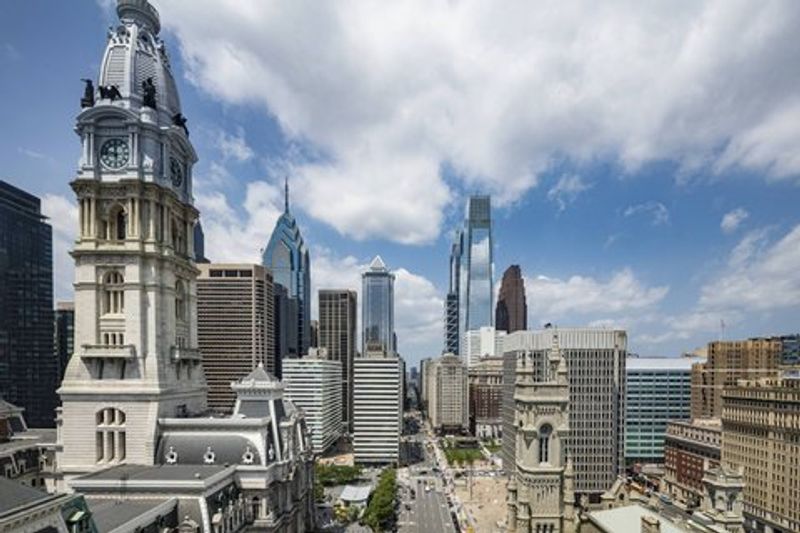
Imagine sleeping in a building where people once handled city paperwork, records, and official business instead of room service.
The Notary Hotel in Philadelphia has that unusual background, and it wears its civic history with style.
The building opened in the 1920s as the City of Philadelphia’s former City Hall Annex.
It housed municipal offices, which means many everyday decisions and records connected to city life passed through its halls.
Its name points to documents, signatures, and public records, a clever nod to the building’s earlier purpose.
That makes the hotel feel different from properties with only decorative historic themes.
The location near City Hall is a major advantage.
Guests can walk to the Pennsylvania Convention Center, Reading Terminal Market, museums, shops, restaurants, and public transit connections.
Architecture fans should take a moment to study the exterior and interior details.
Older civic buildings were often designed to look strong and important, because they represented public trust and city pride.
Philadelphia can feel big to first-time visitors, so this hotel works well for people who want a central base.
From here, you can move toward Old City, Rittenhouse Square, the Parkway museums, or South Philadelphia with relative ease.
A helpful tip is to visit Reading Terminal Market at off-peak hours if you can.
It is close by, but it gets busy, and going earlier can make the experience more relaxed.
The hotel’s past also reminds guests that history is not only about wars and famous speeches.
City records, permits, and offices may sound plain, but they help keep a major place running.
The unexpected twist is practical and charming.
The Notary Hotel transformed a serious government building into a lively downtown stay, proving that even paperwork can leave behind a surprisingly elegant Pennsylvania story.
10. Hotel Warner, West Chester
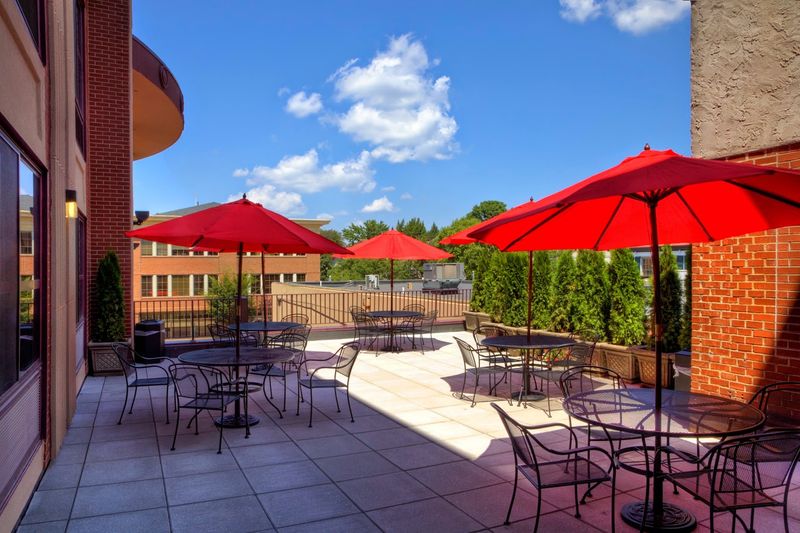
A night at the movies became a night at a hotel in one of West Chester’s best downtown transformations.
Hotel Warner carries the name and spirit of the Warner Theatre, which once entertained local crowds.
The original theater opened in 1930, during the golden age of movie palaces.
People came for films, newsreels, and a bit of glamour, long before streaming made entertainment a couch activity.
Today, the hotel preserves part of that theatrical past while giving visitors a comfortable place to stay in the heart of West Chester.
The result feels playful, local, and a little nostalgic.
West Chester itself is a lively borough with brick sidewalks, historic buildings, restaurants, boutiques, and a college-town energy from nearby West Chester University.
Hotel Warner places guests right in the middle of that walkable setting.
The history is fun because theaters were once social anchors.
A downtown movie house was where people met friends, went on dates, escaped hard times, and shared big-screen moments together.
If you stay here, give yourself time to explore without a strict schedule.
The best part of West Chester is often found by wandering from a cafe to a shop, then noticing an old building you almost passed.
Parking can matter in busy downtown areas, so check the hotel’s current options before you arrive.
A little planning can make the visit feel easy from the start.
For a fuller trip, consider nearby Brandywine Valley attractions, including gardens, battle sites, and art museums.
They add countryside and cultural stops to the downtown hotel experience.
The surprise is that Hotel Warner keeps a piece of Pennsylvania entertainment history alive in a practical new way.
Instead of selling tickets, the old theater story now welcomes overnight guests to one of the state’s most pleasant town centers.