At 3 p.m. on a weekday, most restaurants are barely thinking about dinner. On First Avenue in Denville, people are already angling for a table and discussing whether the mozzarella sticks should come before the garlic bread or alongside it.
The destination is The Pasta Shop, a compact Italian American eatery where reservations are not accepted and fresh noodles regularly inspire diners to wait far longer than they expected. There is no white-tablecloth ceremony and no sprawling dining room built for special occasions.
Instead, the attraction is a focused menu of handmade pasta, wood-fired comfort food, seasonal ingredients, and familiar classics prepared with uncommon care.
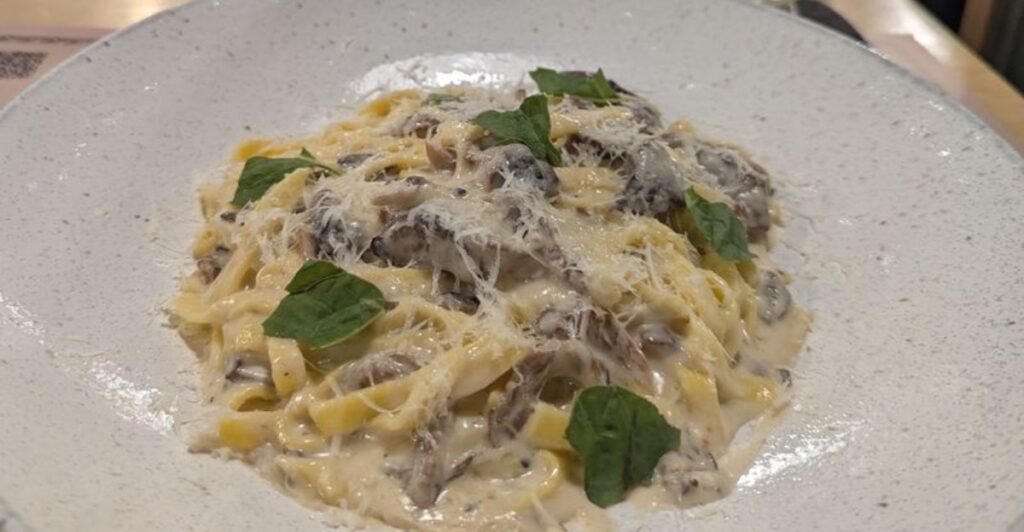
Rigatoni alla vodka, pappardelle Bolognese, chicken parmigiana, and those famously cheesy mozzarella sticks have turned this modest Morris County storefront into one of New Jersey’s most talked-about meals.
The portions are generous, the prices remain approachable, and the welcome feels genuinely neighborly—even when half the neighborhood appears to be waiting outside.
A Neighborhood Pasta Shop With a Statewide Following
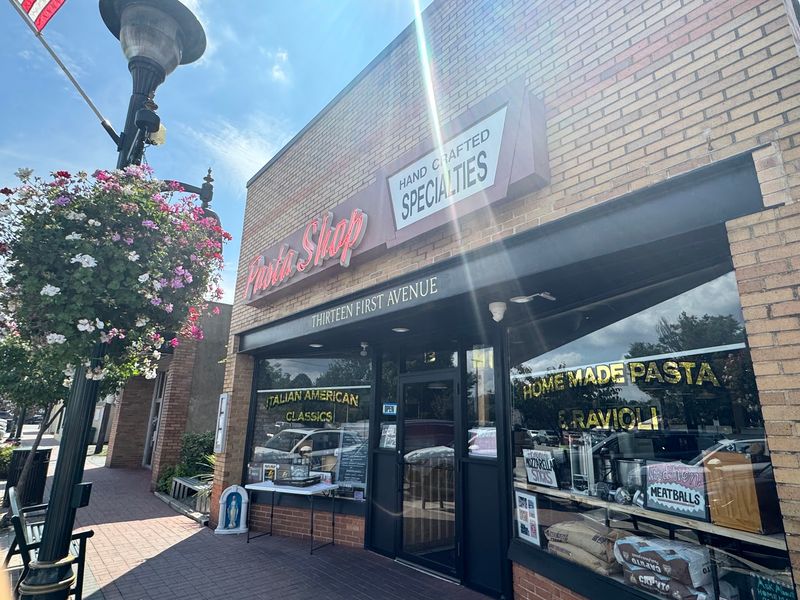
By late afternoon, a quiet New Jersey block can feel like the center of the food world. Neighbors stop in after work, while visitors arrive from other counties hoping to carry dinner home.
That mix of local loyalty and wider curiosity gives a small pasta shop its remarkable pull.
The appeal is easy to understand: personal service, an open view of kitchen activity, and food made with visible care. A compact storefront also creates a friendly rhythm, where staff may explain shapes, sauces, reheating times, and portion sizes without turning the visit into a formal lesson.
Smart planning helps first-timers enjoy the trip. Check the shop’s current hours and ordering rules before leaving, especially on weekends or near holidays.
Bring a cooler bag if the drive home is long, and ask how quickly fresh pasta should be cooked.
Most of all, order with an open mind. A familiar favorite is comforting, but one unfamiliar shape or sauce can reveal why people travel far.
Small shops build big reputations through details, and tasting those details is the fun part here.
Handmade Pasta Is the Heart of the Menu
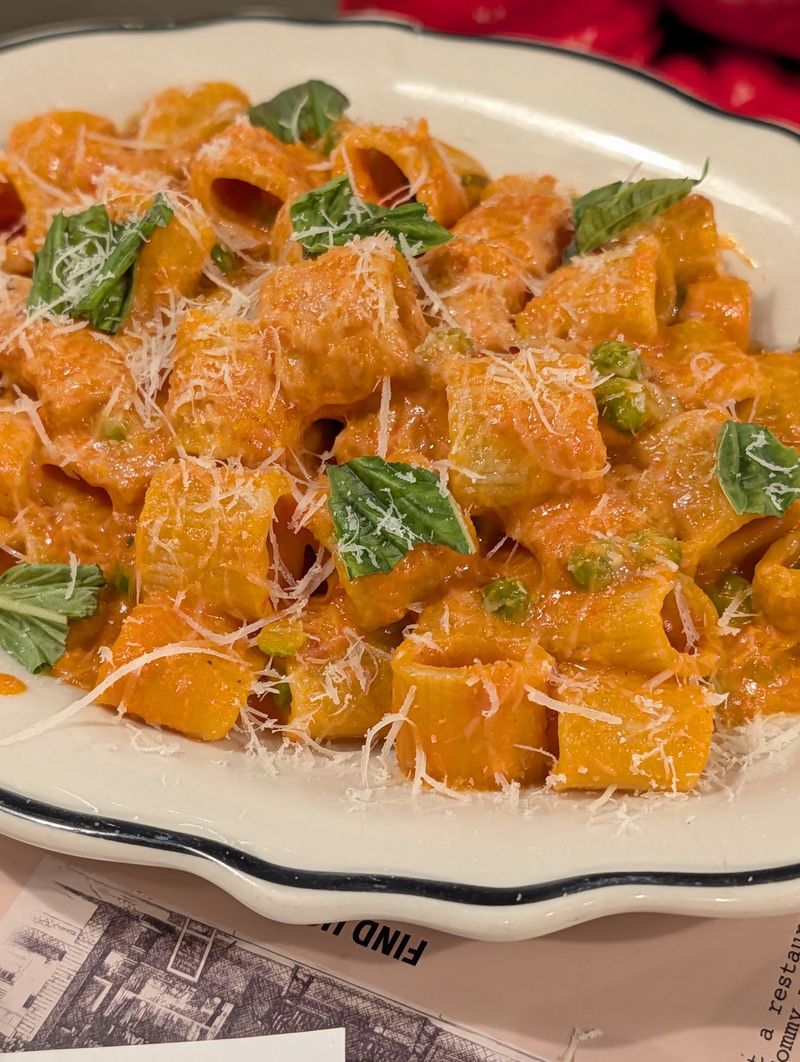
Flour dust on the counter is a good sign: somebody has been rolling, cutting, and shaping dough nearby. Handmade pasta brings texture and character that boxed noodles cannot always match.
Ridges catch sauce, folded edges hold fillings, and slight differences between pieces show the work of real hands rather than a factory built for speed, scale, and sameness.
When choosing dinner, think about the sauce before selecting a shape. Wide ribbons suit rich, silky coatings, while small twists handle chunky vegetables or crumbled meat.
Stuffed pasta often needs less sauce, since the filling already carries plenty of flavor. Ask the counter team for a pairing if the choices feel confusing.
They know what works best in the kitchen.
Fresh noodles cook fast, so keep the pot close and taste early. Use well-salted water, but save a cup before draining; that starchy liquid helps sauce cling.
Finish the pasta in the pan for a minute instead of pouring sauce on top. The result feels more balanced, glossy, and restaurant-ready at home without requiring any fancy kitchen gear.
The Mozzarella Sticks Deserve Their Cult Status
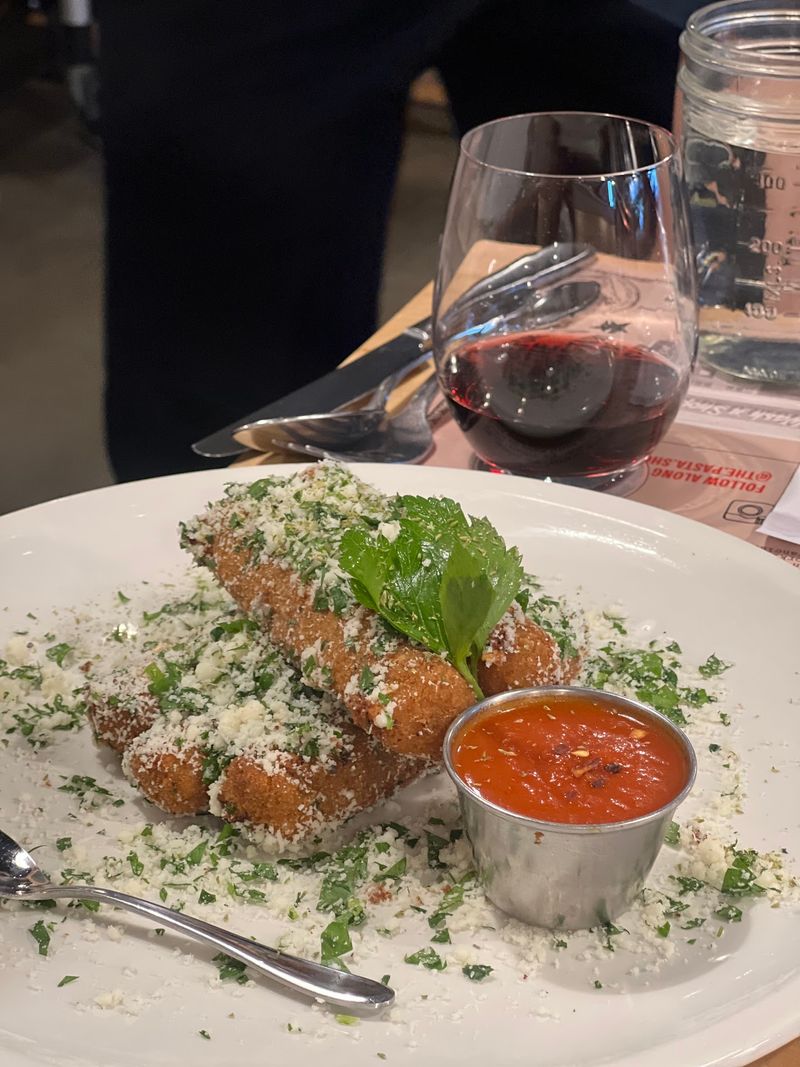
One dramatic cheese pull can explain an entire fan club. Mozzarella sticks may sound like a side order, yet a pasta shop can turn them into the table’s main event.
A crisp shell, hot cheese, and bright tomato sauce deliver familiar comfort, while careful frying keeps every bite rich without becoming heavy or greasy before the final delicious stretch arrives.
Timing matters with this snack. Eat one soon after it lands, but give the center a moment to cool first.
Pull it apart over the plate, not over your shirt, and dip lightly before adding more sauce. Sharing is sensible, although regulars may warn that the last stick can test even strong friendships.
Extras keep peace around the table nicely.
For takeout, ask whether venting the container helps protect the crust. Steam is the enemy of crunch, so reheat leftovers in an oven or air fryer rather than a microwave.
Pair the sticks with a salad or split them before pasta arrives. That way, the famous starter stays joyful instead of ending dinner early because nobody wants that sad outcome.
Wood-Fired Classics Bring Even More Comfort
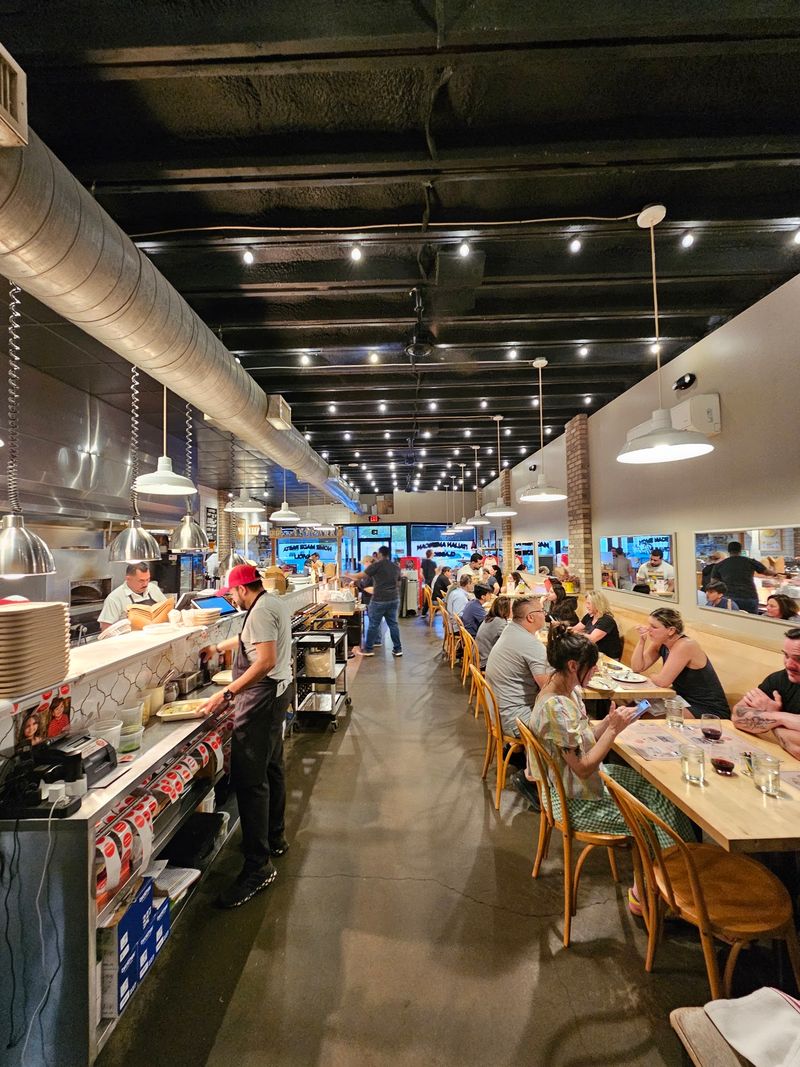
A glowing oven adds a little theater before dinner even reaches the table. Flames move across the bricks, cooks watch the heat closely, and crusts pick up dark, blistered spots within minutes.
Wood firing can create crisp edges, tender centers, and a lightly smoky flavor that fits naturally beside bowls of fresh pasta.
Classic choices are usually the smartest way to judge the oven. A simple tomato and cheese pie leaves nowhere for the crust, sauce, or seasoning to hide.
Roasted vegetables, baked meatballs, or bubbling cheese dishes may offer deeper comfort. Rather than ordering everything at once, choose one oven favorite that adds a different texture to the meal.
These dishes often travel better with a small plan. Ask for sauces on the side when possible, keep hot containers level, and avoid sealing crisp food beside steamy pasta.
At home, a hot sheet pan can revive crust more successfully than a microwave.
Families can also use wood-fired plates as easy sharing food. Slice larger items, pass them around, and taste them between pasta courses.
Mixing smoky, crisp bites with soft noodles keeps dinner interesting without turning the table into an overloaded feast.
Seasonal Specials Keep Regulars Coming Back
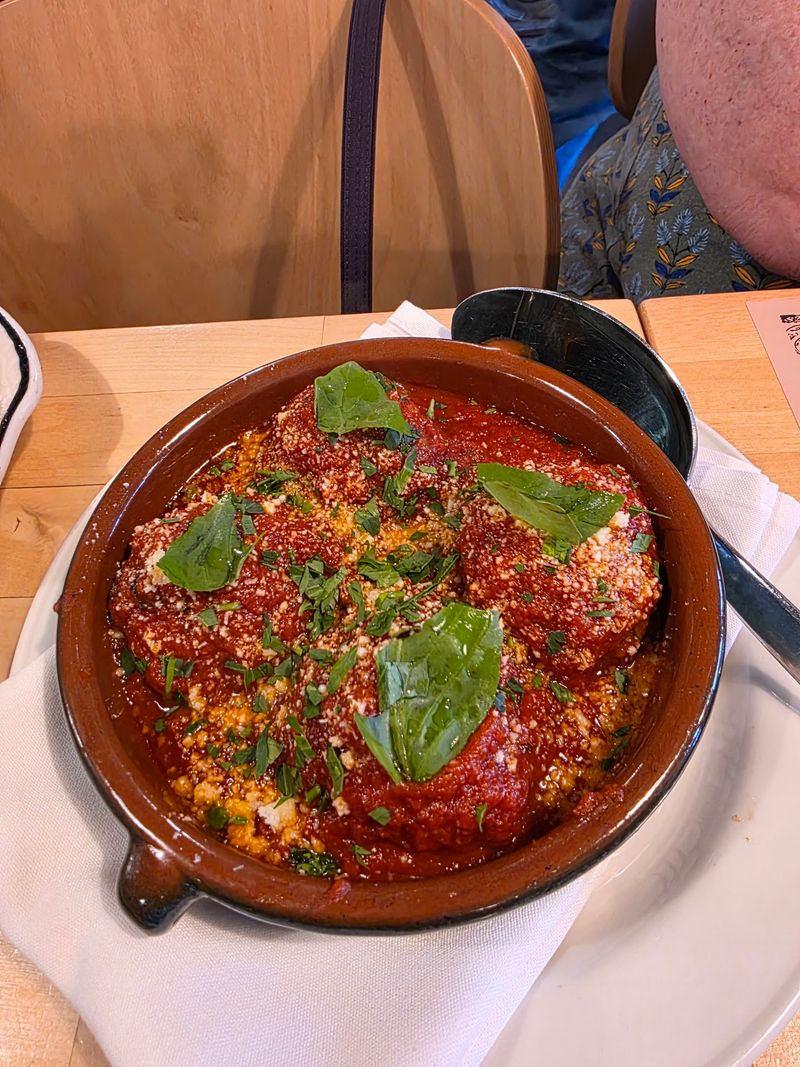
The specials board can reward anyone willing to pause before ordering the usual. Seasonal dishes give the kitchen room to work with ingredients that taste best right now, from spring greens and summer tomatoes to autumn squash.
Limited runs also create friendly urgency, since a favorite filling may disappear when the next crop arrives.
Regular customers often balance comfort with curiosity. They might keep one dependable pasta in the order, then add a special for the table to share.
That approach lowers the risk of disappointment while making each visit feel different. It also helps families introduce younger eaters to new vegetables, sauces, and pasta shapes one small taste at a time.
Ask a few useful questions at the counter. Find out whether the special is mild or bold, what sauce suits it, and whether it freezes well.
Staff guidance can prevent a delicate filling from being buried under a heavy topping.
Photos of the menu are handy, but current shop information matters more. Check official social pages or call before traveling for one particular dish.
Seasonal food moves quickly, and availability can change during the day. Treating the surprise as part of dinner keeps the hunt enjoyable.
Why the Long Wait Is Part of the Experience
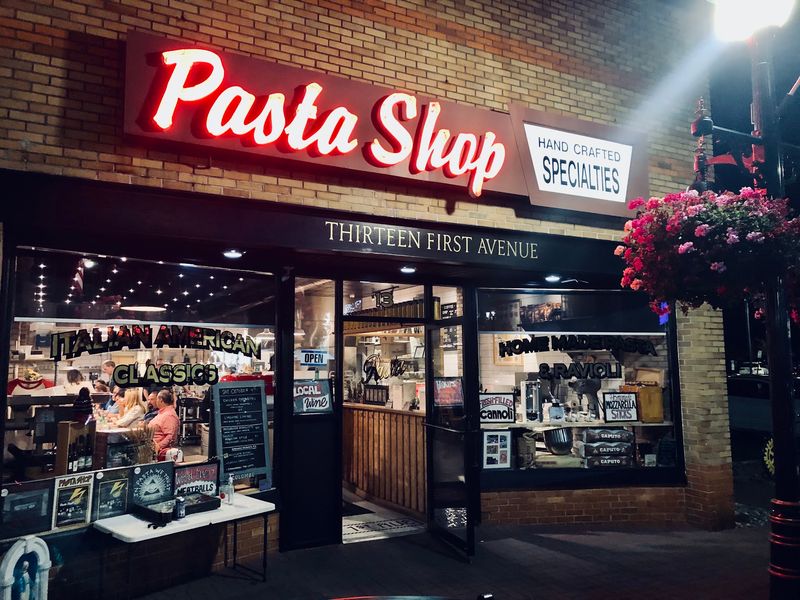
A line outside a tiny storefront can test hungry people, especially when dinner smells drift through the doorway. Still, a wait often reflects limited kitchen space, careful preparation, and more demand than a neighborhood counter can quickly handle.
Fresh pasta takes work, and rushing every order would erase much of the charm customers came to taste.
Arriving prepared changes the mood. Review current ordering details, bring water, dress for New Jersey’s unpredictable weather, and avoid promising children an exact eating time.
Visiting earlier or choosing a weekday may help, although busy periods can shift. A backup snack is practical, provided it does not spoil everyone’s appetite.
Use extra minutes to study the menu instead of repeatedly checking the clock. Decide on portions, ask friends about dietary needs, and make room in the car for level takeout containers.
Calm choices help the counter move smoothly once your turn arrives.
Patience also creates a shared local ritual. People trade recommendations, compare favorite sauces, and watch boxes leave the shop like prizes.
The wait should never excuse poor treatment or unclear service, but when expectations are managed, it becomes part of a memorable meal rather than merely an obstacle.
Share this story